What It Means To See Grasshoppers Move Through Colorado Gardens This Fall
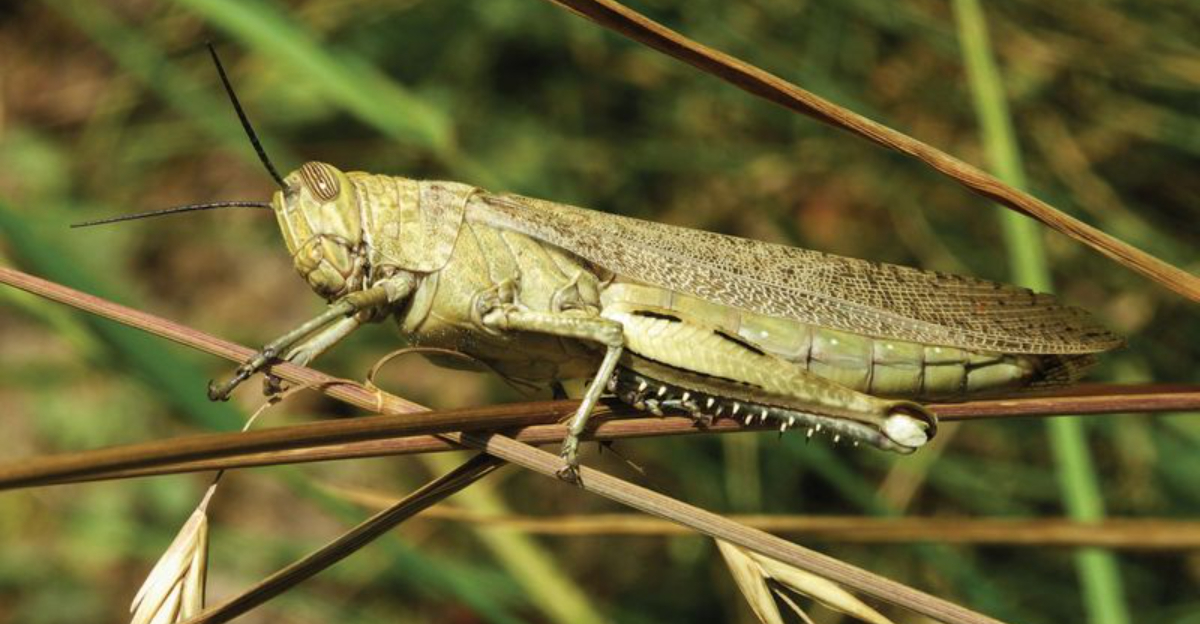
Grasshoppers arrived quietly, then became a common topic across Colorado gardens this fall. Your backyard turned into their favorite stop overnight. You heard the sound before you spotted the damage.
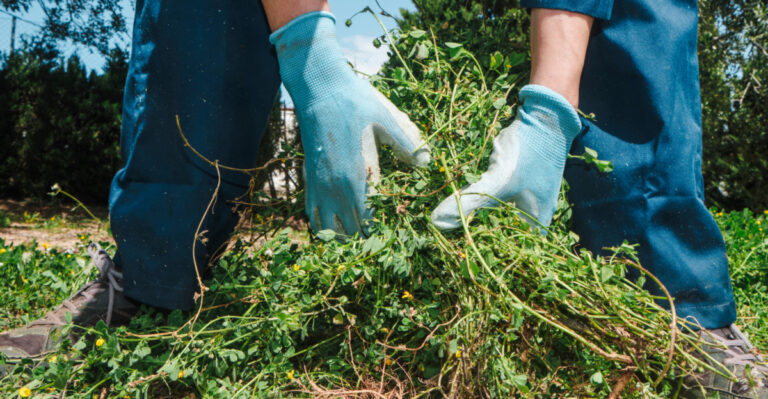
Bean plants became bare stems within days, in your yard. Sunflower leaves near your porch turned into lace. Tiny jaws worked through leaves you watered all summer. Tomato vines lost color under a wave of chewing.
Soil conditions, weather, and timing all played their crucial part. Gardeners across the state trade theories at each corner. Colorado growers now compare notes like seasoned detectives at markets.
Farmers markets buzz with the same story this season. Insects moved in swarms that surprised even seasoned growers. Weather patterns fed a population boom nobody predicted.
Questions about your yard deserve real answers, not guesses. Smart fixes still work once you know what triggered this. What comes next changes how you look at your garden forever.
Warm, Dry Weather Set The Stage
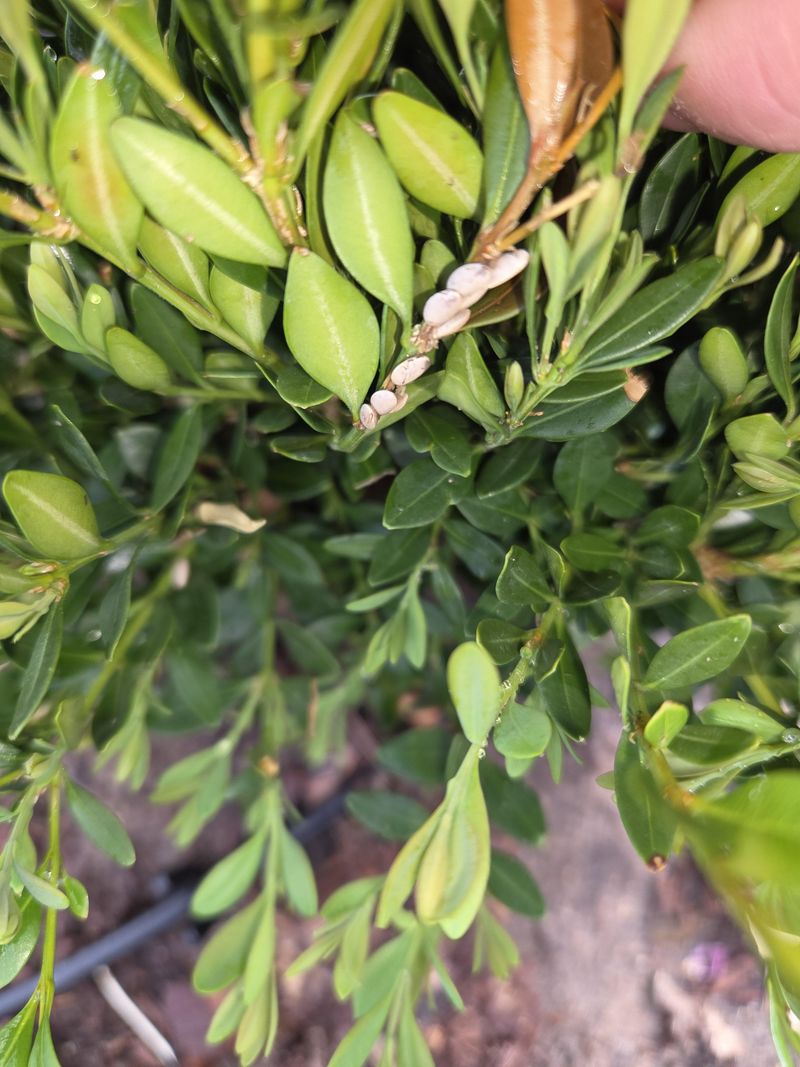
Blame the weather report from last spring, not your gardening skills. Grasshopper eggs sit in undisturbed soil through winter, and they hatch best when spring turns warm and dry early.
Wet, chilly springs slow hatching and let fungal diseases move through young hoppers. Many recent seasons in Colorado have brought warm, dry stretches, which is close to ideal for a big hatch.
Once those nymphs survive their first weeks, they grow fast. By late summer they have wings, and winged adults can travel far from the field or roadside where they started.
Drought plays a second trick. Native grasses along fence lines and open lots dry up and turn crunchy, so the insects go looking for something juicier.
Your irrigated garden becomes the greenest restaurant in the neighborhood. That is why yards next to open space, pastures, or vacant lots often take the hardest hit while a downtown patio stays fine.
Knowing the weather link helps you plan. If you hear about a warm, rain-poor spring, treat it as an early warning and start protection in June rather than September.
Fun bit of history: Colorado farmers in the 1870s faced Rocky Mountain locust swarms so thick they darkened the sky. That species disappeared, but related grasshopper species today respond to similar weather cues.
Weather cycles shift, so a rough fall does not promise a repeat next year. Keep notes on hatch timing in your own yard, because local records beat general advice.
Reading The Damage On Your Plants
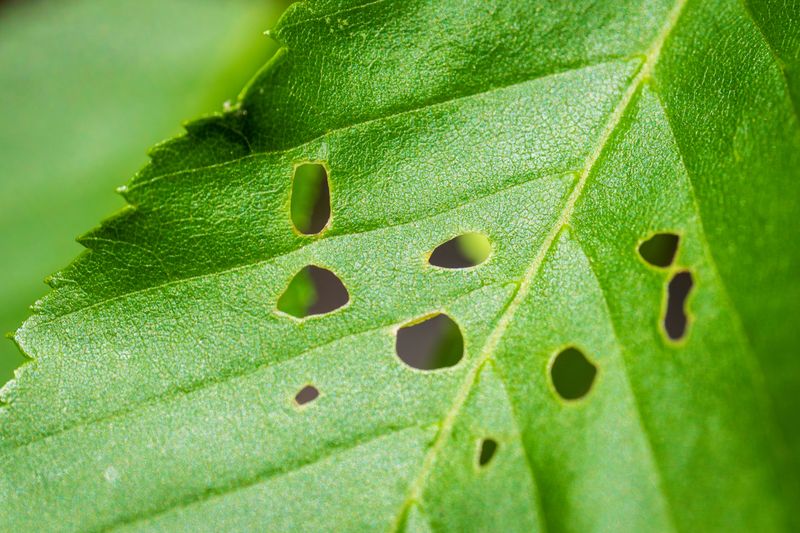
Chew marks tell a story if you know how to read them. Grasshopper feeding leaves ragged, irregular holes with edges that look torn rather than neatly clipped.
Caterpillars usually chew from leaf edges inward and leave dark droppings behind. Rabbits snip stems at a clean angle, and deer tear foliage, leaving frayed ends higher up.
Heavy hopper pressure moves fast. Beans, lettuce, corn silks, and young sunflowers often go first, followed by tomato leaves, squash, and even onion tops.
Look for damage on screens, window frames, and wooden fence posts too. Hungry adults will scrape paint and chew fabric when preferred greens run short, which surprises a lot of homeowners.
Your Colorado Garden Changes Every Week. Your Plan Should Too.
Gardening in Colorado changes quickly throughout the season. Every Friday you’ll receive a simple weekly plan showing exactly what to plant, prune, fertilize, harvest, and protect so you never miss the right timing.
Check the plant crown and stems. If bark on young trees or shrubs shows scraped patches, that plant may need extra water and shade cloth while it recovers.
Counting helps you decide what to do. Walk a straight line through the yard, note how many hop away per step, and repeat the walk weekly.
Extension guidelines often cite around eight or more per square yard as a warning sign, though thresholds vary by crop and region. Fewer than three is generally considered low pressure.
Take photos with your phone each week. Comparing images makes it easier to see whether feeding is slowing down or picking up speed.
Most established perennials bounce back once cold nights arrive. Annual vegetables planted late in the season struggle more, so save your energy for the plants with a real chance.
Barriers Often Outperform Sprays
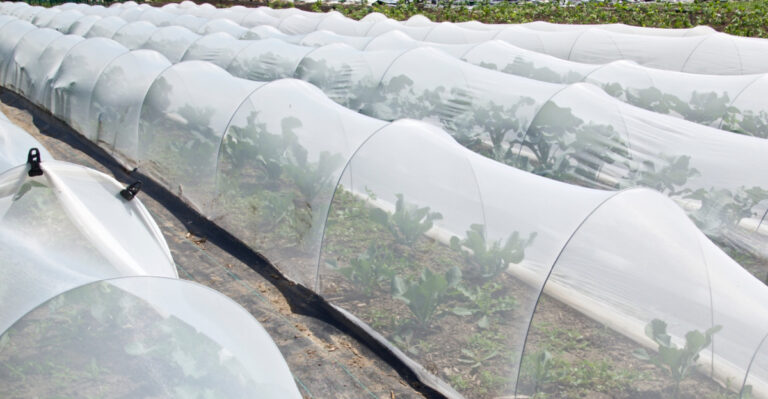
Ask any long-time Front Range gardener what actually saves crops, and the answer is usually fabric. Floating row cover and fine insect netting create a physical wall that a hopping insect cannot chew through easily.
The trick is sealing the edges. Bury fabric edges in soil or weigh them down with boards, because grasshoppers walk in through any gap they find.
Use hoops so the cover does not rest directly on leaves. Contact points give insects a chewing surface, and you will see small holes right where fabric touches foliage.
Lightweight covers let sun and water through, so you can leave them on for weeks. Pull them back briefly if squash or cucumbers need pollinators, or hand-pollinate with a small brush.
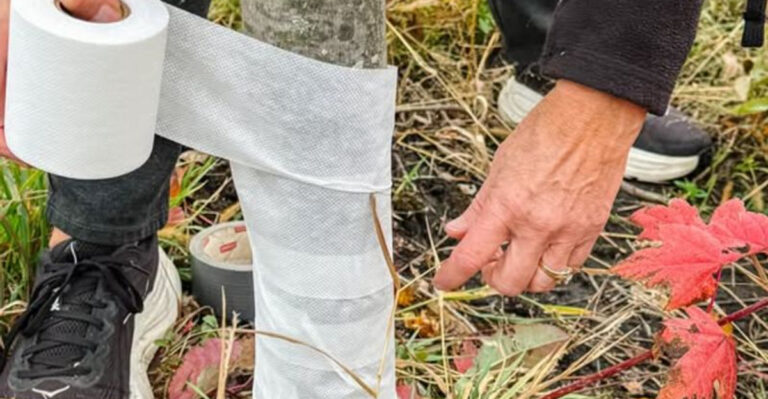
Aluminum window screen works well around young fruit tree trunks. Wrap loosely, leave breathing room, and remove it once cooler weather sends the crowd elsewhere.
Sprays sound easier, but adults are tough, mobile, and quick to replace their neighbors. A treated bed can look fine at noon and be overrun again by evening.
Save your money for good netting and reuse it season after season. Store it dry, folded, and away from mice, and one roll can serve five or six years.
One extra perk: covers also block flea beetles, cabbage moths, and hail-sized dings during summer storms. Gardeners who invest in netting usually find themselves reaching for it long after the hopping quiets down.
Nolo Bait And Other Slow-Motion Helpers
There is a product that uses a natural pathogen instead of a chemical punch. Nolo Bait and similar products carry Nosema locustae spores on wheat bran, which grasshoppers eat willingly.
Infected insects slow down, feed less, and pass the pathogen along when other hoppers scavenge them. Results build over weeks, not hours, so patience matters.
Timing decides whether it works. Spread bait in late spring and early summer when nymphs are small, because large winged adults barely notice it.
Scatter it along field edges, ditch banks, and grassy borders where hatching happens. Treating only your vegetable bed misses the nursery entirely.
Neighbors make a huge difference here. A block or acreage that baits together sees far better results than one lone gardener with a single bag.
Store leftover bait in a cool spot and check the date, since living spores lose punch over time. A freezer or cool basement shelf keeps it viable longer.
Other gentle options exist. Insecticidal soap can knock back tiny nymphs, and kaolin clay coats leaves with a gritty film that makes plants less appealing.
Poultry deserve a mention too. Chickens, ducks, and guinea fowl treat a hopper outbreak as an all-you-can-eat buffet, and guineas in particular patrol tirelessly.
Just fence poultry away from tender seedlings, or you will trade one leaf problem for another. Used together, bait plus birds plus barriers gives you a layered defense rather than one fragile line.
What A Big Hatch Says About The Wider Ecosystem
Zoom out from your tomato plants and something interesting appears. Grasshopper booms are part of a natural rhythm on short-grass prairie, and Colorado sits right in the middle of that landscape.
Big numbers feed a long list of animals. Kestrels, meadowlarks, coyotes, foxes, spiders, and robber flies all cash in during an outbreak year.
Blister beetle larvae and certain flies target egg pods in the soil. Their populations rise a season or two behind the boom, which helps bring numbers back down naturally.
Grazing patterns matter as well. Overgrazed or heavily disturbed ground stays warm and bare, which is exactly the seedbed egg-laying females prefer.
Healthy stands of native grass with mixed heights hold moisture and shade the soil. Areas managed that way often see smaller hatches than scraped, compacted lots.
Home gardeners can copy that idea on a small scale. Leave patches of dense native planting, avoid tilling bare soil in fall, and add mulch to keep surfaces cool.
Encouraging predators helps too. A birdbath, a few perch posts, and shrubs for cover invite the very animals that reduce insect pressure for free.
Seeing an outbreak does not mean the land is broken. Wildlife biologists treat these swings as normal pulses, similar to good and bad years for wildflowers.
Understanding that pattern takes some sting out of a chewed garden. You are watching a prairie system flex, and it happens to be flexing through your bean rows.
Rebuilding Your Garden Before Next Spring
Fall clean-up is where next year quietly gets decided. Cooler nights slow feeding, so late September and October are the right window for repair work.
Water stressed perennials deeply before the ground chills. Roots that go into winter hydrated push out stronger leaves once spring arrives.
Skip heavy pruning on chewed shrubs right now. Wait until late winter, then trim back damaged wood once you can see which buds are still viable.
Mulch matters more than people expect. A two-inch layer of straw or shredded leaves shades soil, holds moisture, and makes egg-laying less inviting.
Consider a light shallow cultivation along garden borders in late fall. Stirring the top inch of soil exposes egg pods to cold and hungry birds.
Plant garlic, cover crops, and spring bulbs now while pressure drops. Those choices give you something rewarding to harvest before the next hatch even begins.
Think about swapping a few plants next season. Squash, tomatoes with tough foliage, sage, cilantro, and lilac tend to be less attractive than beans and lettuce.
Order row cover during winter sales rather than during a panic in July. Prices are friendlier and selection is better.
Keep a simple garden journal with dates, damage notes, and photos. Two or three seasons of records will show you patterns that no general article can predict.
Gardens in Colorado have handled rough insect years for generations, and yours can too with a little preparation.