Crabgrass Can Still Add Thousands Of Seeds To Georgia Lawns Before Frost
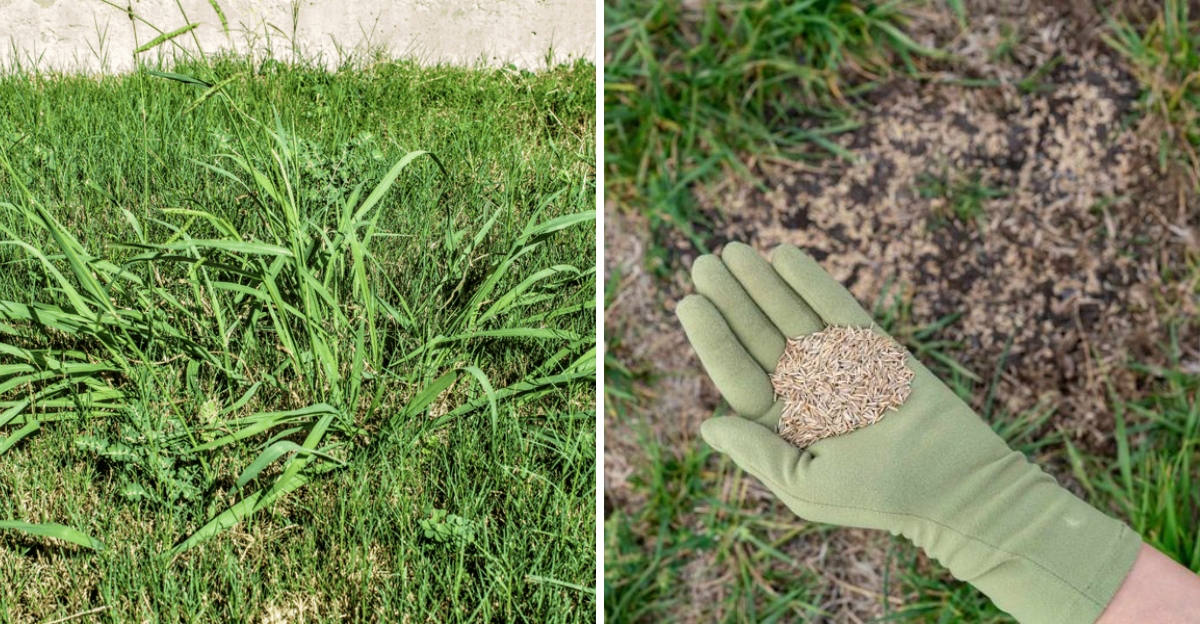
Crabgrass may look like yesterday’s lawn problem once September arrives, but those mature plants are not finished causing trouble. What happens before frost can shape the problems you face next year.
That is because surviving crabgrass is shifting its energy toward something much harder to notice.
Instead of focusing only on the patches you can see, pay attention to the seedheads developing above them. Georgia lawns can receive a huge new supply of seeds before cold weather finally stops growth.
Ignoring those plants now gives those seeds time to settle into the soil.
Once they are there, they can wait for favorable conditions and create another round of crabgrass later. Acting before that happens can make future control much easier.
September is not too late to make a meaningful difference.
1. Late Crabgrass Patches Still Need Your Attention
Frost is coming, but crabgrass is not finished yet.
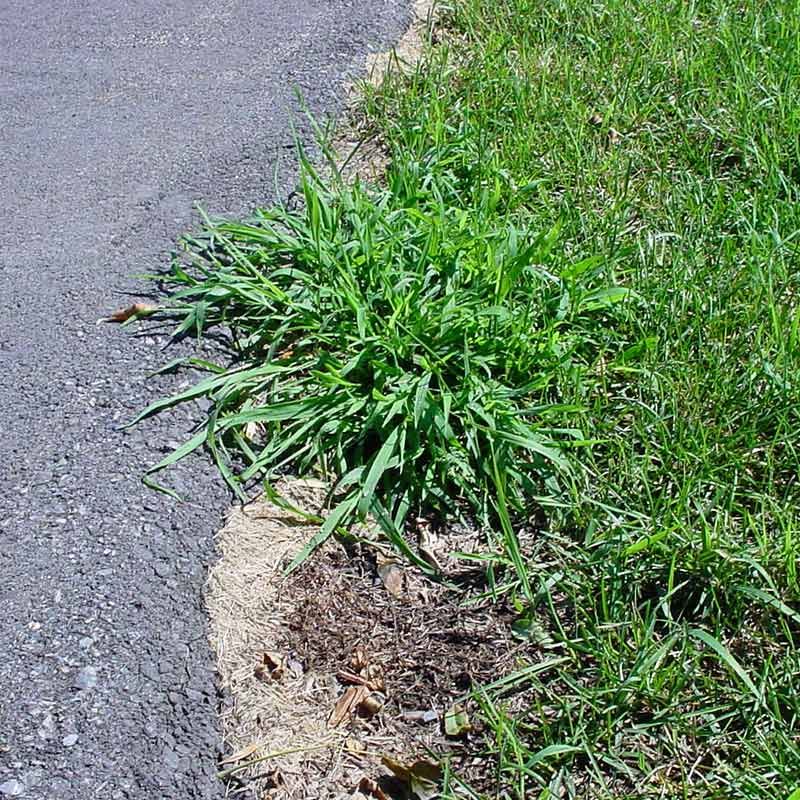
Those flat, sprawling patches near driveways and sidewalks keep working right up until cold weather stops them. Each plant can still be pushing out seed while your lawn slows down.
Pulling late-season clumps by hand is still worth the effort.
Grab the plant low, close to the crown, and lift slowly so the roots come with it. Wet soil after rain makes that job much easier.
Georgia lawns often stay warm into October, which stretches the crabgrass season longer than folks expect.
Bag what you pull instead of tossing it in the yard. Seed heads keep maturing even after the plant is off the ground.
Herbicides work poorly on mature crabgrass, so do not expect much from a late spray.
Post-emergent products labeled for crabgrass tend to perform best on young, small plants. By September, most clumps are too tough for a clean result.
Focus on the edges first.
Driveway seams, mailbox areas, and thin strips along sidewalks heat up fast and grow the biggest plants. Clearing those spots removes a lot of seed at once.
Keep a bucket handy while you walk the yard.
Ten minutes of hand-pulling each weekend adds up more than one long session in November. Every clump you remove now is seed that will not reach your soil.
2. Seed Heads Are The Biggest Warning Sign
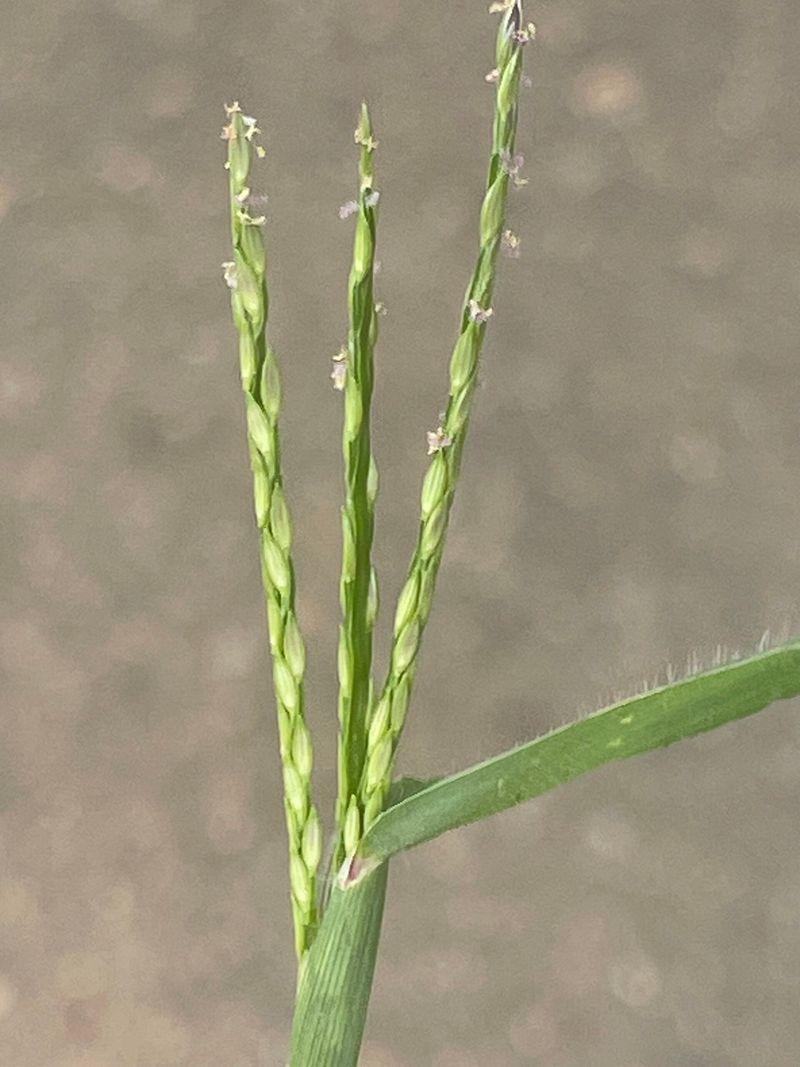
Those thin, finger-like spikes at the top of a clump are the real problem.
Crabgrass gets its name from that shape. The seed heads spread out from one point like crab legs, and each one carries a lot of seed.
A single healthy plant can produce thousands of seeds in one season under good conditions.
Not every seed sprouts next spring. Some stay in the soil for years, which is why one rough summer can haunt a yard for a while.
Spotting seed heads early gives you a chance to act.
Check low spots and sunny strips first, since plants there mature faster. Bend down and look, because short seed stalks hide under mower height.
Warm fall weather across north Georgia can keep seed heads forming into late October some years.
Your Georgia Garden Changes Every Week. Your Plan Should Too.
Gardening in Georgia changes quickly throughout the season. Every Friday you’ll receive a simple weekly plan showing exactly what to plant, prune, fertilize, harvest, and protect so you never miss the right timing.
Handle mature plants gently when you pull them. Shaking a seedy clump scatters the very thing you are trying to remove.
Bag what you pull, and skip the compost pile unless it heats up well.
Timing matters more than perfection here. Removing a plant before seed heads open helps more than clearing one that already dropped its load.
Mark the worst areas with a flag or a phone photo.
Those same spots usually flare up first the next summer. Knowing where to watch saves you guesswork in spring.
3. Regular Mowing Can Reduce New Seed Production
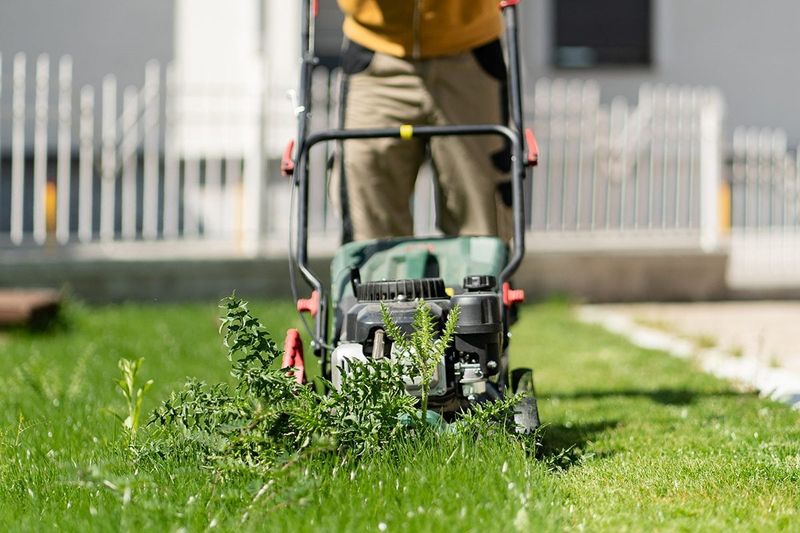
Mowing will not remove crabgrass, but it can slow down how much seed it makes.
Cutting off seed heads before they ripen keeps some of that seed out of your soil. Bagging clippings during those mowings helps even more.
Stay on a steady schedule while growth continues.
Weekly mowing in early fall catches seed stalks while they are still short. Skipping two weeks lets plenty of them finish.
Crabgrass grows flat, so it can set some seed below your mower blade.
Do not scalp the lawn trying to fix that. Cutting too low weakens your turf and opens more space for weeds next year.
Tall fescue lawns in Georgia usually do better around three to four inches, while bermuda and zoysia handle shorter heights.
Sharp blades matter here too.
A clean cut helps grass recover faster and keeps ragged tips from stressing the lawn. Empty the bag away from garden beds.
Clippings loaded with seed heads can start new patches wherever you dump them.
A trash bag or curbside yard-waste pickup is a safer choice. Mow when the grass is dry if you can.
Wet clippings clump and clog the bag, and you end up leaving seed behind.
Dry mowing also gives a more even cut along edges. Keep mowing until growth truly stops.
4. Bare Lawn Spots Give Crabgrass More Room
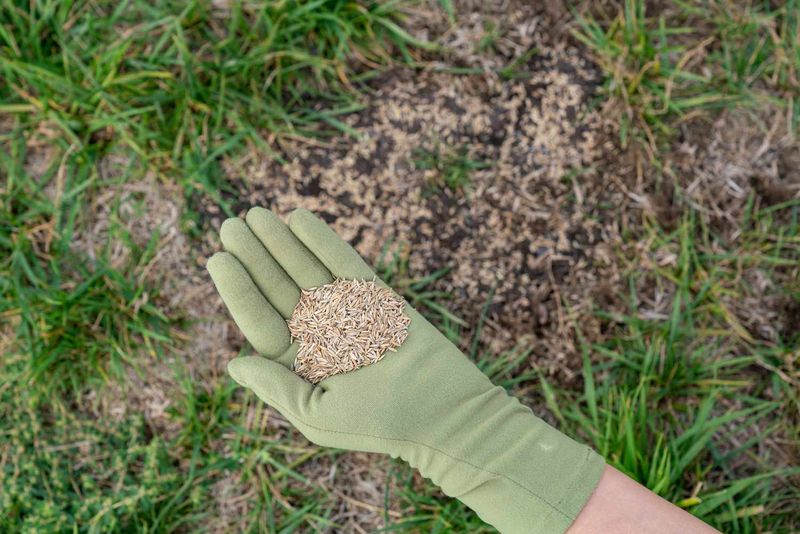
Crabgrass loves open ground, and thin lawns hand it plenty.
Sunlight hitting bare soil warms it faster in spring. Warmer soil is exactly what those seeds are waiting on.
Take a walk and note where the turf has gone thin.
Dog paths, play areas, and strips along the curb usually top the list. Shade under trees can thin out too, though for different reasons.
Fall is a good window to fix bare ground in Georgia if you grow tall fescue.
Cool weather and steady rain help new seedlings root before winter. Aim for September through October in most parts of the state.
Warm-season lawns follow a different calendar.
Bermuda and zoysia spread on their own during summer, so patch repairs usually wait until late spring. Sodding or plugging often works better than seeding for zoysia.
Loosen compacted areas before you add seed or soil.
Hard ground sheds water and keeps roots shallow. Core aeration during the right growing season makes a real difference.
Top-dress low spots with a thin layer of soil.
Half an inch at a time is plenty. Burying grass crowns too deep sets your repair back.
Keep new seedlings watered lightly and often.
Shallow roots dry out fast, especially on sandy ground. Filling gaps now means crabgrass has fewer places to start next June.
5. Healthy Turf Makes It Harder To Take Over
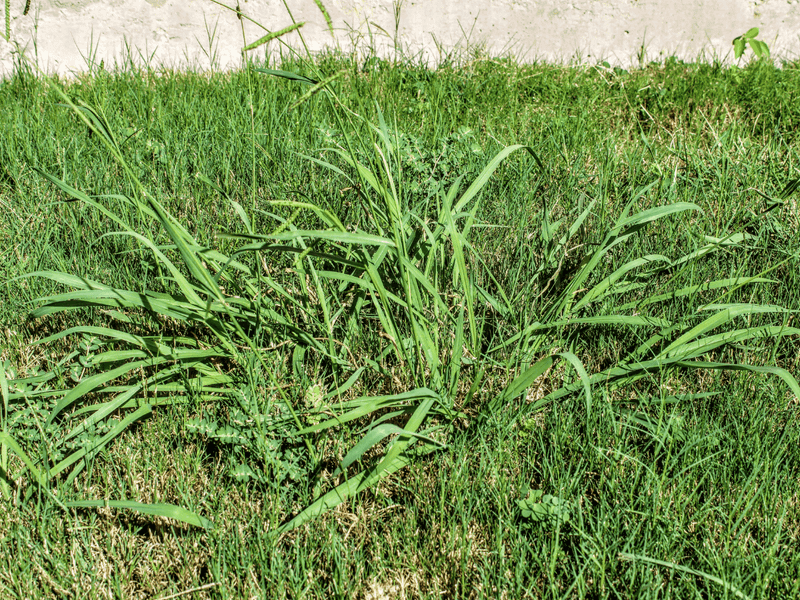
Thick grass is your cheapest weed control.
Dense turf shades the soil surface, and crabgrass seed struggles to sprout in the dark. No herbicide replaces that kind of cover.
Soil testing takes the guesswork out of feeding.
UGA Extension offers soil tests through county offices, which is handy for Georgia homeowners. Results tell you what your lawn actually needs instead of what a bag label suggests.
Feed at the right season for your grass type.
Warm-season lawns want nitrogen in late spring and summer. Tall fescue does better with fall feeding.
Water deeply instead of daily.
An inch a week, split into one or two soakings, encourages deeper roots. Light daily sprinkling favors shallow-rooted weeds.
Mow high enough to shade the ground.
Higher cuts on fescue block more sunlight from reaching bare soil. Even a half-inch change can help.
Watch drainage and traffic patterns.
Soggy corners and hard-packed walkways thin out fast, and crabgrass moves right in. Fixing the cause beats patching the symptom every year.
None of this works overnight.
Lawns improve over seasons, not weekends, and weather can slow your progress. Still, each small fix reduces how much crabgrass shows up next summer.
Overseeding thin fescue in fall builds density too.
Thicker stands compete better for water and light, which leaves fewer openings for weeds. Track changes with a photo each June, and progress becomes easier to see.
6. Fall Pre-Emergent Is Not The Fix For Crabgrass
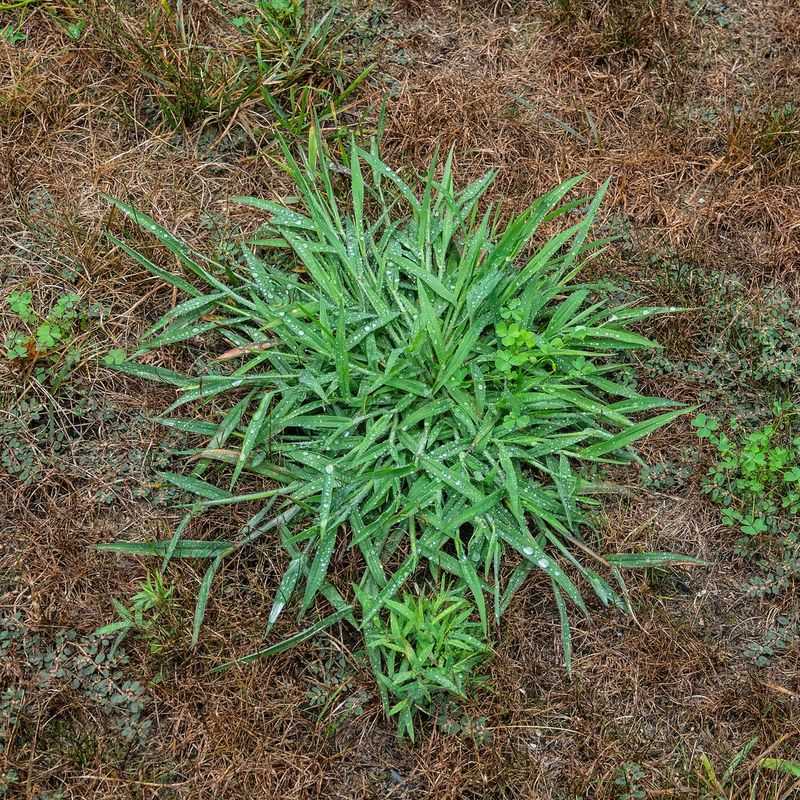
Here is where a lot of money gets wasted.
Fall pre-emergent does not stop crabgrass that is already growing. Pre-emergents block seeds from establishing, not mature plants.
Crabgrass is a summer annual.
Plants sprout in spring, grow through summer, then fade with the first hard frosts. A fall application arrives after the seed is already made.
Fall products do have a job, though.
Annual bluegrass, chickweed, and henbit germinate in cool weather. A pre-emergent applied in early fall targets those winter weeds instead.
Timing across Georgia usually lands in September, depending on soil temperature and local weather.
Read the label before you spread anything.
Some products are not safe over newly seeded fescue, and that matters if you plan fall overseeding. Check the waiting period listed for seeding.
Doubling the rate will not help either.
Extra product can stress your turf and does nothing for crabgrass already carrying seed. Stick with the rate printed on the bag.
Spot treatment is a better use of fall effort.
Hand-pulling seedy clumps and repairing thin turf give real returns, while a mistimed herbicide gives none. Save your crabgrass plan for late winter.
Marking a calendar reminder now beats an off-target fall spray.
7. Spring Prevention Starts Before Seeds Begin Growing
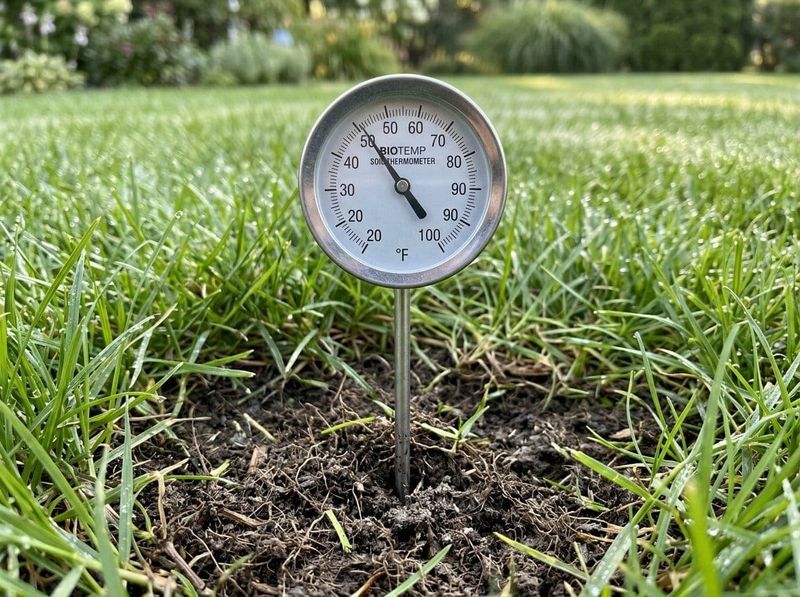
Crabgrass control is won in late winter, not July.
Seeds start sprouting when soil temperatures near 55 degrees hold for several days. Pre-emergent needs to be down and watered in before that happens.
Watch soil temperature instead of the calendar.
South Georgia often reaches that mark in February, while northern counties may wait until March. Weather shifts the window every year.
Local soil temperature maps and Extension updates help with timing.
Blooming forsythia is an old garden clue that germination is close. It is rough, but it beats pure guesswork.
Water the product in after you apply it.
Most pre-emergents need moisture to move into the top layer of soil. A dry granule sitting on the surface does little.
Split applications stretch coverage deeper into summer.
A second treatment about eight weeks later can cover the long germination window. Follow the label limits on total yearly amounts.
Skip pre-emergent where you plan to seed.
Those products block lawn seed too, so overseeding and pre-emergent do not mix. Pick one goal per area for the season.
Expect good control rather than perfect control.
Edges, driveways, and thin spots may still push up plants. Follow up by hand or with a labeled post-emergent while seedlings are small.
Set a reminder on your phone for early February.