The Texas Trees To Fertilize In September And The Ones To Skip
Texas yard can feel like it still has months of summer left in September.
The sun hangs on. The soil stays warm. Trees still look active. That bag of fertilizer in the garage starts to look quite irresistible.
But Texas loves a plot twist.
A tree that welcomes a September meal near the Gulf may deserve a firm “not now” farther north. Another may look hungry but actually need water, better soil, or one very specific nutrient.
So which trees get the scoop, and which ones should watch the fertilizer bag pass by?
That answer gets surprisingly personal. Species matters. Location matters. Recent heat matters too.
You do not need a complicated chart or a degree in tree science. You just need to know who belongs on each side of the September line.
Some familiar Texas favorites may surprise you.
Before you scatter a single granule around the trunk, meet the trees that can use a late meal and the ones better left off the menu for now, anyway.
1. Young Mango Trees
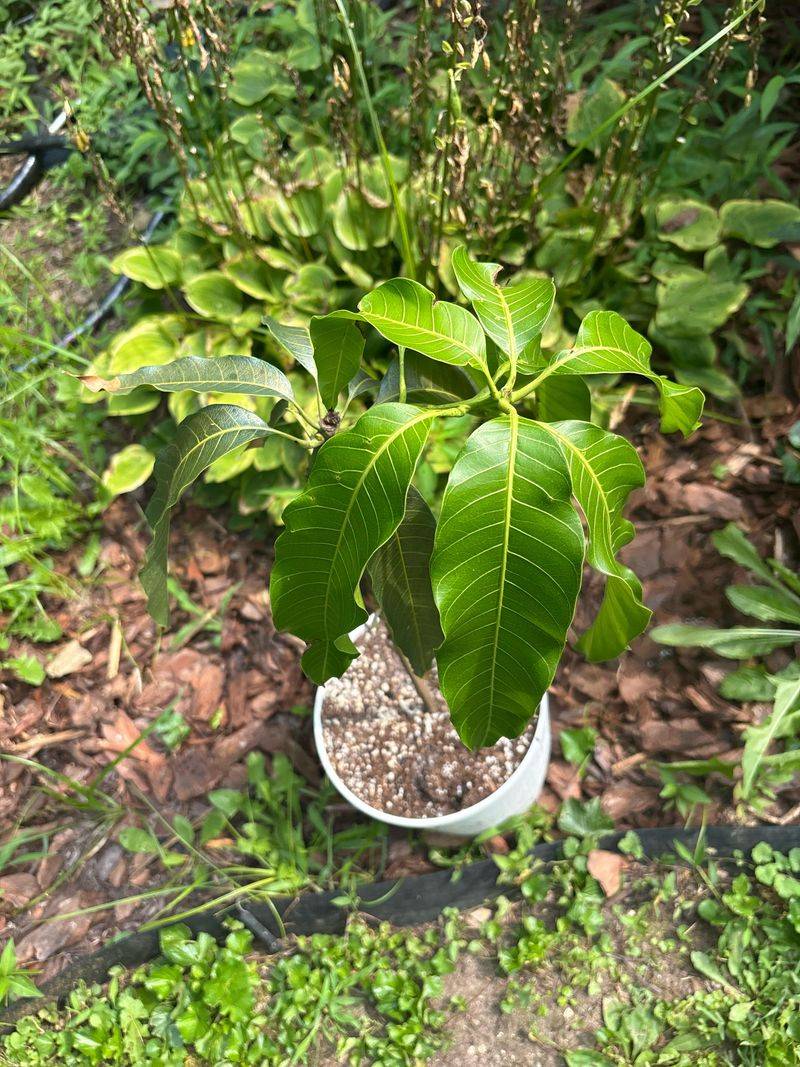
Mango trees play by a warmer set of Texas rules.
In the far south, a young mango can still use fertilizer during September. The climate stays mild enough for this subtropical tree to remain active later than many familiar shade trees.
For young mangoes, fertilizer can continue monthly into September after new growth appears. The amount depends on tree age and product strength, so the label deserves your attention.
Water matters just as much. Scatter fertilizer over the root area, keep it away from the trunk, then water the soil well. Dry roots plus fertilizer salts can turn a helpful meal into a rough afternoon.
This is where your location gets the final vote. A mango near Brownsville lives in a very different September than a tree near Dallas.
Keep lawn grass and weeds away from the root zone too. Young mango roots do not appreciate competition for water and nutrients.
Mulch can help conserve soil moisture, but leave space around the trunk. No mulch volcanoes. The tree wants a blanket on the soil, not a turtleneck.
September fertilizer also does not mean endless fall fertilizer. The monthly schedule stops after this point for the season.
For the right young mango in far South Texas, September can still be dinner time. Just keep the portion sensible and the trunk off the plate.
2. Mayhaw Trees
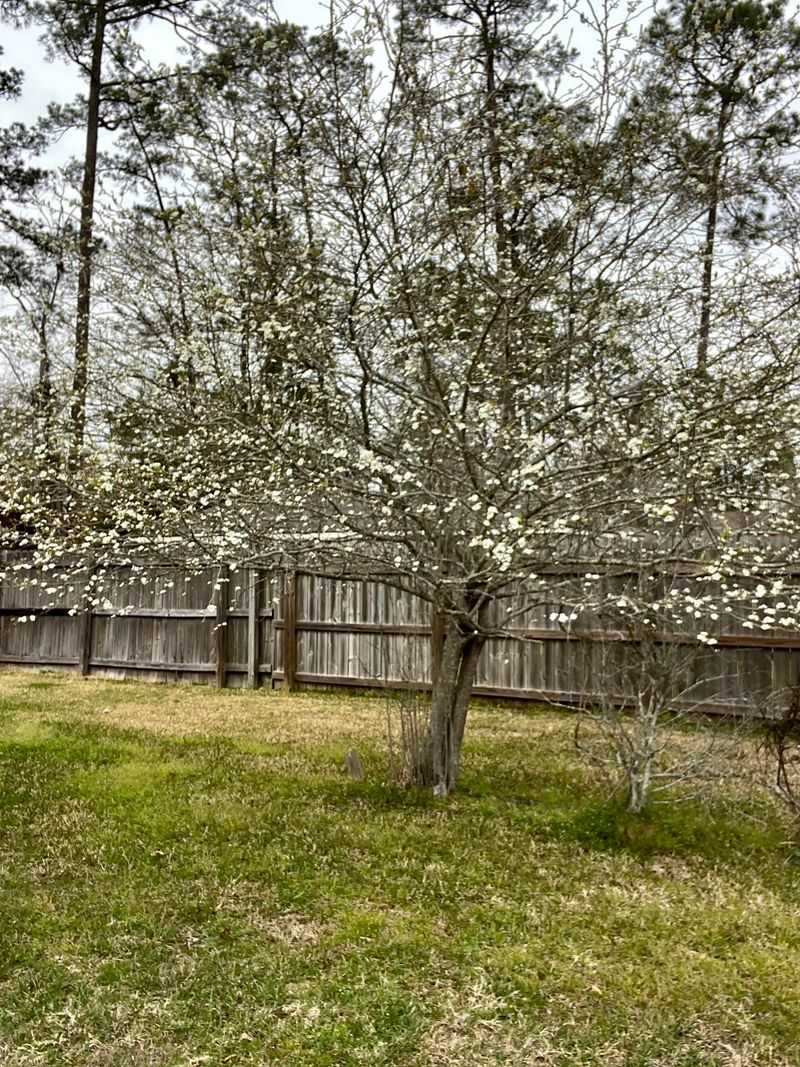
An established tree with weak growth may receive a second fertilizer application in late August or early September. Adequate soil moisture needs to come first.
That last detail matters. A dry East Texas yard and a fertilizer bag are not a great partnership. Water gives roots a chance to use nutrients without extra salt stress.
The usual September approach is not a heavy nitrogen blast. Mayhaw guidance favors a slow-release 5-10-10 product for established trees, with the amount tied to trunk size.
Spread it beneath the canopy rather than beside the trunk. Keep a clear space close to the bark, then water the root zone.
Your Texas Garden Changes Every Week. Your Plan Should Too.
Gardening in Texas changes quickly throughout the season. Every Friday you’ll receive a simple weekly plan showing exactly what to plant, prune, fertilize, harvest, and protect so you never miss the right timing.
Take a look at the tree before you reach for the scoop. A vigorous mayhaw does not need an extra meal just because the calendar says September.
Weak growth can also come from drought, poor drainage, root trouble, or competition. Fertilizer earns a place only when plant vigor and moisture conditions support the choice.
That makes mayhaw less of a free buffet and more of a reservation-only dinner.
A spring application remains the main event. The early September round is the encore for an established tree that needs support and has enough water available.
Your mayhaw may appreciate seconds. It just does not need the waiter to top off the plate again.
3. Live Oak Trees

Live oaks look tough enough to handle almost anything Texas throws at them.
That does not make September fertilizer a useful default.
Most established landscape trees can do well without routine fertilizer, especially native trees already suited to local soil. Live oak fits that conversation nicely.
Late summer nitrogen can also push fresh shoots at an awkward time in North and Central Texas. Those shoots may not have much time to mature before the first sharp cold spell.
So leave the scoop in the bag for now.
Your live oak may get more value from slow, deep water after a brutal summer. A two- to three-inch mulch layer over the root area can also help conserve moisture. Keep that mulch away from the trunk.
Take a few minutes to check soil moisture before you assume pale foliage means hunger. Heat stress, compacted soil, root damage, and poor drainage can all make a tree look tired.
A soil test can settle the nutrient question far better than a guess.
Newly planted live oaks deserve even more restraint. The first season is about root establishment, moisture, and stable soil conditions rather than a fertilizer push.
September is a good month to admire the shade and skip the snack.
Live oak already knows Texas. It rarely needs you to celebrate that relationship with a handful of nitrogen before fall.
4. Yaupon Holly Trees
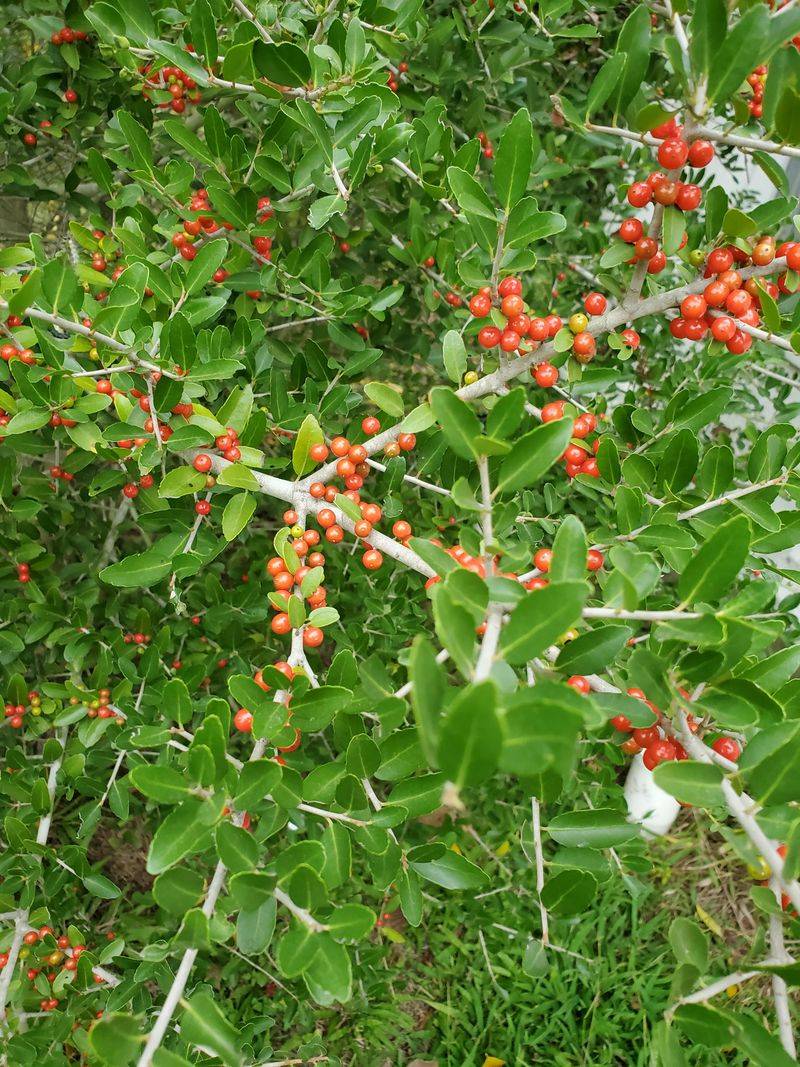
That bright foliage can tempt you to reward it with a September meal. Most established yaupons do not need routine fertilizer just for good behavior.
This native plant handles many Texas soils well. In far South Texas, the mild climate makes late-season fertilizer less risky for woody plants than it is farther north. That still does not make fertilizer automatic.
Start with the soil.
High-pH Texas soil can make iron less available to some hollies. Yellow foliage with greener veins may point toward an iron problem rather than a broad shortage of nitrogen, phosphorus, and potassium.
That is where a targeted correction can make more sense than a general fertilizer bag.
You can save money and spare the tree some unnecessary chemistry with a soil test. The report may show adequate fertility, a pH issue, or a specific nutrient gap.
Keep the root zone watered during dry spells. Add mulch over the soil, but keep it clear of the trunk.
Your yaupon does not need dessert every time it keeps its leaves glossy.
September care can stay simple. Check moisture, inspect leaf color, and let actual symptoms guide the next move.
A healthy yaupon can pass the fertilizer aisle with no loss. Sometimes the smartest plan starts with one fact: the tree already left the table full.
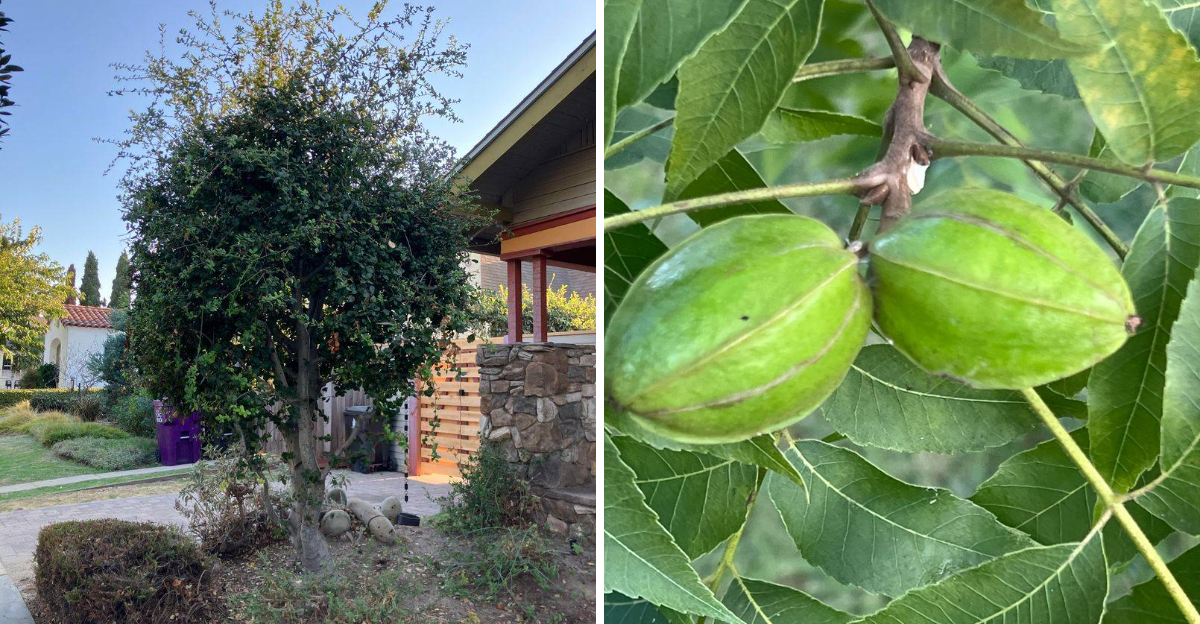
5. Pecan Trees
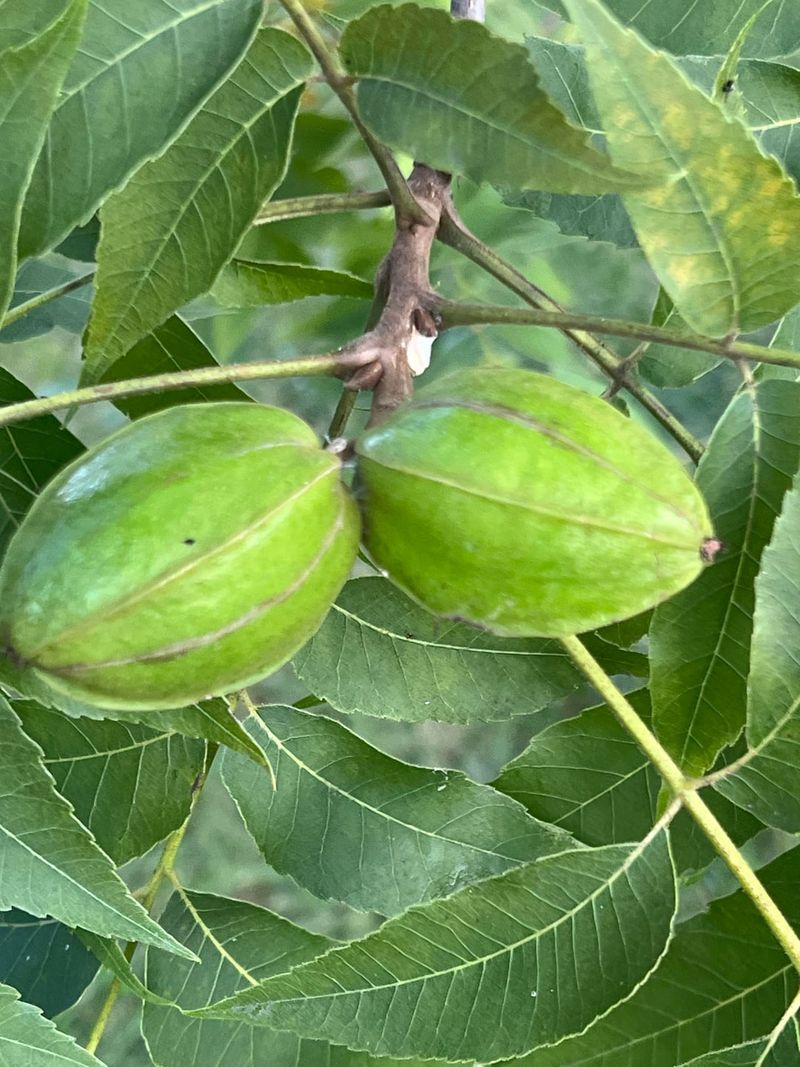
Pecan trees carry a Texas-sized reputation, but September is not their favorite month for a nitrogen boost.
For established pecans, the more useful fertilizer window comes around spring growth. Late winter or early spring lines nutrients up with the season when the tree can put them to work.
A September nitrogen dose can encourage fresh growth too late in much of the state.
That concern rises across North and Central Texas, where an early cold front can arrive before soft shoots have enough time to mature.
After a hot summer, your pecan may look worn out. Resist the urge to diagnose exhaustion with a fertilizer scoop.
Check soil moisture instead. Deep water may offer more help than extra nitrogen during dry weather. Mulch can also reduce moisture loss around the broad root zone.
Pecans can have specific nutrient needs too, especially zinc in many Texas soils. A targeted zinc program is different from a random fall fertilizer dose and deserves its own plan.
This is one tree that rewards a calendar with better manners.
Save routine nitrogen for the proper spring window. Match the rate to tree size, soil conditions, and actual need rather than the size of the bag in your shed.
September can be about water, cleanup, and patience.
Your pecan has enough nuts to deal with. It does not need a late-season nitrogen surprise added to the family drama.
6. Crape Myrtle Trees
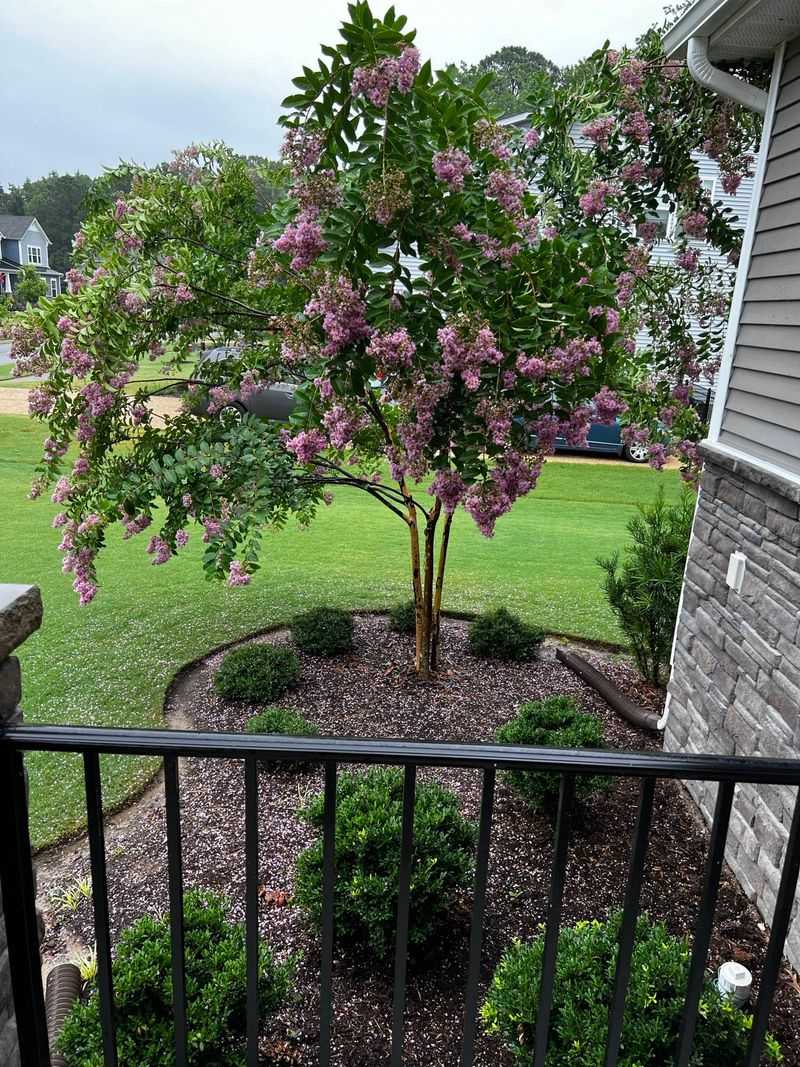
Crape myrtles can make gardeners a little too generous.
After months of flowers and summer color, a September fertilizer scoop can feel like a well-earned tip. The tree may prefer you to keep the change.
Nitrogen can encourage fresh leaves and shoots. In North and Central Texas, that new growth may arrive too close to colder weather.
A crape myrtle needs time to shift out of its active summer pace. Extra nitrogen can nudge it in the opposite direction.
So give the fertilizer bag a day off.
You can still help the tree after a rough summer. Check moisture several inches below the soil surface. Water slowly when the root zone is dry.
Keep mulch over the soil to reduce moisture loss, but leave the trunk clear. That small open circle also makes the base easier to inspect.
Pale leaves do not automatically mean low fertility. Heat, dry soil, poor drainage, root stress, or high soil pH can all alter leaf color and growth.
A soil test gives you a better clue before the next fertilizer round.
For most crape myrtles, spring makes more sense for any needed nutrient boost. That schedule supports normal new growth rather than a late push.
September already gave your crape myrtle a long summer shift.
Let it clock out. No extra assignment needs to follow it out to the driveway.
7. Red Oak Trees
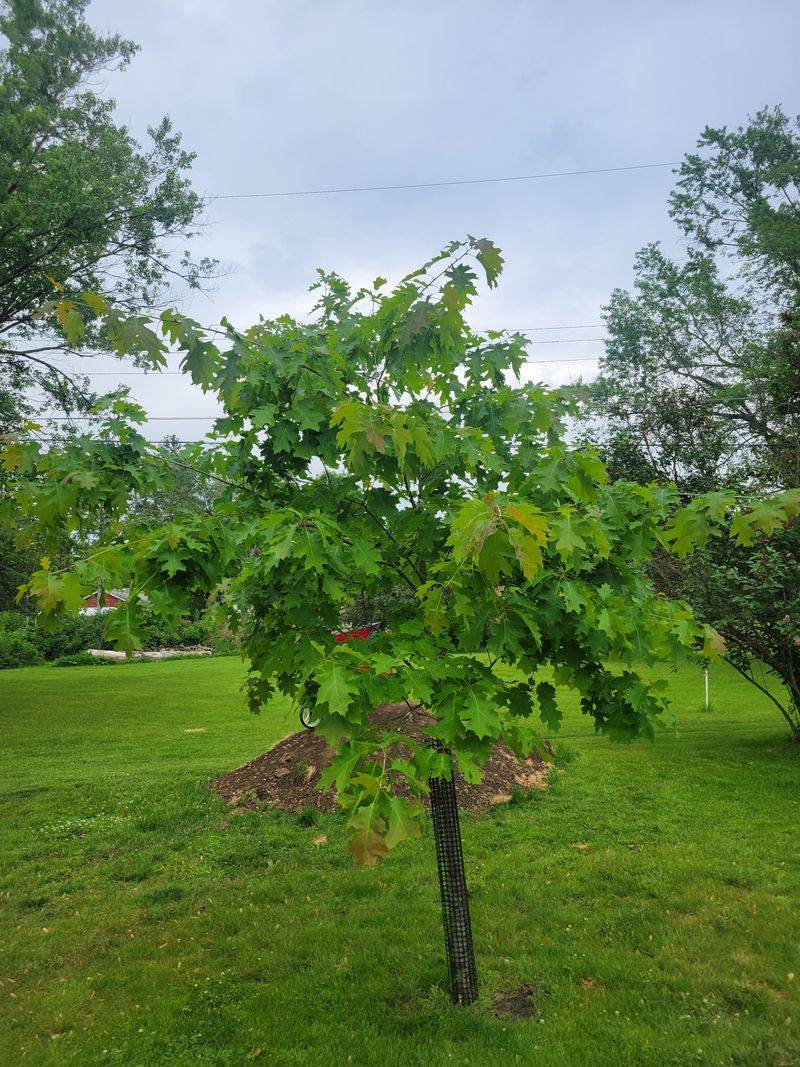
A pale red oak can make a fertilizer bag look like an emergency kit.
Texas soil can make that conclusion far too quick.
Some red oaks struggle with iron availability in alkaline soil. The soil may contain iron, but high pH can keep enough of it out of reach.
The leaves can turn pale while the veins stay greener. A broad September fertilizer may miss that problem completely.
So do not throw three nutrients at a one-nutrient clue.
A soil test gives you a much clearer place to start. It can reveal pH and nutrient levels, which helps separate a true shortage from a soil chemistry problem.
Confirmed iron trouble may call for a targeted iron product. Foliar chelated iron can provide partial correction in some cases, while soil treatments may suit mildly alkaline conditions.
General nitrogen is a different story.
Across much of North and Central Texas, September is late for a routine nitrogen push on red oaks. Fresh shoots can face colder weather before they mature.
Your oak may need water more than food after summer heat. Check soil moisture, protect the root zone with mulch, and keep heavy traffic away from compacted soil.
Red oak care rewards detective work.
Skip the fertilizer confetti. Find the actual clue first, then give the tree the nutrient it asked for rather than the whole pantry.