What It Really Means When Brown Rings Appear In Your Texas St. Augustine This Fall
Fall in Texas finally makes the porch worth sitting on again. The air cools down, the coffee tastes better outside, and then you glance at the lawn and do a double take.
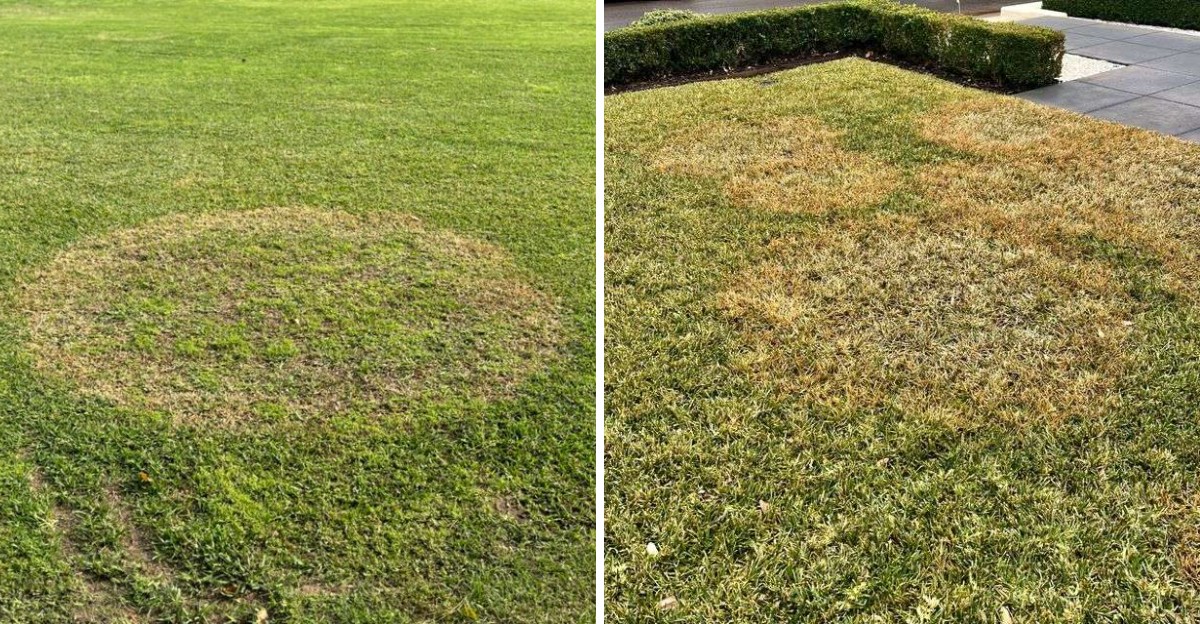
Big tan circles have appeared in your St. Augustine, as if a giant wandered through overnight and set down a few enormous coffee mugs. Thanks for the coaster rings, buddy.
Naturally, the next step involves walking over, poking at a few blades, and wondering what exactly went wrong while you were asleep. Here is the encouraging part: those rings are not random.
They are clues, and your lawn is basically leaving you a trail to follow. Cool nights, warm afternoons, and soggy soil all play a role, and once you know how to read the signs, you can fix the problem without throwing money at the wrong solution.
1. Large Patch Is The Usual Fall Suspect
Most fall rings in St. Augustine come from a fungus called large patch. Lawn experts in Texas see it every year once nights drop into the 60s.
The fungus wakes up when soil stays cool and damp for several days. It attacks the spot where the leaf blade meets the runner, so blades turn yellow, then orange, then tan.
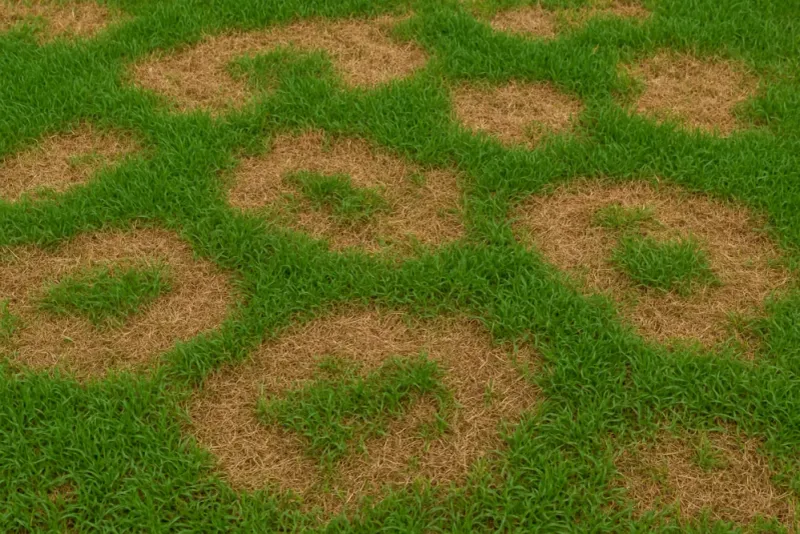
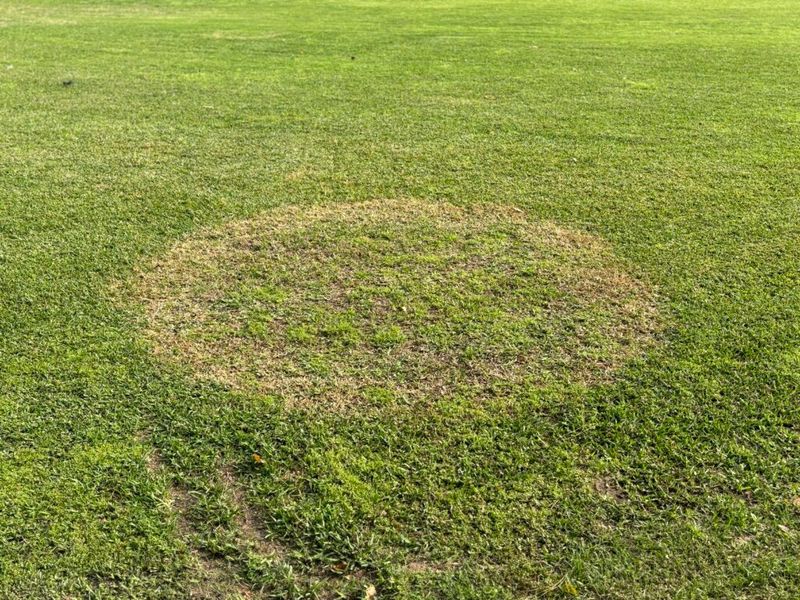
Patches often start small, about the size of a dinner plate. Over a few weeks, they can spread into circles 10 to 20 feet wide.
A neat clue is the ring shape itself. The outer edge looks orange or bronze, while the middle may start greening up again.
Try a simple tug test. Pull gently on a yellow blade near the edge, and if it slides right out of its sheath with a rotten, dark base, large patch is likely the cause.
Fun fact: large patch is caused by a strain of the fungus Rhizoctonia solani, and a closely related strain causes a disease called brown patch in cool-season grasses up north. In Texas yards, large patch mostly picks on warm-season turf like St. Augustine and zoysia.
Knowing the name helps a lot when you shop for treatments. It also keeps you from blaming bugs or your sprinkler for something that started underground.
Spotting it early gives you the best shot at stopping the spread before winter dormancy sets in.
2. Weather Swings Set The Stage For Rings
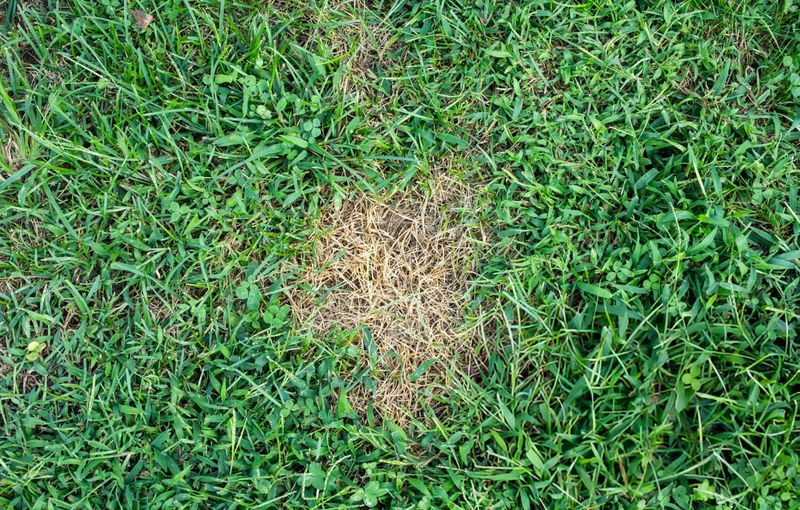
Ever notice how a Texas October can feel like summer at lunch and sweater weather by bedtime? Those wild swings are exactly what the fungus loves.
Large patch grows best when soil temperatures sit between about 60 and 75 degrees. Add a few rainy days or heavy dew, and the spores get busy fast.
Your St. Augustine is also slowing down for the season. Grass that grows slower has a harder time patching up damage, so the rings show up and stick around.
Cold fronts that roll through with rain are a common trigger. Many homeowners spot new circles a week or two after a soggy front passes.
Here is a handy habit for fall. Check your local forecast for nights in the low 60s, and walk your lawn every few days once they arrive.
Your Texas Garden Changes Every Week. Your Plan Should Too.
Gardening in Texas changes quickly throughout the season. Every Friday you’ll receive a simple weekly plan showing exactly what to plant, prune, fertilize, harvest, and protect so you never miss the right timing.
Shady areas deserve extra attention. Spots under live oaks or along the north side of the house stay wet longer and often show rings first.
You cannot control the weather, of course. Still, knowing when conditions turn risky lets you act early instead of guessing later.
Think of the forecast as your early warning system. A quick glance at the app each morning can save your yard a lot of trouble this season.
3. Overwatering Feeds Rings In Texas Lawns
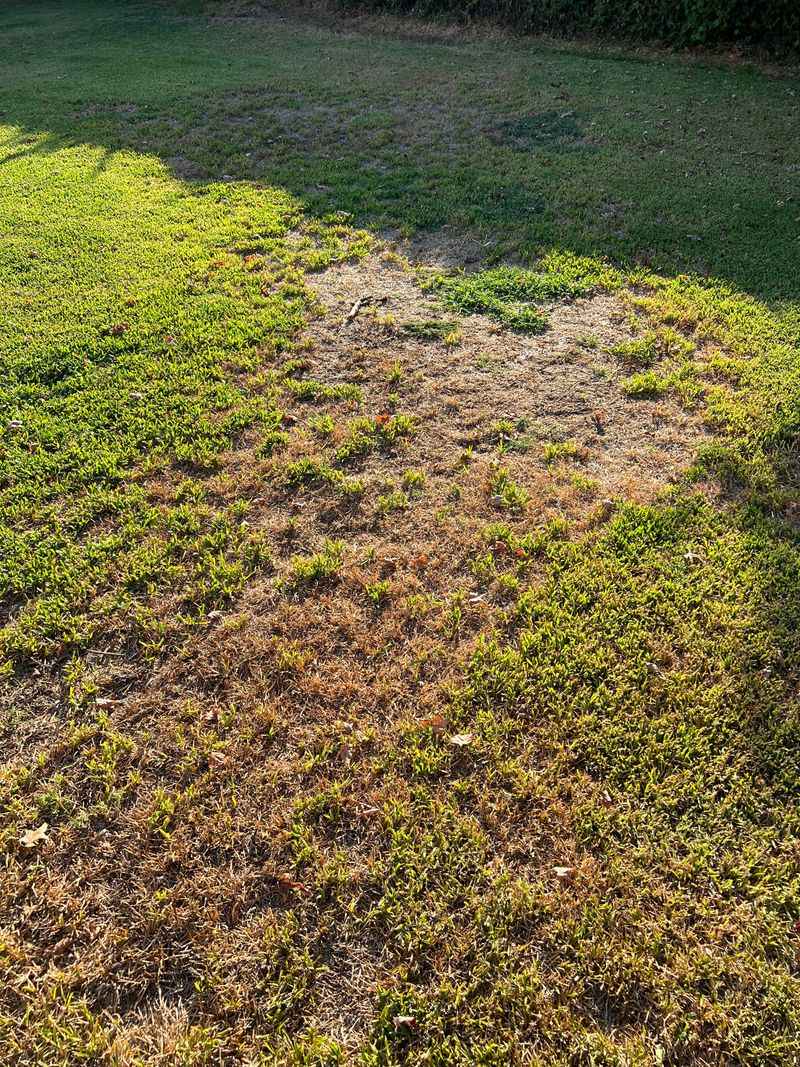
Here is a tough truth many of us learn the hard way. The sprinkler schedule that saved your lawn in August can hurt it in October.
Summer often calls for watering two or three times a week. By fall, St. Augustine needs far less, often just once a week or even less after rain.
Wet soil and soggy thatch create the perfect home for large patch. Water sitting on blades overnight gives the fungus a free ride.
Start by adjusting your controller as soon as temperatures drop. Many smart controllers have a seasonal setting that cuts run times automatically.
Timing matters as much as amount. Water early in the morning, around 4 to 8 a.m., so blades dry out during the day.
Evening watering is a big no for fall lawns. Grass that stays wet all night practically rolls out a welcome mat for disease.
A simple tuna can trick helps too. Set a few empty cans on the lawn, run the sprinkler, and aim for about half an inch to one inch per week, counting rain.
Also check for broken heads or leaky valves. A single spot that stays soggy can turn into the starting point for a ring that grows all season.
4. Late Nitrogen Can Backfire On Texas Grass
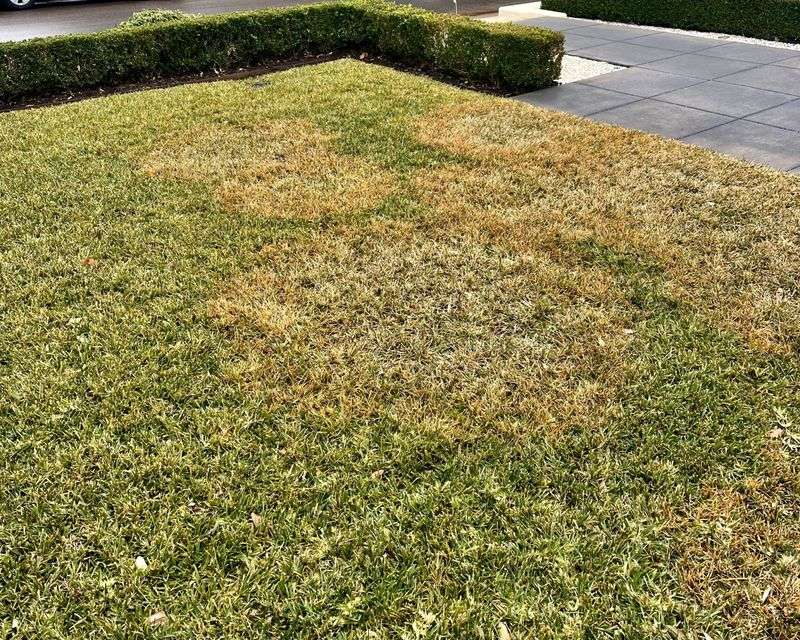
Fertilizer feels like a friendly gift for your grass. In fall, though, too much nitrogen can be more like handing the fungus a snack.
Quick-release nitrogen pushes soft, lush leaf growth. That tender growth is easier for large patch to invade, especially during cool, damp weeks.
Many turf specialists suggest wrapping up nitrogen feeding by early September in most of the state. In South Texas, the window may stretch a bit later.
If you want to feed the lawn this fall, look at a winterizer with low nitrogen and higher potassium. Potassium helps roots and cell walls stay sturdy through cooler months.
Read the bag carefully. The three numbers show nitrogen, phosphorus, and potassium, so a blend like 5-0-20 leans toward strength instead of fast growth.
Got rings already? Hold off on extra nitrogen until spring green-up is well underway.
A soil test is a smart, low-cost move. Texas A&M AgriLife offers testing, and the results tell you exactly what your yard needs instead of guessing.
Feeding with a plan, not a habit, keeps your St. Augustine strong. It also saves you money on products that might only make the circles bigger.
5. Chinch Bugs Can Fool Homeowners
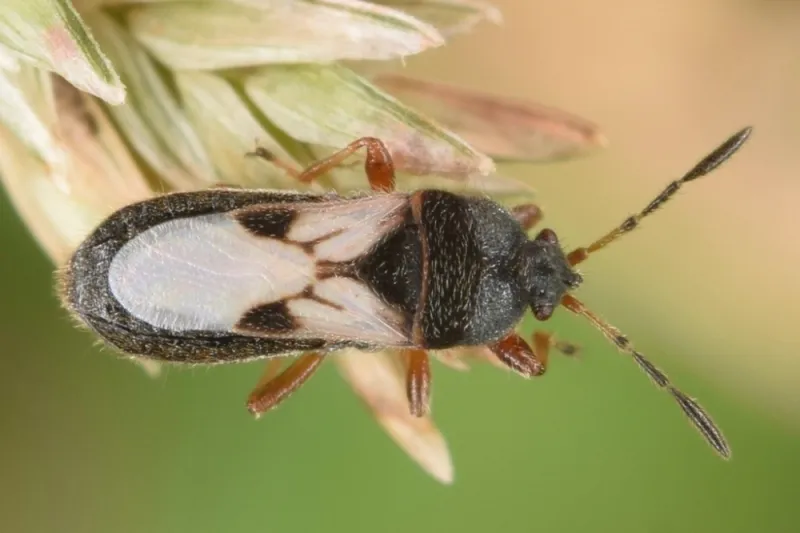
Not every brown spot is a fungus, and that mix-up costs folks plenty. Chinch bugs are tiny pests that also leave tan areas in St. Augustine.
The big difference is timing and location. Chinch bugs love hot, dry, sunny spots, often along sidewalks and driveways, and they peak in summer.
Fall rings in shady, damp areas point more toward fungus. Still, a warm early fall in Texas can keep chinch bugs busy longer than expected.
Try the coffee can test to know for sure. Cut both ends off a can, push it into the grass at the edge of a patch, and fill it with water.
Wait about five minutes and watch closely. If small black bugs with white wing markings float up, you have chinch bugs.
Another clue is the blade itself. Bug damage looks dry and straw-like, while large patch blades pull out easily with a rotted base.
Getting the diagnosis right matters a lot. Fungicide will not stop bugs, and insect spray will not help a fungus at all.
Spend a few minutes testing before you buy anything. Your wallet and your lawn will both thank you.
6. Fungicide Timing Matters
Timing is everything with fungicide, a bit like catching a bus. Show up late and the ride is already gone.
Fungicides work best as prevention or very early treatment. Once a ring has spread wide, the product mainly stops it from growing, not fixing the brown blades already there.
Look for active ingredients labeled for large patch. Common choices include azoxystrobin, propiconazole, and thiophanate-methyl, found at many Texas garden centers.
Many lawn pros apply a preventive treatment in early fall when night temperatures dip toward the 60s. A second round 3 to 4 weeks later often helps in wet years.
Treat beyond the edge of the ring, not just the brown part. Covering a band of about 2 to 3 feet of healthy-looking grass catches the fungus moving outward.
Always read the label for rates and safety steps. Wear gloves, keep pets and kids off treated areas until it dries, and avoid applying right before heavy rain.
Granular products are easy for beginners. Liquid sprays can work faster but take a steadier hand.
Keep notes on the date you treat and where rings appeared. Next fall, that record helps you get ahead of the problem before the first circle shows up.
7. Mowing Habits That Help St. Augustine Bounce Back
Your mower can be a helper or a troublemaker this season. Small changes in how you cut make a real difference.
St. Augustine likes a taller cut, usually around 3 to 4 inches. Scalping it short stresses the grass and opens the door for disease.
Sharp blades matter more than most people think. Dull blades tear the grass, leaving ragged ends that heal slowly and welcome fungus.
Here is a sneaky tip from turf folks. Mow infected areas last, because your mower can carry fungus pieces across the yard.
After mowing a ring, give the deck a quick rinse or brush. It takes two minutes and helps keep the problem in one spot.
Bag clippings from infected areas instead of mulching them. Clean clippings from healthy grass can stay on the lawn and add nutrients.
Skip mowing when the grass is wet from dew or rain. Wet blades clump, spread spores, and leave a messy cut.
As fall rolls on in Texas, St. Augustine grows slower. You may only need to mow every 10 to 14 days, which gives tired grass a welcome break.
8. Thatch And Drainage Problems Hiding In Texas Soil
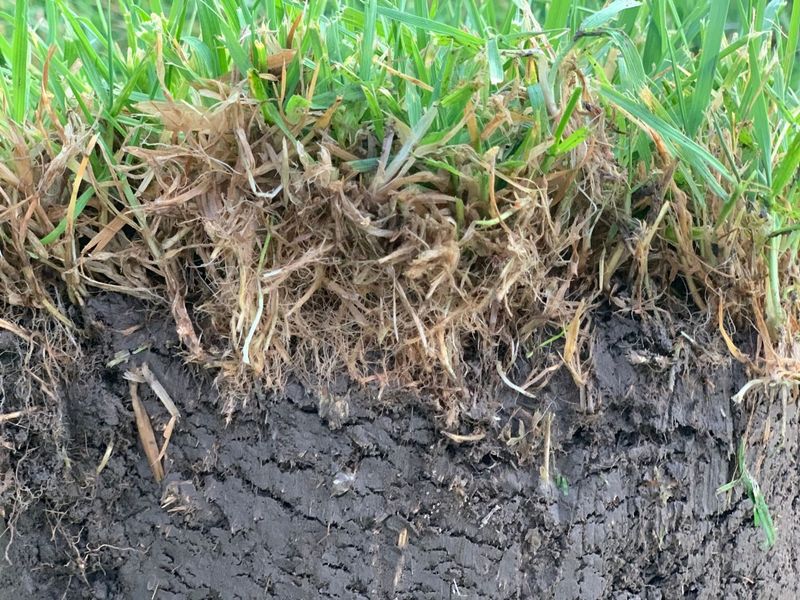
Underneath the green carpet, a hidden layer could be making things worse. Thatch is a mat of old stems and runners that builds up between grass and soil.
A little thatch is fine. Once it gets thicker than about half an inch, it holds moisture like a sponge, and large patch loves that.
Heavy clay soil, common across much of Texas, adds to the trouble. Water drains slowly, so roots sit in wet ground for days after a storm.
Check your thatch with a simple plug test. Use a trowel to cut a small wedge of grass and soil, then measure the spongy brown layer on top.
Core aeration can help when done at the right time. For St. Augustine, late spring or early summer works best, while the grass is growing strong.
Aerating in fall is not ideal, since the grass recovers slowly. Make a note on your calendar and plan for next year instead.
Low spots that puddle deserve a fix too. A light topdressing of compost or sandy soil can level dips over time.
Better drainage means fewer soggy hiding places for fungus. That one change can shrink the number of rings you see next autumn.
9. What Spring Recovery Looks Like
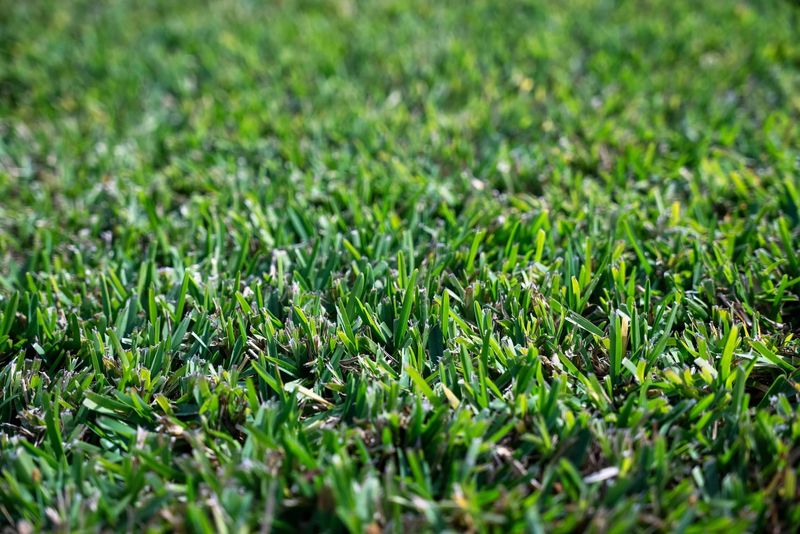
Patience might be the hardest tool in the shed. The good news is that St. Augustine has a real talent for filling back in.
Rings that show up in fall often stay tan through winter. The grass goes semi-dormant, so the damage just sits there looking sad.
Do not panic and rip it all out. In many cases, the runners are still alive and ready to grow again.
Once spring warms the soil in Texas, usually March through May, new green shoots creep in from the edges. Healthy stolons can spread several inches per month.
Large patch can flare up again in spring, though. Cool, wet weeks in March and April give it a second chance, so keep an eye out.
Wait to fertilize until the lawn is fully green, often in April. Feeding too early can feed the fungus instead of the grass.
For bigger bare spots that do not recover by early summer, plugs or sod pieces work well. Press them firmly into the soil and water lightly until roots take hold.
Think of fall rings as a lesson, not a failure. With smarter watering, careful feeding, and good timing, your yard can look its best by the time summer barbecues roll around.