This Is Where Spider Mites Do The Most Damage First On Texas Fall Crops
One tiny clue can turn a healthy Texas fall garden into a very different story.
At first, the crop still looks fine. The leaves stay green. New shoots still appear. You walk past the row and notice almost nothing unusual.
Then one leaf looks dusty. Another loses some color.
A few days later, the whole plant seems tired, but the real trouble started somewhere much smaller.
Spider mites rarely announce themselves from the top of the plant. They prefer quieter spots, protected surfaces, and stressed corners that gardeners often overlook during a quick check.
So where should your eyes go first when September heat refuses to leave?
The answer is not the same on every crop. Beans, tomatoes, squash, and melons can each show clues in slightly different places.
Some signs hide low. Others sit deep inside the canopy. A few appear fastest where heat and dry air pile on extra pressure.
Find those spots early, and the garden gives you a much better chance to stay ahead of trouble.
1. Underside Leaves Show The First Stippling
The first clue often sits where most gardeners do not look.
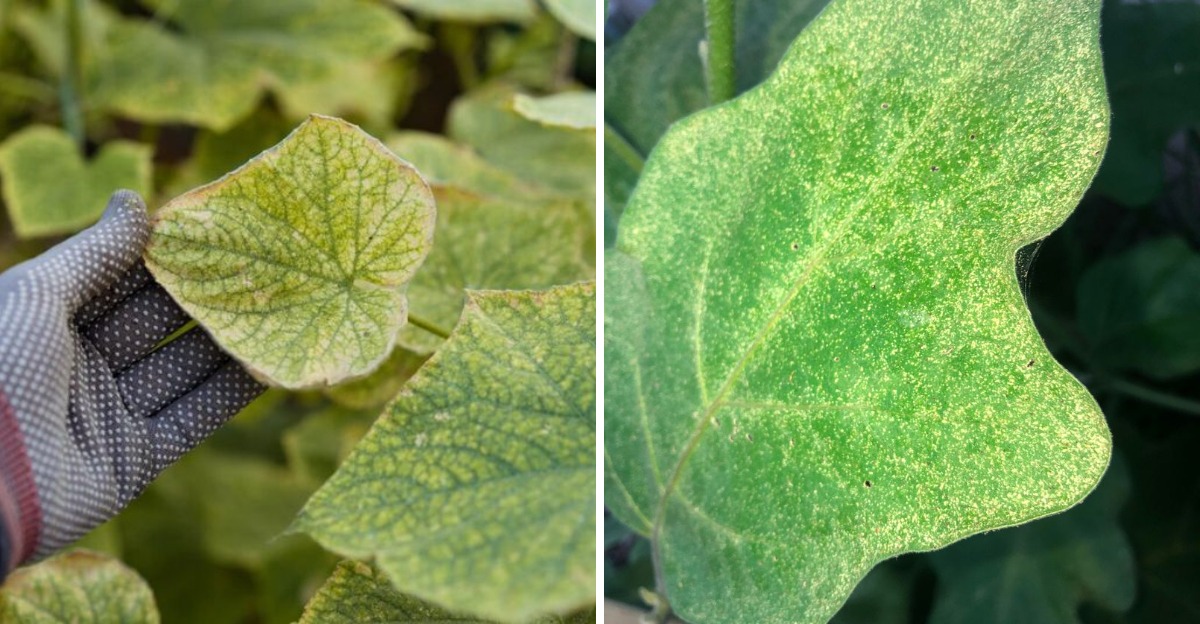
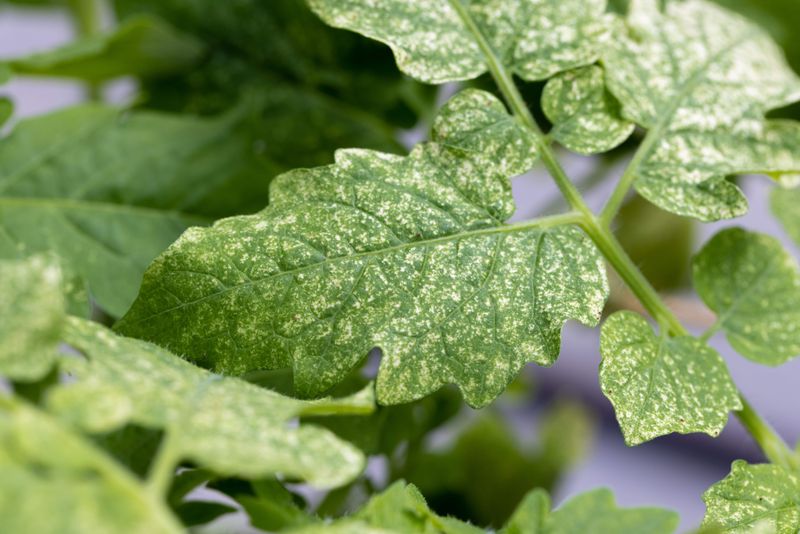
Flip a lower bean, tomato, squash, or melon leaf over. Tiny pale specks may cover part of the surface, even while the top still looks fairly normal.
Spider mites often gather on leaf undersides. That protected spot gives them shade, cover, and easy access to plant cells.
As mites pierce those cells, pale dots start to appear. Gardeners often describe the pattern as stippling. From above, the leaf may look dusty, faded, or lightly sandblasted.
Get close to the plant instead of judging it from the garden path. Check several lower and middle leaves, especially older ones.
A hand lens can help, but you may also spot tiny dots that move near veins. Pale shed skins and round eggs can appear there too.
Texas fall heat can speed the problem, especially after several dry, windy days. Thirsty plants may show damage faster.
Do not wait for the whole leaf to lose color. That faint speckled patch deserves attention.
Early checks give you more time to respond before damage spreads into newer foliage or across nearby plants.
Your best detective move is simple: turn the leaf over.
Spider mites prefer the back entrance, so give the underside the same attention as the front porch.
2. Water Stressed Plants Take The Hardest Hit
A dry plant can become the easiest target in the row.
Texas fall weather may still bring hot afternoons, dry soil, and sharp wind. Crops that already lack moisture can show spider mite damage sooner than well-hydrated neighbors.
Water stress does not create mites. It can, however, leave plants with less ability to handle the cell damage those pests cause.
Look closely at beans, tomatoes, squash, melons, and container crops after several rain-free days. Leaves may lose their usual firmness, then pale speckles can start to stand out.
This is a good moment to check the soil, not just the leaves.
Your Texas Garden Changes Every Week. Your Plan Should Too.
Gardening in Texas changes quickly throughout the season. Every Friday you’ll receive a simple weekly plan showing exactly what to plant, prune, fertilize, harvest, and protect so you never miss the right timing.
Push a finger a few inches down near the root zone. Dry soil near the surface tells only part of the story, so check deeper before you add water.
A slow soak often helps more than a quick splash. Mulch can also help the root zone hold moisture through a hot afternoon.
Keep your eyes on containers too. Pots can dry much faster than garden beds, especially beside brick, concrete, or a sunny wall.
Healthy moisture does not make a crop mite-proof. It can give the plant more breathing room while you catch the problem early.
That small advantage matters during a hot Texas September.
Spider mites love a stressed host, so do not hand them one with a complimentary dry-soil package.
3. Beans And Tomatoes Are Early Targets
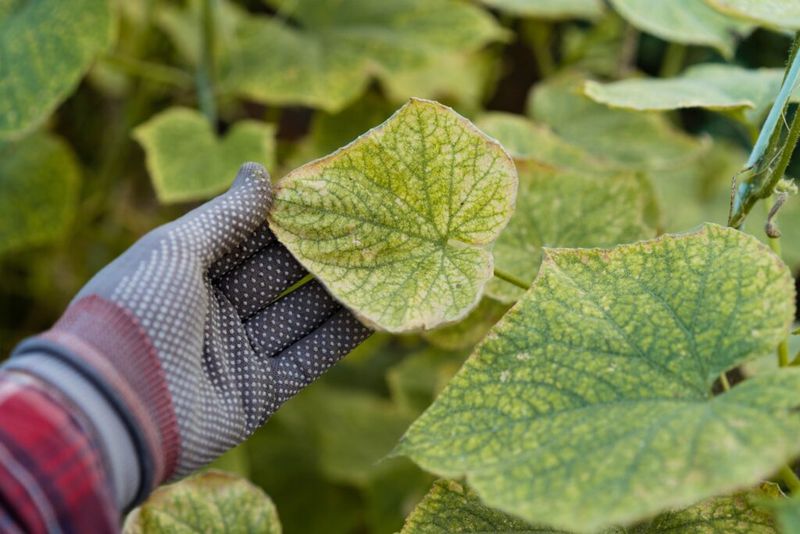
Beans and tomatoes deserve an extra glance during a hot Texas fall.
Both crops can show spider mite damage on lower and middle leaves before the whole plant looks different from across the yard.
Bean leaves often make the first pale pinpricks easy to see. Their broad green surface can show stippling clearly, especially near veins and along the underside.
Tomatoes can hide the same problem a little better. Dense foliage, textured leaves, and a large canopy may conceal a small colony for several days.
Part the leaves with your hand and check inside the plant. Do not rely on one leaf near the edge.
Compare a healthy leaf with one that looks dull. Pale specks, a dusty cast, or tiny moving dots underneath can point toward mites.
Keep nearby plants on your radar too. A few affected leaves on one bean plant do not mean the rest of the row gets a free pass.
Hot, dry wind can help mites move through a garden, and close plant contact can make the next crop easy to reach.
A twice-weekly check during dry weather can catch the shift before leaf color changes across the whole plant.
Beans and tomatoes may not send a formal complaint.
They tend to leave tiny dots instead, and that is your cue to read the fine print before the pests turn it into a full-page notice.
4. Cucurbit Leaves Bronze Before Others
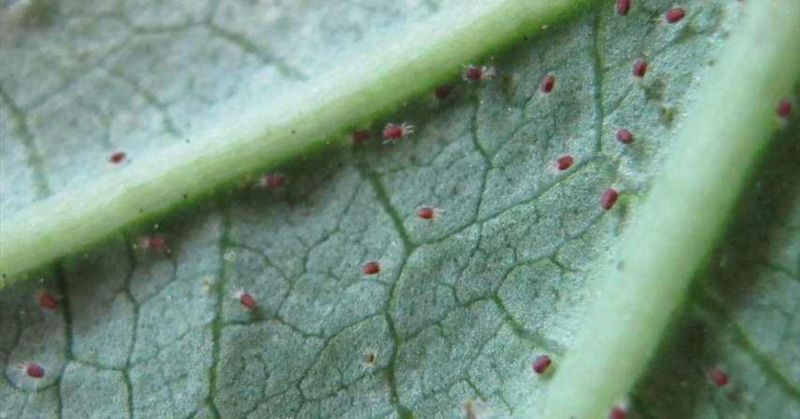
Squash and melon leaves can wear spider mite damage like a bad suntan.
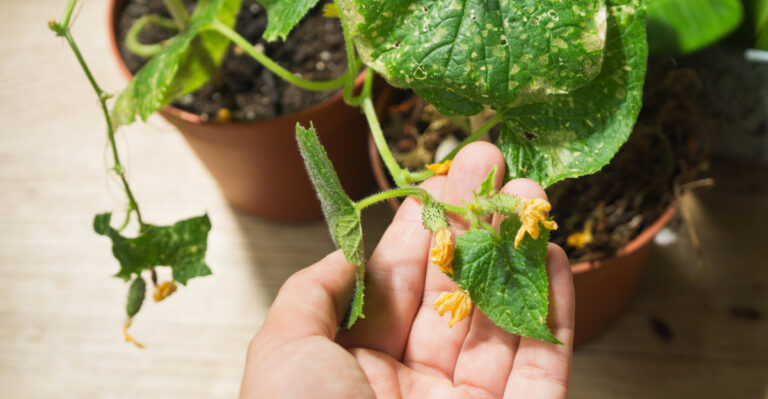
The earliest clue may still be pale stippling underneath, but older leaves often develop a dull bronze or gray-green cast as damage builds.
Large cucurbit leaves give mites plenty of protected space. The undersides, veins, and crowded areas near the center of the plant deserve the closest look.
Start with older foliage near the base. Compare it with a fresh leaf closer to the vine tip.
A damaged leaf may look dusty from above. Underneath, you may find pale specks, tiny mites, shed skins, or fine silk around veins.
Do not blame the Texas sun too quickly.
Heat stress can make leaves look rough, but spider mite damage often comes with that distinct peppered pattern. The underside usually tells the better story.
Keep soil moisture steady while you check the plant. Cucurbits with dry roots can lose leaf quality faster during a mite outbreak.
Remove garden dust from nearby paths where practical, and keep weeds from crowding the vines. Cleaner access also makes leaf checks much easier.
Once several leaves turn bronze, the colony may have had a head start.
Your squash plant may look like it spent too long at the beach, but sunscreen is not the answer.
Flip the leaf. The real trouble often booked a shady seat underneath.
5. Hot Dry Pockets Speed Up Damage
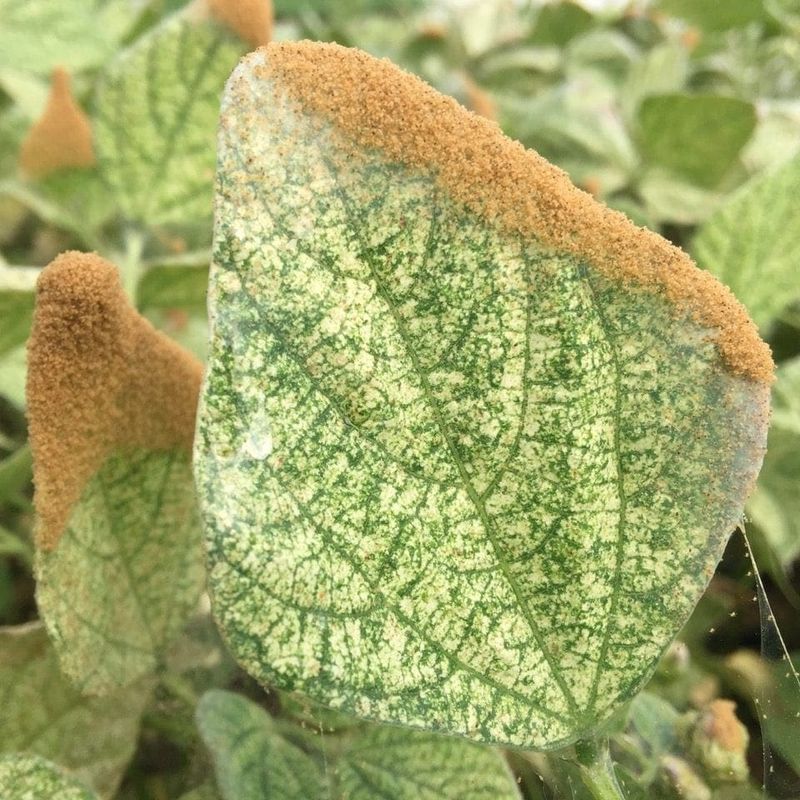
Some corners of a Texas garden feel hotter than the weather report.
Beds beside brick walls, fences, driveways, patios, and dusty paths can hold extra heat. Those dry pockets often put crops under more pressure and can favor faster spider mite buildup.
Walk the garden during the afternoon and notice which plants sit in reflected heat. That section deserves extra attention later during your leaf checks.
Container crops near concrete can be especially vulnerable. Potting mix may lose moisture quickly, and leaves can face heat from above and below.
Uneven irrigation creates another hotspot. One dry end of a bed may show pale specks while plants several feet away still look fresh.
Check leaf undersides in those rough zones first.
A little mulch can help soil hold moisture. Better irrigation coverage can also reduce the sharp difference between one part of the bed and another.
Dust deserves attention too. Dry, dusty conditions can favor spider mite problems and can make stressed leaves look even duller.
You do not need to redesign the whole yard. Small fixes can make those hot pockets less attractive.
Move a container a little farther from a reflective wall. Adjust a drip emitter. Cover bare soil.
Spider mites seem to appreciate the garden’s bargain sauna.
Your job is to cancel the membership before the hottest corner becomes their favorite address.
6. Fine Webbing Signals A Growing Problem
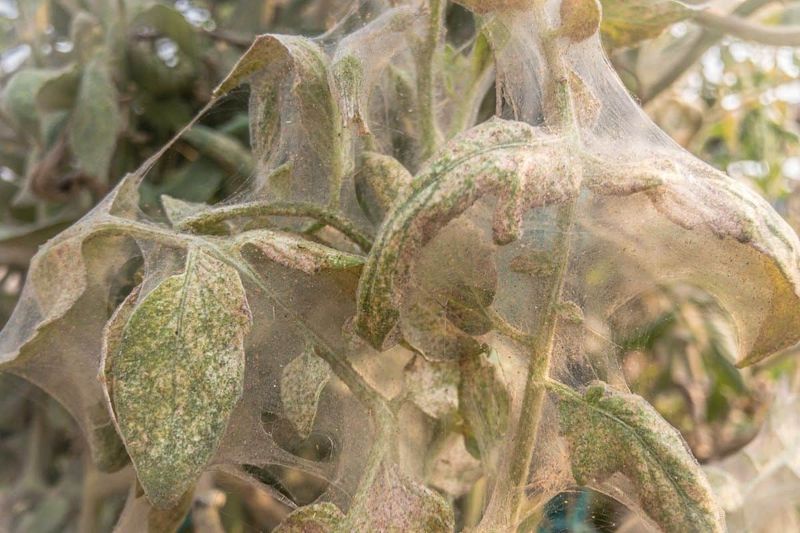
Fine silk changes the mood of a spider mite check very quickly.
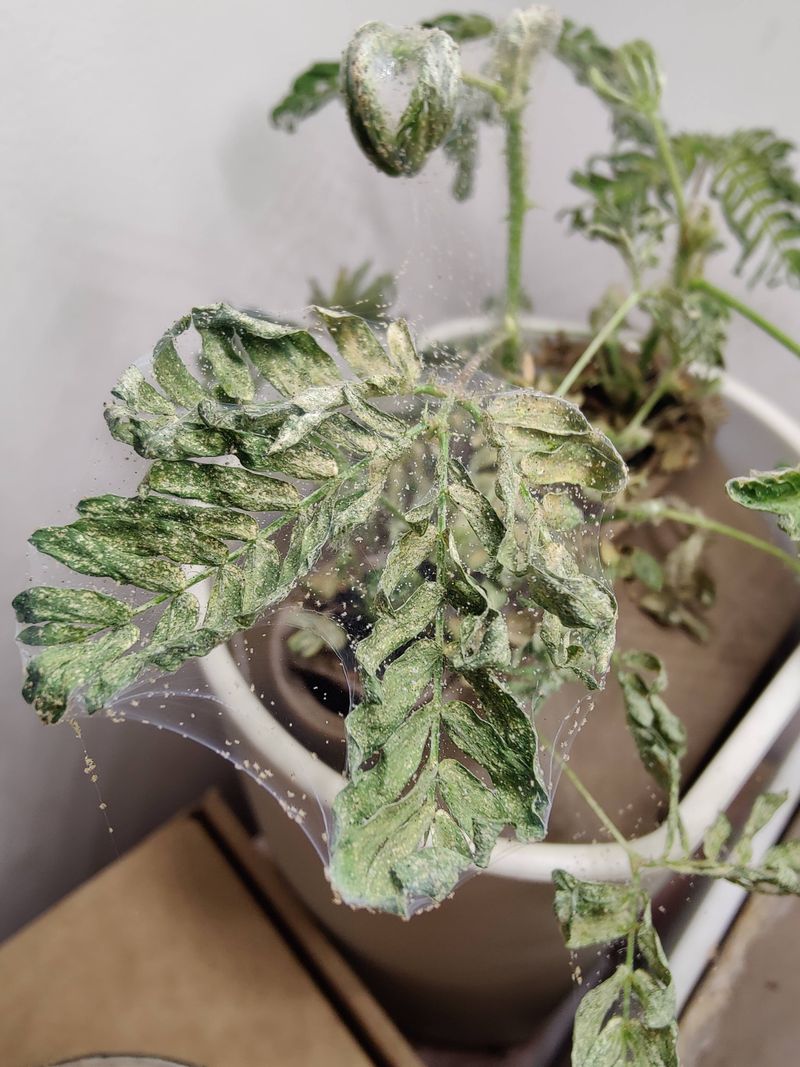
By the time webbing appears, the colony may already be well established. That makes leaf veins, petioles, and tight joints important places to inspect after you spot early pale specks.
Look along the underside of damaged leaves. Fine threads may stretch between veins or gather where the leaf meets the stem.
On beans, tomatoes, squash, and melons, the silk can look almost like a thin film in bright light.
Do not use webbing as your first target. Pale pinpricks often come earlier.
Still, webbing gives you a strong clue that the problem has moved beyond a few scattered mites.
Tap a suspect leaf over a white sheet of paper. Tiny specks that crawl can become much easier to notice against the pale background.
Then check nearby plants, not just the one with silk.
Warm, dry Texas weather can help a colony grow fast. A neighboring plant may already have pale leaf damage before any threads appear.
Keep your response focused on the whole patch, not one dramatic leaf.
That web may look delicate, but the message is not subtle.
Spider mites have moved past the quiet phase, and your garden inspection just found the tiny construction crew before they finish the neighborhood project.
7. Interior Foliage Often Hides Early Signs
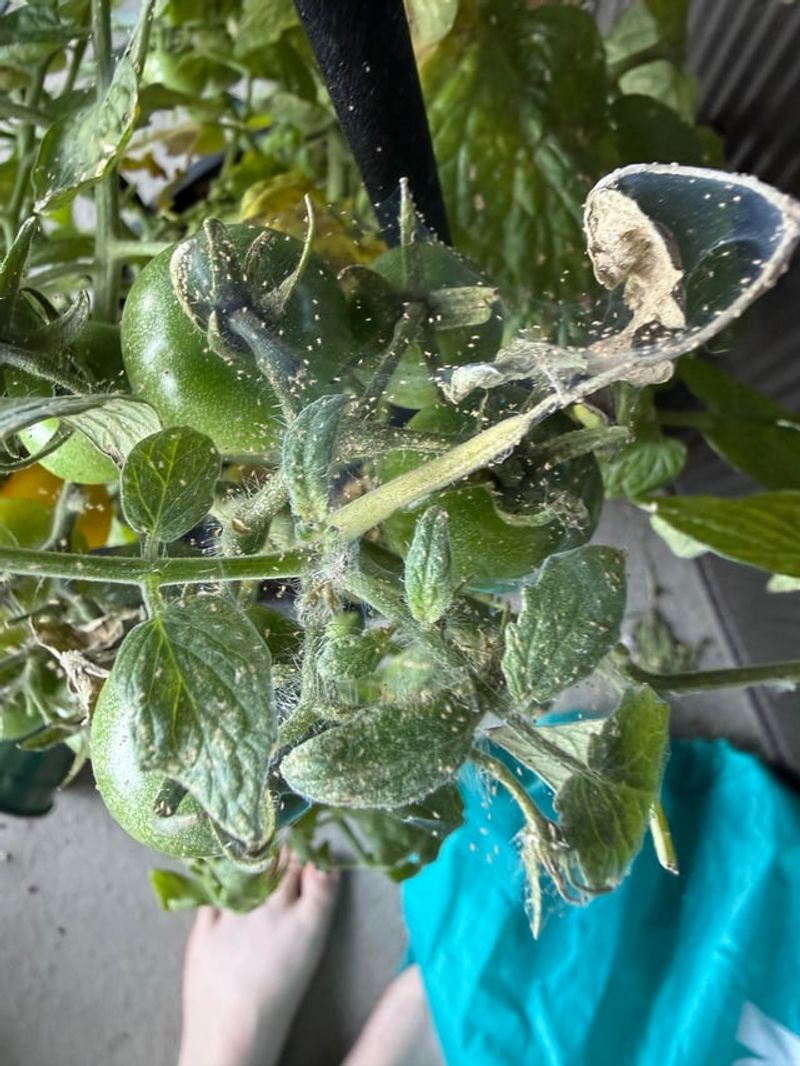
The outer leaves can look fine while the middle of the plant tells another story.
Dense foliage gives spider mites plenty of protected places to settle. Bush beans, tomatoes, squash, and other leafy crops can hide early damage close to stems or beneath overlapping leaves.
Part the canopy with your hand and look deeper inside.
Check older interior leaves at several heights. Pale speckles may appear there before the plant looks dull from the outside.
This step matters because quick garden checks usually favor the easiest leaves to reach. Spider mites benefit from that shortcut.
A crowded canopy can also make fine silk, shed skins, or tiny mites near the veins harder to see.
Give yourself a simple inspection pattern. Check one outer leaf, one lower leaf, and one interior leaf on several plants.
That small routine gives you a much better picture than one fast glance from above.
Keep weeds and crowded growth under control too. Easier access makes regular checks less of a chore.
Texas fall heat can push mite populations faster between inspections, so hidden leaves deserve real attention through dry spells.
The plant may look innocent from the sidewalk.
Inside the canopy, though, the tiny tenants may already have moved in, rearranged the furniture, and claimed the best shady room.
8. Pepper And Eggplant Lower Leaves Can Hide Early Colonies
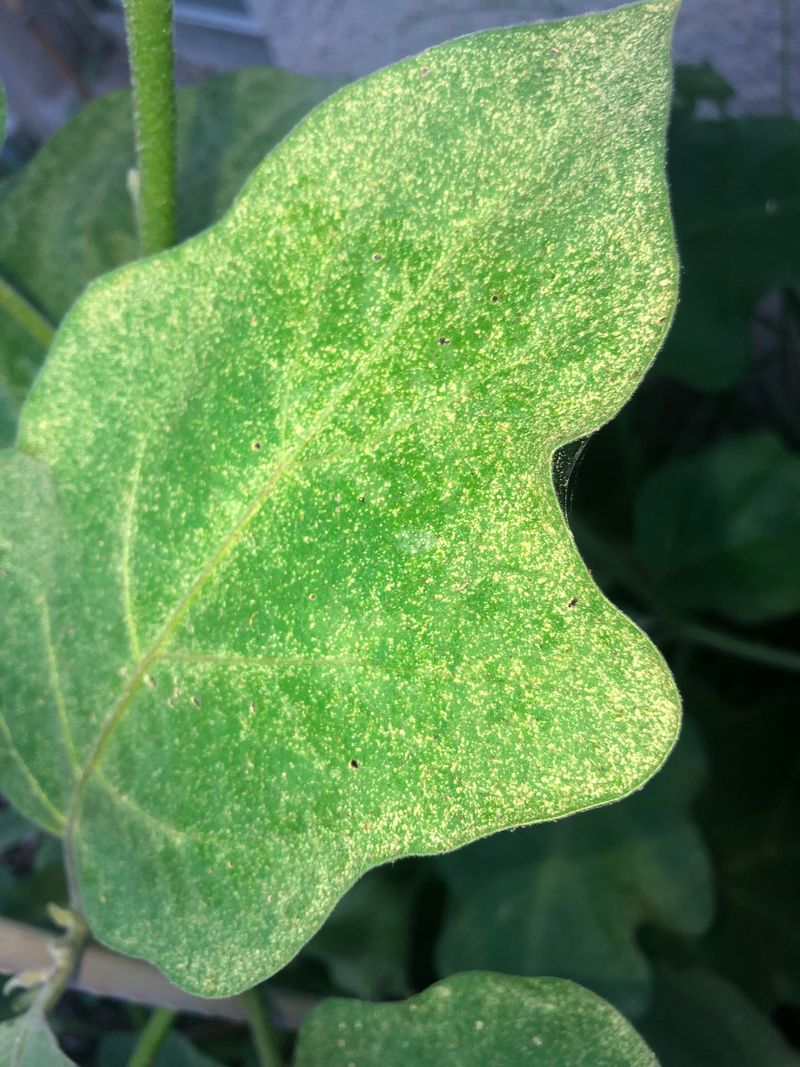
Pepper and eggplant plants can look perfectly respectable from the top while trouble builds closer to the soil.
Spider mites often settle on older lower leaves first, especially during hot, dry Texas fall weather.
Those leaves sit in a useful hiding zone. The canopy shades them, gardeners rarely inspect them closely, and mites can feed along the undersides with little attention.
Look for tiny pale dots scattered across the leaf surface. A dull or dusty appearance may follow as more plant cells lose color.
Pepper leaves can make the pattern easy to notice once you know what deserves attention. Eggplant leaves are larger and fuzzier, so a small colony may stay hidden longer.
Lift several lower leaves during each garden check. Pay close attention near veins and along the leaf base.
A white sheet of paper can help too. Tap one suspect leaf above the paper and watch for tiny specks that move across the surface.
Keep moisture steady around both crops. Dry soil can add extra stress while mites feed above.
Also clear weeds that press against the lower canopy. Extra plant contact can give mites more protected routes through the bed.
Do not wait until the top leaves lose color.
The lower canopy often whispers first.
Your peppers and eggplants may keep a straight face up top, but downstairs, the tiny tenants can already be unpacking their bags.