Connecticut Apples Are Ripening In An Order Most Pickers Do Not Know About
The parking lot smells like cider doughnuts before you even open the car door. Somewhere past the rows, a tractor wagon rattles over packed dirt while kids argue over who gets to carry the bag.
Most visitors head straight for the closest tree holding red fruit. That one small habit decides if the drive home smells like autumn or ends with a bowl of very sad slices.
Connecticut orchards run on a rhythm that growers know by heart and weekend guests rarely notice. It repeats year after year, shifting only a few days depending on how warm the summer ran.
Catch on, and the season stops feeling like a gamble at the gate. You start showing up on the exact right weekend, empty bag in hand, ready to spot which trees deserve your attention.
The Hidden Sequence Behind Each Orchard Row
Walk into a Connecticut orchard on a bright September Saturday and the rows look like one enormous fruit buffet, ready all at once. Trees rarely cooperate that neatly.
Apple varieties ripen in a fixed order that repeats season after season. Lodi and Ginger Gold lead in August, Gala and Macoun follow, and Fuji or Granny Smith bring up the rear in late October.
The order stays steady even when the calendar dates slide a week or two. Growers plan around that sequence because it decides which blocks get picked, sprayed, and irrigated first.
Visitors, though, usually pick by whichever sign is closest to the parking lot. That gap between grower knowledge and visitor habit explains a lot of disappointing bags.
A McIntosh grabbed in mid August tastes green and grassy, while the same fruit in late September tastes like cider and honey. The sequence itself comes from genetics.
Every variety needs a certain number of warm days after bloom to build sugar and soften starch, and that number is written into the tree. Connecticut growers often talk about the harvest window in terms of days from full bloom.
Early types need around one hundred days, midseason types closer to one hundred thirty, and late keepers can stretch past one hundred seventy. Once you learn the pattern, planning a trip gets easy.
You stop wondering if apples are ready and start asking which apples are ready this weekend. Orchard hotlines and weekly updates make that answer simple.
Cool Nights, Long Sun, And The Local Ripening Clock
Connecticut sits in a spot where the ocean and the hills argue about temperature all season. Shoreline orchards in Guilford or Stonington warm early in spring, while Litchfield County stays cool a bit longer.
That difference shifts bloom by several days, and harvest inherits the shift. A Gala tree in Wallingford may color up before its twin in Norfolk, even though both follow the same variety order.
Heat during summer moves things along. Warm stretches in July and August speed sugar building, so a hot year can pull the whole calendar forward by a week.
Cool nights matter for a different reason. When September evenings drop into the forties, apples build more red pigment, which is why Macoun and Empire look so striking after the first chilly week.
Your Connecticut Garden Changes Every Week. Your Plan Should Too.
Gardening in Connecticut changes quickly throughout the season. Every Friday you’ll receive a simple weekly plan showing exactly what to plant, prune, fertilize, harvest, and protect so you never miss the right timing.
Color alone can fool people though. Red skin shows the tree got cold nights, not that the flesh has finished sweetening, and plenty of shoppers pick pretty fruit that still tastes flat.
Rain plays its part too. A wet stretch right before harvest swells the fruit, softening texture and shortening the time an apple holds well in the fridge.
Growers track all of this with something called growing degree days, a running total of heat since spring. Visitors do not need the math, only the habit of checking an orchard update before driving out.
Weather nudges the timing by a handful of days in either direction. The order of varieties stays put, which is the part worth memorizing before you grab a bag.
From Early August To The Last Week Of October
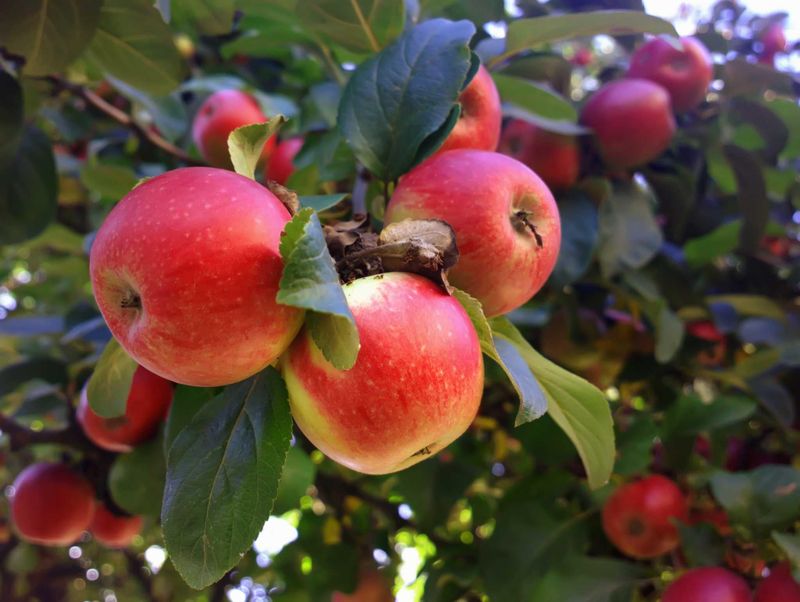
Picture the season as a relay race with about a dozen runners. The baton passes roughly every ten days from early August into the final stretch of October.
Lodi and Paula Red start things off in August, tart and soft, better for sauce than for lunchboxes. Ginger Gold arrives near the end of that month with a crisp bite and a habit of browning slowly once sliced.
September opens with Gala and moves quickly into McIntosh, the apple most people in Connecticut grew up eating. Honeycrisp usually lands around the middle of the month, and orchards sell out fast when it does.
Cortland shows up right behind Mac, white fleshed and slow to brown, which makes it a favorite for salads and pies. Macoun and Empire close September with deep color and a snappy texture.
October belongs to the keepers. Golden Delicious, Mutsu, Rome, Braeburn, Fuji, and Northern Spy fill the last weeks, and many of them taste better after a couple of weeks in cold storage.
Granny Smith often finishes the run in Connecticut, sometimes hanging on the tree past Halloween in mild years. Its tartness mellows a little after frost, which regulars quietly count on.
Dates shift with the weather, but the running order holds. If you want Honeycrisp, plan for mid September rather than Columbus Day weekend, when the trees are usually stripped.
Marking a couple of target weekends on the calendar beats hoping for luck at the gate, and it saves a long drive home with the wrong bag.
The Mistake That Fills Bags With Chalky Fruit
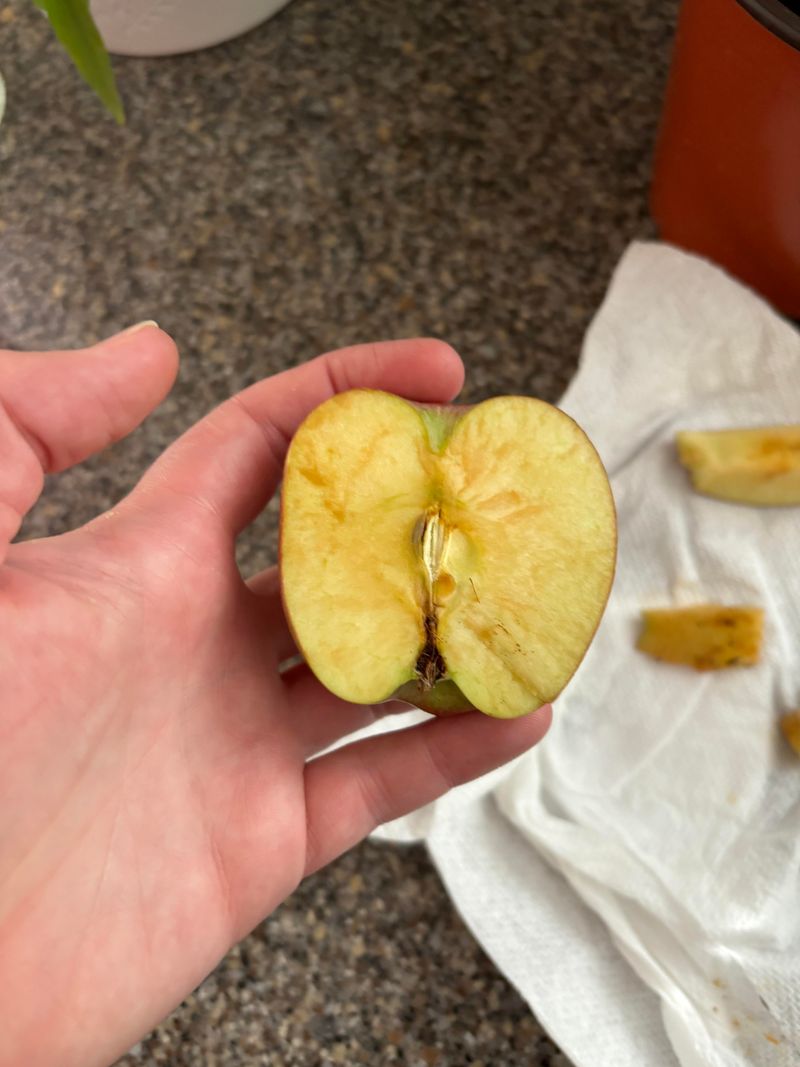
Here is the scene that plays out every fall. A family arrives on the first warm Saturday in September, sees a tree loaded with big red apples, and fills two bags in ten minutes.
At home the fruit tastes like a raw potato with a hint of sugar. The tree was a late keeper such as Rome or Fuji, weeks away from being ready.
Size and color trick people constantly. A late apple reaches full size long before its starch turns to sugar, so it looks finished while the inside is still working.
Another common slip is picking from a row the orchard has not opened yet. Those blocks are usually roped off for a reason, and the staff at the stand can point you toward the right section in about five seconds.
Yanking fruit straight down causes trouble as well. The stem tears out, the apple bruises, and next year’s fruit bud on that spur gets damaged.
Cup the apple, tilt it upward, and twist gently. A ripe apple releases with almost no effort, which is its own quiet ripeness test.
Bag weight matters more than people expect. Fruit at the bottom of an overstuffed sack takes a beating on the drive home and bruises turn soft within days.
Skipping the drops on the ground is smart too. Ground fruit picks up bacteria and usually has hidden bruising, so leave those for the cider press and the deer.
Reading The Tree Instead Of The Chalkboard Sign
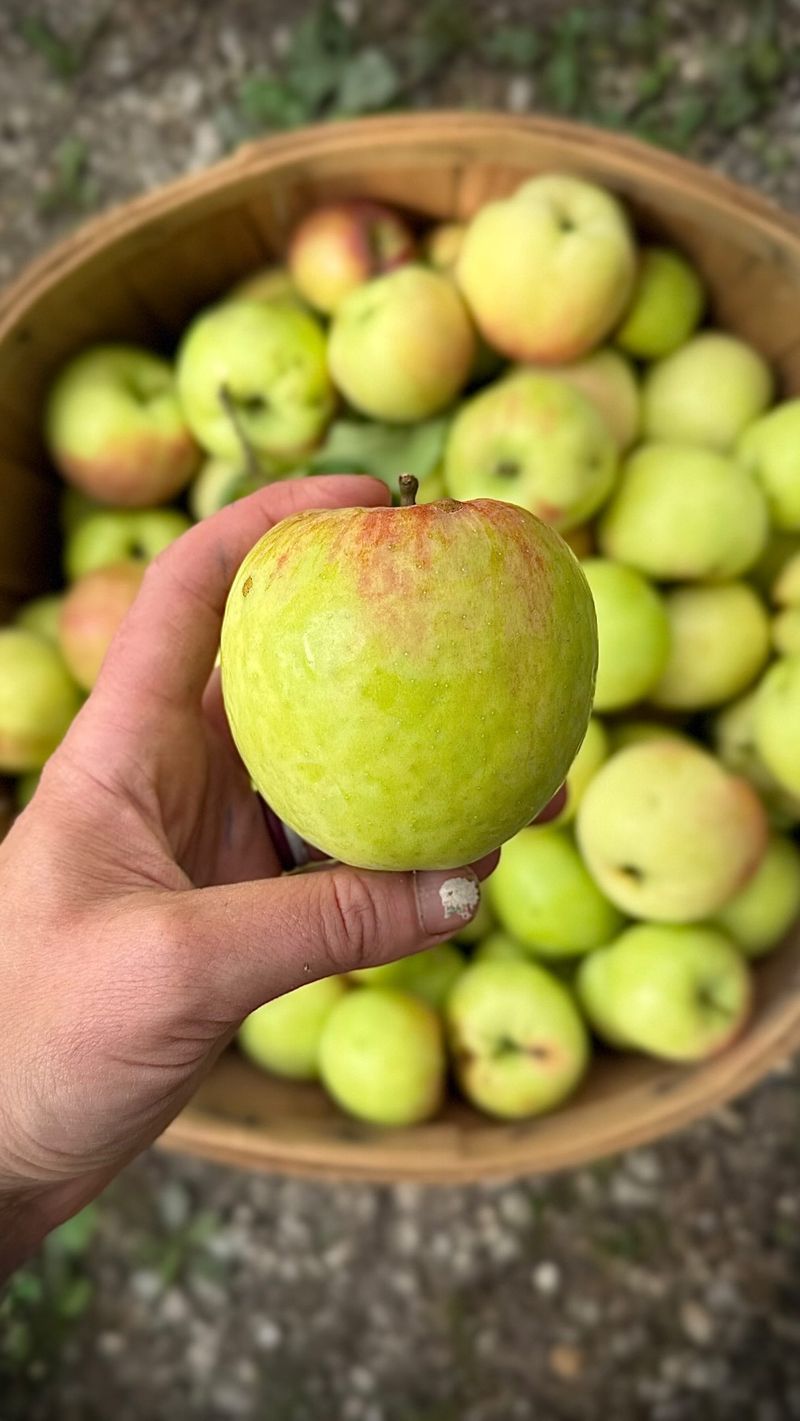
Signs at the entrance tell you what is open. The tree tells you what is ready, and the two do not perfectly overlap on busy weekends.
Start with the ground color, the background shade under the red blush. Green background means more time is needed, while a creamy yellow or pale gold background signals ripeness.
Cut one apple open and look at the seeds. Pale seeds mean the fruit is early, and dark brown seeds usually mean the sugars have arrived.
The stem test settles most arguments. Lift the apple toward the branch with a small twist, and if it lets go easily, the tree has finished its job.
Watch the ground under the tree as well. A scattering of sound fruit beneath a healthy tree often means that variety hit its window a few days earlier.
Taste is still the best instrument you own. Bite one apple in the row before filling a bag, since orchards expect a sample and would rather you enjoy what you buy.
Growers use an iodine starch test that stains unripe flesh dark blue. You will not carry iodine into an orchard, but knowing the test exists explains why staff can be so confident about opening dates.
Firmness deserves attention too. A slight give under thumb pressure suits eating apples, while pie apples do better when they feel solid and heavy for their size.
Trust those small clues over a crowd moving toward the nearest row. The best fruit is often two trees deeper in.
Better Storage And Sweeter Pies From Correct Timing
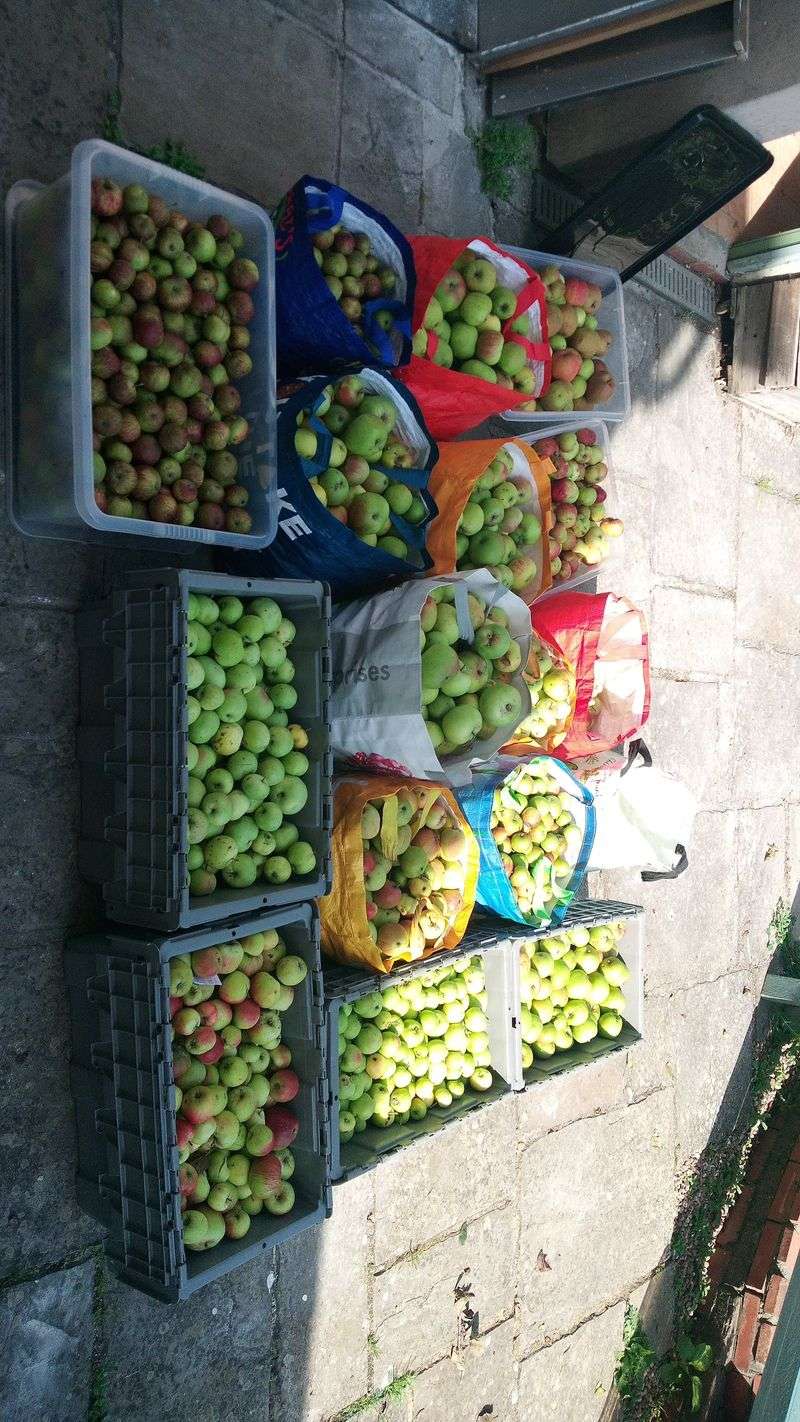
Timing pays off long after the drive home. Early apples like Paula Red and Ginger Gold have thin skins and soft flesh, so they hold for a week or two at best.
Cook those down within days. They break into a smooth sauce with barely any sugar added, which is exactly the job they were born for.
Midseason fruit sits in a friendlier middle ground. McIntosh and Gala keep for three or four weeks in a cold refrigerator, and Honeycrisp can stretch closer to two months.
Late varieties are the champions of the crisper drawer. Northern Spy, Rome, Mutsu, and Fuji picked in late October can stay firm into January when kept near thirty two degrees with a little humidity.
Store them in a perforated bag on the bottom shelf. Apples give off ethylene gas that makes lettuce brown and carrots bitter, so keep them apart from the salad supplies.
Baking rewards the right pick as well. Cortland and Northern Spy hold their shape under heat, while McIntosh collapses into a soft layer that some pie bakers love and others avoid.
Mixing two varieties usually beats using one. A tart keeper for structure plus a sweet early apple for flavor gives a filling with body and depth.
Cider follows the same logic, since a blend of tart, sweet, and aromatic fruit tastes far better than any single variety pressed alone. Even two contrasting apples in the mix make a noticeable difference.