Why Black Bears Are Raiding More New Jersey Trash Cans And Feeders Before Winter Sets In

Nightfall changes what moves near your porch once autumn settles in. Cooler nights push hungry wildlife toward your part of New Jersey. Scent trails from grills and fallen fruit pull straight to you.
Recycling bins by your curb become easy targets after dusk. Doorbell cameras outside your house catch shapes nobody can identify. Neighbors compare your footage and still walk away confused.
Fall triggers a feeding urgency inside animals moving near your home. Body fat matters more than caution once you feel the chill. Sussex, Warren, Morris, and Passaic counties near you are seeing the same pattern.
Wildlife across New Jersey is shifting its habits close to your door. Your property offers exactly what hungry visitors are searching for. Small habits you rarely notice invite bigger problems fast.
Understanding what drives these visits changes what happens at your door. You need to see what’s pulling this animal toward your door.
1. Autumn Calorie Cramming Kicks Into High Gear

Biologists have a word for what happens to bears in late summer and fall: hyperphagia. Translated into plain English, it means eating with a countdown running, because there is one.
From roughly late August through November, a New Jersey black bear may spend up to 20 hours a day searching for food. Their goal is packing on fat reserves that carry them through the winter denning period.
Some adult bears take in around 20,000 calories a day during this stretch. Acorns and beechnuts help, but a single tipped garbage bag can deliver thousands of calories in minutes with comparatively little effort.
That math explains the sudden September uptick in yard visits. A bear is highly efficient at finding the easiest available calorie source, and your curb offers exactly that.
Homeowners often notice the shift overnight. A bear that ignored the neighborhood all summer suddenly appears three nights in a row, testing lids and sniffing along the fence line.
Practical move: treat September through late November as your high-alert window. Store garbage indoors, in a garage, or in a certified bear-resistant container, and set it out the morning of pickup rather than the night before.
Rinsing containers with a little vinegar or diluted bleach cuts lingering odors that carry surprisingly far. Freezing especially smelly scraps until collection day works well too.
Once the feeding push winds down and bears settle into dens, pressure eases considerably. Getting through these few months cleanly makes a real difference.
2. Acorn Crops Came Up Short In Spots
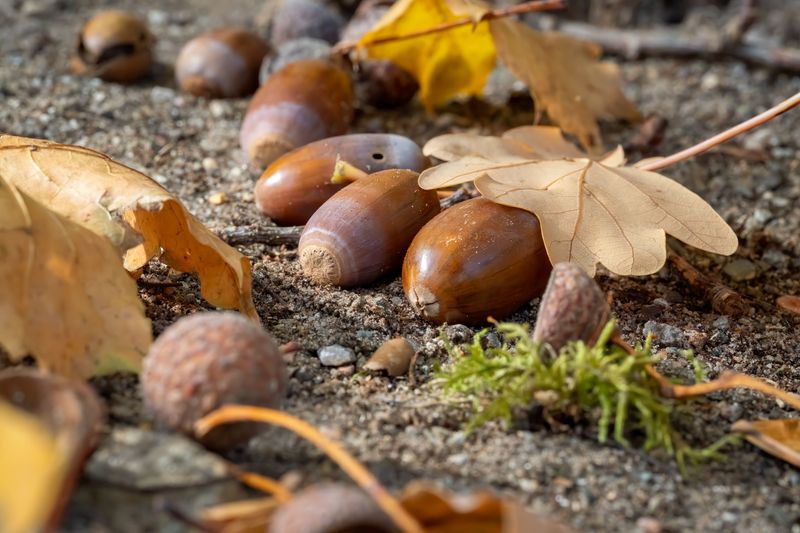
Oak trees are moody producers. Some years they drop acorns by the bucketload, and other years the branches come up thin, a pattern foresters call masting.
When the mast crop in northern New Jersey’s oak and beech ridges disappoints, bears do not simply accept smaller portions. They widen their search radius and drift downhill toward towns.
Weather plays a big role in these swings. Late frosts during spring flowering, drought stress in July, or heavy spongy moth defoliation can all trim the nut supply.
Your New Jersey Garden Changes Every Week. Your Plan Should Too.
Gardening in New Jersey changes quickly throughout the season. Every Friday you’ll receive a simple weekly plan showing exactly what to plant, prune, fertilize, harvest, and protect so you never miss the right timing.
Wildlife managers in the Highlands region track mast surveys for exactly this reason. Lean acorn years tend to line up with jumps in reported bear complaints across Sussex and Warren counties.
What that means for your yard is straightforward. In a thin mast year, a bear may travel miles farther than usual, and suburban food sources become the reliable backup plan.
You can check local reports or simply look up. If the oaks near your street look bare in early September, expect more wandering visitors than a typical season.
Respond by tightening up early rather than waiting for the first raid. Secure bins, pick up windfall fruit under apple and pear trees, and harvest ripe garden produce promptly.
Fallen crabapples are a favorite roadside snack. Raking them up weekly removes a scent trail leading straight to your property line.
3. Bird Feeders Are A Concentrated Calorie Source For Bears
Ask any wildlife officer in Sussex County what draws bears closest to houses, and feeders come up fast. Black oil sunflower seed runs well over 100 calories an ounce, which makes a filled tube feeder a jackpot.
Suet is even richer. A bear can clear a suet cage in seconds and remember that spot for seasons afterward.
New Jersey guidance encourages taking feeders down from roughly April through November, and September sits squarely inside that window. Birds have abundant natural seed and insects right now, so they will not miss the handout.
Hanging a feeder higher rarely solves anything. Adult bears reach roughly five to seven feet standing, and they climb, lean, and pull with considerable patience.
Bringing feeders in at night does not work either, since the spilled hulls beneath them still smell like food. Raking up the seed shell layer under old feeder sites matters as much as removing the feeder itself.
If you want birds around without the risk, offer a clean water bath and native plants. Coneflowers, asters, and goldenrod feed finches and sparrows naturally through fall.
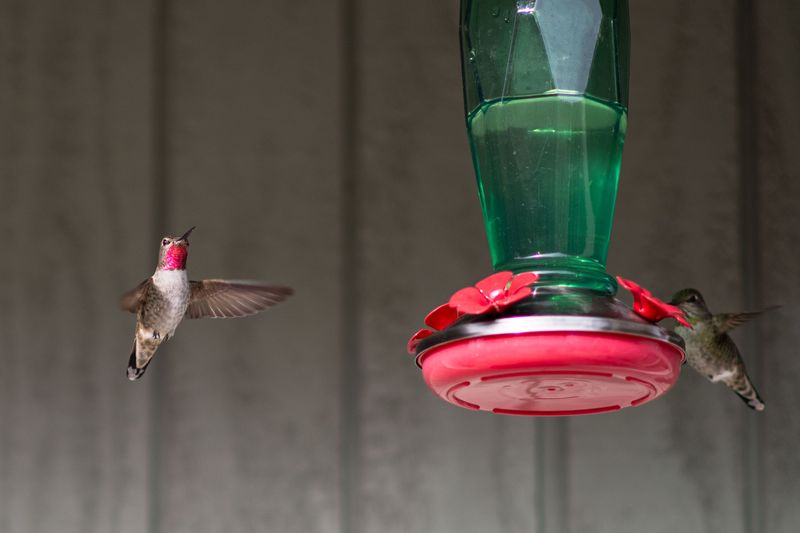
Hummingbird feeders deserve attention too. Sugar water is a magnet, so take those down at night or hang them on a pulley system far from the house.
Plan to rehang seed feeders in December, once bears have settled into dens. Your chickadees will find them again within a day.
4. A Growing Population Meets Growing Neighborhoods

New Jersey holds the title of most densely populated state, and it also supports a healthy black bear population spread across all 21 counties. Those two facts guarantee overlap.
The stronghold sits in the northwest, above Route 78 and west of Route 287, but sightings have been logged well into central and southern counties. Young males in particular wander long distances looking for territory.
Housing developments keep pushing into forested edges in Sussex, Passaic, Morris, and Warren. Every new cul-de-sac backing onto woods creates fresh contact points between people and wildlife.
Bears are creatures of habit and memory. A single successful trash raid can turn into a nightly patrol route linking six or seven houses on the same street.
Fall dispersal adds to the mix. Yearlings pushed out by their mothers in June are still figuring out where to live, and they often stumble into neighborhoods during the autumn feeding push.
The upside is that bear behavior responds quickly to changed conditions. Remove rewards across a whole block and visits usually taper off within a couple of weeks.
One house doing everything right while four neighbors leave bins uncovered accomplishes little. Talking with the folks next door is genuinely one of the highest-impact steps available.
Some towns organize community bear-aware programs and group purchases of certified containers. Worth asking your municipal office about this month.
5. Grills And Leftover Cookout Smells Linger

Labor Day weekend leaves behind more than photos. Grease trays, drip pans, and charred grates hold onto burger fat and marinade smells for days.
A bear’s sense of smell is estimated at seven times sharper than a bloodhound’s, with some researchers suggesting they can detect food odors from a mile or more away. Your grill is loud in a language you cannot hear.
Burning off the grate at high heat for several minutes after cooking helps significantly. Scrape the grates while hot, then empty and wash the grease cup.
Storing the grill inside a garage or shed after it cools removes the target entirely. If that is not possible, a tight cover reduces scent drift somewhat, though it is not foolproof.
Outdoor kitchens and smokers need the same treatment. Wood pellets soaked with drippings are surprisingly attractive to a wandering bear.
Pay attention to picnic tables and deck rails too. Spilled soda, dropped chips, and sticky sauce residue all register as food signals.
A bucket of hot soapy water and a scrub brush after gatherings takes five minutes. That small habit keeps the deck from becoming a scent beacon in September and October.
Coolers left on porches deserve mention. Even an empty one that once held sandwiches can earn a curious visitor and a shredded lid.
6. Compost Piles And Garden Harvests Send Signals

Gardeners in the Highlands know the frustration well. You baby a row of sweet corn all summer, and one September night something flattens the whole patch.
Ripening corn, melons, squash, and orchard fruit peak right when bears are hunting hardest for calories. Compost piles heavy with fruit scraps add another layer of temptation.
Keeping compost bear-resistant is mostly about what goes in. Skip meat, dairy, grease, and fruit, and stick to leaves, grass clippings, coffee grounds, and vegetable trimmings.
Turning the pile regularly speeds breakdown and cuts the sour smell that carries on damp evening air. Enclosed tumbler bins work better than open heaps in bear country.
For gardens and small orchards, properly installed electric fencing has the strongest track record. Wildlife agencies recommend a multi-strand setup with the lowest wire close to the ground, baited lightly on the first night so a bear gets one memorable nose zap.
Harvest promptly rather than letting produce sit an extra week. Overripe fruit on the vine or the ground is what pulls a bear in initially.
Chickens and rabbits count here as well. Feed stored in a metal can inside a locked shed keeps grain smells contained.
Beehives, popular across Warren and Hunterdon counties, need their own fencing. Bears want the brood and larvae far more than the honey itself.
7. Food-Conditioned Bears Lose Their Natural Caution

There is a well-known warning among wildlife officers: a fed bear is a doomed bear, though most agencies now frame the outcome as a bear becoming a persistent problem rather than facing removal.
Bears that repeatedly find easy meals near houses stop treating people and porch lights as warning signs. Over time, they approach in daylight, ignore shouting, and return even after being chased off.
New Jersey classifies bear behavior in categories, and animals that escalate to breaking into homes or vehicles face serious management responses. Almost all of those cases trace back to an easy food source somewhere in the neighborhood.
Intentionally feeding bears is illegal in New Jersey and carries fines. Careless feeding through unsecured trash creates the same outcome, just more slowly.
Reversing the pattern is possible when the rewards disappear. Bears that stop finding meals typically shift back to natural forage within a few weeks.
Hazing helps reinforce the message. Air horns, banging pots, and motion-activated sprinklers from a safe distance teach a bear that your yard is unpleasant.
Do the hazing from indoors or a secure spot, and give the animal a clear escape route. Cornering a bear is the wrong move.
Report bold or persistent bears to the state hotline at 1-877-WARN-DEP. Early reports let officers respond before behavior escalates further.
8. Warmer Falls Stretch The Active Season Longer

Denning in New Jersey usually starts in late October or early December and runs into March or April.
When temperatures stay in the 50s and 60s through November, bears keep foraging instead of settling in. Pregnant females den earliest, while adult males often stay active the longest.
Extended activity means a longer window for backyard encounters. Homeowners who traditionally relaxed after Halloween now sometimes see visitors right up to Thanksgiving.
Snow cover matters too. Bare ground lets bears keep digging for roots, insects, and leftovers, so there is less reason to hunker down.
Warm spells in January can even rouse a denned bear for a short walk. Those brief outings are normal and usually end with a return to the den.
Practical takeaway: extend your prevention habits a few weeks beyond what feels necessary. Keep bins secured and feeders stored until the first stretch of consistently cold weather arrives.
Autumn cleanup helps as well. Clearing brush piles and crawl space access points near decks discourages a bear from choosing your foundation as a winter shelter.
Bears occasionally den under porches and sheds in developed areas. Blocking those openings in early September, before anything moves in, saves a complicated situation later. A little vigilance now buys a much quieter yard through the colder months ahead.