8 Signs Brown Recluse Spiders Are Moving Indoors Across Alabama This Fall
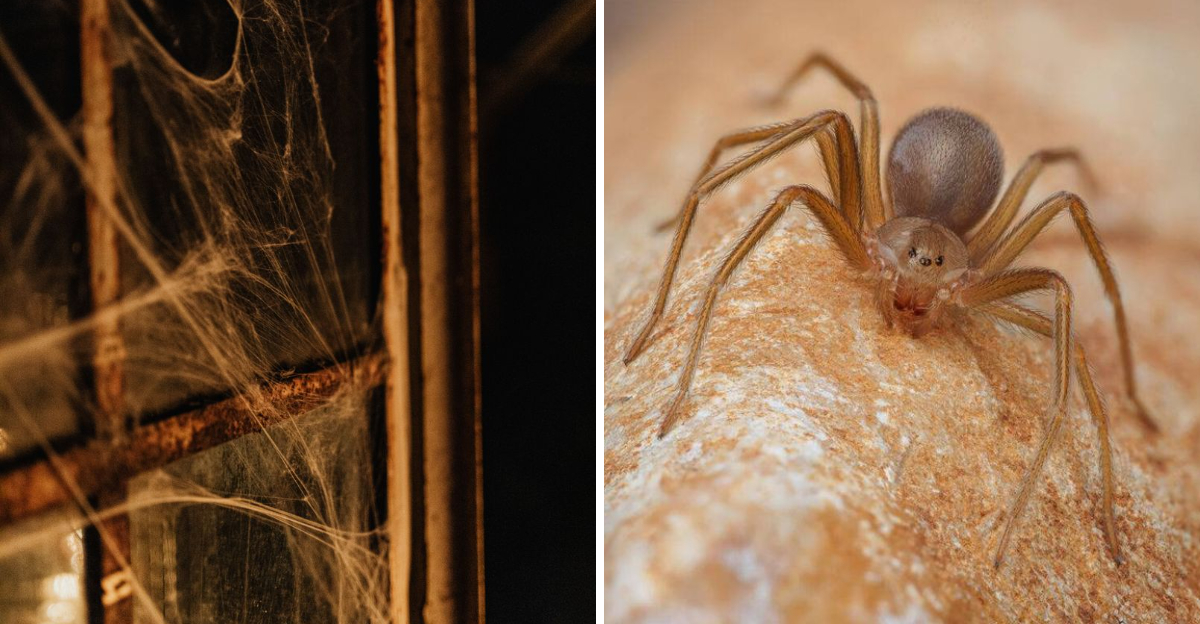
Alabama homes may host unwanted spider visitors this season. This spider is looking for shelter inside your home. Warm attics, dark garages, and closets provide an ideal environment for it.
Boxes you haul down from storage often carry stowaways. Papery scraps you spot in corners are not scraps at all. Threads near your dusty baseboards signal more than simple dust.
Shed skins behind your water heater mean growth has happened nearby. Vents, crawl spaces, and dusty dark corners become favorite hideouts fast. Humid Alabama air can increase spider activity indoors.
You rarely notice these clues until it is too late. Your instincts might tell you all is fine.
Trust that feeling less than you want to. Spiders leave evidence long before you notice them. Recognizing these small clues changes how you search your own home. Soon you will not look at a single corner the same way again.
1. Shed Skins Showing Up Behind Water Heaters And Furnaces
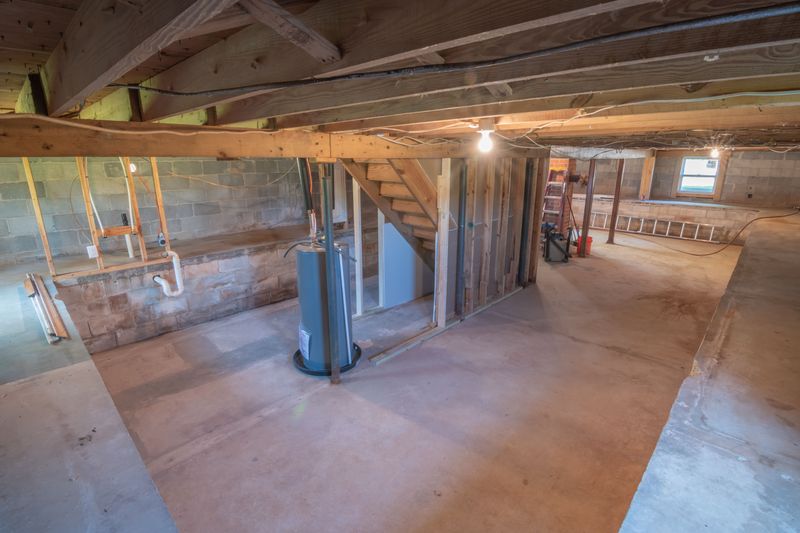
A tiny ghost of a spider, perfectly shaped but hollow, is one of the strangest things to find in a utility closet. That papery shell is a shed skin, and it means a spider grew up right there.
These spiders molt several times as they mature, leaving behind translucent tan copies of themselves. The skins hold their shape well, including the long legs, so they are easier to identify than you might expect.
Warm mechanical areas draw them in during early fall. Water heater closets, furnace nooks, and the space behind a clothes dryer stay toasty and undisturbed for months at a stretch.
Look on the concrete floor, along the pipe insulation, and on the ledge where the wall meets the slab. A flashlight held at a low angle makes the pale skins pop against dark surfaces.
Finding one shed skin suggests a resident rather than a wanderer. Finding several points to a spot that has been comfortable for a while.
Clean them up with a damp paper towel or vacuum hose, then check the closet door for gaps along the bottom. A simple sweep-style door seal costs a few dollars and closes off an easy entry route.
Sticky monitoring traps placed flat against the wall in these closets give you ongoing information. Check them every couple of weeks and jot down the date, because a pattern tells you far more than a single find.
2. Sticky Traps Filling Up With Long-Legged Tan Spiders
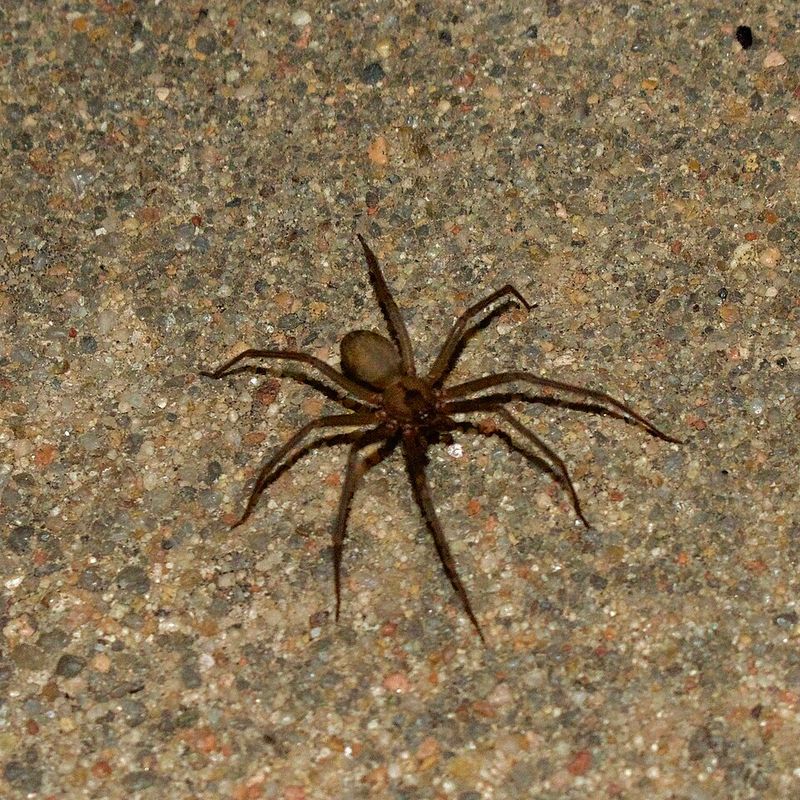
Glue boards are an easy way to monitor spider activity. Tuck a few along baseboards and you will know within two weeks whether you have company.
Place them flat against walls, in closet corners, under beds, behind the toilet, and along the garage perimeter. Spiders travel by hugging edges, so the middle of a room catches very little.
What you are watching for is a tan to yellowish-brown spider with legs noticeably longer than its body. The body is roughly small-coin sized, with legs that extend noticeably wider than the body itself.
Your Alabama Garden Changes Every Week. Your Plan Should Too.
Gardening in Alabama changes quickly throughout the season. Every Friday you’ll receive a simple weekly plan showing exactly what to plant, prune, fertilize, harvest, and protect so you never miss the right timing.
A single catch in October might just be a wanderer that came in with firewood. Three or four boards each holding one or two suggests an established indoor population worth addressing.
Write the date on each board with a marker before you set it down. That habit turns random finds into useful data you can share with a pest professional.
Boards are cheap, so use plenty. A good starting point is placing several boards around the garage, laundry area, and any room over a crawlspace, adjusting based on what you find.
Swap them out every couple of months or whenever they get dusty, since dust ruins the glue. Keep them away from curious pets and toddlers by sliding them under furniture instead of leaving them in open floor space.
Rising catch numbers through September and October are your signal to step up sealing and cleaning work.
3. Papery, Irregular Webbing In Low, Hidden Corners
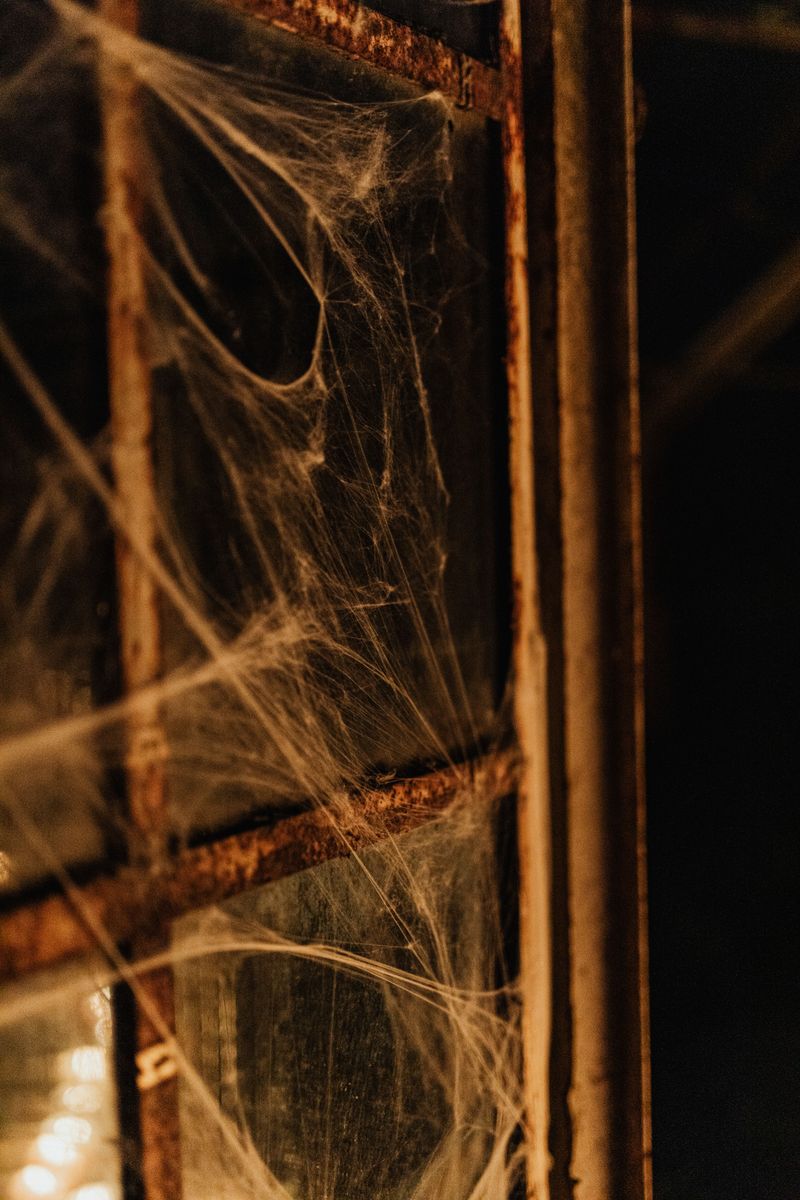
Forget the neat wheel-shaped webs you see on Halloween decorations. The webbing tied to this particular spider looks more like a scrap of used tissue paper that someone crumpled and stuck to the wall.
It has no pattern at all. Threads run in odd directions, often loose and sticky-looking, and the whole patch tends to sit low, near floor level or under a shelf lip.
In Alabama homes, the usual spots are basement corners, the underside of a workbench, behind stacked storage tubs, and along the back wall of an attached garage. Anywhere dark, still, and rarely swept becomes fair game once September nights start cooling off.
Here is a helpful detail. The webbing serves mainly as a retreat, not a trap, so you will rarely find neatly wrapped prey hanging in it.
Instead you might spot bits of insect legs or wings scattered on the floor just below. That debris pile is often the first clue people notice.
When you find a patch like this, avoid handling the area with bare hands. Follow up by wiping the area with soapy water and keeping a flashlight handy for weekly checks. Regular light and disturbance make those quiet corners less appealing.
Cardboard is a favorite hiding material, so swapping boxes for sealed plastic bins removes both the shelter and the excuse to build.
4. A Violin-Shaped Mark Spotted On A Wandering Spider
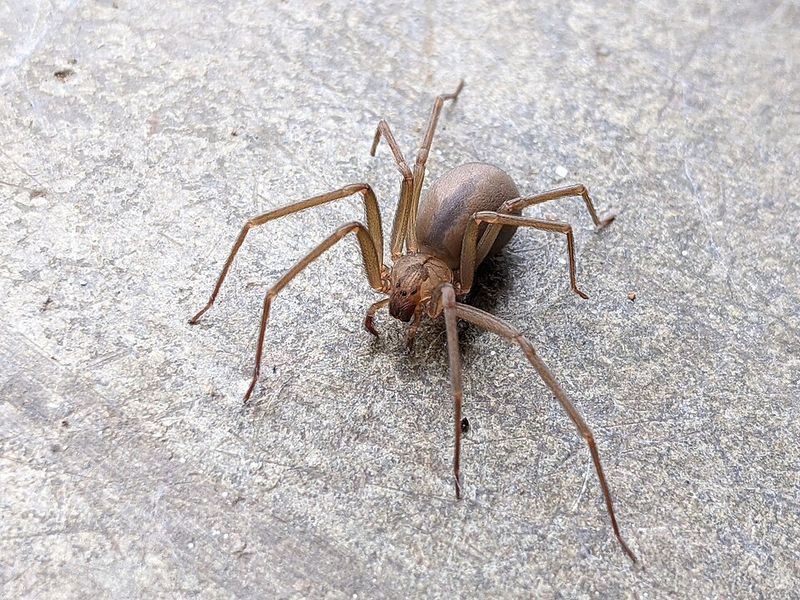
The nickname fiddleback comes from a dark marking on the spider’s front section that resembles a violin, with the narrow neck of the instrument pointing toward the back. Once you see it clearly, the shape is hard to unsee.
Lighting matters a lot here. Under a dim garage bulb the mark can become hard to see, so a bright flashlight or your phone light held close helps enormously.
Do not rely on the fiddle alone, though. Plenty of harmless Alabama spiders carry vaguely violin-ish smudges, and folks misidentify them constantly.
The more reliable feature is eye arrangement. These spiders have six eyes in three pairs forming a wide semicircle, while the vast majority of house spiders have eight arranged in two rows.
Other giveaways include uniformly colored legs with no stripes or bands, no spines on the legs, and a smooth, velvety look rather than a hairy one.
Fall is typically when males roam more, often searching for mates and food, which may explain sudden nighttime sightings. Daytime sightings out in the open are less common.
If you spot one, the safest move is a glass jar and a piece of stiff paper. Slide the jar over, cap it, and snap a clear photo through the glass.
Your county Extension office in Alabama may offer spider identification services. Check with your local office for availability and cost.
5. Cluttered Storage Rooms That Have Sat Untouched For Months
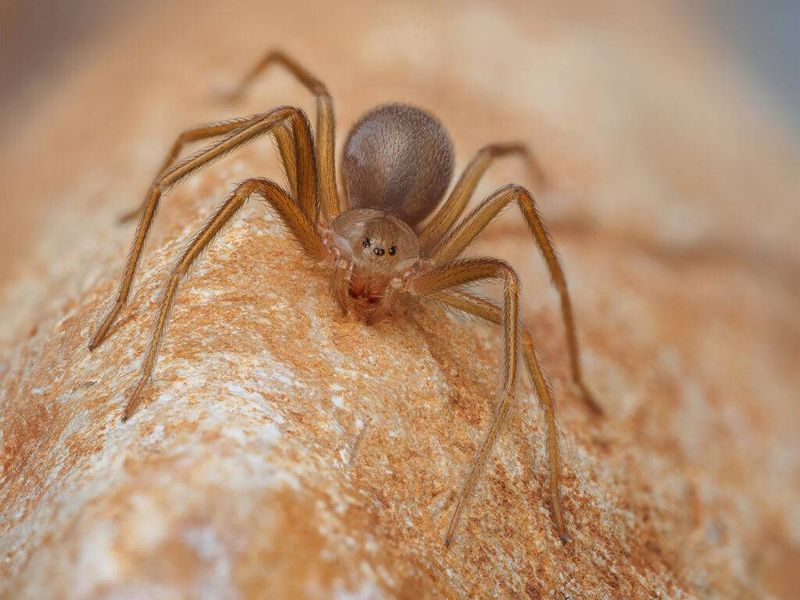
Clutter is the welcome mat nobody means to put out. Stacks of cardboard, piles of clothing, and rows of paint cans create hundreds of tiny caves with steady temperatures and no foot traffic.
Cardboard is especially attractive. The corrugated ridges inside a box wall make a snug tunnel, and the paper holds just enough moisture to feel comfortable.
Think about the rooms in your house that stayed shut all summer. A spare bedroom used for storage, a hall closet packed to the ceiling, the corner of the garage where holiday decorations live.
Early September is honestly the ideal time to tackle these spaces, because the outdoor population has not fully shifted inside yet. Cooler mornings make the work pleasant too.
Wear leather or heavy canvas gloves and long sleeves. Carry boxes outside to sort in daylight rather than digging through them in a dark corner.
Move storage up onto metal shelving so nothing sits directly on the floor. That single change removes the floor-to-wall junction that spiders travel along.
Swap cardboard for clear plastic bins with snapping lids. You will find things faster and remove the shelter at the same time.
Vacuum the floor, corners, and wall edges once the room is clear, then run the hose along ceiling joints too. Empty the vacuum outdoors immediately afterward.
A tidy storage room is not glamorous work, but it is one of the most effective non-chemical steps you can take.
6. Unexplained Bites Appearing On Skin After Getting Dressed
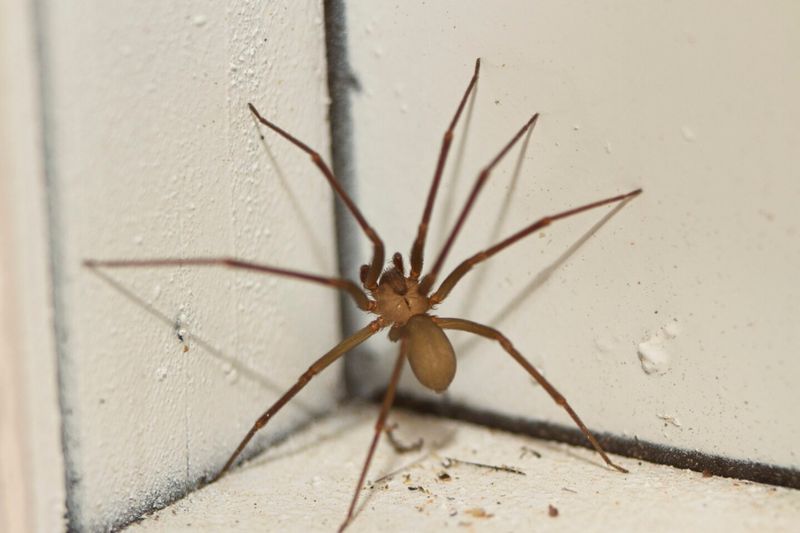
Here is a scenario that plays out every fall. Someone pulls a shirt from a drawer, gets dressed, and hours later notices a tender, reddened spot on their shoulder or waistline.
These spiders are not aggressive and would much rather retreat than confront anything large. Contact usually happens by accident, when a person presses against one hiding in fabric.
Clothing left on the floor, towels hung on a hook for weeks, and shoes stored in a garage are the classic culprits. Bedding on a guest bed nobody has slept in counts too.
Reactions vary quite a bit from person to person, and many bites heal on their own with basic care. Others develop a sore that grows over several days and needs medical attention.
Doctors in Alabama see plenty of skin sores blamed on spiders that turn out to be bacterial infections instead. Bringing the actual spider, if you can safely capture it, helps enormously with diagnosis.
Practical habits go a long way. Shake out clothing and shoes before putting them on, keep laundry in a hamper rather than a floor pile, and pull beds a few inches away from walls. Store off-season clothes in sealed bins instead of open boxes.
If a sore appears and keeps worsening, or you feel feverish and unwell, contact a doctor promptly rather than waiting it out. Prevention here is mostly about routine, and it costs you about ten seconds each morning.
7. Gaps Around Doors, Vents, And Crawlspace Openings
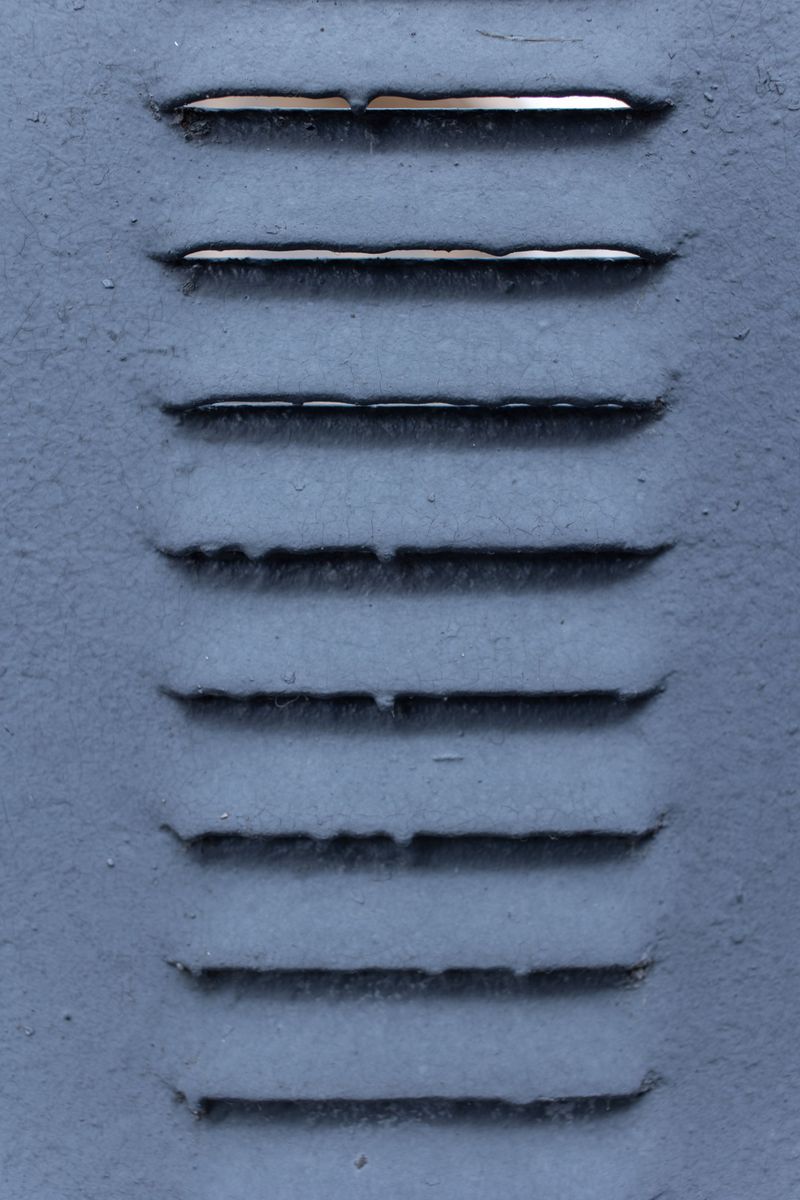
Kneel down inside your garage in the middle of the day and look at the bottom of the big door. If you see daylight, so can everything outside.
Gaps are the plain reason indoor sightings jump in autumn. Cooler temperatures push insects and spiders toward warmth, and they take whichever opening is easiest.
Alabama homes have some common weak points. Crawlspace vents with torn screens, worn garage door sweeps, brick weep holes, and the spots where cable or AC lines pass through the wall.
Grab a caulk gun and a tube of exterior sealant, then work your way around the foundation. Fill gaps around pipes, wires, and hose bibs, and pay attention to the seam where siding meets brick.
Replace missing door sweeps and add a threshold seal on any door that leads to a garage or porch. Fresh weatherstripping on frames handles the sides and top.
Fine mesh hardware cloth works well over crawlspace vents and attic gable openings. Staple it on the inside so it stays hidden and lasts longer.
Outside the house, pull mulch back a few inches from the foundation and trim shrubs so they are not touching the siding. Move firewood stacks well away from walls and off the ground.
Sealing takes a weekend and pays off for seasons to come. Better yet, the same work lowers your power bill through winter, which makes the effort feel a lot more worthwhile.
8. Nighttime Sightings Along Baseboards And Bathroom Floors
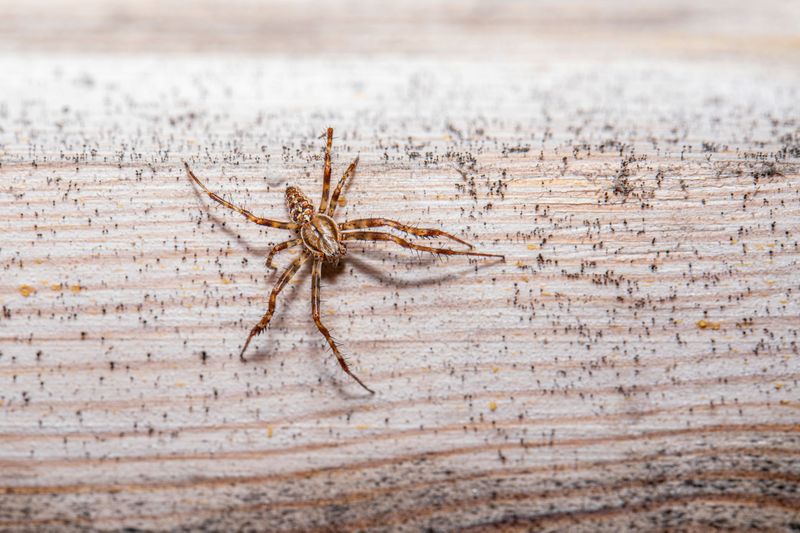
Flip on the bathroom light at two in the morning and you might catch a flicker of movement near the tub. Fall is prime roaming season, and these spiders do their traveling after dark.
They hunt at night and hide by day, which is why a house can hold several without anyone noticing for months. Mating season, which typically peaks in September and October, tends to send males roaming farther.
Bathrooms and kitchens attract them because other insects gather near moisture. Where small prey goes, hunters follow.
Watch the edges rather than open floor. Baseboards, the gap under a vanity, the space behind a toilet, and the corners near a shower are the routes they favor.
Try a simple flashlight walk one evening. Turn off the overhead lights, hold the beam low and parallel to the floor, and slowly scan room edges for maybe fifteen minutes.
Low-angle light catches legs and casts long shadows, making a spider far easier to see than under ceiling lighting. Do this once a week during fall and you will get a real sense of activity levels.
Reducing indoor insects helps a lot. Swap outdoor bulbs for warm yellow LEDs, fix dripping faucets, and run the bathroom fan after showers.
Keep floors clear at night so nothing has cover, and slip on shoes for those late trips down the hall. Small adjustments made in September help keep sightings to a minimum for the rest of the season.