7 North Carolina Flowers With Easy To Reach Pollen For Pollinators
Not all flowers are equally helpful to pollinators. Some have pollen and nectar tucked deep inside complex blooms that only certain bees or insects with long mouthparts can reach.
While others offer their pollen right out in the open, making it far easier for bees, butterflies, and other visitors to feed efficiently. For North Carolina gardeners hoping to support local pollinators, choosing the right flowers can make a real difference.
Open, simple blooms tend to be more accessible than tightly structured ones, allowing a wider variety of pollinator species to benefit from the same plant.
This is especially useful in a garden that welcomes many different types of visitors throughout the season. Some flowers stand out for how easy they make this process, offering plenty of accessible pollen without requiring pollinators to work for it.
1. Black Eyed Susan
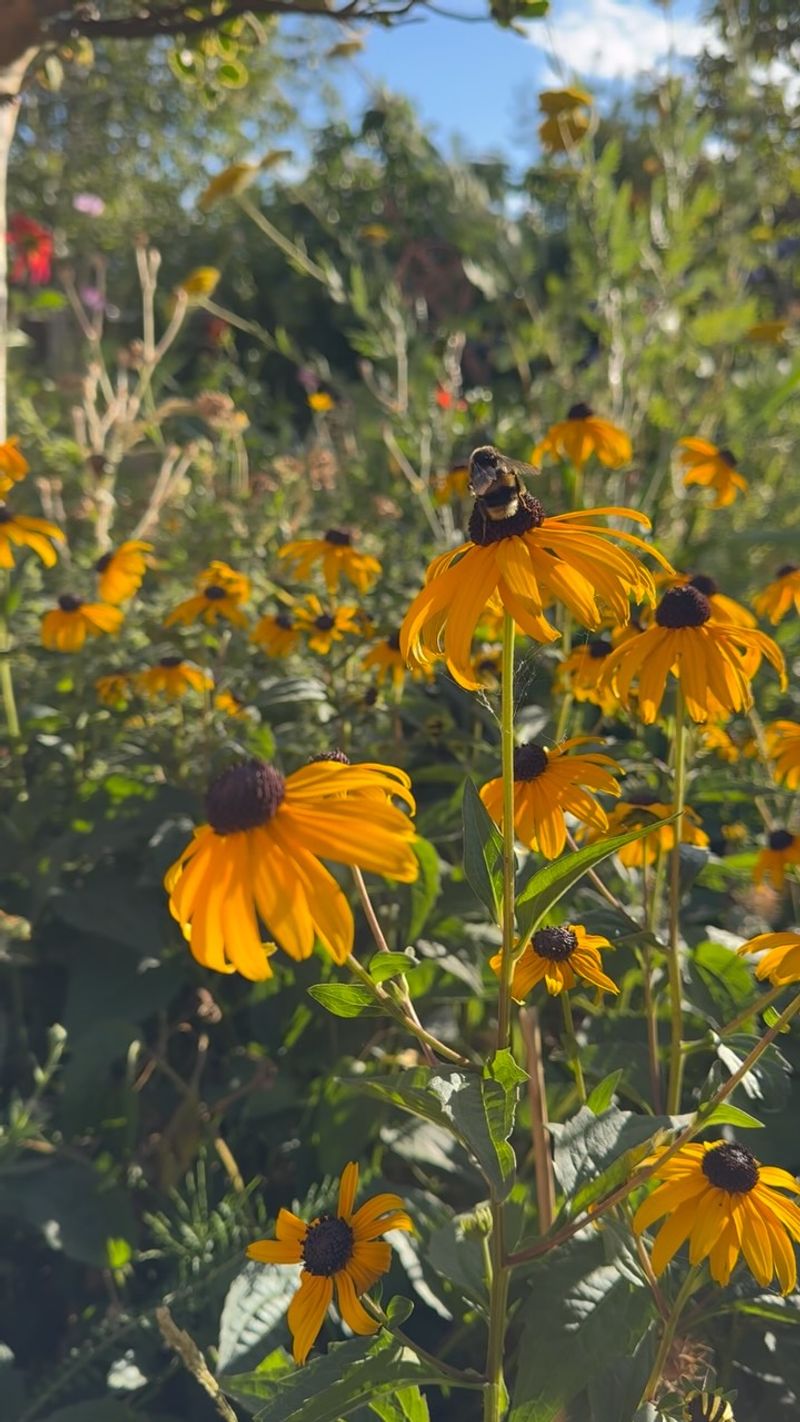
Bright and cheerful, black eyed Susan looks like a tiny burst of sunshine planted right in your yard. The golden petals fan out around a raised brown center, and that shape matters more than you might think.
Because the flower opens flat and wide, bees and butterflies have plenty of room to land. They can walk right across the surface without struggling to squeeze into a tight spot.
The dark middle is packed with dozens of tiny florets, and each one holds a small serving of pollen and nectar.
Pollinators love this setup. A bee can stroll from one floret to the next, gathering food quickly before moving on. This easy access means the flower gets visited often, which helps it produce seeds and keeps the whole cycle going.
Black eyed Susan grows well across North Carolina, handling hot summers and dry stretches without much fuss. It blooms from summer into fall, giving insects a steady food source when many other plants have finished.
Here is a fun bit of history: this flower is tough enough to pop up along roadsides and in open fields all on its own. Gardeners often let it spread naturally because it fills empty spaces with color.
If you want a low effort plant that keeps pollinators happy, this one is hard to beat. Give it full sun and well drained soil, and it will reward you with waves of blooms and a steady stream of buzzing visitors all season.
2. Wild Bergamot
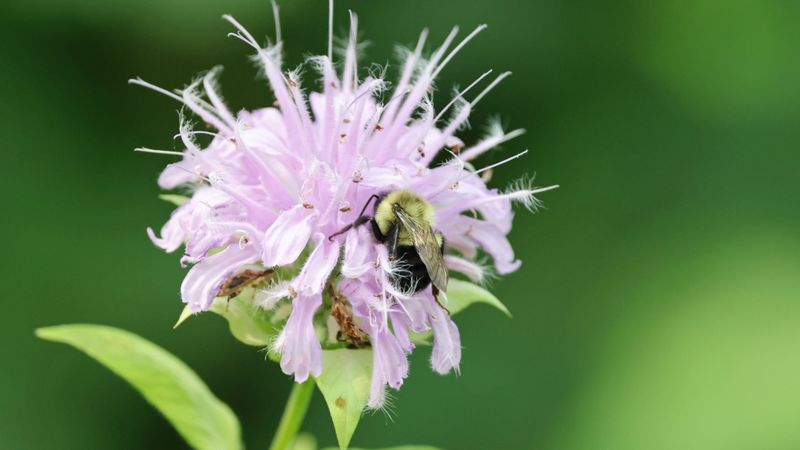
With shaggy lavender blooms that look like a burst of fireworks, wild bergamot brings a wild, carefree charm to any garden. Its ragged flower clusters are more than just pretty though.
Each bloom is made of many small tube shaped flowers grouped together in a loose ring. This open arrangement gives pollinators lots of spots to land and feed.
Bees can crawl between the tubes, while butterflies sip nectar from the tips with their long mouthparts.
Because the flowers sit out in the open rather than hiding away, insects spend less energy searching for food. That easy access makes wild bergamot one of the busiest plants in a pollinator garden.
This native plant grows happily throughout North Carolina, especially in sunny meadows and along the edges of woods. It handles heat well and comes back year after year without much care.
Your North Carolina Garden Changes Every Week. Your Plan Should Too.
Gardening in North Carolina changes quickly throughout the season. Every Friday you’ll receive a simple weekly plan showing exactly what to plant, prune, fertilize, harvest, and protect so you never miss the right timing.
Crush a leaf between your fingers and you will notice a minty, spicy smell. That scent is why some folks call it bee balm, and it also gives the plant a natural defense against pests.
Hummingbirds sometimes join the party too, drawn in by the tubular shape and sweet nectar. Watching all these visitors gather around one plant is a real treat.
Give wild bergamot room to spread, since it likes to grow in clumps. Plant it near a walkway where you can enjoy the buzzing activity and that fresh minty scent every time you pass by during the warm months.
3. Swamp Sunflower
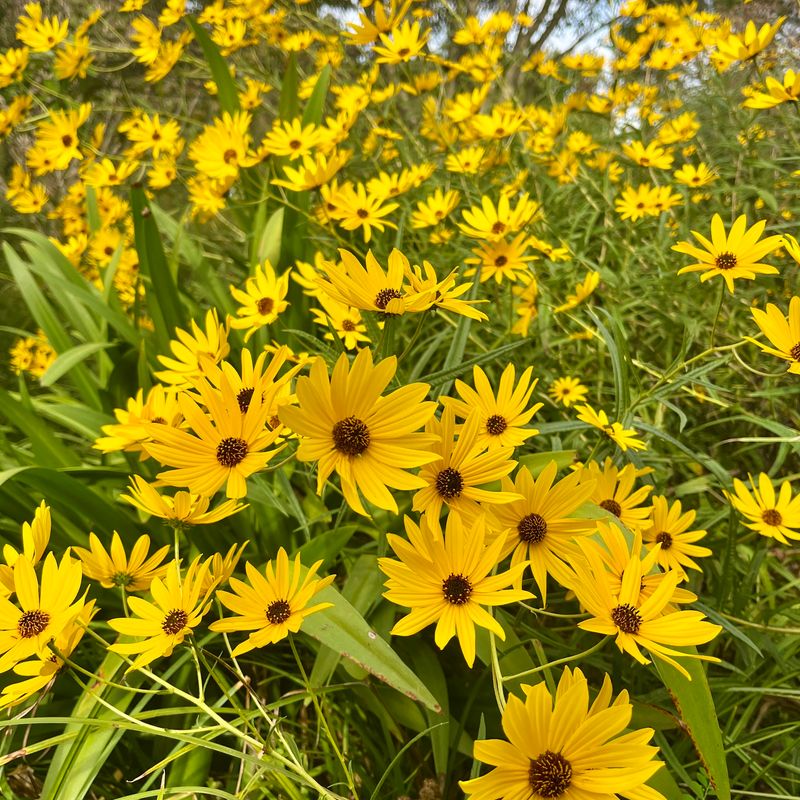
Late in the season when many gardens start to fade, swamp sunflower explodes into a golden wall of blooms that can tower over your head. The timing could not be better for hungry insects.
Each flower has a classic sunflower shape, with bright yellow petals circling a wide open center. That center is where the magic happens, holding rows of tiny florets full of exposed pollen and nectar.
Since everything sits right out in the open, bees and other insects can land and feed without any digging or squeezing. The flat surface gives them a stable place to rest while they gather food.
This plant blooms in late summer and fall, exactly when pollinators are stocking up before the colder months arrive. Having a reliable food source at this time helps them stay strong and healthy.
Swamp sunflower loves the moist soils found in parts of North Carolina, but it adapts well to average garden beds too. It grows fast and tall, so give it a spot in the back of your garden where it can shine.
One neat thing about this flower is how it seems to glow when the autumn light hits it just right. A big patch can light up an entire corner of your yard.
To keep it from growing too leggy, you can trim it back once in early summer. That extra step encourages bushier plants and even more blooms for your buzzing visitors to enjoy.
4. Lanceleaf Coreopsis
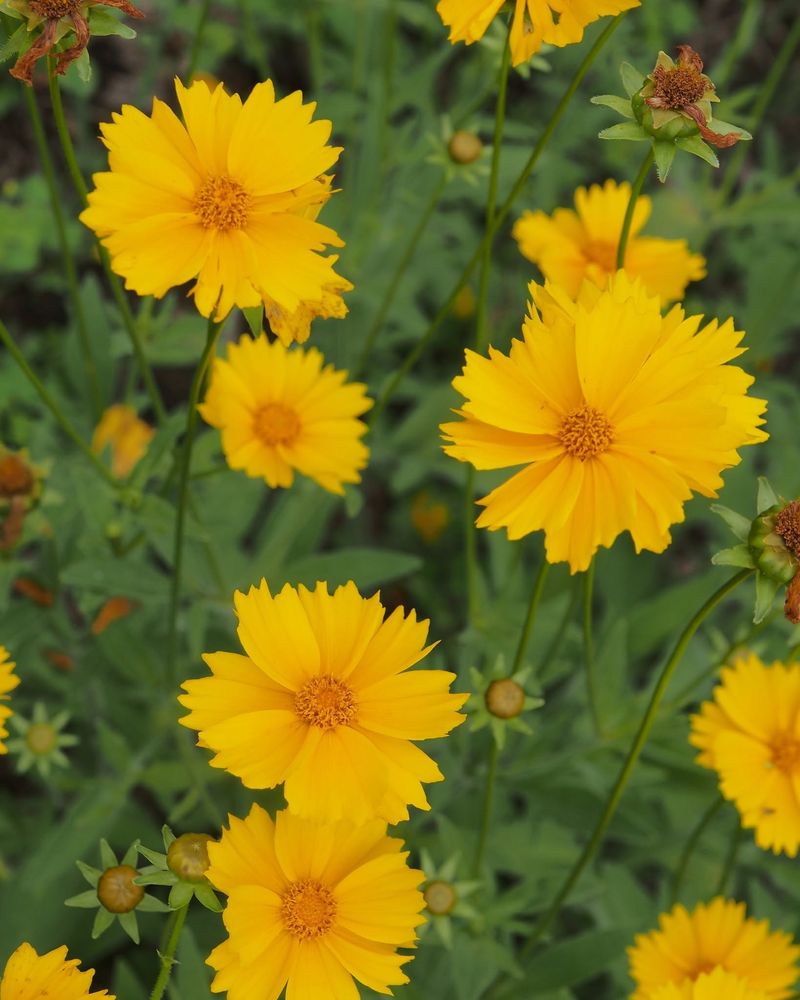
Cheerful and sunny, lanceleaf coreopsis scatters bright yellow blooms across the garden like little golden coins. These flowers may look simple, but they do a big job.
The daisy like shape opens flat and wide, giving pollinators an easy target to spot from the air. Once they land, the low center puts pollen and nectar right within reach.
Small native bees, honeybees, and even little butterflies all flock to these blooms. The open design means no insect gets left out, no matter how short its tongue or how tiny its body.
Lanceleaf coreopsis is well established in North Carolina and thrives in sunny spots, especially sandy or rocky soils. It handles poor soil and dry weather without complaint, making it a smart pick for beginners.
What really sets this plant apart is how much it blooms. From late spring into summer, it keeps pumping out flowers, especially if you snip off the spent ones now and then.
Because it reseeds itself, you may find new plants popping up nearby each year. Many gardeners welcome this, since more flowers mean more food for pollinators.
Tuck coreopsis along a border or mix it into a wildflower patch. Either way, it will fill the space with color and keep a steady flow of helpful insects visiting your yard from spring through the heat of summer.
5. Purple Coneflower
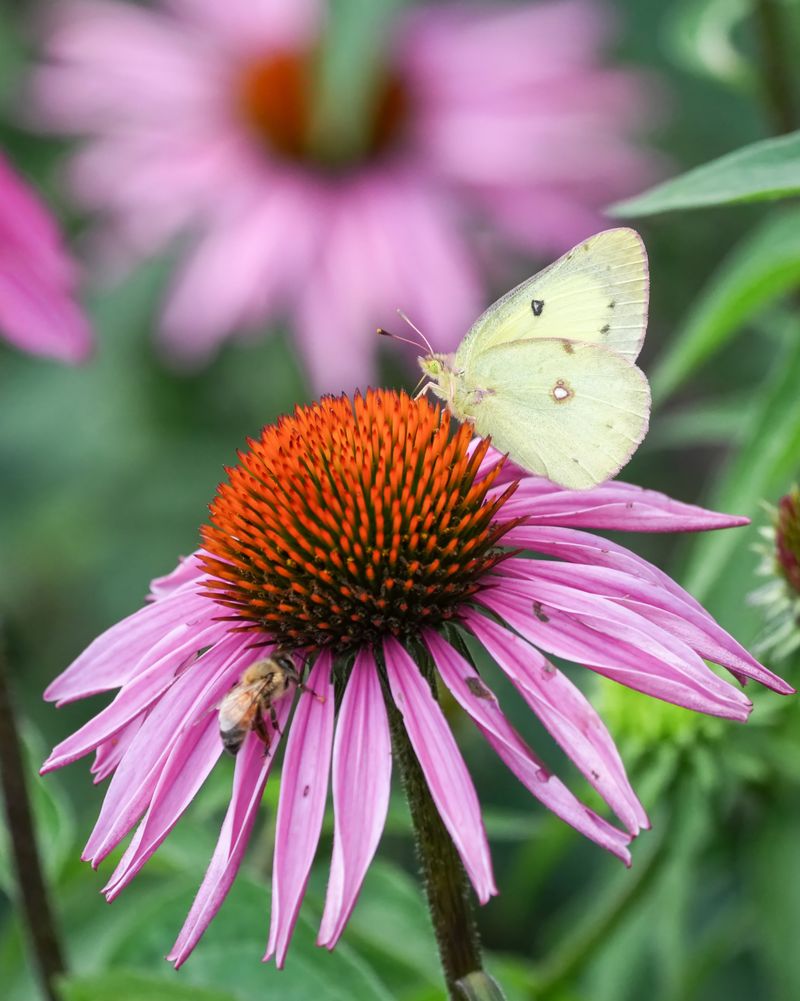
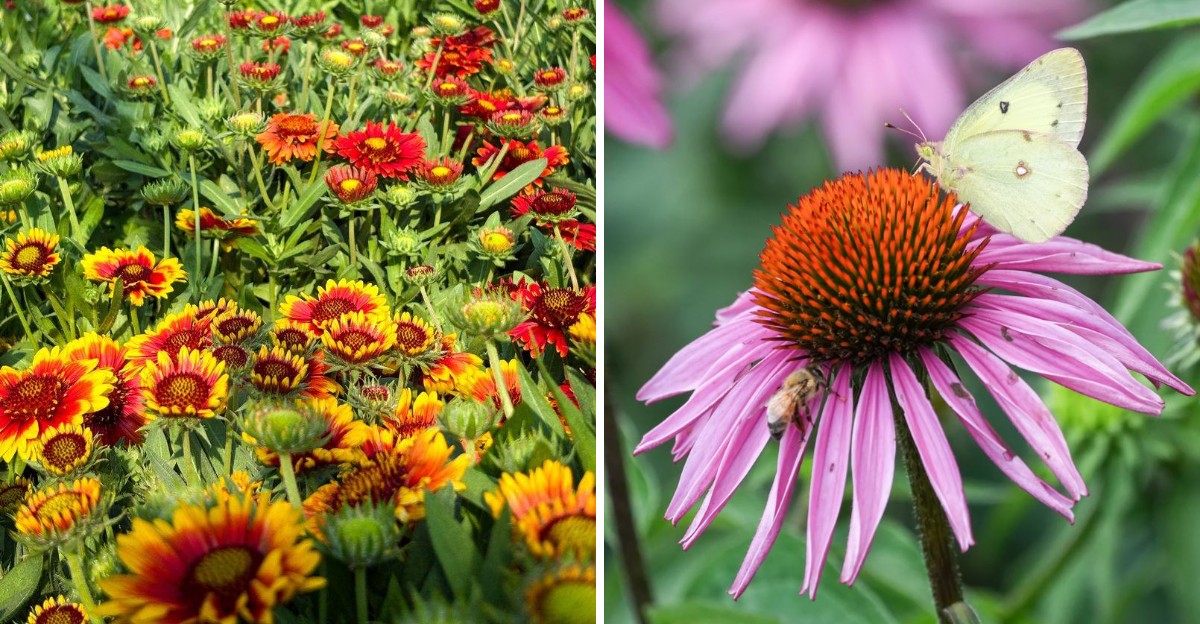
Few flowers grab attention like the purple coneflower, with its soft pink petals swept back like a shooting star. That raised, spiky center is the real star of the show for hungry insects.
The cone in the middle stands up tall and is covered in small florets, each one loaded with pollen and nectar. Butterflies and bees can perch right on top and reach every part without any trouble. It is almost like a snack bar built just for them.
What makes this flower so popular is how long it keeps giving. The cone opens slowly over several weeks, so there is always fresh food waiting. This steady supply pulls in all kinds of visitors, from tiny native bees to big swallowtail butterflies.
Purple coneflower thrives in North Carolina gardens because it handles heat and drought like a champ. Once its roots settle in, it needs very little watering, which makes it a favorite for busy gardeners.
Did you know people have long used this plant in home remedies? That history gave it the nickname echinacea, a word that comes from the spiky look of its center.
When the blooms fade, leave the cones standing through winter. Birds like goldfinches will swoop in to munch on the seeds, adding even more life to your yard.
Plant a few of these in a sunny spot, and you will have a magnet for pollinators that keeps working season after season with almost no effort on your part.
6. Blanket Flower
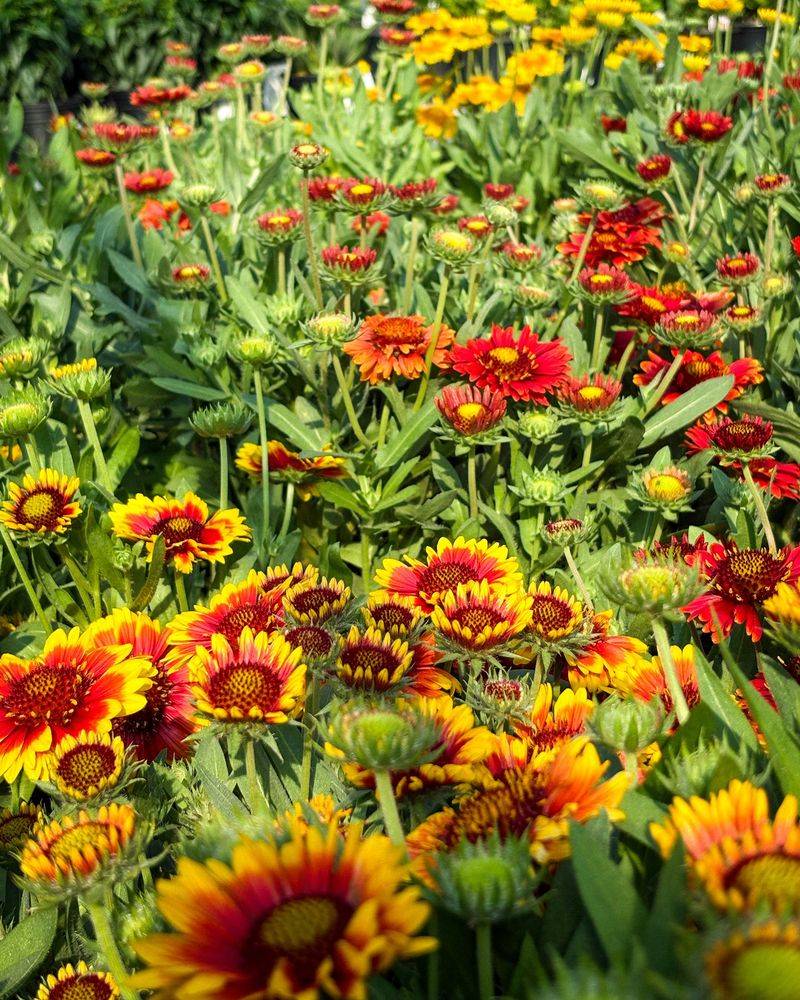
Wrapped in warm shades of red and yellow, blanket flower looks like a cozy quilt spread across the garden. Its bold colors are impossible to miss, and pollinators feel the same way.
The blooms open wide and flat, with a rounded center that sits low and easy to reach. Bees and butterflies can settle right on top and gather pollen without any effort at all.
This flower keeps going and going, producing blooms from early summer straight through fall. That long season gives insects a dependable place to feed for months at a time.
Blanket flower handles the heat and sandy soils of North Carolina beautifully. It even tolerates salty air, which makes it a great choice for gardens closer to the coast.
One of the best things about this plant is how little care it needs. Skip the fancy fertilizers and heavy watering, since it actually prefers to be left alone in a sunny spot.
The name comes from the way the flowers can blanket a field with color, much like patterns found in old woven blankets. Once you see a patch in full bloom, the name makes perfect sense.
Snipping off faded flowers keeps the plant producing more, so you get an even longer show. Each new bloom becomes a fresh feeding station for visiting insects.
Plant blanket flower where it gets plenty of sun, and it will reward you with nonstop color and a happy crowd of pollinators buzzing around all season long.
7. Goldenrod
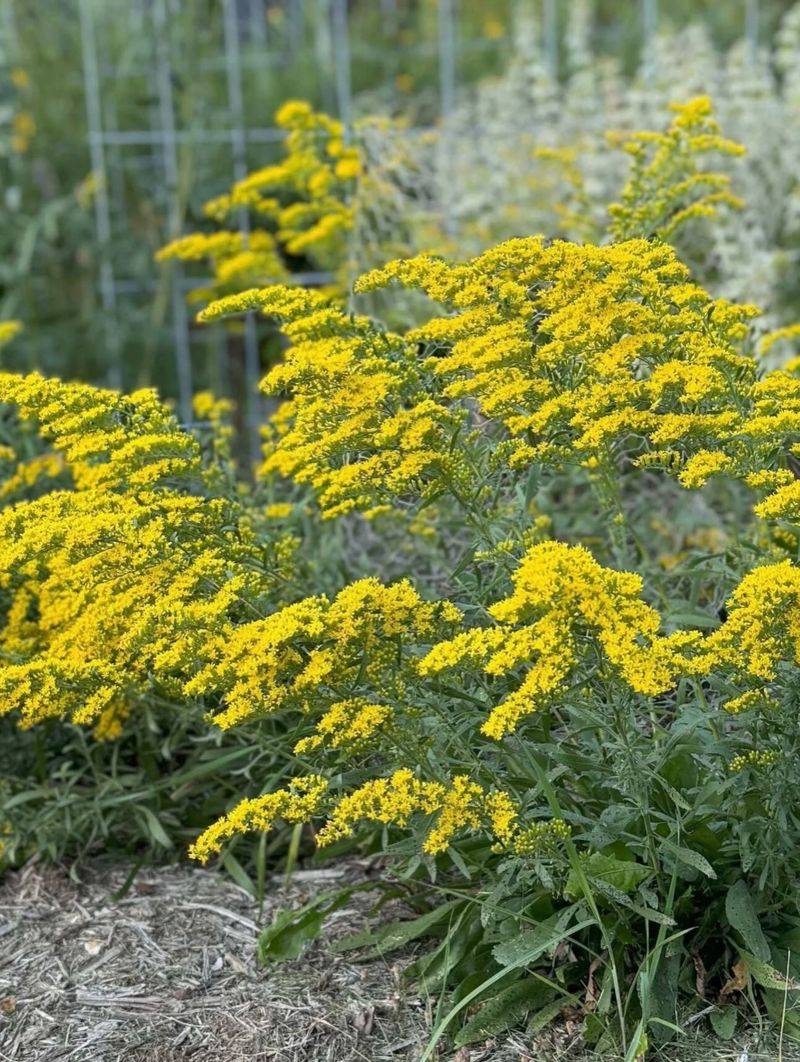
When autumn rolls in and most flowers have wrapped up, goldenrod bursts onto the scene with tall plumes of tiny yellow blooms. This late show makes it a lifesaver for pollinators.
Each plume is packed with hundreds of little flowers, and every one holds a small amount of pollen and nectar. Insects can walk along the clusters, feeding on many blooms in a single stop.
Because the flowers are so small and grouped together, they create a huge feeding zone in one spot. Bees, wasps, beetles, and butterflies all gather here to load up before winter.
Goldenrod grows all over North Carolina, popping up in fields, along roadsides, and in home gardens. It asks for very little and spreads easily, giving you plenty of blooms with almost no work.
Many people wrongly blame goldenrod for their fall sneezing. The real culprit is usually ragweed, which blooms at the same time. Goldenrod pollen is heavy and sticky, so it clings to insects instead of floating through the air.
This plant is one of the most valuable food sources late in the year. With so few flowers left, the food it offers helps pollinators survive the colder months ahead.
Give goldenrod a sunny corner where it has space to grow, since it likes to form big clumps. In return, you will get a golden glow across your garden and a bustling crowd of grateful insects every fall.