7 Flower Seeds To Sow In Arizona This Fall For A Colorful Desert Spring
Fall is the secret planting season most desert gardeners wish they knew about sooner. When you tuck these native seeds into the ground in October and November, cool weather and winter rains do most of the work for you.
By spring, your yard bursts with color while attracting hummingbirds, bees, and butterflies with almost no water and very little effort. Here are seven tough, desert-adapted flowers that turn Arizona soil into a living, buzzing landscape.
1. Firecracker Penstemon
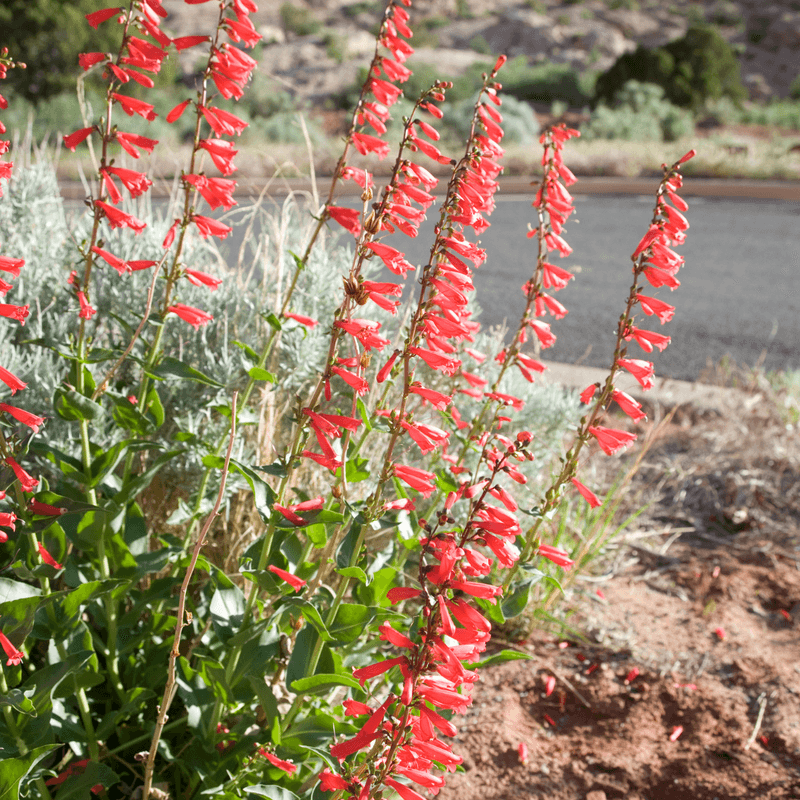
Hummingbirds will find your yard before you finish your morning coffee once these firecracker spikes open up. Penstemon eatonii is an Arizona native perennial that shrugs off rocky slopes and bone-dry conditions like they were made for it.
Sow the seeds in late fall, when Arizona’s cooler temperatures and winter rains give them the perfect nudge to germinate. Once the plants settle in, they ask for almost nothing, sipping minimal water and dropping very little litter to clean up.
The show starts from late winter into spring, when tall stalks light up with vivid red, tubular blooms. Those flowers are practically a dinner bell for hummingbirds and native bees, making this plant a workhorse for supporting local pollinators across the Arizona desert.
There is a bonus for anyone battling hungry visitors, too. Firecracker Penstemon tends to be deer resistant, so your color display is less likely to become a midnight snack.
If you want a plant that pulls in wildlife while asking little in return, this Arizona native earns its front-row spot in any water-wise garden.
2. Desert Marigold
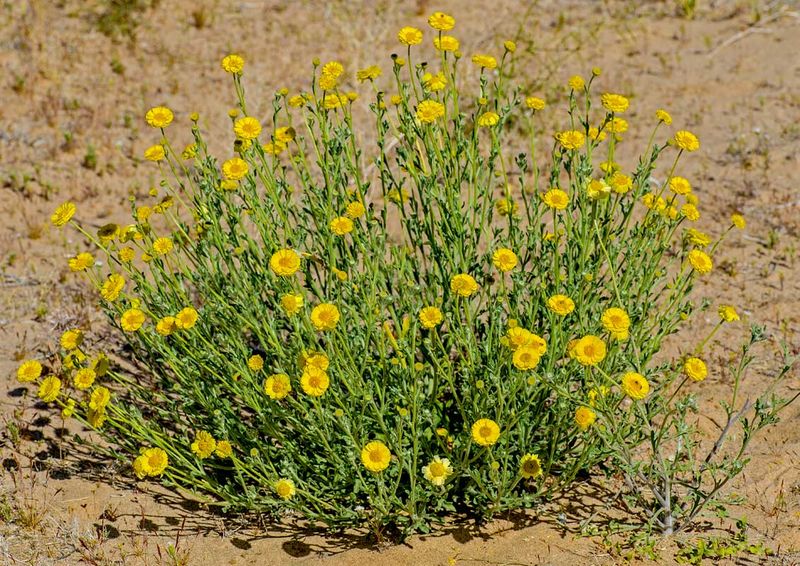
Few desert flowers smile as long as the Desert Marigold, a cheerful native of the Sonoran and Chihuahuan deserts that seems built for Arizona’s harshest patches. Its sunny yellow daisies pop against silvery-gray foliage almost year-round.
Fall is the sweet spot for scattering these wildflower seeds in Arizona. Do it now and you can enjoy blooms stretching from spring clear through fall, with a few surprise flowers even during mild Arizona winters.
Water is rarely a worry with this one. Baileya multiradiata is deeply drought-tolerant, needing very little supplemental irrigation once established, and it happily reseeds itself so new plants keep appearing without any coaxing.
Beyond the color, it pulls real weight in the ecosystem. Native bees and butterflies flock to the blooms, giving early-season pollinators a dependable food source when little else is flowering in the Arizona desert.
Its extensive root system offers a quiet extra benefit, helping stabilize loose soil and reduce erosion across Arizona landscapes. For a low-fuss plant that keeps giving season after season, the Desert Marigold is hard to beat.
3. Desert Bluebells
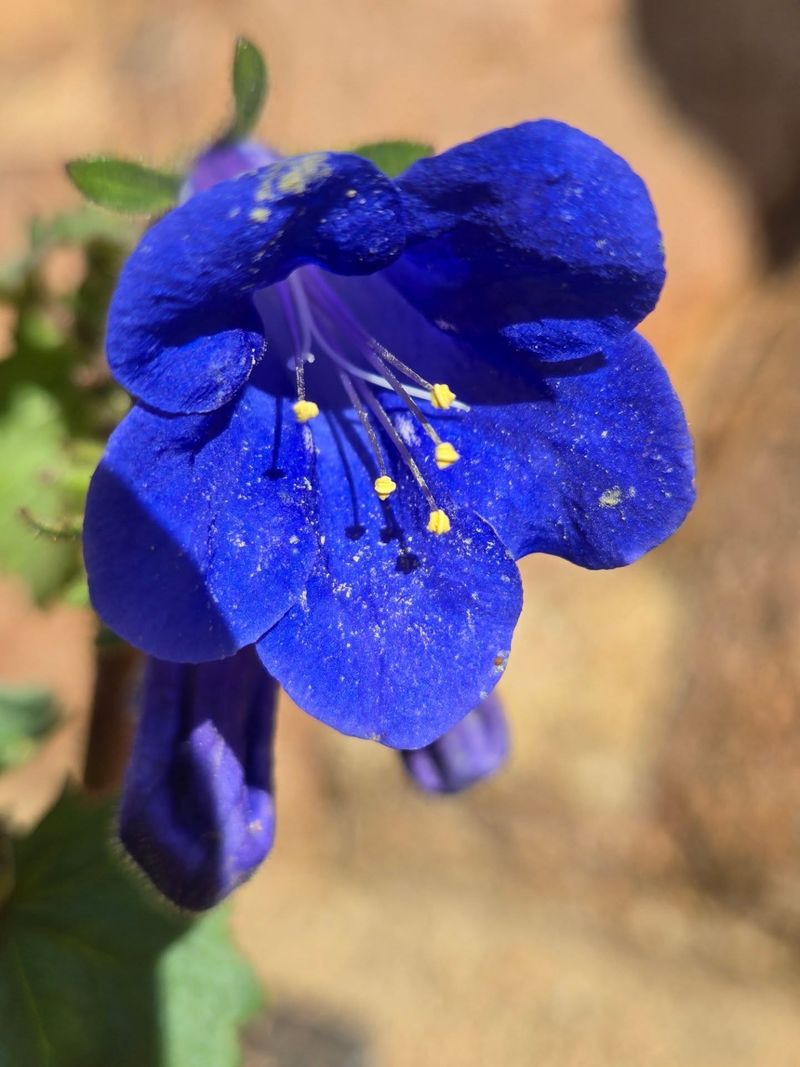
If you have ever wanted a jolt of pure blue in a landscape ruled by golds and reds, Desert Bluebells deliver it. These striking annual wildflowers hail from the upland Mojave and Sonoran Deserts, so Arizona gardens feel like home.
Timing matters here. Plant Phacelia campanularia seeds in late fall, usually around November, and you set the stage for a wave of deep blue, bell-shaped flowers in early spring.
Your Arizona Garden Changes Every Week. Your Plan Should Too.
Gardening in Arizona changes quickly throughout the season. Every Friday you’ll receive a simple weekly plan showing exactly what to plant, prune, fertilize, harvest, and protect so you never miss the right timing.
Toughness is baked in. The plants tolerate drought and the hot, dry stretches Arizona is famous for, thriving on minimal water once they get going.
Pollinators treat these blooms like a magnet. Native bees crowd the flowers alongside butterflies and hummingbirds, and the plant even doubles as a larval host for several moth species.
That combination makes Desert Bluebells more than a pretty face. By feeding adult pollinators and sheltering developing moths, they add real depth to Arizona’s backyard biodiversity.
Scatter them among other wildflowers for contrast, and you will have a cool splash of blue that hums with visiting bees the moment spring arrives.
4. Mexican Gold Poppy
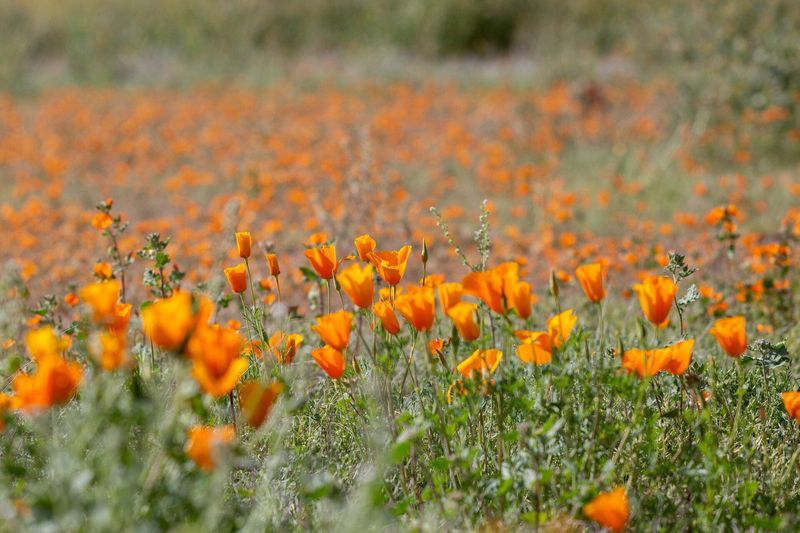
Nothing says an Arizona spring quite like hillsides washed in gold. The Mexican Gold Poppy is a beloved Sonoran Desert native that paints landscapes with bright gold and orange cups when the season turns warm.
Get the timing right and the magic happens on its own. Sow these seeds from October through mid-December, then let them lie dormant until winter rains trigger their dramatic spring bloom.
Poor soil is no problem for this drought-adapted charmer. Eschscholzia mexicana thrives in full sun and the sandy, nutrient-thin ground common across Arizona, asking for barely any water once it is established.
The payoff goes beyond the view. Hummingbirds, butterflies, and solitary bees all visit the open blooms, turning a simple carpet of color into a working pollinator buffet.
That functional side is what makes it such a smart pick for desert yards. Instead of decoration alone, you get a habitat plant that feeds wildlife while surviving on rainfall.
Broadcast the seeds generously across a sunny slope, and by spring your Arizona yard can glow like the roadside wildflower shows people drive miles to see.
5. Globemallow
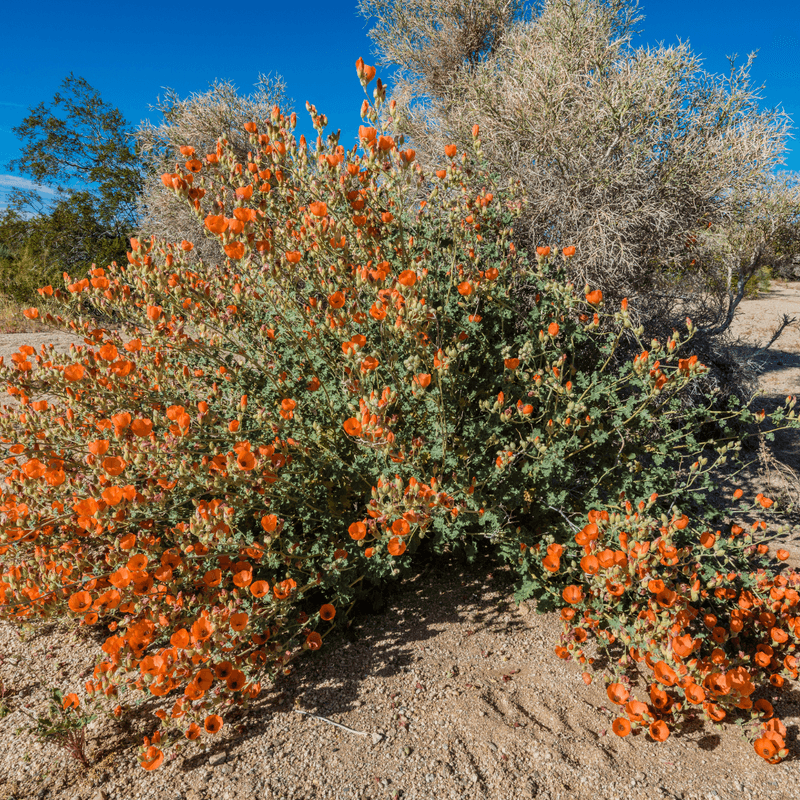
Globemallow is the marathon runner of desert wildflowers, keeping color and nectar flowing for months on end. Also called Desert Globemallow, this perennial subshrub is a familiar sight across Arizona’s low desert regions.
Fall is the moment to act. Sow Sphaeralcea ambigua seeds directly into the soil in Arizona and let the cool season get them off to a strong start.
Care is refreshingly simple. The plant is highly drought-tolerant, favors dry, rocky or sandy soils, and often reseeds itself, quietly filling in Arizona gardens year after year.
For pollinators, it is a steady kitchen that rarely closes. Native bees, honeybees, butterflies, moths, and hummingbirds all draw nectar and pollen from its blooms, making it a genuine backbone plant for local ecosystems.
The color range is a fun surprise, too. While most flowers glow apricot-orange, some appear in pink, white, lavender, peach, or red, adding variety to your desert palette.
Because those bowl-shaped blossoms keep coming across many months, Globemallow gives Arizona yards long-lasting color and reliable wildlife support in one tough, low-maintenance package that fits any water-wise plan.
6. Arroyo Lupine
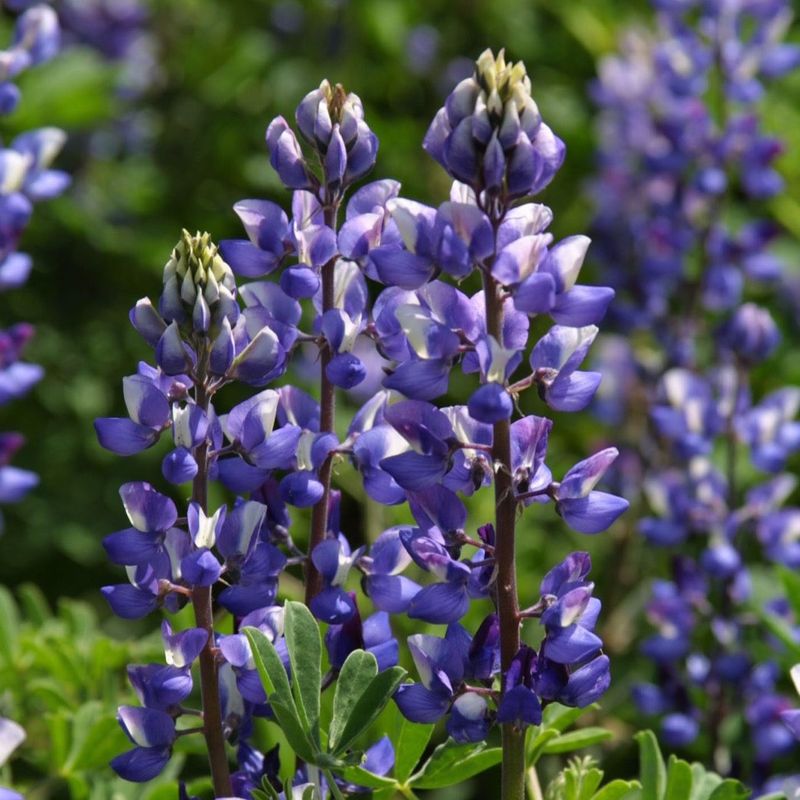
Here is a flower that improves the neighborhood while it blooms. Arizona is home to many native lupines, and the Arroyo Lupine stands out as one well-suited to the state’s lower elevations.
Cool weather is its friend. Sow Lupinus succulentus seeds in fall and winter, when Arizona’s cool-season moisture helps them germinate and get rooted before spring.
Once established, these lupines are refreshingly hands-off, tolerating drought and asking for very little ongoing attention from busy desert gardeners.
The real magic happens underground. Arroyo Lupines fix nitrogen through a partnership with soil bacteria, naturally enriching the ground and giving nearby plants a healthier place to grow.
Above the soil, the display is just as valuable. Spikes of purple and pink flowers serve as important nectar sources for native bees and other Arizona pollinators throughout the bloom season.
There is a practical perk for gardeners battling hungry wildlife, too. These plants are generally deer-resistant, so your color is less likely to disappear overnight.
Pair Arroyo Lupine with poppies and marigolds, and you build a wildflower patch that feeds pollinators, resists browsing, and quietly boosts your Arizona soil.
7. Owl’s Clover
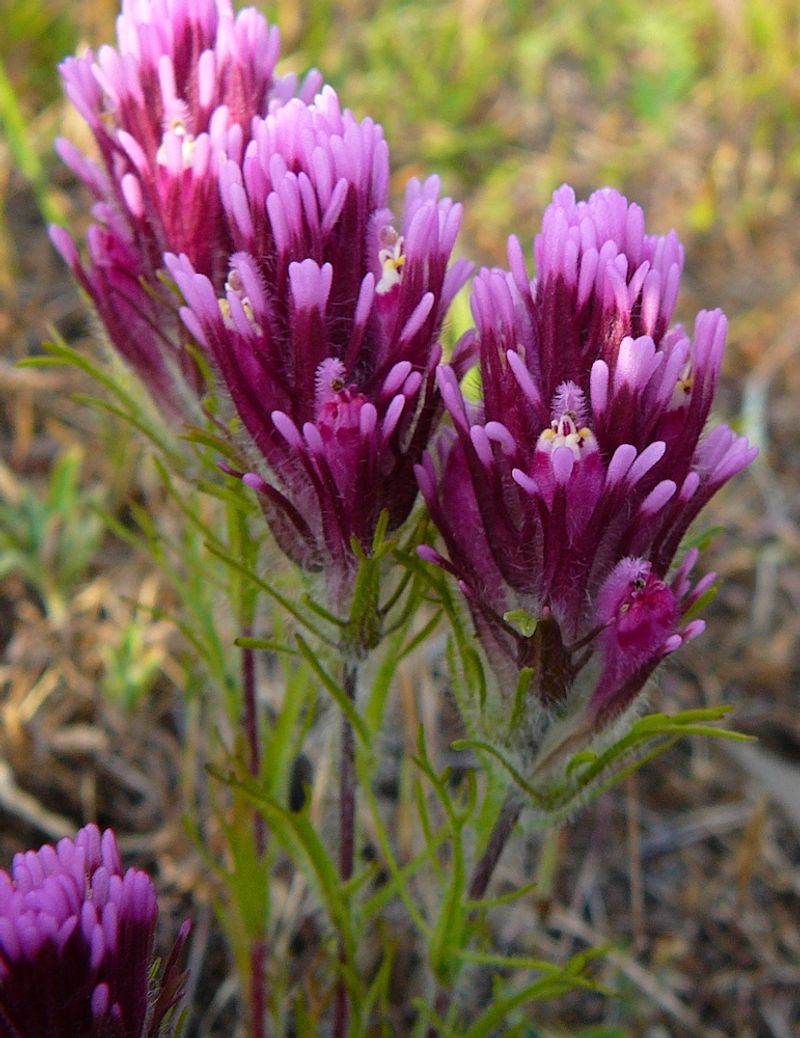
With feathery clusters that look like nature dipped a paintbrush in lavender, Owl’s Clover brings a soft, dreamy texture to the desert floor. This annual wildflower is native to the Southwestern United States, Arizona very much included.
Sowing is quick and casual. Plant the seeds shallowly in fall so they can soak up Arizona’s autumn rains and settle in before the spring show.
It has quirky growing habits worth knowing. Castilleja exserta is semi-parasitic, thriving in full sun and fast-draining soil while tolerating both sand and clay, and it needs no summer water in Arizona.
Pollinators adore those pink-purple to lavender plumes. Bees and butterflies work the flower clusters, and the plant serves as a crucial host for several butterfly and moth species.
Because it leans on neighbors, planting strategy matters. Inter-plant Owl’s Clover with native grasses and other wildflowers to supply the host plants it needs for its best growth.
Do that, and you create a small, living butterfly nursery in your yard. For gardeners who want their Arizona landscape to work as real habitat, Owl’s Clover is a charming, functional finishing touch to the spring display.