Something Is Moving Toward Tennessee Homes This September
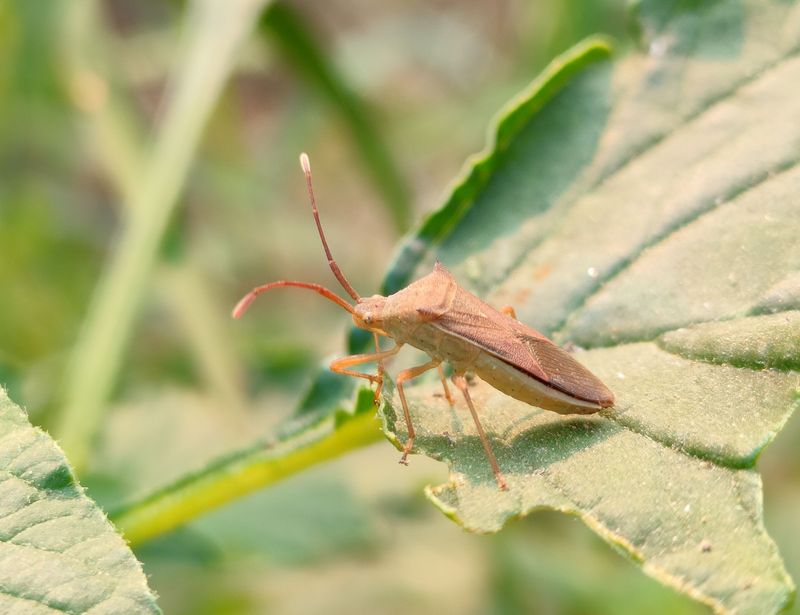
Your walls are about to become a landing strip. Thousands of shield-shaped invaders are pouring out of nearby soybean fields tonight. Warmth pulls them toward brick, siding, and window screens.
Sunlit walls attract them faster than shaded ones. Late afternoon sun draws them straight toward your warm siding. Crush one indoors and the smell can linger for hours.
Cracks the width of a coin become entry points for these visitors. Chimney caps and tight vent covers block their path. Doors with worn weatherstripping practically invite them right inside.
Screens with pinhole gaps turn into open doors. Homes across the region sit right in their flight path this week. Porches, chimneys, and vents all become entry points. You can seal the gaps before they settle in. Small fixes now save you a smelly headache later.
Ignoring this can lead to more insects finding their way inside. Waiting costs you comfort, not just cleanup. What you do this weekend decides how your fall smells.
Meet The Shield-Shaped Traveler Behind The Smell
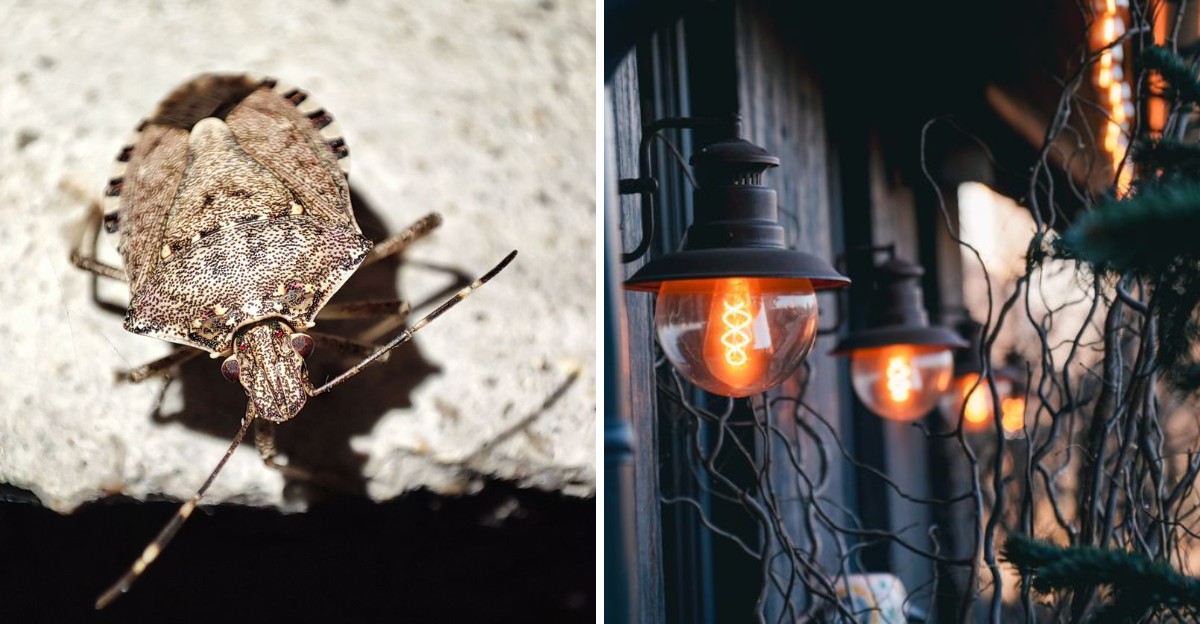
Picture a walking guitar pick with legs. That is roughly what a brown marmorated stink bug looks like when it lands on your window screen.
The body is a mottled, marbled brown, about the size of a dime, with a flat shield shape. Look closely at the antennae and you will spot alternating light and dark bands, plus tiny white triangles along the edge of the abdomen.
Those markings matter because Tennessee hosts several native stink bugs that look similar at a glance. The banded antennae are the giveaway for the imported species that loves buildings.
It arrived in Pennsylvania in the mid-1990s, likely arriving in shipping crates from East Asia. From there it spread steadily south and west, gradually reaching counties across Tennessee in the years that followed.
The famous odor comes from glands on the underside of the thorax. Crush one and it releases a scent often compared to cilantro mixed with old gym socks.
That smell is a defense signal, meant to warn birds and other hungry predators away. Unfortunately it also lingers on carpet, curtains, and fingers.
Here is the reassuring part. They do not bite, they do not sting, and they show no interest in wood, wiring, or pantry food.
They are simply looking for shelter, and your sunny south-facing wall offers exactly the warmth they are chasing. Knowing your target makes the rest of the plan much easier to follow.
Why September Flips A Switch In Their Tiny Brains
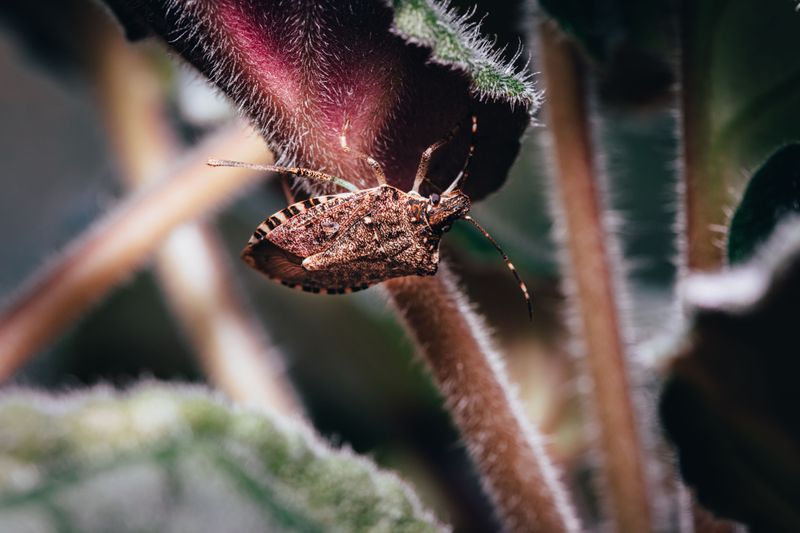
Something changes in the light around Labor Day. Days shorten, nights cool off, and stink bugs across Tennessee start responding to those cues.
Scientists call the behavior diapause, a kind of insect pause button. Instead of reproducing, the adults switch into survival mode and hunt for a sheltered spot to wait out winter.
Their ancestors would have tucked into rock crevices and under tree bark. Modern buildings, with warm walls and endless cracks, do the job even better.
Your Tennessee Garden Changes Every Week. Your Plan Should Too.
Gardening in Tennessee changes quickly throughout the season. Every Friday you’ll receive a simple weekly plan showing exactly what to plant, prune, fertilize, harvest, and protect so you never miss the right timing.
Sunlight is the main beacon. Light-colored walls facing south and west heat up in the afternoon, and bugs cruising overhead treat that warmth as a landing signal.
You will often see them stacked along the sunny side of a house in small clusters. Chimneys, gutter lines, and window trim collect the biggest crowds.
Timing in Tennessee generally runs through September and into October, with activity shifting slightly depending on elevation. Homes in the eastern mountains usually see activity a little earlier than those near Memphis.
They also give off aggregation pheromones, chemical messages that tell other stink bugs a good spot has been found. One scout can turn into a gathering surprisingly fast.
That is why acting during the first week of arrivals pays off so well. Break the invitation early and the crowd stays smaller all season. Mark your calendar now, before the first cool snap sends them toward your siding in numbers.
Sealing The Sneaky Gaps They Actually Use
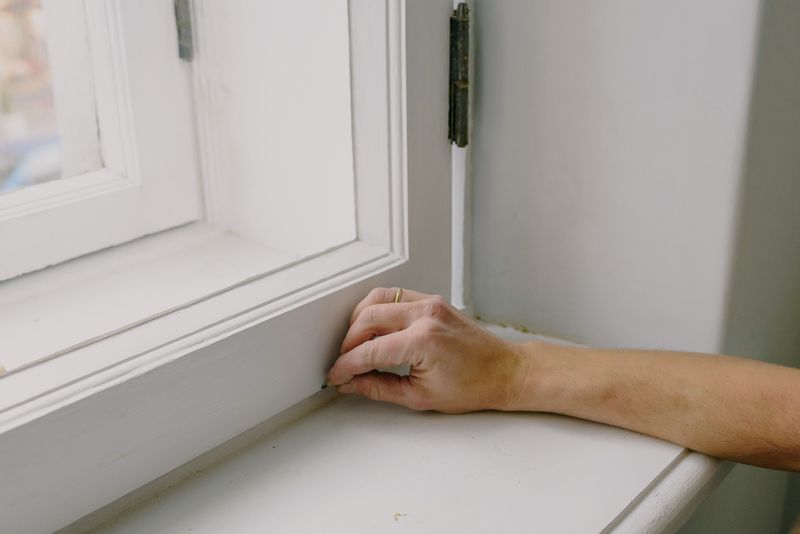
A stink bug can squeeze through a gap thinner than a pencil. That single fact explains why so many homeowners feel outnumbered.
Grab a caulking gun and walk your home’s exterior on a bright afternoon. You are hunting for daylight gaps around window frames, door casings, and siding seams.
Exterior-grade silicone or elastomeric caulk works well on small cracks. For wider openings, stuff copper mesh or steel wool in first, then seal over the top.
Utility penetrations deserve special attention because builders rarely finish them tightly. Check where cable lines, dryer vents, outdoor faucets, and air conditioner tubing pass through the wall.
Attic and crawl space vents are another favorite doorway. Cover them with fine metal screening, ideally sixteen mesh or tighter, secured with screws rather than staples.
Do not skip the chimney. A stainless steel cap with a screen keeps out bugs, birds, and rain in one move.
Doors are worth ten minutes each. Replace worn weatherstripping, add a fresh door sweep, and make sure the threshold sits snug against the bottom.
Window screens should be checked for pulled corners and small tears. A patch kit costs a few dollars and closes an obvious highway.
Exclusion beats spraying because it works around the clock without repeat applications. Sealing gaps in early September can help reduce indoor activity later in the fall. Set aside one Saturday, work top to bottom, and enjoy the payoff for years.
Rethinking Your Porch Lights And Evening Glow

Ever notice how a porch bulb turns into a bug magnet after dark? Stink bugs are part of that crowd, especially on mild September nights.
Bright white and blue-toned light travels far and pulls insects in from surrounding yards. Once they arrive at the wall, they start probing for entry points.
Switching to warm-toned bulbs makes a real difference. Look for LEDs rated around 2200K to 2700K, or the classic amber bug bulbs sold at hardware stores.
Placement matters as much as color. Mounting a light away from the door and aiming it back toward the entry keeps the gathering spot off your threshold.
Motion sensors help too, since a light that stays dark most of the night attracts fewer visitors. Timers work well for households with predictable schedules.
Interior light leaking outward is easy to overlook. Closing blinds and curtains after sunset reduces the glow that draws bugs to glass.
Landscape uplighting on walls creates a warm, bright surface that pulls insects straight toward it. Turning those fixtures off during peak weeks in September and October is a simple fix.
Garage lights and shop bulbs deserve the same treatment, particularly if the overhead door has worn seals. Bugs that gather there tend to wander inside the moment the door opens.
None of this requires a big budget. A handful of bulb swaps and a new habit of flipping switches can quietly shrink your visitor count.
A Simple Vacuum Trick For Tennessee Homeowners
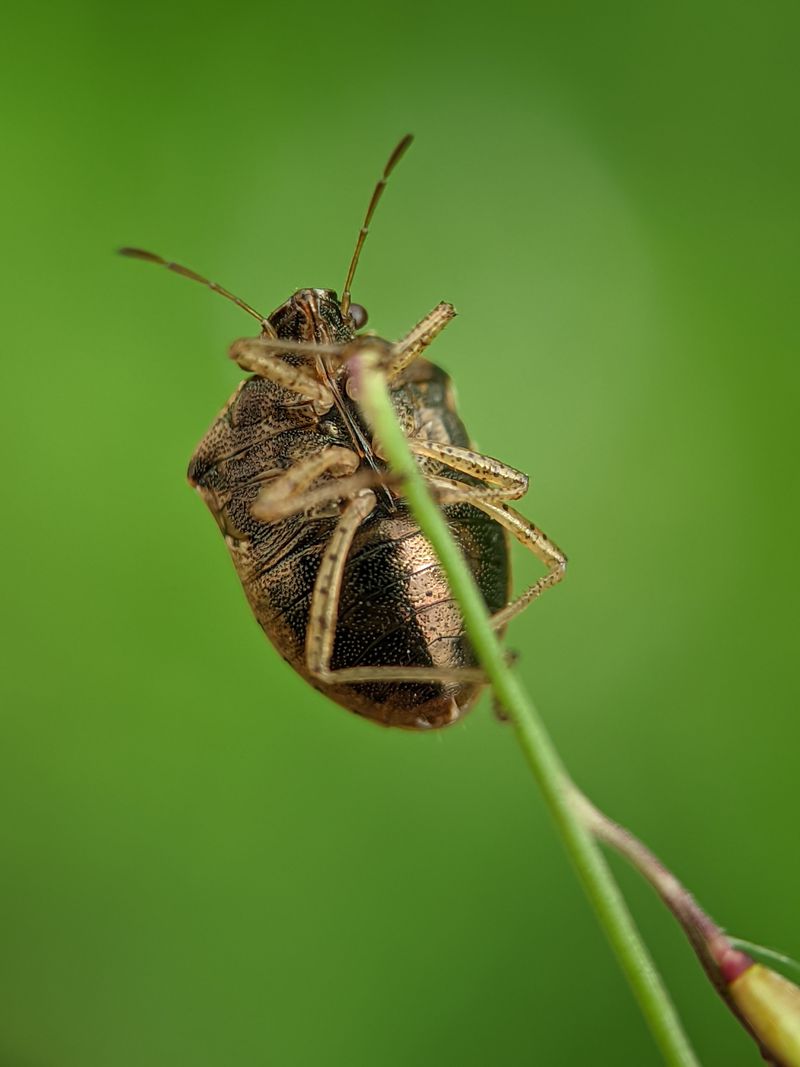
Reaching for a shoe is the instinct. Resisting that instinct will save your living room from a memorable aroma.
Vacuuming is the tidiest way to handle stink bugs indoors. A shop vac or dedicated handheld unit lets you collect a whole windowsill crowd in seconds.
Here is the clever part. Slip a knee-high nylon stocking into the vacuum hose, fold the open end over the nozzle rim, and the bugs collect inside the stocking instead of the machine.
Pull the stocking out afterward, tie it off, and dispose of it outside in a sealed bag. Your vacuum stays scent-free and ready for normal chores.
If you skip the stocking, empty the canister right away and rinse it with soapy water. Bags should go straight into an outdoor trash bin.
Another gentle option is the jar method. Hold a container of soapy water beneath a bug and nudge it with a card, since they usually drop when startled.
Flushing collected bugs works fine as well. Just avoid tossing them in an indoor wastebasket where the odor can build up.
Sticky traps placed along baseboards near windows catch stragglers you might miss. Homemade light traps using a pan of soapy water under a desk lamp also perform surprisingly well in dark rooms.
Whatever method you pick, act calmly and avoid squashing. Handled gently, indoor stink bugs become a minor chore rather than a lingering smell.
Garden Damage, Winter Hideouts, And What Spring Brings
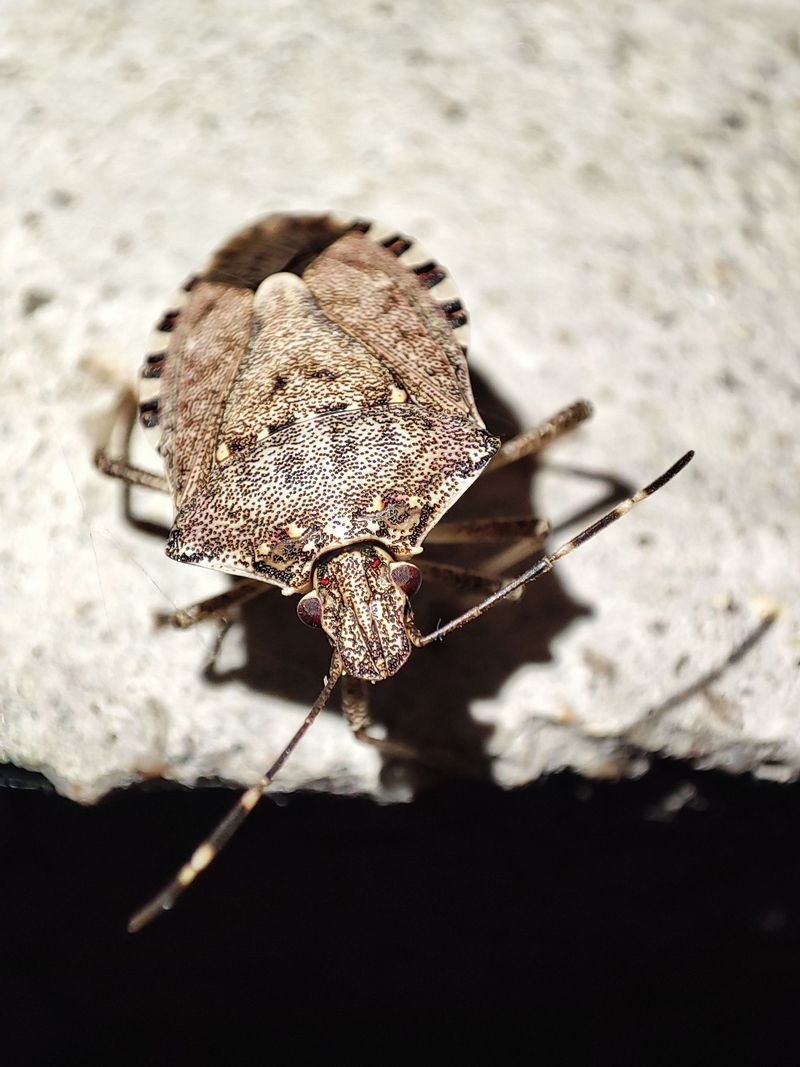
Tennessee gardeners often meet these insects long before they show up on the porch. Late summer tomatoes tell the story clearly.
Stink bugs feed with a slender mouthpart that punctures fruit and drinks the juices inside. The result is pale, corky dimples just under the skin.
Peaches, apples, peppers, beans, okra, and sweet corn all land on their menu. Soybean and orchard growers across the state watch populations closely each season.
Row covers over young plants and regular scouting help home gardeners protect a harvest. Picking fruit promptly reduces the buffet, and a border of tall trap plants like sunflowers can pull bugs away from prized crops.
Once cool weather settles in, the survivors tuck into wall voids, attics, and window frames. They stay quiet through most of winter, using stored body fat rather than feeding.
Warm February afternoons occasionally wake a few, which is why people find them crawling on ceilings mid-winter. A furnace-warmed attic can trigger the same confusion.
Come spring, the ones that made it outdoors again begin laying clusters of pale barrel-shaped eggs on leaf undersides.
Each female can lay several hundred eggs over the season, with populations building quickly once temperatures warm. Tiny parasitic wasps, including the samurai wasp, now found in growing parts of the eastern United States, target stink bug eggs naturally.
Understanding that yearly cycle makes September effort feel less like a chore and more like smart planning.