7 Tennessee Native Plants To Replace Liriope Along Your Walkway
I pulled a single clump and it took a crowbar, both knees, and something I’ll describe as a prayer. The root mass came out the size of a basketball: dense, pale, and indifferent.
I stood there in my side yard, staring at a hole where nothing useful had ever grown. That plant was liriope.
It had been there for years, spreading quietly, shouldering everything else out, and contributing nothing to the world around it.
Here’s what nobody tells you: swapping it out is easy. Why spend another season feeding a plant that won’t feed anything back?
Tennessee is loaded with native groundcovers that outperform liriope on every front. They’re tougher, more beautiful, and genuinely alive to the local ecosystem.
What grows in that hole next is going to surprise you. Tennessee’s natives are ready to earn their place.
1. Wild Ginger
Forget everything you thought you knew about groundcovers. Wild Ginger is one of those plants that makes you stop mid-walk and actually look down.
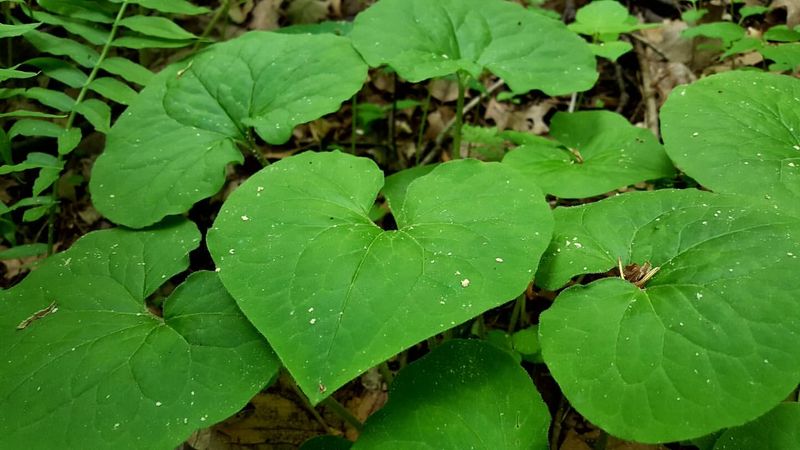
Its leaves are big, bold, and heart-shaped, forming a lush carpet that shades out weeds like a champ.
The deep green color stays rich from spring through fall, giving your walkway serious curb appeal without much fuss.
Wild Ginger thrives in shaded or partly shaded spots, which makes it perfect for pathways lined by trees or a fence.
It spreads slowly by rhizomes, meaning it fills in gaps over time without turning aggressive. One thing homeowners love is how low-maintenance it truly is.
Once established, it needs almost no watering and handles Tennessee summers without drama. The plant also has a fascinating backstory.
Native peoples historically used its roots as a ginger substitute, though the FDA has flagged aristolochic acid in the plant as a potential carcinogen and kidney toxin.
Keep it as a garden plant and not a culinary one. Wildlife benefits too. Ground beetles and other beneficial insects shelter under those wide leaves, making your walkway a mini habitat.
Planting is straightforward. Space plants about 12 inches apart in well-amended, moist soil with good organic matter, and watch them knit together over a season or two.
Wild Ginger pairs beautifully with ferns and foamflower, creating a layered, woodland-garden look that feels intentional and polished. If your walkway sits in shade, this plant deserves the top spot on your list.
It is quiet, confident, and completely at home in Tennessee gardens.
2. Foamflower
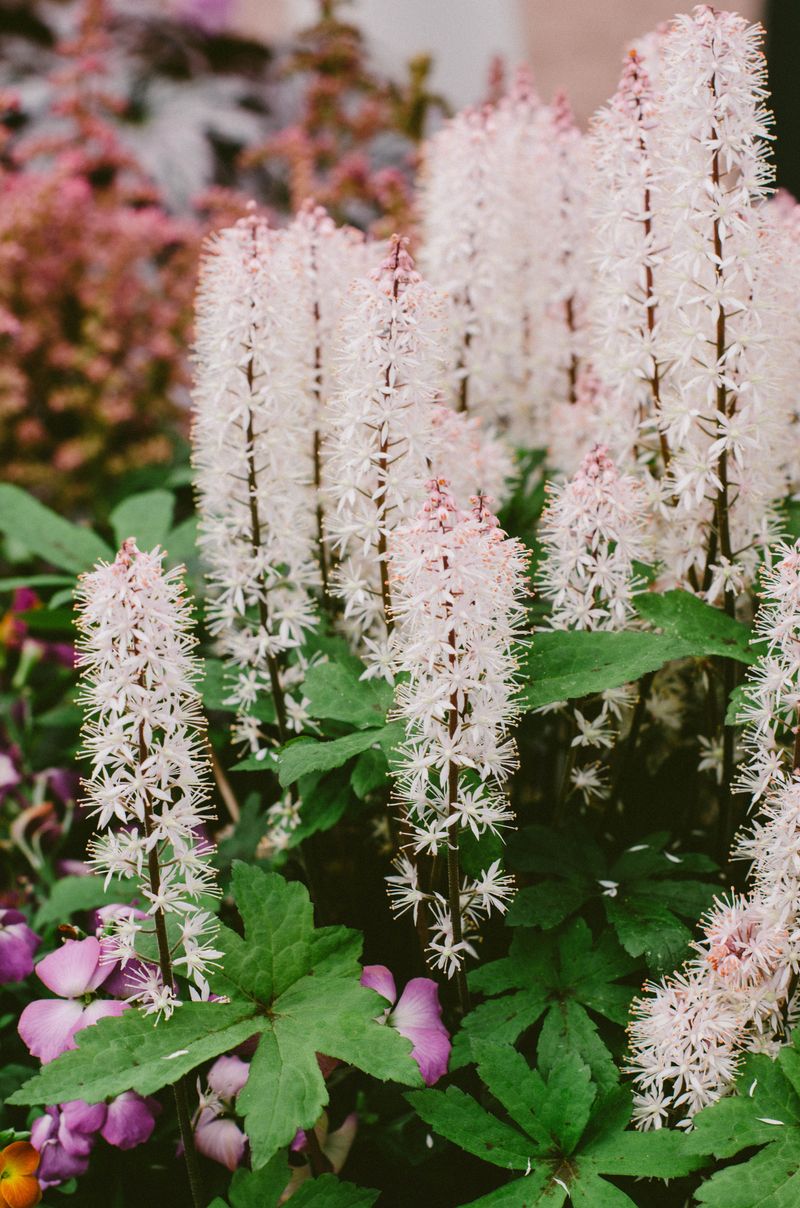
Foamflower earns its name the moment it blooms. Clusters of tiny white flowers rise above the foliage like little bursts of foam, and the effect is absolutely enchanting.
This Tennessee native shines in spring when most walkway plants are still waking up. The blooms last for weeks, drawing in early pollinators like native bees that are hungry after winter.
After flowering, the lobed, maple-like leaves take center stage. Some varieties develop burgundy markings along the veins, adding a decorative element that no liriope could ever match.
Foamflower prefers moist, shaded to partly shaded spots with rich, well-draining soil. It spreads by stolons, similar to strawberries, creating a soft, flowing carpet along your path over time.
Your Tennessee Garden Changes Every Week. Your Plan Should Too.
Gardening in Tennessee changes quickly throughout the season. Every Friday you’ll receive a simple weekly plan showing exactly what to plant, prune, fertilize, harvest, and protect so you never miss the right timing.
One of its best qualities is adaptability. It handles both dry shade and moist woodland conditions, making it flexible for different parts of your yard.
Maintenance is almost laughably simple. Cut back any tattered leaves in late winter and let the plant do the rest on its own schedule.
Foamflower also supports native wildlife in meaningful ways. Its flowers feed early-season bees, and the dense foliage offers cover for ground-nesting insects throughout the warmer months.
Pair it with Wild Ginger or ferns for a layered, naturalistic border that looks professionally designed.
For homeowners replacing Tennessee native plants along their walkway, Foamflower brings something liriope never could.
Genuine seasonal drama and ecological value, packed into one charming, low-growing plant. Plant it once, and it will reward you for years without asking much in return.
3. Creeping Phlox
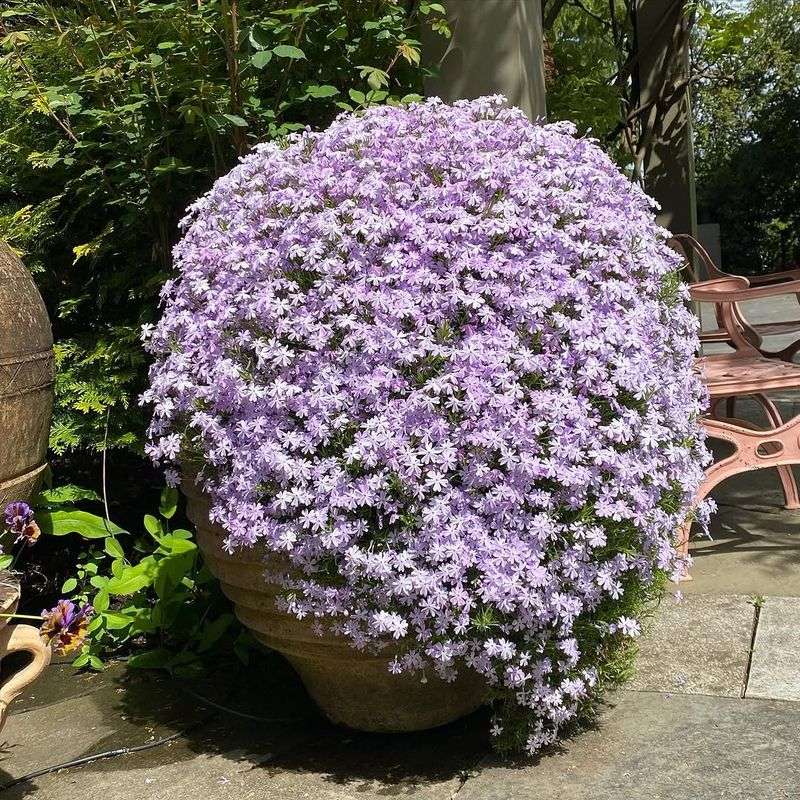
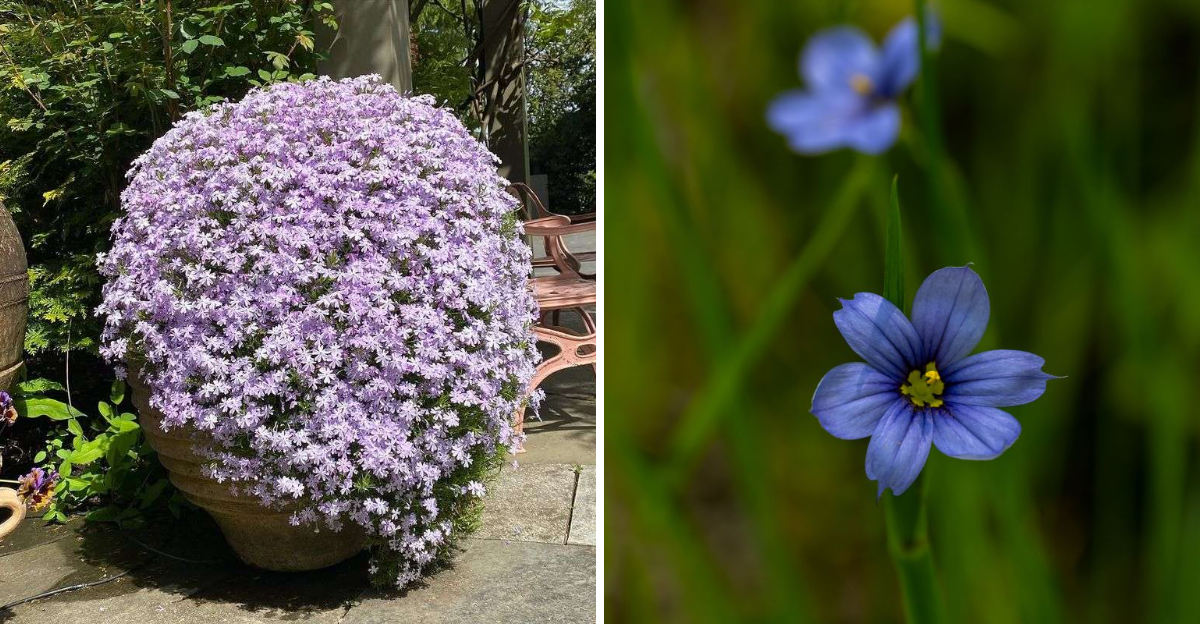
Every spring, Creeping Phlox puts on a show so vivid it stops traffic. The spring display is vivid enough to stop people in their tracks.
This native groundcover produces a carpet of small, five-petaled flowers in shades of pink, lavender, white, and magenta. The display typically lasts three to four weeks, which is generous for a plant this size.
Beyond the blooms, Creeping Phlox offers year-round appeal. Its needle-like, evergreen foliage stays green through winter, holding its structure when most other plants look sad and bare.
It loves full sun to light shade, making it ideal for walkways that get plenty of daylight. Well-draining soil is a must since standing water is its one real weakness.
Planting along a slope or walkway edge is where it truly excels. It cascades beautifully over rocks and borders, softening hard edges with a naturalistic, flowing quality.
After blooming, a light shearing encourages denser growth for the following season. That single task once a year is basically the full maintenance checklist for this plant.
Pollinators are strongly attracted to the blooms. Butterflies and native bees flock to the flowers, turning your front walkway into a lively spring ecosystem without any extra effort.
Creeping Phlox is also drought-tolerant once established, which is a huge win for busy homeowners.
As a standout among Tennessee native plants for walkway borders, it delivers color, texture, and wildlife value in one tough, cheerful package. You really cannot ask for more.
4. Pennsylvania Sedge
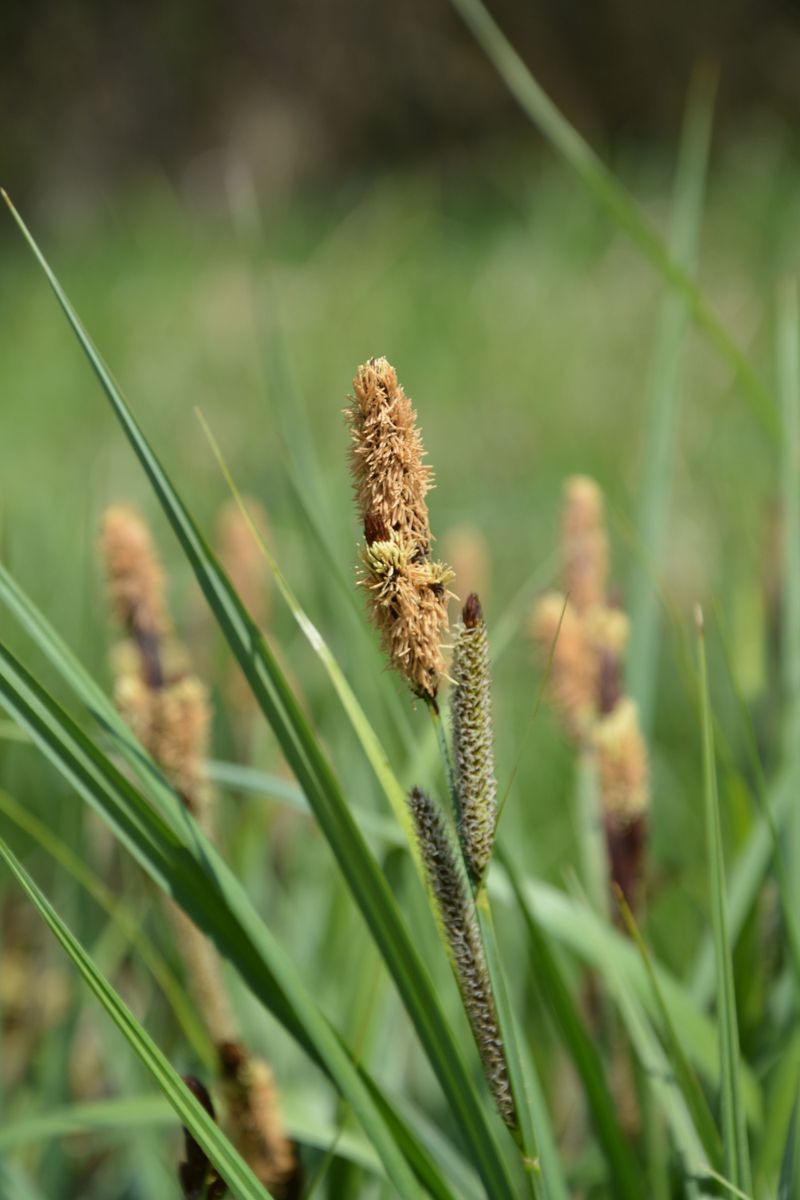
Pennsylvania Sedge is the understated workhorse your walkway has been missing. It looks like a fine-textured grass but behaves like a dream in shaded spots where other plants struggle.
The arching, bright green blades grow in soft, loose clumps that create a naturally flowing border.
Nothing about it feels stiff or forced, and that relaxed quality is exactly what a woodland path needs.
It is among the most reliable native groundcovers for dry shade, thriving in conditions where many other plants simply give up. Once established, it asks very little of you and just quietly gets on with the job.
Pennsylvania Sedge spreads gradually by rhizomes, slowly filling in gaps along your walkway without becoming aggressive.
It is the kind of plant that makes a space look intentional without requiring constant management.
Mowing is completely optional with this one. Some gardeners mow it once in early spring to refresh the look, but many simply leave it alone and love the result.
It pairs exceptionally well with spring ephemerals like trillium and bloodroot, creating a layered woodland floor aesthetic. The combination feels like a Tennessee forest brought right to your front door.
Birds occasionally use the seeds as a food source in late summer, adding another ecological layer to an already valuable plant. Deer tend to leave it alone, which is a genuine bonus in suburban and rural areas of the state.
For homeowners wanting a grass-like liriope replacement, Pennsylvania Sedge is the most natural swap. It brings calm, textural beauty to shaded walkways with almost no drama involved.
5. Common Wood Sedge
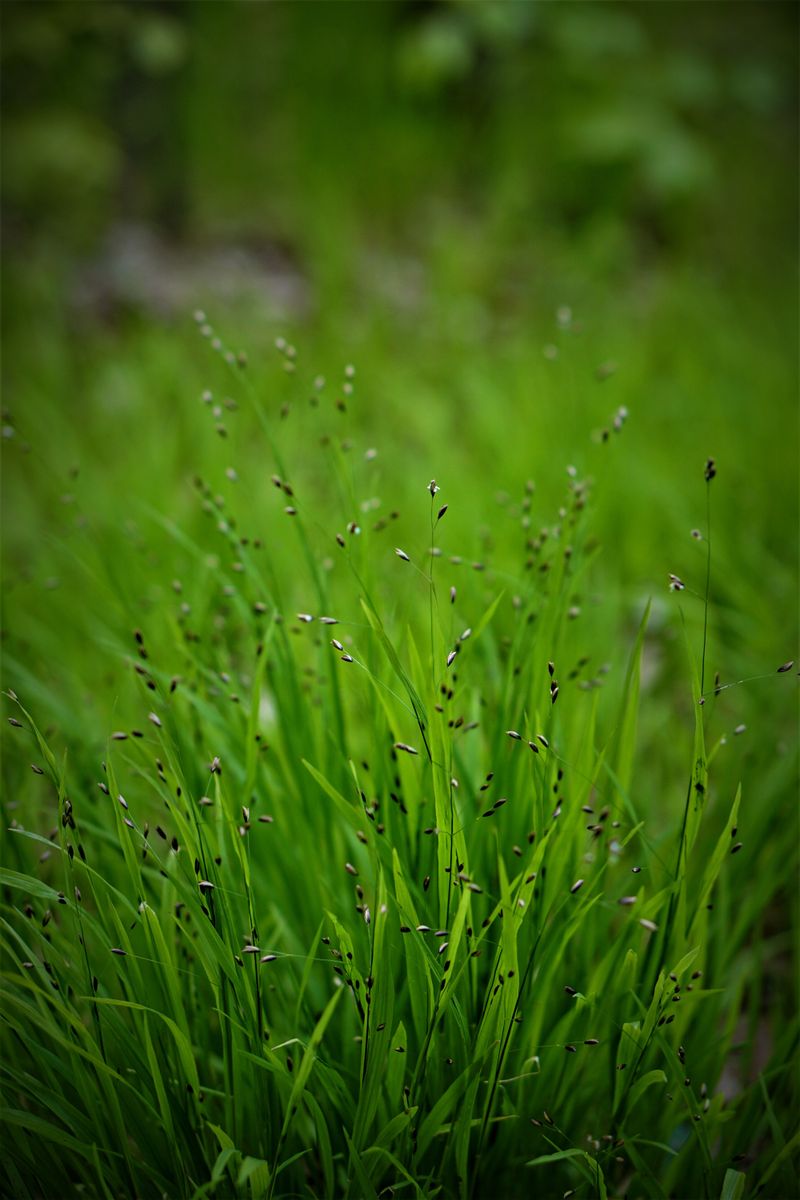
If Pennsylvania Sedge is the quiet achiever, Common Wood Sedge is its slightly wilder sibling.
It brings a looser, more naturalistic texture that feels genuinely at home in a woodland garden setting.
The pale green blades arch gracefully and catch light in a way that creates subtle movement on breezy days. That visual softness is something no stiff liriope border can replicate.
Common Wood Sedge tolerates a wider range of moisture conditions than many native groundcovers.
Whether your walkway sits near a downspout or in a consistently dry spot, this plant handles both without complaint.
It grows in part shade to full shade, making it a reliable option for north-facing paths or areas under dense tree canopy. Few plants perform this well in challenging low-light conditions.
The seed heads that appear in summer add another layer of visual interest. They are small and delicate, but they catch the eye and give the planting a finished, ecological look that feels intentional.
Songbirds occasionally feed on those seeds in late summer and early fall. Planting Common Wood Sedge along your walkway quietly supports local bird populations without any extra effort from you.
It spreads modestly over time, filling in gaps and creating a cohesive groundcover effect. Unlike liriope, it stays in bounds and does not crowd out neighboring plants aggressively.
Pair it with foamflower or wild ginger for a rich, layered woodland path planting. Common Wood Sedge brings effortless, natural beauty to spaces where other plants simply give up and fade away.
6. American Alumroot
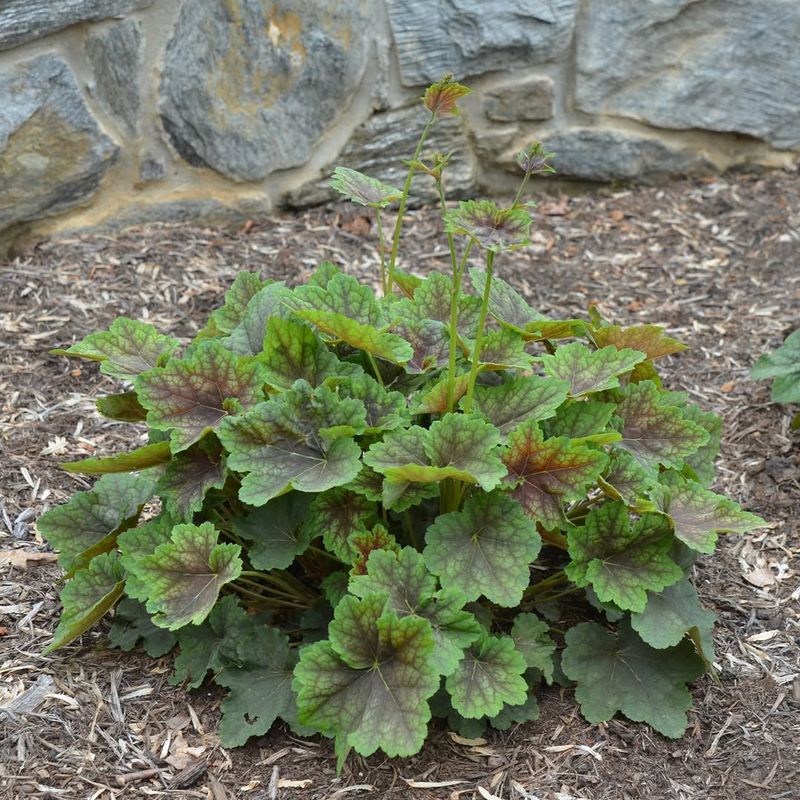
American Alumroot is one of the most underused natives in Tennessee gardens. While everyone else is planting heuchera hybrids from big-box stores, savvy Tennessee gardeners are reaching for this tough native original.
The foliage is the main event here. The native species produces green to bronze-mottled foliage, while cultivars developed from it offer deeper purples and silvers. Either way, the leaf texture is the main event along a shaded walkway.
Tall, airy flower stalks rise above the foliage in late spring, carrying tiny greenish-white bell-shaped blooms that attract native bees and the specialist bee Colletes aestivalis.
The combination of striking leaves and delicate flowers is genuinely hard to beat. American Alumroot handles dry shade with impressive resilience, which makes it perfect for tricky spots under trees where water competition is fierce.
It establishes quickly and looks polished from the first season. Spacing plants about 18 inches apart gives each clump room to develop its full, mounded shape.
That rounded form creates a satisfying rhythm when planted in a row along a walkway edge. Unlike many ornamental plants, this one does not need dividing every few years to stay healthy.
It is genuinely low-fuss in a way that feels almost too good to be true. Deer resistance is another major selling point for rural and suburban homeowners.
In areas where deer pressure is high, American Alumroot holds its own without needing protective measures.
As one of the most visually dramatic Tennessee native plants for walkway borders, it brings year-round color and structure. Once you plant it, you will wonder why you ever settled for plain liriope in the first place.
7. Blue-eyed Grass
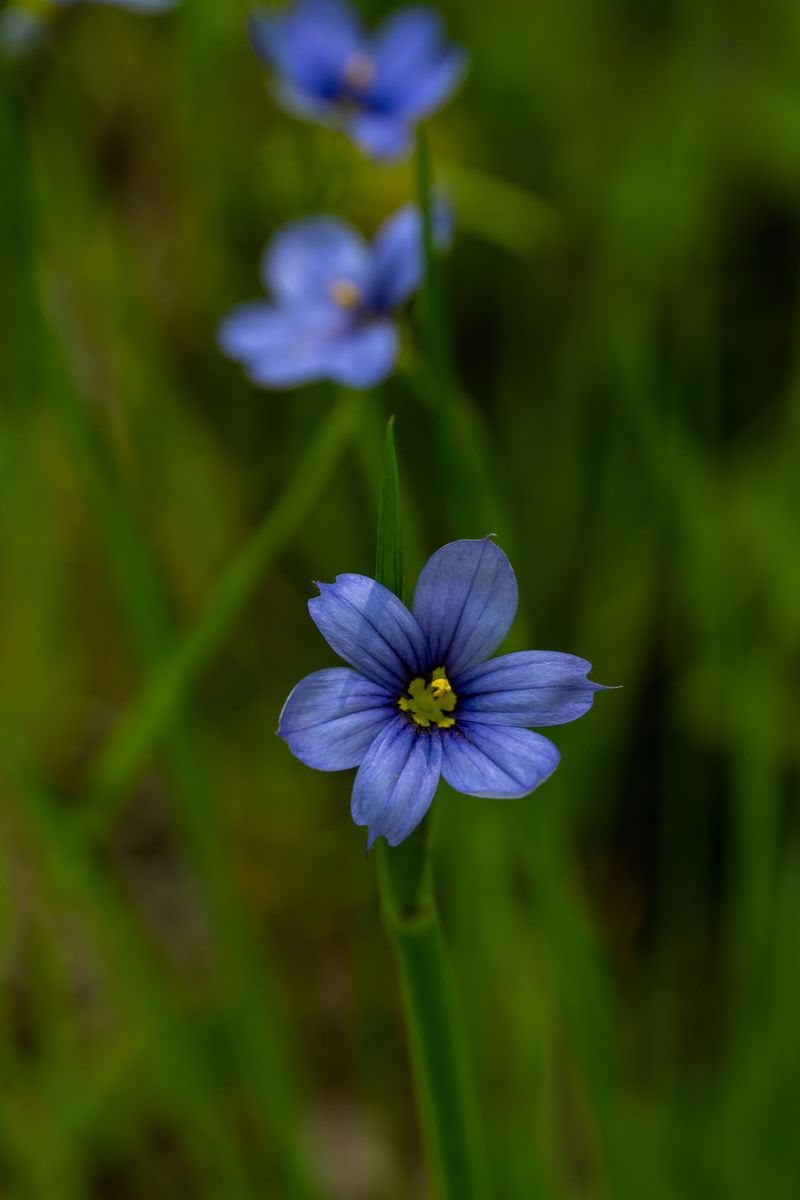
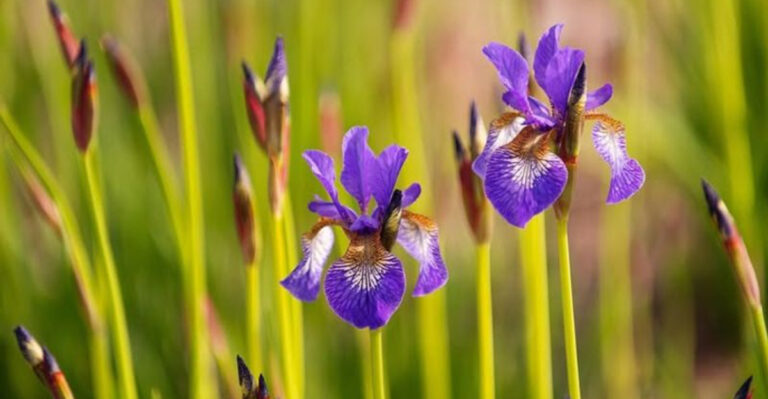
Do not let the name fool you. Blue-eyed Grass is not a grass at all, it is a native iris relative with personality to spare.
Tiny, star-shaped flowers in brilliant violet-blue appear from late spring into early summer, sitting atop slender, upright foliage like little jewels.
The yellow centers make each bloom pop against the blue, creating a two-toned effect that catches the eye from a distance.
Blue-eyed Grass thrives in full sun to light shade, making it one of the few native groundcovers on this list suited for sunnier walkway locations. Well-draining soil is important since soggy roots will cause problems over time.
The plant forms upright clumps 12 to 18 inches tall, so it works best as an accent or punctuation plant rather than a spreading groundcover.
Tuck it between lower-growing plants along the walkway edge rather than relying on it to fill space.
After blooming, the foliage remains attractive through the season, providing a fine-textured, grass-like filler between larger perennials. It bridges the gap beautifully between showier plants in a mixed border.
Pollinators adore the blooms. Native bees and small butterflies visit regularly during the flowering period, turning your walkway edge into a busy, cheerful little ecosystem.
Self-seeding happens gently over time, adding new clumps to the border without much effort.
To keep plants vigorous, divide clumps every two to three years in spring. It is a quick task that pays off in denser, healthier growth.
For homeowners ready to add a native spark to a sunny walkway border, Blue-eyed Grass is a cheerful accent that earns its keep without dominating the scene. Small in size, enormous in charm.