What Your Florida Bougainvillea Actually Needs Now To Prepare For Its Winter Flower Show
Your bougainvillea can look spectacular now and still give you a disappointing winter display. That is the frustrating part.
The flowers you see today are not the whole story, because the plant is also responding to how you treat it during this stretch of the growing season. Too much of the wrong thing can send it toward leaves and long shoots when you really want color later.
Too little attention can leave it stressed when conditions change. Florida’s warmth gives bougainvillea a long runway, but that does not mean every month calls for the same care.
The choices made now can influence how the plant handles cooler weather and what happens when its next flowering cycle arrives. You do not need to overhaul the plant or bombard it with products.
You need to understand what it is preparing for before you interfere. The best winter show starts before winter ever feels close.
1. Light Pinching Instead Of Heavy Pruning
Here is a secret many new growers miss: bougainvillea produces its best flowering on new growth, which is why pruning and pinching need to be timed carefully.
That means careful pinching can encourage the new branching that eventually produces more flowering shoots.
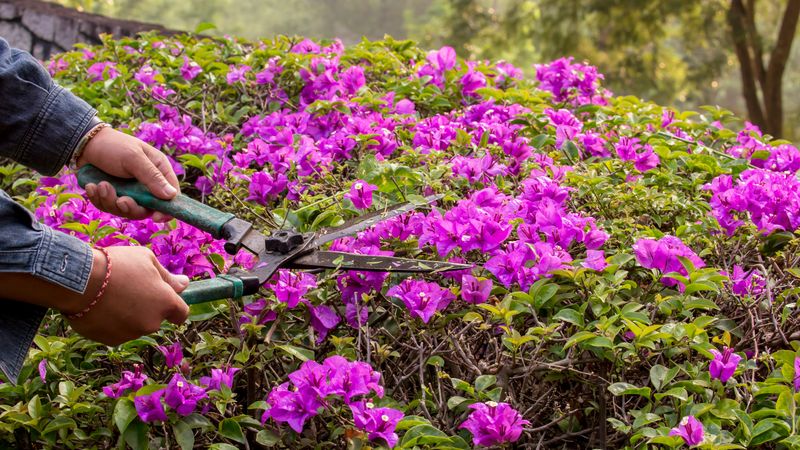
Instead of grabbing the big shears right now, use your fingers to pinch back the soft, growing tips. This little trick encourages the plant to branch out and grow fuller, which gives you more spots for future flowers.
Save the heavy, hard pruning for late winter or early spring, right before the plant pushes out new growth. Cutting back too much in late summer or early fall can actually erase the flowers you were hoping to see.
Do keep an eye out for stems that look withered, damaged, or that cross awkwardly through the middle of the plant. Snipping those away improves air flow and keeps things tidy without hurting the bloom show.
After each round of flowering finishes, trim back the long, whippy stems that shoot out. They rarely bloom well and can make the plant look messy.
Think of pinching as gentle guidance rather than a big haircut. Small, regular touches now build a bushier, flower-ready plant that will reward your patience once the winter blooms begin to open.
2. Switch To A Low-Nitrogen Feeding Plan
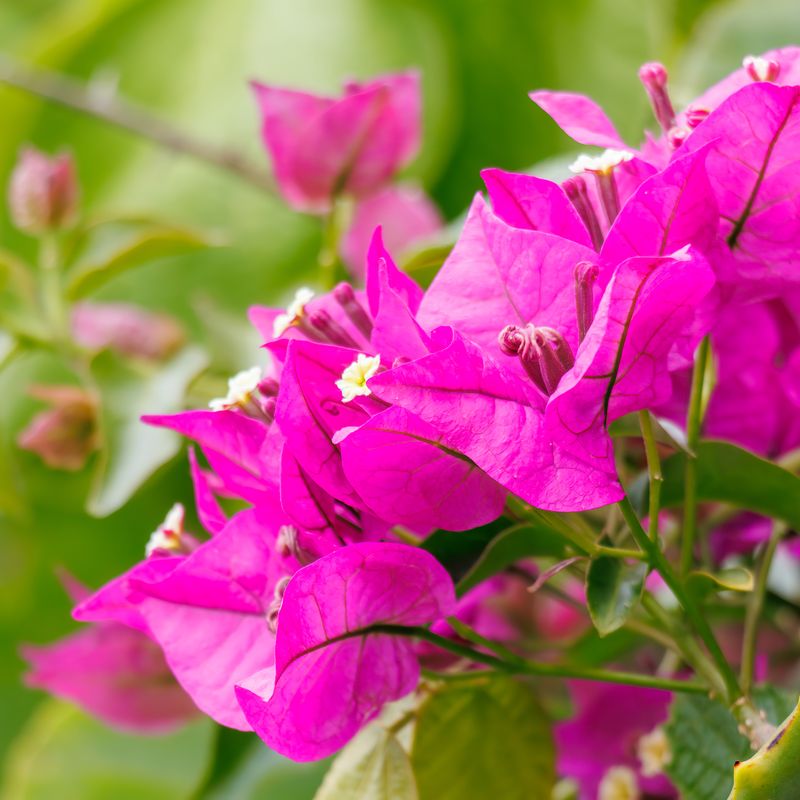
Fertilizer can make or break your flower show, and the type you pick matters more than you might think. High-nitrogen feeds push out lots of leafy green growth, but they do it at the expense of those colorful bracts you actually want.
As fall rolls in, avoid high-nitrogen feeding that encourages lush leafy growth. If your plant needs fertilizer, choose a balanced formula suited to bougainvillea and follow the label directions.
Those two nutrients strengthen the root system and help the plant handle cooler nights.
Timing counts too. As the weather cools, ease off fertilizer rather than pushing the plant into a flush of new growth.
This gives the plant a boost without leaving it vulnerable.
Your Florida Garden Changes Every Week. Your Plan Should Too.
Gardening in Florida changes quickly throughout the season. Every Friday you’ll receive a simple weekly plan showing exactly what to plant, prune, fertilize, harvest, and protect so you never miss the right timing.
Feeding too close to frost is a common mistake. It can trick the plant into growing tender new shoots that simply will not survive when the cold arrives.
You do not need to stop feeding entirely if you want winter blooms, but you should ease off. Reduce how often you fertilize as the weather cools down.
For plants that go dormant in colder climates, little or no fertilizer is needed through winter. Read your plant’s signals, watch the growth slow, and adjust.
A thoughtful feeding plan now sets up a healthier, more colorful display later on.
3. Slowly Dial Back The Watering
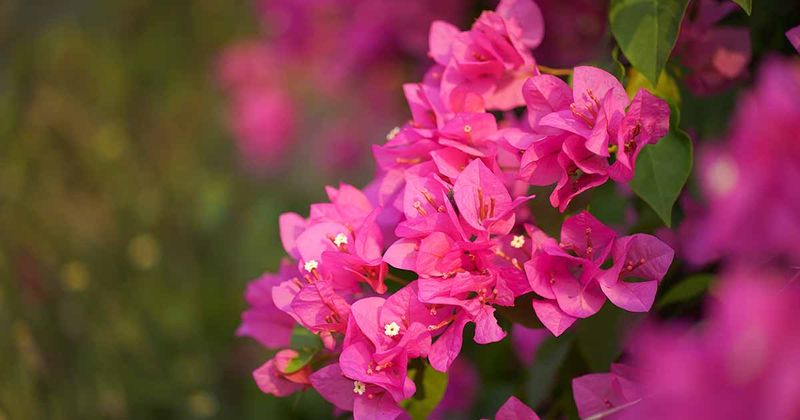
Bougainvillea is a bit of a tough desert soul, and it actually blooms better when you stop babying it with water. In Florida, fall does not necessarily send bougainvillea into a deep rest period.
The plant can keep growing and flowering as long as temperatures and growing conditions remain favorable.
Begin cutting back on how often you water during autumn and winter. The goal is to let the soil dry somewhat between waterings rather than keeping it constantly moist.
Soggy roots are the enemy here. Overwatering a resting bougainvillea is one of the fastest ways to cause root rot, which leads to dropped leaves and fewer flowers.
Keeping the soil on the dry side can encourage flowering, but the plant should still receive enough water to avoid severe stress. It is one of the quirks that makes this vine so rewarding to grow.
If your plant lives indoors for the winter, water it thoroughly but far less often. Water only when the soil has dried noticeably, then water thoroughly and allow excess moisture to drain.
Stick your finger a couple inches into the soil before watering. If it still feels damp, wait a few more days.
Learning to hold back is honestly harder than remembering to water. Once you master the dry-then-drench rhythm, your bougainvillea will thank you with color.
4. Give It Six Hours Of Direct Sun
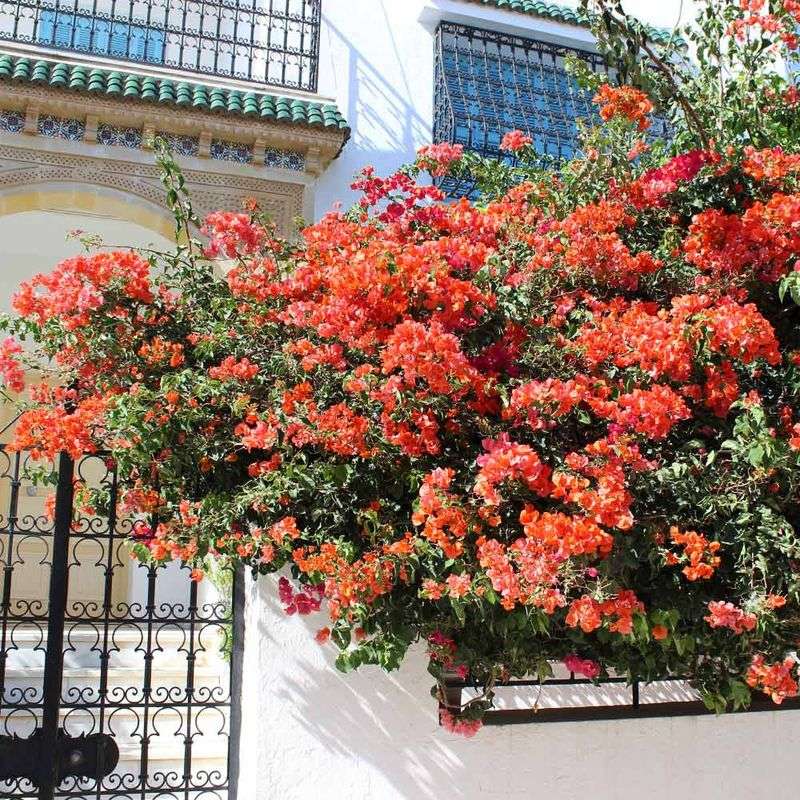
If there is one thing bougainvillea craves above all else, it is sunshine. Lots of it.
These plants are true sun-worshippers, and skimping on light is the quickest way to end up with green leaves and no blooms.
For the brightest, most vibrant flower show, aim for at least six hours of direct sunlight every single day. Morning to midday sun is especially good.
Outdoor plants usually get plenty this time of year, so the trick is making sure nothing shades them out. Watch for tree branches or nearby structures that might block the light as the sun angle changes in fall.
A plant that suddenly stops blooming is often just telling you it wants more light. Move a pot to a sunnier spot and watch the difference over a few weeks.
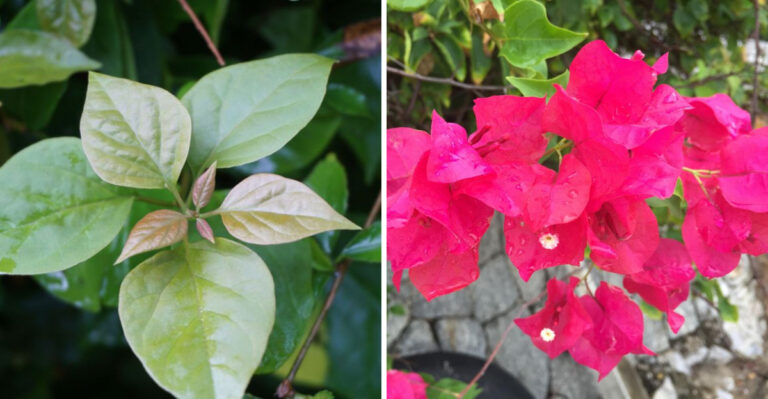
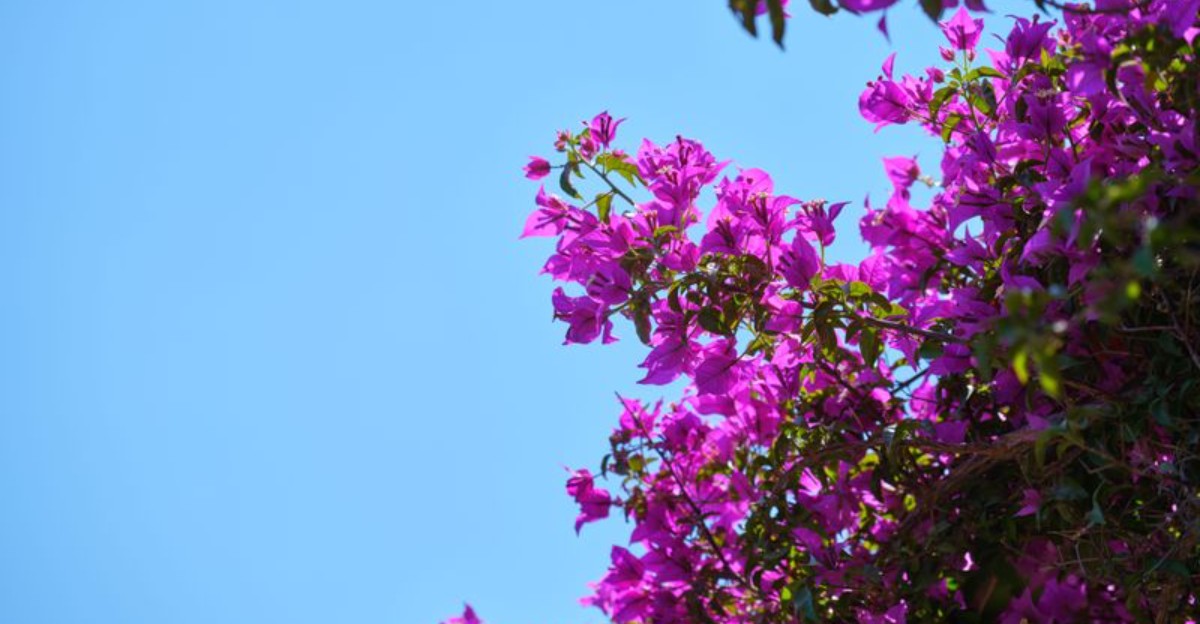
Fun fact: those showy colored parts are not petals at all. They are modified leaves called bracts, and the real flowers are the tiny white blooms tucked inside them.
More sun means more of those brilliant bracts. So before winter arrives, scout your yard or balcony for the sunniest corner you can find.
Position matters more than almost anything else, so give your plant the front-row seat to the sun.
5. Know Your Hardiness Zone
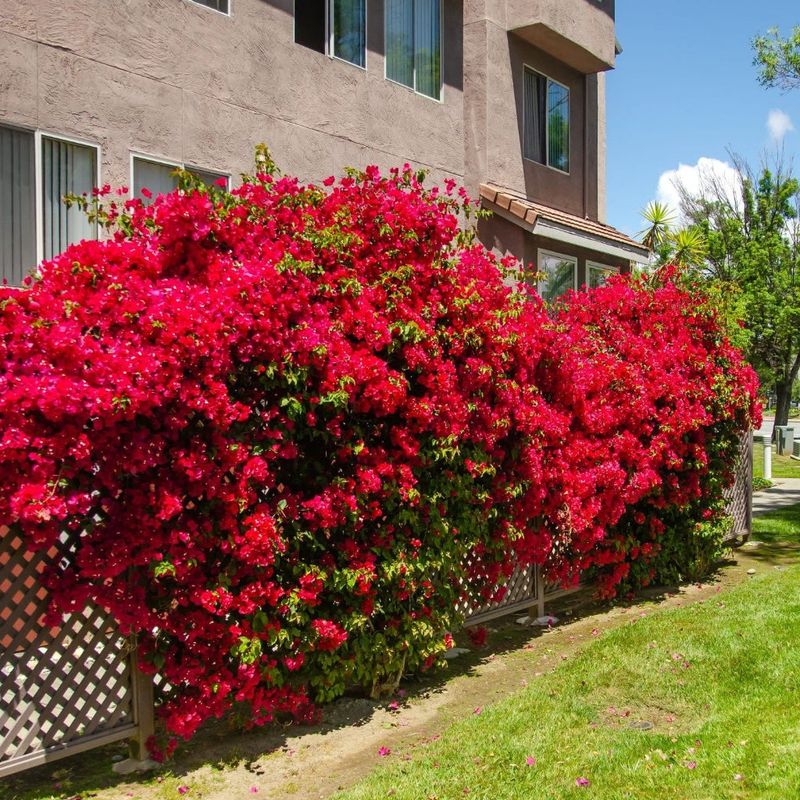
Where you live changes everything about how you care for bougainvillea in winter. That matters in Florida, too.
South Florida may see little need for winter protection, while Central and North Florida can experience occasional frost or freezes. This plant loves warmth and cannot handle a hard freeze, so knowing your zone is step one.
In warmer Zones 9 through 11, bougainvillea can often remain outdoors, but it still needs protection when frost or freezing temperatures threaten.
Gardeners in those warm zones can focus on light pruning, sun, and smart watering while letting the plant do its thing outdoors.
If you live in Zone 8 or colder, the story shifts. Frost will damage or destroy an exposed bougainvillea, so you will need a plan to protect it.
Not sure what zone you are in? A quick search using your zip code will tell you, and it takes just a minute.
Knowing your zone helps you decide whether to bring the plant indoors, wrap it for protection, or simply leave it be. Every choice that follows depends on this one detail.
Even within a single zone, a sheltered patio or a warm south-facing wall can create a cozy little pocket of extra warmth.
Match your care to your climate, and you set your bougainvillea up for the best possible winter show.
6. Bring It Indoors Before The Cold Hits
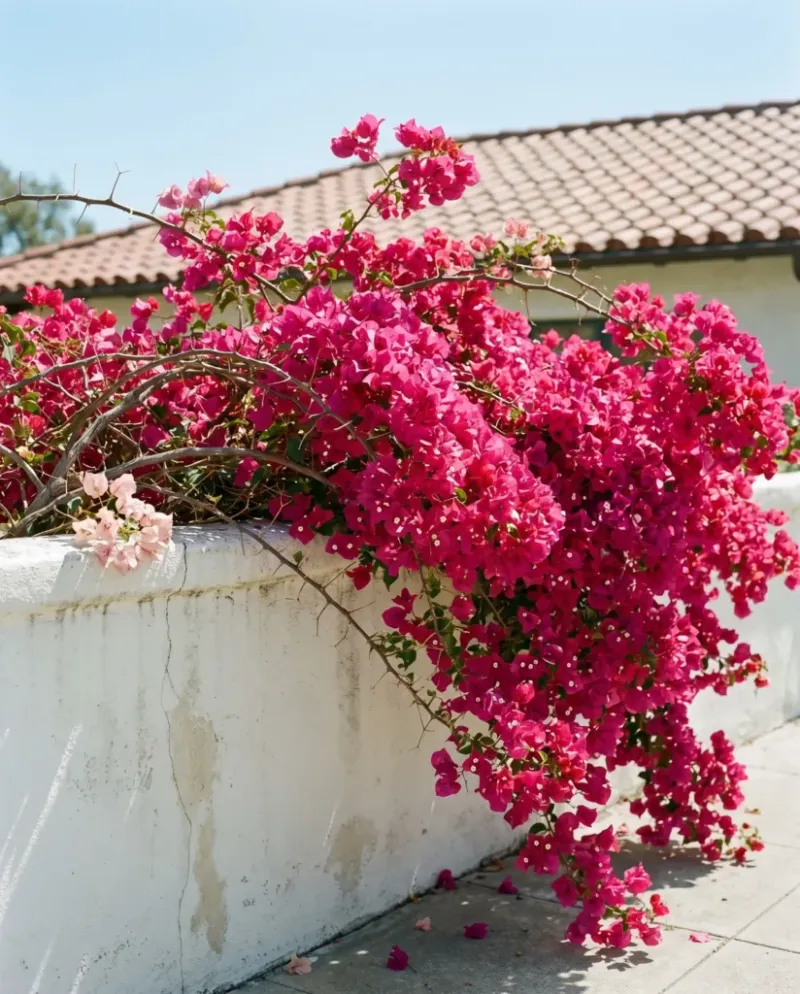
For Florida gardeners with container-grown bougainvillea, moving the plant indoors may only be necessary when a significant cold snap or freeze threatens. Waiting too long risks frost damage that undoes all your hard work.
When nighttime temperatures begin approaching the low 40s, especially with colder weather in the forecast, it is time to consider moving a container plant to a protected location. Cold-climate growers especially need to act early.
Before you carry it inside, give the plant a light prune. Give it only a light trim, removing withered or damaged growth and shortening overly long shoots if needed to make the plant easier to move.
Do not go overboard with the trimming, though. A gentle shaping is all it needs to fit comfortably in its winter home.
Inside, find a bright window that faces south or west. A very bright window can help the plant stay healthy and may support continued flowering.
Keep the room reasonably warm, with nighttime temperatures no lower than about 50 degrees Fahrenheit. Cold drafts near doors and windows can stress the plant.
Expect a few dropped leaves at first as the plant adjusts to its new spot. That is normal and usually passes once it settles in.
Handle the transition with care, and your bougainvillea will keep the color coming indoors.
7. Add Grow Lights For Indoor Blooms
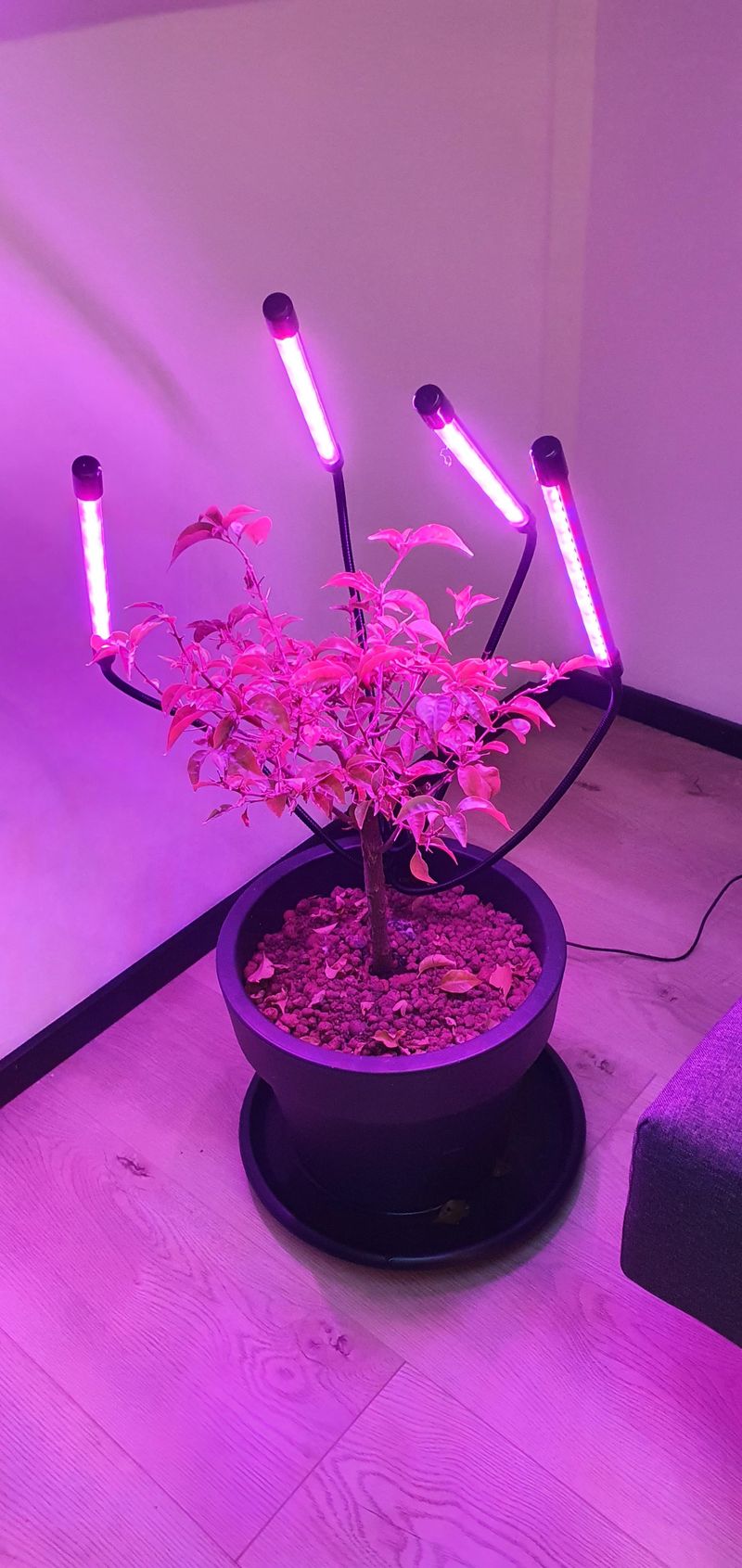
Winter days are short and gray, and sometimes even the sunniest window just cannot deliver enough light. That is where grow lights step in to save your flower show.
Bougainvillea kept indoors often struggles to bloom simply because it is not getting the strong light it depends on. A grow light fills that gap nicely.
Set the light close enough to bathe the plant in brightness, but not so close that it scorches the leaves. Most LED grow lights work well positioned a foot or so above the plant.
Running the light for a few extra hours each day can trick the plant into thinking it is still basking in summer sun. Supplemental light can help maintain the strong light levels bougainvillea needs for healthy growth and flowering.
A simple timer takes the guesswork out of the routine. Set it once, and the light turns on and off automatically every day.
Pair the grow light with a bright window and you give your plant the best of both worlds. Natural light by day, boosted brightness when the sun disappears early.
You do not need a fancy or expensive setup to see results. Even a modest grow light can make the difference between a bare vine and a winter full of blooms.
This step is mainly for Florida gardeners who have moved a container plant indoors for protection during a cold spell.
8. Watch For Pests And Problems Early
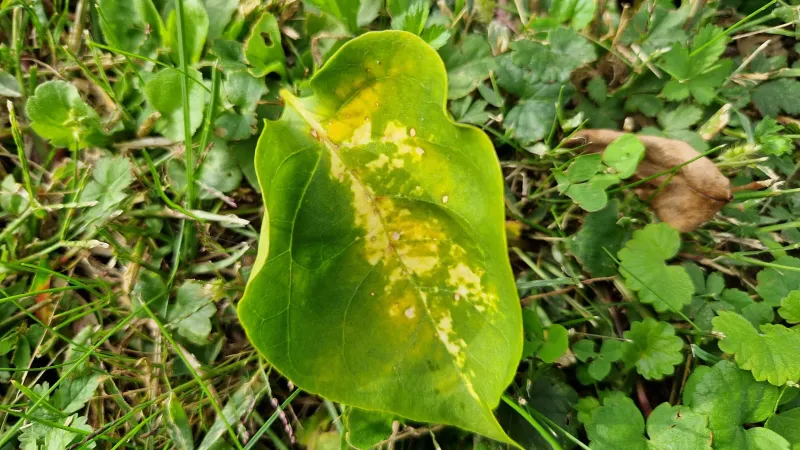
A healthy plant blooms better, and catching trouble early keeps small problems from becoming big ones. Before the winter show gets underway, give your bougainvillea a careful once-over.
Peek under the leaves and along the stems for tiny pests like aphids or spider mites. They love to hide in the nooks and can weaken a plant fast if left alone.
Yellowing leaves or unexpected leaf drop often point to overwatering or root rot rather than bugs. Feel the soil to check before you assume the worst.
Moving a plant indoors can sometimes bring hitchhiking pests along for the ride. A quick inspection and a gentle rinse of the leaves before relocating helps a lot.
A spray of water or a mild insecticidal soap usually handles minor infestations. Catch them early and you rarely need anything stronger.
Good air flow around the plant also discourages pests and fungus. Avoid crowding it against other plants where problems can spread.
Make inspecting your bougainvillea a weekly habit through fall and winter. It only takes a couple of minutes and saves you real heartache later.
A little detective work now keeps your plant strong, healthy, and ready to put on its most dazzling winter display yet.