How Louisiana Strawberry Growers Are Preparing Beds For The State’s Signature Fall Planting Season
You wouldn’t guess how much happens before Louisiana strawberries ever bloom. Tractors already carve long, straight rows across sandy fields at dawn. Soil gets carefully tested before you even see a single plant.
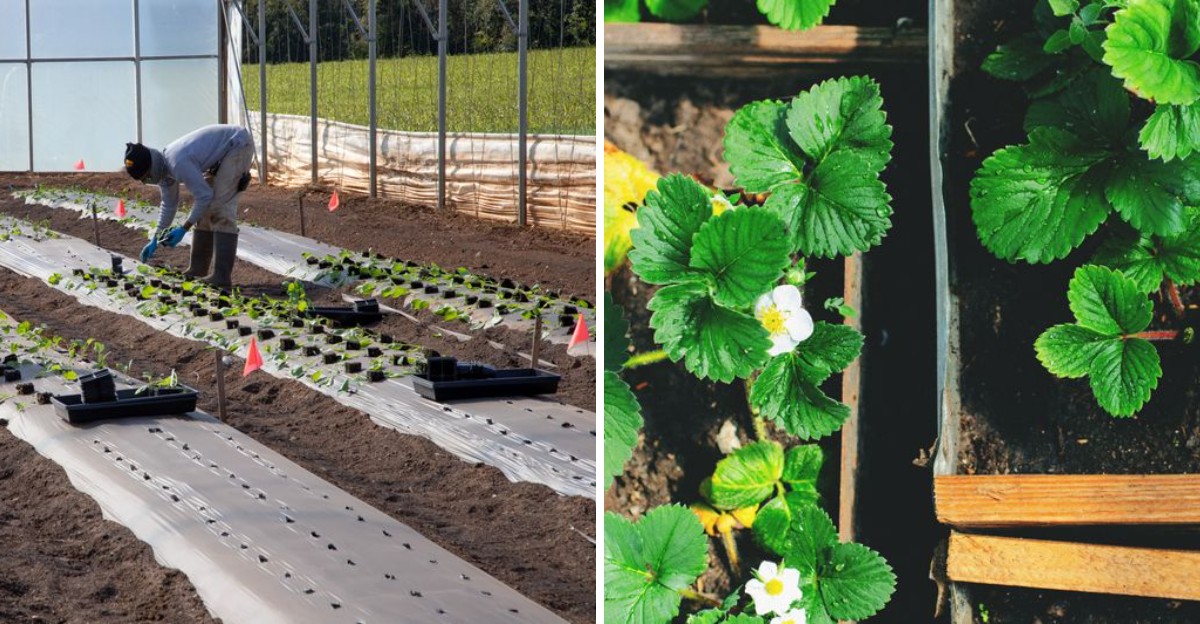
Plastic mulch goes down fast, sealing precious moisture beneath each row. Workers move with real urgency, because timing controls the entire outcome.
Precision matters more than guesswork when one wrong week changes flavor. Farmers wait patiently for exact soil temperatures before planting anything. Plants set too soon often struggle before winter fully settles in.
Louisiana’s thick, damp heat makes this planting window incredibly short. Flavor differences trace directly back to a single early choice. This entire process moves at a steady, deliberate pace.
Curiosity builds fast once you see what growers actually risk here. Underground decisions made now shape everything you’ll bite into later. Now you need to see exactly how this early work truly begins.
1. Testing The Soil Before Anything Else Happens
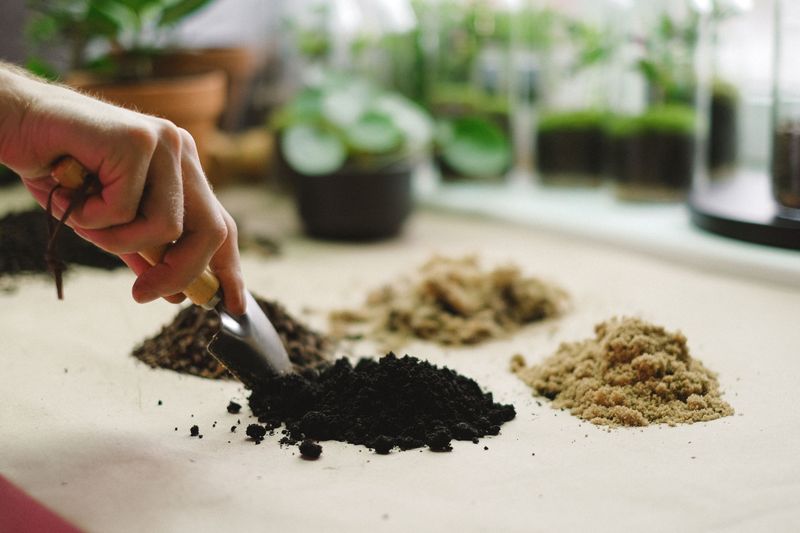
Ask a Tangipahoa Parish grower what the season really starts with, and the answer is usually a plastic bag full of dirt. Soil samples head to the LSU AgCenter lab long before any plants arrive.
The lab report tells growers what the field is missing and what it already has plenty of. Strawberries like a slightly acidic soil, generally in the 5.8 to 6.5 pH range, and Louisiana ground can drift outside that window after heavy rains.
Lime gets added when the pH runs low, and it needs weeks to work its way through the soil profile. That is exactly why September testing beats a last-minute scramble in October.
Growers pull samples from several spots across a field rather than one convenient corner. Mixing those cores together gives a fairer picture of what is happening across the whole block.
Phosphorus and potassium levels shape the pre-plant fertilizer blend, so guessing wastes money on both ends. Too little starves the young roots, and too much can burn them or wash into nearby waterways.
Some growers also check organic matter, since sandy Florida parishes soil drains fast and holds fewer nutrients. A low reading nudges them toward compost or a cover crop plan.
Keeping records year after year turns those lab sheets into a useful history. Patterns show up, and growers start predicting what a particular field will need. It is routine work that shapes flavor months later.
2. Turning Under Summer Cover Crops
Between strawberry seasons, plenty of Louisiana fields do not sit bare and bored. They get planted with sudangrass, cowpeas, or millet that grow shoulder-high through the steamy summer.
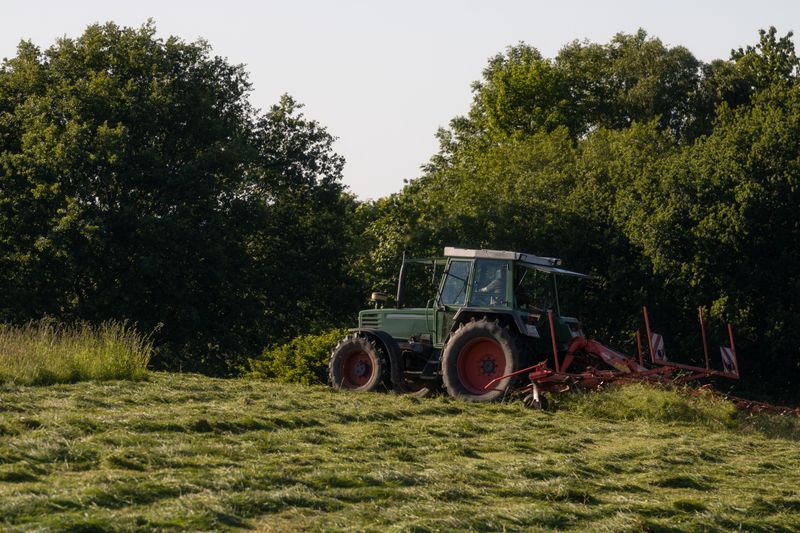
Come early September, those green stands get mowed and disked back into the ground. The chopped stems and leaves break down and feed the soil with organic matter it badly wants.
Sandy loam soils in the Hammond and Ponchatoula area of Louisiana drain quickly, which is great for roots but rough on nutrient holding. Cover crop residue acts a bit like a sponge, improving structure and moisture retention.
Your Louisiana Garden Changes Every Week. Your Plan Should Too.
Gardening in Louisiana changes quickly throughout the season. Every Friday you’ll receive a simple weekly plan showing exactly what to plant, prune, fertilize, harvest, and protect so you never miss the right timing.
Timing matters more than people expect. Residue needs a few weeks to decompose, because fresh green material can tie up nitrogen right when transplants need it.
Growers who wait too long end up shaping beds full of stringy plant matter that clogs equipment. Those who mow early get crumbly, workable ground instead.
Certain cover crops pull double duty by suppressing weeds and discouraging soil-borne pests. Sudangrass, for example, has a reputation for reducing nematode pressure when it is chopped and incorporated properly.
Fun bit of history: farmers in the region were rotating cowpeas through their fields long before the term cover crop became fashionable in farming magazines. The practice simply worked, so it stuck around.
Watching a green field disappear into brown soil feels a little sad. But that buried greenery is quietly building next spring’s berries.
3. Shaping Raised Beds That Shed Water Fast
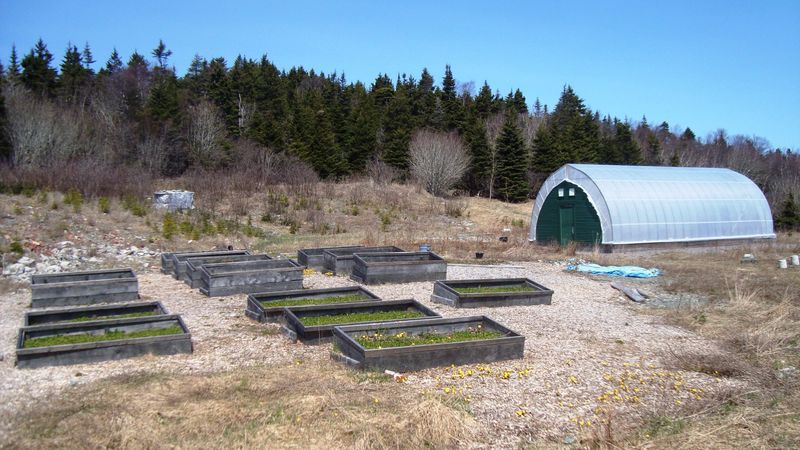
Louisiana rain does not fall politely. It arrives in sheets, and a flat field turns into a shallow lake within an hour.
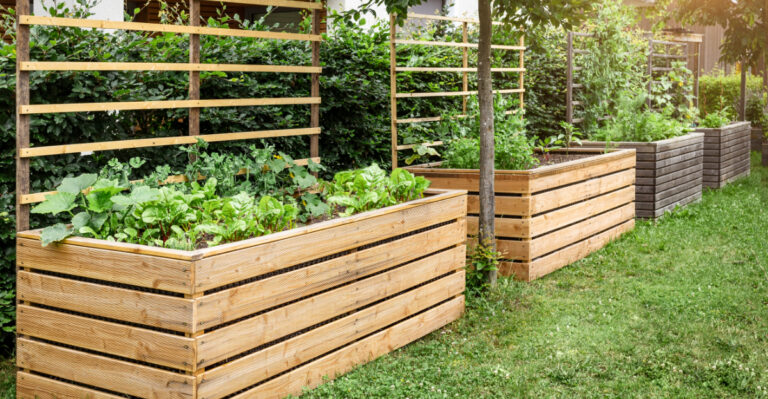
Raised beds are the answer growers settled on generations ago. Most run about six to ten inches tall and roughly two feet across the top, formed with a tractor-mounted bed shaper.
Height lifts the crown of each plant above standing water, which matters enormously for root health. Soggy roots invite trouble that no fungicide fully undoes.
The shape of the bed top gets fussed over more than outsiders realize. A slightly domed crown sheds rain toward the furrows instead of letting puddles sit against plant stems.
Beds also need to be firm, not fluffy. Loose soil settles unevenly after the first heavy downpour, leaving dips that collect water and stretch the plastic mulch out of shape.
Growers often make a pass with the shaper, let the bed sit through a rain, then touch it up. That settling step separates a smooth season from a frustrating one.
Row spacing gets planned around equipment width and harvest crews. Beds set on eight-foot centers give pickers room to move buckets without stepping on fruit.
Orientation counts too, since rows running with the natural slope drain better than rows cutting across it. On flatter ground, growers sometimes add drainage ditches at field edges. A well-shaped bed in September is basically insurance against a wet December.
4. Laying Drip Tape Beneath The Plastic
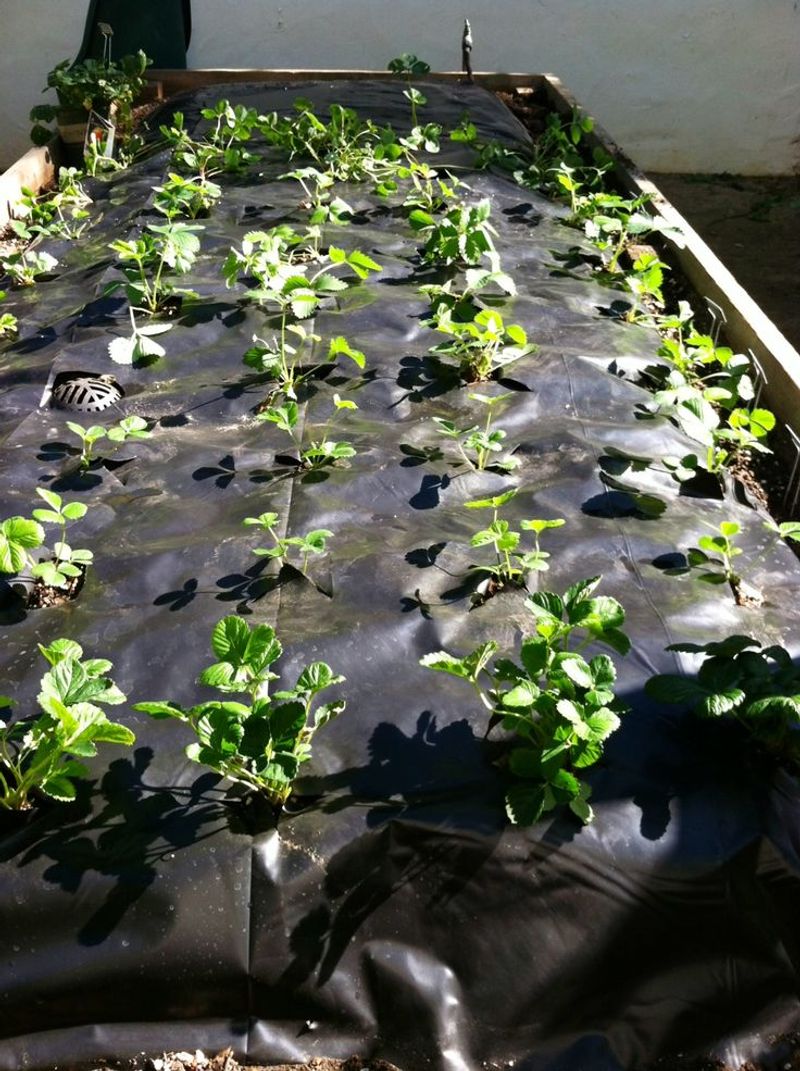
Tucked just under the surface of every finished bed runs a thin black ribbon that most visitors never see. Drip tape delivers water and dissolved fertilizer straight to the root zone.
Placement happens during the same tractor pass that lays plastic mulch, usually one line down the center of the bed. Some growers use two lines on wider beds to spread moisture more evenly.
Depth is a small decision with big consequences. Tape buried an inch or two below the bed surface stays cooler and resists damage from planting tools.
Emitter spacing gets matched to the soil type. Sandy ground moves water downward fast, so closer emitters, often eight to twelve inches apart, keep the wetted pattern connected.
Growers pressure-test each run before the plastic goes down and covers everything. Finding a crimped line in September is manageable, while finding it in January is far more costly to fix.
Filtration deserves attention because well water in the region can carry sand and iron. A clogged emitter starves a whole stretch of plants without any obvious warning above ground.
The same system doubles as frost protection support later, though overhead sprinklers usually handle freeze events. Drip mainly handles the steady, daily thirst of fruiting plants.
Fertigation through drip lets growers feed small amounts weekly instead of dumping everything up front. Young roots respond well to that gentler approach. Getting the plumbing right now means fewer surprises during peak berry season.
5. Rolling Out Black Plastic Mulch At The Right Moment
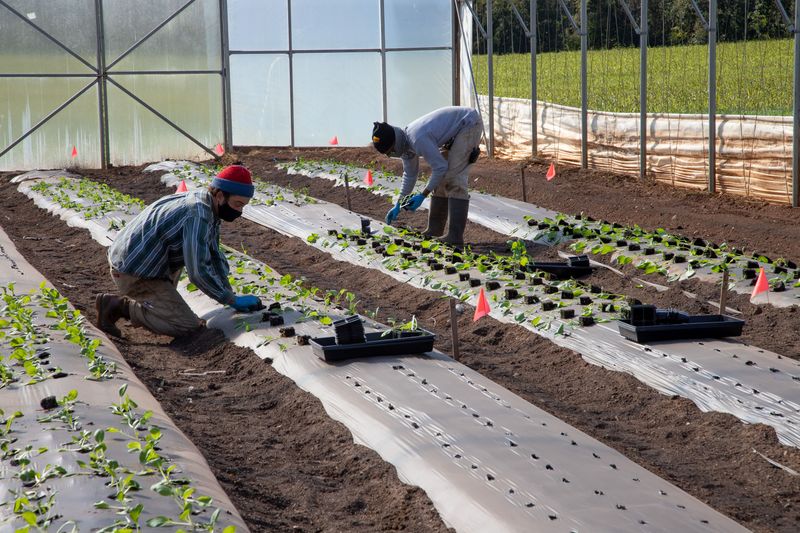
There is a specific week when the fields around Ponchatoula are covered in reflective plastic. Black plastic goes down over bed after bed, catching the low afternoon sun.
The plastic does several jobs at once. It blocks weeds, holds soil moisture steady, keeps fruit clean, and warms the bed during cool months.
Black is the traditional choice in Louisiana because winter warmth helps more than summer heat hurts. A few growers experiment with white-on-black for early plantings when September soil still runs hot.
Getting the plastic tight against the bed is the whole trick. Loose sheeting flaps in wind, tears at the edges, and creates air gaps that let soil dry out unevenly.
Edges get buried firmly in the furrow soil so storms cannot peel them up. Growers walk rows afterward, tucking and patching where the machine left gaps.
Laying plastic too early can cook the bed surface, while laying it too late leaves no time for soil moisture to settle. Early to mid September usually threads that needle.
Once the plastic is down, growers often run irrigation to bring bed moisture up before planting holes get punched. Damp soil under plastic transplants far better than dust.
Old-timers remember when strawberries went into bare ground with pine straw for mulch. Plastic changed yields dramatically, though pine straw still shows up in walkways. A field of freshly laid plastic marks a clear milestone in the season.
6. Treating Soil To Reduce Weeds And Soilborne Problems
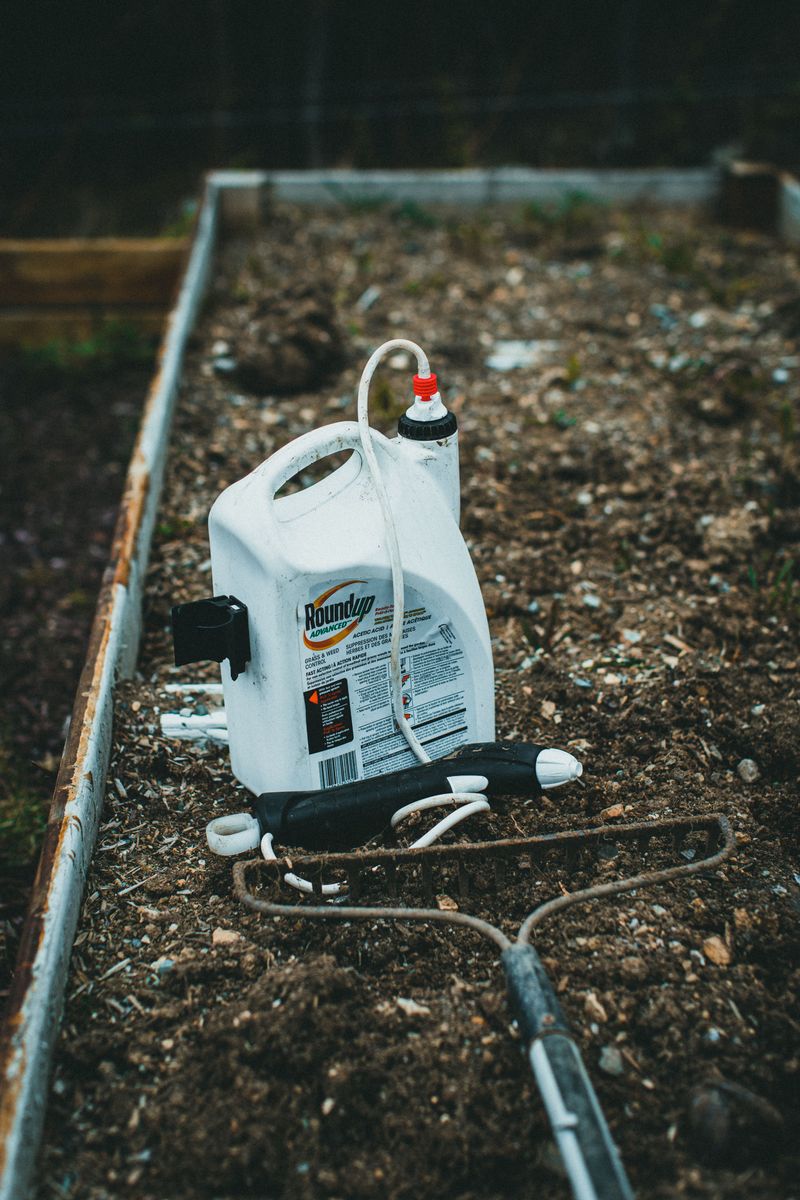
Weeds and soilborne fungi do not take a summer vacation in south Louisiana. They multiply happily in warm, moist ground.
Growers tackle that pressure before planting rather than after. Options range from soil solarization to registered fumigants applied under sealed plastic.
Solarization uses clear or black plastic laid over moist beds during the hottest stretch, letting trapped heat reduce weed seeds and pathogens near the surface. September sun in the region still packs enough punch for a partial effect.
Fumigation, where used, requires strict timing and a waiting period before transplants go in. Skipping that interval can injure young roots, so growers follow label directions to the letter.
Smaller farms and organic operations lean harder on rotation, compost, and biological products. Moving strawberries to a different block each year breaks pest cycles without chemicals.
Nutsedge deserves its own mention because it punches straight through plastic mulch. Growers scout for it in late summer and treat problem patches before beds are formed.
Anthracnose and Phytophthora carry over in soil and plant debris, which is why old plant material gets removed rather than left to rot in place. Clean fields start with clean cleanup.
The LSU AgCenter runs trials on these practices and shares results at grower meetings each fall. Farmers compare notes constantly, often over coffee. Prevention now costs far less than fighting an outbreak in February.
7. Ordering Plants And Timing The Transplant Window
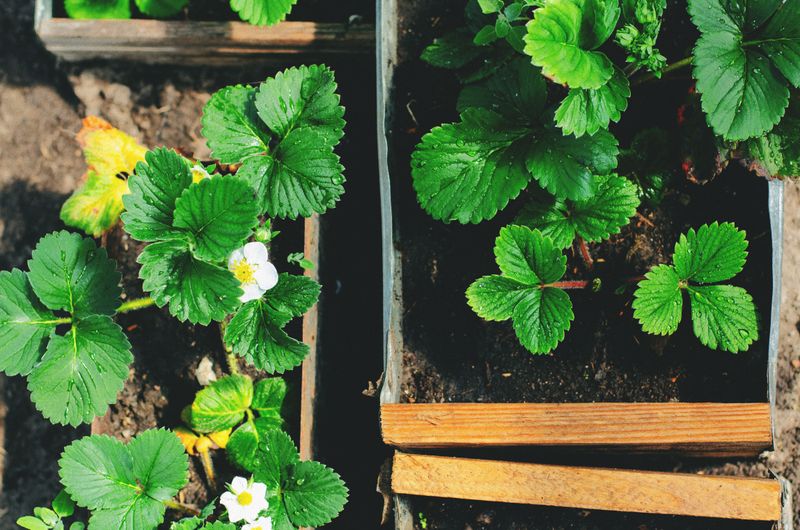
Plants get spoken for months before they arrive. Louisiana growers place orders with Canadian and Carolina nurseries as early as spring for October delivery.
Popular varieties in the state include Camarosa, Festival, and Sensation Festival, a variety developed at the LSU AgCenter. Each variety has its own ripening rhythm and fruit shape.
Many farms plant two or three varieties instead of one. Spreading the harvest keeps roadside stands stocked from late November through May.
Delivery timing is coordinated with bed readiness, because bare-root plants and plugs cannot wait around long. Cold storage buys a few days, not weeks.
Transplanting generally starts in early to mid October across Louisiana’s Florida Parishes region. Planting too early exposes tender crowns to lingering heat, while planting too late shortens the fall root-building period.
Growers punch holes in the plastic with a wheel or hand tool, setting plants so the crown sits level with the bed surface. Buried crowns rot, and exposed roots dry out.
Overhead sprinklers usually run for the first several days to keep new transplants from wilting under leftover summer sun. That establishment period sets the tone for everything after.
Crews get lined up in September too, since planting thousands of plants per acre takes hands. Many farms rely on the same families returning year after year. Good plants in well-made beds are the whole ballgame.
8. Checking Irrigation Wells, Pumps, And Frost Protection Gear
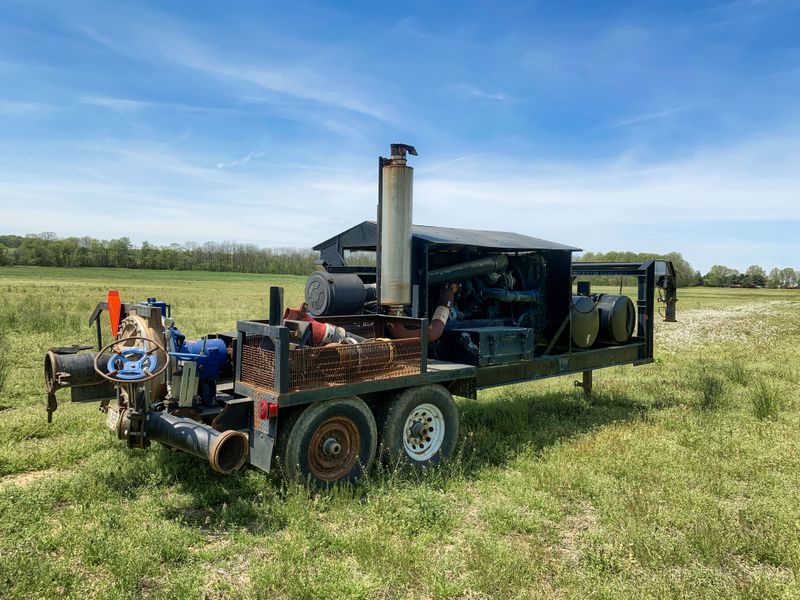
Equipment that sat idle all summer rarely wakes up cheerful. Pumps stick, gaskets crack, and sprinkler heads seize with rust.
September becomes the month for running every system and listening for trouble. Growers fire up wells, watch pressure gauges, and walk lines looking for leaks.
Overhead sprinklers matter enormously in this region because they double as freeze protection. When temperatures dip in December or January, water sprayed over blooms releases heat as it freezes, shielding tender flowers.
A sprinkler that fails on a cold night can seriously damage an early harvest. Testing in warm weather is far easier than troubleshooting at two in the morning in February.
Filters get cleaned, screens get replaced, and backflow devices get inspected. Fittings and spare nozzles go on the shopping list while suppliers still have stock.
Generators and backup power get a test run as well, since storms knock out electricity in the parishes with some regularity. Hurricane season overlaps this whole prep period.
Row cover fabric gets counted and inspected for tears, because it pulls double duty against cold snaps and wind. Sandbags and pins get gathered into one place.
Some growers keep a written checklist taped inside the barn door, ticking items off across September and early October. Memory fades, paper does not. Preparation like this is easy to overlook.