Why You May See More Turkey Vultures Circling Over Georgia Yards
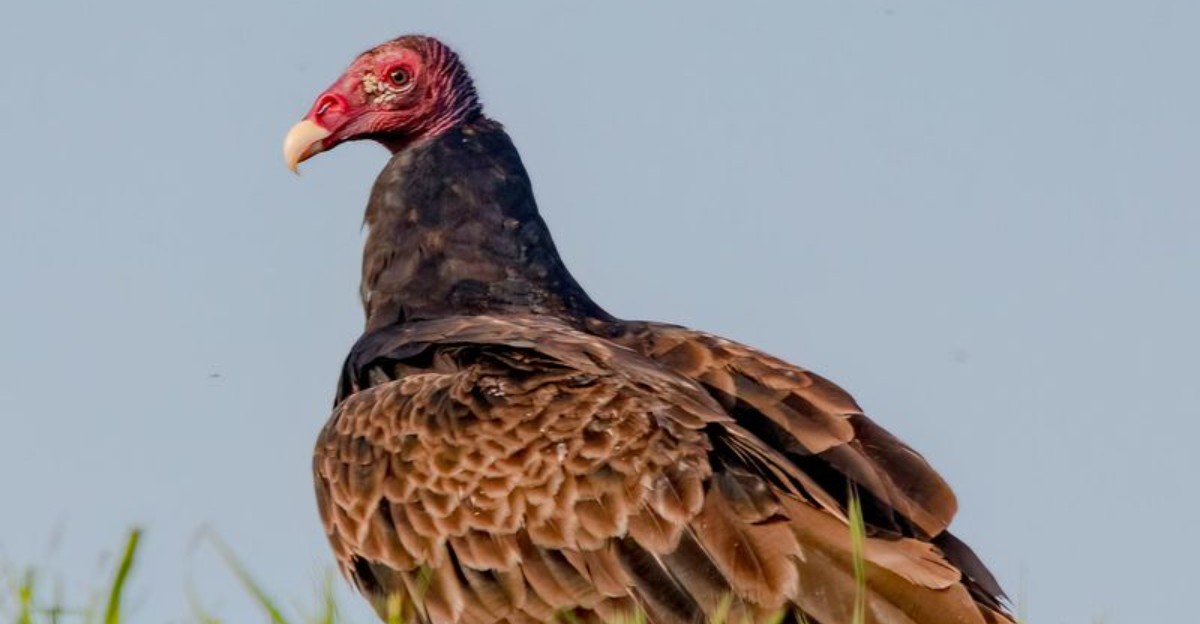
Several huge birds circling above your yard can look dramatic, especially when they keep turning over the same area. The explanation may have more to do with the air than anything below.
Turkey vultures are built to take advantage of rising currents that help them stay airborne with little effort.
When those currents develop, several birds may gather in the same stretch of sky. That can make Georgia homeowners notice larger groups even when nothing unusual is happening on their property.
Their circling pattern is therefore worth understanding before you connect it with something in your yard.
Watch how the birds climb and glide without constantly flapping their wings. That effortless movement offers an important clue about what they are doing.
Once you know the reason, those overhead circles look completely different.
1. Those Circling Birds May Be Taking Advantage Of The Same Conditions
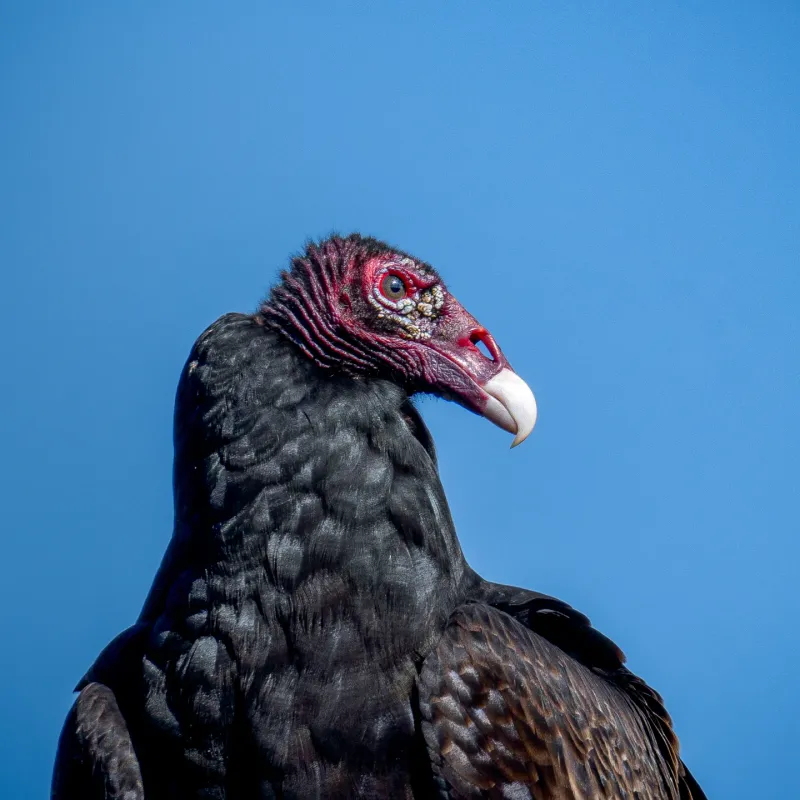
Several turkey vultures circling above one neighborhood can look like they are focused on something below. Often, the birds are simply sharing a useful patch of rising air.
Large soaring birds save energy whenever they can.
Instead of flapping constantly, they search for air currents that carry them upward. Once several vultures find the same lift, they may circle together while gaining height.
Your yard may happen to sit directly beneath that useful stretch of sky.
Sunny fields, parking lots, roads, and rooftops can all help warm the air nearby. That means conditions around a Georgia neighborhood can create good soaring opportunities even when nothing unusual is happening on the ground.
Watch whether the birds gradually climb while making wide circles.
They may eventually glide away and begin circling somewhere else. This movement is a strong clue that they are using changing air conditions rather than concentrating on one property.
The number of birds can also change within minutes.
One vulture may locate rising air, with others joining the same column soon afterward. Once the lift weakens, the entire group can move along.
What looks dramatic from below is often an efficient way for these birds to travel
2. Turkey Vultures Use Rising Warm Air To Stay Aloft
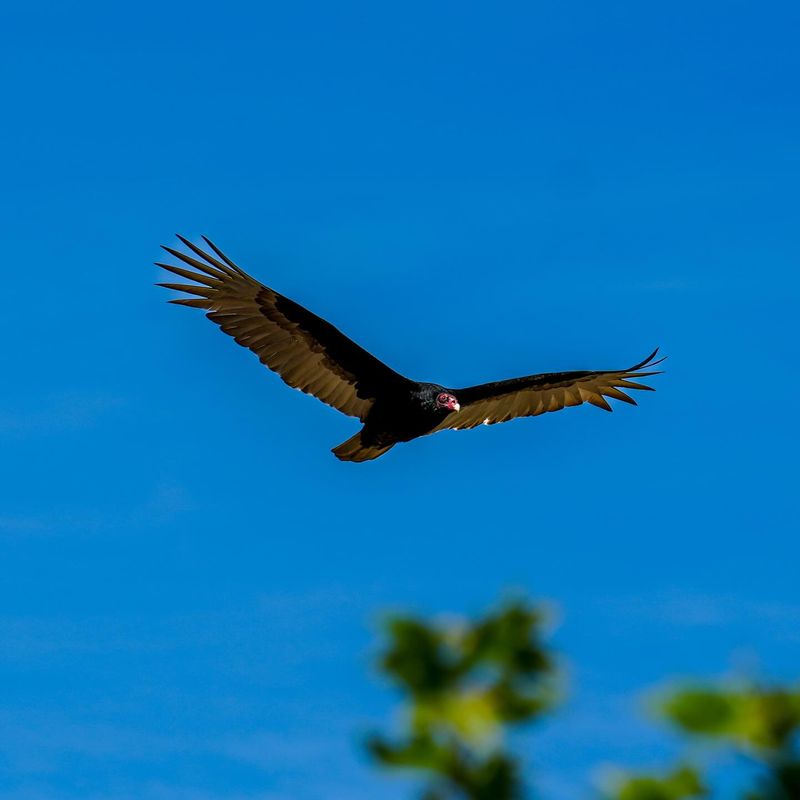
Turkey vultures are impressive gliders because they know how to use warm air to their advantage. Rising columns of heated air are known as thermals.
A vulture can enter one of these columns and circle upward with surprisingly little effort.
Once it gains enough height, the bird can glide toward another area without constantly beating its wings. This saves valuable energy during long periods of travel and searching.
Thermals become stronger as sunshine warms the ground.
That is one reason turkey vultures may become easier to notice later in the morning or during a bright afternoon. Early in the day, cooler air may keep them flying lower or spending more time perched.
Georgia’s warm weather can provide plenty of opportunities for thermal soaring.
Look closely when several vultures begin circling in the same place. Their circles may slowly carry them higher until the birds look much smaller against the sky.
Your Georgia Garden Changes Every Week. Your Plan Should Too.
Gardening in Georgia changes quickly throughout the season. Every Friday you’ll receive a simple weekly plan showing exactly what to plant, prune, fertilize, harvest, and protect so you never miss the right timing.
After gaining altitude, they can peel away one by one.
They may then glide for a considerable distance before searching for another rising current. This pattern can repeat throughout the day.
Those wide circles are therefore doing real work.
The birds are gaining height while spending far less energy than constant flapping would require.
3. Fall Migration Can Bring More Vultures Through The Area
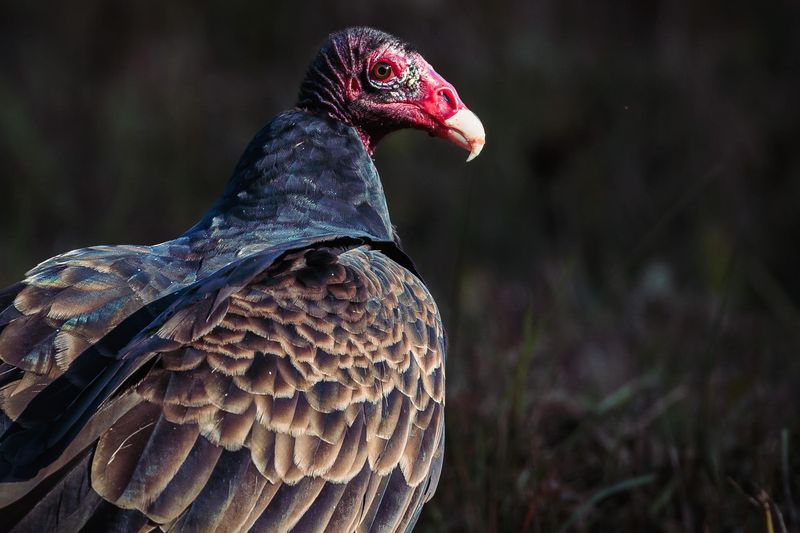
A sudden increase in turkey vultures does not always mean the local population has grown. Some of the birds overhead may simply be passing through during seasonal movement.
Turkey vultures from northern areas can move south as autumn develops.
That movement can make certain days noticeably busier than others. Homeowners who usually see one or two birds may suddenly notice several groups crossing the same part of the sky.
Fall movement does not happen on one exact date everywhere.
Weather conditions can influence when birds travel and how noticeable they become. Favorable winds may help them cover ground, while changing conditions can temporarily concentrate birds in certain areas.
That makes the pattern look different from week to week.
Across Georgia, resident turkey vultures can also be present while migrants are moving through. Seeing both at the same time can make autumn skies appear especially active.
Watch what happens over several days rather than judging one afternoon.
Migrating birds often continue moving instead of remaining over the same neighborhood. A busy period may fade as quickly as it appeared.
Seasonal movement is especially noticeable when birds gather in groups.
If the sky suddenly seems full of vultures during fall, migration may be adding extra travelers to the familiar birds already around.
4. Large Groups Can Form Along Their Fall Migration Routes
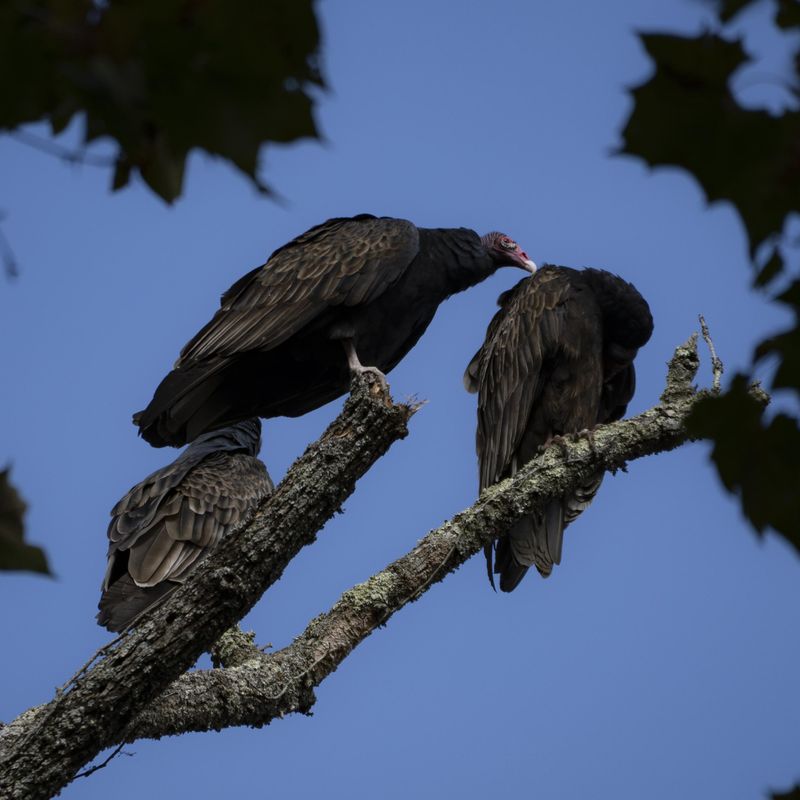
Turkey vultures do not always travel through autumn skies one at a time. Groups can gather wherever favorable air currents make soaring easier.
These circling groups are often called kettles.
Birds may enter the same thermal and rise together before gliding toward the next useful area. From below, dozens of vultures can appear to be swirling around one spot.
The group may look tightly connected at first.
As the birds gain height, some begin gliding away while others continue circling. Another group can appear later if the same route keeps offering favorable conditions.
Fall makes these gatherings especially noticeable.
Migrating vultures often follow routes where rising air helps them travel while conserving energy. Parts of Georgia can sit beneath these moving streams, creating brief periods when unusually large numbers appear overhead.
A kettle does not necessarily remain together for the entire journey.
Birds can join or leave as conditions change. What matters is the shared opportunity to gain height without spending much energy on flapping.
Watch long enough and the pattern becomes easier to recognize.
The circling group climbs, stretches apart, and eventually moves onward. A crowded sky may then become quiet again.
Those large gatherings can be striking, but they are a normal part of efficient fall travel.
5. Their Wobbly Flight Helps Separate Them From Large Hawks
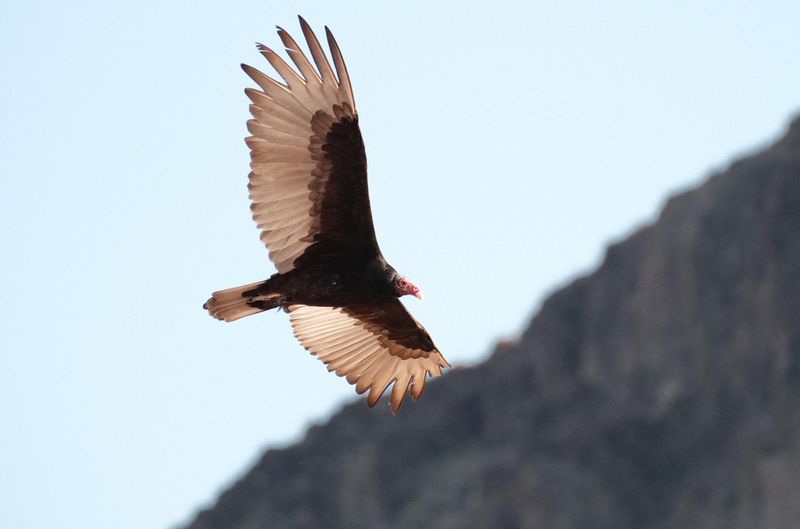
A large dark bird circling high overhead can be difficult to identify at first. Turkey vultures have a distinctive soaring style that becomes easier to recognize with practice.
Start by watching how the wings are held.
A turkey vulture typically raises them into a shallow V while soaring. Large hawks often appear flatter across the wings, although distance can make that difference harder to judge.
Then look for the characteristic rocking motion.
Turkey vultures frequently tip gently from side to side as they ride uneven air currents. Their flight can look slightly unsteady even though the bird remains completely in control.
That wobble is especially noticeable during long circles.
Bird watchers across Georgia can use this combination of wing position and movement when birds are too high for plumage details. You may also notice long stretches with very little flapping.
Do not rely on size alone.
Distance can make a large hawk look smaller or make another soaring bird seem much larger than expected. Flight behavior often gives you better clues.
Spend a few moments following the bird through several turns.
If it holds its wings in that raised position and repeatedly rocks from side to side, a turkey vulture becomes a strong possibility.
6. Circling Over Your Yard Does Not Mean They Found Food There
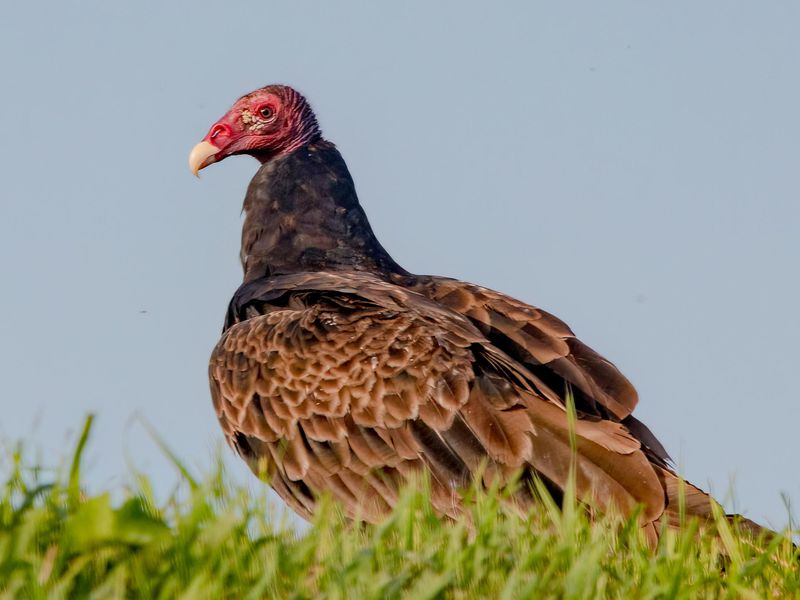
Turkey vultures directly above your house can make it seem as though they have discovered something on your property. Their position in the sky can be misleading.
Circling often has more to do with air movement than the ground below.
A bird riding a thermal may make repeated loops over houses, trees, roads, and lawns without showing interest in any of them. The useful rising air simply happens to be located there.
Watch whether the vultures continue gaining height.
Birds using lift usually drift or glide away after reaching a useful altitude. They are not necessarily inspecting each yard beneath their circles.
Turkey vultures do search for carrion while traveling, but circling alone does not prove they have located it.
A Georgia yard can sit beneath a thermal just as easily as a field or parking lot can. The birds may be hundreds of feet above whatever created the warm rising air.
Their behavior changes when they decide to descend.
Instead of steadily climbing and moving onward, you may notice birds dropping lower toward a particular area. Even then, their destination might be well beyond your property.
Give the group a few minutes before drawing conclusions.
If the birds climb and glide away, the explanation was probably happening in the air rather than somewhere in your yard.
7. Many Migrating Vultures Will Continue Moving South
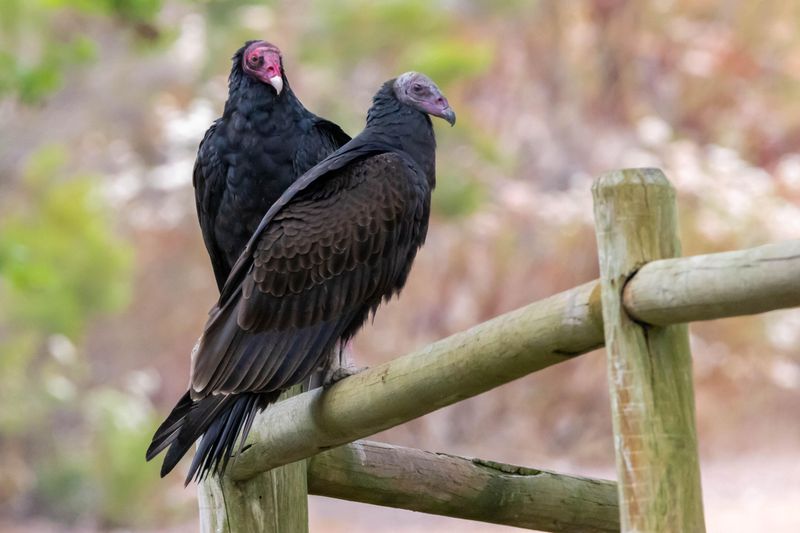
Some turkey vultures that appear during fall are only temporary visitors. Their journey can carry them much farther south as seasonal conditions change.
Migration is not identical for every turkey vulture.
Some populations remain relatively close to the same region throughout the year. Others travel considerable distances between breeding areas and their winter range.
That difference explains why autumn can bring a temporary increase overhead.
Georgia sits along routes used by vultures moving south from areas farther north. Those travelers may join local birds for a while before continuing their journey.
Weather can influence how quickly that movement happens.
A favorable day may send groups steadily across the landscape. Poor soaring conditions can slow progress and make birds more noticeable around an area for longer.
Watch the sky again after a weather change.
The large group you noticed for several afternoons may suddenly be gone. New birds can also appear later as another wave moves through.
This turnover makes migration easy to mistake for a permanent increase.
Most passing birds have no reason to settle over one particular yard. They are following suitable travel conditions on a much larger route.
The busy sky is temporary in many cases.
As migration continues, those circling groups can gradually thin until the familiar local numbers remain.