The California Shrubs To Prune In September And The Ones To Leave Alone
You know that moment when you walk past a shrub and immediately notice the branch sticking out in the wrong direction? The clippers are right there, the weather feels perfect, and giving the whole plant a quick cleanup seems like an easy weekend win.
September is where things get a little more complicated. Not every California shrub wants the same kind of attention at this point in the year.
Some will handle a trim just fine, while others are better left alone as they prepare for their next season of growth.
The hardest part is that your plants may not give you an obvious warning. A shrub can look messy and still be doing exactly what it should.
Another can look healthy while quietly depending on the right timing. Before you start cutting everything back, take a closer look at what is actually growing in your yard.
Knowing which shrubs welcome a September trim and which ones need a hands-off approach can save you from undoing months of healthy growth.
1. Lavender Can Take A Light Shape-Up
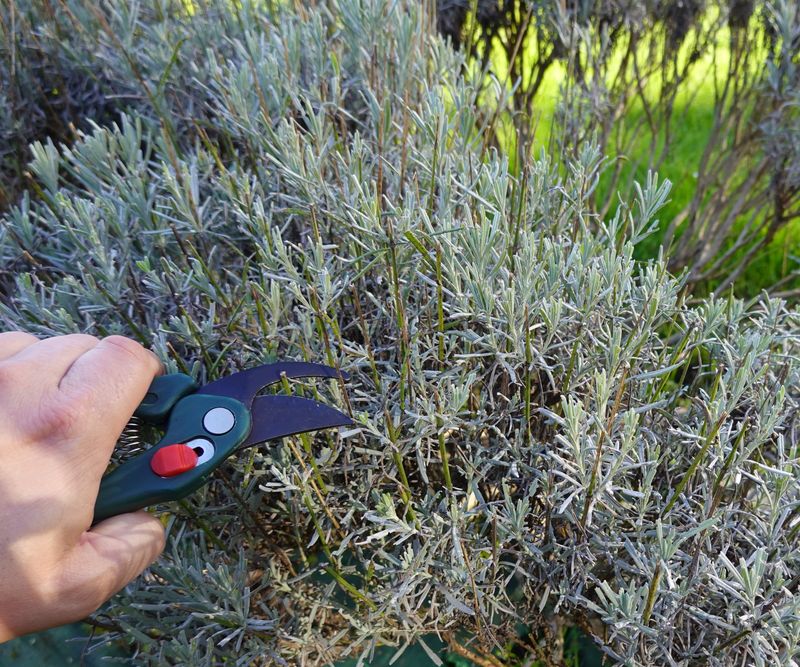
Few plants smell as wonderful as lavender on a warm California afternoon. After its summer show fades, this fragrant favorite is ready for a gentle tidy.
A light shape-up in September helps keep the plant round and full instead of woody and leggy. The trick is to snip only the soft green growth and the spent flower stems.
Never cut deep into the gray, woody base, because that part rarely grows back nicely.
Grab clean shears and remove about one third of the top growth. This keeps the mound looking neat and encourages fresh stems for next year.
Try to trim on a dry, sunny day so the cuts heal quickly.
Bees and butterflies adore lavender, so leaving a few late blooms gives them one last snack before cooler weather arrives. You can dry the trimmed stems and use them in drawers or under a pillow.
Well-drained soil and plenty of sun keep this Mediterranean plant happy. Avoid heavy watering after pruning, since soggy roots cause more trouble than dry ones.
A tidy shape now means a stronger, bushier plant come spring. With just a few careful cuts, your lavender will reward you with more flowers and that lovely calming scent year after year in the garden.
2. Rosemary Can Be Trimmed Without Cutting Into Old Wood
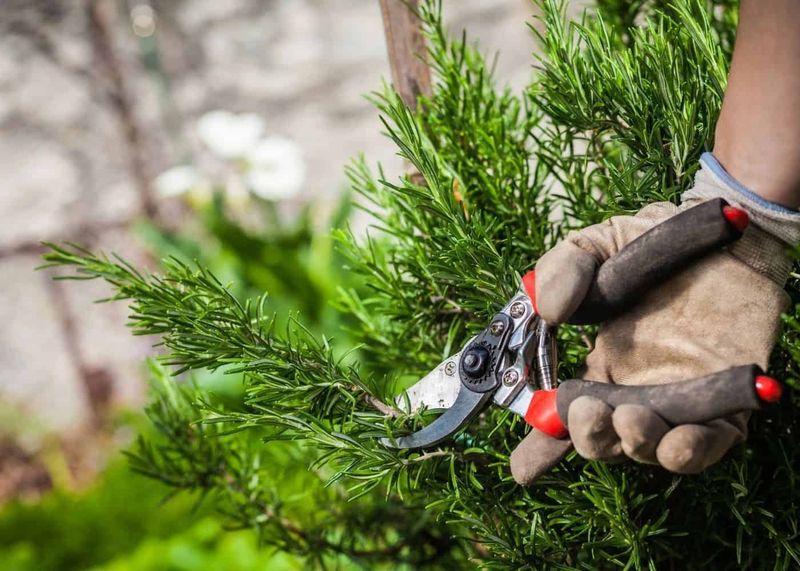
Cooking lovers already know rosemary well, but this herb doubles as a handsome landscape shrub too. September is a fine time to shape it up.
The golden rule is simple. Trim the soft, leafy tips but stay away from the thick brown stems near the bottom.
Old wood usually does not sprout new leaves, so cutting there leaves bare, empty patches.
Start by removing any long, floppy branches that stick out of the shape you want. Then lightly clip the outer green growth to keep the plant tidy and dense.
Every snip releases that piney scent that makes rosemary such a joy to work with. Save the trimmings for the kitchen, since fresh sprigs freeze well and last for months.
Your California Garden Changes Every Week. Your Plan Should Too.
Gardening in California changes quickly throughout the season. Every Friday you’ll receive a simple weekly plan showing exactly what to plant, prune, fertilize, harvest, and protect so you never miss the right timing.
This tough herb handles heat, drought, and poor soil like a champ. That resilience means light pruning now will not stress it at all.
Good airflow matters, so thinning out crowded middle branches helps prevent mildew during damp spells. A little space between stems keeps the whole plant healthier.
Regular gentle trims are far better than one big chop. Frequent light haircuts keep rosemary bushy, green, and full of flavor.
Treat it kindly this month, and it will keep giving you seasoning and beauty for many years to come.
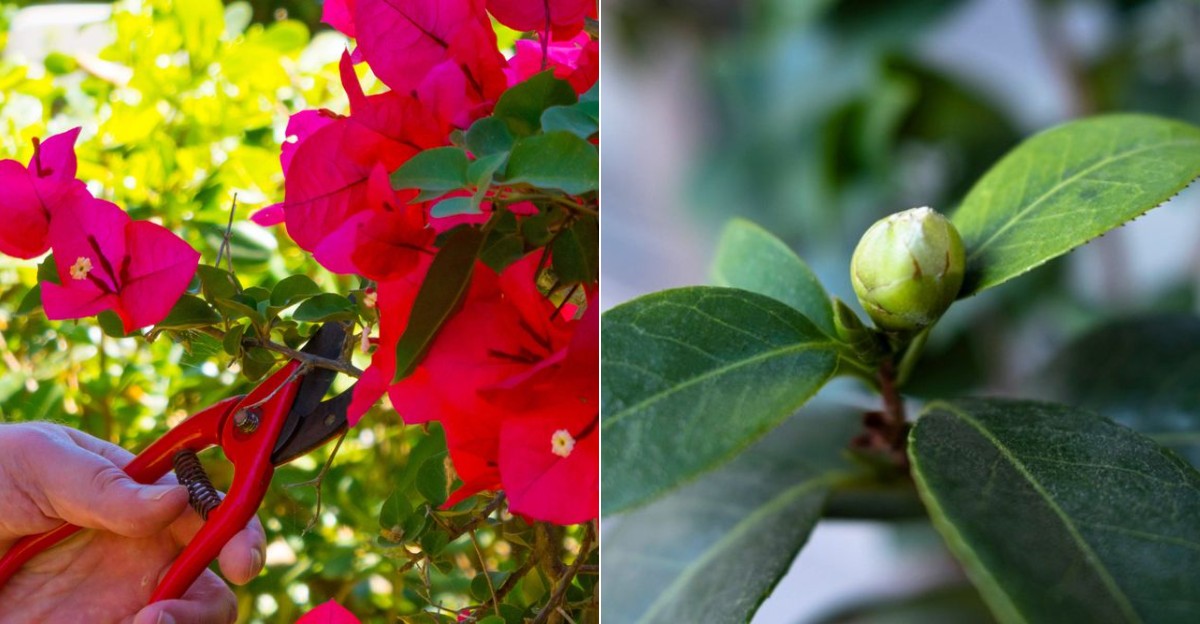
3. Bougainvillea Can Be Tidied After A Growth Flush
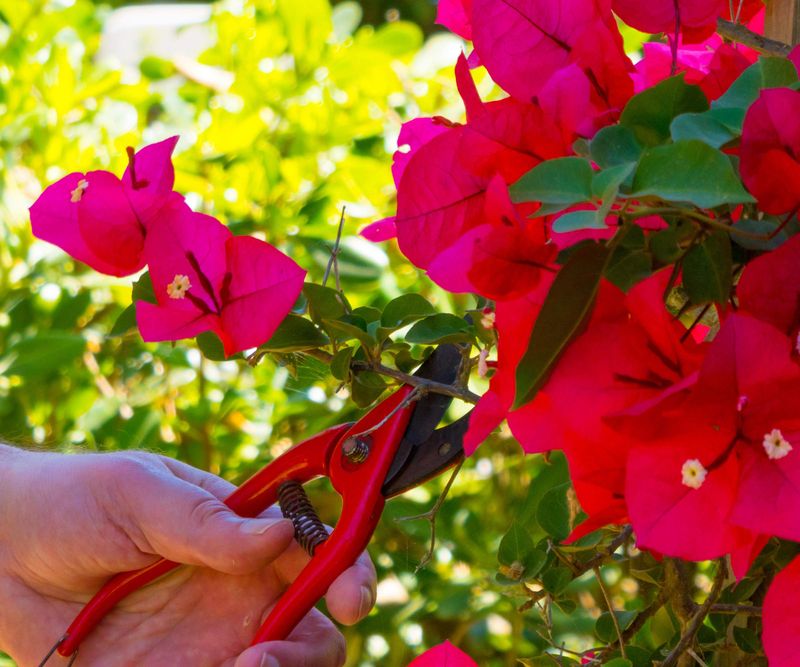
Nothing lights up a wall quite like a bougainvillea in full color. After a big burst of growth this summer, it may look a little wild and tangled.
A tidy-up in September keeps this climbing shrub under control without ruining its show. Wait until a flush of blooms has faded, then remove the longest, most unruly canes.
Wear thick gloves before you begin, because those thorns are no joke. Snip just above a leaf node to encourage branching, which leads to more of those papery, colorful bracts.
Cutting back the extra length also helps the plant put energy into fresh flowers instead of long, bare vines. Aim to shape it rather than shear it flat.
This heat-loving climber blooms best when it stays a bit stressed and dry, so avoid overwatering after you prune. Too much kindness with the hose actually gives you more leaves and fewer flowers.
If it grows on a fence or trellis, tuck loose stems back into place as you work. A little training now saves a big mess later.
Light, thoughtful trimming keeps this dazzling plant tidy and blooming into the warmer fall days. With a bit of care, your bougainvillea will stay a stunning splash of color all season long.
4. Oleander Can Handle Light Cleanup In Warm Areas
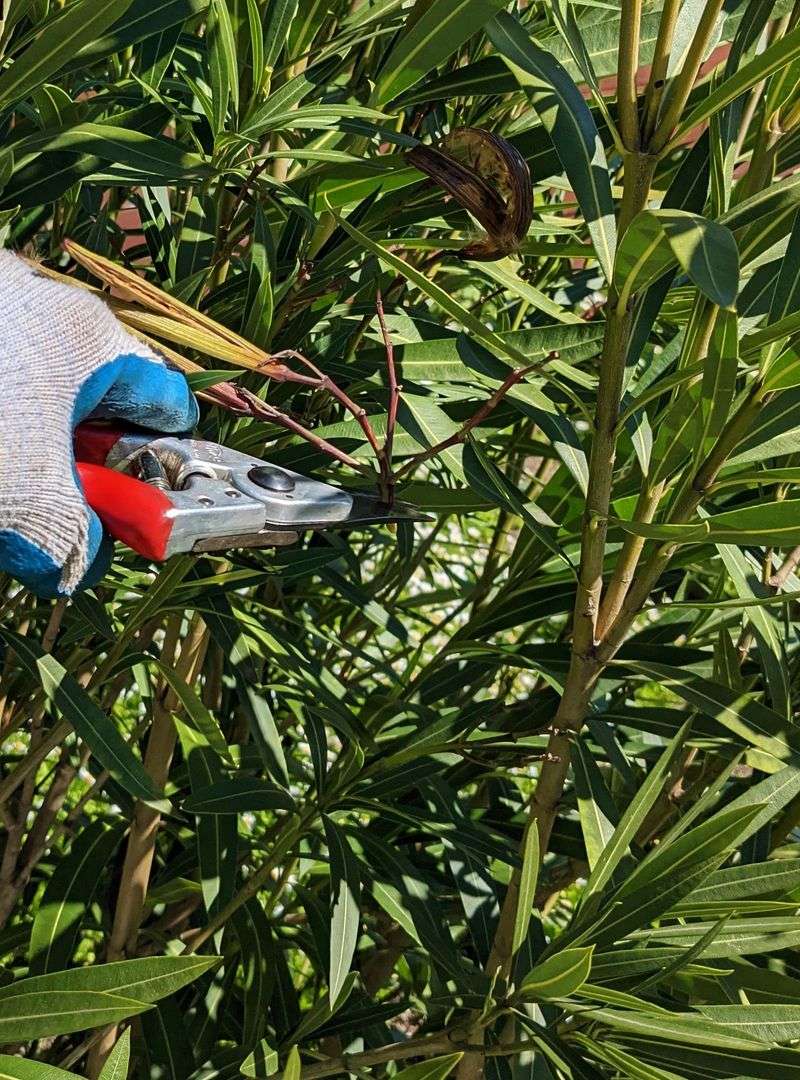
Tough as nails and covered in blooms, oleander is a workhorse in hot, dry California landscapes. It puts up with heat and neglect without complaint.
In warmer zones, a light cleanup in September keeps this big shrub looking neat. Focus on snipping off spent flower clusters and any scraggly stems.
Always wear gloves and wash your hands afterward, since every part of this plant is toxic if eaten. Keep the clippings away from pets and small kids, and never burn them.
Avoid a heavy chop right now, because a hard cut this late can leave the plant open to cold damage. Save the big shaping jobs for spring instead.
Removing a few crowded branches from the center improves airflow and lets sunlight reach the inner leaves. Better airflow also helps keep pests and disease away.
This resilient shrub bounces back fast, so you do not need to fuss over it. A quick pass with clean shears is usually all it takes.
Because it grows so vigorously, oleander can hide a lot of withered wood inside. Reaching in to clear that out keeps the whole plant fresher and stronger.
Light grooming now sets the stage for a full, healthy bloom next year. Just handle it with respect, and it will keep pulling its weight in your yard.
5. Crape Myrtle Suckers Can Be Removed At The Base
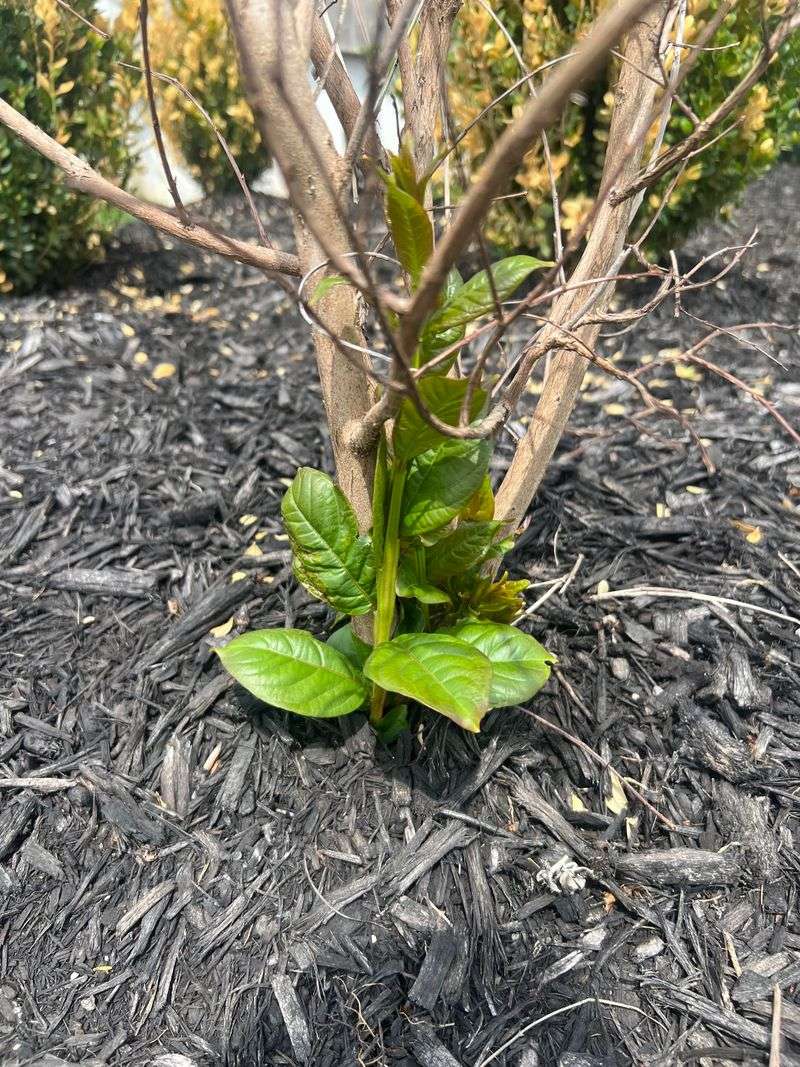
Famous for their long summer show, crape myrtles keep blooming while many other plants rest. Right now, though, they often sprout pesky little shoots.
Those thin sprouts at the base are called suckers, and they steal energy from the main plant. September is a great time to clip them off cleanly.
Use sharp hand pruners and cut each sucker right where it meets the trunk or root. Removing them keeps the plant looking like a tidy tree instead of a bushy tangle.
Beyond suckers, you can also snip off any faded seed pods to keep things neat. Save the heavy branch pruning for late winter, when the plant is fully dormant.
Please skip the harsh chopping some California folks do to the tops of these trees. That rough style, sometimes called topping, leaves ugly knobs and weak new growth.
These trees love full sun and handle heat and drought with ease once established. That toughness makes them a low-fuss choice for busy gardeners.
Clearing the base also lets you spread a fresh layer of mulch around the trunk. Mulch holds moisture and keeps weeds down through the warm months.
Simple sucker removal now keeps your crape myrtle strong, graceful, and ready to burst into color again next summer without any wasted energy.
6. Hydrangeas Are Better Left Alone This Late
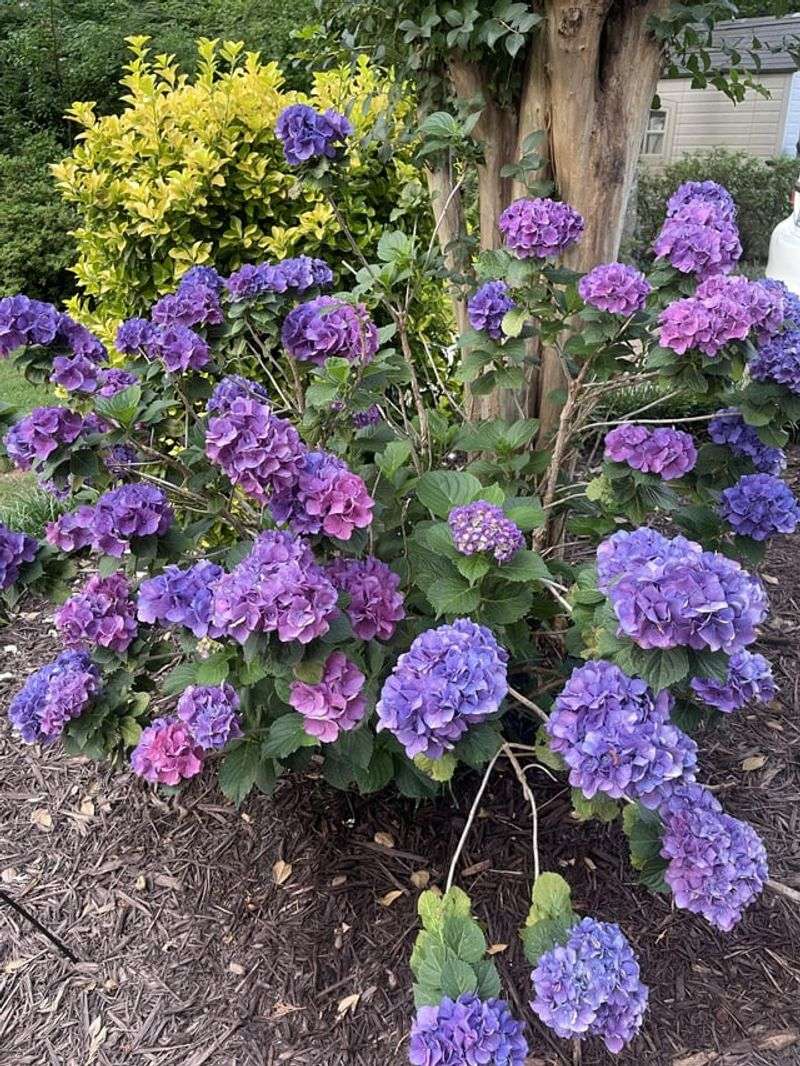
With their giant, cloud-like flower heads, hydrangeas are a summer showstopper. By September, though, the shears should stay in the shed.
Many hydrangeas form next year’s flower buds on old stems during late summer and fall. Cutting now would snip off those hidden buds and rob you of spring color.
Instead of pruning, just leave the fading blooms right where they are. Dried flower heads actually look pretty and even give a little winter protection to the buds below.
If a stem is clearly withered and brittle, you can gently remove that one. Otherwise, resist the urge to shape or shorten the plant.
These shade lovers prefer rich, moist soil and a spot out of harsh afternoon sun. Keeping them well watered matters far more than pruning right now.
A layer of mulch around the roots helps hold moisture as the weather stays warm. It also feeds the soil slowly over time.
Save your pruning energy for after the plant blooms next season, when the timing is safe. Getting the schedule right is the whole secret to big, healthy flowers.
Patience truly pays off with these beauties. Leave them be this month, and you will be rewarded with a fresh flush of those famous puffy blooms come spring.
7. Camellias May Already Be Setting Flower Buds
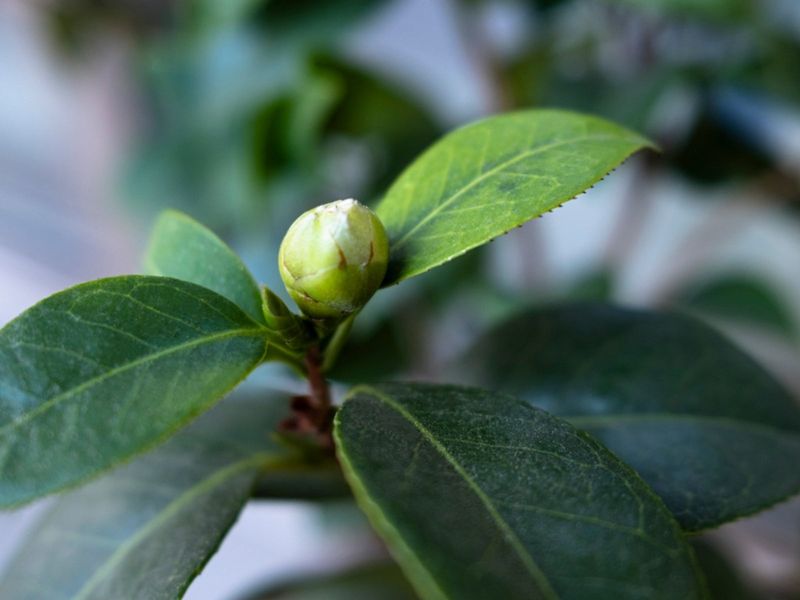
Elegant and old-fashioned, camellias bring color when few other shrubs dare to bloom. By September, they are hard at work behind the scenes.
Tiny flower buds are already forming along the branches, getting ready for a fall or winter display. Pruning now would clip away those precious buds before they ever open.
Take a close look at your plant and you will likely spot small, rounded buds tucked near the leaves. Those little bumps are the promise of blooms to come.
Rather than cutting, spend your time keeping the plant comfortable. These shrubs enjoy dappled shade, slightly acidic soil, and steady moisture during dry spells.
If you notice a broken or crossing branch, you can remove just that single problem stem. Anything more can cost you a whole season of flowers.
Save your real pruning for right after the blooms fade, which is the safe window for shaping. Doing it then gives the plant plenty of time to set new buds.
A layer of mulch around the base keeps roots cool and moist as the warm days linger. Just keep the mulch a little away from the main trunk.
Hold off on the shears now, and your camellia will thank you with a stunning burst of blossoms when the cooler months finally arrive.
8. Azaleas Can Lose Future Blooms To Late Pruning
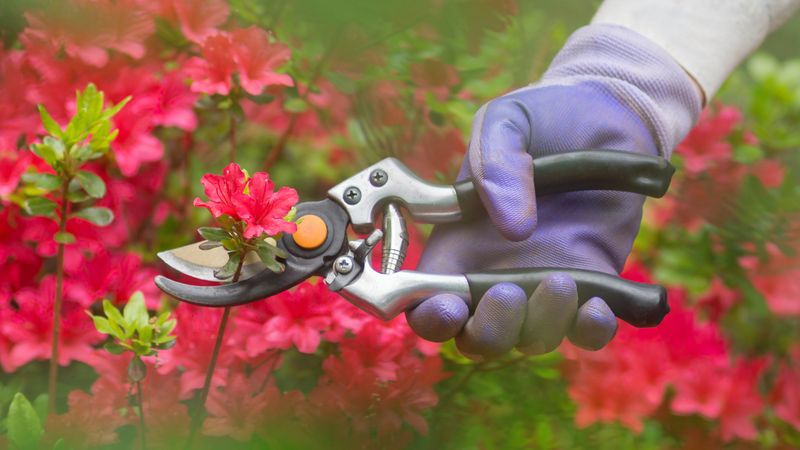
Spring would not feel complete without the fiery colors of blooming azaleas. Yet a September haircut can quietly ruin that whole show.
Like their camellia cousins, azaleas set their flower buds during summer and early fall. Snipping the branches now removes the very buds that would open next spring.
The safest time to trim these shrubs is right after they finish flowering. Pruning in that window lets fresh growth mature and form new buds in plenty of time.
For now, simply enjoy the greenery and skip the shears altogether. If a stray branch bugs you, remove only that one instead of shaping the whole plant.
These woodland shrubs prefer acidic soil, gentle shade, and consistent moisture. Keeping the roots evenly watered matters far more than any trimming this month.
A thin layer of mulch helps lock in that moisture during warm September days. Pine needles work especially well because they add a little acidity too.
Watch for yellowing leaves, which often signal soil that is too alkaline. A soil test can help you fix the balance before spring.
Leaving azaleas alone right now is one of the kindest things you can do. Trust the process, hold the pruners, and you will be rewarded with a jaw-dropping wall of color.
9. Gardenias Should Not Get A Hard September Cut
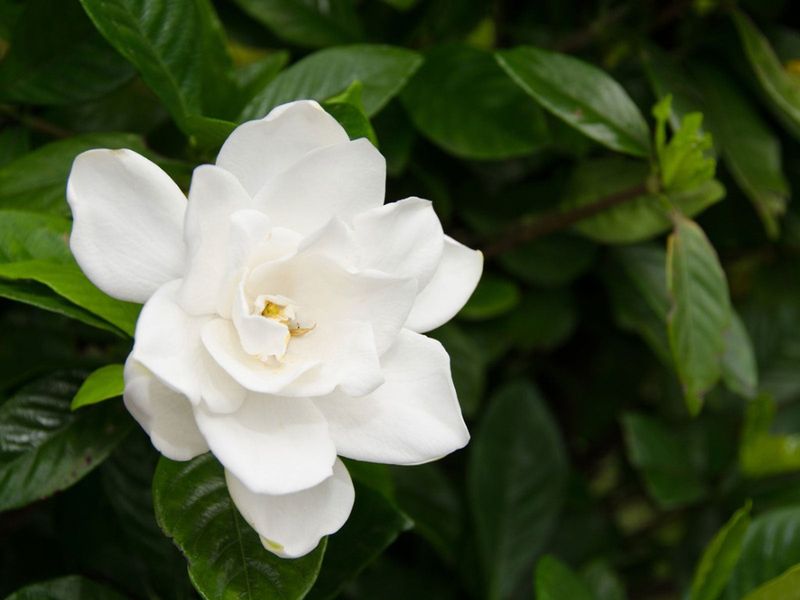
That sweet, creamy perfume drifting through the yard usually means a gardenia is nearby. These fussy beauties need extra care this time of year.
Buds for next season are already forming, so a hard cut in September would sacrifice those future blooms. A heavy trim now also stresses the plant right before cooler weather.
The best you can do is snip off spent flowers and any obviously damaged twigs. Save the real shaping for right after the plant finishes blooming.
Gardenias are picky about their surroundings, so give them warmth, humidity, and rich acidic soil. Sudden changes tend to make them sulk and drop leaves.
Keep the soil evenly moist but never soggy, since both dryness and flooding cause stress. A steady watering routine keeps buds developing smoothly.
Yellow leaves often mean the plant needs iron or more acidic soil. A gentle fertilizer made for acid-loving plants can help green things up.
Watch out for pests like aphids and whiteflies, which love these tender leaves. A quick blast of water or mild soap spray usually keeps them in check.
Hold off on any big cuts and focus on comfort instead. Treat your gardenia gently through September, and it will reward you with those unforgettable, fragrant white blossoms.