Why A Green Hedge Can Still Be A Fire Risk In California
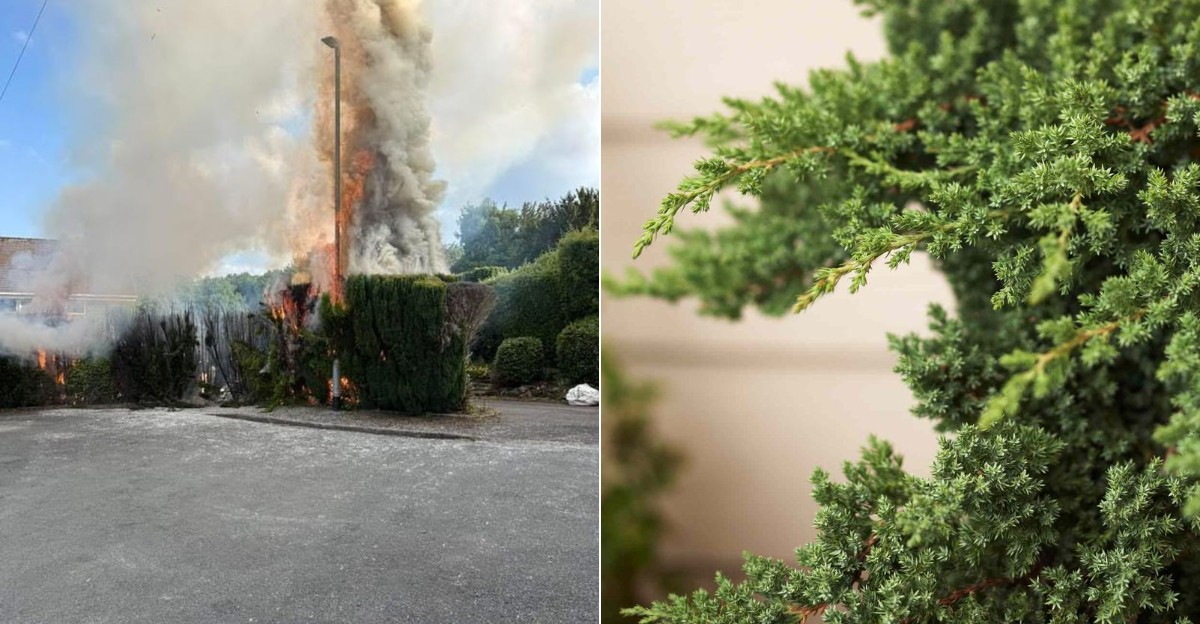
A lush green hedge can give a California yard a polished, cared-for look. It creates privacy, softens fences, and makes a property feel more established.
That is exactly why it can be surprising to learn that appearance alone does not tell the whole story.
During wildfire season, the plants around your home are judged by more than color. Factors like where vegetation sits, how it grows, and what is happening inside that dense wall of leaves can change how it behaves under stressful conditions.
The tricky part is that a hedge may look healthy while still deserving a closer inspection. Thick growth, hidden dry material, and crowded planting areas can be easy to overlook when everything appears green and vibrant.
That does not mean every hedge is automatically a problem. It means the details matter, especially when plants are close to structures and other important areas around your property.
Taking a second look at your landscape can reveal things you might never notice during everyday yard care. A green hedge can be beautiful, but there is more to fire safety than what you see at first glance.
1. Hidden Withered Material Inside The Hedge
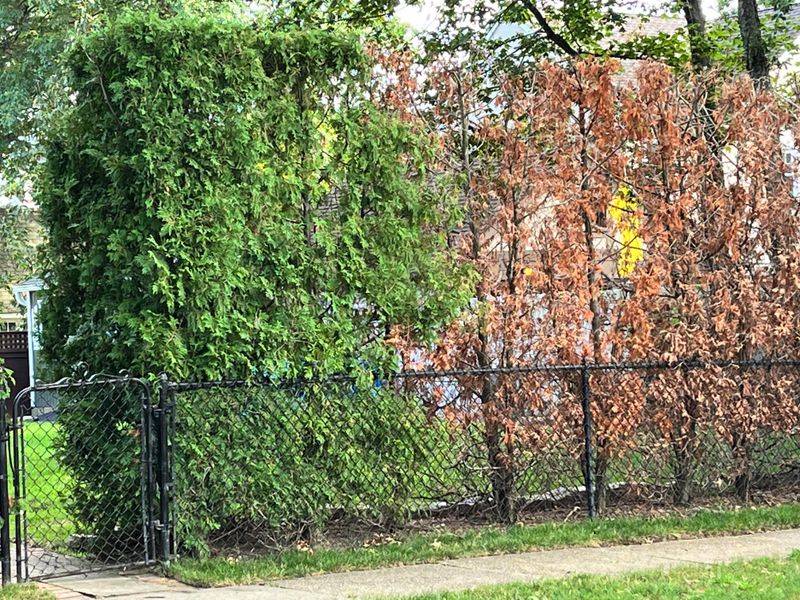
That solid green surface fools almost everyone. Behind the fresh outer leaves, hedges often hide a tangle of withered twigs, brown leaves, and dry bark.
Air and sunlight rarely reach the center of a thick shrub. Without light, inner branches fade and dry out over time.
This buildup becomes fuel that ignites in seconds.
Embers from a wildfire can drift far and slip past the green outside. Once they reach that dry interior, they find perfect kindling waiting for them.
A hedge that looks fine can smolder from the inside.
You can lower this danger with regular checks. Reach into your hedge and feel for crunchy, brittle material a few times each year.
Pull out anything brown and lifeless.
Raking around the base matters too, since fallen leaves pile up and dry there. Keep that ground layer clean and thin.
Trimming the plant to allow airflow helps the middle stay greener.
Think of it like cleaning a closet you never open. Stuff collects out of sight until it becomes a problem.
A little attention keeps surprises away.
Healthy roots and fresh growth do not guarantee safety when hidden fuel sits inside. Clearing withered debris is one of the easiest steps you can take, and it costs nothing but a bit of your weekend time.
2. Natural Oils That Make Plants Burn Hot
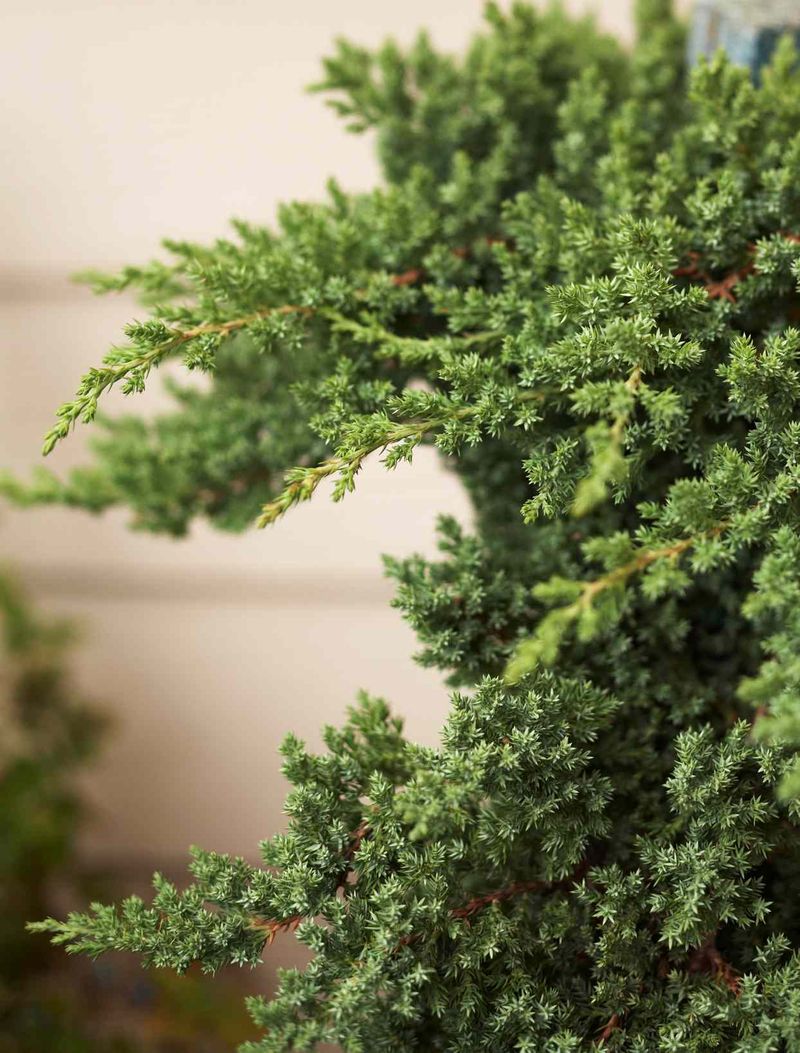
Some plants carry a secret ingredient that makes them dangerous near a home. Eucalyptus, juniper, and rosemary hold natural oils inside their leaves and stems.
Those oils smell wonderful and keep the plant healthy. Unfortunately, they also burn quickly and release intense heat.
A hedge full of oily leaves acts almost like a candle.
Green color does not cool down these oils one bit. Even a well-watered juniper can flare up when flames or embers touch it.
The moisture on the outside cannot stop the fuel packed inside.
Your California Garden Changes Every Week. Your Plan Should Too.
Gardening in California changes quickly throughout the season. Every Friday you’ll receive a simple weekly plan showing exactly what to plant, prune, fertilize, harvest, and protect so you never miss the right timing.
Homeowners often plant these shrubs because they grow fast and stay green year-round. That same toughness hides how easily they ignite.
Popularity does not equal safety.
If oily plants sit close to your walls, consider swapping some for lower-risk choices. Species that hold more water and fewer resins make safer borders.
Ask a local nursery about fire-smart options.
Should you keep them, give them plenty of space from the house and from other plants. Distance slows fire from jumping.
Regular trimming reduces the volume of oily fuel too.
A fun bit of history, eucalyptus was brought to the state long ago for timber and windbreaks. It thrived, but firefighters now know it as one of the fastest-burning trees around.
3. Hedges Planted Too Close To The House
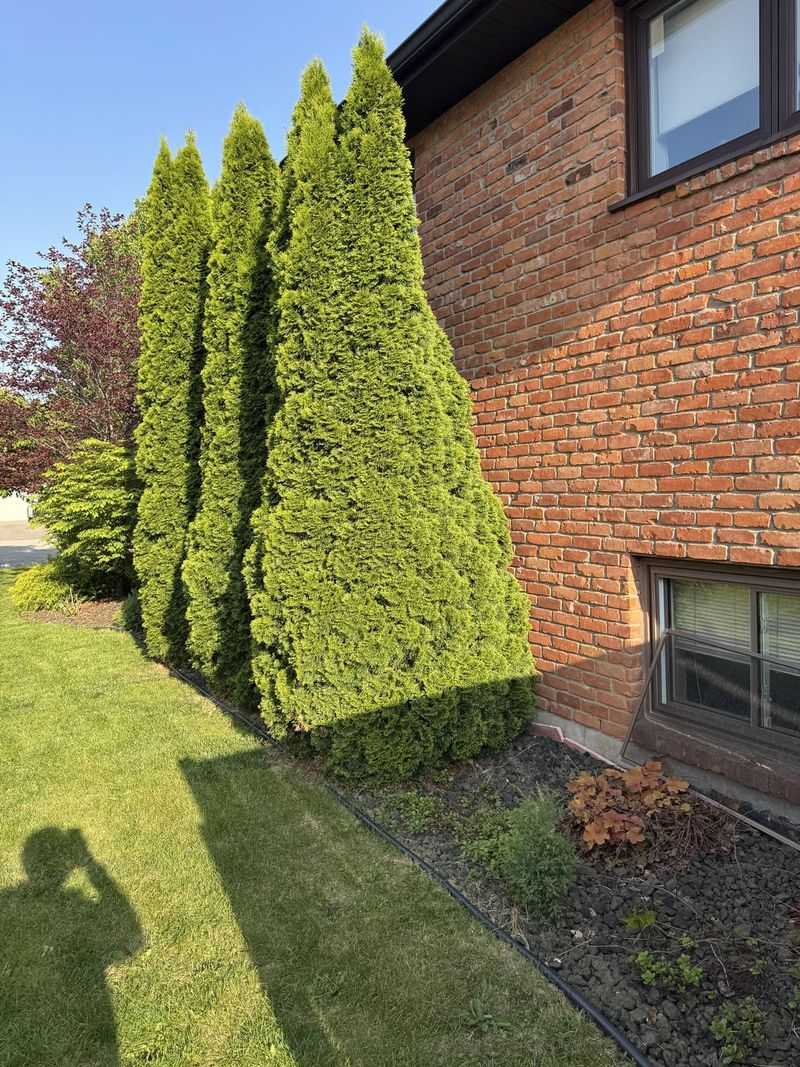
Placement matters just as much as the plant itself. A hedge pressed against your siding gives flames a direct path to the building.
Fire spreads by touching things and by throwing heat ahead of itself. When a shrub burns right beside a wall, that heat cracks windows and scorches paint.
Sometimes it ignites the structure directly.
Experts talk about a zone within five feet of your home. That closest ring should stay as clear of burnable plants as possible.
Gravel, stone, or bare soil work better there.
Many older California yards were designed before people understood defensible space. Foundation hedges were simply the style.
Times and knowledge have changed.
You do not need to remove every plant hugging your house. Moving them back a few feet creates a meaningful gap.
Even small distances slow the spread.
Watch out for hedges under windows and next to wooden decks. Those spots let fire reach vulnerable openings fast.
Replace them with low, spaced greenery or hardscape.
Vines climbing walls deserve a mention too, since they act like ladders for flames. Keep them trimmed away from the roofline.
Picture the space closest to your home as a safety buffer, not a garden bed. Rethinking that area is one of the strongest moves you can make against wildfire.
4. Overgrown Hedges Create A Fire Ladder
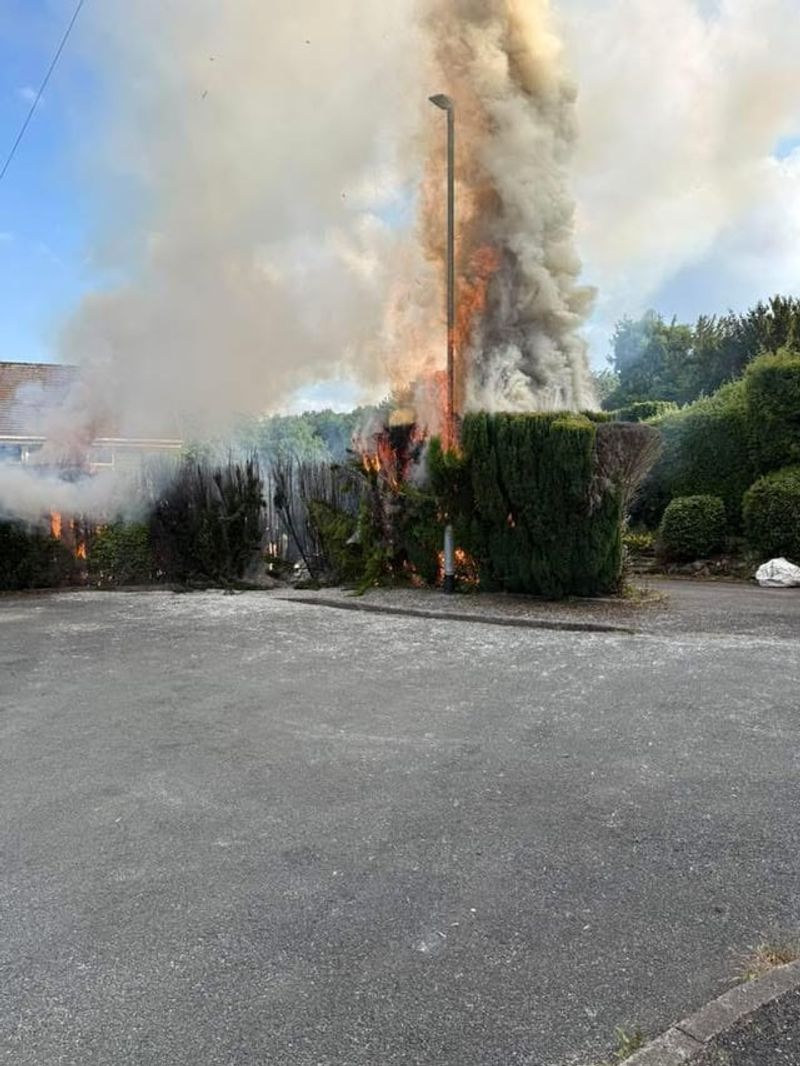
Height and thickness turn an ordinary hedge into a climbing route for flames. When a shrub grows tall and connects with tree branches above, fire has a ladder.
Ground fire climbs low plants, jumps to the tall hedge, then leaps into the treetops. From there it spreads far and fast.
Firefighters in California call this a fuel ladder.
Overgrown greenery also holds more total material to burn. More leaves and branches mean a bigger, hotter blaze.
Size alone raises the stakes.
Regular trimming keeps a hedge in check and breaks the ladder effect. Aim for gaps between the top of the shrub and any low branches overhead.
Space stops the climb.
Pruning the sides helps too, keeping the plant from merging with neighbors. Each break in the greenery slows fire down.
Think of it as building little firebreaks with your shears.
Neglected yards are especially risky because plants grow together into one huge mass. That connected fuel invites trouble.
A weekend of cutting can undo years of overgrowth.
Keep grass short beneath and around your hedges as well. Tall dry grass feeds the first flames that reach the shrub.
Staying on top of growth is not just about looks. A tidy, well-spaced hedge is a far safer hedge, and it keeps the whole yard easier to manage.
5. Drought Stress Dries Out Green Leaves
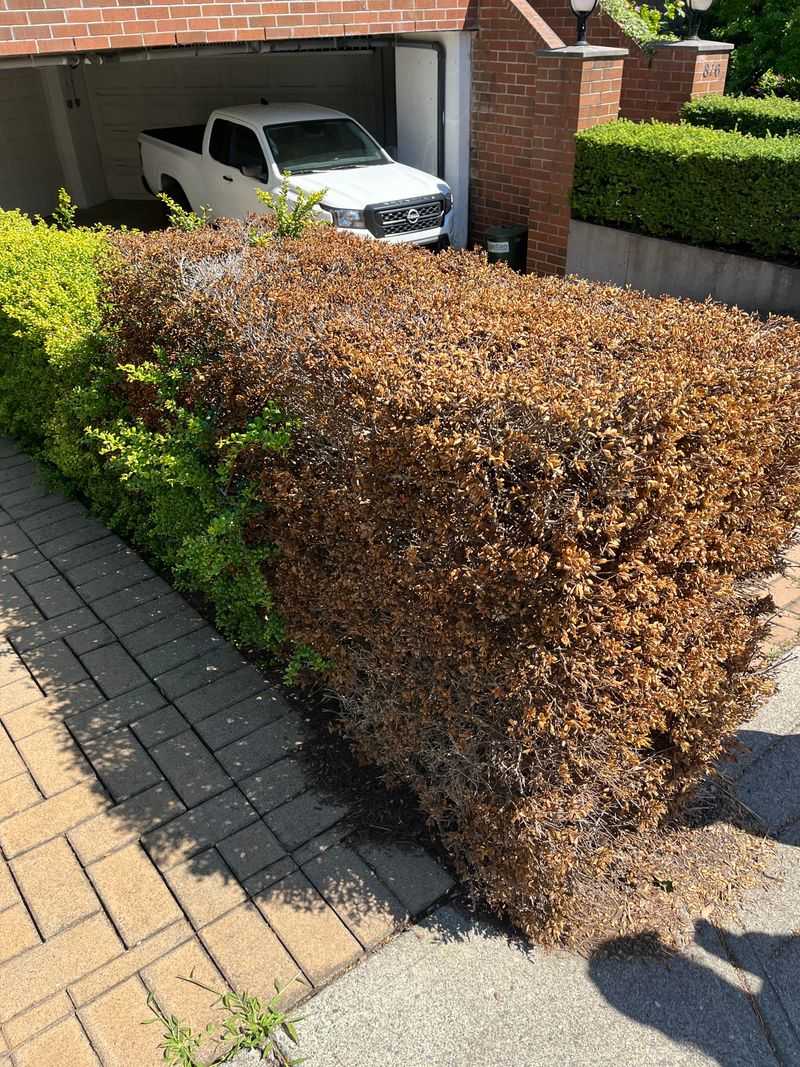
A plant can look green while quietly drying out inside. During long dry spells, hedges pull moisture from their leaves just to survive.
The color may stay for weeks even as water content drops. Low moisture makes leaves ignite far more easily.
Green is not the same as wet.
Long, hot California summers put constant stress on yards across the region. Plants that skip watering slowly turn into standing fuel.
You often cannot see it until it is too late.
Consistent, deep watering keeps hedges truly hydrated and harder to burn. Water at the roots in the early morning to reduce waste.
Healthy hydration lowers fire risk.
Mulch around the base helps soil hold moisture longer. Choose mulch that does not burn easily, like gravel or compost, near the house.
Avoid piling on bark chips right against walls.
Feel your leaves during heat waves. If they snap instead of bend, the plant is thirsty and risky.
Give it a good soak.
Drought also weakens plants, letting withered patches spread. Those patches add hidden fuel we already talked about.
Everything connects.
Paying attention during dry months protects both your plants and your home. A hydrated hedge resists flames better and recovers faster.
Watering wisely is a simple habit with big safety rewards for any yard.
6. Embers Catch In Dense Foliage
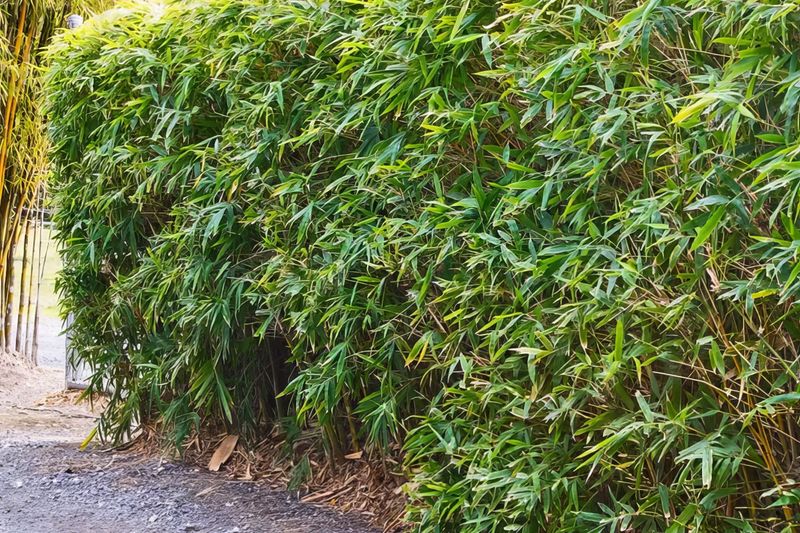
Most California homes that burn in wildfires do not meet a wall of flame. They fall to embers, tiny burning pieces carried by wind for miles.
A dense hedge acts like a net that catches these floating sparks. Once an ember settles into thick leaves, it can smolder and then flare.
The trap works against you.
Thick foliage also shields embers from wind that might blow them harmlessly away. Instead they nestle in and heat up.
A quiet start leads to a fast fire.
Thinning your hedge reduces the surface that grabs embers. Open, airy plants give sparks fewer places to land and stay.
Space is your friend.
Keep the ground beneath clear of dry leaves and pine needles. Embers landing there find easy tinder.
A clean base breaks that chain.
Screens on nearby vents and gutters matter too, since embers seek any crack. Combine plant care with home hardening for the best results.
During fire warnings, wet down your hedges if water restrictions allow. Damp leaves resist catching sparks a little longer.
Every minute counts.
Remember that danger can arrive long before you ever see flames on the horizon. Embers travel ahead of the fire itself.
Preparing your greenery for that ember shower is one of the smartest defenses you can build.
7. Poor Spacing Lets Fire Jump Between Plants
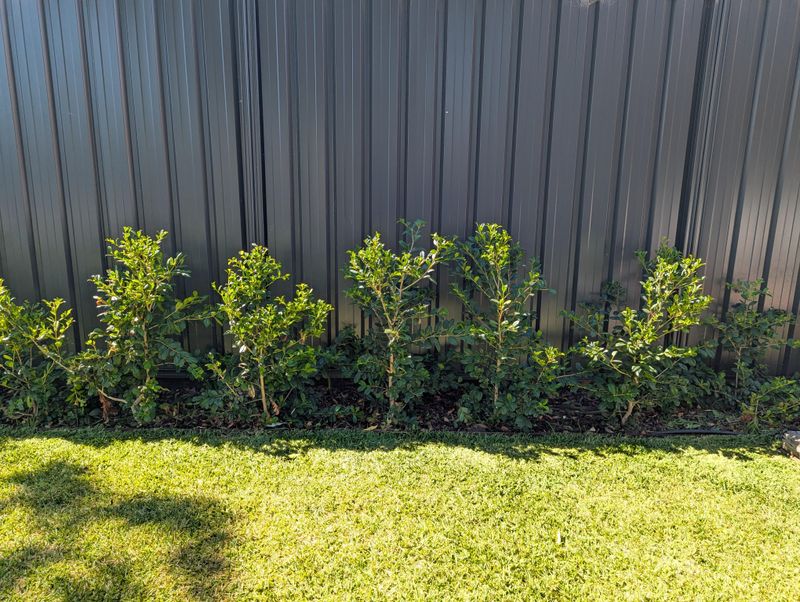
One shrub alone poses less danger than a chain of them touching. When plants crowd together, fire simply hops from one to the next.
Continuous greenery gives flames an unbroken road across your yard. Break that road, and you slow the whole fire.
Gaps do heavy lifting.
Landscapers call these breaks defensible spacing. The idea is to keep clusters of plants separated so flames must jump empty ground.
Many fires stall at those gaps.
Grouping plants in small islands works better than long solid rows. Put stone paths, lawn, or gravel between the groups.
Design becomes defense.
Spacing matters more on slopes, where fire climbs faster than on flat land. Give hillside plants extra room.
Steep yards need bigger gaps.
Even attractive yards can follow these rules and still look lovely. You trade a solid wall of green for tidy, separated clusters.
The result feels intentional and neat.
Check how your hedges meet fences, sheds, and woodpiles too. Those connections carry fire toward buildings.
Keep flammable objects away from your greenery.
Think of your yard as a series of stepping stones for fire, and then remove some of those stones. Breaking up the plant material is a proven way to protect your home while keeping your outdoor space green and welcoming.