Is Your Florida Yard Quietly Inviting Snakes Closer This September?
September in Florida has a certain hum to it. The air stays thick, the afternoon rain arrives like clockwork, and the grass grows faster than you can mow it.
Meanwhile, something in your yard has been keeping score. It notices the woodpile, the leaky spigot, the shady gap under the shed steps.
You probably did not plan any of it as an invitation. Yet small, ordinary habits can turn a normal Florida lawn into prime real estate for slender visitors.
Most of these welcome mats are easy to roll up. Below are eight yard features worth a second look before the season shifts.
1. Tall Grass And Overgrown Lawn Edges
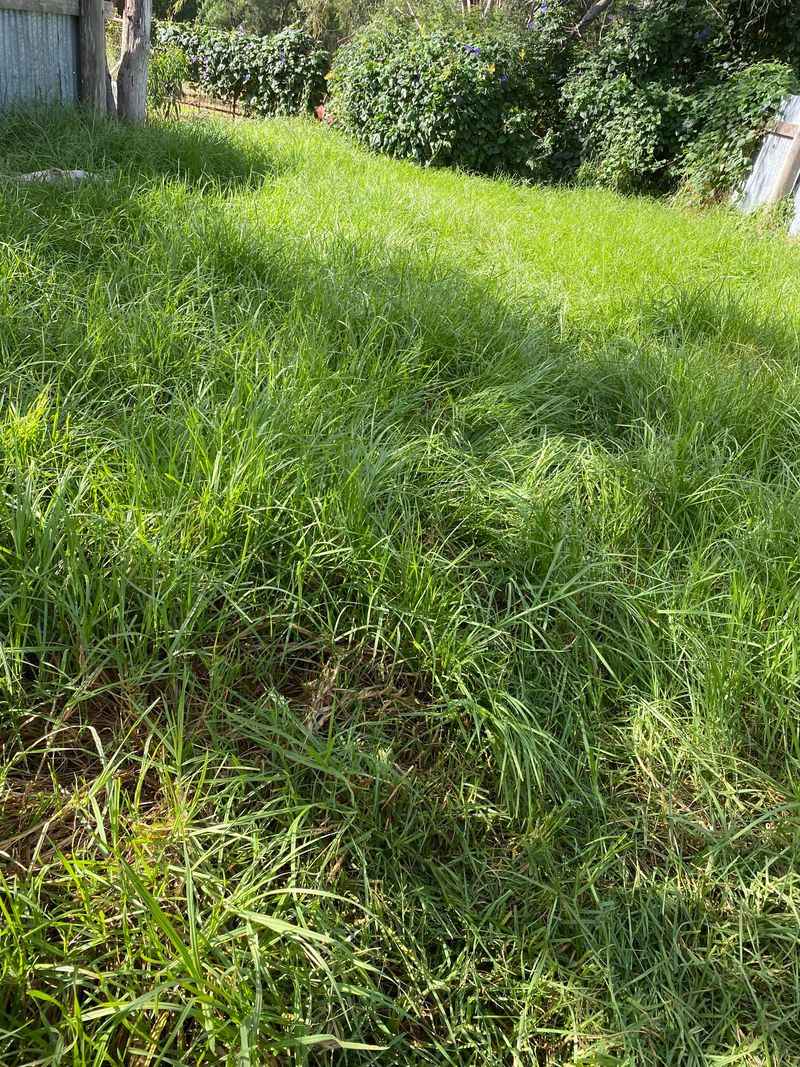
Picture a slender visitor crossing your lawn. Short grass leaves it exposed to hawks and neighborhood cats, while shaggy grass feels like a covered walkway.
September rains push Florida turf into overdrive, and St. Augustine grass can gain inches in a single humid week. Skip two mowings and those fence lines turn into shady tunnels.
Edges matter more than the middle. The strip along a privacy fence, the ring around a mailbox post, and the patch behind the AC unit are usually the last spots anyone trims.
Try keeping turf around three to four inches through the rainy stretch. Mow weekly if you can, and run a string trimmer along fences, foundations, and utility boxes so nothing has a hidden corridor.
Watch for thick ground covers too. Sprawling mats of asparagus fern, wedelia, or unclipped liriope hold moisture and hide movement, which is exactly the combination that draws frogs, then draws whatever eats frogs.
Bag your clippings during peak growth instead of leaving damp windrows across the yard. Those clumps stay cool and moist underneath, making tiny shelters scattered through your lawn.
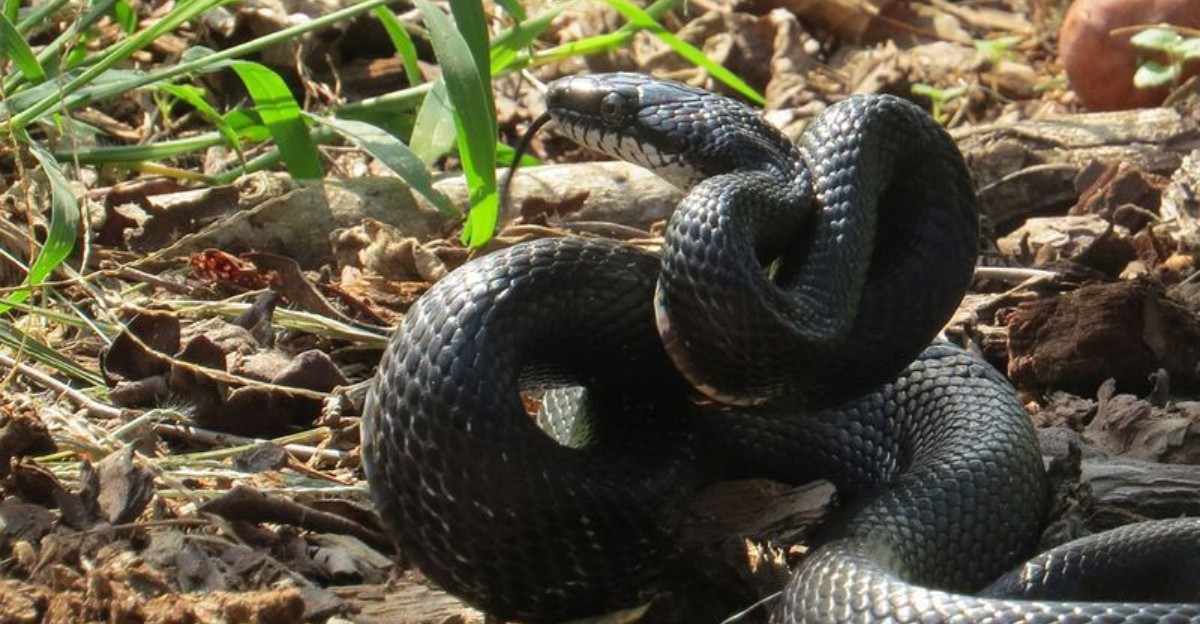
A tidy border also helps you spot things early. When grass is low and even, a shed skin or a resting black racer stands out instead of blending into the green.
Neat edges will not solve everything, but they change how safe your yard feels to a passing reptile. Less cover usually means fewer lingering guests.
2. Woodpiles And Stacked Yard Debris
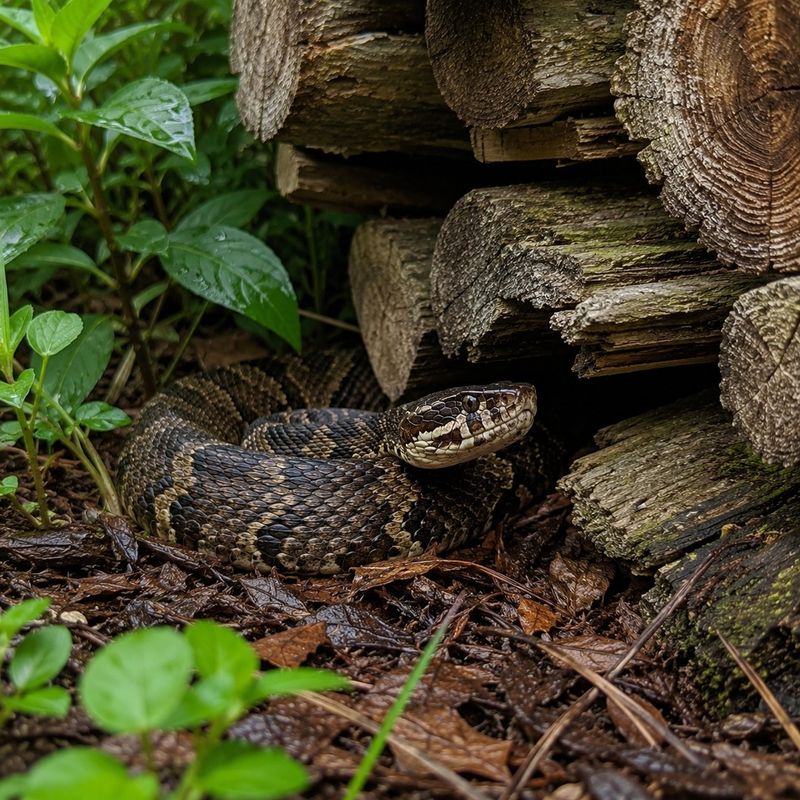
Ask a wildlife trapper where they check first, and the answer is often the woodpile. Gaps between logs offer shade, humidity, and a rodent buffet all in one tidy stack.
Florida homeowners rarely burn firewood in September, so those piles sit undisturbed for months. Undisturbed is the magic word, because reptiles favor spots where nothing thumps around daily.
The same logic covers other heaps. Pile of old fence pickets, bag of leftover mulch, stack of roof tiles from a 2019 project, that heap of palm fronds after a storm – each one works as a hideout.
Raise firewood at least a foot off the ground on a metal rack. Airflow underneath dries things out and removes the cool, damp layer that makes ground-level stacks so appealing.
Set piles away from the house rather than against the wall. Twenty to thirty feet gives you a buffer and keeps rodents from using the stack as a launchpad toward your soffits.
Your Florida Garden Changes Every Week. Your Plan Should Too.
Gardening in Florida changes quickly throughout the season. Every Friday you’ll receive a simple weekly plan showing exactly what to plant, prune, fertilize, harvest, and protect so you never miss the right timing.
Before you reach into any pile, tap it with a rake handle and give it a few seconds. Gloves help, but eyes and patience help more.
Hurricane season adds new debris weekly, so haul brush to the curb quickly instead of letting it season in the corner of the yard. A pile that sits three weeks becomes furnished housing.
Clear stacking habits make your yard boring to reptiles, which is exactly the goal.
3. Bird Feeders And Spilled Seed
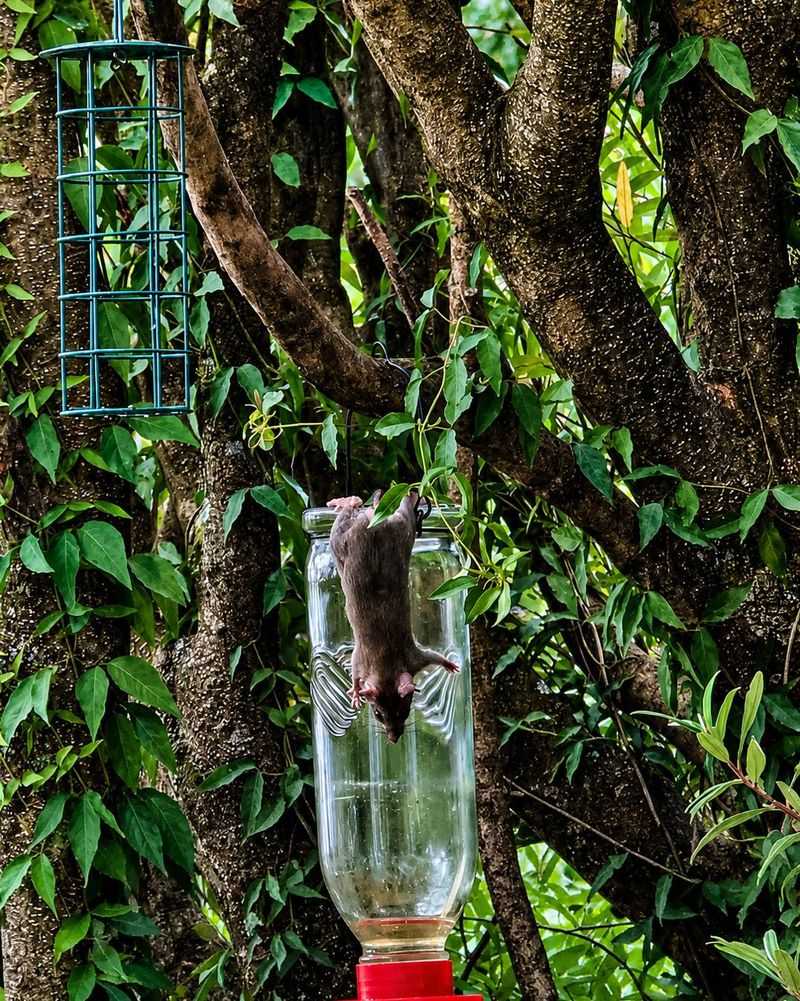
Here is the twist nobody expects: feeding cardinals can end with a snake under your hedge. The seed itself is not the draw, but the mice and rats it attracts certainly are.
Sunflower hulls pile up fast beneath a busy feeder. Rodents work the ground shift at night, and rat snakes follow that scent trail without hesitation.
Florida yards already host cotton rats and roof rats in decent numbers. Add a steady grain supply and the local rodent population climbs, which pulls in larger predators.
You do not have to give up birding. Use a seed catch tray, sweep or rake the ground every few days, and choose hulled seed so less waste hits the dirt.
Store bulk seed in a metal can with a locking lid, not the paper bag it came in. Plastic bins get chewed through faster than most people believe.
Move feeders away from dense shrubs, fence lines, and the porch. Open ground around the pole gives rodents fewer safe routes and makes the whole setup less useful to them.
Chicken coops, outdoor pet dishes, and fallen mangoes or citrus play the same role. Anything edible sitting outside overnight is part of the food chain.
Consider pausing the feeder for a couple of weeks if you notice droppings or gnaw marks nearby. Interrupting the rodent buffet is often the quickest way to quiet things down.
4. Standing Water And Leaky Irrigation
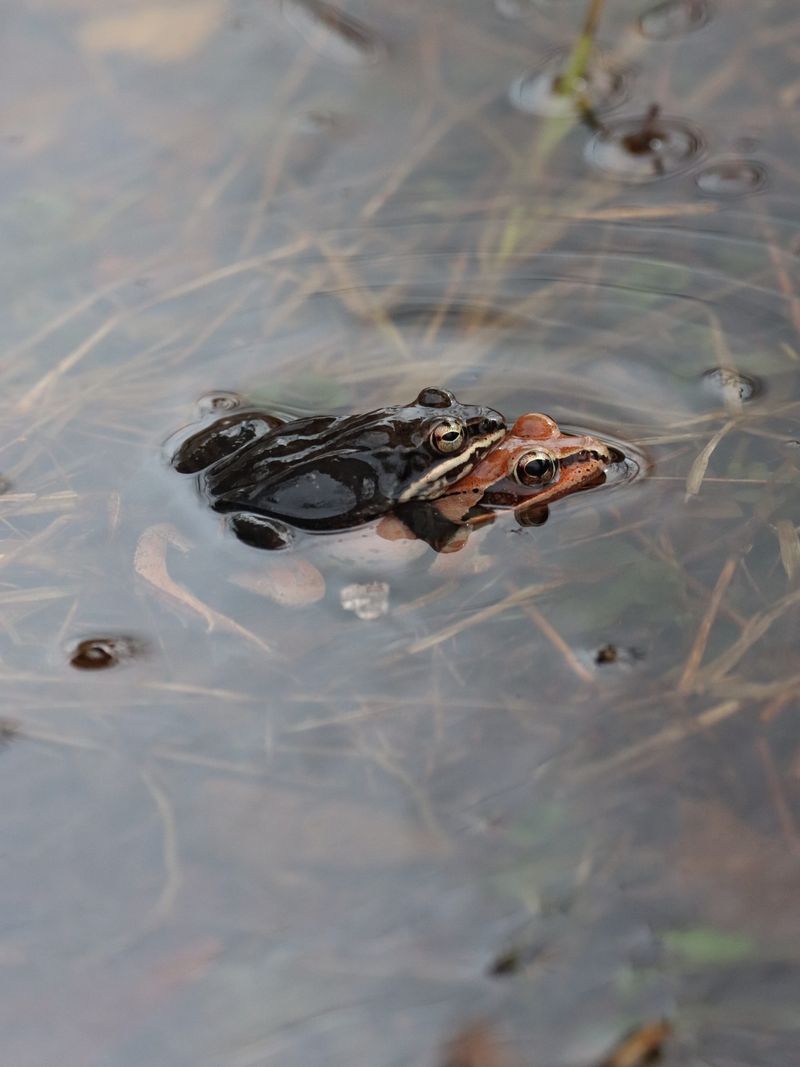
Water is the quiet magnet. September thunderstorms leave puddles in every low spot, and those puddles fill with frogs, toads, and tadpoles within days.
Frogs are a favorite meal for water snakes, ribbon snakes, and cottonmouths. Where amphibians gather, hunters eventually show up.
Check the usual suspects around your property. A dripping hose bib, a broken sprinkler head, a saucer under a potted palm, an old wheelbarrow, and the clogged gutter downspout all hold water longer than you think.
Grade small depressions with a bit of soil so rain drains instead of pooling. Even a two-inch dip stays wet for a week in Florida humidity.
Fix leaks promptly and dial back irrigation during the rainy months. Most lawns here need far less supplemental water in September than in April, and soggy soil invites earthworms, slugs, and the animals that eat them.
Ornamental ponds and pool decks deserve attention as well. Keep vegetation trimmed back from the water’s edge so there is no shaded strip for something to rest in.
Rinse and flip birdbaths regularly rather than letting algae build. Clean, shallow water for birds is fine, but murky standing water becomes a whole ecosystem.
Pet bowls left outside overnight count too. Bring them in, dump the extra, and you remove one more reliable drinking station from the neighborhood map.
Dry ground simply supports fewer visitors.
5. Thick Mulch Beds Against The Foundation
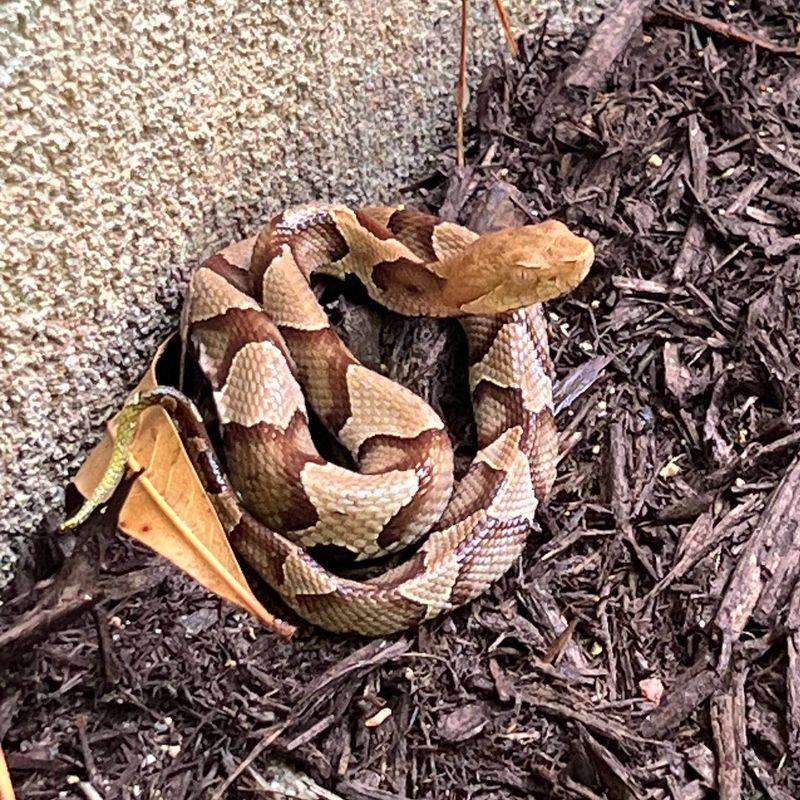
Landscapers love a deep mulch bed, and so does anything looking for a cool place to nap. Six inches of pine bark holds moisture and moderate temperatures beautifully.
Piled right against a stucco wall, that mulch also gives cover for a snake to travel unseen from the shrubs to your garage door. It is a hidden hallway.
Two to three inches is plenty for weed control and root protection. Anything thicker mainly serves as insulation for hidden wildlife and can rot plant crowns anyway.
Pull mulch back several inches from the foundation itself so the wall stays visible and dry. That small gap also helps with termites, which is a bonus most Florida homeowners appreciate.
Chunky pine bark nuggets create bigger air pockets than shredded material. If you have had visitors before, switching to finer mulch or river rock in high-traffic zones reduces the hiding space.
Prune the bottom foot of your shrubs so you can see the ground beneath them. Skirted hedges with dense low branches are the single most popular resting spot in many suburban yards.
Rake beds occasionally instead of letting them compact into a mat. A little disturbance signals human activity and makes the spot less restful.
Keep decorative rock features, landscape timbers, and stepping stones seated snugly so there are no gaps underneath. Wobbly edging often hides a surprising amount of space.
Visibility is your friend near the house.
6. Gaps Under Sheds, Decks, And Porches
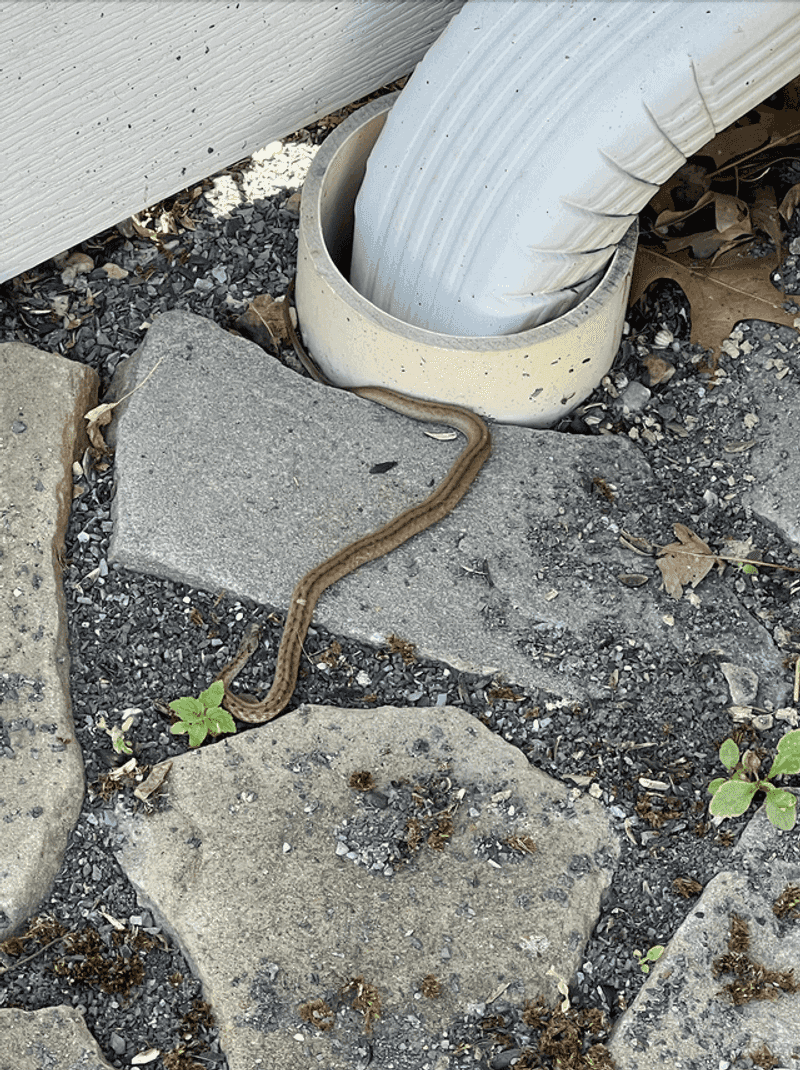
Every backyard has that mysterious dark space. Under the shed, beneath the deck boards, behind the lattice on the front porch, cool air and total privacy await.
Sandy Florida soil erodes easily, so a two-inch gap in spring can become a six-inch tunnel by fall. Rain does the digging for you.
Armadillos and rats widen these openings even faster. Once a burrow exists, other animals move in and use it as a ready-made shelter.
Walk your property with a flashlight and note every opening larger than a quarter. That is roughly the size a young snake needs to slip through.
Seal gaps with quarter-inch galvanized hardware cloth rather than plastic screen or expanding foam. Bury the bottom edge six to eight inches deep and bend it outward in an L shape to discourage digging.
Do the same check on the house. Dryer vents, hose bib penetrations, weep holes, garage door corners, and the space where cable lines enter are all common entry routes.
Replace worn garage door sweeps, since a warped rubber seal leaves a surprisingly wide slot at the corners. Many indoor encounters start there.
Before you close anything permanently, make sure nothing is currently inside. Sealing an occupant in usually creates a bigger problem than the gap did.
A one-way exclusion door or a call to a licensed wildlife professional handles that part safely. Then patch it and enjoy the peace of mind.
7. Clutter, Old Pots, And Forgotten Junk
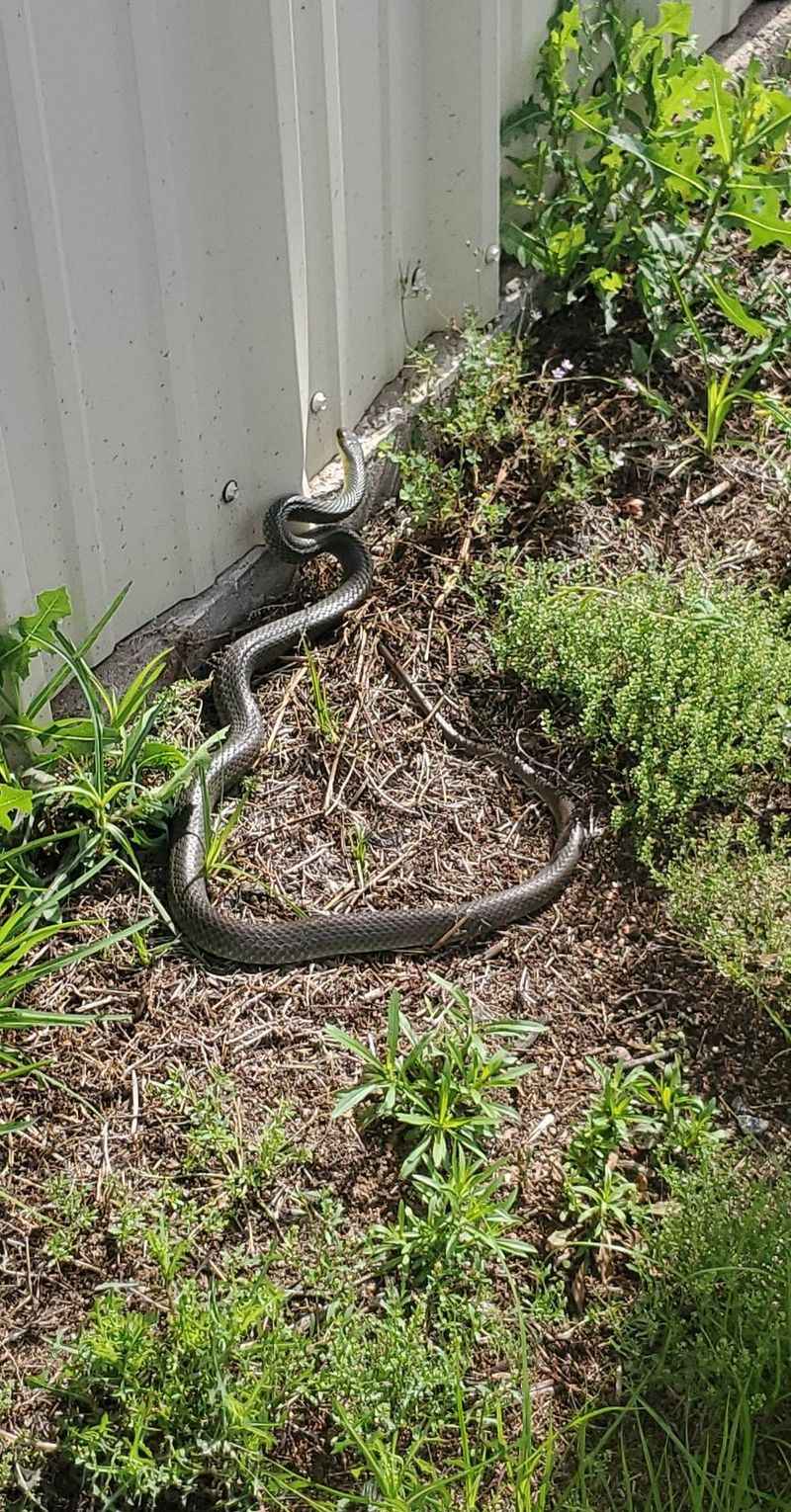
The side yard tells the truth about all of us. Stacked nursery pots, a coiled hose, half a bag of concrete, a kiddie pool nobody used since June.
Each item creates a shaded pocket at ground level. Together they build a maze that a reptile can move through without ever crossing open lawn.
Tarps are especially popular. The dark, humid space under a tarp on soil is close to ideal for cooling off on a 92-degree afternoon.
Start with a single afternoon and a plan. Sort things into keep, donate, and haul away, then store the keepers up on shelves or inside a sealed bin.
Hang hoses on a reel instead of leaving loops in the grass. A coiled hose in the shade fools plenty of homeowners into a startled jump anyway, so hanging it saves your nerves too.
Flip empty pots upside down and nest them tightly. Anything that can hold water or shelter should be stored so it does neither.
Old tires, boat covers, plywood scraps, and unused pet crates belong at the recycling center or in the garage. Left outside, they slowly become part of the habitat.
Keep whatever remains at least a foot off the ground and away from walls. Air and light underneath make a space far less attractive.
A decluttered yard is easier to mow, easier to inspect, and considerably less welcoming.
8. Dense Ground Cover And Untrimmed Palm Skirts
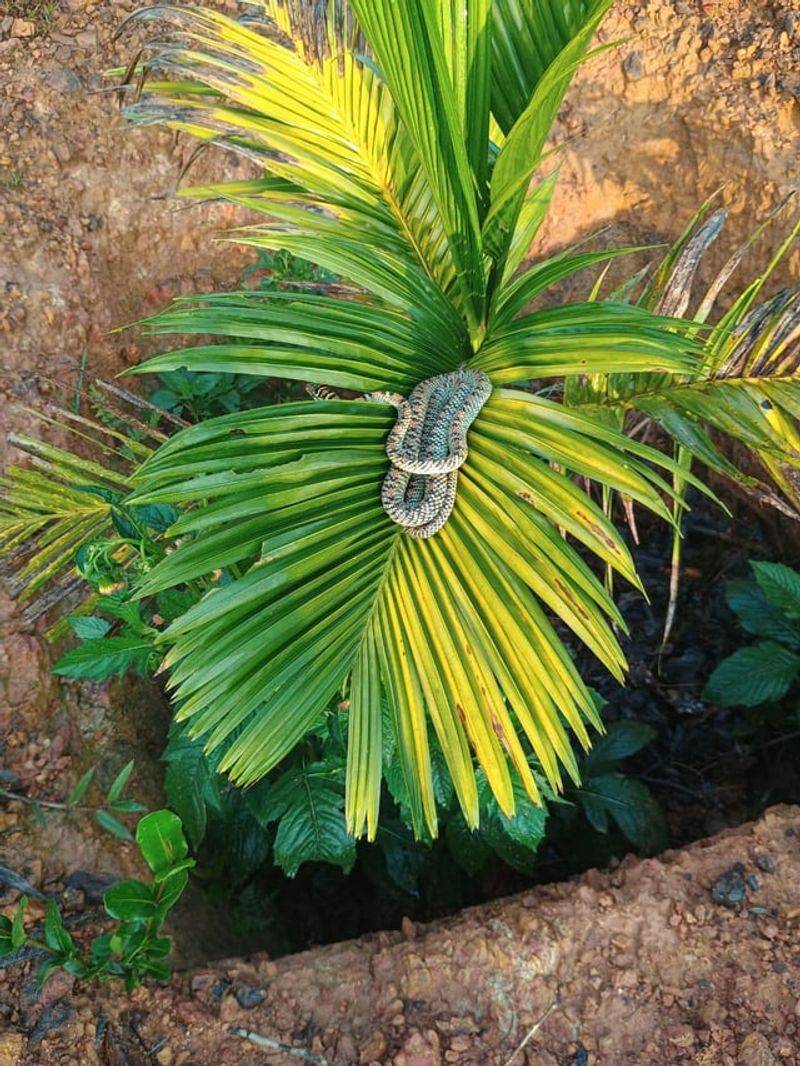
Florida landscaping tends toward lush, and lush means layered cover from soil to canopy. Creeping fig, sword fern, and sprawling philodendron look wonderful and hide everything beneath them.
Add an unpruned sabal palm with a thick skirt of old fronds and you have created a multi-story shelter. Rat snakes climb readily and rest in those frond bases.
Bougainvillea thickets, banana clumps, and dense hibiscus hedges work similarly at ground level. Fallen leaves collect underneath and stay damp for weeks.
The fix is not ripping out your garden. Thin the plantings so light reaches the soil, and leave clear walking paths between beds instead of one continuous jungle.
Trim palm skirts and remove spent fronds and old seed stalks. Doing it before peak storm weather also reduces flying debris, so you get two benefits from one chore.
Rake out leaf litter from under hedges a few times during the rainy season. A thin layer is healthy for soil, while a spongy six-inch mat is habitat.
Keep a visible gap of a foot or two between shrub beds and the walkway or driveway. That open strip is a small psychological buffer for anyone walking out at dusk.
Bring a flashlight for evening trips to the mailbox or trash can. Most encounters in Florida happen when someone steps into cover without looking.
Enjoy your tropical plants, just give yourself sightlines through them.