7 Native Texas Alternatives To Nandina That Birds And Pollinators Actually Love
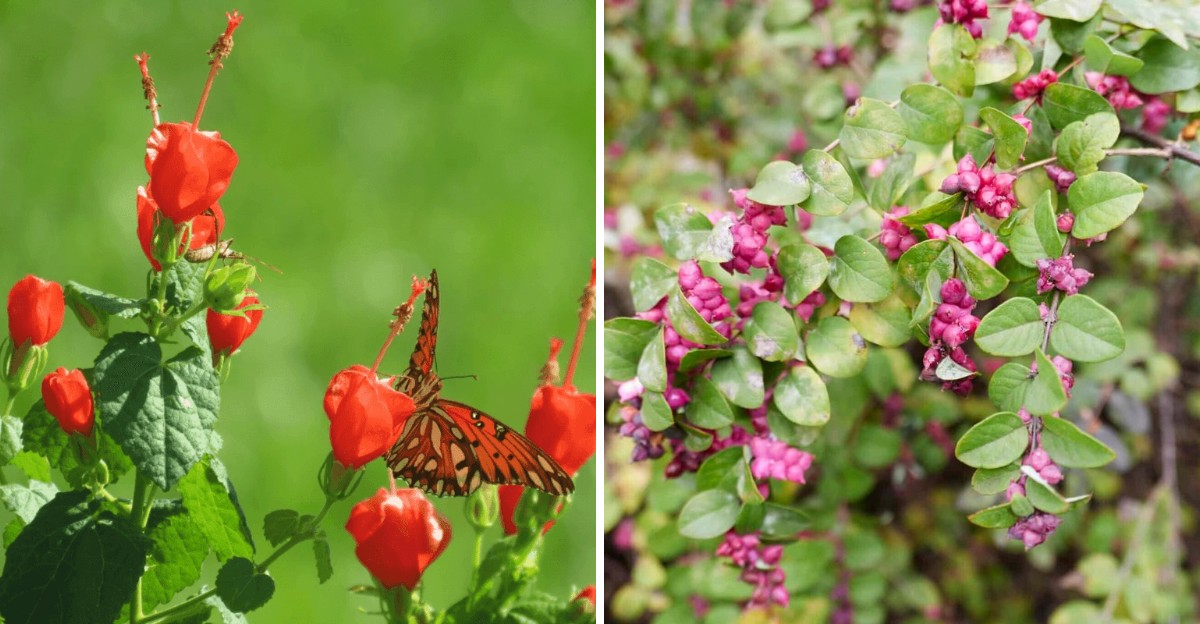
Nandina, also called heavenly bamboo, looks pretty in Texas yards, but it hides a nasty secret. Its bright red berries can harm birds like cedar waxwings, and the plant spreads into wild areas where it does not belong.
The good news is that Texas is full of amazing native plants that give you the same colorful beauty without the trouble. These native picks feed hungry pollinators, offer safe berries for birds, and handle our tough heat and dry spells like champs.
Swapping out nandina for one of these homegrown heroes is one of the easiest ways to turn your garden into a busy, buzzing wildlife hangout. Whether you want fall color, spring flowers, or year-round greenery, there is a native plant here that fits the bill.
Best of all, these plants have grown in Texas soil for thousands of years, so they know exactly how to thrive here. Ready to meet some plants that birds and bees will thank you for?
Here are the native Texas alternatives that will make your yard both gorgeous and full of life.
1. American Beautyberry
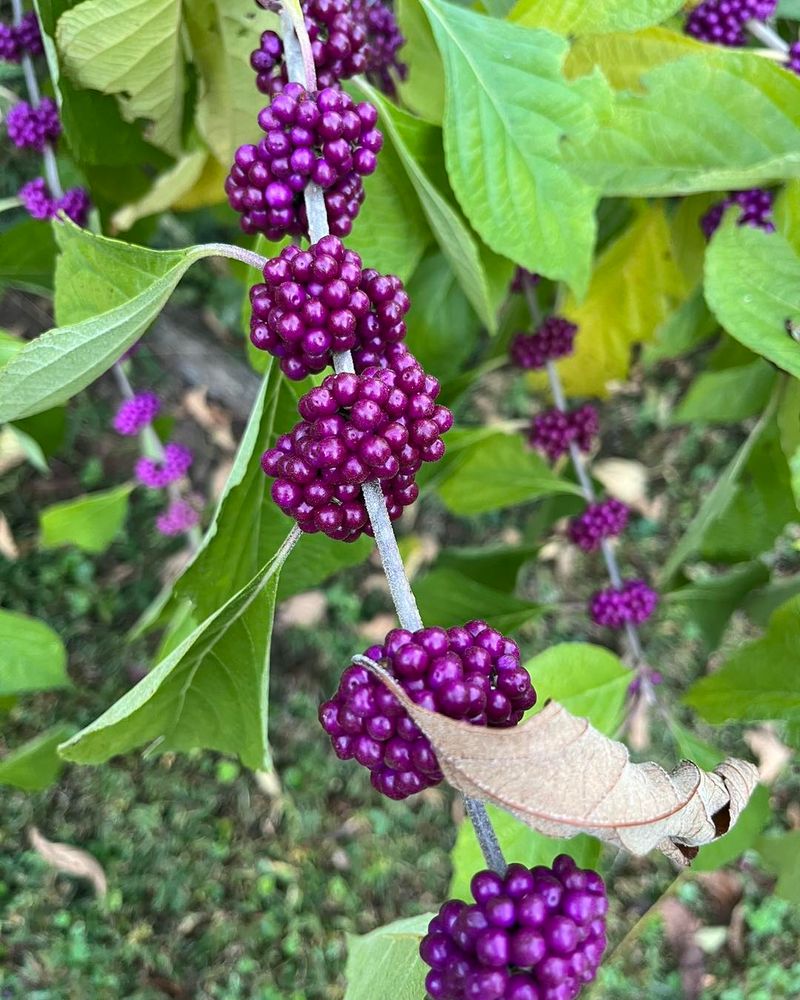
Few native shrubs turn heads quite like American Beautyberry when fall rolls around. Its stems get loaded with clusters of shockingly bright purple berries that almost look fake.
Birds go wild for these berries. Mockingbirds, cardinals, and towhees all stop by for a snack, and the fruit sticks around long enough to feed them through the cooler months.
In summer, small pink flowers show up along the branches. Bees and butterflies visit these blooms, so your garden stays busy with pollinators before the berries ever arrive.
This shrub is happy in part shade, which makes it great for spots under trees where other plants struggle. It grows fast and can reach about five feet tall and wide.
You do not have to baby it either. Once established, American Beautyberry shrugs off Texas heat and gets by with little watering.
Here is a fun bit of history. Folks used to crush the leaves and rub them on their skin as a natural bug repellent, and studies later showed the plant really does contain mosquito-fighting compounds.
Give it a trim in late winter if you want a fuller shape. Cutting it back helps it produce even more berries the next season.
Plant it where you can see those purple clusters from a window. Watching birds hop through the branches turns an ordinary afternoon into free entertainment.
For gardeners who miss nandina’s colorful berries, this shrub delivers that pop of color in a way that actually helps wildlife instead of hurting it. It is a simple swap with a big payoff for your local birds.
2. Yaupon Holly
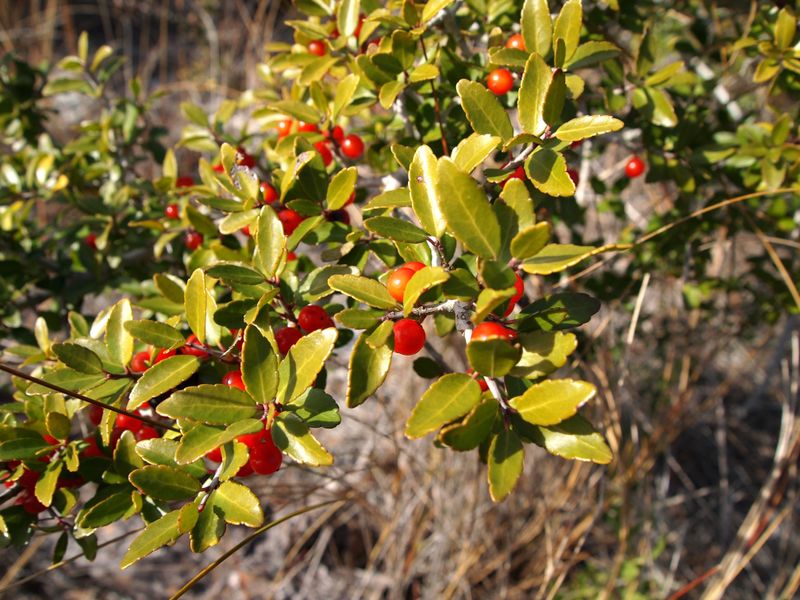
If you want the classic look of red berries that nandina gives, Yaupon Holly is your answer. This tough native holly stays green all year and produces loads of shiny red fruit.
Birds treat a berry-covered yaupon like an all-you-can-eat buffet. Robins, mockingbirds, and cedar waxwings gobble up the fruit, and these berries are safe for them, unlike nandina’s toxic ones.
Your Texas Garden Changes Every Week. Your Plan Should Too.
Gardening in Texas changes quickly throughout the season. Every Friday you’ll receive a simple weekly plan showing exactly what to plant, prune, fertilize, harvest, and protect so you never miss the right timing.
Small white spring flowers draw in bees and other pollinators. You might not notice the tiny blooms, but the insects sure do.
Yaupon handles almost anything Texas throws at it. Drought, poor soil, sun, or shade, this plant just keeps rolling along without complaint.
You can grow it as a big shrub, shape it into a hedge, or let it become a small tree. That flexibility makes it one of the most useful natives around.
Only female plants make berries, so if you want fruit, look for a female variety at the nursery. A nearby male plant helps with pollination.
Here is something cool. Yaupon is the only native North American plant that contains caffeine, and people have brewed its leaves into tea for centuries.
Compact types like Dwarf Yaupon work well in small yards or along walkways. They keep a neat shape with very little pruning.
Once its roots settle in, watering becomes almost optional. This is a plant you can pretty much plant and forget.
For anyone wanting an evergreen with bird-friendly red berries, yaupon checks every box. It brings the beauty of nandina without any of the wildlife worries.
3. Flameleaf Sumac
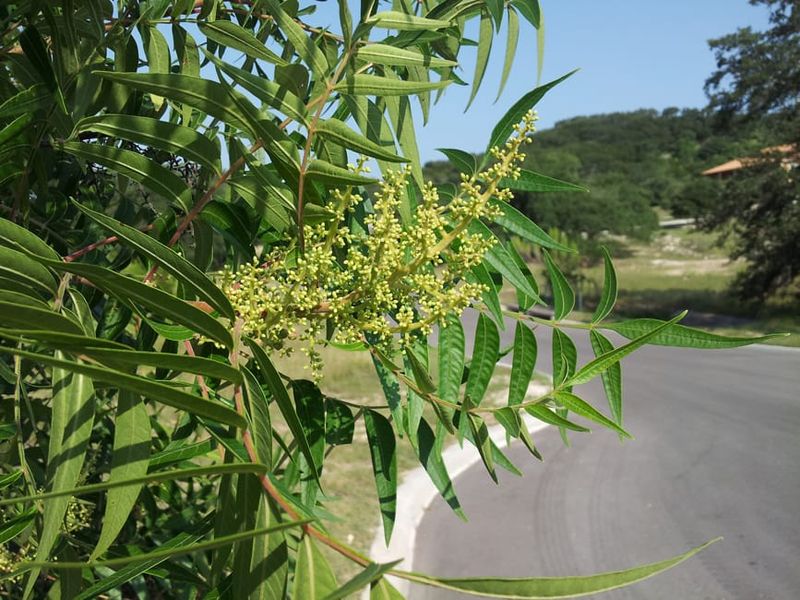
Talk about a plant that puts on a show. Flameleaf Sumac lights up in fall with fiery red and orange leaves that rival any store-bought maple.
Upright clusters of fuzzy red berries follow the leaf display. These fruits hang on through winter and feed birds when other food gets scarce.
Quail, robins, and dozens of songbirds rely on sumac berries during cold spells. The plant becomes a lifeline when the weather turns rough.
Summer brings clusters of creamy flowers that bees absolutely love. Native pollinators swarm these blooms, making the plant hum with activity.
This small tree or large shrub loves the sun and thrives in dry, rocky spots. It is perfect for those tricky areas where nothing else seems happy.
Flameleaf Sumac spreads by underground roots, so it can form a nice thicket over time. That thicket gives birds a safe place to nest and hide.
If you prefer a single specimen, just clip off the suckers that pop up nearby. A little attention keeps it tidy.
Because it grows naturally across the Texas Hill Country, this sumac already knows how to handle our droughts. Extra watering is rarely needed once it is settled.
Do not confuse it with poison sumac, which grows in swamps far from Texas. Flameleaf is totally harmless and safe to plant near your home.
For a splash of autumn color that also stocks the pantry for hungry birds, this native beats nandina hands down. It combines beauty and purpose in one hardy package that fits our climate perfectly.
4. Turk’s Cap
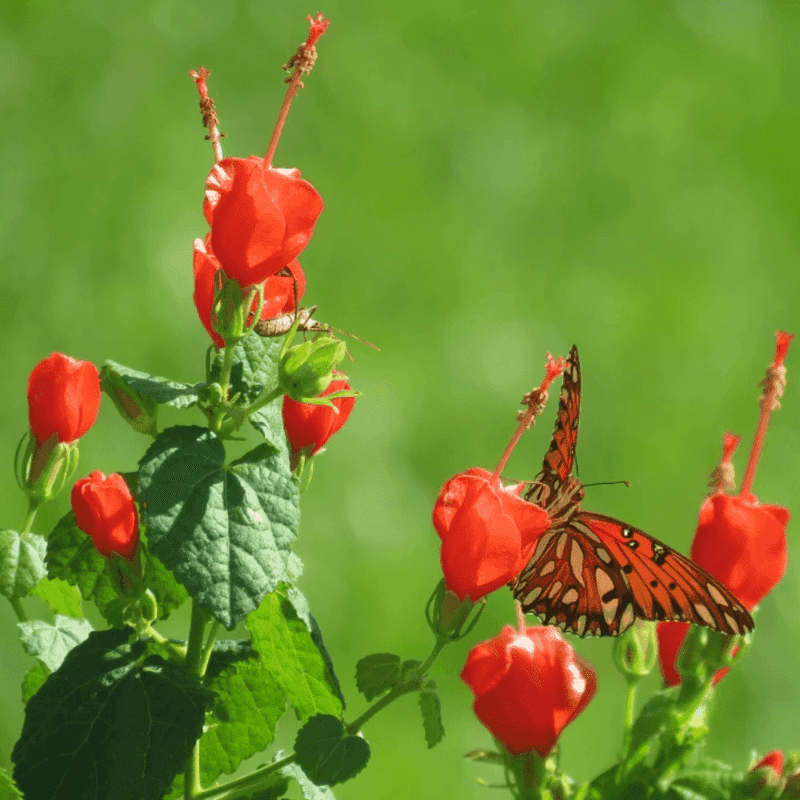
With flowers that look like little red turbans, Turk’s Cap is a shade-garden superstar. Its twisty blooms never fully open, which gives them a fun, quirky shape.
Hummingbirds cannot resist these red flowers. They zip from bloom to bloom all summer long, turning your yard into a hummingbird highway.
Butterflies join the party too, sipping nectar right alongside the bees. The plant flowers for months, so the food supply keeps coming.
After the blooms fade, small red fruits appear that both birds and people can eat. The fruit tastes a bit like apple and watermelon mixed together.
This plant loves shade, making it one of the few flowering natives that shines under trees. Give it a shady spot and it will reward you.
Turk’s Cap grows into a soft, rounded shrub about three to four feet tall. It spreads gently to fill in bare areas without taking over.
Come the first frost, the top may fade back, but the roots stay tough. Fresh growth pops up again once warm weather returns.
It handles clay soil, dry conditions, and neglect surprisingly well. Even beginner gardeners find it nearly foolproof.
Cut it back in late winter to keep it neat and encourage bushy growth. That simple trim makes a big difference come spring.
Where nandina offers berries but little for pollinators, Turk’s Cap brings both flowers and fruit. It is a two-in-one wildlife magnet that thrives in the shady corners most plants avoid, making it a smart and cheerful choice for Texas yards.
5. Possumhaw Holly
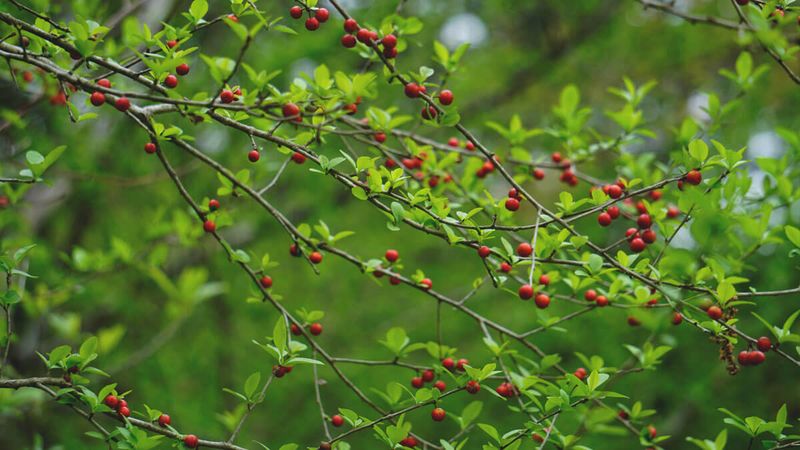
Winter usually means bare, boring branches, but Possumhaw Holly flips that script. This native drops its leaves and reveals branches packed with glowing red berries.
The berry display is jaw-dropping against a gray winter sky. It looks like someone strung red beads all over the tree.
Birds treat those berries as winter fuel. Cedar waxwings, robins, and bluebirds arrive in flocks to feast when little else is available.
Spring brings small white flowers that pollinators visit before the leaves fully appear. Bees get an early-season meal from these tiny blooms.
Possumhaw grows as a large shrub or small tree, reaching up to fifteen feet. That size makes it a lovely focal point in any yard.
Like other hollies, only the females produce berries. Plant a female and keep a male nearby to guarantee that spectacular fruit show.
This plant tolerates wet spots as well as dry ones. It naturally grows near creeks but adapts easily to regular garden beds.
Because it goes dormant in winter, the berries really pop without leaves in the way. The bare-branch look is actually the whole point.
It asks for very little care once its roots take hold. A yearly check and occasional watering during long droughts is plenty.
Plant it where winter light can hit those berries. Morning sun makes the red fruit practically glow like tiny lanterns.
For anyone who loves nandina’s winter berries but wants something safe and native, Possumhaw is a knockout. It gives you seasonal drama and feeds birds during the hardest months, all while asking almost nothing in return.
6. Coralberry
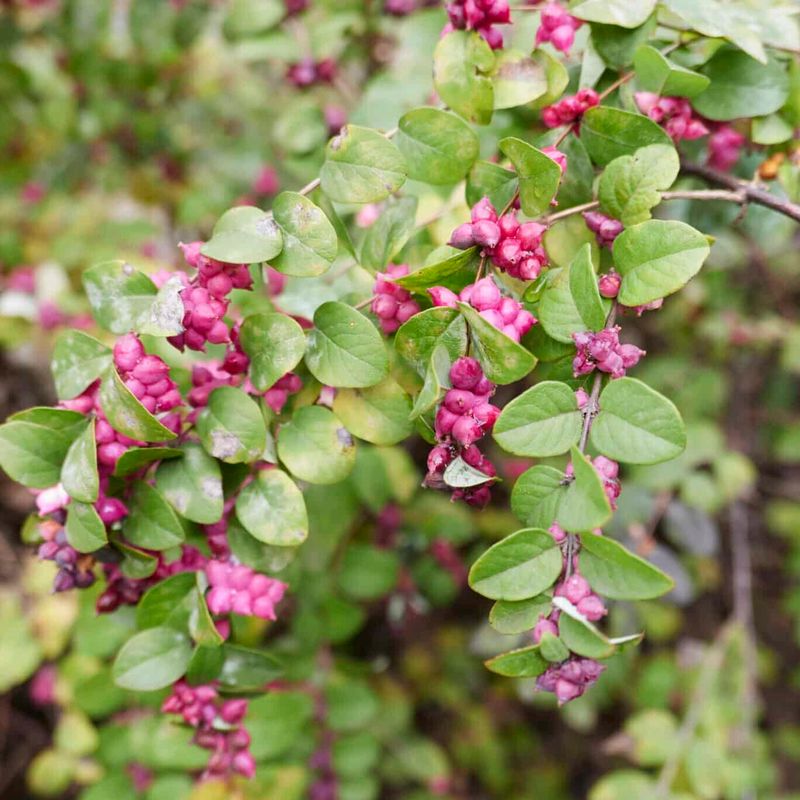
Sometimes the best plants are the quiet, hardworking kind, and Coralberry fits that description perfectly. This modest native shrub covers its arching stems with clusters of pinkish-purple berries.
Those coral-colored berries cling to the branches deep into winter. Birds like quail, robins, and towhees pick at them when food runs low.
Tiny summer flowers may go unnoticed by you, but bees find them easily. These small blooms keep pollinators fed through the warm months.
Coralberry thrives in shade where many plants sulk. Under trees or along fence lines, it fills space that would otherwise sit empty.
The plant stays fairly low, usually two to four feet tall, and spreads to form a soft, mounding cover. That habit makes it great for holding soil on slopes.
Deer tend to leave it alone, which is a huge win in many Texas neighborhoods. You get berries and greenery without feeding the local deer herd.
It handles poor soil and dry shade like a pro. Once its roots settle in, it practically takes care of itself.
Birds also use the tangled branches as cover from hawks and cats. That shelter is just as valuable as the berries themselves.
Give it a light trim in late winter if it gets too rangy. Otherwise, let it do its own easygoing thing.
Where nandina spreads into wild places and causes trouble, Coralberry belongs here and supports the food web. It is a humble, dependable pick that quietly turns shady, forgotten corners into cozy wildlife habitat all year round.
7. Texas Lantana
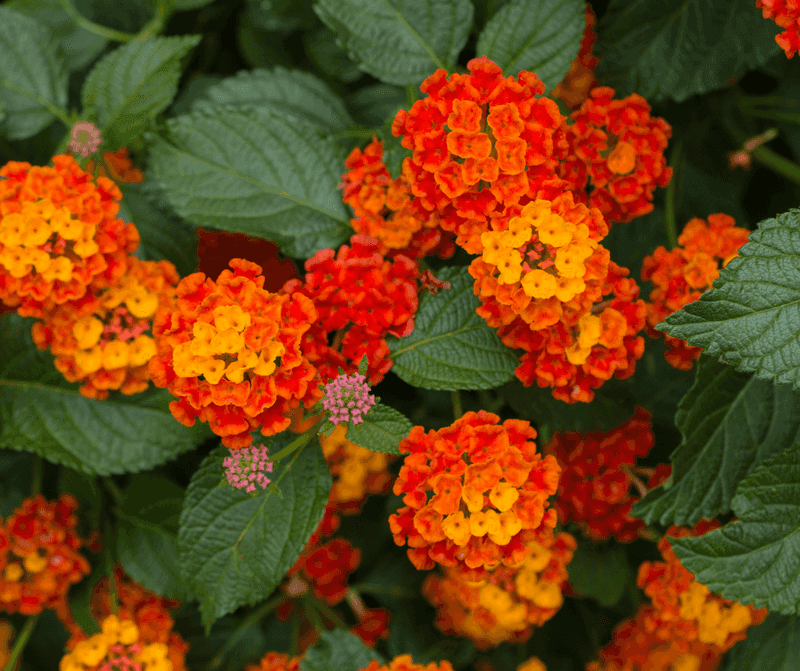
Bursting with orange and yellow blooms, Texas Lantana is basically a butterfly buffet on a stem. Its flower clusters shift colors as they age, giving each bunch a two-tone look.
Butterflies flock to lantana like it is the hottest spot in town. Swallowtails, monarchs, and skippers all stop by to sip the nectar.
The flowering just does not quit. From spring through fall, this plant pumps out blooms even during the worst heat waves.
Small dark berries follow the flowers, and birds like mockingbirds enjoy them. So you feed both pollinators and birds from one plant.
Texas Lantana thrives in blazing sun and sandy or rocky soil. The hotter and drier it gets, the happier this plant seems.
It grows into a loose, sprawling shrub about three feet tall and wide. Give it room to spread and it fills the space beautifully.
Watering is rarely necessary once it is established. This is one of the toughest, most drought-proof plants you can grow in Texas.
Be sure to pick the native Texas Lantana rather than the fancy hybrid types sold at some stores. The native version supports local wildlife best.
A hard trim in late winter keeps it neat and sparks fresh spring growth. It bounces back stronger every year.
Frost may knock it back, but the roots survive and send up new shoots when warmth returns. It is remarkably resilient.
For nonstop color that pollinators mob all season, lantana leaves nandina in the dust. It brings life, movement, and cheer to the sunniest, driest parts of your yard where few other plants dare to grow.