Why Your Thanksgiving Cactus Drops Buds In A Warm Texas Home And How To Stop It
A plant sold as a cactus actually grows on tree branches in the misty mountain forests of Brazil. It has no interest in deserts at all. That one detail explains a lot of heartbreak on living room floors every November.
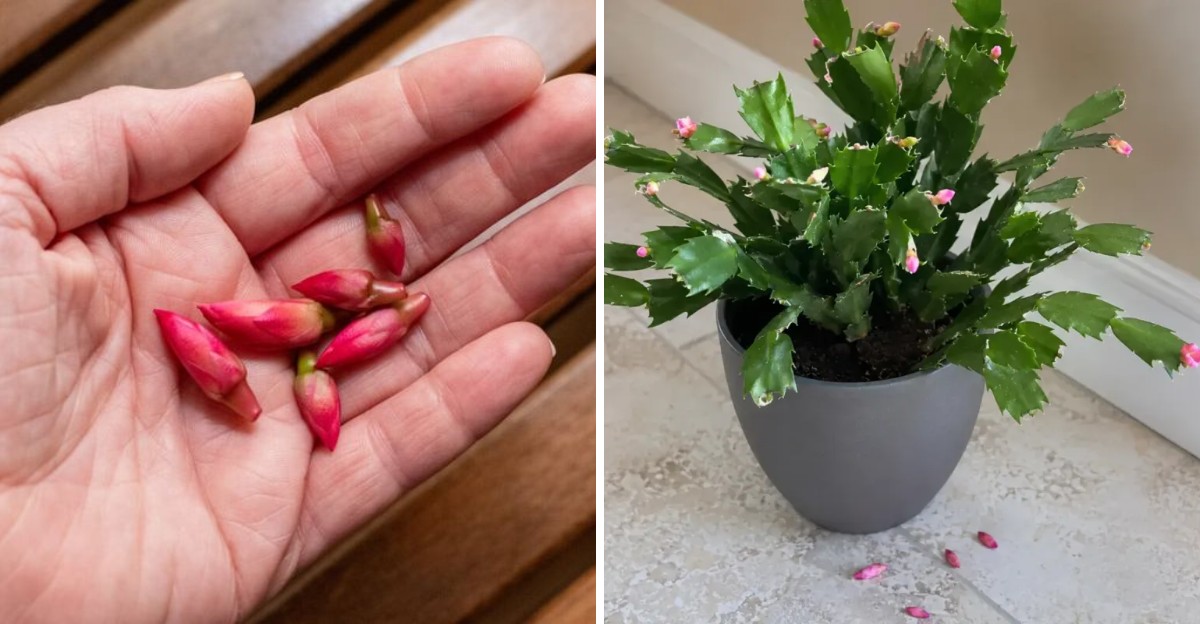
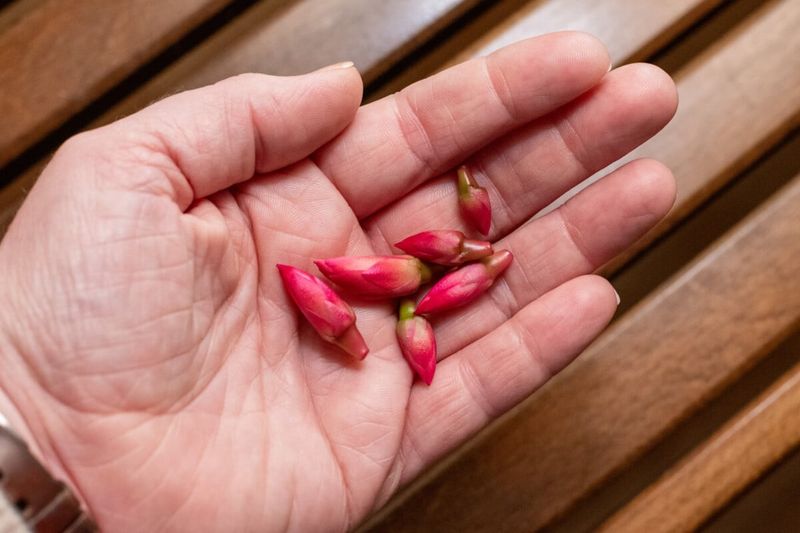
I still remember finding a little pile of pink buds under my plant the week before company arrived. The plant looked healthy and green. It had simply changed its mind about blooming.
Here in Texas, our homes stay toasty, our nights stay warm well into fall, and our lamps stay on late. Personally, I love all of that comfort. This plant does not share my opinion.
You need to know that those buds respond to signals most of us overlook. Temperature, darkness, water, and even a short move across the room all play a part. So what is your cozy home quietly telling your plant?
Those Thanksgiving Cactus Buds Are Reacting To Your Cozy Nights
Warm nights are the sneaky troublemaker behind most bud drop. Many folks blame a cold draft first, and drafts can cause stress. Yet the bigger issue in a heated or air-conditioned Texas house is often the lack of cool nights.
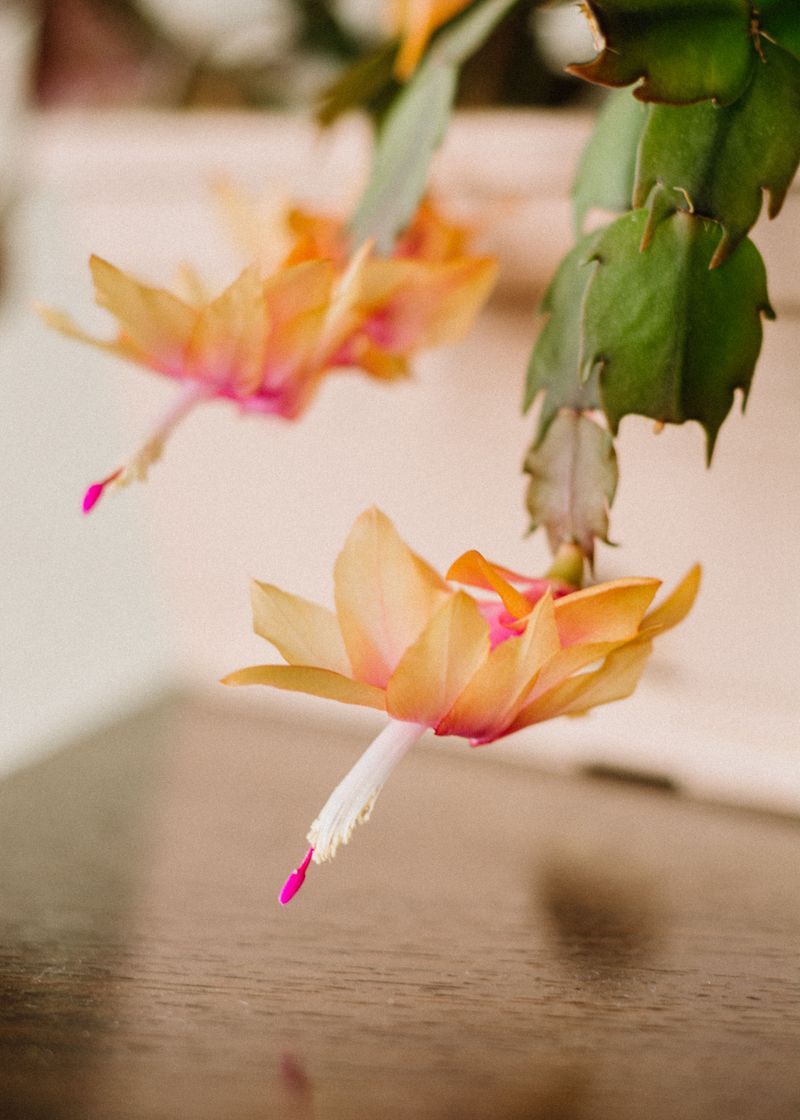
The Thanksgiving cactus, Schlumbergera truncata, comes from the cloud forests of southeast Brazil.
There it lives on tree branches and rocks, soaking up humid air and filtered light. Its blooming schedule follows clues from nature, and cooler fall nights are one of the loudest clues.
University extension sources, including Minnesota and South Dakota State, explain that bud setting depends on temperature and night length working together.
When nights stay warm, the plant gets mixed messages. It may form a few buds, then quietly let them go.
I like thinking of the buds as tiny messengers. When they fall, they are reporting that something in the routine feels off. Your plant is not being dramatic for fun.
The fix starts with noticing your indoor climate after dark. Check the room temperature around bedtime with a cheap thermometer. That one number often explains more than any fertilizer label ever will.
Cool Nights Between 50 And 60 Degrees Help Buds Stay Put
Numbers matter here, so grab that thermometer. Extension experts suggest nighttime temperatures of about 50 to 60 degrees Fahrenheit for several weeks in fall to encourage strong bud set.
Once indoor nights sit above about 70 degrees, buds often struggle to form or hang on. In much of Texas, September and October nights can still feel like summer. That makes the inside of your house the main place you can make a difference.
Try the coolest room you have. A spare bedroom, a laundry room, or a bright spot near a north or east window can work well.
Some gardeners leave plants on a shaded porch in fall while nights stay above about 45 degrees, then bring them in before the first real cold front.
Watch the forecast closely if you try the porch trick. Temperatures below about 45 degrees can harm the stems and buds. North Texas cold fronts can arrive fast, while the Rio Grande Valley stays mild much longer.
Personally, I keep a little sticky note on the pot reminding me to check nights. It sounds silly, but it works. Small, steady coolness beats one big chill.
Long Dark Nights Tell Your Holiday Cactus It Is Time To Bloom
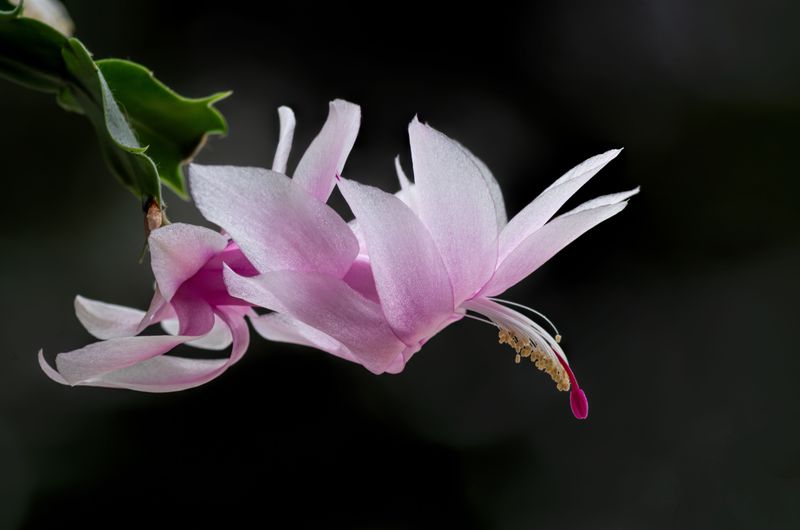
Your plant can count hours of darkness better than you might expect. Thanksgiving cacti are short-day plants. They need long, uninterrupted nights to start flower buds.
Most sources recommend about 12 to 14 hours of darkness each night for roughly six weeks in fall.
If your nights run warm, around 65 degrees or more, longer darkness of up to 15 hours may help make up the difference. Darkness and coolness team up, so leaning on one helps when the other is weak.
Even short bursts of light can interrupt the signal. A reading lamp, a TV glow, or a streetlight through the window may be enough to confuse the plant. Late-night family rooms are often the worst spot.
Simple fixes work best. Move the pot into a quiet guest room or closet each evening, then back into bright light during the day. You can also slip a cardboard box over it around dinnertime.
I set a phone alarm for my evening cover-up routine. After a couple of weeks, it becomes habit, like locking the front door. Once buds are clearly visible, you can relax the schedule.
Moving A Budded Thanksgiving Cactus Can Send Flowers Tumbling
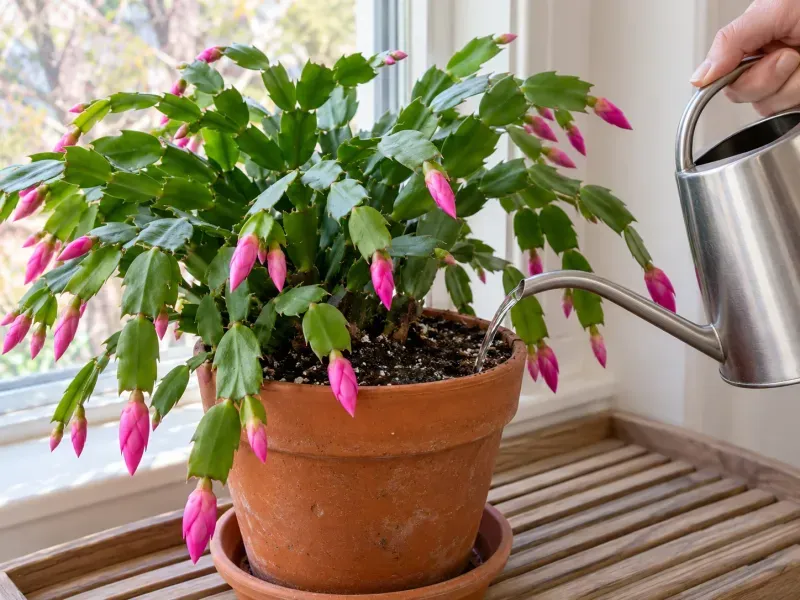
Good intentions sometimes backfire. You spot those first pink tips and want to show them off on the dining table. A few days later, half the buds are gone.
These plants are famously touchy about sudden changes once buds form. A new spot can mean different light, temperature, and humidity all at once. That combination stresses the plant, and dropping buds is its way of saving energy.
Store-bought plants face the same problem. A cactus raised in a cool, humid greenhouse lands in a warm, dry house and may shed buds within days. Some loss is normal while it adjusts.
The smarter plan is choosing a home base before buds appear. Pick a spot with bright, indirect light and steady temperatures, then let the plant stay there.
Avoid areas near heating vents, fireplaces, ceiling fans, and doors that swing open to chilly air.
Keep rotating to a minimum too. Turning the pot often can make buds twist toward the light and weaken. If you must move it, go slowly and keep conditions similar.
Patience feels hard when color is so close. Trust me, though, those flowers are worth waiting for in one place.
Soggy Or Bone Dry Soil Makes Cactus Buds Let Go
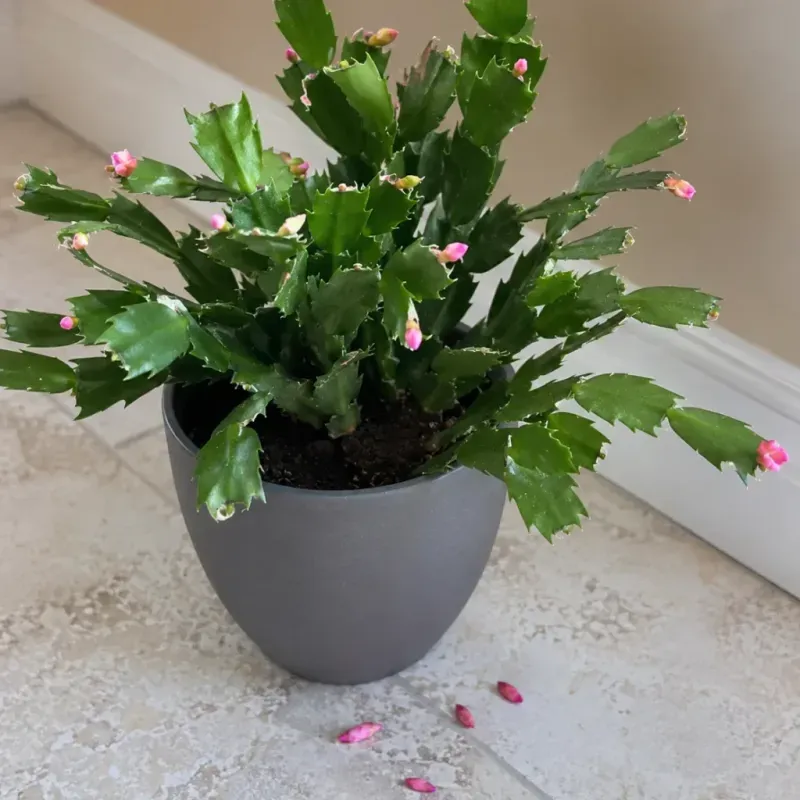
Watering this plant like a desert cactus is a classic slip. Forest roots expect moisture, though not a swamp. Both extremes can lead to dropped buds.
Aim to water when the top inch of soil feels dry. Soak the pot until water runs out the drainage hole, then empty the saucer. Standing water invites root rot, which weakens the whole plant.
During bud formation, avoid letting the soil stay dry for long stretches. A thirsty plant under stress tends to give up flowers first.
Many growers trim watering slightly in early fall to help trigger buds, then return to steady moisture once buds show.
Pot choice helps more than people realize. A container with a drainage hole and a loose mix, such as potting soil blended with bark or perlite, lets roots breathe. Heavy soil holds water too long.
My own test is low-tech. I poke a finger into the soil every few days and lift the pot to feel its weight. A light pot usually means it is time for a drink.
Consistency is the real secret. Steady, moderate moisture gives buds the security they need to open.
Dry Indoor Air Leaves Delicate Buds Thirsty
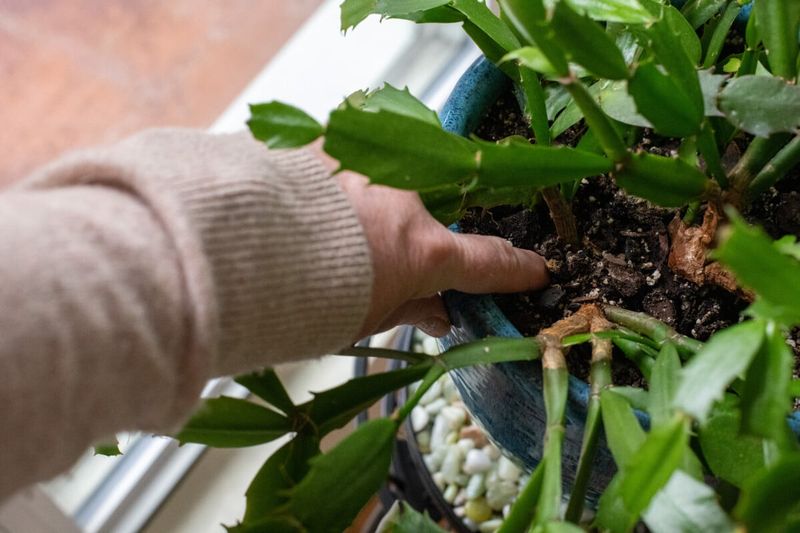
Cloud forests are damp places, wrapped in mist much of the year. Your living room probably feels nothing like that. Many sources suggest humidity around 50 to 60 percent keeps these plants happiest.
Texas air varies a lot by region. Houston and the coast stay humid, while El Paso and the Panhandle run dry.
Indoors, air conditioning and heating both pull moisture from the air, so even coastal homes can feel parched inside.
A pebble tray offers an easy boost. Fill a shallow tray with gravel and water, then set the pot on top so it sits above the waterline. As the water evaporates, it adds a little moisture around the plant.
Grouping houseplants together helps as well. Plants release moisture through their leaves, creating a slightly damper pocket of air. A small room humidifier works too, especially during dry winter stretches.
Misting gets mixed reviews. It raises humidity only briefly, and wet buds can sometimes invite problems. I prefer the tray and grouping methods because they work quietly all day.
A cheap hygrometer tells you what is really going on. Many digital thermometers include one, so you can track both numbers at once.
Bright Indirect Light And Light Feeding Keep Stems Strong
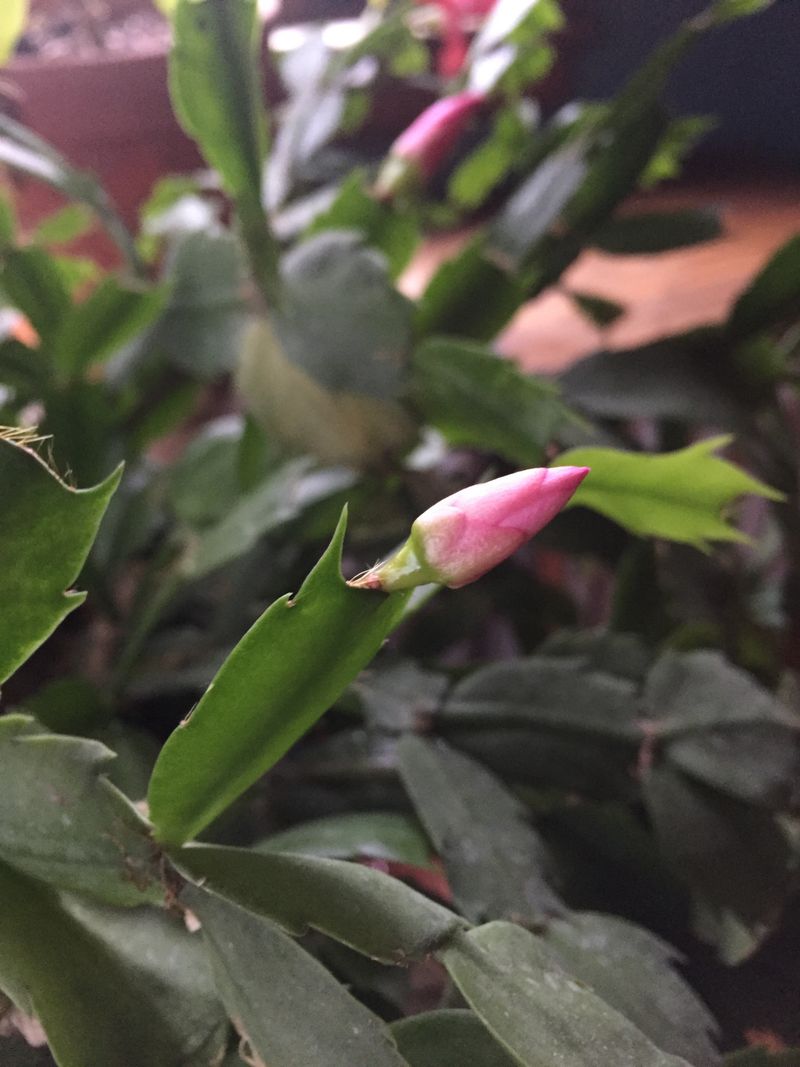
Strong blooms start long before fall. A plant needs stored energy to build and hold flowers. Light and food during spring and summer provide that energy.
Bright, indirect light suits these plants best. An east-facing window with gentle morning sun works beautifully.
Harsh afternoon sun, especially through west windows in a Texas summer, can scorch the flat stems and turn them reddish or yellow.
Too little light causes the opposite problem. A plant tucked in a dim corner may grow slowly and lack the reserves to finish its buds. Look for steady, filtered brightness.
Feed lightly during the growing season. A balanced houseplant fertilizer at half strength about once a month from spring through summer is plenty. Then ease off in early fall as the plant shifts toward blooming.
Check for pests while you are at it. Mealybugs look like tiny bits of cotton, and they suck sap from stems. Wipe them away with a cotton swab dipped in rubbing alcohol, or use insecticidal soap.
I think of summer care as packing a lunch for later. Feed and light it well now, and fall flowers have fuel to carry them through.
Plan Next Year’s Thanksgiving Cactus Blooms With A Simple Fall Routine
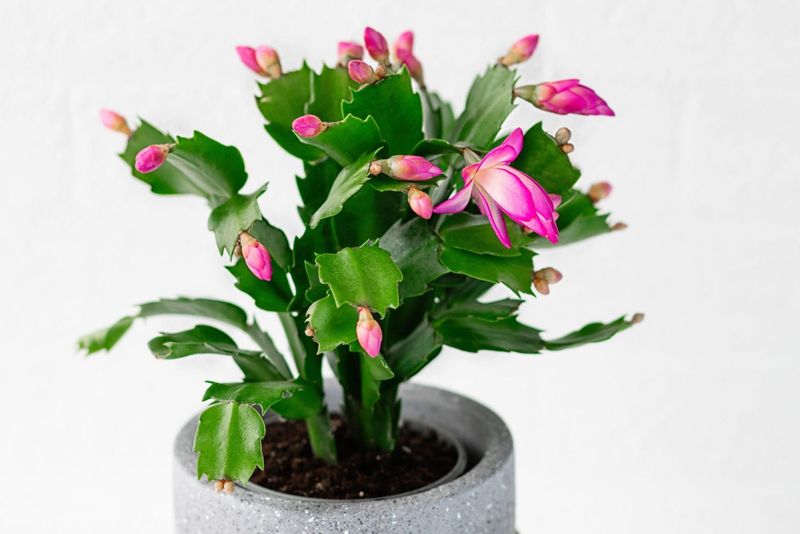
Every season with this plant teaches you something. A few dropped buds this year simply give you clues for next fall. Most healthy Thanksgiving cacti rebound with a little planning.
Start the routine around mid to late September. Give the plant cool nights in the 50s or low 60s when possible, and about 12 to 14 hours of darkness each night. Ease up slightly on water and stop fertilizing as you begin.
Once buds appear, shift gears. Return to steady watering, keep the plant in one spot, and protect it from drafts and vents. Then enjoy the show, which usually lasts several weeks.
After flowering, let the plant rest for about a month with less water. Spring is a good time to repot if roots fill the container, though these plants like being slightly snug. Resume feeding as new growth appears.
Fun fact for your next gathering: the Thanksgiving cactus has pointed, claw-like stem edges, while the Christmas cactus has rounder ones. Knowing which you own helps you time things right.
Personally, I love how this plant rewards attention. A little care each fall turns a cozy home into a blooming one.