The Native Wildflower Texans Need To Sow Now For Spring Color
The most spectacular wildflower seasons in Texas don’t happen by chance. They happen because someone put seed in the ground at the right time, months before the first bloom appeared, during a window that most people either don’t know about or assume is too early to matter.
That window is open right now. Native Texas wildflowers sown in fall go through a natural cold stratification process over winter that transforms germination rates and produces the kind of dense, robust spring bloom that spring planting almost never replicates.
The difference between a fall sown wildflower patch and one started too late is not subtle. It’s the difference between a show and a suggestion.
One native Texas wildflower in particular defines what a well timed fall sowing can produce, delivering the kind of color in spring that makes neighbors stop and ask what you did differently.
Plant This Native Wildflower For A Bright Spring Display
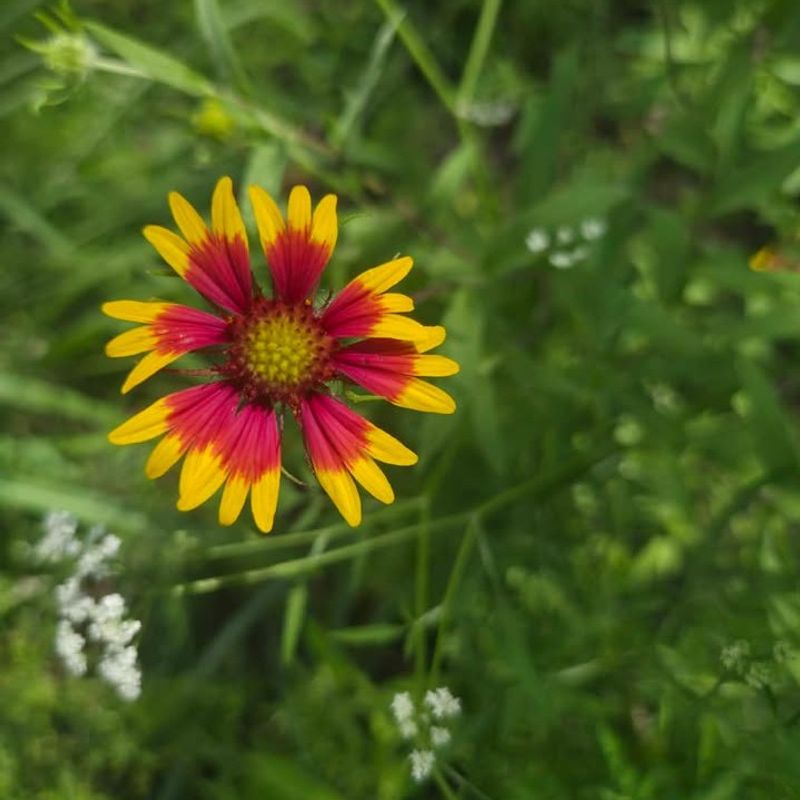
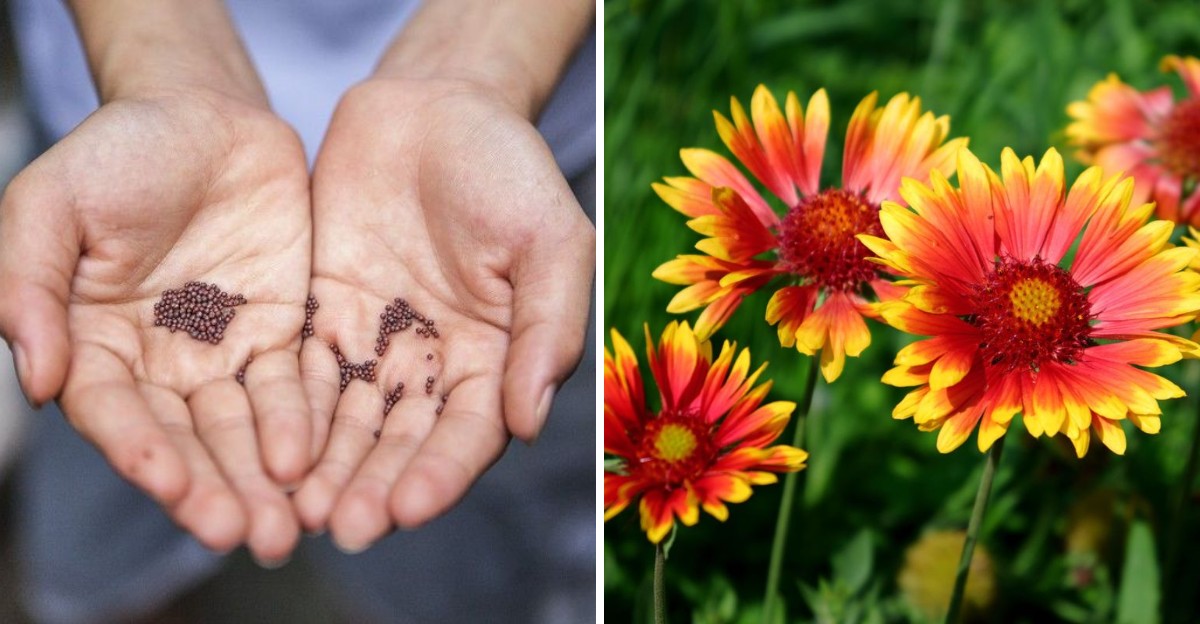
Picture a flower that looks like a tiny sunset sitting right in your garden. That is the Indian blanket, known by its science name Gaillardia pulchella, and it is one of the most beloved native wildflowers in Texas.
The blooms show off deep red centers that fade into bright yellow tips, which is how the plant got its cozy name. Native tribes and early settlers admired these flowers for their warm, blanket-like colors spread across open land.
What makes this plant so appealing is how simple it is to grow from seed. You do not need fancy tools or special skills to get started.
Fall is the perfect season to begin, since the seeds settle into the ground and rest quietly through the cooler months. By the time spring arrives, they are ready to spring up and bloom in cheerful clusters.
These flowers reach about one to two feet tall, making them a great fit for garden beds, borders, or wide open patches. They also love to spread, so a small handful of seeds can fill a whole area over time.
Because Indian blanket is native to the state, it already knows how to handle the Texas heat and dry spells. That means less work for you and more color for everyone to enjoy.
Starting with this flower is a smart choice for beginners and experienced gardeners alike. It rewards you with weeks of blooms that attract butterflies, bees, and plenty of compliments from neighbors passing by.
Why Fall Is The Right Time To Sow Indian Blanket Seeds
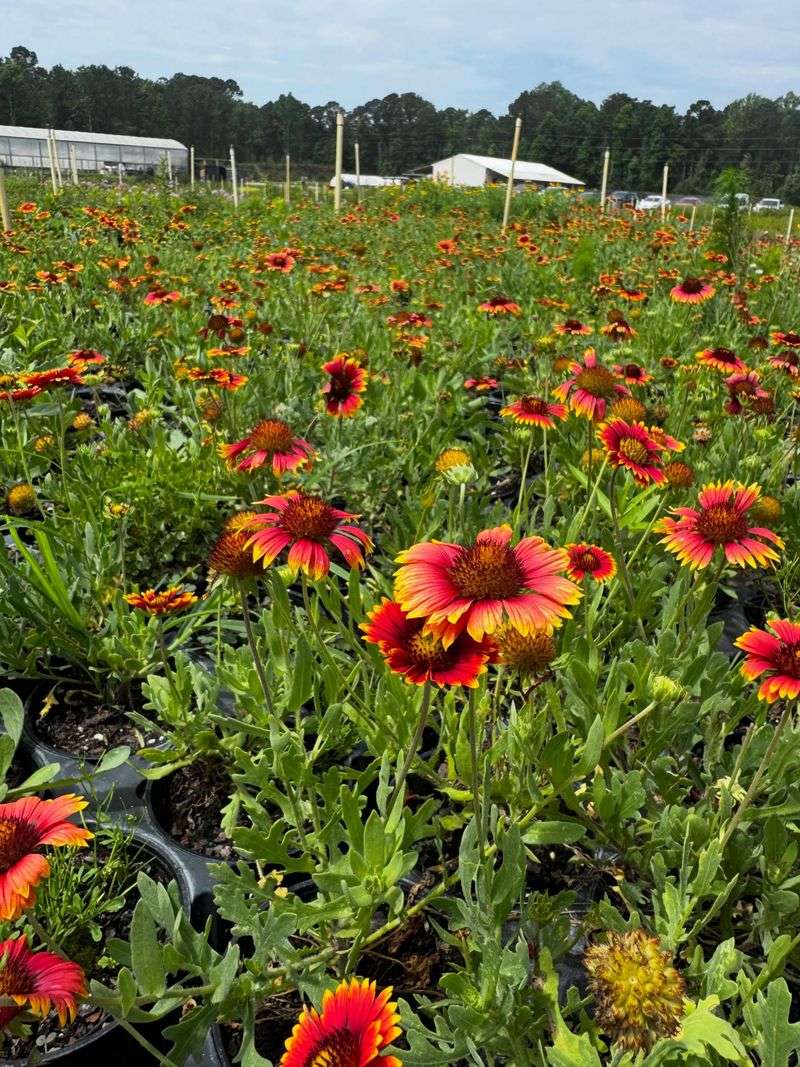
Timing can make or break a wildflower garden, and with Indian blanket, fall is your golden window. Many folks think spring is the moment to plant, but these seeds actually prefer to go into the ground when the weather starts to cool.
The reason comes down to how nature designed them. In the wild, Indian blanket flowers drop their seeds in late summer and fall, so the plant expects to rest through winter before growing.
Cool temperatures and light rain give the seeds a natural signal to prepare for spring. This resting period, sometimes called stratification, helps them wake up strong when the days grow warmer.
Your Texas Garden Changes Every Week. Your Plan Should Too.
Gardening in Texas changes quickly throughout the season. Every Friday you’ll receive a simple weekly plan showing exactly what to plant, prune, fertilize, harvest, and protect so you never miss the right timing.
Seeds sown in fall also get a head start on building roots. Even though you may not see much action on top, the plants are quietly settling in below the surface.
By the time March and April arrive, fall-sown seeds burst into growth faster than seeds planted in spring. That means earlier and fuller blooms for your garden.
Another perk is that fall planting matches the natural rain cycle in much of Texas. Gentle winter moisture waters your seeds without you needing to lift a hose very often.
Skipping the fall window is not the end of the world, but you will likely get a weaker show. The plants may bloom later and produce fewer flowers.
For the brightest, healthiest display, aim to scatter your seeds from October through early December. Give nature a chance to do the hard work while you sit back and wait for spring.
Pick The Best Spot For Indian Blanket
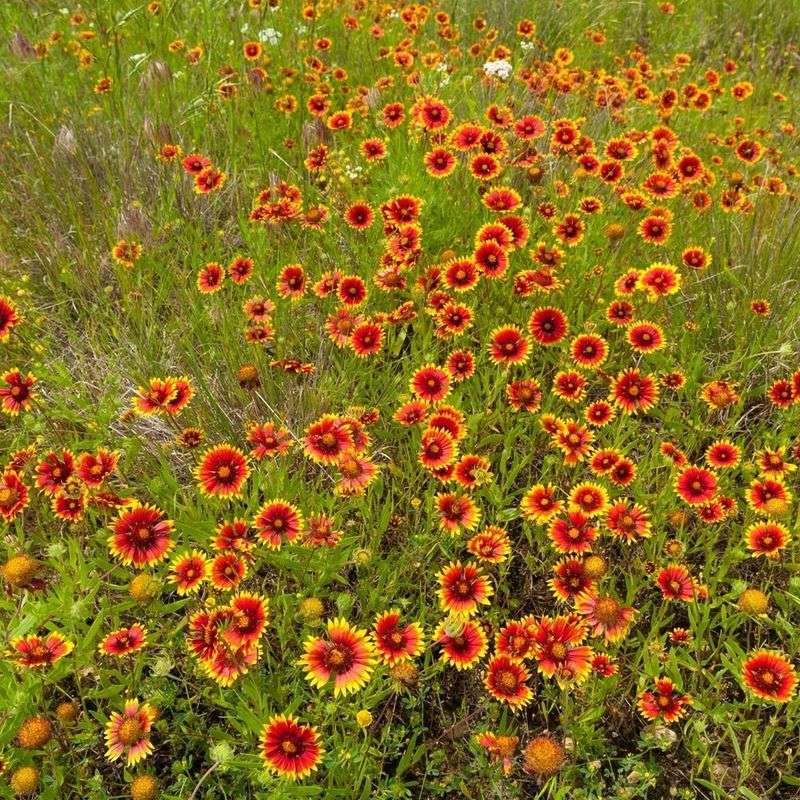
Choosing the right location is like setting the stage for a great performance. Indian blanket puts on its best show when you plant it where the conditions match what it loves most.
Sunshine tops the list of must-haves. These flowers crave full sun, meaning at least six hours of direct light each day.
A shady corner will only lead to floppy stems and fewer blooms. So look for the brightest, most open part of your yard.
Good drainage matters just as much as sunlight. Indian blanket hates soggy roots, so avoid spots where water pools after a rain.
Sandy or rocky soil actually works in your favor here. This plant thrives in poor ground that would leave fussier flowers struggling.
Wide open areas also let the flowers do what they do best, which is spread. Give them room and they will slowly fill in the space with a carpet of color.
Roadsides and meadows across Texas prove how well this plant handles tough, exposed places. You can copy that natural look in your own yard.
Avoid crowding Indian blanket next to tall shrubs or thirsty plants that steal sunlight and moisture. It does best when it can stretch out on its own.
If your only sunny spot has heavy clay soil, mix in some sand or gravel to loosen it up. Better drainage will keep the roots happy.
Once you find that bright, breezy, well-drained corner, you have set the perfect stage. The flowers will reward your good planning with a lively spring display.
How To Sow Indian Blanket Seeds Successfully
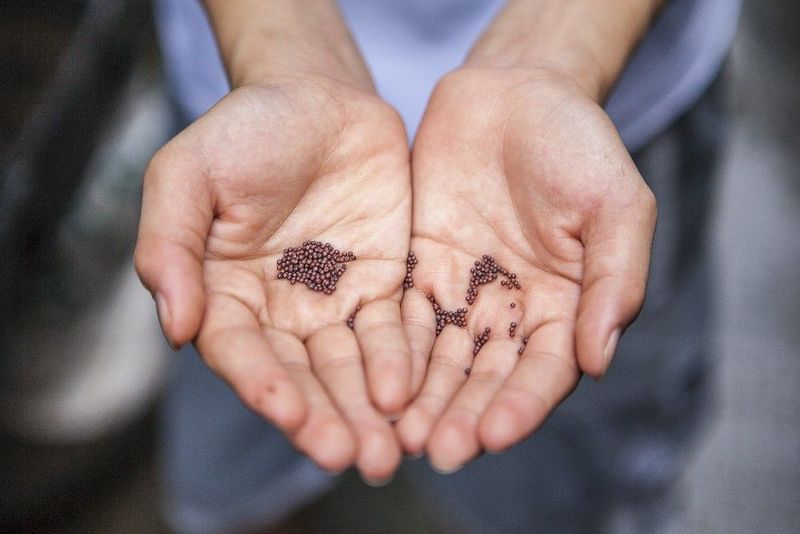
Getting seeds into the ground the right way sets you up for a thick, colorful patch. The good news is that Indian blanket is forgiving, so you do not need to be a pro to succeed.
Start by clearing the area of weeds, rocks, and old plant scraps. A clean surface gives your seeds room to settle without competition.
Loosen the top layer of soil with a rake so it feels crumbly. You are not digging deep holes here, just roughing up the surface a bit.
Scatter the seeds evenly by hand across the spot you prepared. Mixing them with a little sand can help you spread them more evenly and see where they land.
One of the biggest tips is to avoid burying them too deep. These seeds need light to sprout, so a thin cover is all they want.
After scattering, press the seeds gently into the soil with your hand, a board, or by walking over the area. Good seed-to-soil contact helps them take hold.
A light dusting of soil, no more than a quarter inch, is plenty. Anything thicker can block their growth.
Water the area gently after planting so the seeds stay in place. A soft spray works better than a heavy blast that could wash them away.
Then let the fall and winter weather take over most of the watering. You only need to step in during long dry stretches.
Follow these simple steps and you will give your seeds every chance to flourish. Come spring, that little effort turns into a field of warm, glowing color.
Keep Indian Blanket Thriving Through Spring
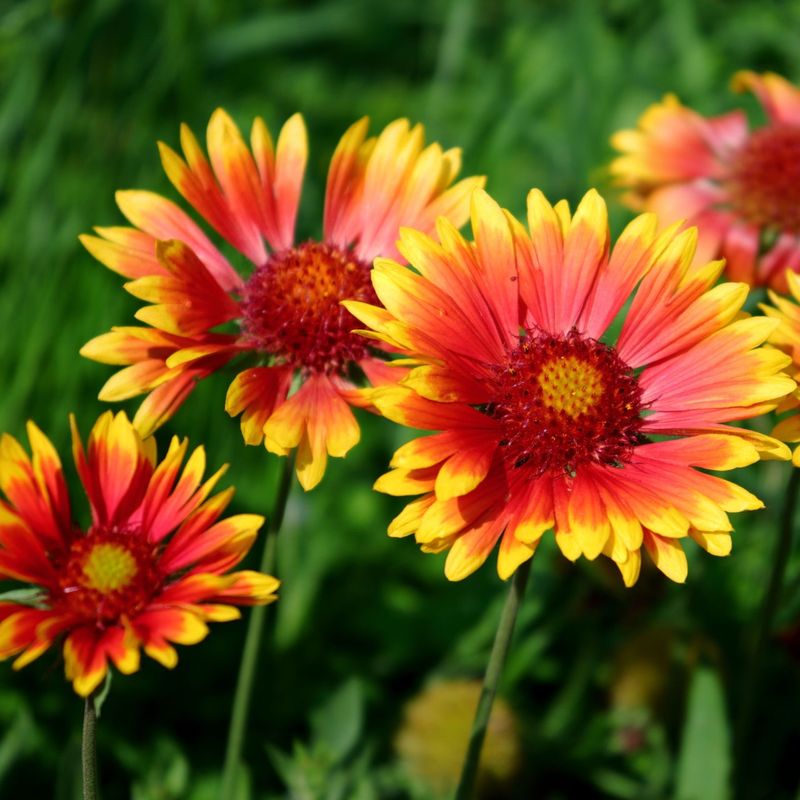
Once your seeds sprout, the fun part begins, and the best news is that Indian blanket asks for very little. This is a plant that truly enjoys being left alone.
While the seedlings are young and getting established, a bit of watering helps them grow strong. Aim for soil that stays lightly moist but never soaked.
As the plants mature, you can ease off almost completely. Indian blanket is built for dry weather and prefers not to be pampered.
Skip the fertilizer, since rich soil actually leads to leggy plants with fewer blooms. Poor ground brings out the best flowers.
When the blooms fade later in the season, resist the urge to clean everything up. Letting the flowers form seed heads is the key to next year’s show.
Those dried seed heads drop fresh seeds right back into the soil. This natural reseeding means your patch can return year after year without you buying more.
You can shake the dried flowers over bare spots to spread the seeds even farther. It is a free way to grow your display.
Watch for butterflies and bees stopping by, since they love these blooms and help the plants along. Their visits are a sign your garden is thriving.
Avoid heavy mowing or trimming until the seeds have dropped. Cutting too soon can cut off next spring’s flowers.
With such easygoing care, Indian blanket fits perfectly into a low-effort garden. Give it sun, a little early water, and freedom to reseed, and it will keep painting your yard with color season after season.
Why Indian Blanket Belongs In Texas Wildflower Gardens
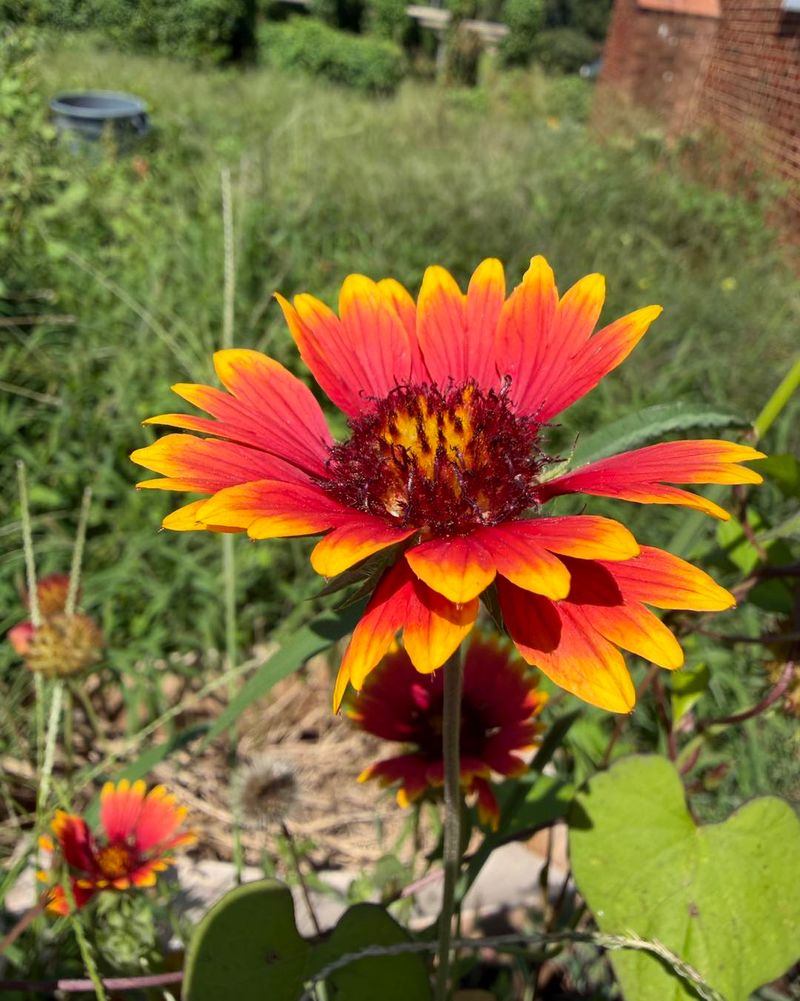
Some plants just seem made for a place, and Indian blanket fits Texas like a favorite pair of boots. Its toughness and beauty make it a natural choice for gardens across the state.
Drought tolerance is one of its biggest strengths. Once settled in, this flower shrugs off hot, dry summers that would wilt many other plants.
That means you save water and time while still enjoying a colorful yard. In a place known for scorching weather, that is a real gift.
The blooms bring bold, cheerful color from spring into summer. Red and yellow petals light up borders, meadows, and even neglected corners of the yard.
Pollinators adore these flowers, too. Bees, butterflies, and other helpful insects flock to the blooms for nectar and pollen.
By planting Indian blanket, you are giving local wildlife a helping hand. A garden full of pollinators is a healthier, livelier garden.
Because it is native, this flower already belongs in the Texas landscape. It fits into the local ecosystem without needing extra chemicals or constant care.
It also blends beautifully with other Texas natives like bluebonnets and coneflowers. Together they create that classic wildflower meadow look people love.
Adding this plant is an easy way to support nature while boosting your yard’s charm. You get beauty and purpose rolled into one.
Whether you have a big field or a small flower bed, Indian blanket earns its spot. Sow the seeds this fall, and by spring you will understand why so many Texans treasure this hardy, colorful native.