What To Do With Potted Mandevilla Before Ohio Nights Turn Cold
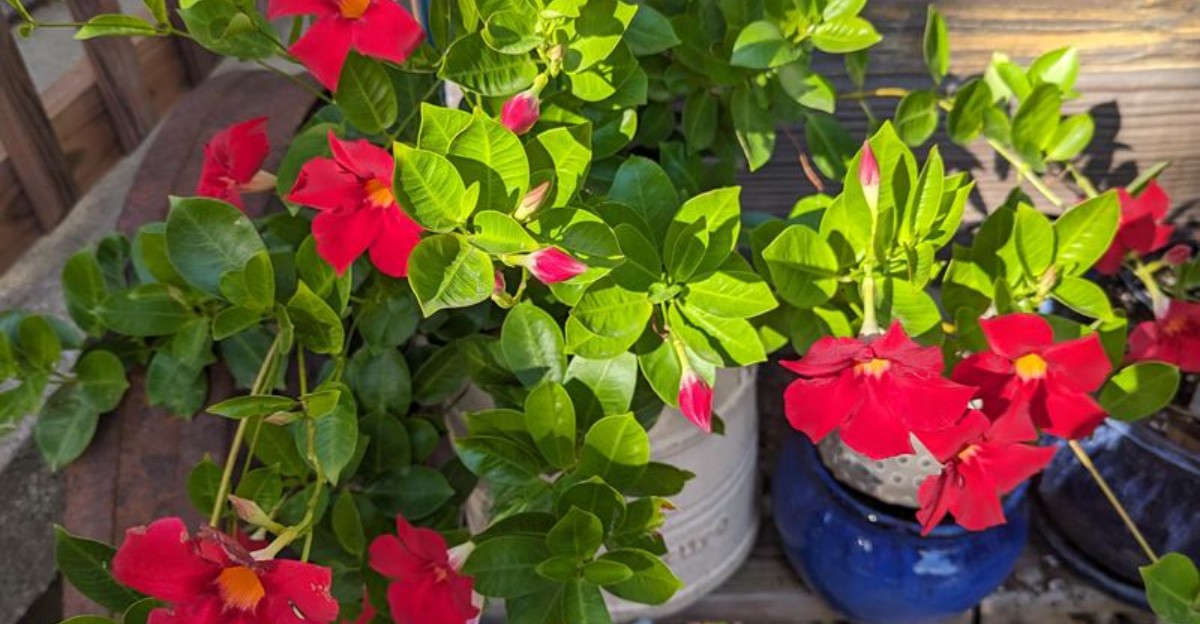
That mandevilla vine climbing the trellis on the patio doesn’t know what’s coming. Right now it’s still pumping out those trumpet-shaped blooms like summer never ends, but the calendar has other plans.
Ohio nights have a way of turning sharp practically overnight, and tropical plants like this one have zero tolerance for what’s headed their way. Leave it outside past the wrong evening and all that lush growth turns to mush within days.
The leaves go first, curling and blackening at the edges, and the whole plant collapses into something unrecognizable faster than most gardeners expect. The good news is that none of this has to happen.
A little planning now, while temperatures are still mild, makes the difference between composting a sad tangle of vines in November and enjoying the same mandevilla again next spring, twice the size and ready to bloom.
Here’s exactly what that planning looks like.
1. Time The Move Before The First Frost
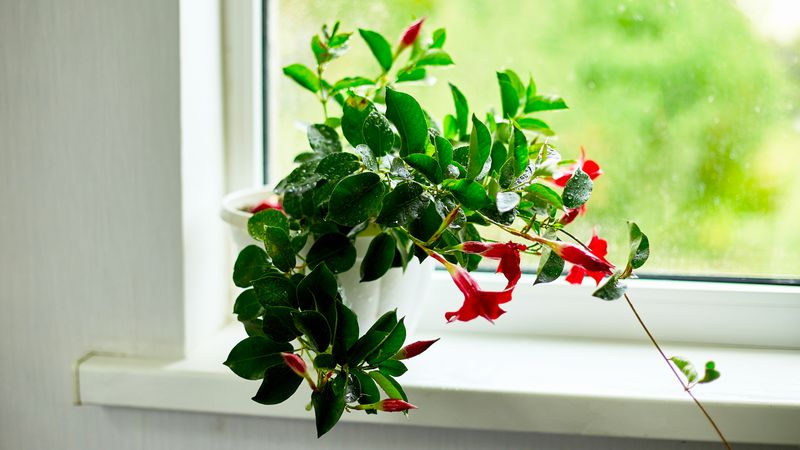
Watching the weather app becomes your new hobby once September rolls in. Mandevilla loves warmth, and growth begins slowing as temperatures drop.
Protect it before frost arrives or temperatures approach levels that can damage the plant.
Ohio nights can surprise you, sliding into the 40s while afternoons still feel summery. That gap is your signal to act, ideally well before the first frost settles over your yard.
Keep an eye on both daytime highs and nighttime lows, since it is the cold evenings that really stress the plant. When forecasts start hinting at chilly numbers, mark a moving day on your calendar and stick to it.
Moving early gives the plant time to adjust indoors instead of getting shocked by a sudden temperature swing. A gradual shift helps it settle in without dropping too many leaves.
Waiting until the last minute can leave you scrambling in the dark with a cold, unhappy vine. Planning ahead makes the whole process calmer for you and gentler for the plant.
Jot the date somewhere visible so autumn errands do not push it aside. Your future self, and your Mandevilla, will thank you for the reminder.
2. Trim It Down To A Tidy Size
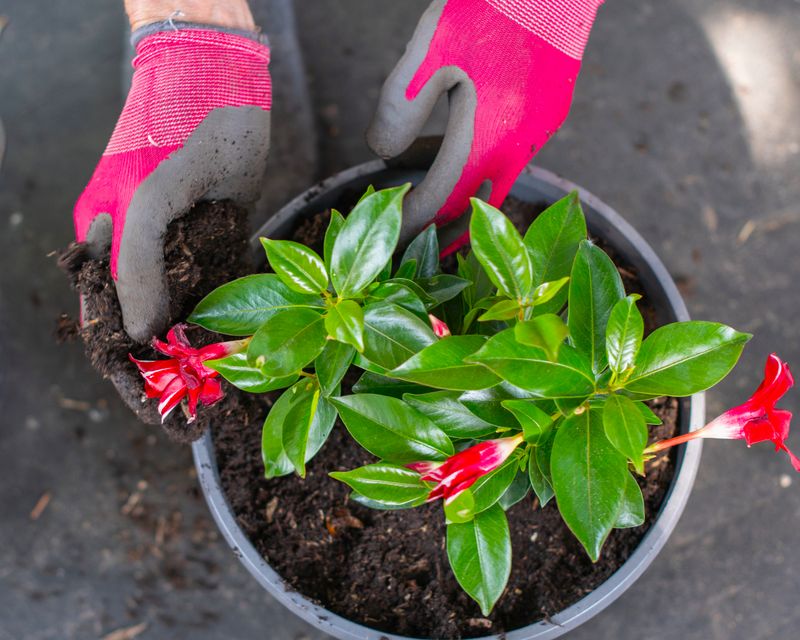
A sprawling Ohio Mandevilla looks glorious on a summer trellis, but that same size becomes awkward indoors. Giving it a good haircut before the move makes life easier for both of you.
Trim back long, tangled vines and reduce the plant to a manageable size before bringing it indoors. Avoid removing more growth than necessary.
It might feel bold, yet the plant handles it well and comes back bushier.
Use clean, sharp shears and snip just above a leaf node whenever you can. Those tidy cuts encourage fresh, healthy stems once spring returns.
A smaller plant fits through doorways and onto windowsills without tangling itself or knocking things over. It also uses less energy while resting through the darker months.
Do not stress about getting every cut perfect, because Mandevilla is forgiving about a little trimming. Focus on removing long, leggy vines and any tired-looking growth.
Your Ohio Garden Changes Every Week. Your Plan Should Too.
Gardening in Ohio changes quickly throughout the season. Every Friday you’ll receive a simple weekly plan showing exactly what to plant, prune, fertilize, harvest, and protect so you never miss the right timing.
Save healthy cuttings if you want to try propagation, although mandevilla cuttings usually root best with proper rooting conditions rather than simply sitting in water. That way one plant could turn into several by next season.
When you finish, sweep up the clippings and admire your neat, travel-ready vine. It is now much simpler to carry inside.
3. Hunt For Hidden Pests
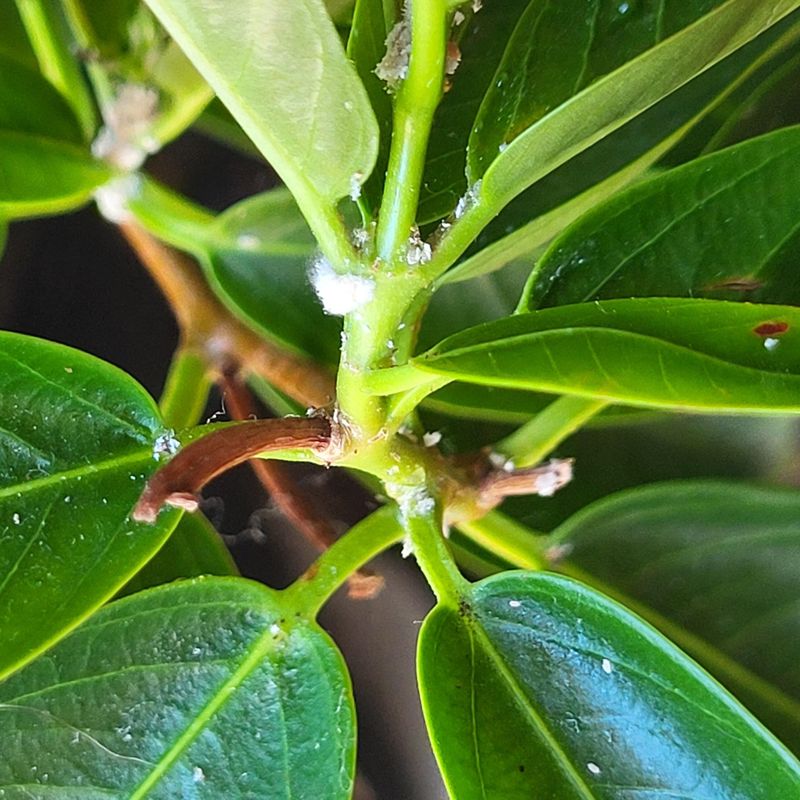
Before any plant crosses your threshold, treat it like a guest going through security. Tiny hitchhikers love to sneak indoors on leaves and stems, then spread to your other houseplants.
Flip the leaves over and peek along the stems for spider mites, mealybugs, or scale insects. Spider mites leave faint webbing, mealybugs look like little cottony dots, and scale shows up as small bumps.
Good lighting helps, and a magnifying glass makes the search even easier. Check the spots where leaves meet stems, since pests like to hide in those cozy corners.
If you spot trouble, reach for insecticidal soap or neem oil and follow the label directions. A careful spray coats the pests and helps clear them before they multiply.
Repeat the inspection a few days later, because eggs can hatch after your first pass. Catching a second wave early saves you a bigger headache down the road.
Quarantining the plant away from others for a week adds another layer of safety. That short separation gives you time to be sure it is truly clean.
A little detective work now protects your whole indoor garden all winter long.
4. Rinse Away Sneaky Soil Critters
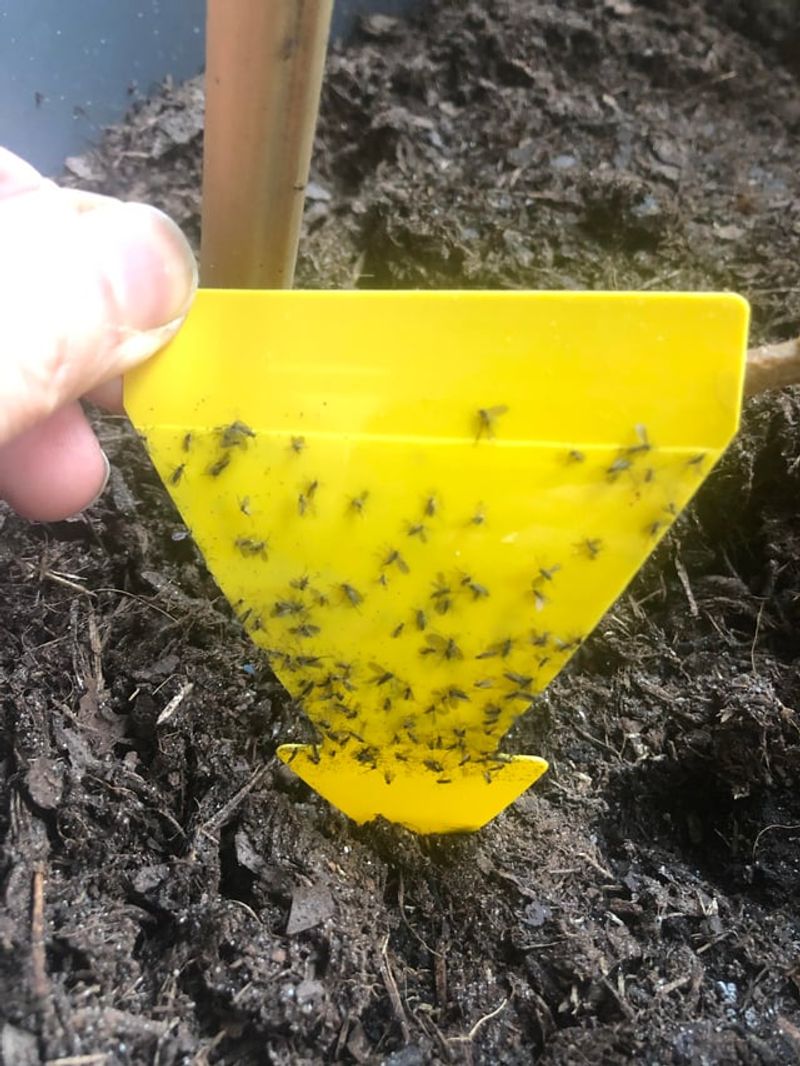
Pests do not only cling to leaves, because plenty of them burrow down into the soil. Ants, sowbugs, and other tiny tenants often set up camp in the pot without you noticing.
Inspect the soil surface and drainage holes for pests, and avoid bringing in containers with obvious insect activity. If needed, treat according to the pest involved.
Let the water soak through a couple of times, giving stubborn insects a strong hint to leave. You may be surprised what wanders out once things get soggy.
Next, take the whole plant outside and spray the leaves firmly with a hose. A steady blast knocks loose any bugs still hanging on to stems and foliage.
Aim from different angles so you reach the undersides where insects like to shelter. Just keep the pressure firm rather than harsh, so you do not shred tender leaves.
Allow the pot to drain fully before you carry it indoors, since soggy soil invites root trouble. A well-drained pot travels cleaner and lighter, too.
This simple rinse routine works alongside your pest check for a fresh, worry-free plant. Think of it as a spa day before moving day.
5. Ease Up On The Watering

Once your Mandevilla settles indoors, its thirst shrinks along with the shorter days. Once indoors, mandevilla usually grows more slowly because light levels drop, although plants kept in warm, bright conditions may continue growing.
Let the top inch or two of soil dry out before you reach for the watering can. Poke a finger into the pot to check, since dry surface soil is your green light.
The goal is soil that stays slightly moist, not soggy or waterlogged. Too much water sitting around the roots can lead to unhappy, mushy roots.
Overwatering is one of the most common slip-ups during the cooler months. When in doubt, wait a day and check again rather than pouring more in.
Use room-temperature water so you do not shock the plant with an icy splash. Cold water on tender roots is an unpleasant surprise it would rather skip.
Make sure the pot drains well and empty any saucer that collects extra runoff. Standing water beneath the pot quietly undoes your careful efforts.
A lighter watering schedule keeps the plant comfortable while it rests. Adjust as needed, and let the soil be your honest guide.
6. Put The Fertilizer Away
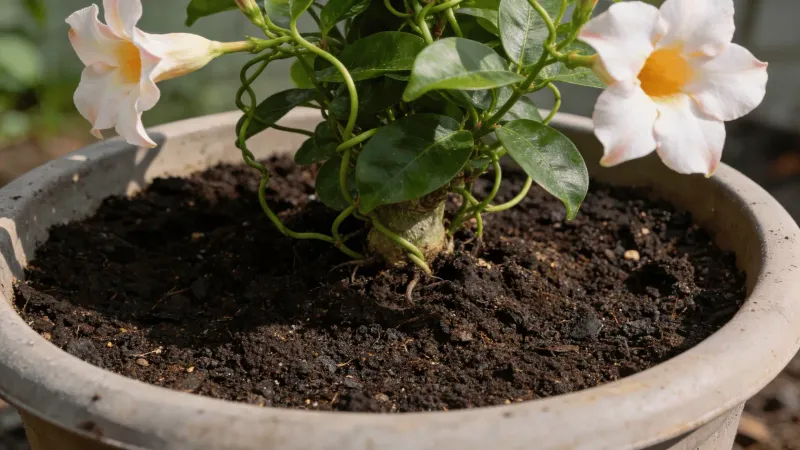
Feeding your plant all summer felt rewarding, but fall flips that script entirely. Mandevilla stops actively growing when the light fades, so extra nutrients just sit around unused.
Go ahead and stash the fertilizer bottle on a shelf until spring. The plant is entering a quiet phase and does not want a big meal right now.
Pushing food onto a resting plant can actually cause weak, spindly growth. Those pale, stretchy stems are not the healthy start you want for next season.
Instead, let your Mandevilla take its natural break without any nudging. Rest now sets it up for stronger, fuller growth when warmth returns.
Salt from unused fertilizer can also build up in the soil over time. Skipping feedings keeps that buildup from bothering the roots.
Mark a note to yourself so you remember when to start feeding again. Late winter or early spring, as new leaves appear, is the moment to resume.
Until then, water lightly and let the plant coast through its downtime. A break from feeding is honestly the kindest thing you can offer.
When fresh growth peeks out, you can happily bring the fertilizer back into the routine.
7. Find A Bright Window As A Houseplant
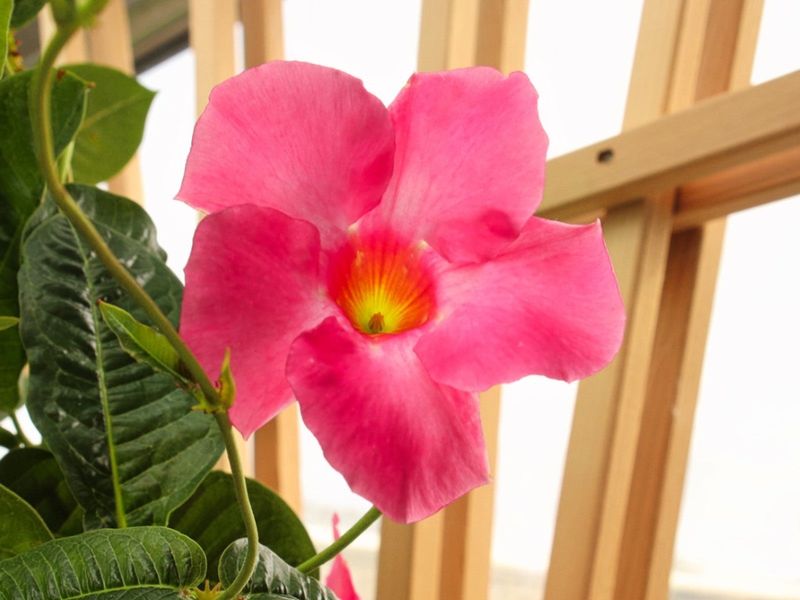
Mandevilla can also snooze through winter, resting until spring. The trick is location, and a bright, sunny window is its happy place.
Pick the brightest location available, ideally a sunny window where the plant can receive strong light throughout the day. A south or west-facing window usually offers the glow this sun-lover craves.
Normal indoor temperatures are usually fine, but keep the plant away from cold drafts and sudden temperature swings. That cozy range mimics the mild conditions it enjoys outdoors.
Watch out for drafts, since both hot air vents and cold window gaps can stress the plant. Sudden temperature swings make it drop leaves and pout.
Rotate the pot every week or so, so all sides get their share of light. This little spin keeps the plant growing evenly instead of leaning toward the glass.
Wipe dust off the leaves now and then to help them soak up more sunshine. Clean foliage simply works better at gathering light.
With the right window, your vine may even surprise you with a bloom or two. A splash of color indoors during gray Ohio winters feels like a small victory worth celebrating.
8. Let It Rest In A Cool, Dark Spot

Not everyone has a sunny window to spare, and that is perfectly fine. Mandevilla can also snooze through winter in a state of dormancy, resting until spring.
Choose a cool, dark place like a basement or an attached garage for its nap. Aim to keep temperatures steady between 50 and 60 degrees Fahrenheit.
In dormancy, the plant drops its leaves and quietly conserves energy. Bare stems might look plain, but they are simply taking a well-earned break.
Water only sparingly during this stretch, just enough to keep the soil from drying out entirely. You are aiming for barely moist, not damp or soggy.
Check on it every few weeks to make sure the soil has not gone bone-dry. A small drink now and then keeps the roots alive and ready.
Skip the fertilizer completely, since a resting plant has no use for it. Feeding a dormant vine only invites trouble.
This low-effort method suits busy folks who would rather not fuss over a houseplant. The garage or basement does most of the work for you.
Come spring, that sleepy stem will wake up eager to grow again.
9. Wake It Up For Spring
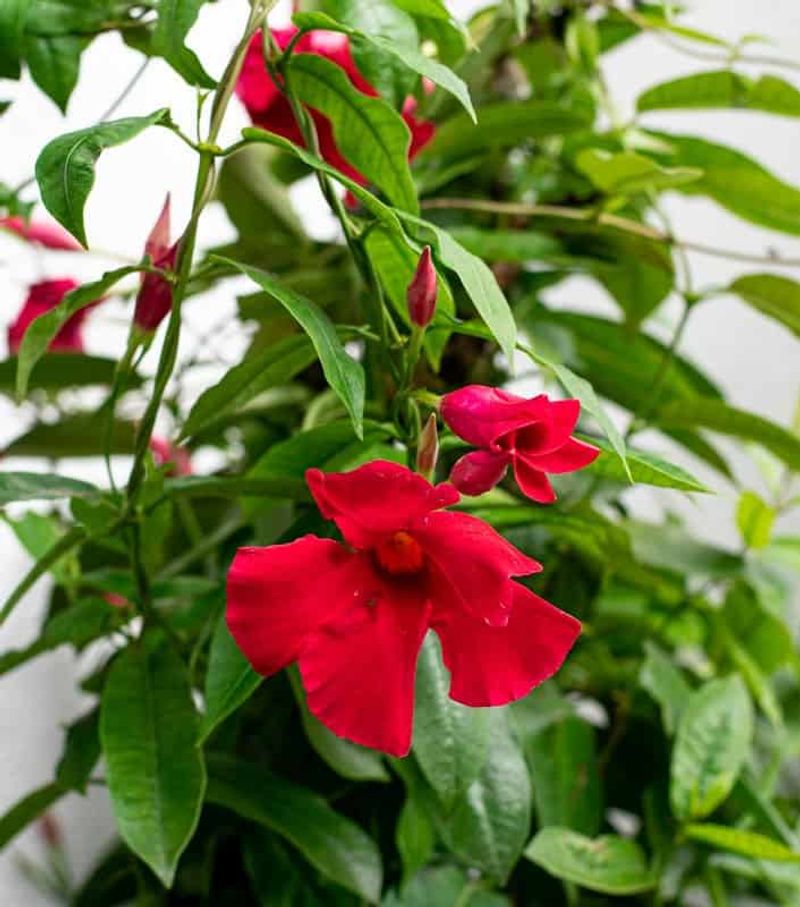
After a long winter rest, your Mandevilla will start whispering that it is ready to grow. New little shoots peeking out are your cue to bring it back to life.
As late winter slides toward early spring, watch for those fresh green buds. Once they appear, move a dormant plant to a warmer, sunnier spot.
Gradually resume normal watering, letting the soil guide how much and how often. The plant will drink more as it perks up and stretches toward the light.
Bring back the fertilizer too, feeding it to fuel all that eager new growth. A little nourishment now helps it build strength for the season ahead.
Consider repotting with fresh soil while you are at it. New soil gives the roots room and nutrients for a strong comeback.
Hold off on moving it outdoors until the danger of frost has truly passed. Ohio spring can tease with warm days and then sneak in a cold night.
When the weather stays reliably mild, ease it back outside over several days. That slow reintroduction helps it adjust without a shock.
Soon enough, those trumpet blooms will return, rewarding every bit of your winter care.