Should You Remove Texas Crepe Myrtle Seed Pods In September Or Leave Them Alone
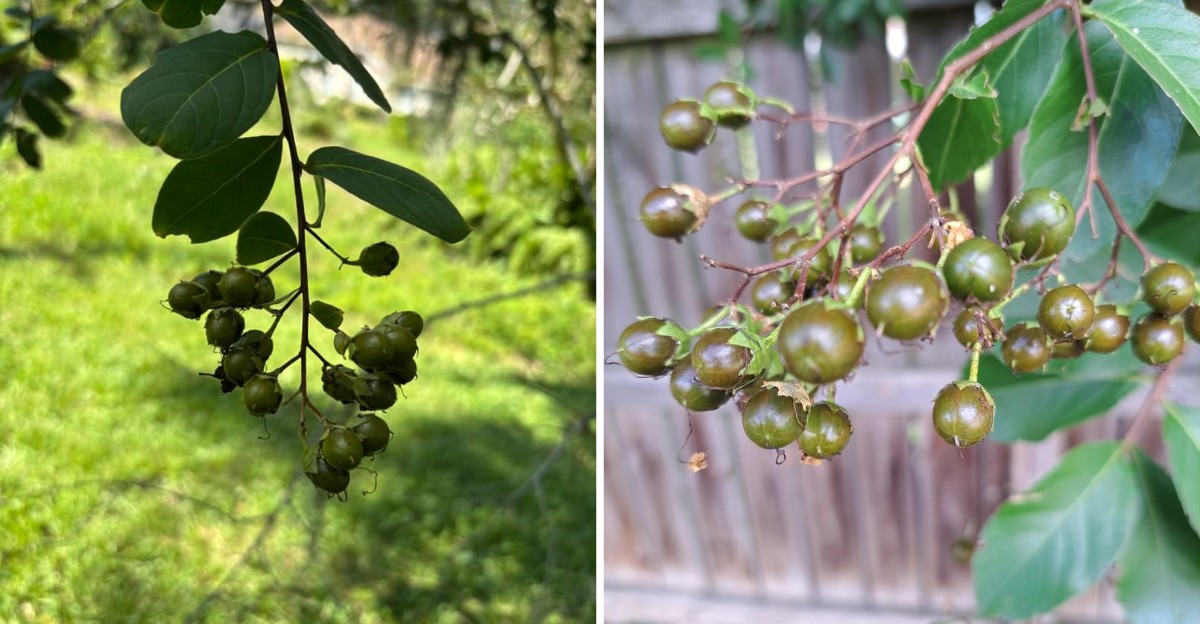
September in Texas still feels like an oven with the door cracked open, and the yard shows it just as much as you do. Something small and round is clustered on the branch tips right now, quietly changing color day by day.
Maybe you have been eyeing those little clusters for a while now, pruning shears in hand. Half the neighborhood swears you should snip them right away, the other half shrugs and lets nature handle it in its own time.
The calendar matters more than the tool ever will. What helps a tree in June can confuse it badly just a few months later, once the days start shrinking.
So before you climb the ladder in ninety-eight degree heat for no good reason, let’s sort out what actually happens inside that tree come September. The answer, it turns out, is simpler than the arguments suggest.
The Real Story Behind Those September Clusters
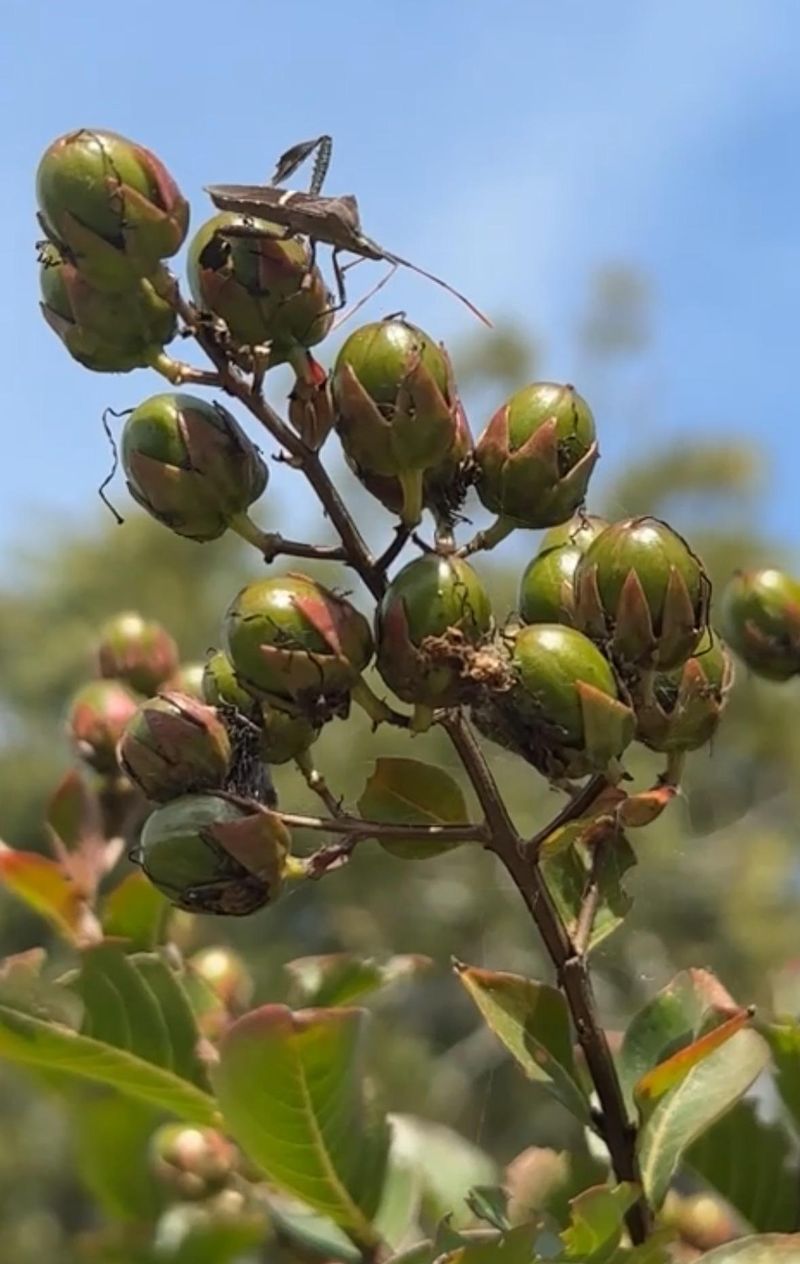
Look closely at the ends of your branches and you will see tight clusters of round, woody capsules about the size of a pea. Each one started as a flower earlier in the summer.
Once a crepe myrtle bloom finishes, the base of that flower swells and hardens into a green capsule. By September in most of Texas, those capsules have turned tan or dark brown and started to split open along six seams.
Inside are dozens of tiny winged seeds, light enough to drift on a breeze. A single mature tree can produce thousands of them across one season, which explains the volunteer seedlings that pop up in flower beds each spring.
Gardeners often call these clusters seed pods, though botanists prefer the word capsules. Either name works fine at the garden center.
The important thing to understand is that they are the natural finish line of the bloom cycle, not a sign of trouble. A tree covered in capsules is a tree that flowered well.
Some varieties hold their capsules through winter, giving the bare branches a beaded, textured look against a gray January sky. Others drop them gradually.
Knowing what you are looking at changes how you feel about them. Once you recognize the capsules as spent flowers rather than pests or disease, the pressure to grab the shears immediately starts to fade.
Timing Matters More Than The Trimming Itself
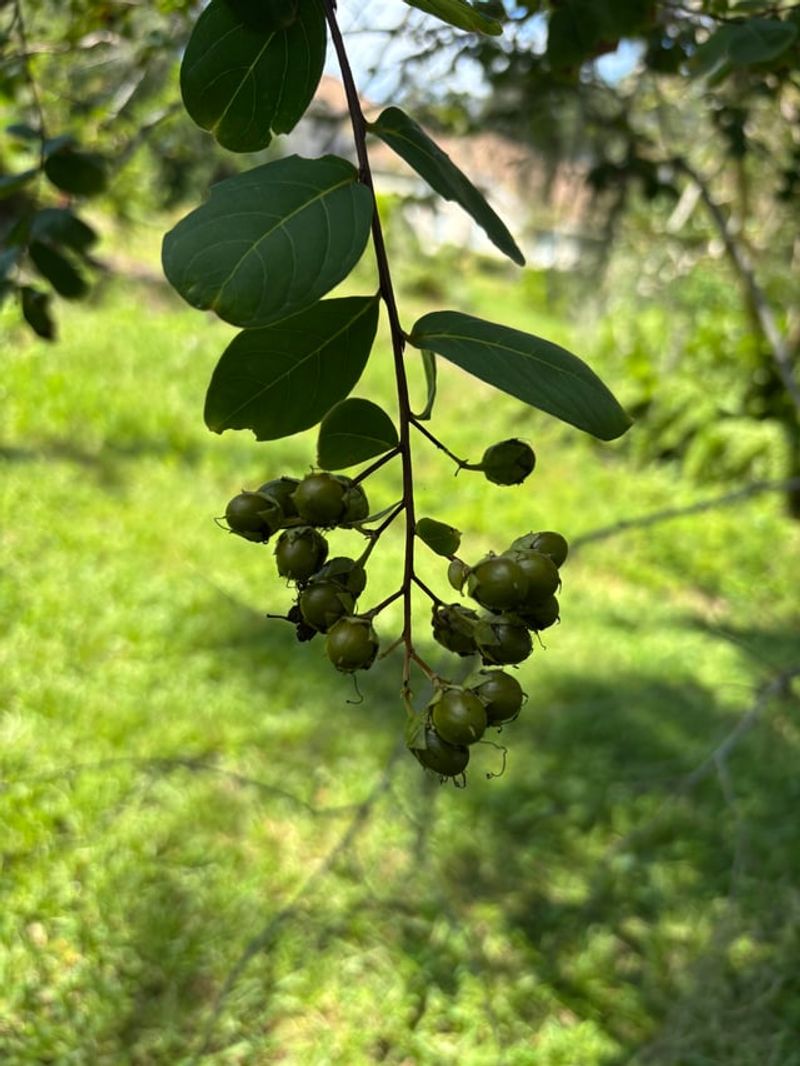
Ask ten Texas gardeners about seed pod removal and you will get ten confident answers. The disagreement usually comes from people talking about different months.
Removing spent blooms in June or early July genuinely encourages a second flush of flowers. The tree still has months of warm growing weather ahead, so it responds by pushing out fresh buds.
September is a different story. Days are getting shorter, and even though Texas afternoons stay brutally hot, the tree reads the changing light and begins shifting energy toward roots and wood instead of flowers.
Snip the tips now and you may coax out a weak, late flush of tender growth. That soft new wood has little time to harden before the first cold snap arrives, which leaves it vulnerable.
Your Texas Garden Changes Every Week. Your Plan Should Too.
Gardening in Texas changes quickly throughout the season. Every Friday you’ll receive a simple weekly plan showing exactly what to plant, prune, fertilize, harvest, and protect so you never miss the right timing.
In the Rio Grande Valley or along the coast, the growing season stretches longer and a light trim in early September is lower risk. Around Amarillo or Lubbock, the first freeze can show up in late October, and tender shoots will suffer.
The tool in your hand is not the problem. The calendar page is.
A good rule of thumb: if you are more than six weeks from your average first frost date, a light touch is fine. Closer than that, put the shears down and pour some iced tea instead.
The Energy Trade Off Happening Inside The Tree Right Now
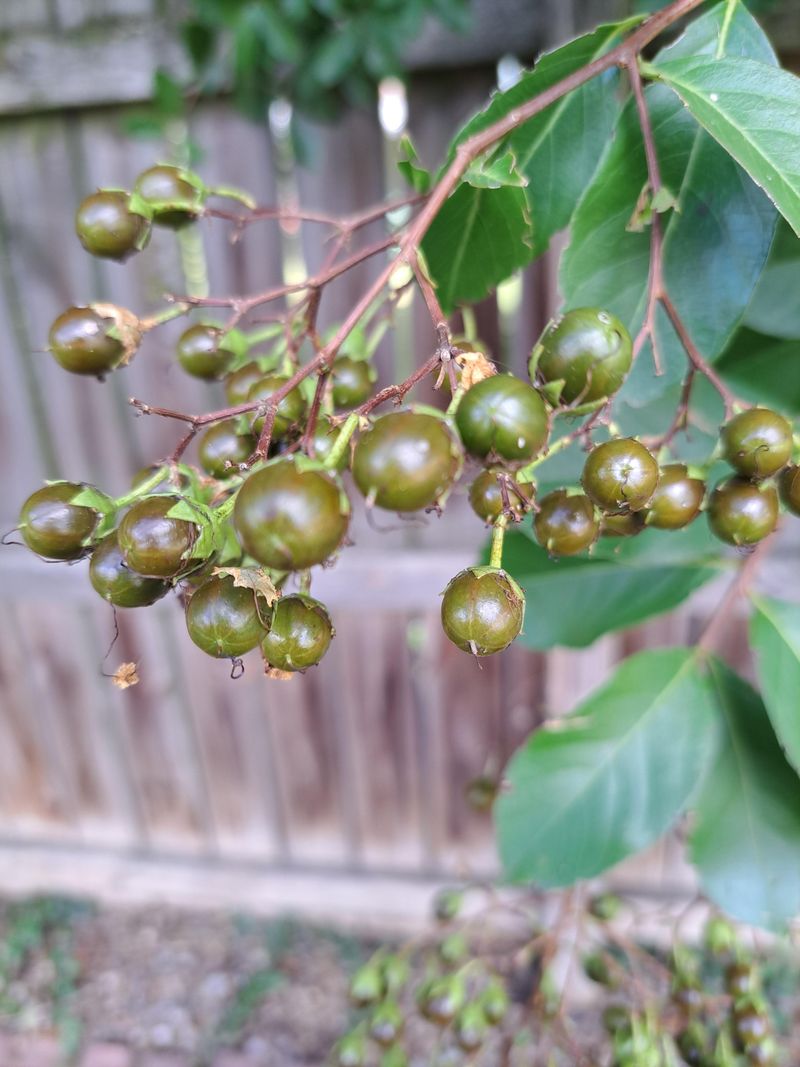
Trees run on a budget, and September is when a crepe myrtle starts moving money out of checking and into savings. Sugars made in the leaves travel down to the roots and trunk for winter storage.
Seed production does draw on that budget. Filling thousands of capsules costs the plant something, which is the main argument people make for cutting them off.
Here is where the argument gets thin. By September, most of that seed-making work is already finished, so removing the capsules recovers very little.
The capsules are essentially paid for. Snipping them is like canceling a subscription after the annual charge already cleared your account.
What can actually cost the tree is the regrowth response. Pruned tips often trigger new shoots, and building those shoots pulls stored sugars back out of the bank at the worst possible moment.
Mature, well-established crepe myrtles handle this fine. Young trees planted within the last two years have smaller reserves and feel the drain more sharply.
If your goal is a stronger tree next spring, deep watering during a dry September helps far more than any amount of snipping. Roots keep growing in warm Texas soil well into November.
Think of fall care as feeding the foundation, not styling the roof. The showy work belongs to a different season entirely.
Leaving Them Alone Is Often The Smarter Move
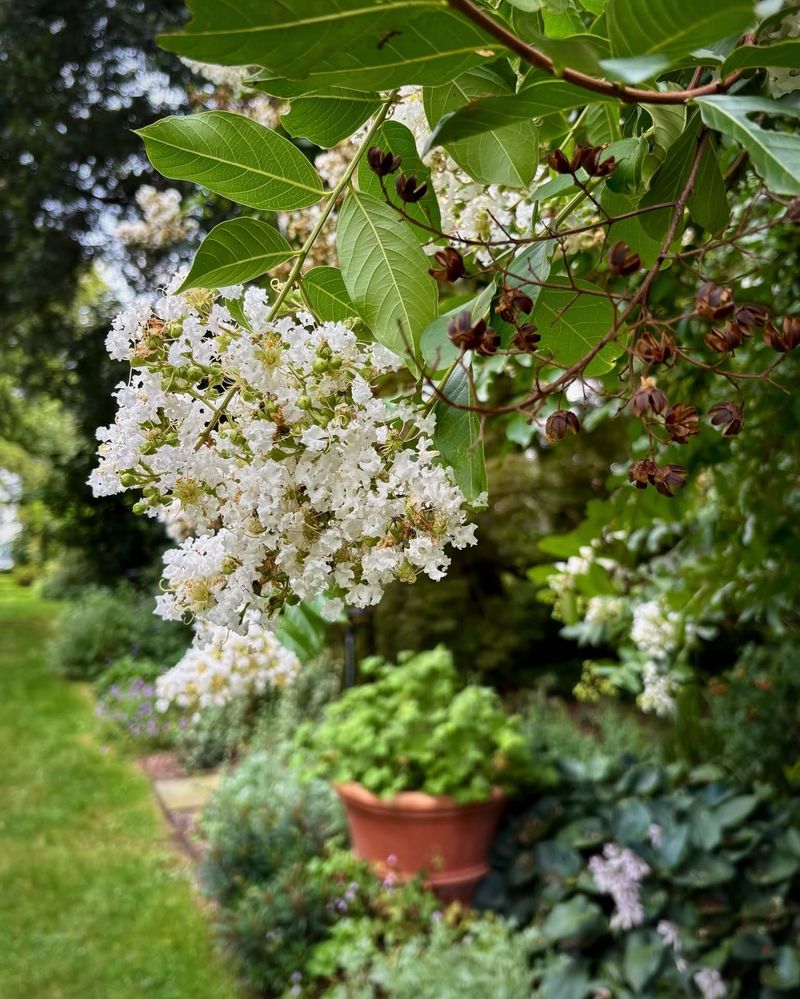
There is a quiet case for doing nothing, and it is stronger than most people expect. Left in place, those capsules give a bare winter tree real visual interest.
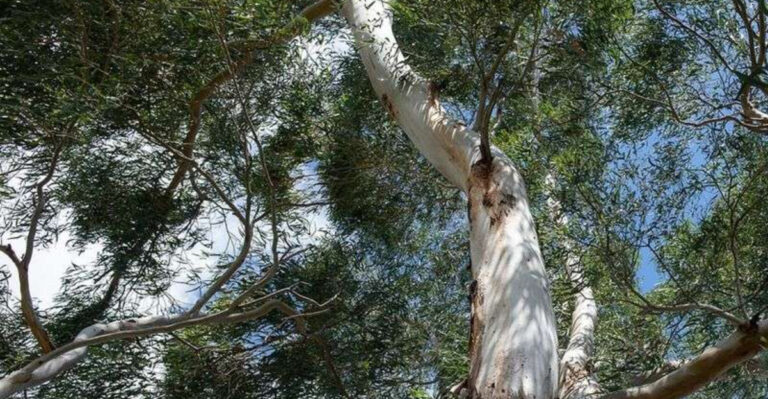
Crepe myrtles drop their leaves and show off smooth, peeling cinnamon bark. Add clusters of dark capsules at the branch tips and you get a sculptural silhouette that looks intentional against a winter sky.
Birds notice too. Finches, chickadees, and cardinals pick at the tiny seeds during lean months, turning the tree into a small feeding station.
Leaving the capsules also means little risk of triggering tender growth before a freeze. The tree slides into dormancy on its own schedule with no interference from you.
Then there is the practical angle. Removing spent blooms from a fifteen-foot tree in September Texas heat means ladders, sweat, and an afternoon you will not get back.
Skipping it costs the tree little to nothing in terms of health. Come late winter, a single structural pruning session removes the old capsules along with any crossing or crowded branches, all in one trip.
Natchez crepe myrtles left untouched in fall often bloom just as strong, if not stronger, the following summer. Sometimes the best garden decision is the one that lets you sit down.
Situations Where Snipping Pods Genuinely Helps
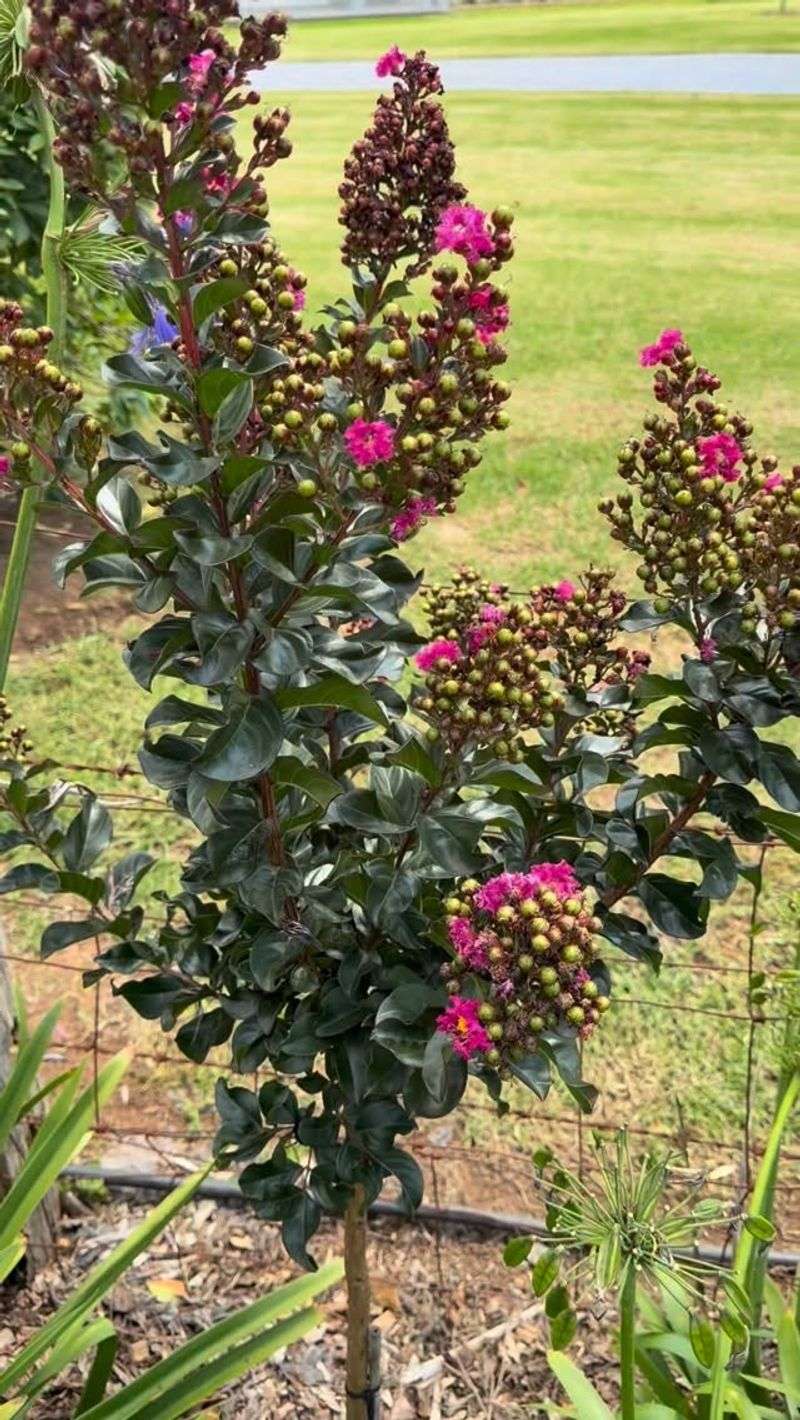
Doing nothing works for most trees, but a few situations tip the scale toward light removal. Volunteer seedlings top the list.
Those winged seeds travel, and they sprout enthusiastically in mulch beds, gravel driveways, and cracks along the sidewalk. If you spent last spring pulling dozens of baby crepe myrtles, clipping capsules before they fully split saves real weeding time.
Small, young trees are another case. On a five-foot shrub-form crepe myrtle, you can reach every branch tip in fifteen minutes without a ladder, and the tidy look pays off immediately.
Container-grown crepe myrtles on patios benefit as well. Splitting capsules shed debris on decks and outdoor furniture, and nobody enjoys sweeping the same spot every weekend.
Curb appeal counts too. If your home is going on the market this fall, a clean-looking tree photographs better, and cosmetic trimming causes no lasting harm.
The key is restraint. Take only the capsule cluster and maybe an inch of stem behind it, never cutting back into thick, older wood.
Use sharp bypass pruners and clip just above a leaf node. That small cut heals fast and rarely wakes the tree up.
Light and targeted beats aggressive and thorough in September. Treat it as tidying rather than pruning, and your tree will barely notice you were there.
The Big Mistake Texas Homeowners Make Every Autumn
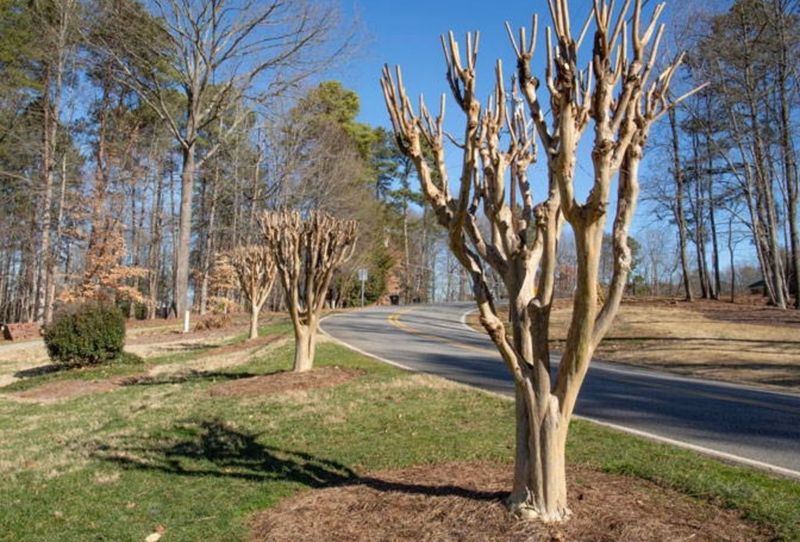
Somewhere between removing a few seed pods and butchering a tree lies a line that thousands of Texas homeowners cross each year. The local nickname for the result is unkind but accurate: crepe murder.
It usually starts innocently. Someone decides to clean up the seed capsules, gets going with the loppers, and forty minutes later the tree is a set of thick knuckled stubs.
Topping like that forces the plant to push out dozens of skinny, weak shoots from each cut. Those shoots flop under the weight of blooms and snap in storms.
The damage compounds year after year. Ugly swollen knobs form at the cut points, and the beautiful smooth bark that makes crepe myrtles special gets hidden behind a tangle of whips.
Fall is when this mistake peaks because people confuse tidying with major surgery. Heavy cuts in September also open wounds right as cool, damp weather arrives, which invites problems.
Keep the two jobs separate in your mind. Removing spent capsules is a fingertip task, while shaping structure is a late-winter job done with a plan.
If a branch is thicker than a pencil, September is not the month to cut it. Mark it with a ribbon and come back in February when the tree is fully dormant and you can see its bones clearly.