Cotton Ball Look Alike Bugs Are Drifting Through The Air Across Alabama This Fall
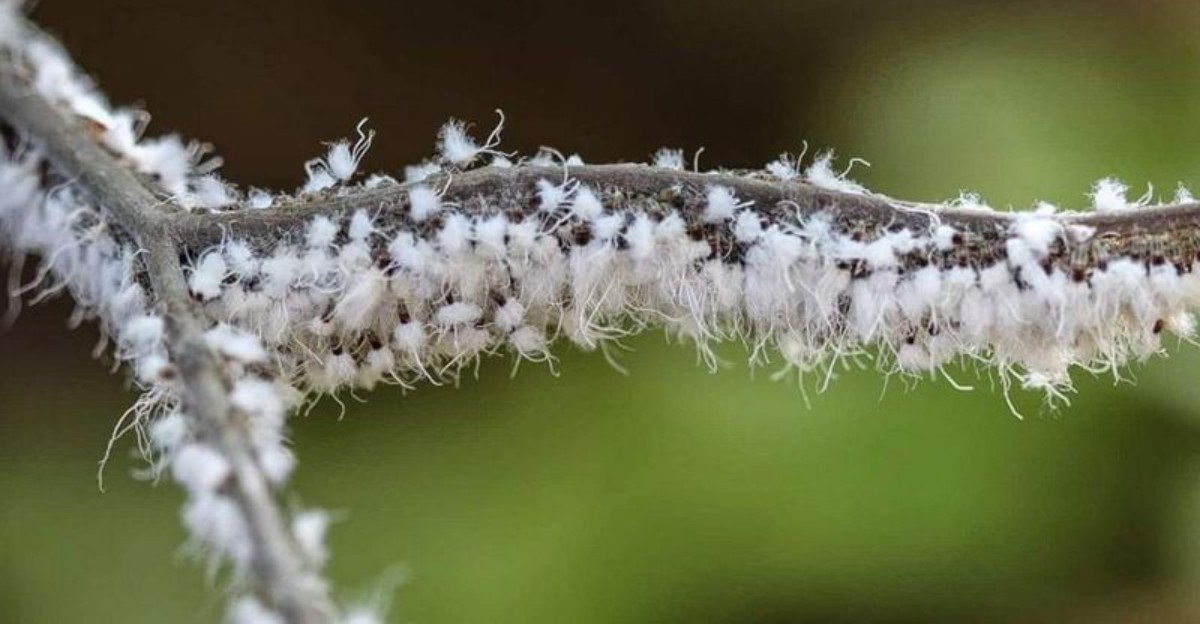
White specks drift past your face on a warm Alabama afternoon. You reach out, pinch a speck, and feel it squirm. This puff is not plant material at all. Underneath, a real bug pilots that fluff like tiny cargo.
Insects hide beneath that white coating, and they crave a particular shade tree. Alabama hosts these tiny fliers on your favorite shade tree by late summer. Thousands cluster overhead, then rain sticky mist onto your patio below.
Your car catches the mess first, then your chairs follow. Even your dog ends up glazed after an afternoon outside. Sidewalks turn shiny, bark turns dark, and questions pile up fast.
Across the state, curiosity turns into concern quickly. Homeowners want answers, and you deserve them now.
That tiny insect explains sticky cars, black bark, and floating fluff. Managing it takes less effort than you might expect. Here’s exactly how you take back control.
Meet The Fluffy Flier Behind The Fake Snow
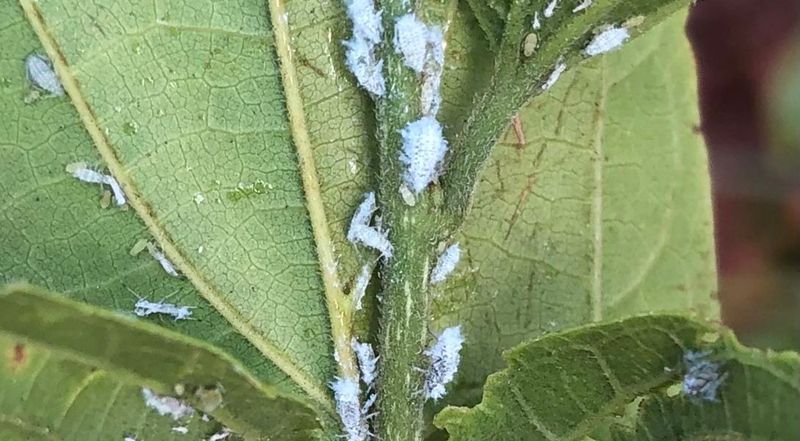
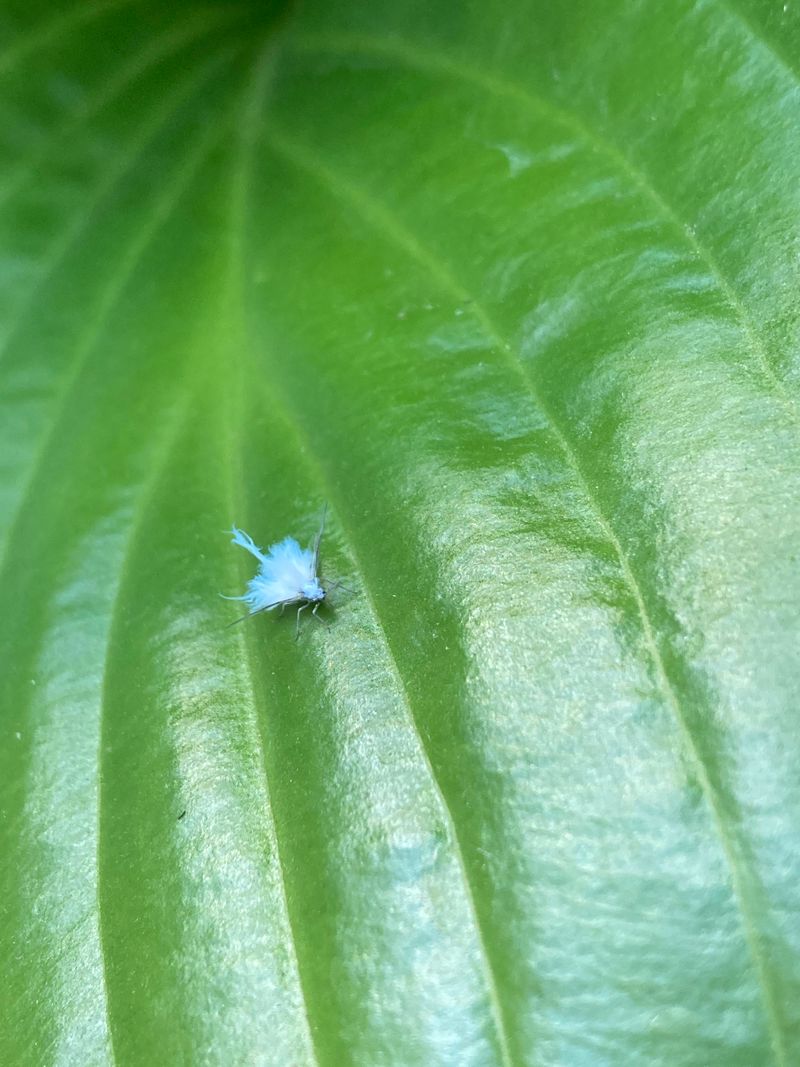
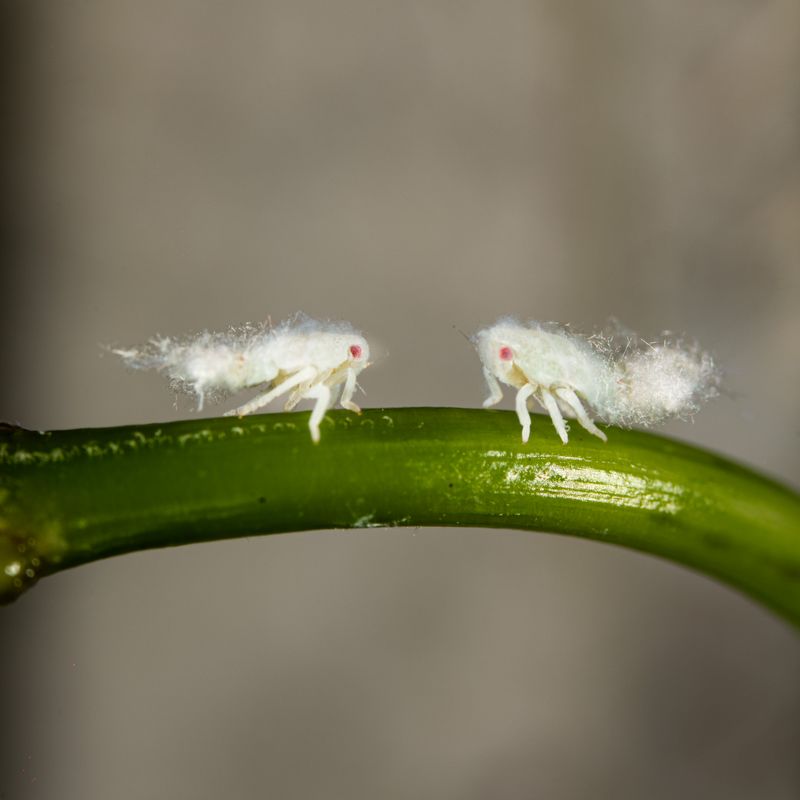
Pinch one of those floating puffs and you will find something surprising inside: a soft-bodied insect no bigger than a grain of sand. The white fuzz is not fur or seed down, it is wax the insect makes and wears like a coat.
Scientists call it the Asian woolly hackberry aphid, and it was first recorded in the southeastern United States around the late 1990s. It spread fast through Georgia, Mississippi, and Alabama because its favorite host tree grows here in huge numbers.
The waxy strands serve a real purpose. They help the insect stay dry, confuse hungry predators, and catch the breeze so young ones can travel to new leaves without walking.
Adults come in winged and wingless forms. The winged ones are the drifters you see crossing yards and parking lots in September, looking for fresh feeding spots before cool weather settles in.
Up close under a hand lens, they look almost decorative, like tiny snow globes with legs. Kids love watching them, and honestly, so do a lot of adults who finally solve the mystery.
Populations build slowly through summer, then increase rapidly once late-season heat and humidity peak. That timing is why so many Alabama residents notice them right around Labor Day weekend rather than in June.
Knowing what you are looking at changes the whole experience. Instead of a strange invasion, you are watching a seasonal insect cycle that has a clear beginning, a messy middle, and a quiet finish.
The Tree They Keep Coming Back To
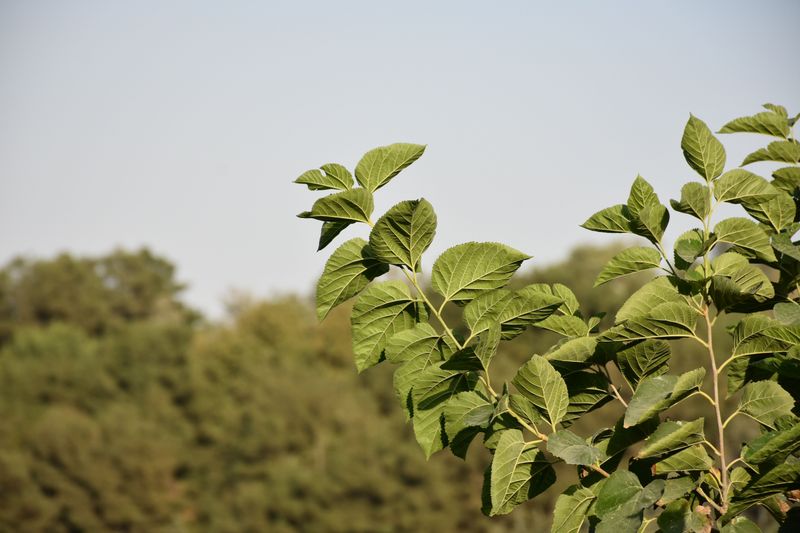
Every picky eater has a favorite restaurant, and for this aphid it is the hackberry tree. Both common hackberry and sugarberry, which grow wild across much of Alabama, serve as the main host.
You can spot a hackberry by its bumpy, warty gray bark that looks like it has been decorated with tiny corky ridges. Leaves are lopsided at the base, rough on top, and taper to a point.
Sugarberry shows up along creek bottoms, fence rows, and old home sites, often planted decades ago for quick shade. Because birds spread the small purple fruits, volunteer seedlings pop up in places nobody planted them.
Your Alabama Garden Changes Every Week. Your Plan Should Too.
Gardening in Alabama changes quickly throughout the season. Every Friday you’ll receive a simple weekly plan showing exactly what to plant, prune, fertilize, harvest, and protect so you never miss the right timing.
The aphids gather on the undersides of leaves where they poke into veins and sip sugary sap. A single leaf can hold dozens, and a mature tree can host numbers hard to imagine.
Here is the reassuring part. Even heavy feeding generally causes little lasting harm to an established hackberry, since the tree tends to be tough, fast-growing, and resilient to this kind of stress.
Leaves may yellow early or drop a bit sooner in autumn, but buds for next spring are already set. Come April, the canopy usually leafs out looking perfectly normal.
If you are choosing shade trees for a new yard, knowing this habit helps. Planting a hackberry directly over a driveway or deck sets you up for sticky seasons, while placing it toward the back of the property keeps the mess away from daily traffic.
That Sticky Film On Your Car Has A Name
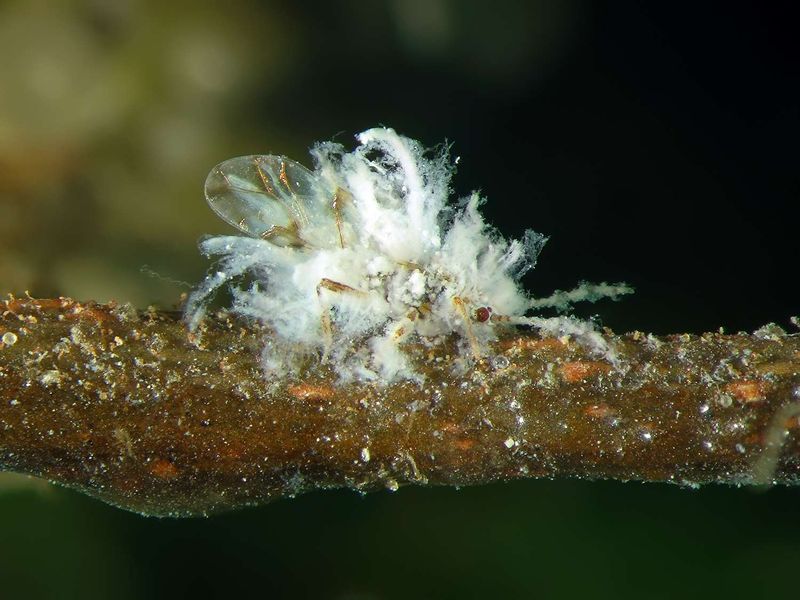
Park under the wrong tree in September and your windshield becomes noticeably sticky. The culprit is honeydew, a sugary liquid the aphids release after filtering sap for the nutrients they want.
Sap is loaded with sugar but light on protein, so the insects drink far more than they need and pass the extra straight through. Multiply that by thousands of feeders and you get a fine, invisible mist falling all day.
People often describe it as feeling like light rain on a cloudless afternoon. Touch a patio table and your fingers stick slightly, which is the giveaway.
Honeydew coats leaves, cars, mailboxes, lawn furniture, and anything else sitting below the canopy. Wasps, bees, ants, and flies show up to feed on it, which can turn a quiet porch into a busy one.
Cleaning early makes a big difference. Warm water with a little dish soap lifts fresh honeydew easily, while dried layers take much more scrubbing and can dull car paint over time.
Rinse vehicles within a day or two rather than letting the film bake in the sun. A car cover or a temporary parking spot away from the tree saves a lot of weekend labor.
For decks and walkways, a garden hose and a stiff broom handle most of the job. Doing it once a week during peak season keeps surfaces from getting slick and sticky underfoot.
Black Film On Leaves And Bark Explained
Ever notice a tree that looks like someone dusted it with charcoal? That dark coating is sooty mold, a group of fungi that grow on honeydew rather than on the plant itself.
The fungus does not feed on leaves or bark. It simply uses the sugar sitting on the surface as a food source, spreading into a thin black crust wherever honeydew lands.
Sidewalks under infested hackberries often turn gray-black and slippery after rain. Fences, shrubs, and even parked bicycles can pick up the same dingy film.
Because sooty mold blocks sunlight, heavily coated leaves photosynthesize less efficiently. On a healthy shade tree that is a minor setback, but on small shrubs growing underneath it can slow growth noticeably.
The good news is that the mold flakes away once honeydew stops falling. Winter weather and spring rains usually scrub the canopy clean without any help from you.
For plants you care about below the tree, a gentle spray of soapy water followed by a clear rinse removes most of the buildup. Repeat after a week if the film returns.
Hard surfaces respond well to a pressure washer on a low setting. Concrete may need a scrub brush and a mild cleaner to get back its original color.
Treating the mold alone is a temporary fix. Reducing the honeydew source, or simply waiting out the season, gives longer lasting results with far less effort.
Helpful Hunters Already Working In Your Yard
Before you reach for a spray bottle, look closely at the leaves. Chances are good you will spot an unpaid cleanup crew already on the job.
Lady beetles are the headliners, and their alligator-shaped larvae eat even more aphids than the adults do. Green lacewing larvae, sometimes called aphid lions, work the same shift with impressive appetites.
Tiny parasitic wasps join in too, laying eggs inside aphids and leaving behind puffy tan shells known as mummies. Spotting those means natural control is quietly happening.
Hover flies patrol the canopy as well. The adults look like small bees sipping nectar, while their legless larvae crawl across leaves vacuuming up soft-bodied insects.
Broad-spectrum insecticides knock out these helpers along with the target pest, which often leads to a bigger rebound later. Aphids reproduce quickly, and predators recover slowly, so the balance tips the wrong way.
You can support the good guys by planting small-flowered herbs like dill, fennel, yarrow, and alyssum nearby. Those blooms feed adult predators between hunting trips.
Leaving a shallow water dish with pebbles gives beneficial insects a safe drink during dry September stretches. Skipping unnecessary lawn treatments helps too.
Birds such as chickadees and warblers pick through infested branches as well, adding another layer of pressure. Wait a few weeks and the fluffy crowd usually thins out on its own, often without chemical treatment.
Smart Steps For Homeowners This Season

A measured approach works better than an urgent one when these puffballs show up. Start by deciding whether the mess actually affects how you use your yard, because many trees need no treatment at all.
A strong blast from the garden hose knocks aphids off lower branches and rinses honeydew from foliage. Doing that in the morning lets leaves dry before evening.
Insecticidal soap or horticultural oil works on the parts of the canopy you can reach, though the waxy coating makes thorough coverage important. Spray on a mild day, not when temperatures climb past the upper eighties.
For large trees, homeowner sprays rarely reach the top where populations are heaviest. A licensed arborist can evaluate whether a systemic treatment applied to the soil makes sense, and that decision is usually best made in spring rather than fall.
Timing matters more than product choice. As cooler nights typically arrive in October and November, numbers tend to drop as the insects finish their yearly cycle.
Keep trees in good shape with deep watering during dry spells and a ring of mulch out to the drip line. Stressed trees tolerate feeding less gracefully than vigorous ones.
Move grills, cushions, and outdoor rugs out from under the canopy for a few weeks. A pop-up canopy over the picnic table buys instant relief.
Above all, remember this is a seasonal visitor. Come spring, the sticky sidewalks and floating fluff will be a story you tell your neighbors.