What Rhododendrons Need Now To Make It Through Another Ohio Winter
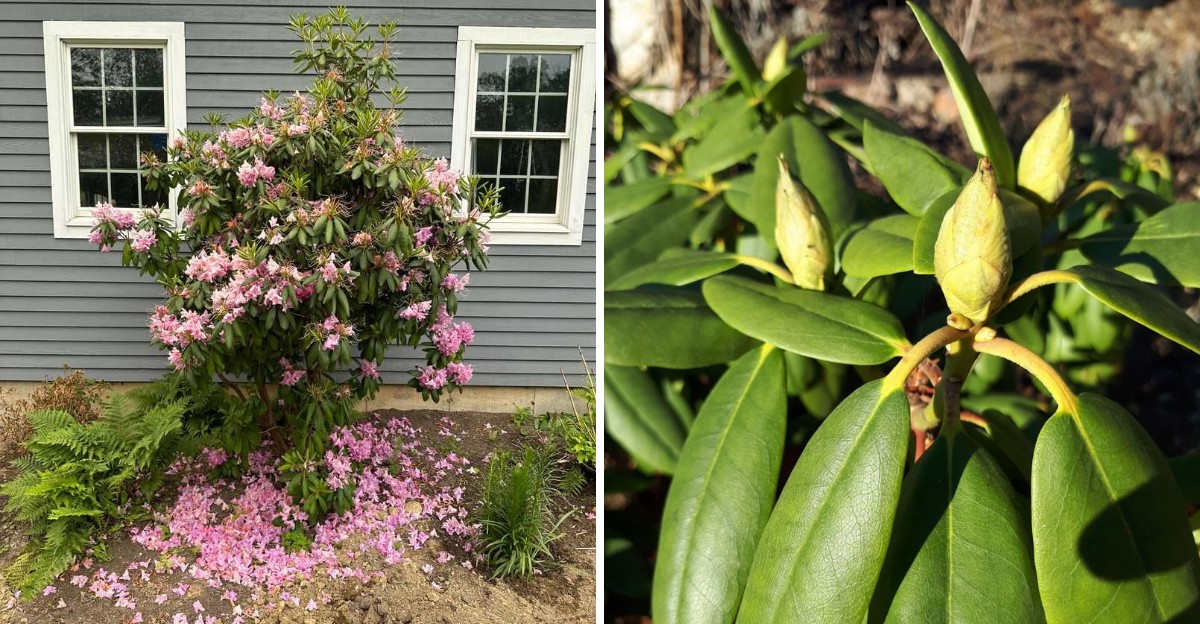
Those broad leaves out by the foundation still look fine. Full, green, no obvious stress.
But looks are deceiving this time of year. What matters is happening underground, not on the sidewalk.
Rhododendrons don’t just tolerate cold. They need help getting ready for it.
Roots have to be hydrated before winter sets in. Mulch needs to go down before the ground freezes solid.
Any broken or damaged branches left alone now can turn into bigger problems once temperatures drop. Skip these steps and the plant probably won’t wither outright.
It’ll just come out the other side stressed, thin, and slow to recover. Ohio winters are hard on broadleaf evergreens.
The difference between a rhododendron that bounces back strong and one that struggles for years usually comes down to what happens in the next few weeks.
1. Give Roots A Long, Deep Drink
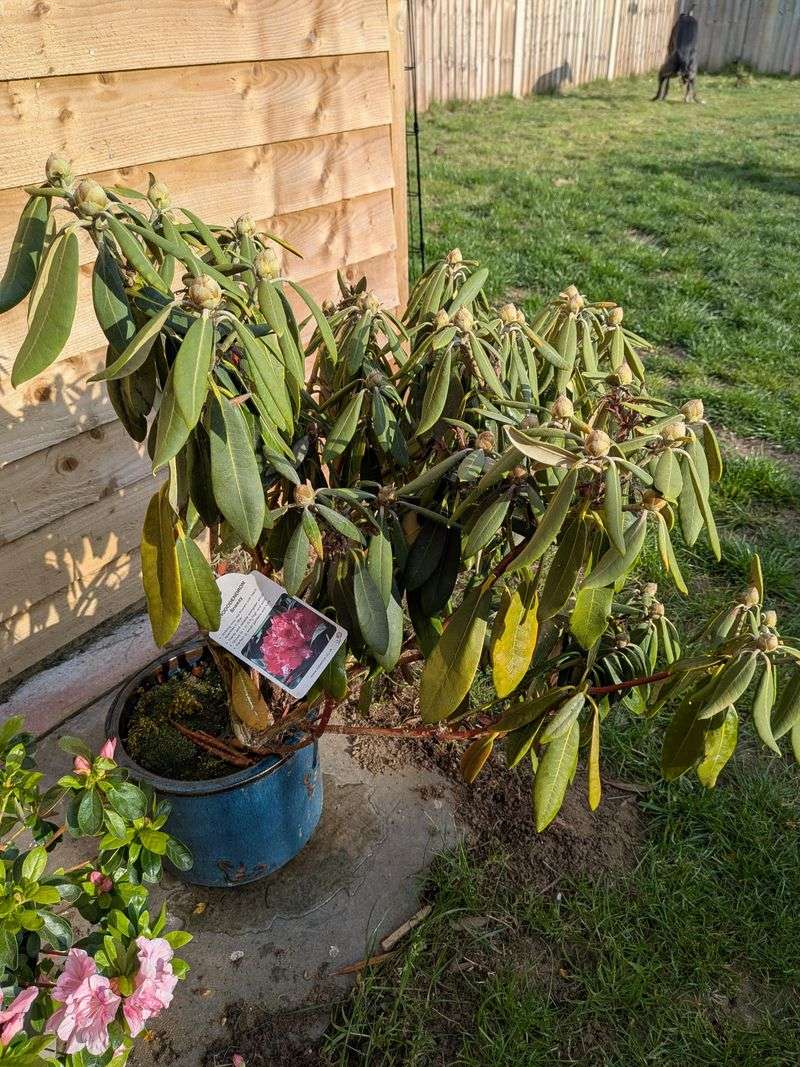
Thirsty roots make for a rough winter, so late fall is the moment to soak your shrubs well. Keep watering deeply until the ground starts to freeze, especially when rain has been spotty.
Here’s the tricky part about frozen soil. Once the soil freezes, roots have a much harder time replacing moisture lost from leaves, especially during sunny, windy periods.
That imbalance is what leaves broad-leaved evergreens looking sad and crispy by March. A plant that goes into winter fully hydrated has a real cushion to lean on.
Aim to water in the morning so leaves dry off before nighttime chills settle in. Damp foliage overnight can invite fungal troubles you’d rather skip.
Slow and steady beats a quick splash every time. Let the hose trickle at the base so water sinks down to where the roots actually live.
During dry fall stretches, give the shrub a deep soak when the soil begins drying out. Feel the soil a few inches down, and if it’s dry, it’s time to pour.
2. Tuck The Base In With Mulch
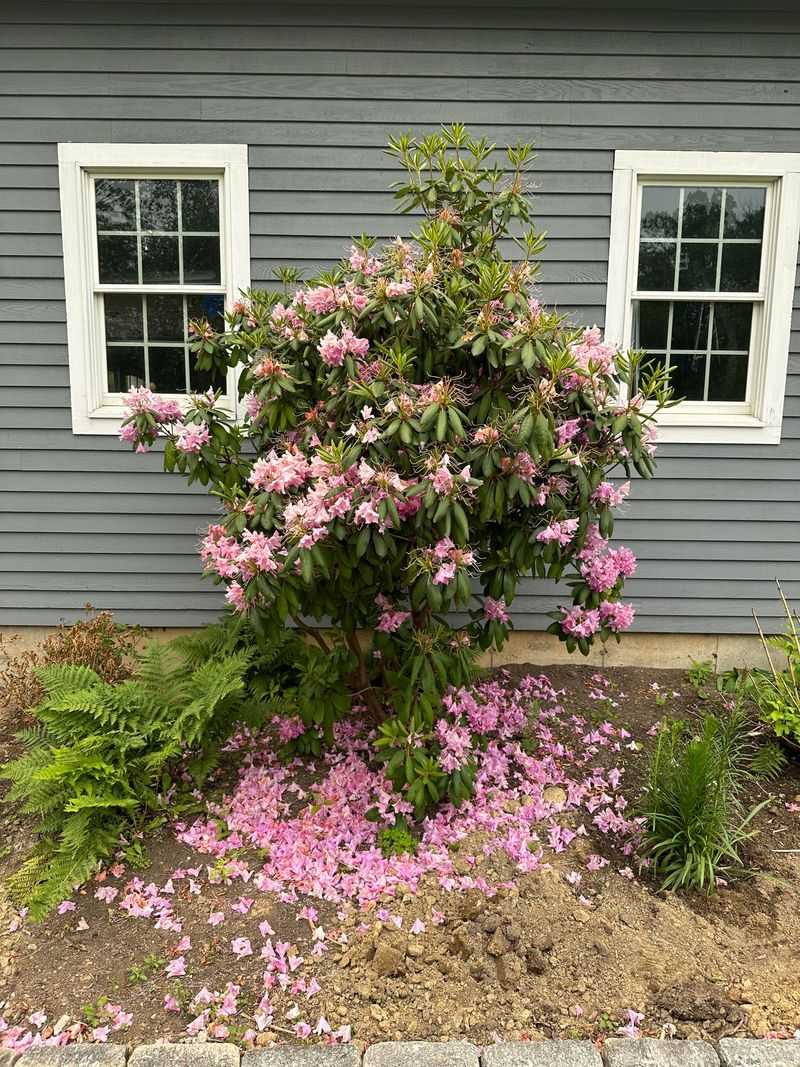
Think of mulch as a cozy blanket for the shallow roots hiding just below the surface. Rhododendrons have a relatively shallow, fibrous root system that benefits from protection against temperature swings.
Spread about 2 to 3 inches of organic mulch around the root zone. Pine bark, pine needles, or oak leaves work wonderfully and slowly feed the soil as they break down.
One small but mighty tip can save your shrub from trouble. Keep the mulch a few inches back from the stem or trunk, since piling it up against the wood can trap moisture and encourage rot.
Beyond warmth, that layer holds onto precious soil moisture during dry, breezy spells. It also softens the freeze-thaw cycle that can heave young plants right out of the ground.
Refreshing the mulch each fall keeps the protection at full strength. A well-mulched rhododendron sits snug and calm while the weather does its worst above.
3. Build a Break From Biting Winds
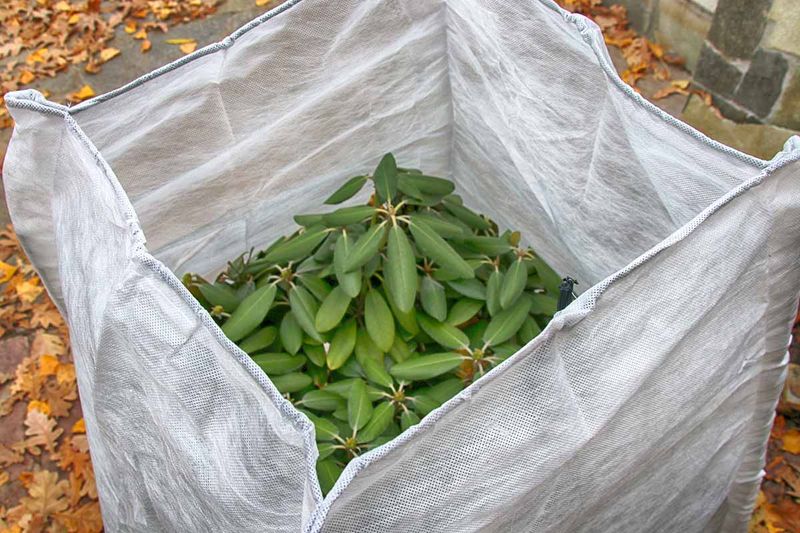
Winter wind in Ohio can be relentless, whipping across open yards and pulling moisture straight out of leaves. Those broad evergreen leaves have a lot of surface area, which makes them easy targets for drying gusts.
Your Ohio Garden Changes Every Week. Your Plan Should Too.
Gardening in Ohio changes quickly throughout the season. Every Friday you’ll receive a simple weekly plan showing exactly what to plant, prune, fertilize, harvest, and protect so you never miss the right timing.
Setting up a simple burlap screen on the windward side gives your shrub a fighting chance. Pound in a few wooden stakes and staple the burlap so it forms a wall, not a wrap.
Leave room for air to move around the plant. Trapping heat inside a sealed cover can confuse the shrub and cause more harm than the wind itself.
Fences and existing structures make handy shields too. If you’re planting new rhododendrons, tuck them into naturally sheltered spots near a building or evergreen hedge.
A little planning here spares you the heartbreak of brown, curled foliage later. The barrier softens the blast while still letting fresh air flow through freely.
Come spring, you’ll be glad you took twenty minutes to hammer in those stakes. Your shrub stays green and calm behind its cozy windbreak.
4. Shade Leaves From Harsh Winter Sun
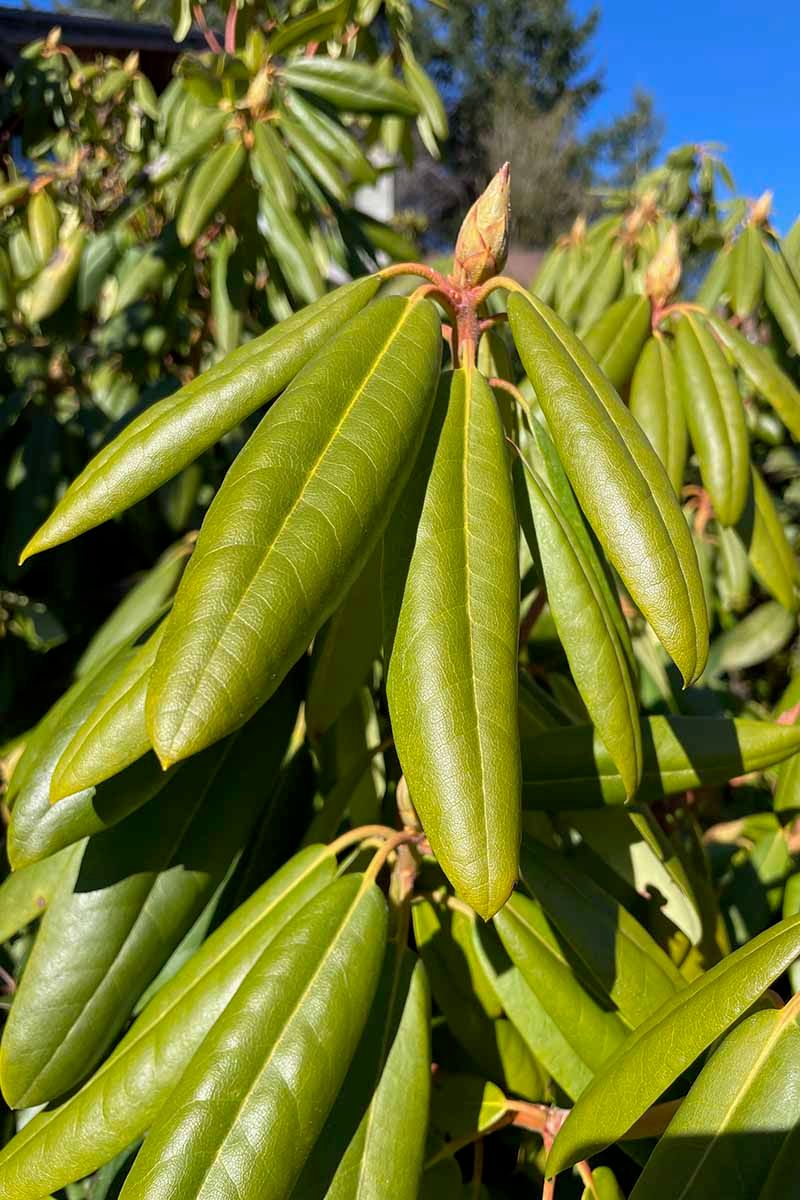
It sounds backwards, but winter sunshine can be surprisingly rough on evergreen leaves. Winter sun and wind can increase moisture loss from evergreen leaves while frozen soil limits the plant’s ability to replace that water.
Gardeners call this winter burn, and it shows up most on the south and west sides. Those directions catch the strongest, most direct light during the shortest days of the year.
A temporary shade barrier makes a big difference here. Lean a few evergreen boughs against the plant or set up burlap to soften that intense glare.
The goal is to filter the light, not block it entirely. Your rhododendron still gets what it needs while avoiding the harsh flip between warm and freezing.
Trimmed branches from a holiday tree work perfectly for this trick. Prop them around the shrub and you’ve got instant, free protection.
Keep an eye on especially sunny, snowy afternoons since that combo does the most damage. A bit of shade now keeps those leaves glossy and healthy for the growing season ahead.
5. Trim Away Weak And Wobbly Branches
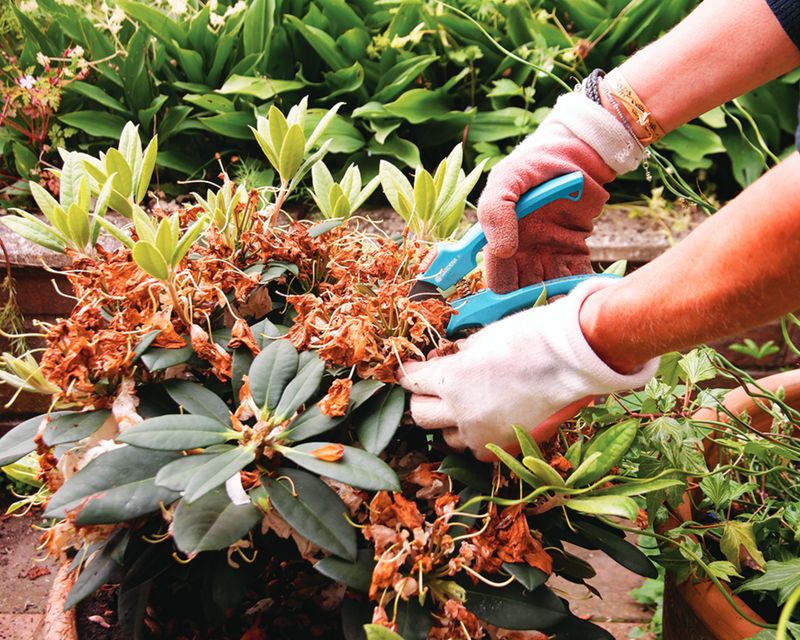
A quick once-over with the pruners before winter can prevent a snowy mess later. Look for branches that seem damaged, sickly, or awkwardly long and leggy.
Heavy snow loves to pile onto weak limbs until they snap under the weight. Removing those trouble spots now keeps a storm from doing the breaking for you.
Go easy though, because fall is not the time for a major haircut. Cutting too much can spark tender growth or remove next spring’s flower buds.
Save the big shaping projects for right after the blooms fade in spring. For now, stick to tidying and taking out anything clearly struggling.
Clean, sharp tools make cleaner cuts that the plant can seal off more effectively. Wipe the blades between plants so you’re not spreading any lingering problems.
Step back and study the shrub before you snip so you don’t get carried away. A thoughtful trim leaves a sturdier plant that shrugs off winter’s weight.
Your reward is a fuller, healthier shrub that greets warmer days without broken limbs. A few minutes of care goes a surprisingly long way.
6. Put The Fertilizer Away Early
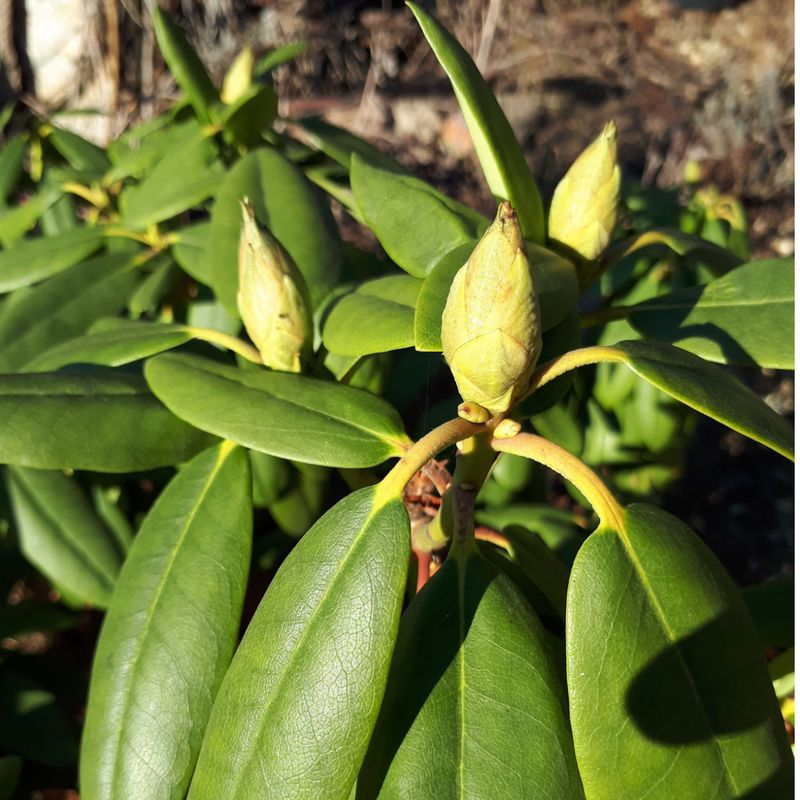
This one is all about restraint, which can be hard for eager Ohio gardeners. Feeding your rhododendron late in the season actually sets it up for trouble.
Fertilizer pushes out fresh, tender growth, and that new foliage simply isn’t tough enough for cold weather. Soft shoots that appear in fall rarely have time to harden off before frost.
The smart move is to stop feeding by mid-July. That gives the plant plenty of runway to slow down and settle into its natural rest.
Dormancy is your shrub’s built-in survival mode. When it powers down on schedule, it enters winter tough and ready instead of soft and vulnerable.
Think of it like winding down before bedtime rather than gulping coffee at night. A calm, resting plant handles the cold far better.
If you missed the July window, just skip the feeding entirely and try again next spring. Waiting does more good than a well-meaning late dose ever could.
Your patience now translates into a hardy shrub with the energy to bloom later. Sometimes the best care is knowing when to stop.
7. Seal In Moisture With An Anti-Desiccant
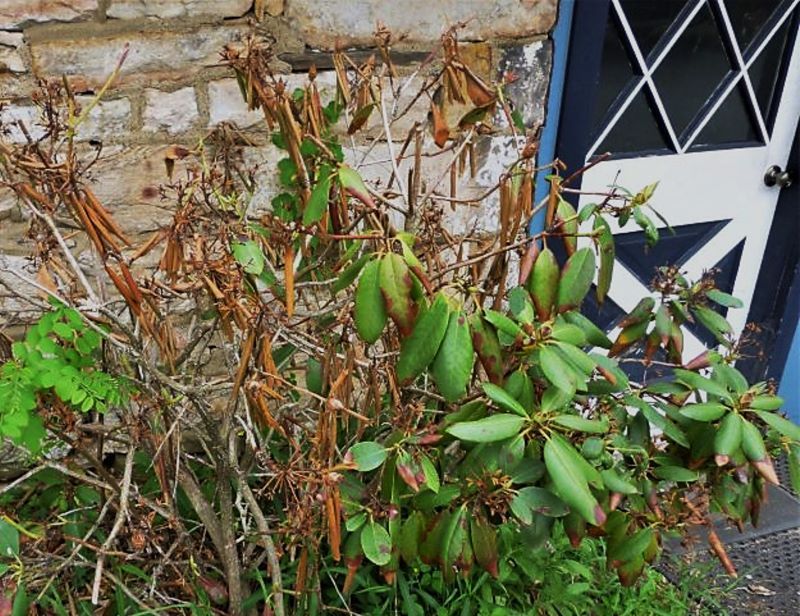
Ever wonder how you might lock moisture inside those thick leaves? Some gardeners use anti-desiccant sprays on broad-leaved evergreens to reduce winter moisture loss.
If you choose this method, follow the product label carefully and apply only under recommended conditions.
The product lays down a thin, breathable film across the foliage. That gentle coating slows water loss during the dry, gusty stretches that mark an Ohio winter.
Timing matters more than you’d think. Apply it in late autumn when the temperature hovers around 40 degrees Fahrenheit so the spray sets properly.
Coat the leaves evenly, including the undersides where a lot of moisture escapes. A light, thorough pass beats a heavy, dripping one.
You can reapply midwinter during a mild spell if the coating has worn thin. Just wait for a day above freezing so it dries correctly.
This step pairs beautifully with mulching and wind screens. Together they form a moisture-saving team that keeps leaves from crisping up.
Pick up a bottle at most garden centers and follow the label closely. A quick spray now can mean the difference between droopy and dazzling foliage in April.
8. Outsmart Hungry Winter Visitors

When the snow piles up, your garden turns into a buffet for hungry critters. Deer, rabbits, and squirrels get desperate once their usual snacks disappear.
Rhododendrons offer tender bark and plump buds that look mighty tempting to a peckish rabbit. A single hungry deer can nibble a shrub bare in one visit.
Wrapping the plant in mesh screening keeps those foragers at a polite distance. Plastic tree wraps guard vulnerable bark down low where rabbits like to gnaw.
Set your barriers up before the first heavy snow, not after the damage appears. Prevention here is so much easier than nursing a chewed shrub back to health.
Scent-based repellents can add another layer of defense if animals are stubborn. Reapply them after rain or snow since the smell fades over time.
Check the barriers now and then to make sure snow hasn’t buried the lower gaps. Clever critters will squeeze through any opening they find.
A little fencing now protects the buds that become next spring’s flowers. Your shrub stays intact, and the wildlife finds its meal elsewhere.
9. Keep The Soil Acidic And Well-Drained
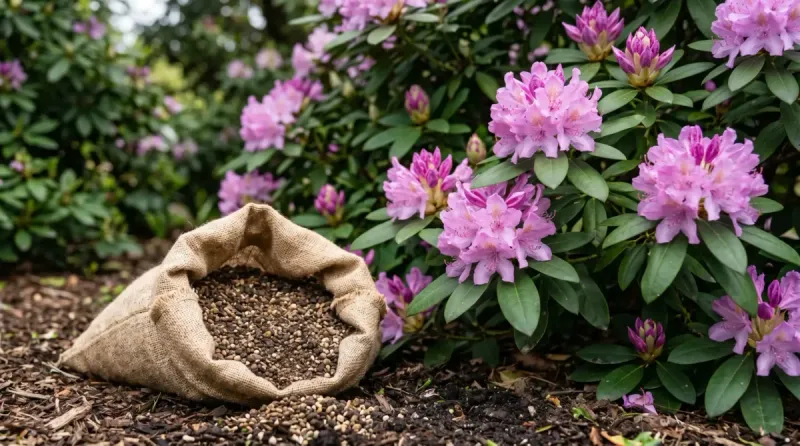
Everything above ground depends on what’s happening below it. Rhododendrons are picky about their dirt, and getting it right sets them up for a strong winter.
They crave well-draining, acidic soil with a pH below 6.0. When the ground stays soggy or turns alkaline, the whole plant grows weak and cranky.
Poor drainage is a fast track to root rot, which leaves the shrub too frail to face the cold. Standing water around the roots is one problem you truly want to head off.
Grab an inexpensive pH test kit and check your soil this fall. If the soil is too alkaline, amendments such as elemental sulfur can help gradually lower pH.
Amending now gives the changes time to settle before freeze-up. Mixing in organic matter also improves drainage so water flows through instead of pooling.
Healthy soil means a plant that resists disease and nutrient shortages. A well-fed, well-drained shrub carries real strength into the harshest months.
Take care of the ground, and the ground takes care of your Ohio rhododendron. It’s the quiet foundation behind every other winter step.