A Tick Species Never Before Confirmed In Alabama Just Showed Up On State Radar
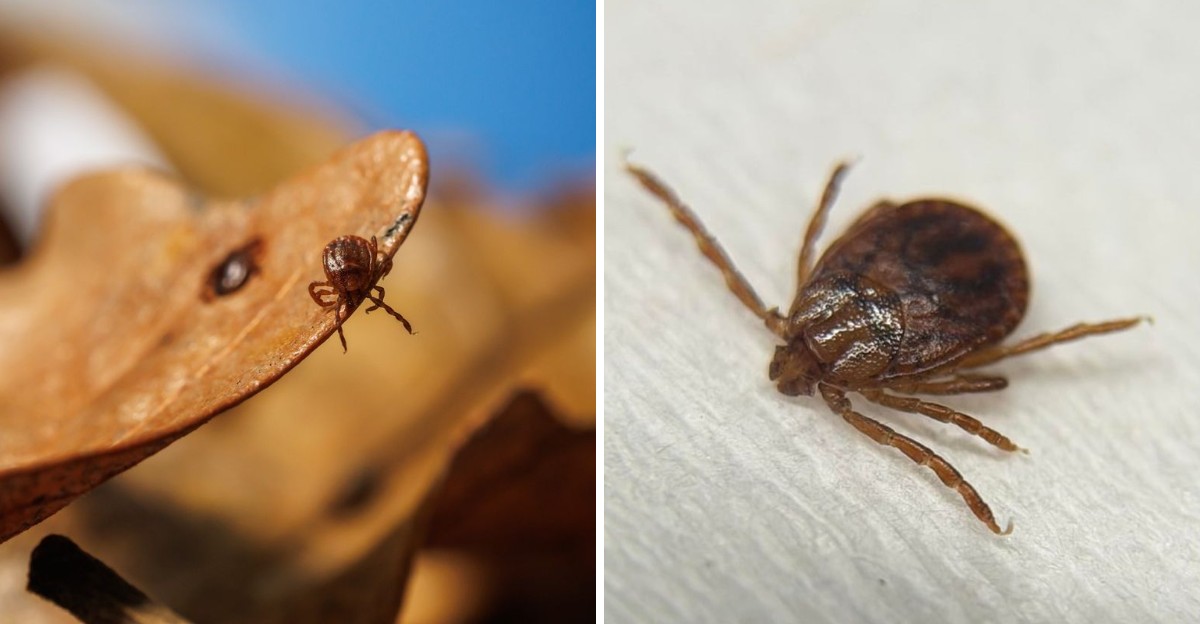
You could already be sharing your land with something new. Alabama researchers just confirmed a rumor haunting your fields for years. Scientists finally caught a tick barely bigger than your sesame seed.
Its size fools you into ignoring a serious reproductive trick. A lone female can start a colony inside your own pasture. That fact alone should instantly change how you check your animals.
Your pastures, yards, and hunting trails give it plenty of cover. Dogs, cattle, and garden beds sit within your easy striking range. Warm Alabama weather gives this newcomer room near your fields.
Livestock may already carry clusters you have not noticed yet. Gardeners walking through your tall grass face the same quiet risk. Pets brushing through brush can bring it straight into your home.
September heat keeps this hitchhiker unusually active near your home. Once you see how it operates, walking away stops being an option.
Alabama’s Newest Confirmed Tick Is The Asian Longhorned Tick
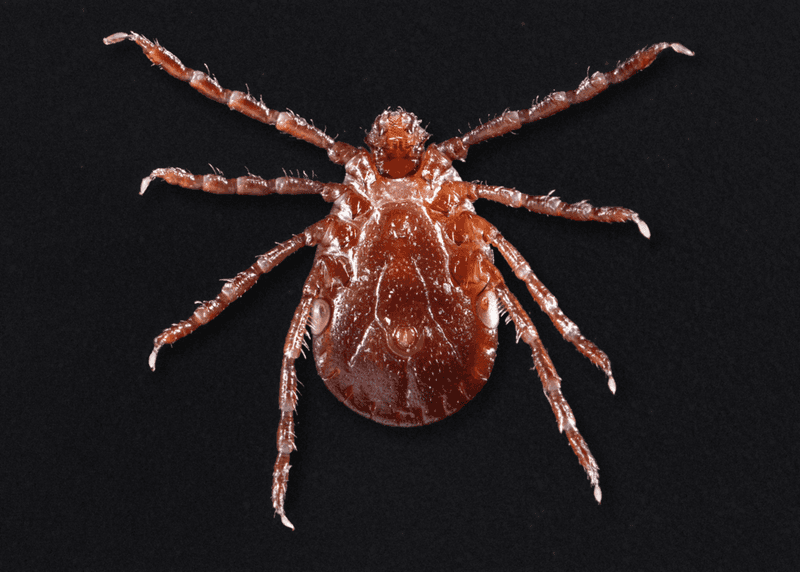
Picture a tick so plain-looking that it almost blends in with a sesame seed. That is the Asian longhorned tick, known to scientists as Haemaphysalis longicornis.
Originally from East Asia, including Japan, Korea, and eastern China, it slipped into the United States and was confirmed in New Jersey in 2017.
Since then it has spread to more than twenty states, over two dozen by mid-2026, mostly across the mid-Atlantic, Appalachian, and now Deep South regions.
Alabama had been surveyed repeatedly without a confirmed find, which made the state’s recent detection notable for researchers tracking the tick’s southward march.
Identification is tricky for the average person. Unfed adults are reddish-brown and about the size of a sesame seed, with no white dot, no stripes, and no fancy patterns to help you out.
After feeding, females swell up to roughly the size of a pea and turn a dull gray-green, which throws off people used to spotting lone star or American dog ticks.
The name comes from small projections near the mouthparts that specialists can see under a microscope. In the field, though, plain and tiny is your best clue.
Because so many nymphs cluster together, folks often report finding what looks like moving specks of dirt on a calf’s ear or a dog’s belly.
If you find a tick you cannot place, drop it in a small container with rubbing alcohol. Your county Extension office or state veterinary lab can identify it, and those reports help build the map.
The Reproduction Trick Behind Its Rapid Spread
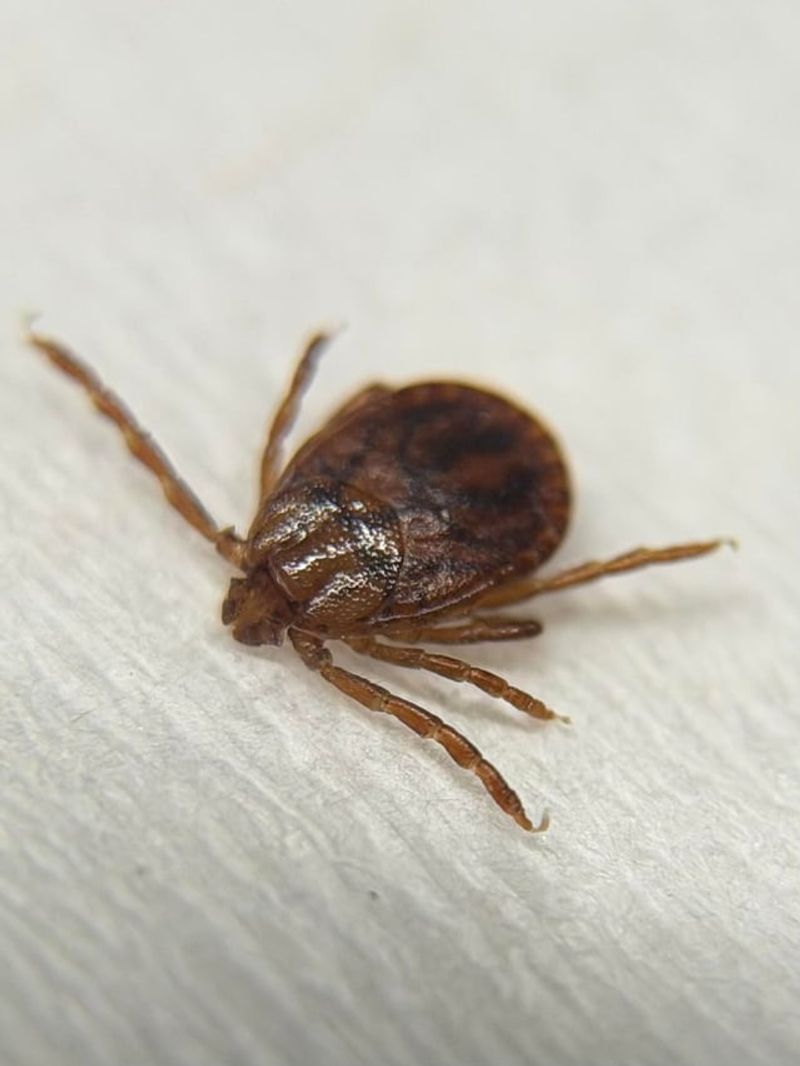
Here is the detail that makes entomologists sit up straight: a female Asian longhorned tick does not require a male to reproduce. The process is called parthenogenesis, and it means one fed female can lay eggs that hatch just fine.
How many eggs? Estimates run from about 1,000 to 2,000 from a single female. That is rapid population growth from a single engorged female the size of a garden pea.
Think about what that means practically. If a lone female rides into your pasture on a deer, a stray dog, or a bird, she does not need to find a partner to establish a colony.
Your Alabama Garden Changes Every Week. Your Plan Should Too.
Gardening in Alabama changes quickly throughout the season. Every Friday you’ll receive a simple weekly plan showing exactly what to plant, prune, fertilize, harvest, and protect so you never miss the right timing.
Researchers in New Jersey and Virginia have recorded notably high densities in infested fields, with thousands of ticks found on a single animal. Ranchers there describe pulling handfuls off cattle legs and udders.
The reproduction quirk also explains why the tick spread so quickly through the eastern states in under a decade. Ordinary math does not apply when mating is optional.
For Alabama, the takeaway is about timing. Catching a small, new population early gives landowners a far better chance than waiting until a pasture is thick with them.
That is why state officials want reports. A tick collected off a cow in September and identified in a lab can flag a spot before next spring’s hatch arrives. Keep a jar of alcohol in the barn. Sample, label the date and location, and pass it along.
Cattle, Horses, And Backyard Livestock Feel It First
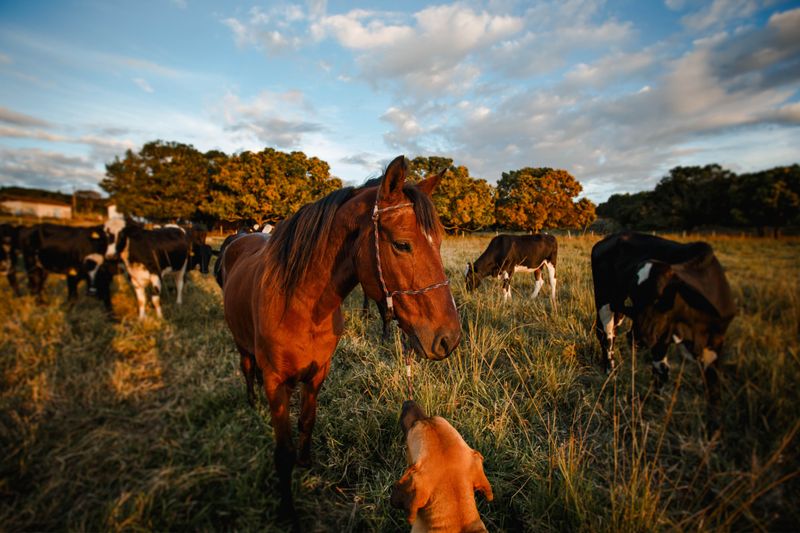
Cattle producers in Virginia often describe significant frustration when dealing with this tick. Heavy infestations have been linked to weight loss, anemia, and reduced milk production in herds.
Livestock seem to be the preferred hosts, and that includes cows, horses, goats, sheep, and even chickens. Alabama runs a sizable cattle industry, so the economic angle is real.
Blood loss is the main problem. When hundreds of ticks feed at once on a young calf, the drain adds up fast, and stressed animals gain weight more slowly.
There is also a pathogen concern. In parts of the country, the tick has been associated with Theileria orientalis Ikeda, a parasite that infects red blood cells in cattle and can cause weakness, pale gums, and losses in pregnant cows.
Practical steps help. Walk your animals regularly and check ears, brisket, tail head, udders, and between the legs, since those thin-skinned spots attract feeders.
Talk with your veterinarian about approved acaricides, pour-ons, and ear tags, and rotate products so ticks do not adapt to one chemical.
Pasture management matters just as much. Clipping tall grass, brush-hogging fence lines, and keeping a mowed buffer between woods and grazing land reduces the humid shade ticks favor.
Quarantine and inspect newly purchased animals before turning them out with the herd. A quick look-over at the loading chute beats chasing an infestation across forty acres later.
What Scientists Say About Risk To People
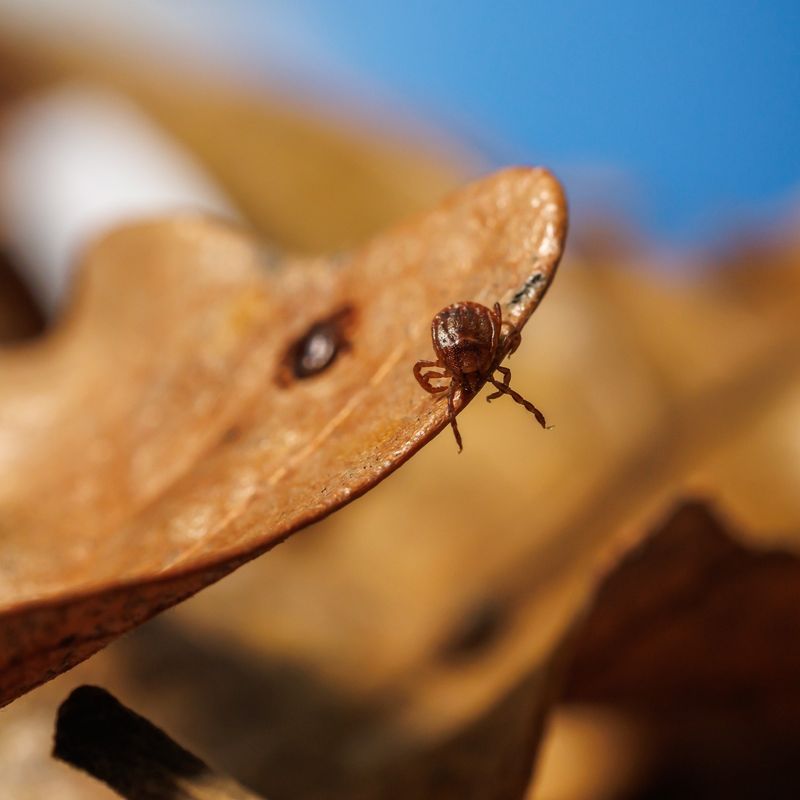
Good news arrives with a caveat. So far in the United States, the Asian longhorned tick has not been tied to human illness cases, and the CDC describes the human health risk as still being studied.
The caveat is what happens overseas. In parts of Asia, this species is considered a vector of severe fever with thrombocytopenia syndrome virus, a serious illness, and lab work in the U.S. has explored whether it can carry other germs.
Researchers have found the bacterium behind human anaplasmosis in ticks collected in Asia, though transmission questions in U.S. populations remain open. Scientists are cautious rather than alarmed, and that is a reasonable place for the public to sit too.
Something else stands out about human encounters. People who walk through infested areas sometimes end up with dozens of nymphs on their socks and pant legs at once, which is unsettling even without disease.
Basic prevention covers you well. Wear light-colored pants, tuck them into your socks, use an EPA-registered repellent with DEET or picaridin, and treat boots and field clothes with permethrin.
Shower within a couple of hours of coming inside and run your clothes through a hot dryer for ten minutes to handle stragglers.
Do a full body check, focusing on ankles, behind the knees, the waistband, and the hairline. If you develop fever, aches, or a rash after a bite, call your doctor and mention the tick.
How It Travels
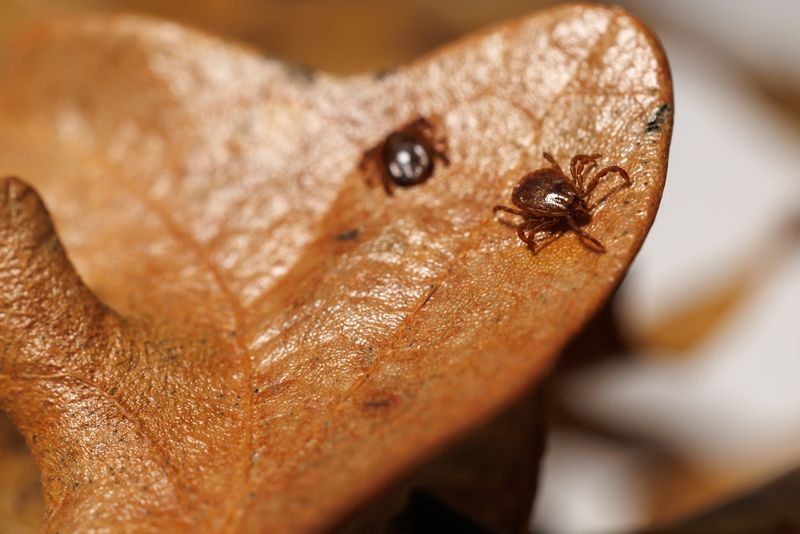
Ticks are terrible travelers on their own. A nymph might crawl a few feet in its lifetime, which raises an obvious question about how this species crossed so many state lines.
Wildlife does the driving. White-tailed deer are prime movers, and Alabama has plenty of them, along with raccoons, opossums, coyotes, and stray cats.
Birds deserve credit too. Ground-feeding songbirds pick up nymphs and carry them along migration routes, which can leapfrog a population past highways and rivers.
Then there is human activity. Livestock trailers, horse transport for shows and trail rides, hay shipments, and hunting dogs moving between states all offer free rides.
Even a backyard can be a stopover. Brush piles, leaf litter, unmowed edges, and ivy patches give ticks the moisture and cover they need between hosts.
September is a smart month to think about this because fall hunting seasons ramp up and animals move more. Deer processing, dog training, and food plot work all put people in tick habitat.
You can cut the odds with a few habits. Check dogs after every field run, inspect trailers and bedding, and keep a mowed strip between woods and the yard where kids play.
Rake leaves away from the house, stack firewood off the ground, and discourage deer from browsing right against your fence line.
Reporting unusual ticks matters here as well, since travel patterns are exactly what researchers try to map.
Smart Yard And Pet Habits For The Fall Season
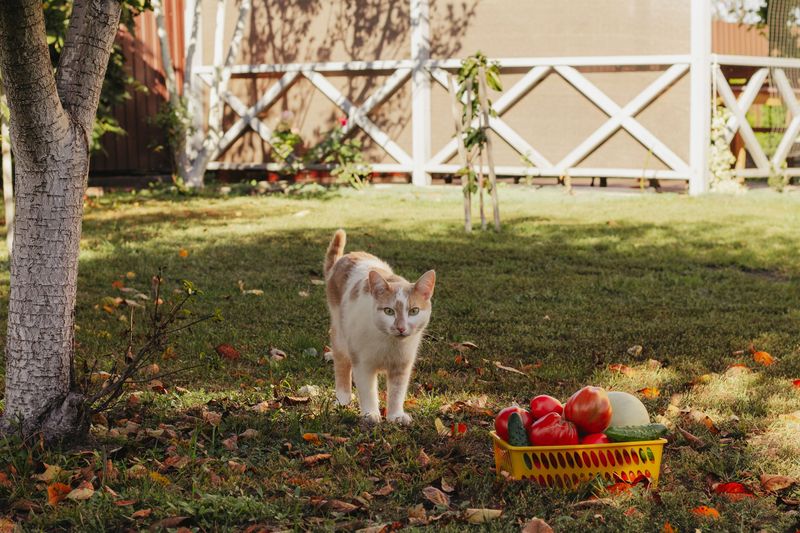
Your dog is probably the best tick detector you own, and also the most frequent delivery service. A quick nightly once-over turns into a habit within a week.
Run your fingers along the ears, jawline, collar area, armpits, groin, and between the toes. Fine-tipped tweezers work best, gripping close to the skin and pulling straight out with steady pressure.
Talk to your veterinarian about year-round preventives, since Alabama’s mild winters let ticks stay active on warm days well past November.
Cats need attention too, especially outdoor cats, and only products labeled for cats should ever touch them.
Yard work does a lot of quiet good. Mow regularly, trim shrubs so sunlight reaches the ground, clear leaf litter, and pull back groundcover from walkways and play areas.
Gravel or wood chip borders between lawn and woods create a dry strip that ticks avoid crossing. Move swing sets and dog runs away from shady edges.
Store birdseed in sealed containers and secure trash so you are not hosting the wildlife that hosts the ticks.
Keep a small kit near the door: tweezers, alcohol wipes, a sealable vial, and a permanent marker for labeling anything odd you find.
If a tick looks unfamiliar or you find clusters of tiny ones, save a specimen and contact the Alabama Cooperative Extension System or your state veterinarian. Community reports are how new arrivals get tracked, and your backyard observation could genuinely help.