What Bronze Clusters On Your North Carolina Squash Leaves Are Really Telling You
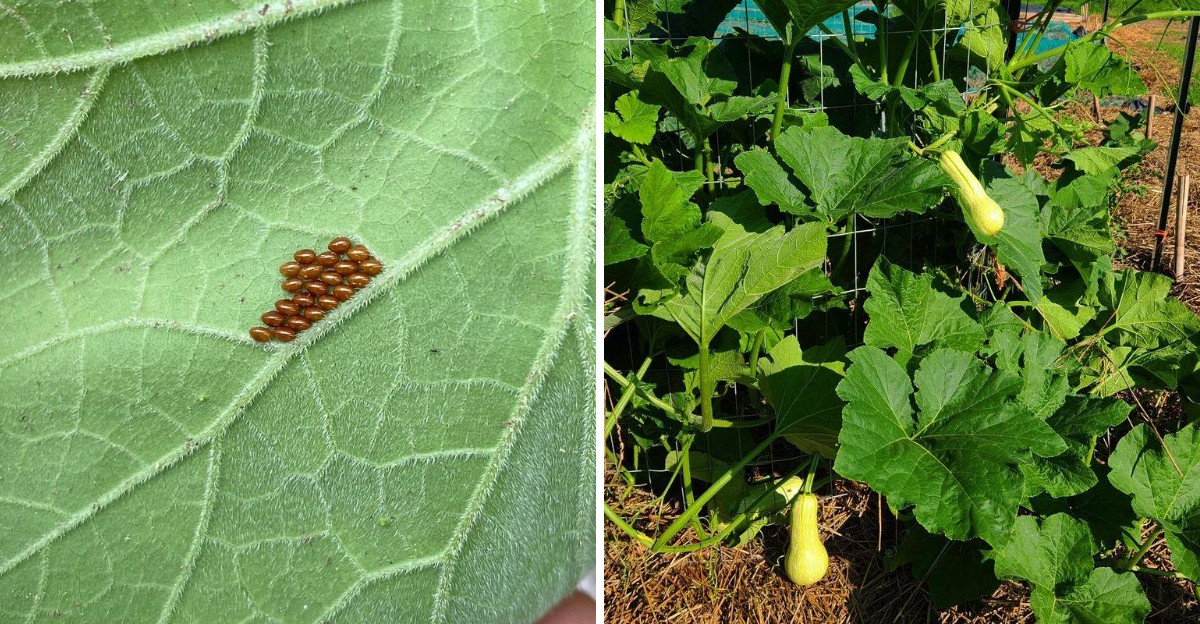
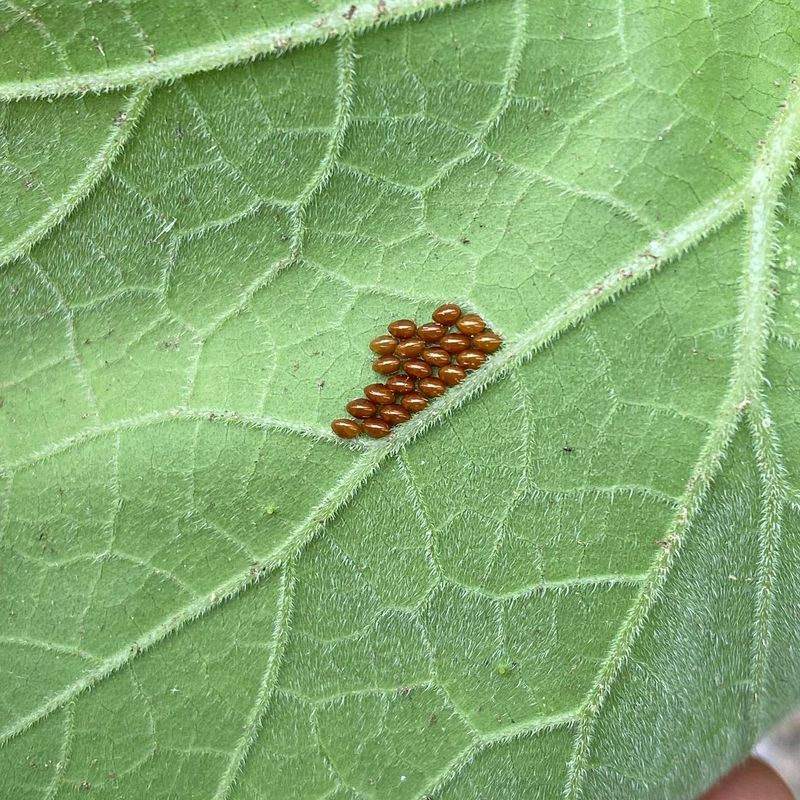
Flipping over a winter squash leaf and spotting a tight cluster of shiny, bronze-colored eggs is a sign North Carolina gardeners should take seriously.
These are the eggs of the squash bug, one of the most common and damaging pests in cucurbit gardens, and they’re commonly found on the underside of leaves, often tucked right where two veins meet.
A single female can lay around 20 eggs per cluster, and left unchecked, those eggs hatch into nymphs that feed in groups and can quickly stress or destroy a plant.
Because squash bugs are notoriously hard to control once they reach adulthood, catching these bronze egg clusters early gives gardeners their best shot at stopping an infestation before it spreads.
Here’s what those bronze clusters mean for a North Carolina squash patch and what to do the moment they’re spotted.
1. Those Bronze Dots Are Probably Squash Bug Eggs
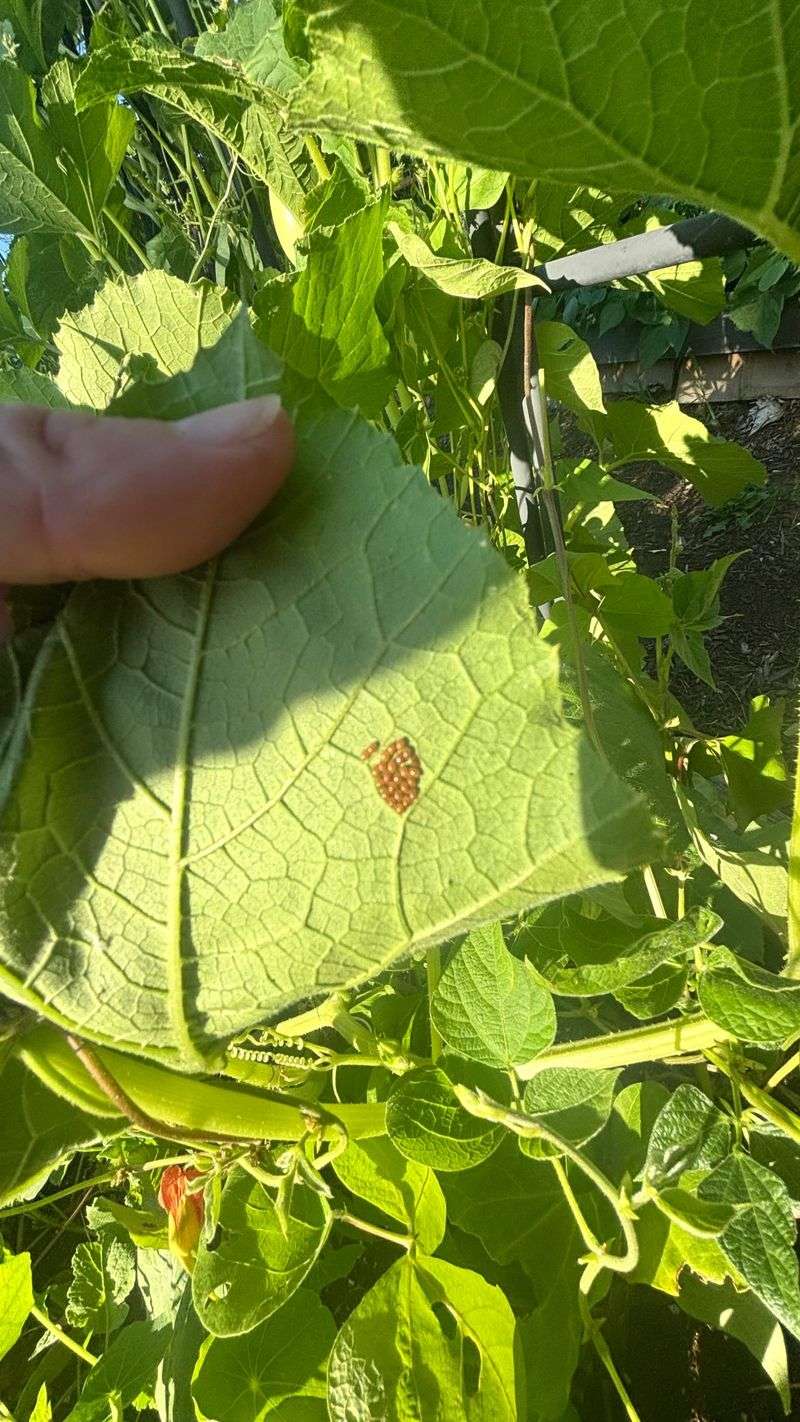
Walk out to your garden and notice tiny bronze specks lined up on a leaf, and you have likely met the squash bug. Those shiny copper dots are eggs, and squash bugs love to lay them right on the plants you worked so hard to grow.
The eggs start out a lighter bronze and slowly darken as the young insects inside get ready to hatch. Each cluster can hold a dozen or more eggs, neatly grouped together in a little patch.
Female squash bugs can lay many of these groups across a single plant during the season. Catching them at this stage gives you a huge advantage. Once the eggs hatch, small nymphs spread out and become much harder to track down and manage.
Spotting the bronze clusters first means you can act before the insects ever get a chance to feed.
North Carolina gardens are especially friendly to squash bugs because the warm summers give them plenty of time to grow. That is why regular leaf checks matter so much in this part of the country.
Make it a habit to scan your squash plants every few days during the growing season. Bring a flashlight if the light is low, and look closely at the leaves and stems.
The sooner you learn to recognize these bronze clusters, the better your chances of keeping your squash healthy and strong all season long.
2. Check The Undersides Of Leaves First
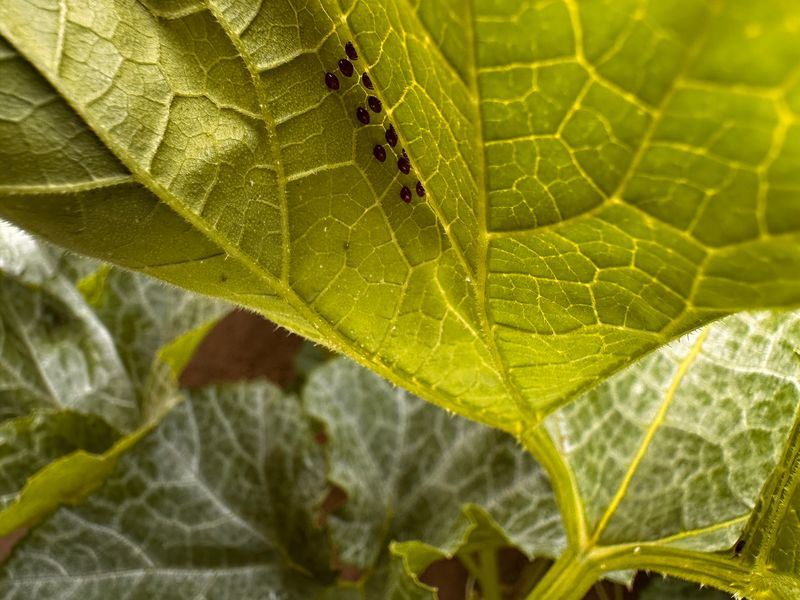
Squash bugs are sneaky, and they know exactly where to hide their eggs. Instead of laying them out in the open, they tuck their bronze clusters on the underside of leaves where you are less likely to look.
The bottom of the leaf offers shade and shelter from sun, rain, and hungry predators. Eggs placed there have a better chance of surviving until they hatch. That is why a quick glance at the top of your plants often misses the real problem.
You will usually find these clusters along the leaf veins, tucked into the little grooves where the eggs stay protected. Squash bugs also like the spot where the leaf meets the stem, another cozy hiding place.
Your North Carolina Garden Changes Every Week. Your Plan Should Too.
Gardening in North Carolina changes quickly throughout the season. Every Friday you’ll receive a simple weekly plan showing exactly what to plant, prune, fertilize, harvest, and protect so you never miss the right timing.
To find them, gently flip leaves over one by one and scan the surface. Start with the larger, older leaves near the base of the plant, since those are popular spots for laying eggs. Working from the bottom up helps you cover the whole plant.
This small habit makes a big difference. Many gardeners feel surprised when their plants suddenly struggle, only to discover a hidden nest of eggs they never spotted from above.
Set aside a few minutes every couple of days to check the undersides carefully. Bright morning light can help you see the bronze clusters more clearly. The more thorough your search, the fewer surprises you will face later in the season.
3. Newly Hatched Nymphs Can Cause Damage Quickly
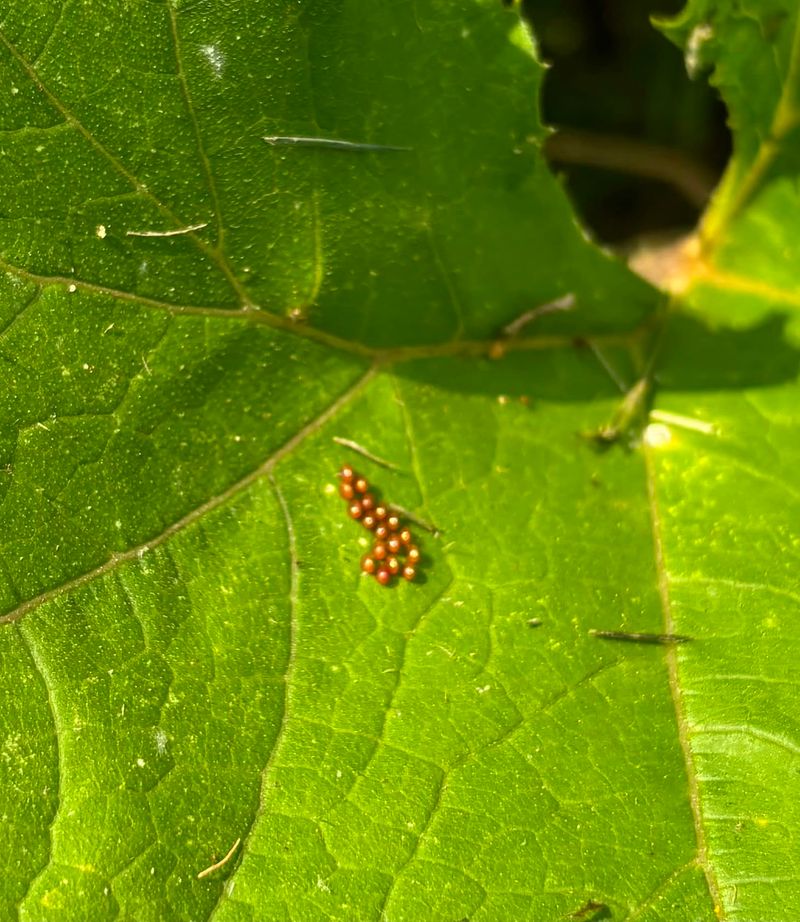
Once those bronze eggs hatch, tiny gray nymphs pour out and get straight to work. They may look harmless at first, but these little insects feed by poking into the plant and sucking out its juices.
Each nymph pulls sap from the leaves and stems, and a large group can drain a plant fast. As they feed, they also inject a substance that blocks the plant from moving water properly. That combination puts real stress on your squash.
Signs of their feeding show up as yellow spots that soon turn brown. Leaves may start to wilt, curl, or take on a crispy look even when the soil is moist. Heavy feeding can slow the whole plant down and shrink your harvest.
Young nymphs travel in packs, so where you see one, you often see many. They tend to gather on the underside of leaves near where they hatched before spreading out across the plant.
The good news is that nymphs are easier to manage than tough adult bugs. Their soft bodies make them more vulnerable, so acting during this stage pays off.
Keep watching your plants closely in the days after you spot egg clusters. If you notice groups of small gray insects, deal with them right away before they mature.
Quick action during the nymph stage keeps your squash vigorous and gives it the best shot at producing a full, healthy crop.
4. Do Not Wait Until The Leaves Collapse
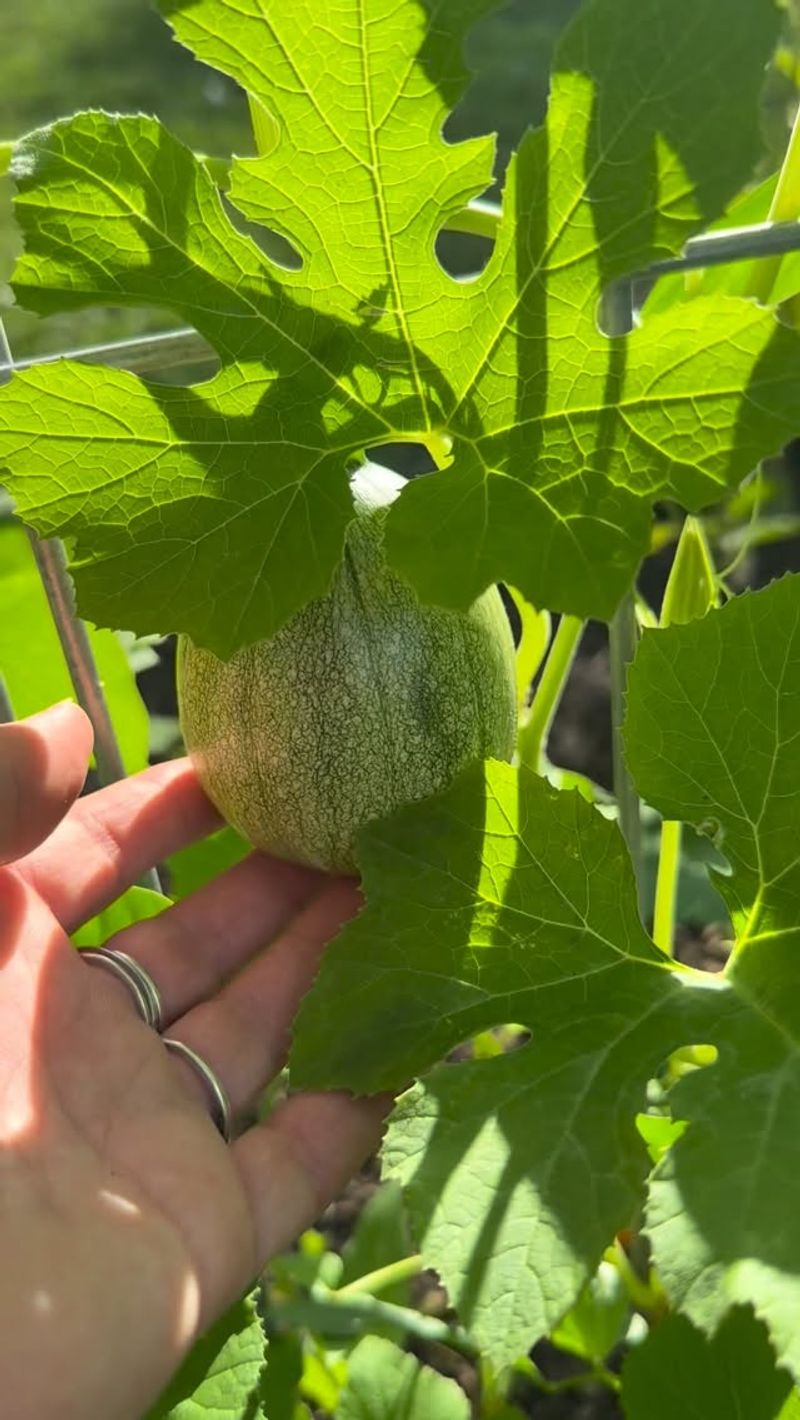
Timing is everything when it comes to squash bugs. Many gardeners make the mistake of waiting until their plants look terrible before they take action, and by then the problem is much harder to handle.
Small eggs and young nymphs are far easier to deal with than a crowd of tough adult bugs. Adults have hard shells that protect them, and they move quickly to hide when disturbed. Catching trouble early means fewer insects to worry about overall.
Once a plant looks droopy and its leaves flatten out, the insects have already caused real harm. A stressed plant struggles to bounce back, especially during hot North Carolina summers when heat adds even more pressure.
Think of those bronze clusters as an early warning. They give you a head start that you should not waste. Every day you wait, more eggs hatch and more nymphs begin feeding.
Regular monitoring keeps you ahead of the curve. A short walk through your garden with a careful eye can catch problems while they are still small and easy to fix.
Build a simple routine that fits your schedule. Even checking every two or three days helps you spot changes before they spread. Look for early yellowing, tiny eggs, and clusters of young insects.
Acting fast protects the time and effort you put into your garden. Healthy plants reward you with better squash, so staying alert always beats waiting until the damage becomes obvious and much harder to reverse.
5. Remove Egg Clusters Before They Hatch
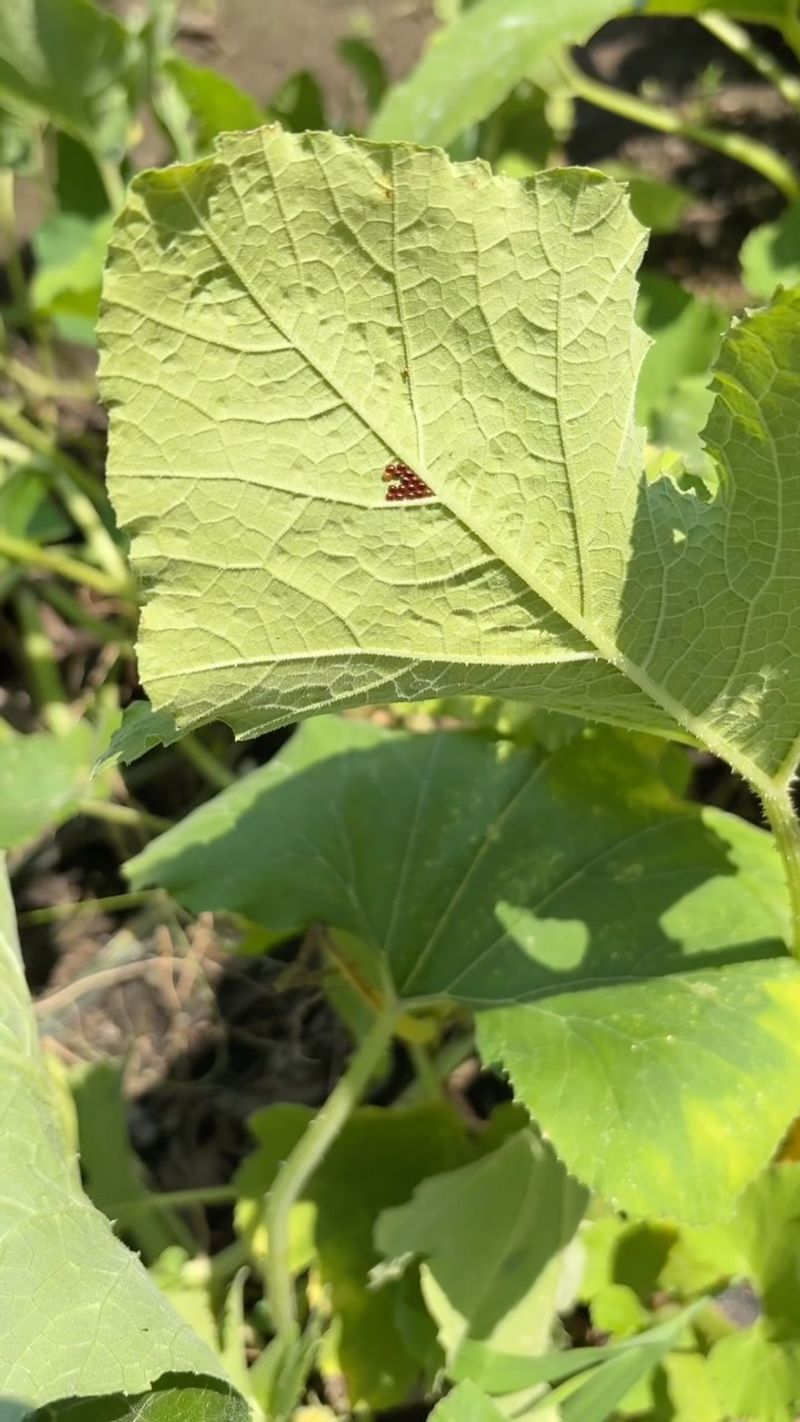
Finding egg clusters is only half the battle. The real win comes when you remove them before they ever hatch into hungry nymphs.
One simple method is to gently crush the eggs right on the leaf with your gloved fingers. If you would rather not squish them, press a piece of sticky tape over the cluster and peel it away. The eggs lift right off and stick to the tape.
Some gardeners carefully snip off badly covered leaves and toss them far from the garden. That works too, though removing just the eggs keeps more of the leaf in place to help the plant grow.
Every cluster you remove means fewer insects reaching maturity later. Since one female can lay many groups of eggs, clearing them early stops a small issue from turning into a big infestation.
Make this task part of your regular garden walk. Carry a small container or a roll of tape with you so you can act the moment you spot a cluster. Waiting even a few days can let some eggs slip past you and hatch.
Consistency matters more than perfection. You may not catch every single cluster, but steady removal keeps the population low and manageable throughout the season.
This hands-on approach is safe, cheap, and surprisingly effective. With a little patience and a sharp eye, you can protect your winter squash without reaching for anything harsh, keeping your garden healthy and thriving all summer.
6. Check Around Plant Crowns And Mulch
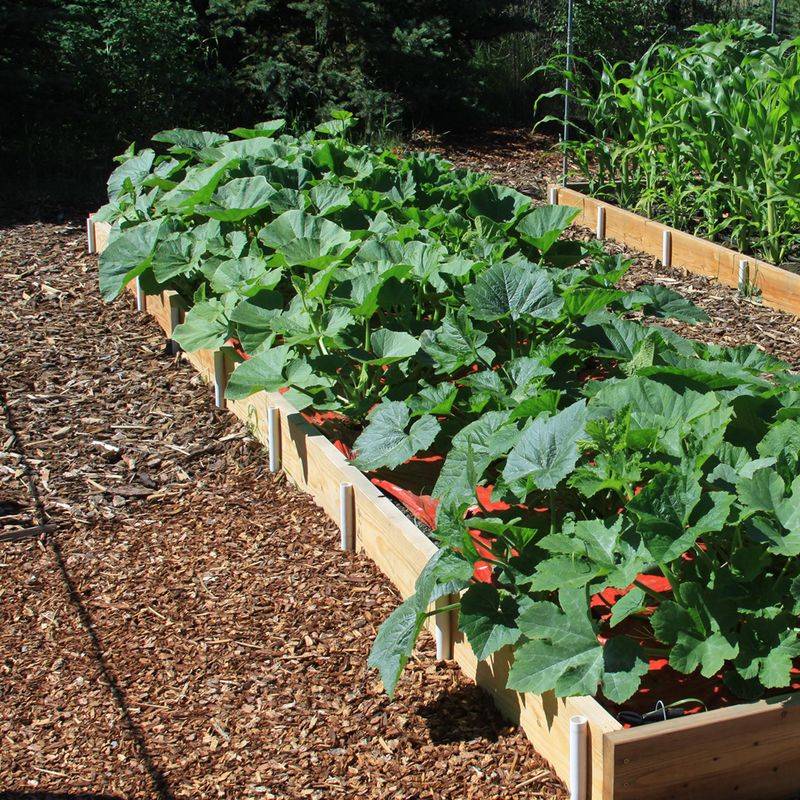
Adult squash bugs are experts at hiding, and they rarely sit out in plain view. During the hottest part of the day, they slip into shady, sheltered spots close to your plants.
Look under the mulch, beneath fallen leaves, and around the base of the plant where the stems meet the soil. These crowded, protected areas give the bugs a cool place to rest while they wait to feed.
They also love flat surfaces they can crawl under. A stray board, a piece of cardboard, or a garden marker lying on the ground can become a favorite hideout. Some gardeners even use this trick on purpose.
Try placing a small board near your squash plants overnight. In the morning, flip it over, and you may find several bugs gathered underneath, ready to be scooped up and removed.
Keeping the area around your plants tidy takes away many of these hiding spots. Clearing extra debris and thinning heavy mulch makes it harder for adults to shelter close to your squash.
Check these spots regularly, especially in the morning when the bugs are slow and easier to catch. A quick peek under mulch and boards can reveal insects you would otherwise miss.
Staying on top of these hiding places helps you catch adults before they lay even more eggs. A clean, well-tended garden gives squash bugs fewer places to gather, which keeps their numbers down and your winter squash growing strong.
7. Healthy Plants Handle Damage Better
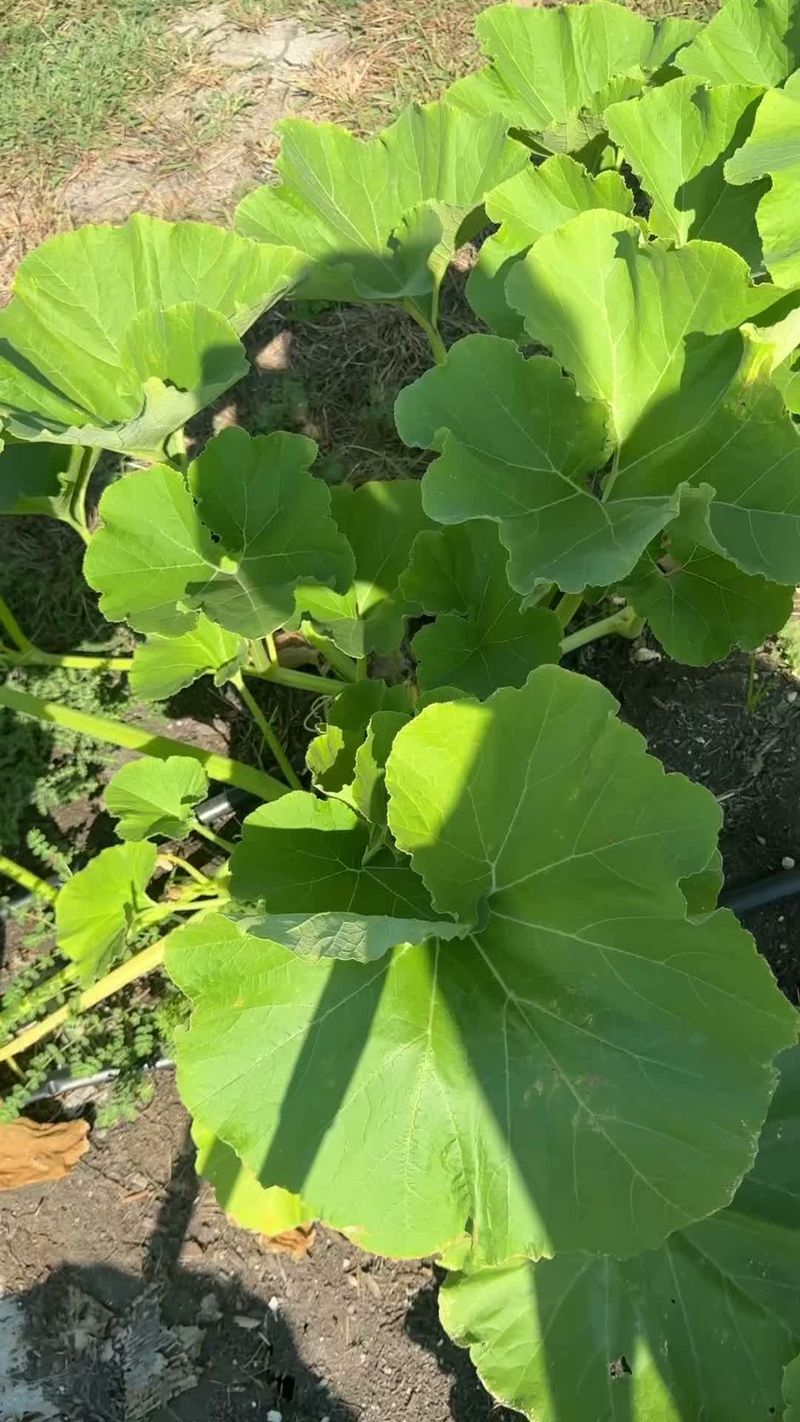
A strong plant is your best defense against squash bugs. When your winter squash is healthy and well cared for, it can shrug off some insect feeding without falling apart.
Good watering habits make a huge difference. Squash plants like deep, steady moisture, so water at the base and keep the soil evenly damp during dry spells. A well-hydrated plant stays tougher under pressure.
Healthy soil feeds strong growth. Mixing in compost gives your plants the nutrients they need to grow big leaves and sturdy stems. Rich soil also helps roots spread out and stay strong through the summer heat.
Spacing matters more than people think. When plants sit too close together, they compete for light and air, and pests spread quickly between them. Giving each plant room to breathe keeps them vigorous and easier to inspect.
Avoiding extra stress helps too. Sudden dry spells, poor soil, and crowded beds all weaken plants and make insect damage worse. A relaxed, well-fed plant simply handles trouble better.
None of this means you can ignore squash bugs completely. Even the healthiest plant can struggle under a heavy infestation. Strong plants just buy you more time and bounce back faster after minor feeding.
Focus on the basics, and your squash will reward you. Steady water, rich soil, smart spacing, and a little care add up to plants that stay productive.
Healthy plants paired with regular pest checks give you the best chance at a full, satisfying harvest.
8. Fall Cleanup Reduces Next Season Problems
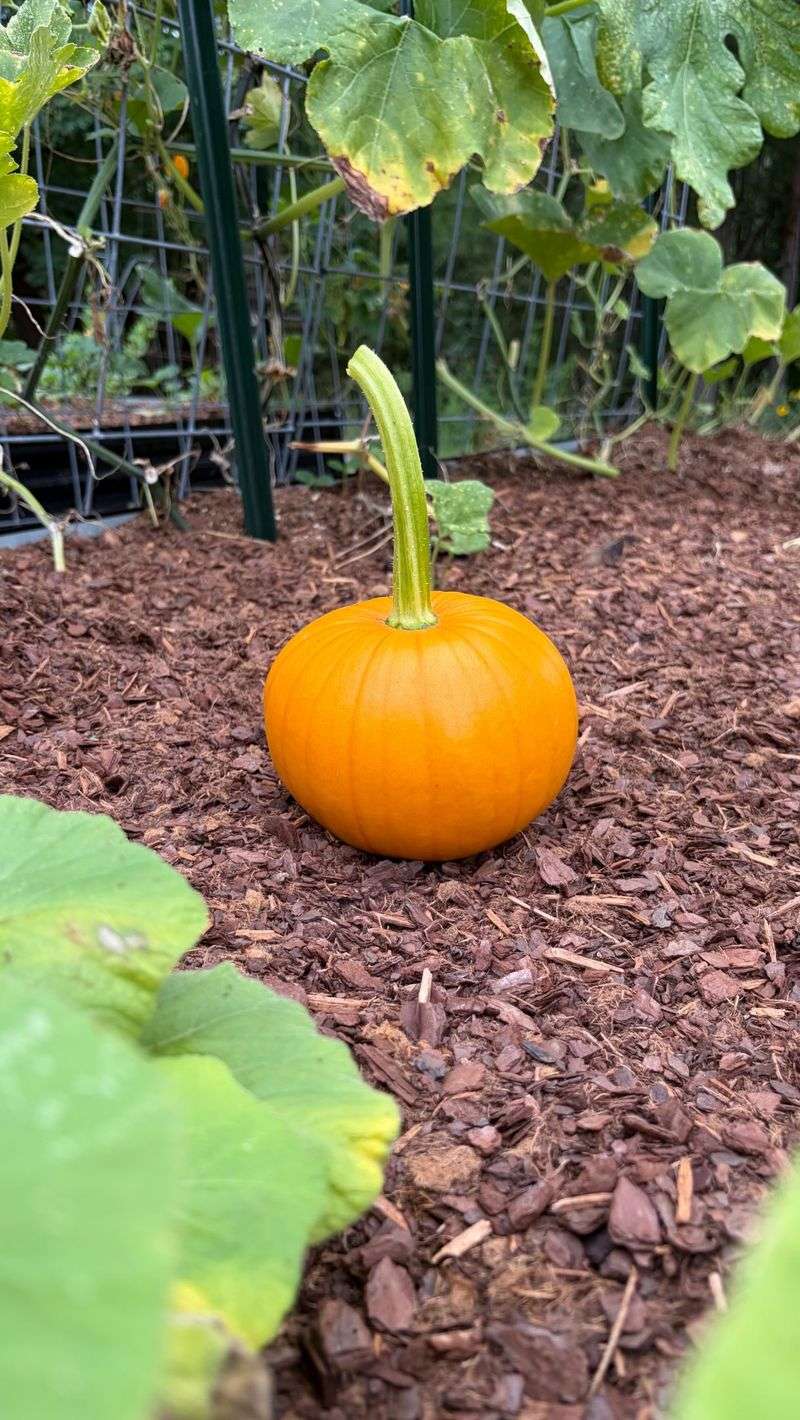
What you do at the end of the season shapes how your garden starts the next one. Squash bugs do not simply vanish when the weather cools. Instead, the adults look for cozy places to wait out the winter.
Old squash vines, piles of leaves, and leftover garden debris make perfect winter shelters. Adults tuck themselves into these spots and stay hidden until warm weather returns. Come spring, they crawl out ready to find your new plants.
Clearing away this clutter takes away their hiding places. Once your harvest wraps up, pull out the old vines and rake up fallen leaves around your squash beds. A clean bed offers far fewer spots for insects to shelter.
Toss the old plant material into a hot compost pile or remove it from the garden area entirely. Leaving it lying around simply invites pests to settle in for the winter right next to next year’s crop.
This one chore pays off big the following season. Fewer overwintering bugs means fewer insects showing up early to lay eggs on your fresh plants.
Make fall cleanup part of your yearly routine. It only takes an afternoon, and it sets your garden up for a much smoother start. Tidy beds also look better and help stop other pests and plant problems.
A little effort in autumn saves you plenty of work later. By clearing debris now, you give your future squash a cleaner, healthier place to grow and a real head start against squash bugs.
9. Do Not Confuse Eggs With Beneficial Insects
Before you start crushing every cluster you see, slow down and look closely. Not all eggs on your plants belong to squash bugs. Some come from helpful insects that actually protect your garden.
Squash bug eggs have a distinct look. They are bronze or coppery, oval-shaped, and grouped in neat little clusters, usually along leaf veins on the underside. Once you know this pattern, they become easier to spot.
Other insects lay eggs too, and many of them are friends. Ladybugs, for example, lay small yellow-orange eggs standing on end in tight groups. Their young feed on pests and help keep your garden balanced.
Lacewings place their pale eggs on tiny stalks that look like little threads. Removing those by mistake would cost you a helpful ally that eats aphids and other troublemakers.
Taking a moment to identify what you find prevents costly mistakes. If you crush the wrong eggs, you lose the very insects that could be doing pest control for free. That works against your own goals.
When you feel unsure, snap a photo and compare it to a trusted gardening guide. Local extension resources in North Carolina can help you tell the difference with confidence.
Learning these small differences turns you into a sharper gardener. You protect the good bugs while removing the harmful ones, keeping your whole garden in balance.
A little knowledge goes a long way toward growing strong, healthy winter squash without wasting your efforts.
10. Monitor Squash Until The Season Ends
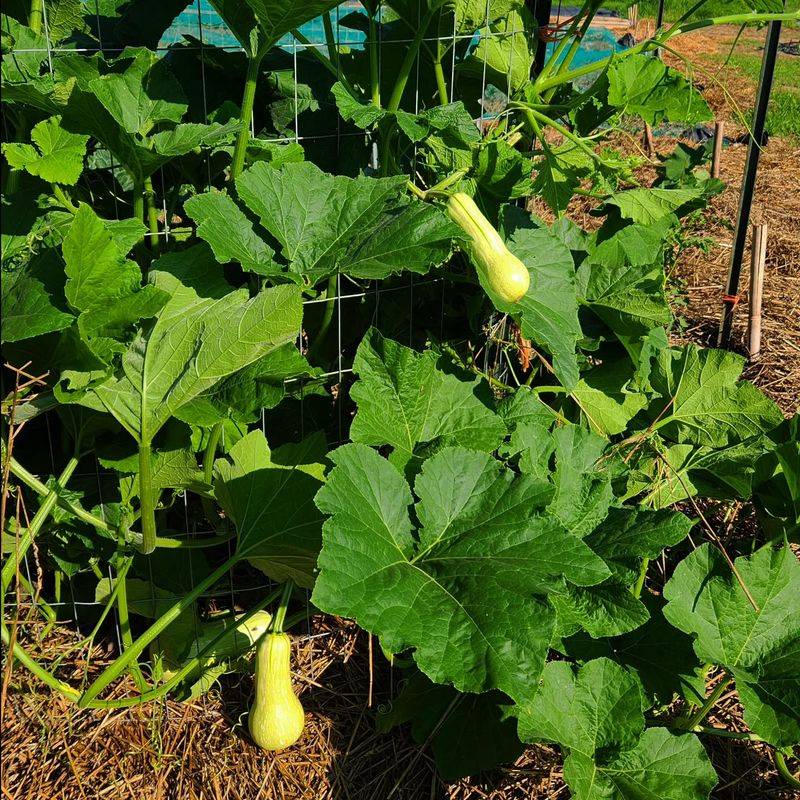
The job is not finished just because summer is winding down. In North Carolina, squash bugs stay busy well into late summer and fall, so your plants still need your attention.
Warm autumn days give these insects extra time to feed and lay eggs. A plant that looked fine in July can suddenly face a fresh wave of bugs in September if you stop checking too soon.
Keep flipping those leaves and scanning the stems even as your harvest rolls in. Late-season clusters of eggs can hatch quickly and stress plants that are working hard to ripen their fruit.
Winter squash needs a long time to mature, which means your plants stay in the garden longer than many other crops. That extra time gives pests more chances to move in, so steady watching really pays off.
Do not let your guard down after a few quiet weeks. Squash bugs can appear in bursts, and a small group can grow fast when the weather stays warm.
Make monitoring a habit right up until you pull your last squash. A quick check every few days keeps you aware of new eggs, young nymphs, or hiding adults.
Staying consistent through the whole season protects all the effort you put in from spring planting to fall harvest.
By watching closely from start to finish, you give your winter squash the best shot at ripening fully and filling your kitchen with a healthy, satisfying crop.