Here’s What It Means When A Woodpecker Keeps Hitting Your Michigan House
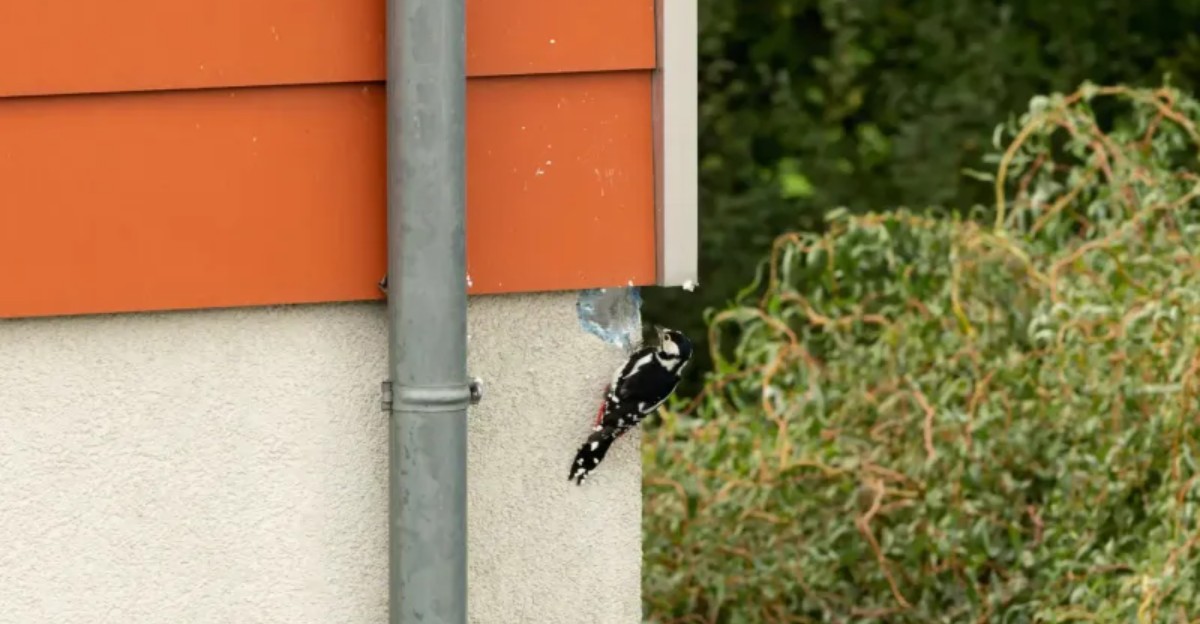
A woodpecker repeatedly striking the side of a Michigan house can be startling, but this behavior almost always falls into one of a few explainable categories.
Sometimes the bird is drumming to establish territory or attract a mate, using the house’s siding simply because it produces a loud, resonant sound.
Other times, the woodpecker may actually be searching for insects hidden within the wood, which can signal a pest problem worth investigating further.
In some cases, the bird is working on excavating a nesting or roosting cavity, especially if the same spot keeps getting targeted.
Figuring out which reason applies makes a real difference in how to respond. Here’s what’s likely behind a woodpecker’s persistent hitting, and how Michigan homeowners can address it.
1. It May Be Announcing Territory
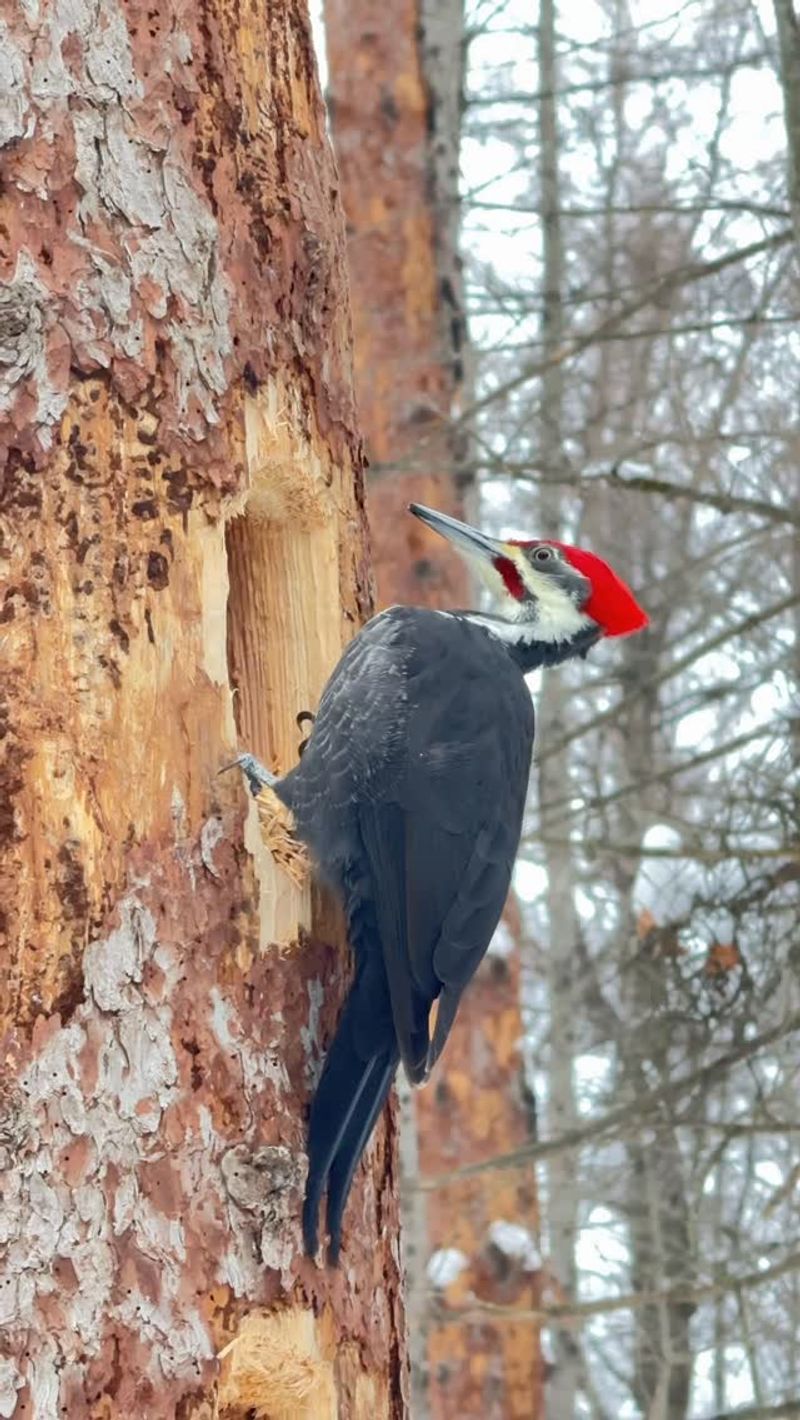
Spring in Michigan often brings a burst of woodpecker noise, and a lot of it has nothing to do with bugs. Male and female woodpeckers use fast, rhythmic pecking, called drumming, to talk with each other. It works like a loud song that says, “This spot is mine.”
Your house can become the perfect stage for this performance. Metal siding, gutters, and downspouts vibrate and ring out when a bird taps on them. The louder the surface, the farther that message travels across the neighborhood.
Because of this, a woodpecker may choose parts of your home that produce especially loud, resonant sounds. It is not trying to damage anything.
It simply found a spot that makes its drumming carry, which helps it attract a mate or warn off rivals.
You will usually notice this behavior in early spring, when birds are pairing up and claiming space. The tapping tends to come in quick bursts rather than steady, slow pecks. That pattern is a strong clue that territory, not food, is the goal.
The good news is that territorial drumming often fades once mating season winds down. If you want to speed things along, you can cover the favorite metal spot with foam or soft material to soften the sound.
Once the surface stops ringing, the bird usually loses interest. Understanding this behavior helps you stay calm when the racket starts. The woodpecker is just doing what comes naturally, and a few small changes can quiet things down fast.
2. The Bird May Be Looking For Insects
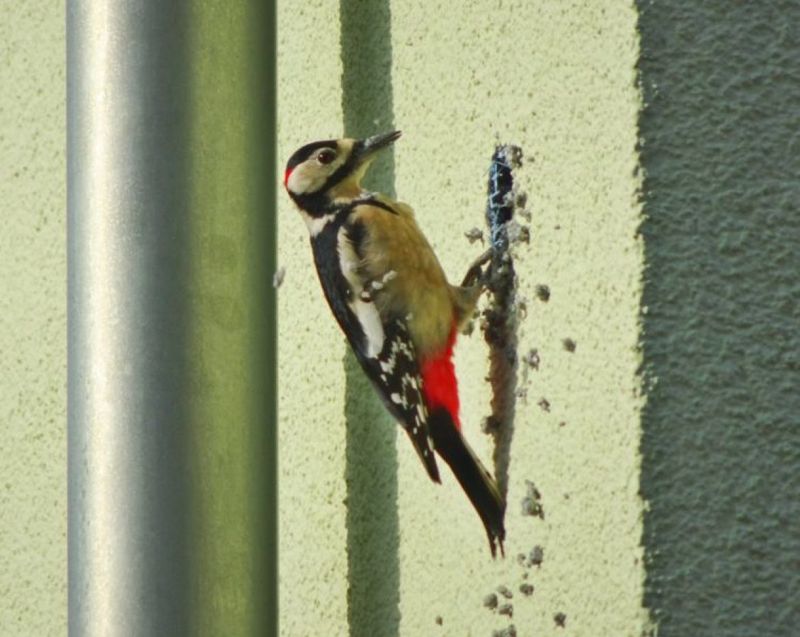
When a woodpecker keeps hitting the same small area over and over, food is often the reason. These birds use their sharp senses to locate insects and larvae hidden in wood. To them, your siding might sound like a buffet.
Carpenter ants, beetles, and other wood-boring bugs love damp or aging wood. If any part of your home has moisture problems, insects may move in. The woodpecker detects signs of hidden insect activity and investigates the area.
You can often tell food-seeking pecks apart from drumming. Instead of fast, even bursts, these pecks look focused and messy, with small holes or scattered wood bits below. The bird may return to the exact same board day after day.
Your Michigan Garden Changes Every Week. Your Plan Should Too.
Gardening in Michigan changes quickly throughout the season. Every Friday you’ll receive a simple weekly plan showing exactly what to plant, prune, fertilize, harvest, and protect so you never miss the right timing.
This behavior is actually useful information for you. A woodpecker pounding on one spot can be pointing straight at a bug problem you never knew about.
Treating the insects usually solves the pecking too. Take a close look at the wood the bird favors. Check for tiny holes, sawdust piles, or soft, crumbly areas.
These are all signs that insects are living inside. If you find pests, calling a pest control expert is a smart move. Once the insects are gone, the woodpecker has no reason to stay.
Fixing the food source works far better than trying to scare the bird away. Think of the woodpecker as a free home inspector with wings. Its stubborn tapping might save you from bigger repairs later on.
3. Your House May Sound Like A Tree
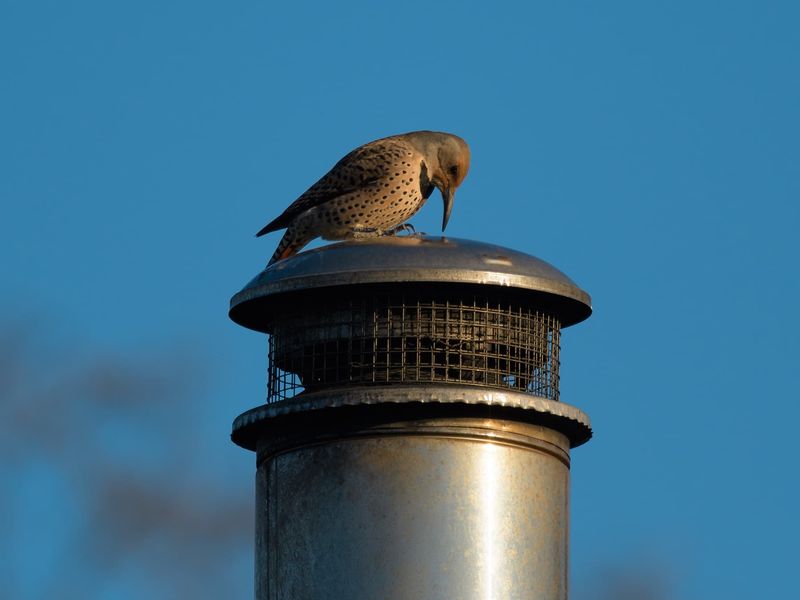
Woodpeckers are drawn to sounds that echo, and homes are full of hollow surfaces. Gutters, vents, chimney caps, and thin siding all ring out when tapped. To a woodpecker, that loud echo is exactly what it wants.
In the wild, birds pick hollow branches for the same reason. The sound carries far, letting other woodpeckers hear the message from a distance. Your metal chimney cap can do the job even better than a tree.
This means your home might get chosen simply because it is noisy, not because anything is wrong with it. The bird is chasing volume, plain and simple.
You can spot these spots by listening. Areas that make a deep, ringing tap are the ones woodpeckers love most. They often skip solid wood in favor of surfaces that vibrate.
To make your home less appealing, try softening those echo zones. Stuffing foam behind a hollow vent cover or wrapping a metal surface can dull the sound. Once the ring is gone, the spot loses its charm.
Some homeowners hang wind chimes or move small objects near the favorite area. The added noise and movement can nudge the bird toward a real tree instead.
It helps to remember that the woodpecker is not being rude. It just found the loudest drum around, and that happened to be your house.
A little sound-proofing goes a long way toward encouraging it to search elsewhere for a better stage.
4. It Could Be Searching For A Winter Shelter
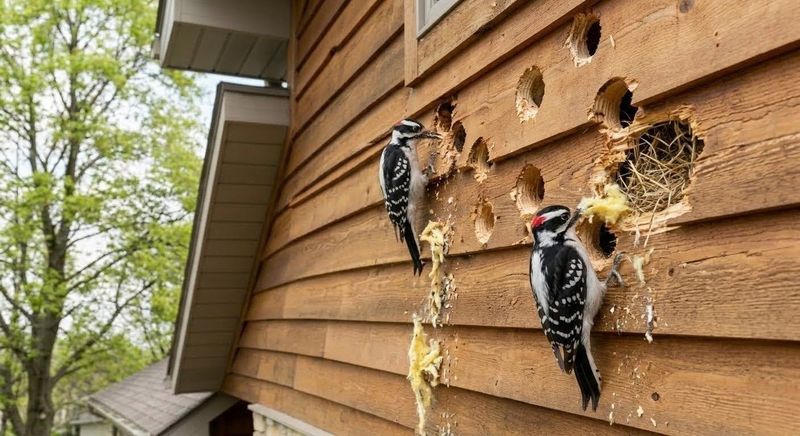
As colder days arrive in Michigan, some woodpeckers start hunting for a cozy place to wait out winter. These birds sometimes carve small cavities to roost in when temperatures drop. Your home might catch their eye as a warm, sheltered option.
Openings, damaged boards, and soft old wood are especially tempting. A gap under the eaves or a weak spot in the trim can look like the start of a perfect hideaway.
The bird tests these areas by pecking to see if the wood is easy to work with. You will often notice this near the top of the house, close to the roofline. Woodpeckers prefer high, protected spots that stay dry and safe from predators.
Because of this, fall is a common time for sudden pecking on homes. The bird is not being destructive on purpose. It is simply following its natural drive to prepare for winter.
Checking your home for gaps and worn wood can stop this behavior early. Seal any openings and repair soft boards before a bird decides to move in. Solid, tight surfaces are far less inviting.
If a hole already appears, patch it once you are sure no bird is inside. Then cover the area to keep it from being reopened.
A little fall maintenance keeps your home snug and steers woodpeckers toward natural roosts. That way, both you and the birds stay comfortable through the chilly Michigan months.
5. Fall Food Searches Can Increase Activity
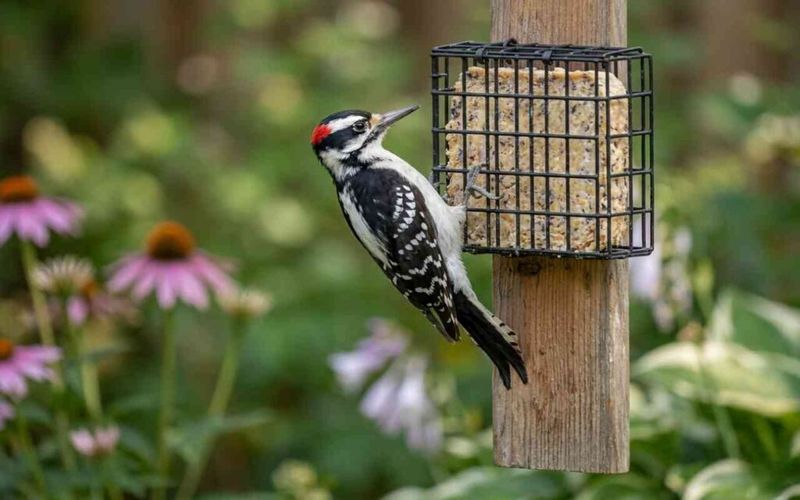
Autumn turns Michigan woodpeckers into busy foragers. With winter on the way, they hunt hard for insects, seeds, and any extra energy they can store.
All that searching often means more tapping around your yard and home. During this season, food becomes the top priority. Birds check bark, wood, and any surface that might hide a snack.
Your siding and trim can end up on their inspection list. You may notice the tapping picking up as the leaves change color. This surge in activity lines up with the birds fueling up before the cold sets in.
Because natural food gets harder to find, woodpeckers grow bolder. They will explore new spots, including buildings, more often than in summer.
That is why fall complaints about pecking are so common. You can help by offering better options nearby. A suet feeder placed away from the house gives woodpeckers an easy meal.
Many birds happily choose free suet over hard pecking. Native plants that produce berries and seeds also draw them into the yard and away from walls. The more natural food you provide, the less appealing your siding becomes.
Keeping your home in good shape matters too. Solid wood with no insects gives the birds little reason to linger.
Once you understand the seasonal rhythm, the fall tapping makes a lot more sense. The birds are simply doing their best to get ready, and a few feeders can shift their attention where you want it.
6. Check The Area Being Pecked
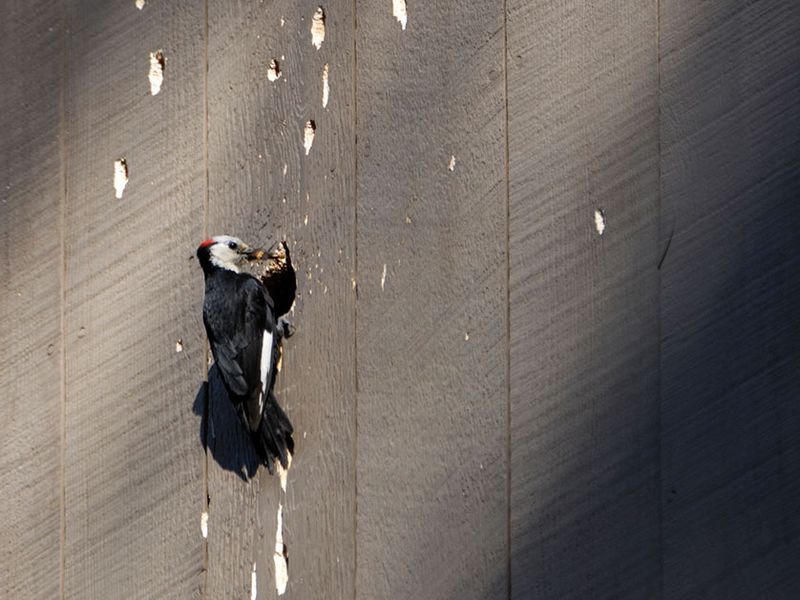
Before you blame the woodpecker for damage, take a good look at the spot it keeps hitting. Often the bird is drawn to a problem that already exists. Its tapping is a clue, not the cause.
Rotten wood, insect tunnels, loose siding, and hidden gaps all attract attention. A woodpecker senses these weak areas and investigates them. In many cases, the trouble started long before the bird showed up.
Grab a ladder and inspect the favorite pecking zone up close. Look for soft, crumbly wood, tiny holes, sawdust, or boards that wiggle when touched. These signs point to the real issue.
Peeling paint and moisture stains are worth noting too. Damp wood invites both insects and the birds that eat them. Fixing the moisture often solves several problems at once.
By treating the underlying cause, you remove the reason the bird keeps coming back. Replace damaged boards, seal gaps, and clear out any pests you find. A solid, healthy surface holds little interest for a woodpecker.
This approach saves you money and frustration. Scaring the bird away without fixing the wood usually leads to it returning. The lasting solution starts with the wood itself.
Regular checks around your home make a big difference. Catching small issues early keeps them from growing into costly repairs.
When you view the pecking as a helpful warning, the whole situation feels less stressful. The woodpecker just spotted a weak point, and now you can take care of it before it gets worse.
7. Avoid Harmful Deterrents
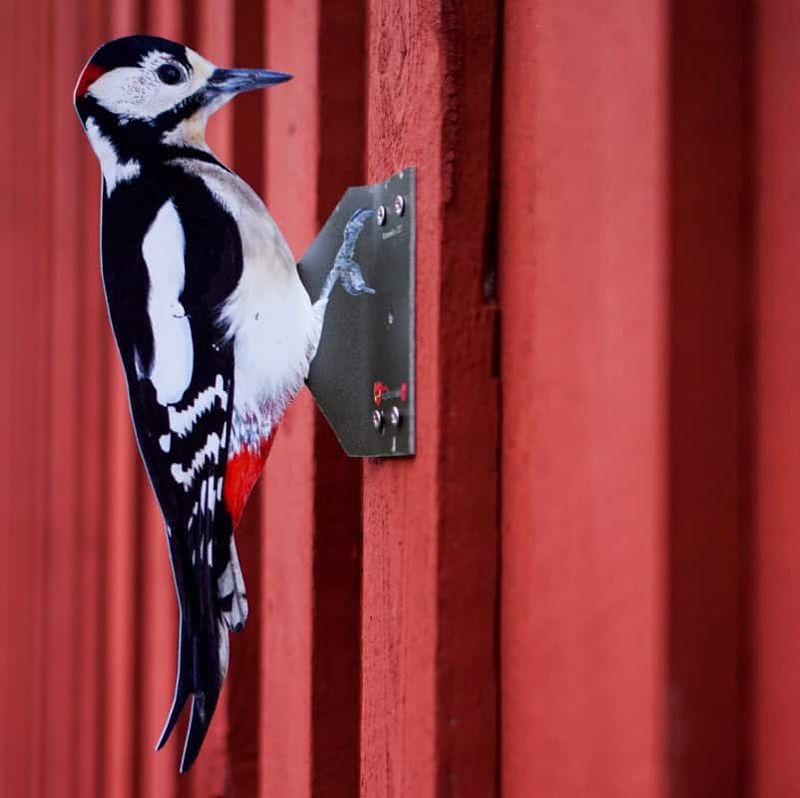
When a woodpecker keeps returning, it is tempting to try anything to make it stop. Still, harming these birds is never the answer. Woodpeckers are protected by law, and gentle methods work far better anyway.
Kind deterrents rely on sight and movement instead of harm. Shiny streamers, reflective tape, and spinning objects catch the light and startle the bird. The flashing surprises them enough to look elsewhere.
Hanging these items near the pecking spot often does the trick. The movement makes the area feel unsafe, so the woodpecker moves on to a calmer location.
Some people use lightweight netting to block access to favorite walls. Covering the vulnerable spot removes the target entirely. The bird simply cannot reach the surface anymore.
Fake predators, like plastic owls or hawk shapes, can help too. Moving them around every few days keeps the trick believable. Birds catch on quickly if the decoy never budges.
Loud noises and constant chasing are stressful and rarely work long term. Gentle, steady deterrents give better results with far less effort.
Protecting native birds also protects your yard. Woodpeckers eat harmful insects and add life to your outdoor space. Scaring them politely keeps that balance intact.
Choosing humane options shows respect for wildlife while still guarding your home. A few reflective strips and some netting usually settle the problem for good.
With a little patience, you can enjoy a peaceful house and a healthy population of these useful, hardworking birds nearby.
8. Keep Woodpeckers Working For Your Yard
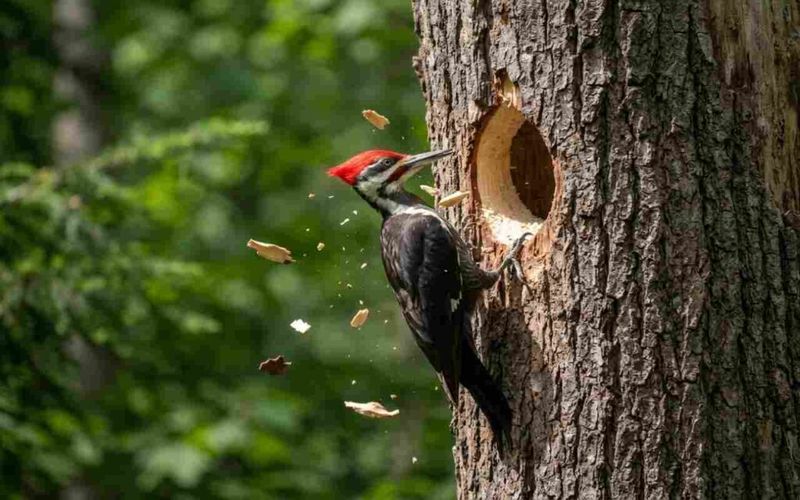
Woodpeckers may seem like a nuisance on your siding, but out in the yard they are true helpers. These birds gobble up huge numbers of insects, including many pests that harm plants and wood.
Keeping them happy in the right spots pays off. The trick is giving them better places to work than your house. Mature trees offer plenty of natural food and drumming surfaces.
When trees are nearby, birds usually prefer them over walls. Where it is safe, leaving an old standing snag can be a gift to wildlife. Woodpeckers love these weathered trees full of insects and soft wood.
A snag placed away from buildings draws them naturally. Native plants round out the welcome. Berries, seeds, and the bugs they attract keep woodpeckers fed all year.
A rich habitat means less reason to explore your siding. Suet feeders placed at the edge of your yard also help. They offer a reliable meal and a spot to visit, pulling the birds away from the house.
By supporting these birds thoughtfully, you gain a free pest patrol. Fewer harmful insects means healthier gardens and stronger trees.
Balance is the goal here. You can protect your home while still welcoming woodpeckers to the parts of your yard where they truly belong.
Once you see them as partners rather than pests, the tapping feels less like a problem. A well-planned yard keeps everyone content, birds and homeowners alike, season after season.