The Tiny Beetle That Can Ruin Ripe California Figs Before Harvest
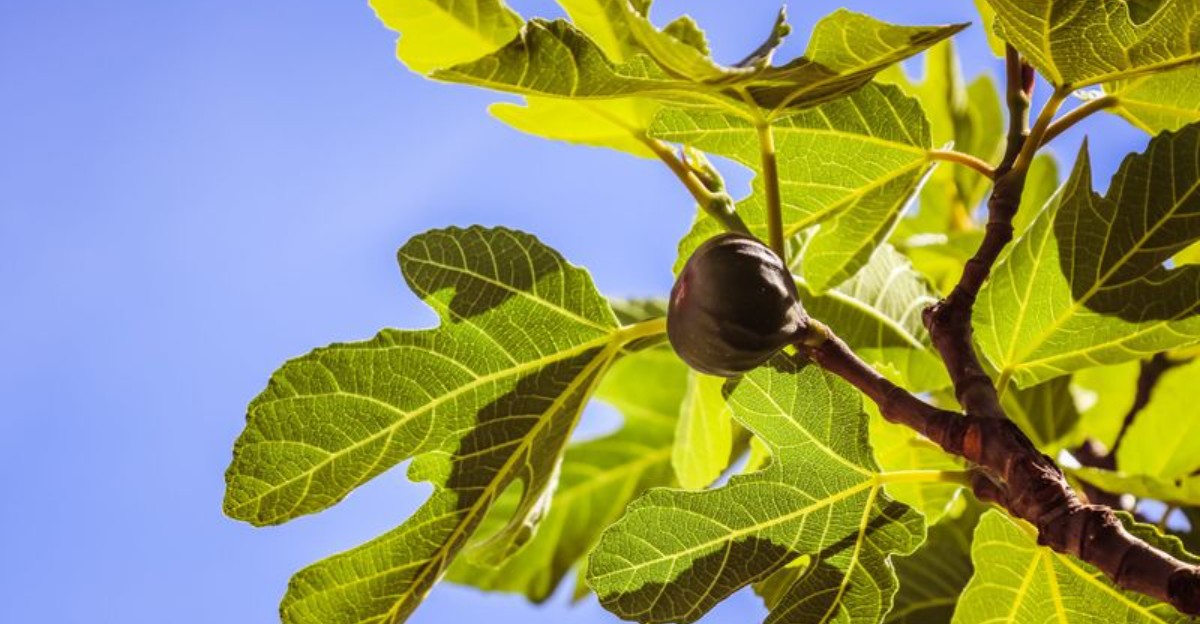
Late summer in California’s Central Valley turns fig orchards into something close to candy factories. Warm days push sugar levels higher with every passing hour, and the fruit softens right along with it.
That sweetness reaches every fig the same way, through a tiny opening at its blossom end left there by nature for pollination. Most growers barely think about that spot once the season gets busy.
Something has learned to use that same opening for a very different purpose. It slips through without breaking the skin, leaving no obvious mark behind.
By the time a fig looks soft and ready to pick, the damage inside may already be done. What looks like a perfect piece of fruit can be hiding a problem no one saw walk in.
Sap Beetles, The Small Culprit Behind Soured Figs
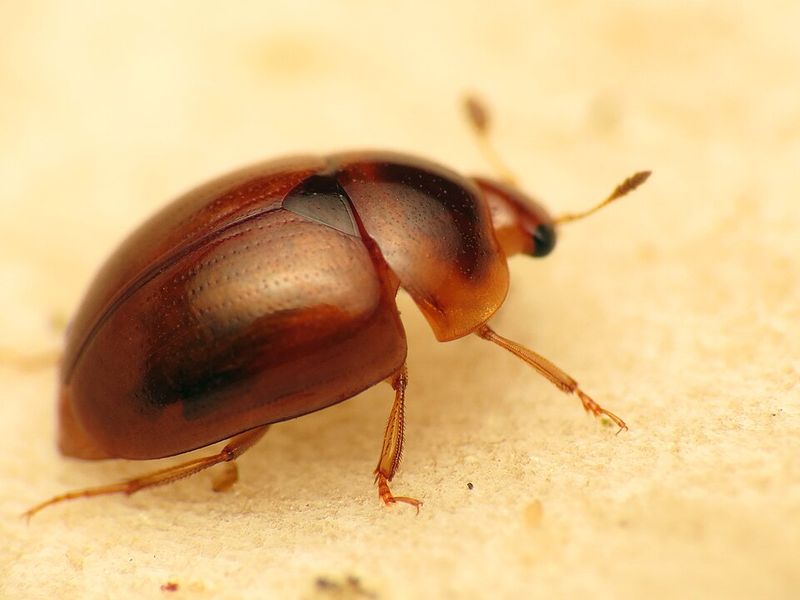
Growers often blame the heat when ripe fruit turns sour right on the tree. The real trouble usually has six legs and a body no bigger than a sesame seed.
Dried fruit beetles, also called sap beetles, belong to the genus Carpophilus. They feed on sugar-rich, overripe pulp and find soft, sweet fruit irresistible.
These insects rarely chew through healthy skin. Instead, they walk right in through the small natural opening at the base of the fruit.
Once inside, they carry yeasts and bacteria on their bodies and feet. Those microbes begin breaking down the pulp within a day or two.
The result is a fig that looks fine outside and smells like vinegar inside. Buyers reject it, and pack-out numbers slide quickly.
California orchards feel this pressure more than most, because the fruit ripens in serious heat. Warmth speeds up both beetle activity and spoilage.
Populations build in any decaying plant material nearby, not only in the orchard rows. Cull piles, fallen fruit, and neighboring vineyards all serve as nurseries.
A single soft fig can host dozens of insects at different life stages. Numbers climb quietly until harvest crews notice sticky, sour fruit in the bins.
Scouting helps enormously here, since a hand lens reveals what the naked eye misses. Split a few soft figs and look for pale larvae and dark adults.
Understanding the pest is the first real step toward protecting a crop. Everything else, from sanitation to harvest timing, builds on that knowledge.
A Closer Look At The Dried Fruit Beetle
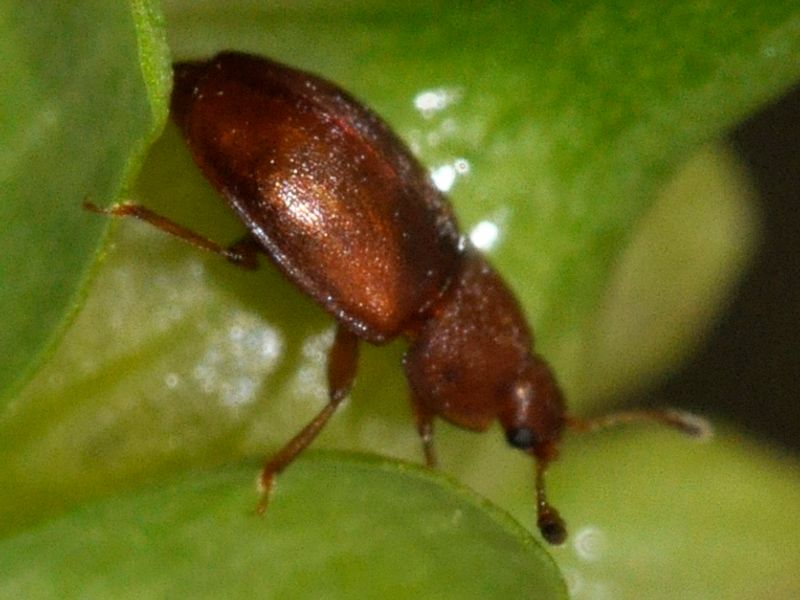
Picture a beetle roughly an eighth of an inch long, dark brown with two pale spots. Short wing covers leave the abdomen tip exposed, which is a handy field clue.
Carpophilus hemipterus goes by the name dried fruit beetle, and it has cousins such as the confused sap beetle. All of them share a taste for sugar-rich, overripe fruit.
Adults fly well and follow scent plumes for surprisingly long distances. Ripening fruit, compost heaps, and packing sheds all send out the same tempting perfume.
Females lay eggs in soft tissue, cracks, and the moist interior of overripe fruit. Each one can produce well over a hundred eggs in a season.
Your California Garden Changes Every Week. Your Plan Should Too.
Gardening in California changes quickly throughout the season. Every Friday you’ll receive a simple weekly plan showing exactly what to plant, prune, fertilize, harvest, and protect so you never miss the right timing.
Eggs hatch into small white larvae with brown heads that tunnel through pulp. In hot weather the whole cycle finishes in about two to three weeks.
That speed matters, because several generations can overlap during a California summer. Populations that looked harmless in June feel overwhelming by late August.
Larvae eventually leave the fruit and pupate in the soil beneath the canopy. Adults emerge, feed again, and the cycle restarts without much pause.
Cool winter months slow everything down, with survivors sheltering in debris and old fruit. Spring warmth wakes them up right as the breba crop develops.
Fun detail: these beetles are famous in laboratories as vinegar-scent specialists, useful in trap research. Their sensitivity to sugary, overripe odors is exactly what makes bait traps effective.
Knowing the look-alikes prevents wasted effort in the orchard. Ground beetles and small weevils wander through figs without causing souring damage.
The Ostiole, A Tiny Door Into Ripe Fruit
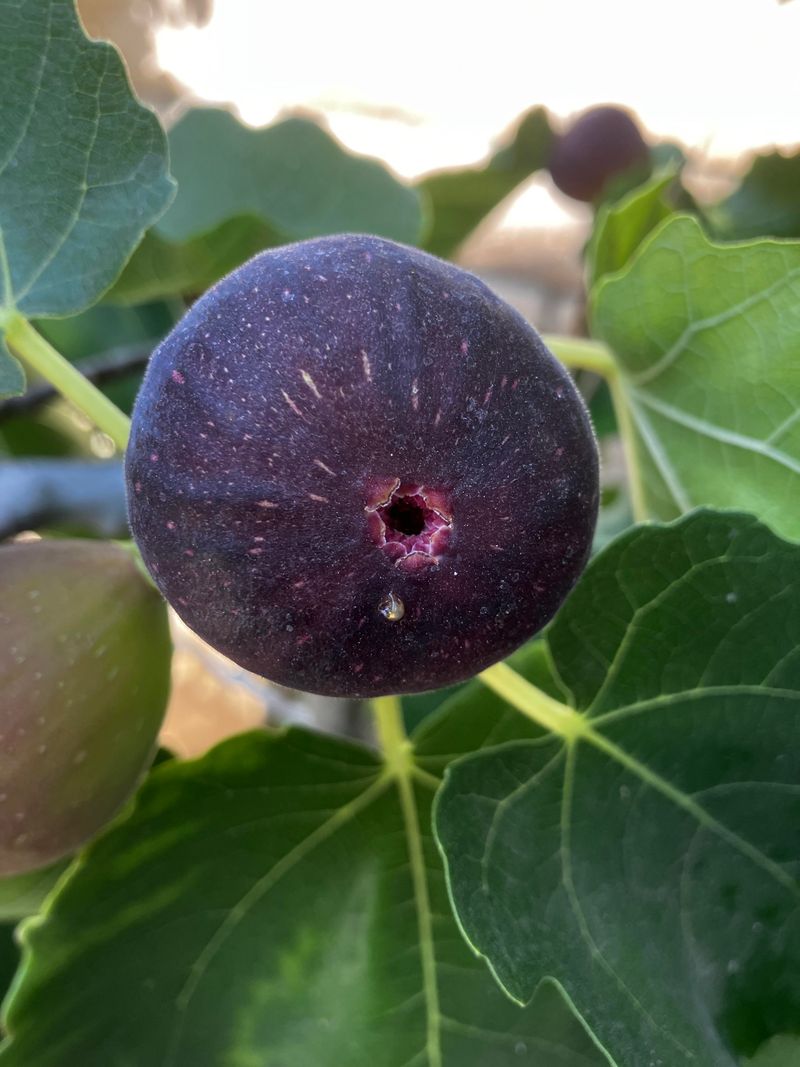
Every fig has a small opening at its blossom end called the ostiole. Think of it as a keyhole that pollinating wasps were meant to use.
As fruit ripens, that keyhole loosens and the scales around it spread apart. Sap beetles need no tools at all to slip through.
Variety makes a real difference here, since ostiole size varies by cultivar. Calimyrna types have wide openings, which explains their reputation for souring trouble.
Mission and Kadota figs generally hold tighter ostioles and resist entry a bit longer. Growers in warm districts often weigh that trait when planting new blocks.
Cracks matter too, because a split skin is an open invitation. Irrigation swings, heavy rain, and bird pecks all create those entry points.
Once beetles reach the interior, the syrupy cavity offers food, shelter, and moisture. Larvae develop there in nearly ideal conditions.
Checking ostioles during scouting is easier than it sounds. Roll a soft fig gently and look for sticky beads, dark specks, or a sour smell.
Sticky exudate dripping from the eye is one of the clearest warning signs. Fruit at that stage rarely recovers its quality.
Some growers reduce risk by harvesting slightly earlier, before the eye opens wide. Fruit destined for drying can then finish on trays instead of on the tree.
Wasp pollination adds another wrinkle in Calimyrna orchards that rely on caprifigs. Those caprifigs also host beetles, so their handling deserves close attention.
Souring, Smut, And Other Damage In The Orchard
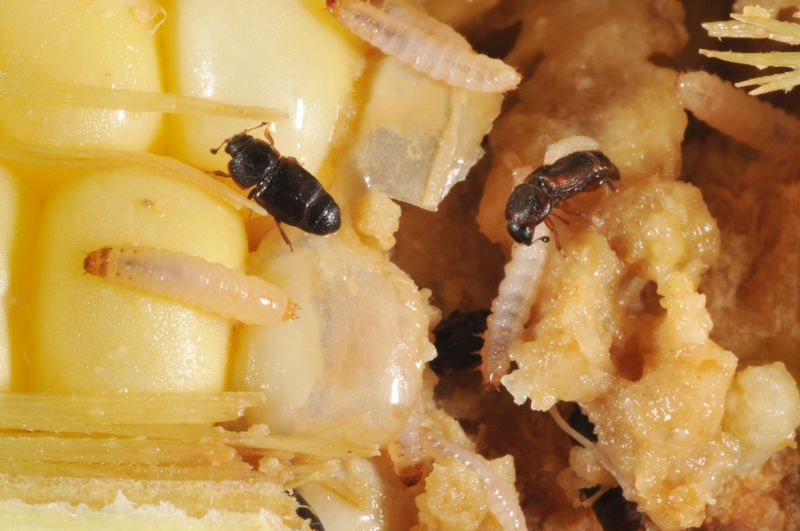
Souring is the headline problem, and it announces itself with a vinegar tang. Yeasts carried inside break down the sugars and turn syrup into a bubbling mess.
Pink or amber ooze often leaks from the eye of affected fruit. The pulp inside turns watery, gassy, and unpleasant.
Smut is a second issue, showing up as black, powdery mold within the cavity. Aspergillus spores hitch a ride on beetle bodies and settle in comfortably.
Endosepsis, sometimes called internal rot, causes similar damage in Calimyrna blocks but travels through pollinating wasps, not sap beetles. Fruit looks fine outside while the interior breaks down.
Fresh market buyers reject soured figs immediately, since the flavor gives everything away. Dried fruit processors grade harshly for smut and off odors.
Losses can climb into double digits during hot, humid stretches. A few soured figs per tree add up fast across hundreds of acres.
Feeding wounds themselves are minor compared with the microbes the insects deliver. Think of the beetle as a delivery truck rather than the main problem.
Ants and vinegar flies often show up alongside the damage. Their presence is a useful clue that spoilage has already started.
Home gardeners see the same pattern on a smaller scale. One fig picked at the wrong moment can spoil a whole bowl’s aroma.
Sorting right at the tree saves headaches later on. Train pickers to leave leaking or sour-smelling fruit out of the bin entirely.
Peak Risk Windows Across The Growing Season
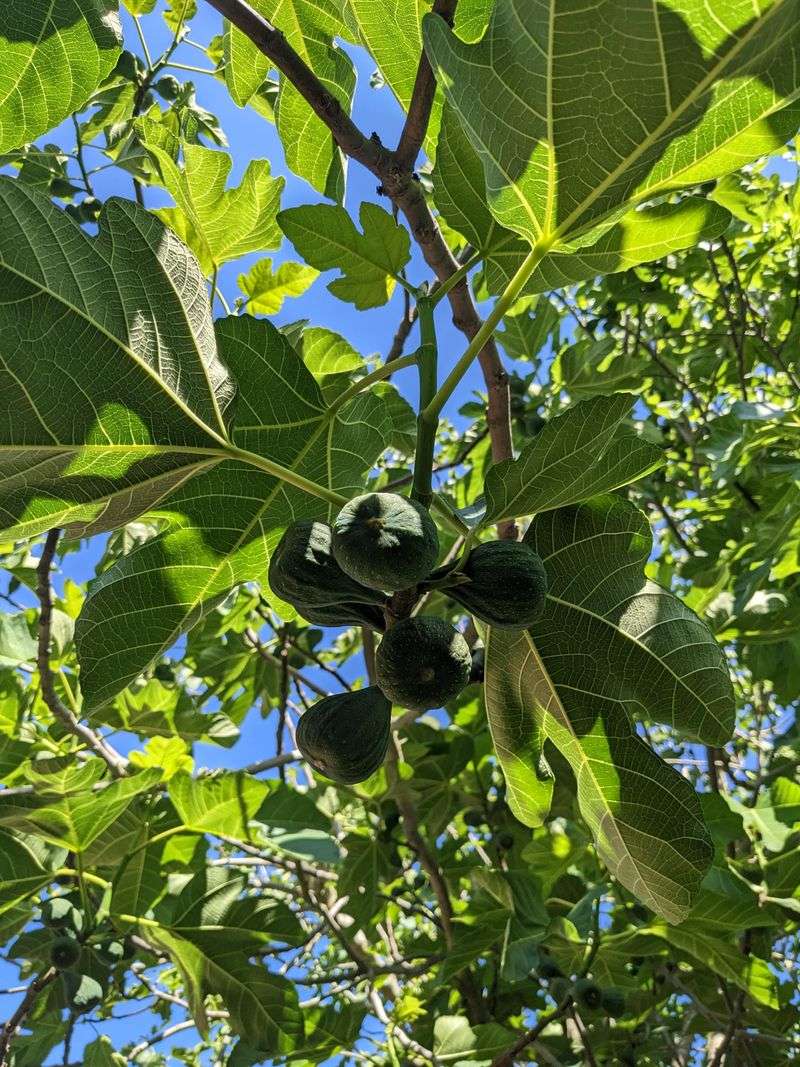
Timing shapes almost everything about this pest. Beetles matter little in spring and then become the main story in midsummer.
Overwintered adults stir once temperatures climb into the seventies. They search out leftover fruit and any decaying material lying on the ground.
The breba crop, ripening in June, faces modest pressure in most districts. Populations are still building at that point in the season.
Trouble sharpens with the main crop from July through September. Heat, high sugar levels, and open ostioles all line up at once.
Late August often marks the toughest stretch in the San Joaquin Valley. Several beetle generations have overlapped by then, and fruit softens fast.
Rain or heavy dew during ripening raises risk sharply. Moisture encourages splits, and splits invite everything else.
Harvest frequency becomes a real tool during those weeks. Picking every two or three days keeps overripe fruit from lingering.
Drying-fruit growers who let figs fall to the ground follow a different clock. Fruit resting on dry soil for days becomes prime beetle habitat.
Trap counts help pinpoint pressure instead of leaving growers to guess. Rising numbers in bait traps signal that sanitation and picking should tighten up.
Neighboring crops can shift the calendar too. Nearby stone fruit or grape harvest sometimes pushes beetles into fig blocks overnight.
Cooler October weather finally eases the situation. Late figs still deserve attention, since spoilage continues at moderate temperatures.
Common Missteps That Make The Problem Worse
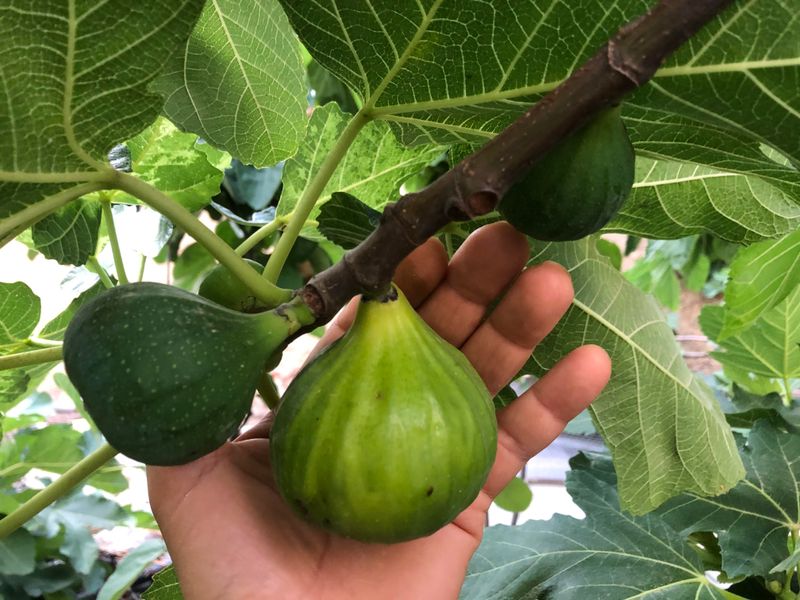
The biggest mistake is treating this as a spray problem. Insecticides reach adults on the surface, yet larvae tucked inside fruit stay untouched.
Leaving cull piles at the orchard edge ranks a close second. Those piles break down quickly and produce beetles for weeks on end.
Skipping a pick during a busy week feels harmless at the time. Overripe fruit hanging on the tree becomes a beetle nursery instead.
Uneven irrigation causes splits that open brand new doorways. Sudden heavy water after a dry stretch is a common trigger.
Ignoring caprifig management in Calimyrna orchards creates a hidden reservoir. Old caprifigs left lying around carry both insects and rot organisms.
Storing harvested fruit in warm bins invites rapid spoilage. Field heat should come off quickly through shade and prompt cooling.
Traps set out with stale bait give misleading counts. Refresh the mixture regularly so readings reflect real activity.
Assuming that clean-looking fruit means a clean orchard can be costly. Damage hides inside, so sampling by cutting fruit open is essential.
Blaming birds alone overlooks the smaller trespassers. Bird damage and beetle entry often happen together on the very same fruit.
Waiting until harvest week to start sanitation rarely works well. Population control begins months earlier, during offseason cleanup.
Dried fruit growers sometimes reuse trays without washing them. Leftover sticky sugar keeps drawing in the next generation.