8 Reasons Chiggers Are Biting Ankles Across Tennessee State
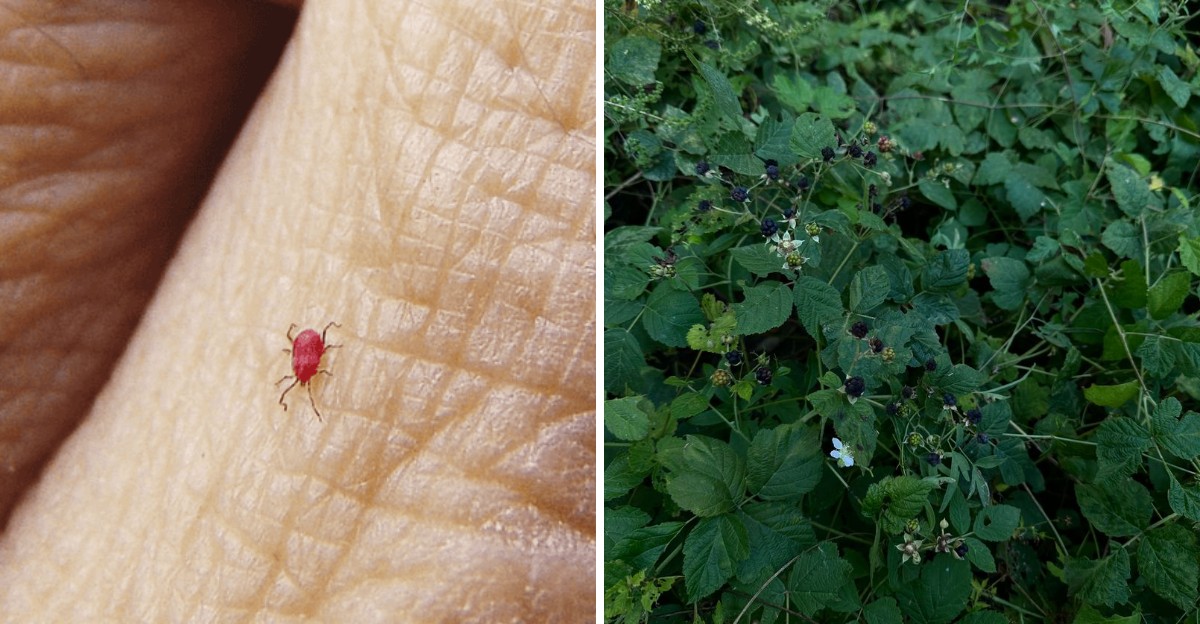
Chiggers moved in long before you felt anything at all. Tennessee heat turns ordinary grass into a hazard for you. Your ankles become their favorite spot once you step outside.
Moisture draws these bugs straight toward your sock line. Wildlife carries hitchhikers through your yard without you noticing. Elastic bands press them tight against your bare skin.
Nights feel calm, but mites travel steadily toward your ankles. Habits you barely notice keep inviting them back each season. Late summer in Tennessee works quietly against you and your skin.
Calamine bottles empty fast once August finds you outside. Redness spreads quickly, tracing exactly where fabric meets your skin. Scratching only spreads the irritation further across your tender skin.
Understanding why this happens gives you real control back. Prevention starts with small shifts, not drastic changes for you. What comes next explains exactly why your ankles keep itching after you step inside.
1. September Warmth Keeps The Larvae Working
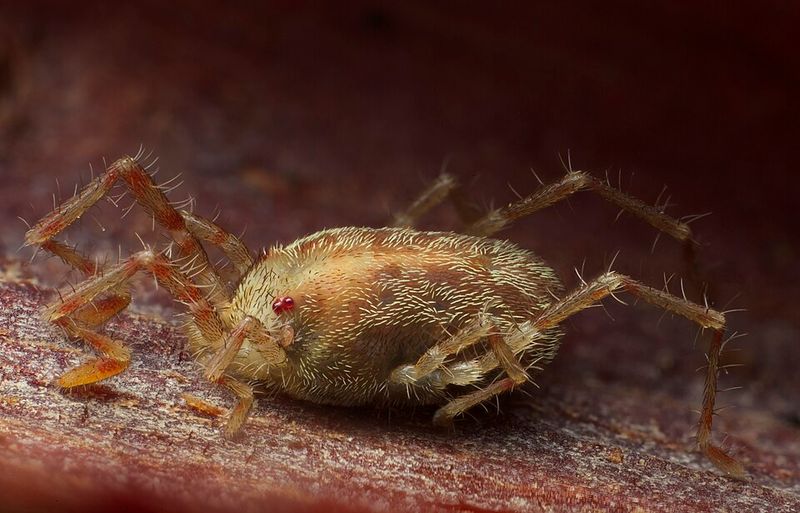
Tennessee autumn arrives on the calendar long before it arrives in the grass. Early September afternoons still climb into the 80s, and that lingering warmth is exactly what chigger larvae are waiting for.
These microscopic mites hatch in waves through summer, and the larval stage is the one that feeds on people. Soil temperatures near 60 to 80 degrees keep them climbing plant stems and waving their front legs, hoping something warm brushes past.
Because the state stretches from the Mississippi River to the Smokies, warm pockets tend to linger longer in lower-elevation western areas, while higher-elevation regions like the Cumberland Plateau typically cool off sooner.
What that means for you is simple: bite season is not finished just because school started. Football tailgates, cross-country practice, and last-minute camping trips all land in prime feeding weather.
Add in yard cleanup chores, and bare ankles meet grass over and over. Practical move? Watch overnight lows rather than the calendar.
Once overnight temperatures drop into the low 40s for several nights, larvae become noticeably less active, and your ankles get a break.
Until then, treat any grassy stop like it has residents. A quick spray of repellent on shoes and sock tops takes ten seconds and saves a week of itching. Light colored socks also make the tiny orange specks easier to spot.
Fun bit of trivia: chiggers do not burrow under skin, despite the campfire stories. They attach, inject saliva that softens skin cells, and sip. Removing them early keeps the itch small.
2. Humid Air And Damp Leaf Litter Hold The Moisture They Need
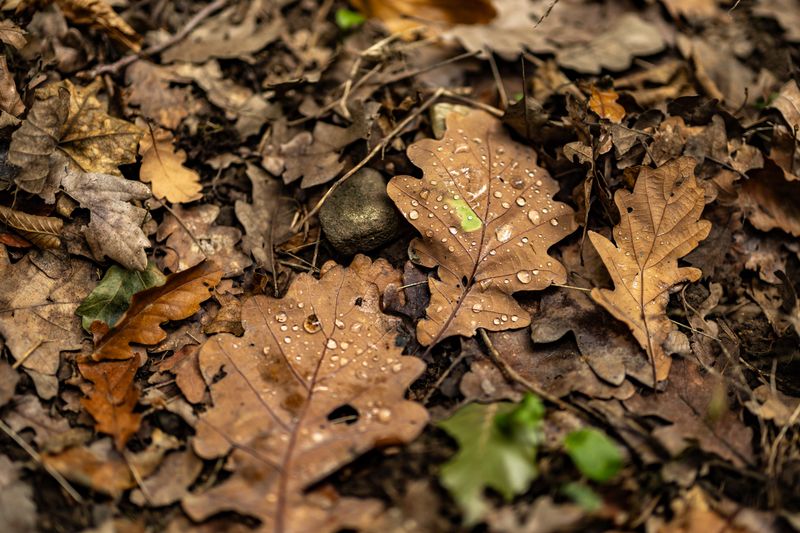
Walk into a shady creek bottom in Middle Tennessee and you can feel the air change. That thick, greenhouse humidity is comfort food for chiggers.
Larvae dry out fast, so they cluster where the ground stays damp and shaded. Leaf litter, matted grass clippings, and the mulch ring around a shrub all hold humidity for days after a rain.
September storms rolling in off the Gulf keep those pockets soggy. A single afternoon downpour can refresh a shady fence line long enough to support a busy colony.
Your Tennessee Garden Changes Every Week. Your Plan Should Too.
Gardening in Tennessee changes quickly throughout the season. Every Friday you’ll receive a simple weekly plan showing exactly what to plant, prune, fertilize, harvest, and protect so you never miss the right timing.
Notice how bites often follow specific stops: the picnic table under the oaks, the shortcut through the honeysuckle, the spot where you knelt to pull weeds. Those are the humid micro-spots doing the work.
You can shift the odds. Rake leaves away from paths, spread mulch thinner than three inches near seating areas, and let sunlight reach the ground where you spend time.
Trimming low branches helps too, since more sun and airflow dry out the top layer of soil. Chiggers stay concentrated in the moist edges instead of the open lawn.
When you have to cross a damp, brushy area, keep moving. Standing still gives larvae time to climb aboard, and they are slow travelers.
Interesting detail: chigger populations tend to cluster in tight hot spots, sometimes just a few feet wide, rather than spreading evenly across an area.
Two hikers on the same trail can have very different luck, which is why one person itches and the other shrugs. Mapping your own itchy spots for a season is oddly useful.
3. Overgrown Yard Edges And Fence Lines Invite Them Closer

Plenty of Tennessee bites happen within a few steps of the back door, not deep in the woods. The culprit is usually that shaggy strip along the fence, the shed, or the compost pile.
Grass left tall through August gives larvae shade at the base and a ladder to the top. From there, an ankle walking by is an easy ride.
Late-summer growth spurts make things worse. Warm nights and August rain push fescue and crabgrass up quickly, and the mower often skips those awkward corners.
Fixing it costs sweat, not money. Mow the edges short, run a string trimmer along fences, and bag the clippings instead of leaving damp piles. Rotate your mowing direction to reach hidden pockets.
Wide, mowed borders around play areas and gardens act like a moat. Larvae travel only inches on their own, so a sunny gap of a few feet slows them down.
Storing firewood off the ground and clearing brush stacks removes shelter for the rodents and rabbits that carry mites into the yard. Fewer hosts nearby means fewer hitchhikers.
If one corner keeps producing bites, a targeted yard product labeled for mites can help, applied where grass meets brush rather than across the whole lawn. Read the label and let the spray dry before pets return.
Some homeowners report noticeably fewer bites after trimming fence lines and mowing edges short, small chores, real payoff.
4. Blackberry Brambles And Brushy Field Borders
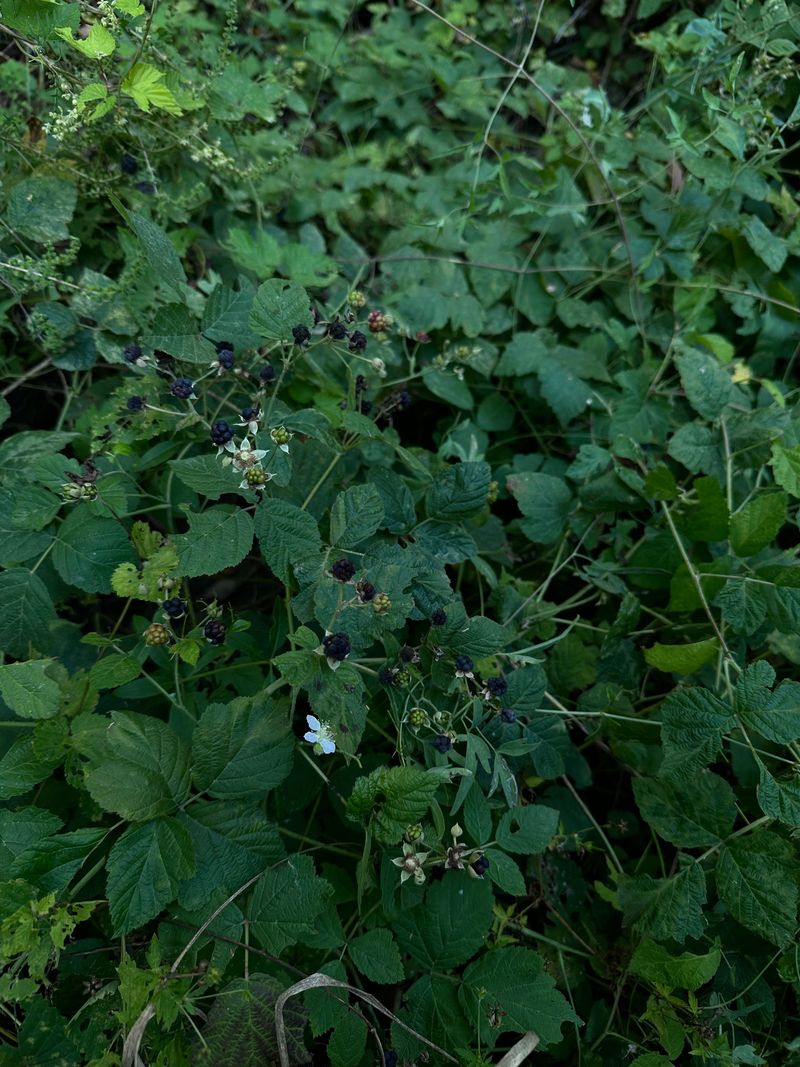
Blackberry picking along Tennessee back roads often comes with a trade-off: bites. Berry picking often means dealing with bites afterward.
Bramble patches sit right where chiggers thrive: the transition zone between mowed ground and woods. Sun on top, moisture underneath, and steady animal traffic through the middle.
Same story for old fields full of goldenrod, ragweed, and broomsedge. Dove season and early bow season send hunters straight into that cover in September.
Berry canes and weed stems also brush against you at ankle and knee height. Larvae transfer by contact, then wander upward to a snug spot where clothing presses on skin.
Long pants tucked into boots make a real difference here. Clothing treated with permethrin, dried before wearing, adds a second layer of protection that lasts through several washes.
Repellent with DEET or picaridin on shoes, socks, and pant cuffs handles the rest. Reapply if you sweat through your gear during a warm afternoon.
Pick a route with less contact when you can. Walking a mowed lane instead of pushing through waist-high weeds cuts your exposure a great deal. Keep a lint roller in the truck, since it lifts loose larvae off pant legs before you drive home.
Trivia for the trail: chigger larvae measure about 1/150th of an inch across, so a group of them could hide behind a period on this page. The red specks people notice are often already fed and easy to rinse away.
5. Wildlife Traffic Spreads Them Around The Neighborhood

Chiggers travel only short distances on their own, but hosts carry them into new areas all season.
Larvae feed on whatever warm animal arrives first, then drop off to grow into harmless plant-eating adults. Wherever a host wanders, the next generation gets a new address.
Tennessee has plenty of hosts. Suburban Nashville yards, Knoxville greenways, and farm edges all hold busy deer trails and rodent runs.
Look for the clues around your property. Flattened paths in tall grass, nibbled hostas, and burrow holes under the deck mark the same routes larvae are using. Mowing along those trails narrows the pipeline into your yard.
Reducing the welcome mat helps more than spraying. Secure trash lids, pick up fallen birdseed, clear brush piles, and fence the vegetable garden if deer visit nightly.
Bird feeders deserve a second look in September. Seed hulls under a feeder draw mice, and mice deliver mites right to your patio.
Keep in mind that pets act as taxis too. Dogs that patrol brushy corners can carry larvae onto porch furniture, so wipe paws and legs after outdoor time and ask your vet about mite-friendly preventives.
Odd fact worth sharing: adult chiggers and their nymph stages feed on tiny soil insects and plant material, not people.
Only the six-legged larvae bother us, which makes them a brief problem with a long itch. A trail camera can show you which visitors pass through after dark.
6. Low Socks, Shorts, And Bare Skin Give Easy Access
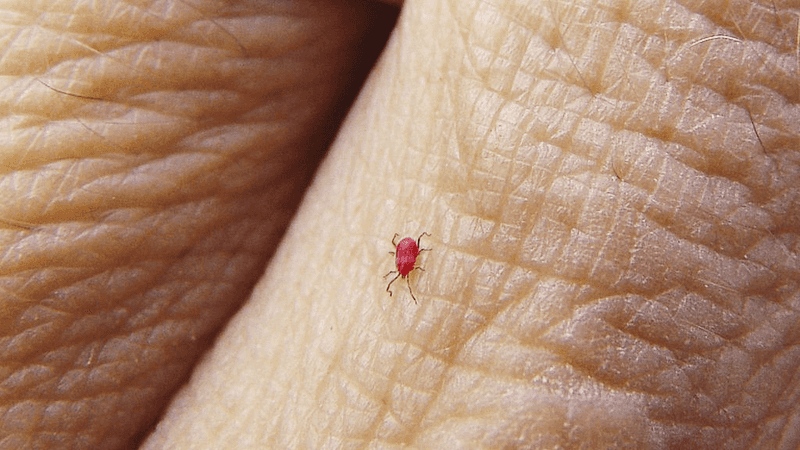
Clothing choices play a bigger role than many people realize. Ankle socks and slip-on shoes are basically an open gate.
Larvae climb until something stops them, then settle where skin is thin and clothing is snug. Ankles, sock lines, waistbands, and the backs of knees top the list.
September in Tennessee keeps shorts weather going, especially at ball fields and lake docks. Comfort often means more exposed skin at ankle height.
Small wardrobe tweaks change the outcome. Crew socks pulled over pant cuffs, closed shoes instead of sandals, and a tucked shirt block the easy routes.
Tight weaves work better than loose knits. Larvae squeeze through gaps in mesh shoes and airy athletic socks without much trouble.
Add repellent where fabric meets skin, not just on your legs. A band of spray around shoe tops, sock cuffs, and pant hems is the barrier that matters.
Gardeners can keep a dedicated pair of long socks and boots by the door. Slipping them on for a ten-minute weeding session feels silly right up until the itch-free evening.
One old-timer trick some Tennesseans swear by: dusting sulfur powder on socks and shoe tops. It smells like a struck match, and while its effectiveness isn’t scientifically confirmed, many still use it as an extra precaution.
If you get bitten anyway, welts usually appear a few hours later and itch hardest on day two. Cool compresses, calamine, or hydrocortisone cream calm things while your skin settles. Scratching invites infection, so trim nails and dab instead.
7. Sitting Straight On The Ground During Breaks

Picture a tailgate blanket spread on a shady patch of grass at a Tennessee state park. That relaxed hour puts you in direct contact with where larvae concentrate.
Sitting puts your ankles, legs, and hips in direct contact with the exact zone larvae occupy. They no longer need to climb, and you are not moving.
Logs, stumps, and old hay bales are just as generous. Damp wood holds moisture, and the shady side can host larvae by the hundreds.
Simple swap: bring a chair or a ground cloth with a slick surface. Nylon tarps and plastic-backed blankets are harder to grip than fuzzy fleece.
Choose sunny, mowed spots for breaks whenever possible. Dry, short grass in full sun holds far fewer larvae than the cool patch under the trees.
Leaning against tree trunks and fence posts also transfers passengers to your back and shoulders. Bites in odd places often trace back to a five-minute rest stop.
Shake out blankets before folding them and run them through a hot wash at home. Larvae ride fabric happily and can wait around for the next person.
Kids at fall festivals deserve a mention, since hay rides, corn mazes, and pumpkin patches all involve sitting in plant material. A quick change of clothes and a warm, soapy shower afterward clears many stragglers before they attach.
Fun note: a brisk shower with a washcloth within a couple of hours removes plenty of unattached larvae, which is why campers swear by rinsing off before dinner. Pack a spare towel and you have no excuse.
8. A Damp Spring Set The Stage For A Busy Season

Weather from months ago shows up in your ankles today. Tennessee saw generous spring rain and a gentle winter, and mite numbers respond to both.
Adults lay eggs in moist soil, and those eggs need humidity to hatch well. A wet April and May mean more larvae hatching through July, August, and September.
Mild winters can also help overwintering adults survive in leaf litter and soil cracks. More survivors heading into spring may mean more hatchlings by late summer.
That is why some years feel itchier than others along the same trails. Neighbors who barely noticed bites last fall might be covered in welts this month.
Since you cannot change the weather, aim at the habitat instead. Thin the leaf litter, keep grass short in high-traffic areas, and improve drainage in soggy low spots.
French drains, regraded gutter outlets, and less frequent watering near patios reduce the damp layer larvae depend on. Drier soil at the surface means fewer of them right where you walk.
Track your own patterns as well. Jotting down where and when bites happen builds a map you can use next August.
One last habit that pays off: strip outdoor clothes into the washer instead of a bedroom floor, then shower with soap and a washcloth. Hot water and detergent handle any hitchhikers, and your sheets stay clear.
Bites tend to fade within a week or two once fresh feeding stops. If a welt looks infected or a fever shows up, check in with a doctor rather than waiting it out.