What Shorter Days Are Telling Tennessee Gardeners About Perennial Division Time
Something shifts underground before your eyes catch it. Tennessee air still feels exactly like summer, yet your soil already disagrees. Crickets have swapped their tune for your evenings.
Roots push outward beneath your perfectly still leaves. Crowded clumps compete for space you cannot see. Cooler nights trigger decisions your plants make instantly. Waiting a little longer can cost you real growth.
Acting early gives your garden a serious head start. Gardeners across Tennessee move quickly once nights cool. Your instincts might resist, but the soil already knows. Timing beats effort when your season starts turning.
Shortened days push growth underground, not upward. Ignoring these shifts invites weak growth later.
Fall planting windows close quicker than expected. Soil temperature now drives choices your calendar cannot.
Patience has a cost when light fades fast. Few gardeners realize how fast this window closes. Act now, before your whole garden moves on without you.
1. Sunset Sneaking Up Earlier Each Evening

Somewhere around Labor Day, Tennessee evenings start closing shop before you’ve finished watering. That shrinking window of daylight is the single biggest signal your perennials use to switch gears.
Plants measure night length with surprising accuracy. As dark hours stretch past a certain point, many perennials slow their leafy growth and begin sending energy down into roots and crowns.
Root-focused plants are exactly what you want when you’re dividing. A clump lifted in July has to juggle heat stress, flower production, and new root building all at once.
The same clump lifted in September puts nearly all its effort into settling in below the soil line.
Across most of Tennessee, from Memphis to the Tri-Cities, that shift starts showing up in the first two weeks of September. You’ll notice it in small ways: blooms fading faster, foliage looking a bit tired, growth stalling even after a good rain.
A simple trick is to jot down your local sunset time each Sunday. When you’re losing two or three minutes a day and sunset lands before 7:30, the underground season has begun.
Keep in mind that soil holds summer warmth well into October here. Warm soil plus cool air plus shorter days makes a favorable combination for transplanted roots.
Think of the fading light as an early signal rather than a strict timeline. You still have weeks of workable weather, so plan your projects instead of rushing them.
2. Crowded Crowns Begging For Elbow Room
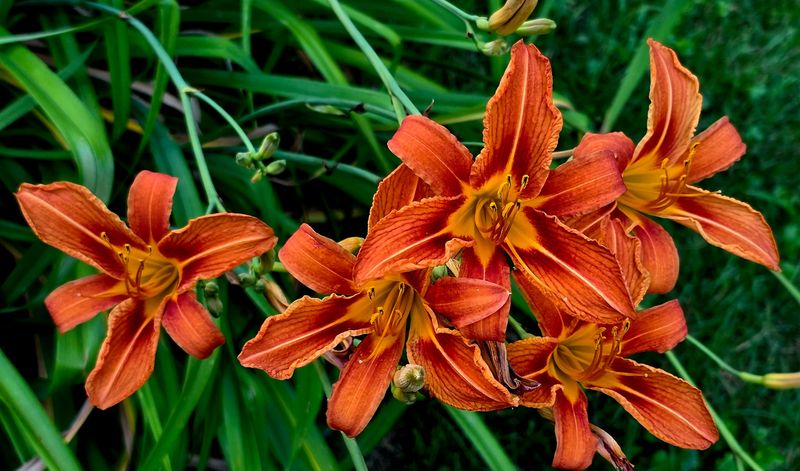
Ever notice a daylily clump that looks like a doughnut, thick around the edges and hollow in the middle? That bald center is your plant waving a small white flag.
Overcrowding happens gradually. Each year a healthy perennial adds new growth points at the outside of the clump, while the oldest tissue in the middle runs out of steam and stops producing.
By late summer the crowding is easy to spot. Stems press against each other, air moves poorly through the foliage, and flowers shrink in both size and number even though the plant looks huge.
Your Tennessee Garden Changes Every Week. Your Plan Should Too.
Gardening in Tennessee changes quickly throughout the season. Every Friday you’ll receive a simple weekly plan showing exactly what to plant, prune, fertilize, harvest, and protect so you never miss the right timing.
Tennessee’s humid summers make tight clumps extra risky. Damp, still air trapped inside a dense mound invites leaf spots and powdery coatings that spread through the whole planting.
Early September gives you a clear look at the problem. Foliage is still standing, so you can see exactly where the crown ends and where the empty middle begins before you sink a spade.
When you divide, keep the vigorous outer pieces and compost the tired center. Aim for chunks roughly the size of your fist with three to five growing points each.
Space the new divisions with mature width in mind, not the size they are today. That extra breathing room feels awkward for a season, then pays you back with airflow and fuller blooms.
Hostas, daylilies, Shasta daisies, and bearded iris are the usual suspects around here. Check them first when you walk the beds.
3. Soil That Stays Warm While Air Turns Cool
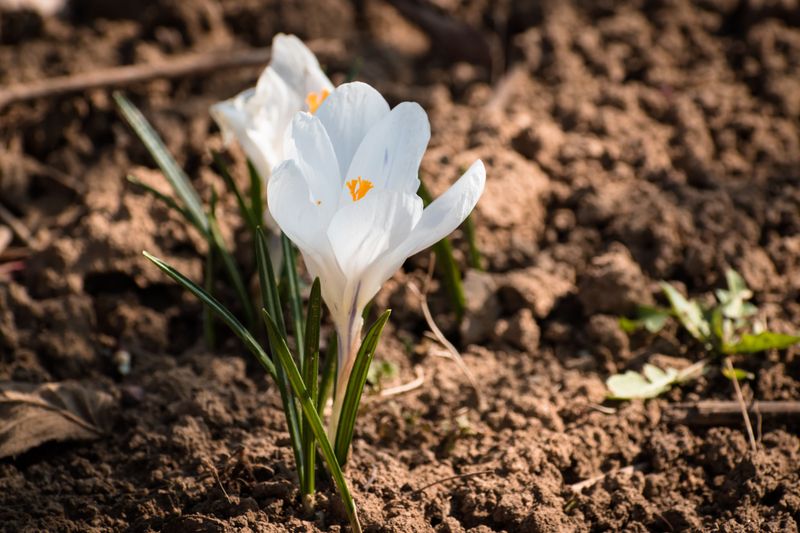
Here’s the quiet advantage Tennessee gardeners have in September: the ground is still holding onto August. Air temperatures drop first, and soil follows weeks behind.
Warm soil is where root growth happens. Most perennial roots push new white tips enthusiastically when soil sits between 55 and 75 degrees, which describes September and October across the state.
Cooler air cuts down water loss from leaves at the same time. A freshly divided plant loses less moisture through its foliage, so the reduced root system can keep up more easily.
A cheap soil thermometer takes the guesswork out. Push it four inches deep in the morning, and if you’re reading above 55 degrees, your divisions have real growing time ahead.
Tennessee’s clay soils deserve a mention. Clay warms slowly and cools slowly, which means a bed in Nashville or Knoxville may stay hospitable to roots later than a sandy bed would.
Try to give divisions at least six weeks of workable soil before hard freezes arrive. In much of the state that points to finishing major division work by mid-October.
Water deeply after replanting, then again whenever a week passes without a decent rain. September can turn unexpectedly dry here, and new roots have no reserves to draw on.
Skip the heavy fertilizer for now. A thin layer of compost feeds the soil without pushing tender top growth that won’t have time to toughen up.
4. Blooms Shrinking Compared To Last Year
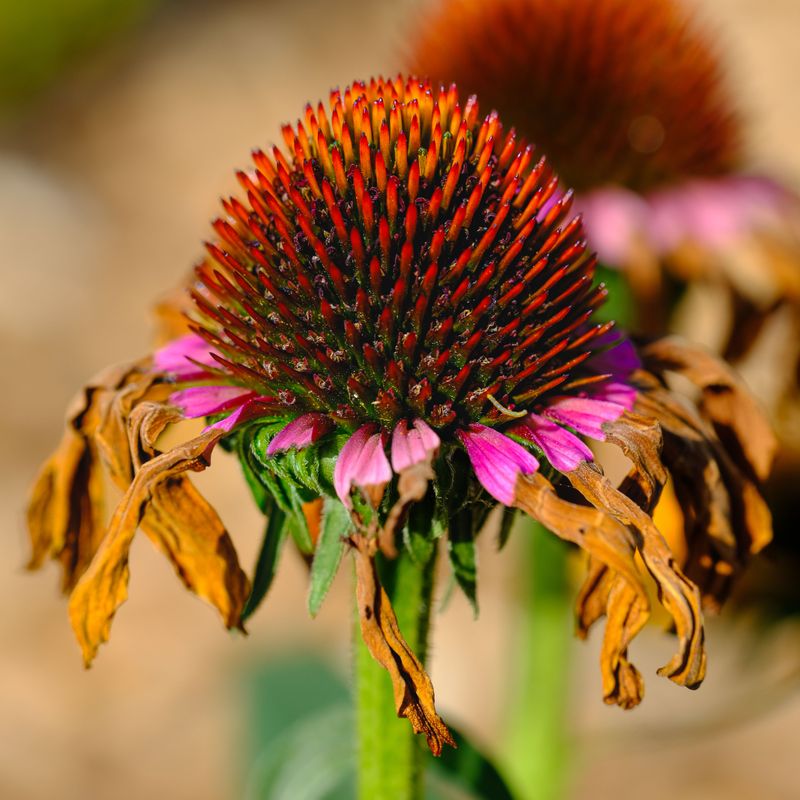
Smaller flowers on a bigger plant is one of gardening’s odder puzzles. It usually means competition, not neglect.
When dozens of growing points share one patch of soil, each one gets a smaller slice of water and nutrients. The plant keeps producing buds, but it can’t fund full-sized blooms for all of them.
Coneflowers, black-eyed Susans, phlox, and bee balm show this pattern clearly by their third or fourth season. Compare a photo from two summers ago and the difference can be noticeable.
Shorter days help you make the call. With the bloom season wrapping up, you can judge the whole year’s performance rather than one good week in June.
Keep notes as you walk the garden this month. A quick phone photo and a scribbled line about which clumps underperformed becomes your division to-do list.
Division resets the competition. Fewer growing points per square foot means each one draws more resources, and next season’s flowers typically bounce back to their old size.
Cut foliage back to about six inches before you lift a clump. Less leaf surface means less wilting while roots re-establish, and it makes the work far easier on your back.
One fun bit of history: gardeners have swapped divisions at fall gatherings for generations, and plenty of old Tennessee homesteads still grow passalong daylilies and iris that trace back to a neighbor’s spade decades ago. Your extras can start that chain again.
5. Spring Bloomers Wanting A Different Schedule
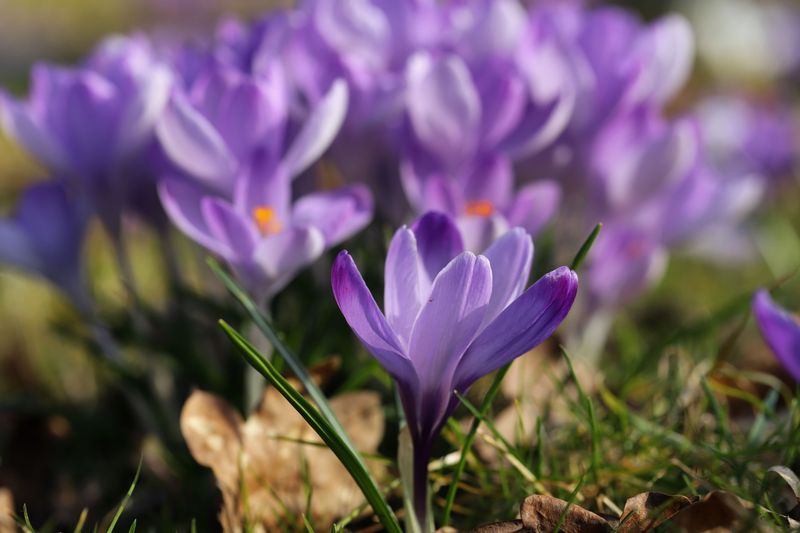
Not all perennials read the September memo the same way. Timing depends a lot on when a plant flowers.
The general guideline is simple: divide spring bloomers in fall, and fall bloomers in spring. Working opposite the bloom season keeps you from interrupting flower production.
That puts bearded iris, peonies, creeping phlox, bleeding heart, and Lenten rose squarely in the September and early October window. Iris in particular does beautifully divided now, since rhizomes have finished their summer ripening.
Peonies deserve special care in Tennessee. Replant divisions with the pink buds no deeper than one to two inches below the surface, because deeply planted peony eyes fail to bloom for one or more seasons.
Iris gets a slightly different treatment. Trim leaves into short fans, set rhizomes so their tops just show at the soil surface, and give them a sunny spot with good drainage.
Asters, mums, ornamental grasses, and Japanese anemone are better left alone right now. They’re either blooming or storing energy for late-season color, and disturbing them costs you the show.
Write the schedule on a calendar or a note on your phone. Splitting your list into a fall group and a spring group turns a big chore into two manageable afternoons.
Hostas and daylilies are the flexible ones. Both handle fall or spring division cheerfully, so slot them wherever your weekend has room.
6. Cooler Nights Cutting Transplant Stress

Anybody who has moved a plant in July knows the wilting that often follows. September nights change that story entirely.
Overnight lows in the 50s and low 60s let a divided plant recover between workdays. Leaves stop losing moisture after dark, so roots catch up instead of falling further behind.
Morning dew adds a small bonus. That extra surface moisture buys new transplants a gentler start to each day, especially in the eastern part of the state where fog settles in valleys.
Pick your working hours wisely anyway. Overcast mornings or the hour before evening are kinder than blazing midday, even in cooler weather.
Have everything ready before you lift a single clump. Pre-dug holes, a bucket of water, and a shady tarp mean roots spend minutes in the open air rather than an hour.
Trim damaged roots cleanly with sharp pruners and shake off excess soil so you can see the natural dividing points. Many clumps pull apart by hand with a bit of wiggling.
Water divisions in with a slow soak that settles soil around the roots and pushes out air pockets. Then add two inches of mulch, keeping it off the crown itself.
Expect some wilting for a week or so. Steady moisture and a little patience usually bring plants back looking perkier than before, and cooler nights are doing most of the work for you.
7. First Frost Date Setting Your Timeline
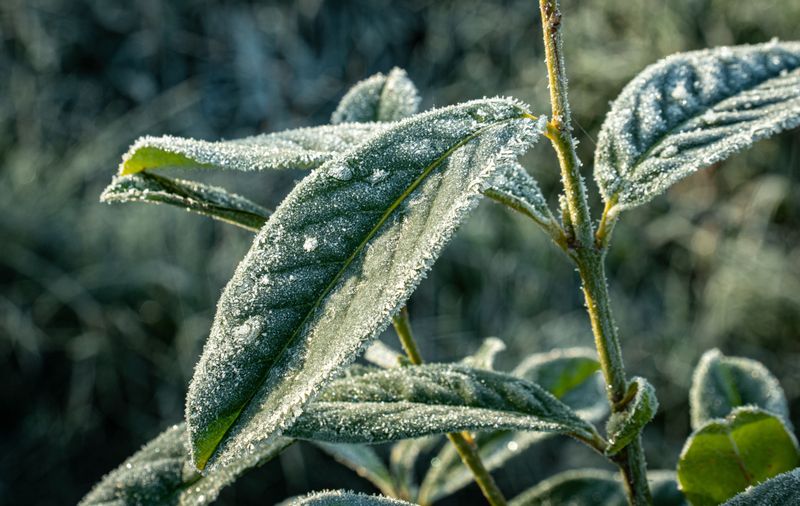
Every division project in Tennessee runs on a countdown clock, and frost holds the stopwatch. Knowing your local date changes how you plan the next six weeks.
West Tennessee, around Memphis, typically sees first frost later in the season than the rest of the state. Middle Tennessee usually lands somewhat earlier, and the higher elevations of East Tennessee often see it earliest of all.
Roots need roughly four to six weeks of warm soil to anchor themselves before cold weather arrives. Counting backward from your frost date gives you a practical cutoff for dividing.
Run the math for your own yard. Take your typical first frost date, count back four to six weeks, and that lands you on a comfortable cutoff for dividing. Missed the window? Leave the clump in place and mark it for spring instead.
A crowded perennial handles one more season far better than a division that goes into cold ground with loose roots.
Mulch becomes your insurance policy for late divisions. Two or three inches of shredded leaves or pine straw slows the freeze and thaw cycles that can heave shallow roots upward.
Elevation matters more than county lines in East Tennessee. A garden on a ridge above Johnson City chills weeks ahead of one in the valley below.
Check your local average frost date through your county extension office or a trusted gardening almanac. Local numbers beat regional guesses when you’re planning real work.
8. Free Plants Multiplying Right Under Your Nose
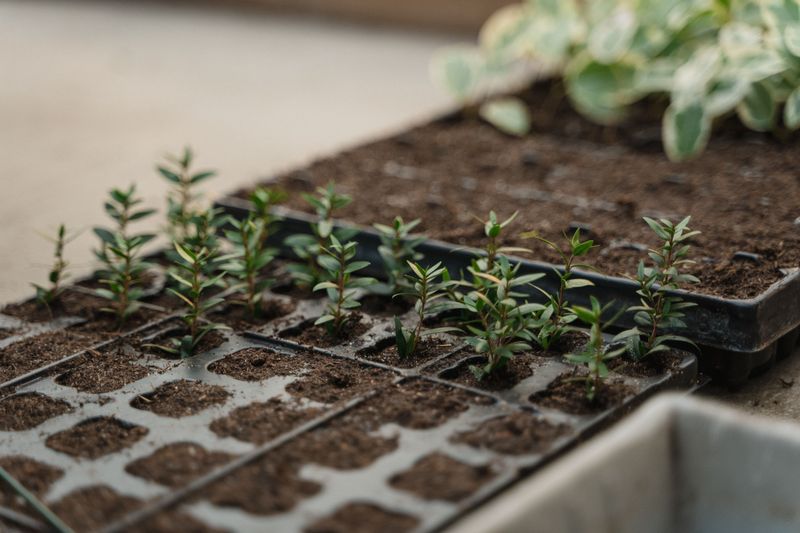
The best part of division season has nothing to do with plant health. One crowded clump can become five plants for the price of an afternoon.
Gardeners around Tennessee turn this into a social event. Church swaps, garden club exchanges, and neighborhood giveaways all peak in fall for exactly this reason.
Pot up your extras in whatever containers you’ve saved, using regular garden soil mixed with compost. Set them in light shade, keep them watered, and they’ll hold happily for a few weeks.
Label everything immediately. A pot of hosta and a pot of daylily look nearly identical once the foliage flops, and mystery plants make poor gifts.
Divisions also let you fix design mistakes without spending money. Repeat the same plant in three spots along a border and the whole bed suddenly looks intentional rather than random.
Consider donating leftovers to a school garden or community plot. Plenty of Tennessee elementary schools run pollinator beds that survive on donated coneflowers and black-eyed Susans.
Keep a running list of what you divided and when. Most perennials appreciate the treatment every three to five years, and written records save you from guessing later.
There’s something satisfying about handing a neighbor a pot of iris that came from your grandmother’s yard. Shorter days aren’t just telling you to work, they’re handing you something worth passing along.