California Native Shrubs That Prefer Fall Planting Over Summer Stress
Hot summer weather can make it harder for new plants to settle in, especially when you are trying to establish shrubs in a California garden.
Native shrubs often have a better chance of building strong roots when they are planted during cooler seasons, giving them time to adjust before facing another round of intense heat.
Fall planting allows many California natives to take advantage of milder temperatures and seasonal moisture while putting energy into root growth instead of fighting summer stress.
You can use this timing to add structure, texture, and wildlife-friendly plants to your yard with less strain on new additions.
Choosing shrubs that naturally fit your local conditions can also help you create a lower-maintenance landscape that needs less water and support over time.
A well-timed planting can make a big difference in how your garden grows in the seasons ahead.
1. Bush Anemone Gets A Better Start Before Summer Heat Arrives
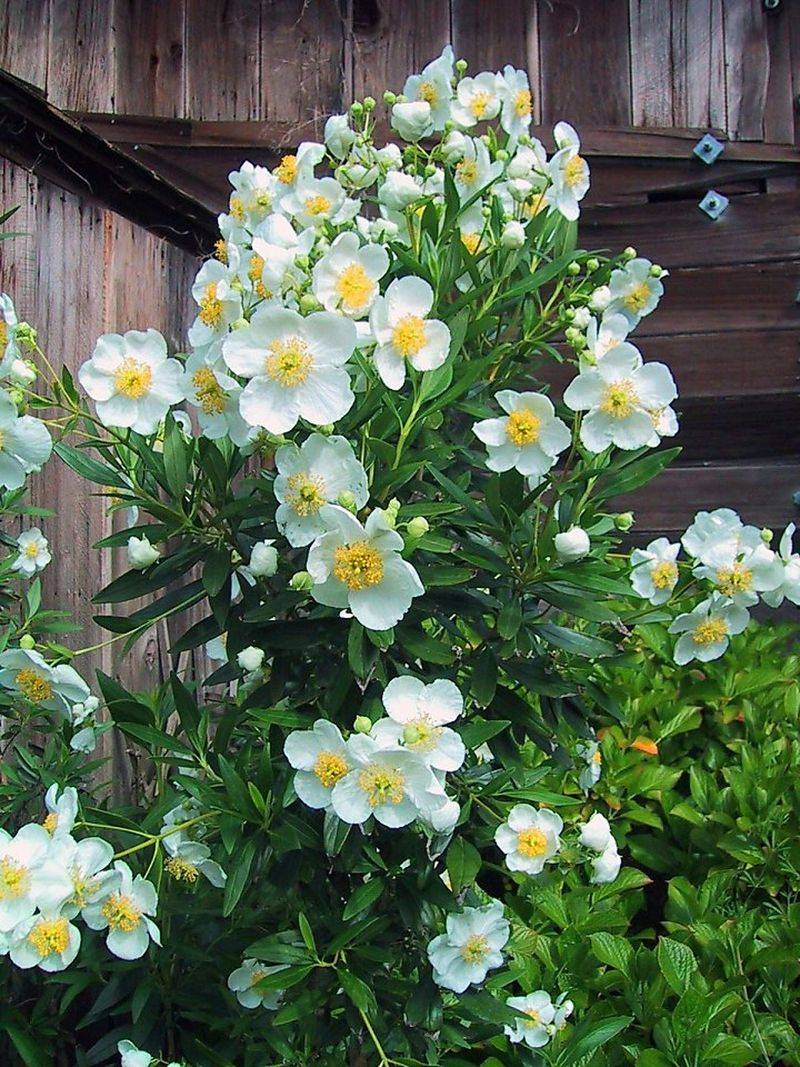
Few shrubs greet you with flowers as bright as the bush anemone. Its wide white blooms have cheerful yellow centers that look like little suns scattered across the plant.
Planting this beauty in fall gives it a gentle window to grow strong roots. The cooler air keeps the shrub from feeling stressed while it settles into new soil. Since summer heat can be tough on young plants, an autumn start really pays off.
This native likes partial shade and soil that drains well. You do not need to water it too much once it feels comfortable in the ground. During its first fall and winter, occasional watering helps roots reach deeper.
Glossy green leaves stay on the plant all year, giving your garden steady color. Bees and other pollinators love visiting the flowers when they open in spring and early summer.
Give it a spot with some afternoon protection, and it will reward you for years. Trim it lightly after blooming to keep the shape tidy and full.
Because it handles dry spells well once established, the bush anemone fits perfectly in low-water gardens. Fall planting simply makes that success easier to reach. A little patience now leads to a shrub that looks fresh and lovely season after season without much fuss.
2. Chaparral Currant Establishes Roots During Cooler Months
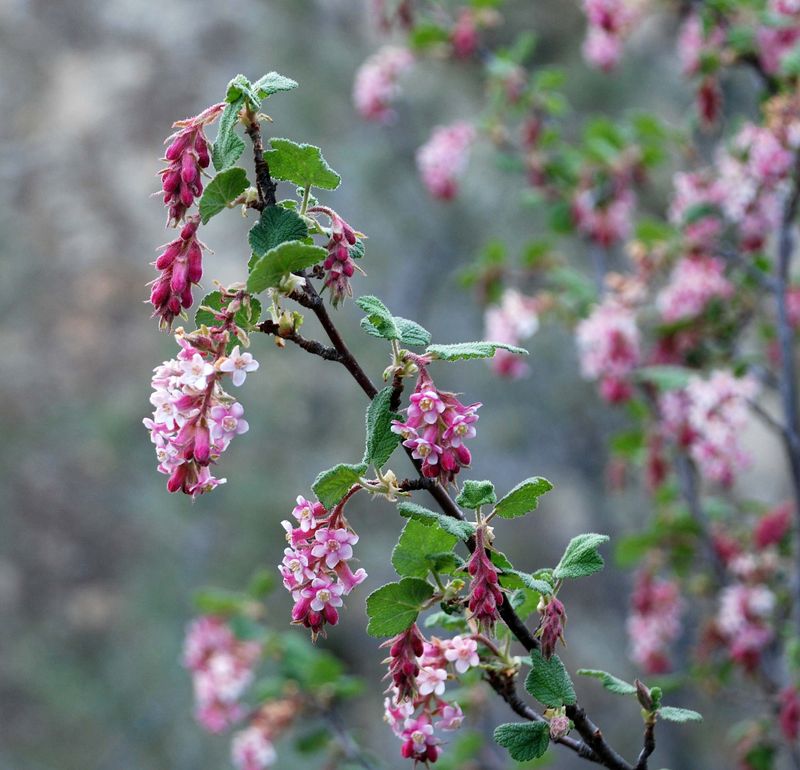
Dangling clusters of pink flowers make the chaparral currant a real showstopper in early spring. Hummingbirds zoom in for the sweet nectar, turning your yard into a busy little playground.
Getting this shrub in the ground during cooler months helps it build a solid root system. The mild temperatures mean the plant spends its energy growing underground instead of fighting the heat above.
Native to dry hillsides, this currant loves well-drained soil and a spot with sun or light shade. Once it feels at home, it barely needs any extra water during summer.
Its soft green leaves fill out nicely and create a gentle background for the bright blooms. After flowering, small berries appear that birds happily snack on.
Fall rains give the plant a natural drink, so you often do not have to water much yourself. That makes autumn one of the easiest times to plant it.
Your California Garden Changes Every Week. Your Plan Should Too.
Gardening in California changes quickly throughout the season. Every Friday you’ll receive a simple weekly plan showing exactly what to plant, prune, fertilize, harvest, and protect so you never miss the right timing.
Prune lightly in late winter to keep it looking neat and encourage fresh growth. Avoid crowding it with other plants so air can move freely around the stems.
With its early flowers and wildlife appeal, the chaparral currant earns a happy place in native gardens. Planting it now means a stronger, livelier shrub when spring finally arrives with all its color and buzzing visitors.
3. Evergreen Currant Handles Fall Planting In Shadier Areas
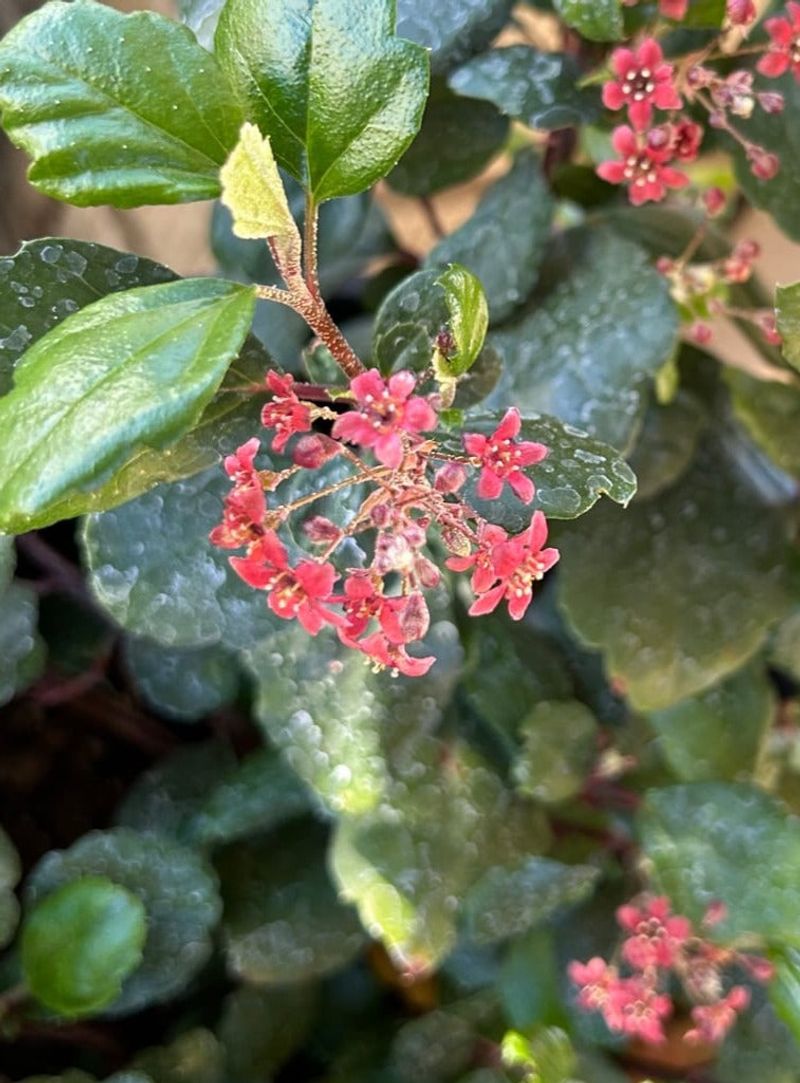
Shady corners can be tricky, but the evergreen currant thrives right where other plants struggle. Its low, spreading shape makes it a smart choice for covering bare ground.
Autumn is the ideal moment to tuck this shrub into your garden. Cooler weather and coming rains help it settle without the burden of summer sun beating down.
Small, round leaves stay green all year, giving your yard a fresh look even in winter. Tiny pink flowers pop up and attract bees looking for an early meal.
Because it likes partial to full shade, this currant works well under trees or along the north side of a house. It handles dry conditions once its roots take hold.
During the first season, keep the soil lightly moist so the plant can stretch its roots outward. After that, it becomes quite independent and forgiving.
Its spreading habit helps control weeds and holds soil in place on gentle slopes. That makes it both pretty and practical for busy gardeners.
Little berries follow the flowers and give birds a tasty treat. Trim it occasionally to keep the shape you like best.
For anyone wanting a tough, low groundcover that loves the shade, this evergreen currant delivers. A fall start ensures it looks lush and healthy when summer returns.
4. Western Spicebush Benefits From A Longer Rooting Season
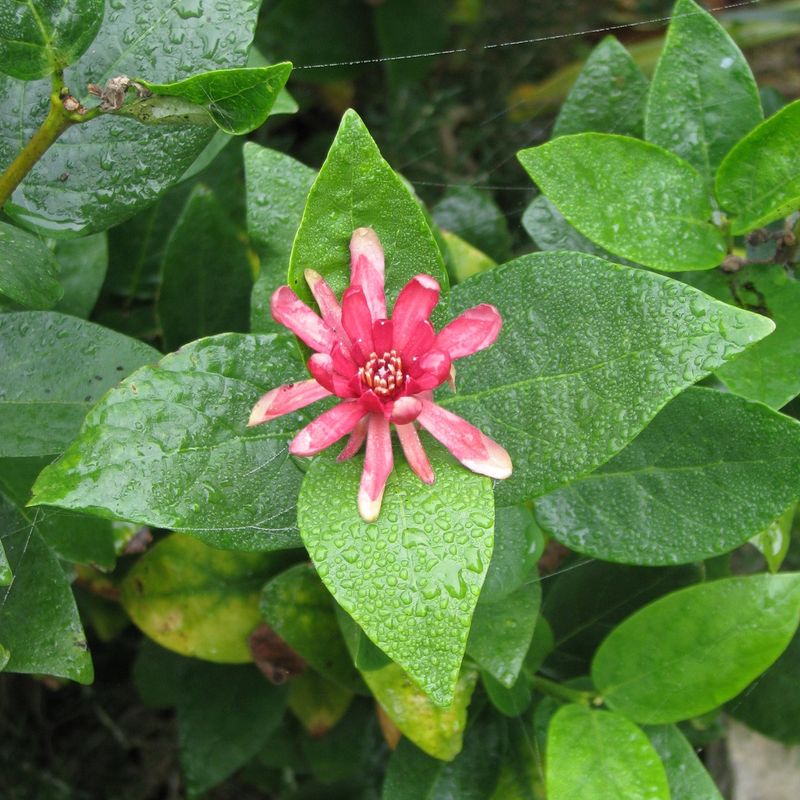
Crush a leaf of the western spicebush and you will notice a rich, spicy scent that gives the plant its name. Even the deep red flowers carry a faint fragrance.
A fall planting gives this shrub a longer stretch to grow roots before hot days arrive. The extra time helps it store energy and settle deeply into the soil.
This native enjoys moist spots with some shade, so it fits nicely near streams or in cooler garden corners. Rich soil keeps it happy and growing strong.
Its unusual maroon blooms appear in late spring and add a moody, elegant touch to your yard. The flowers draw in beetles and other small pollinators.
Since it likes a bit more water than some natives, planting in fall lets the winter rains do much of the work for you. That saves effort and helps the young plant thrive.
Broad green leaves turn a soft yellow in autumn, giving your garden a seasonal glow. Then the plant rests through winter before waking again in spring.
Give it protection from harsh afternoon sun and it will reward you with steady growth. A little mulch keeps the roots cool and moist.
With its fragrant leaves and striking flowers, the western spicebush brings charm to shady gardens. Fall planting sets it up for lasting success.
5. California Hazelnut Establishes Better Before Dry Weather Returns
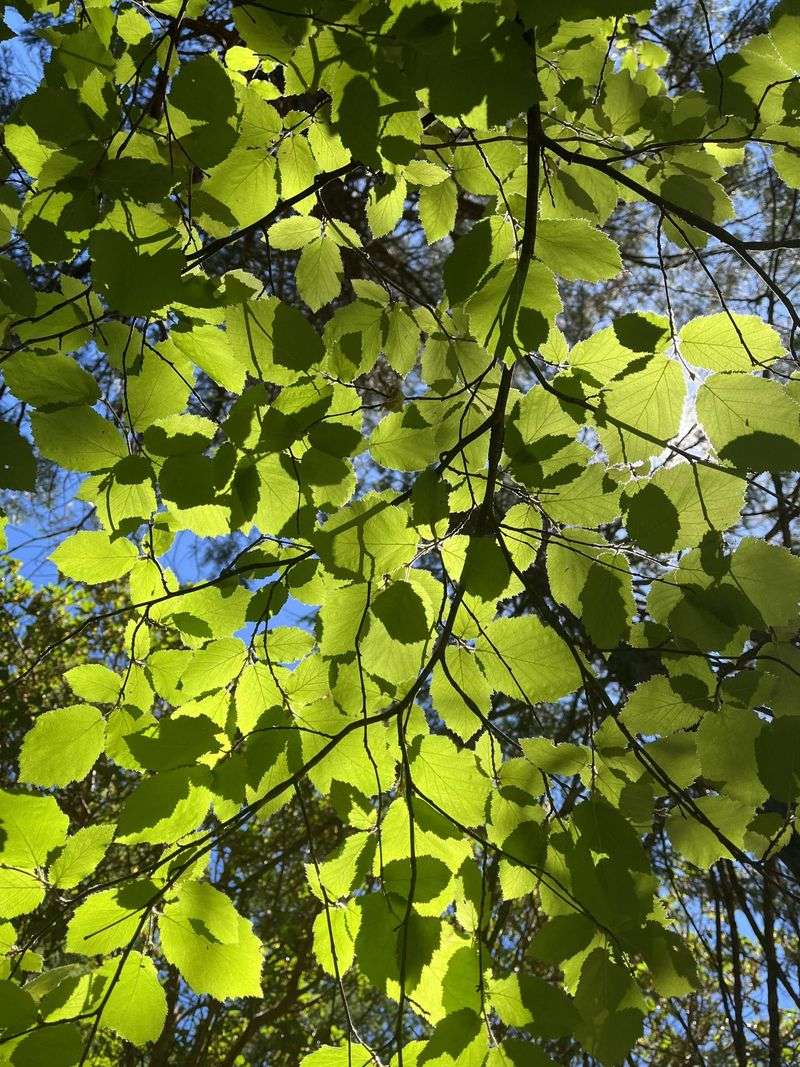
Soft, fuzzy leaves and dangling catkins give the California hazelnut a friendly, woodland feel. In fall, its foliage turns warm shades of yellow and gold.
Getting this shrub established before dry weather returns is a big advantage. Planting in autumn lets the roots grow while the soil stays moist from rain.
This native likes partial shade and soil that holds a little moisture. It grows into a graceful, open shape that fits beautifully at the edge of a garden.
Come late winter, small catkins appear and release pollen for the tiny flowers. Later in the year, edible nuts form that squirrels and birds absolutely love.
Because it can handle both sun and shade, this hazelnut works in many parts of a yard. Just give it room to spread its branches naturally.
During the first season, water it now and then so the roots settle in well. After that, it becomes fairly easygoing and tough.
Its bright fall color makes it stand out when many other plants fade. That seasonal display is a lovely bonus for gardeners who like variety.
You can prune it lightly to shape the branches or let it grow wild and airy. Either way, it adds a soft, natural feel.
A fall start helps this hazelnut grow strong and ready for summer.
6. Ocean Spray Has Time To Settle Before Summer Stress
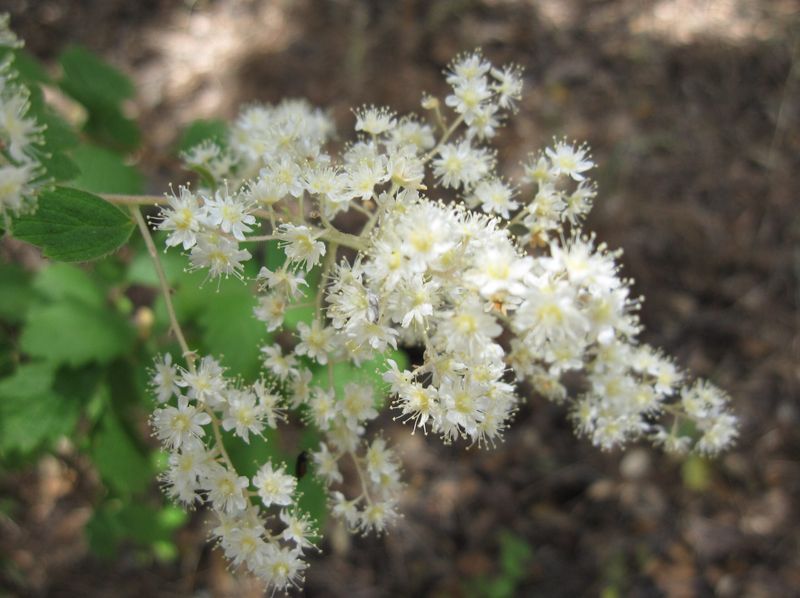
Clouds of creamy white flowers spill down the branches of ocean spray like a gentle waterfall. The blooms give this shrub its splashy, memorable name.
Planting it in fall gives the roots plenty of time to settle before summer stress hits. That head start helps the shrub handle dry spells with ease.
This tough native grows on slopes and in open woodlands, so it adapts well to many gardens. It prefers sun to light shade and soil that drains freely.
When summer arrives, the flower clusters appear and buzz with bees and butterflies. After blooming, the seed heads turn a soft brown and stay pretty into winter.
Because it handles poor soil and dry conditions, ocean spray is a reliable pick for low-water yards. Fall planting only makes it stronger and more dependable.
During its first season, a little watering helps roots grow deep and wide. Once established, it rarely needs much attention from you.
Its arching branches create a graceful, relaxed shape that fits casual gardens perfectly. You can trim it after flowering to keep it tidy.
Birds sometimes use the dense branches for shelter, adding life to your space. That makes it both beautiful and useful.
For gardeners who want cascading blooms and toughness, ocean spray fits the bill. Autumn planting sets it up beautifully.
7. Western Mock Orange Builds Stronger Roots Over Winter
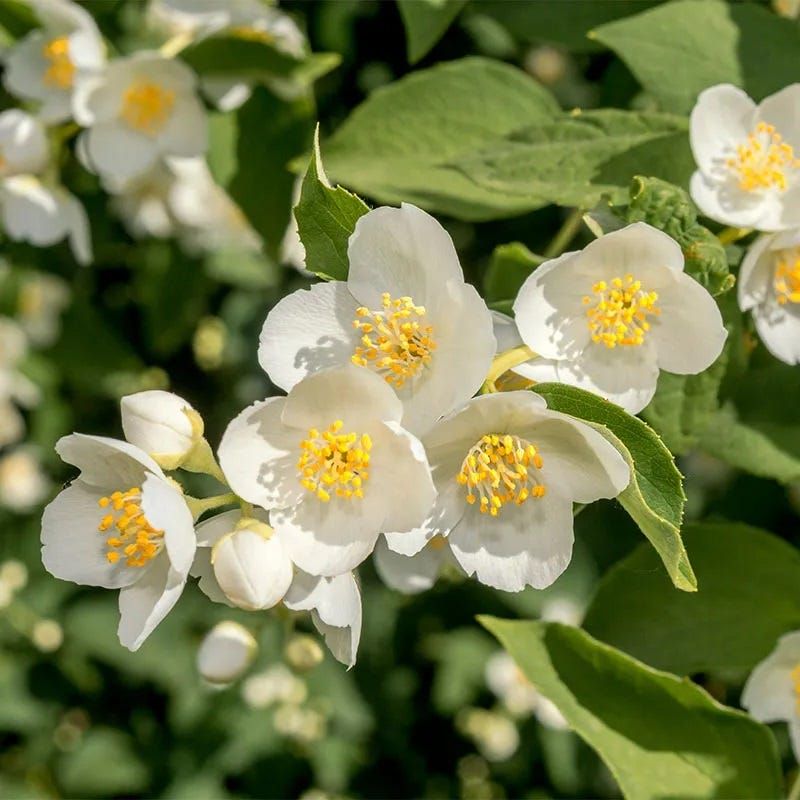
The sweet, citrusy scent of western mock orange fills the air when its white flowers open. Many gardeners plant it just to enjoy that lovely fragrance.
Setting it in the ground in fall lets it build stronger roots over the winter months. Slow, steady growth during cool weather makes for a healthier shrub.
Bright four-petaled blooms cover the branches in late spring, drawing bees and butterflies. The flowers look delicate but the plant itself is quite sturdy.
This native enjoys sun or partial shade and soil that drains well. It grows into a rounded, leafy shape that fits nicely in mixed borders.
Because the winter rains provide natural moisture, you often do not need to water much after planting. That makes autumn an easy, low-effort time to add it.
During the first season, occasional watering helps the roots reach deeper into the soil. Once settled, it tolerates dry summers with little complaint.
Prune it right after flowering to keep the shape full and encourage next year’s blooms. Avoid heavy trimming in winter, since that can reduce flowers.
Its arching branches and fragrant flowers make it a joy near patios and walkways. You can catch the scent every time you pass by.
For a shrub that smells wonderful and grows tough, western mock orange is a winner. Fall planting helps it shine.
8. California Wax Myrtle Can Establish Before The Next Heat Wave
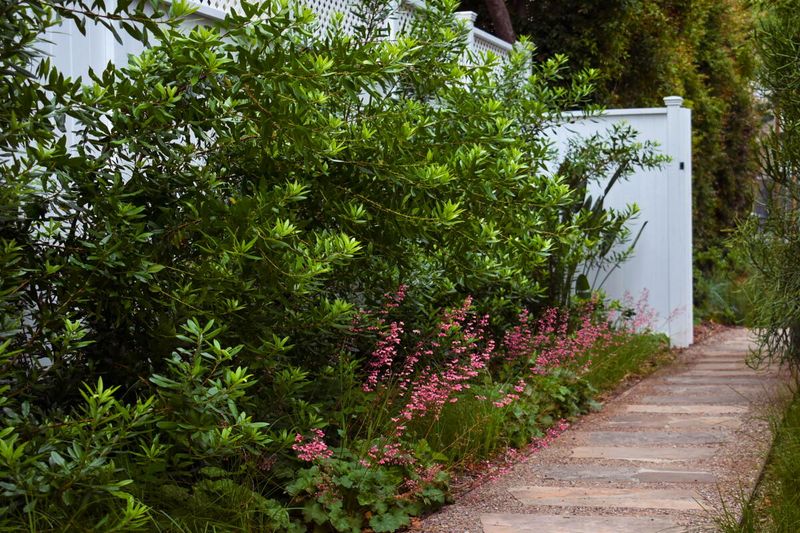
Tall and leafy, the California wax myrtle makes a fantastic green screen for privacy. Its narrow, glossy leaves stay fresh all year long.
Planting it in fall gives it time to establish before the next heat wave rolls in. Cooler weather means the roots grow without struggling against the sun.
This adaptable native handles many soil types and both sun and shade. Along the coast, it grows especially well thanks to the mild, moist air.
Small waxy berries appear on the branches and attract hungry birds throughout the year. That makes it a lively addition to any wildlife-friendly yard.
Because it can grow fairly tall, you can shape it into a hedge or let it rise as a small tree. Either way, it offers welcome shade and shelter.
During its first season, regular watering helps the roots spread and settle. After that, it becomes fairly drought-tolerant and low-maintenance.
Its dense foliage blocks wind and noise, which is great for busy neighborhoods. You can trim it to any height you like.
The leaves give off a light, pleasant scent when brushed, adding a nice touch. That subtle fragrance surprises many first-time gardeners.
For screening, privacy, and year-round green, this wax myrtle is hard to beat. A fall start helps it grow tall and strong before summer heat returns again.
9. Western Azalea Needs Extra Time To Adapt Before Hot Weather
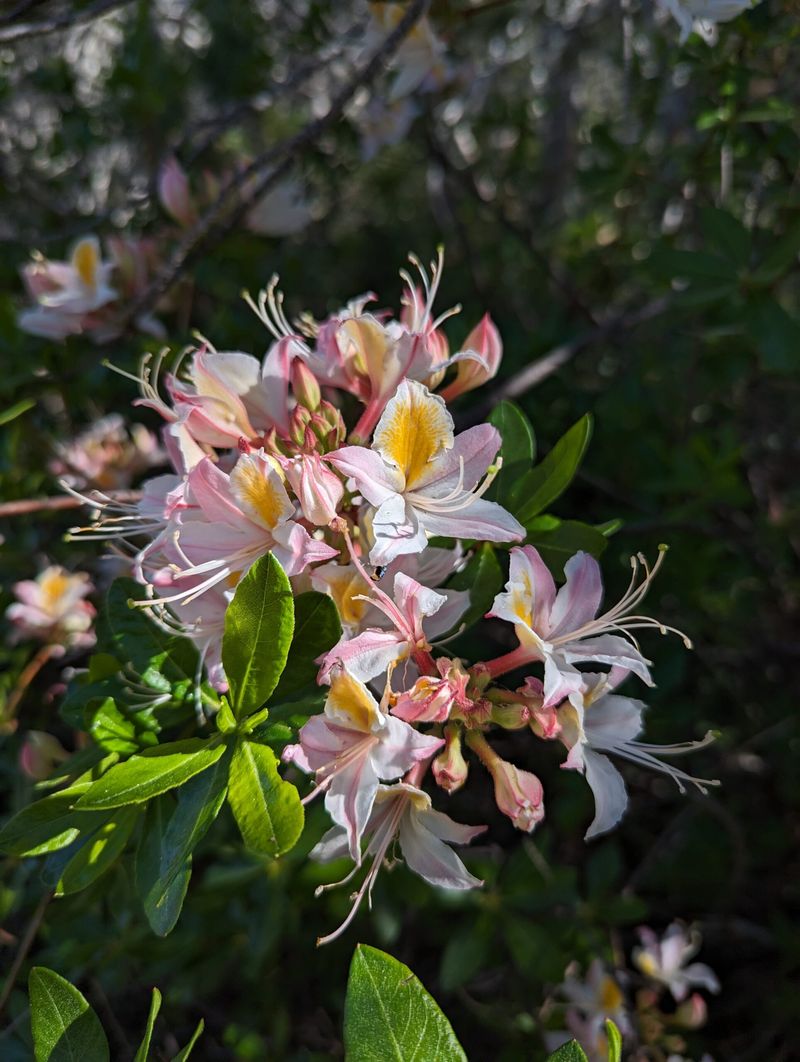
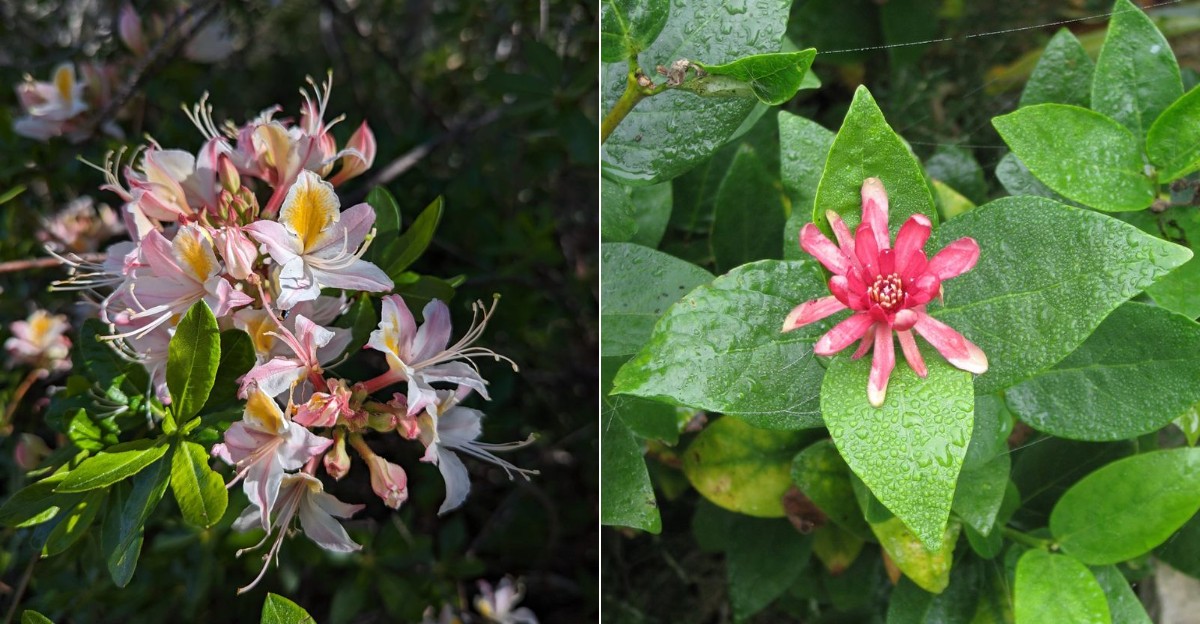
Sweetly scented pink and white flowers make the western azalea a true showpiece in late spring. Its blooms perfume the air around it beautifully.
Since this shrub needs extra time to adapt, fall planting really helps it before hot weather arrives. The slow, cool season lets its roots grow comfortably.
Native to moist, shady woodlands, it prefers rich soil that stays a little damp. A spot near a stream or in dappled shade suits it best.
Its trumpet-shaped flowers attract bees, butterflies, and even hummingbirds looking for nectar. The show is short but truly stunning while it lasts.
Because it likes more water than many natives, the winter rains give it a helpful head start. That makes autumn the smartest planting window.
During its first season, keep the soil moist but not soggy so the roots settle well. A layer of mulch helps hold moisture and keep roots cool.
In fall, the leaves may turn warm colors before dropping for winter rest. Then the plant returns fresh and green in spring.
Give it protection from strong afternoon sun to keep the flowers looking their best. Too much heat can stress this gentle shrub.
For gardeners with a shady, moist corner, the western azalea is a fragrant treasure. Planting it in fall gives it the time it needs to flourish.