Florida Plants You Can Prune In September (And Ones You Should Leave Alone)
September has a way of making every plant in the yard look like it needs a trim. Growth is winding down, some blooms are fading, and the shears are practically calling your name.
Grab them too fast, though, and you could be undoing months of growth on the exact plants that needed to be left alone. Not every plant responds to pruning the same way this time of year.
Some actually benefit from a cutback right now, encouraging stronger growth before cooler weather arrives. Others are quietly setting next year’s flowers or storing up energy for winter, and cutting into them now costs you results you won’t see until spring.
Get the two categories mixed up and the yard pays for it later, even if nothing looks wrong in the moment. Here’s exactly which Florida plants are ready for the shears this September, and which ones need to stay completely untouched.
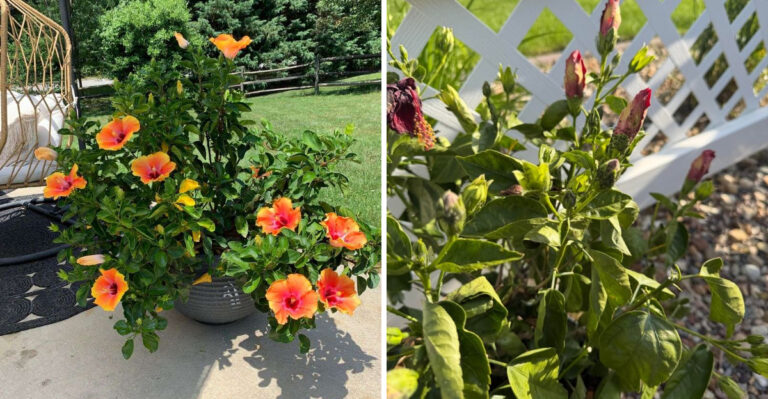
1. Prune Hibiscus To Encourage Fresh Growth And More Blooms
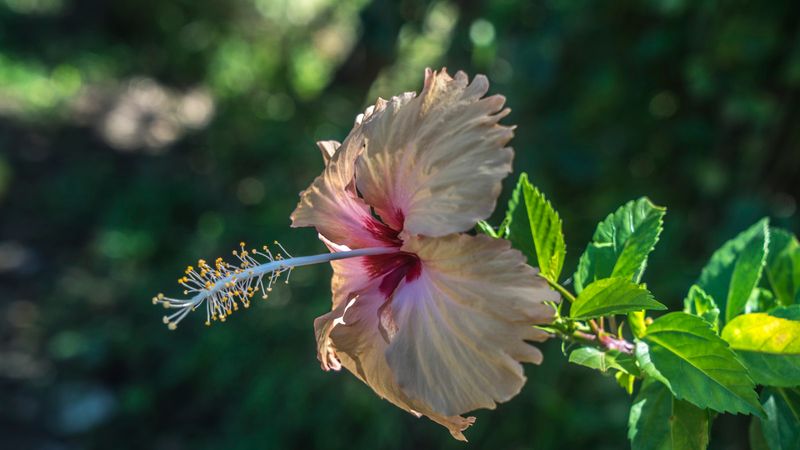
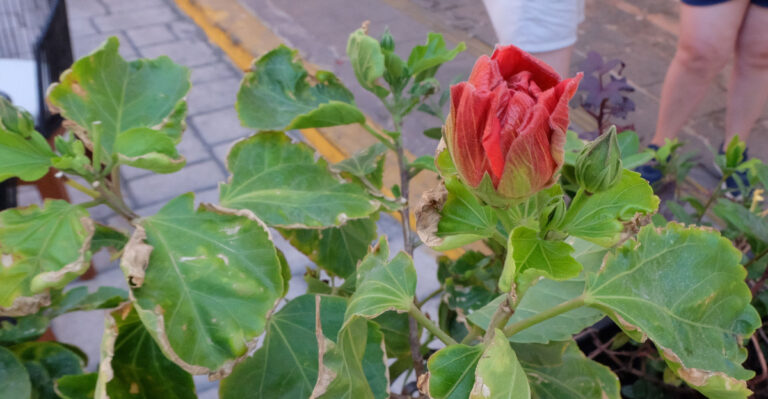
Few shrubs look as tropical as hibiscus, and few get as gangly by September. Months of heat and rain leave them tall, thin, and blooming mostly at the tips.
Keep your September work light. Snip out weak twigs, crossing branches, and anything looking scruffy or spotted.
Pinching soft growing tips also nudges the plant to branch sideways instead of stretching upward.
Save the serious cutback for late winter or early spring, right before the plant fires up new growth. Heavy autumn pruning pushes out tender shoots that struggle if a cool snap sweeps through North or Central Florida.
When you do trim, cut about a quarter inch above a node that faces outward. That small detail steers new stems away from the plant’s crowded middle, which improves airflow and cuts down on fungal trouble.
Clean your blades with rubbing alcohol between shrubs. Hibiscus can pass along problems on dirty tools, and a ten second wipe saves you a headache later.
After trimming, keep the plant evenly watered and let healthy new growth develop naturally. Fertilize only if the plant actually needs it and the timing fits your part of Florida.
Flowers form on new wood, so each fresh shoot is basically a future bud waiting to open.
Fun bit of trivia: hibiscus flowers usually last a single day, yet a healthy plant can crank out hundreds across a season.
2. Lightly Shape Bougainvillea Before Cooler Weather Arrives
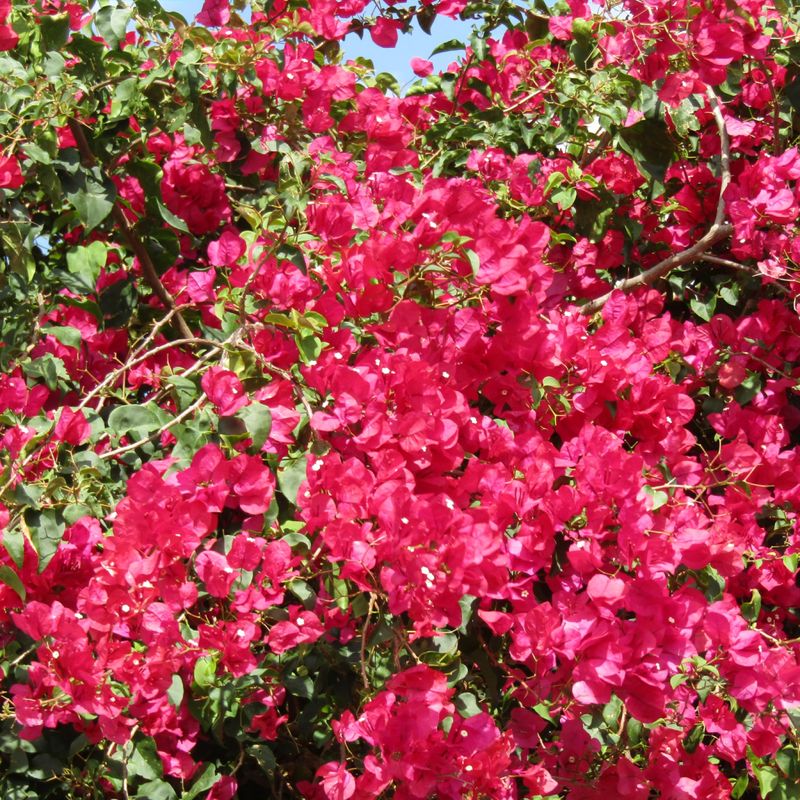
Thorns, drama, and color that borders on neon. Bougainvillea gives plenty, and by late summer it usually asks for a haircut.
If bougainvillea has become unruly, September is a time for very light cleanup rather than a major reshaping. Remove spent bracts, tidy long whips that wave over the sidewalk, and thin out tangled interior growth so light reaches the middle.
Hold the major renovation for late winter or early spring, after the main flowering run winds down. Cutting hard now can trim away wood that would have carried your winter color show.
Wear thick gloves and long sleeves. Those thorns hide under papery bracts and find bare forearms with impressive accuracy.
Your Florida Garden Changes Every Week. Your Plan Should Too.
Gardening in Florida changes quickly throughout the season. Every Friday you’ll receive a simple weekly plan showing exactly what to plant, prune, fertilize, harvest, and protect so you never miss the right timing.
Cut just past a leaf joint, and aim for short stubs rather than long bare canes. Each snip can encourage branching from nearby growth points, helping create a fuller shape.
Go easy on water and nitrogen after trimming. Bougainvillea flowers best when it feels slightly ignored, which makes it a favorite for gardeners who travel or forget the hose.
Container plants appreciate a lighter touch than in-ground vines, since roots are already restricted.
By the holidays, that measured September trim usually pays off in cascading color along fences and arbors.
3. Cut Back Lantana To Keep Fall Flowers Coming
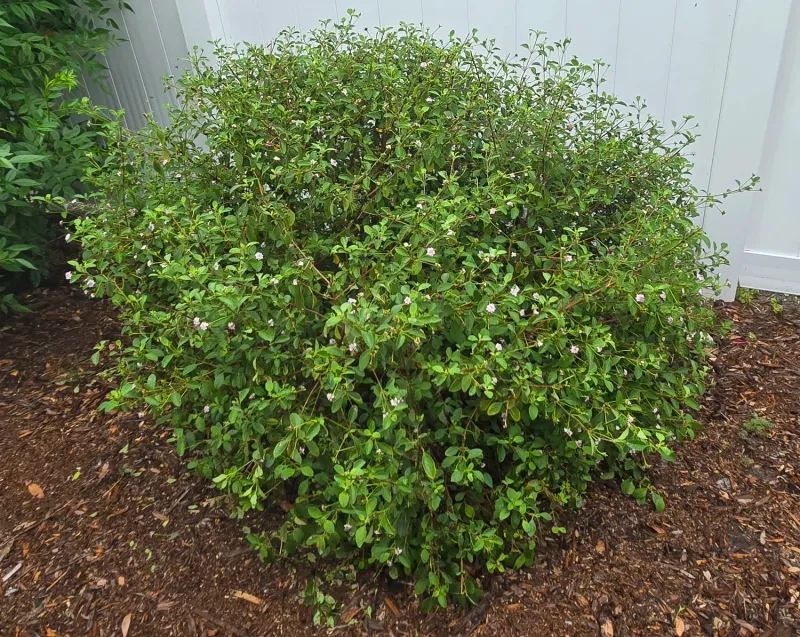
Butterflies vote for lantana every single time. Skippers, sulphurs, and monarchs treat those little flower clusters like a roadside diner.
By September the plant often sprawls sideways, with woody centers and blooms pushed out to the edges. A light shearing brings the whole mound back into shape and restarts the flower factory.
Take off roughly the top few inches of growth across the plant, following its natural rounded form. Snip away spent blossoms and green seed clusters too, since seed production slows down new flowering.
Skip the drastic chop until late winter or very early spring, when a harder cutback refreshes woody stems without risking cold damage on tender regrowth.
Lantana sap irritates some people’s skin, so gloves earn their keep here. Wash your hands afterward and keep clippings away from curious pets.
Water once after shearing, then step back. These plants handle dry spells better than most, and soggy soil is one of the few things that truly bothers them.
With warm weather continuing, healthy plants may respond with fresh growth and another round of flowers. Florida’s mild autumn often stretches lantana color straight through Thanksgiving in the southern half of the state.
If you want a tidier look, choose sterile named varieties that produce few seeds and stay compact naturally.
4. Leave Gardenias Alone Before Next Year’s Flowers Form
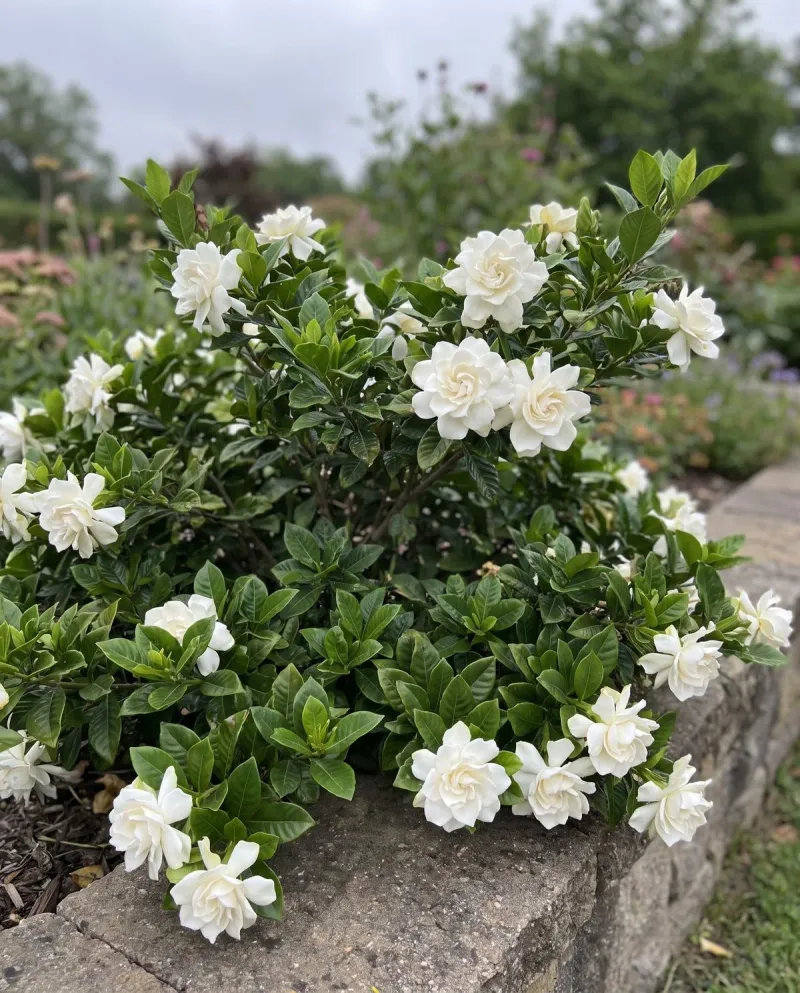
That perfume drifting across the porch in spring? Gardenia earns its reputation honestly.
Timing matters more with this shrub than with almost anything else on the list. Gardenias set their buds for next season during late summer and early fall, so heavy September cutting trades away flowers.
Keep it minimal. Snip a stray branch that pokes out of bounds, remove any twig that looks damaged, and stop there.
Real shaping belongs right after the main bloom finishes in late spring or early summer. That window gives the plant months to grow, mature, and form buds on schedule.
While you are out there, check leaf undersides for whitefly and scale. Yellowing leaves and sticky residue point to insects rather than a pruning problem.
Mulch two to three inches deep, keeping it off the trunk. Gardenias have shallow roots that appreciate steady moisture and cool soil.
Soil pH plays a big role too. These shrubs prefer slightly acidic ground, and yellow leaves with green veins usually signal iron the plant cannot access.
Little known detail: gardenias belong to the coffee family, which explains those glossy leaves and thick, waxy petals that bruise if you handle them roughly.
By late summer and fall, avoid significant shaping because you may remove developing flower buds. Save major pruning for after the main flowering period
5. Reduce Overgrown Oleander For Better Airflow
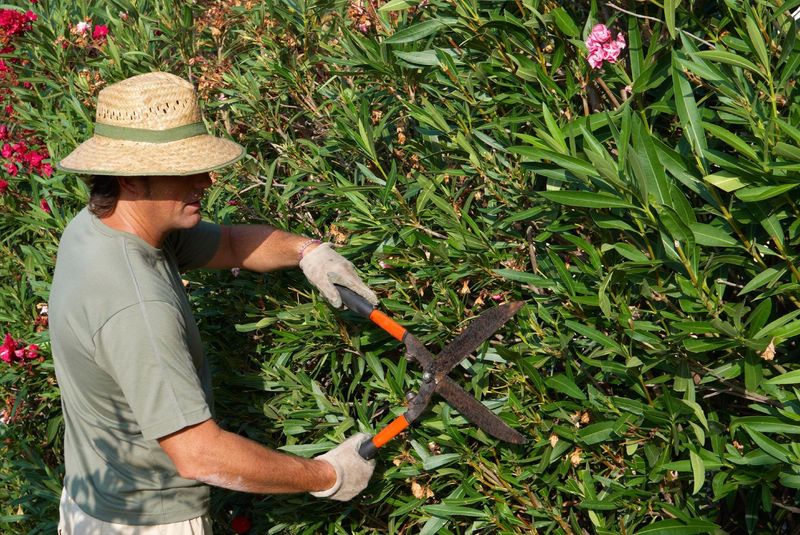
Drive almost any Florida highway and oleander is there, shrugging off salt spray, sandy soil, and blazing sun.
Toughness has a downside. Dense growth can reduce airflow and make leaf problems or insect infestations harder to notice.
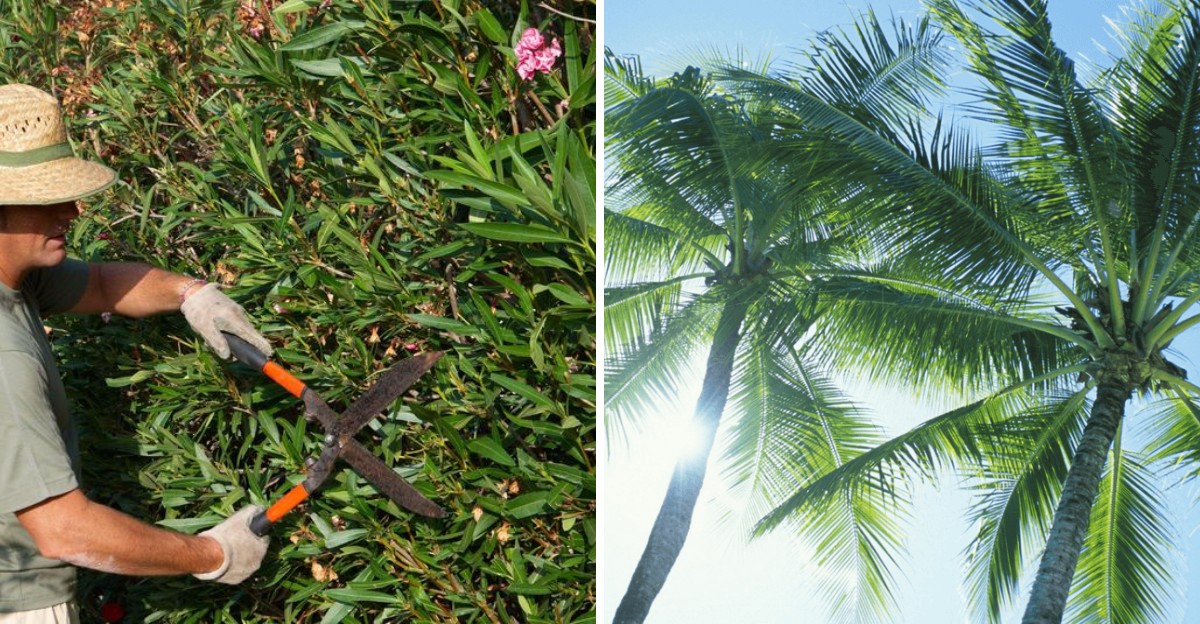
September is a fine time for thinning, not topping. Reach into the plant and remove a few of the oldest, thickest canes at ground level, plus any broken or weak stems.
Opening the center lets breezes move through and sunlight reach lower leaves. Both changes discourage leaf spot and make caterpillar infestations easier to spot early.
Hold off on cutting the whole shrub down to knee height. That job belongs to late winter or early spring, before the growth surge that carries summer flowers.
Safety note worth repeating: every part of oleander is toxic if eaten, and the sap bothers skin. Wear gloves, long sleeves, and eye protection, and bag the clippings rather than burning them.
Rinse tools afterward and keep trimmings away from children, pets, and livestock.
Watch for the orange and black oleander caterpillar too. Hand picking or a targeted treatment works, and thinned shrubs make those clusters much easier to find before leaves get skeletonized.
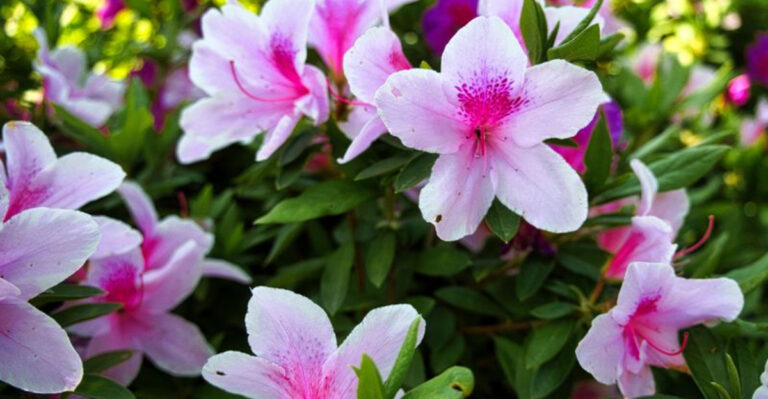
6. Leave Azaleas Alone Before Next Year’s Flower Buds Form
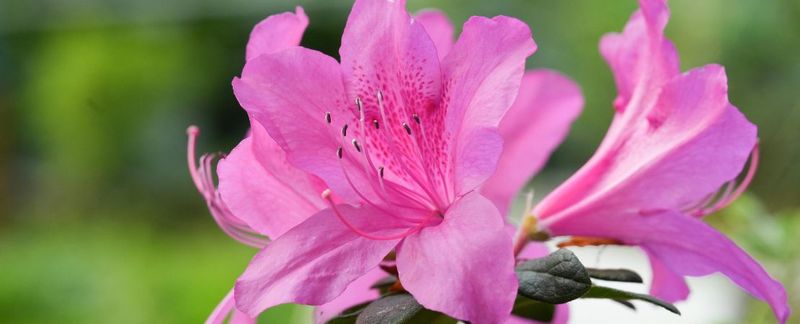
Ask a Tallahassee gardener about March and you will hear about azaleas before anything else. Those pink and white waves under oak canopies are practically a regional holiday.
All that spring drama gets built right now, quietly, while the plant looks like plain green shrubbery. Buds form in late summer and early fall, tucked at branch tips where they are easy to shear off by accident.
Put the hedge trimmers down. A September shaping session can erase most of next spring’s flowers in about ten minutes.
The correct window opened months ago. Prune azaleas right after they finish blooming, ideally before July, which gives them plenty of time to regrow and set buds.
What you can still do this month is helpful housekeeping. Clip out broken branches, pull weeds from the root zone, and refresh mulch to keep shallow roots cool.
Water deeply during dry stretches, since bud development stalls when plants get thirsty.
If a shrub has outgrown its spot, make a note on your calendar for next May instead of acting on impulse.
Patience here pays a very visible dividend. Come spring, the neighbors will assume you know some secret, when really you just kept your pruners in the shed.
7. Avoid Cutting Back Camellias Before Their Winter Blooms
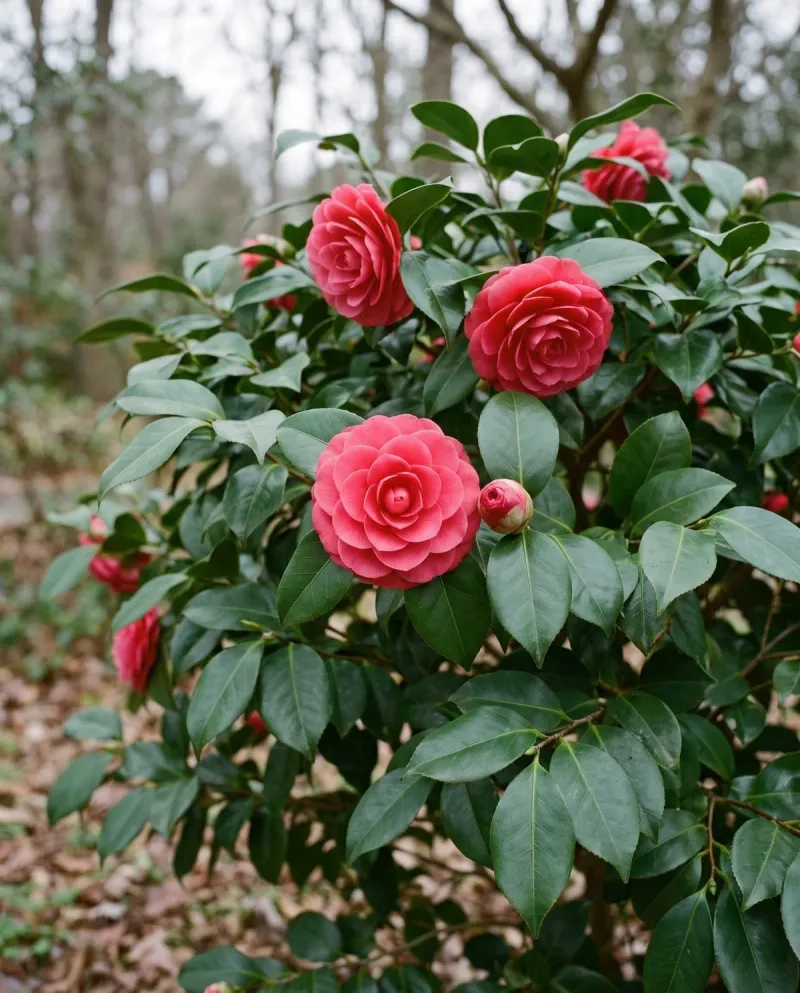
Old Florida gardens often have a camellia planted by someone’s grandmother, still blooming faithfully every winter.
Those fat round buds you see clustered along the branches right now are next season’s flowers, already formed and waiting. Trimming in September sends them straight to the compost pile.
Camellias want very little pruning anyway. Their natural shape is graceful, and most problems come from gardeners trying too hard.
Wait until flowering wraps up, then shape in late winter or very early spring before new growth pushes. Sasanqua types bloom in fall and early winter, so give them their turn first and prune afterward.
Housekeeping is still fair game. Snip out twigs that rub, remove a branch that blocks a walkway, and clear fallen petals and leaves from underneath to reduce petal blight.
Check leaf undersides for tea scale, which shows as small white specks and yellow stippling on top. Horticultural oil handles it when applied on a mild day.
Keep mulch loose and roots slightly moist, and skip deep cultivation nearby since camellia roots run shallow.
Worth knowing: camellia relatives give us tea leaves, and some cultivated varieties in Asia have been passed down for centuries, which makes your backyard shrub part of a very long story.
8. Skip Pruning Citrus Trees During Late Summer Stress
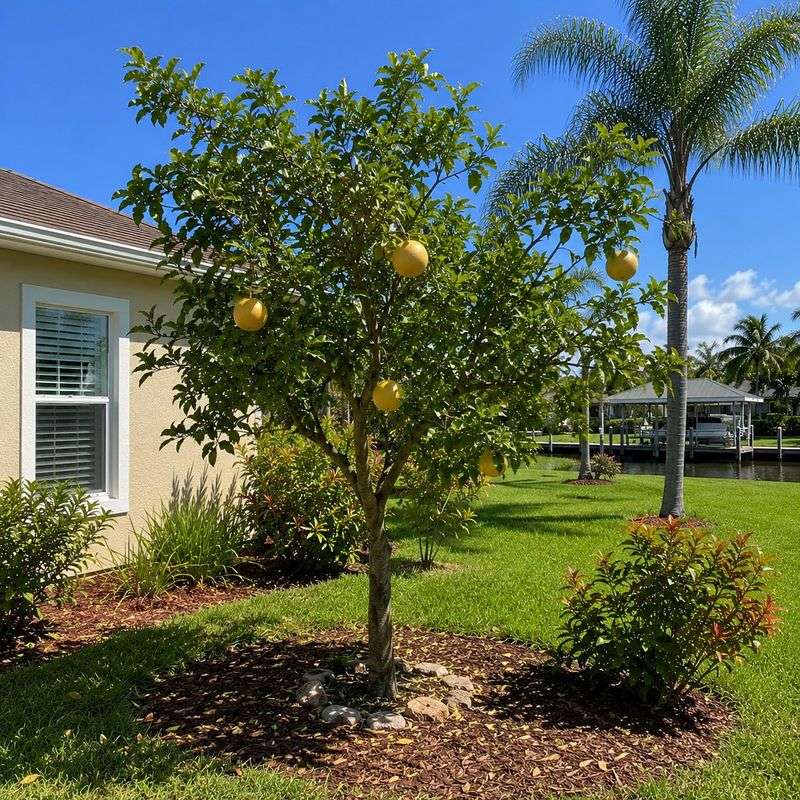
Backyard citrus is a birthright, and it is also a magnet for trouble when handled at the wrong time.
Every cut you make signals the tree to push soft new leaves. Those tender flushes are exactly what leafminers and psyllids look for, and psyllids carry greening disease.
Open wounds during warm, wet weather also give citrus canker an easy entry point. September checks both of those unfortunate boxes.
Late winter through early spring is often the preferred window for major pruning, when the tree can recover before strong growth begins. Cold risk has passed, pests are less active, and the tree recovers quickly as growth resumes.
For now, limit yourself to clear necessities. Remove broken limbs, obviously diseased wood, and any sprouts coming from below the graft union, since those belong to the rootstock rather than your fruit variety.
Disinfect pruners between trees with a bleach or alcohol solution and let cuts stay dry when possible.
Instead of trimming, spend September on other care. Check for weeds crowding the trunk, keep mulch pulled back a foot, and water consistently while fruit is sizing up.
Handy reminder: fruit ripens by taste, not by color. Florida oranges often stay greenish outside while the inside is already sweet and ready to pick.
9. Do Not Trim Palms Without Withered Fronds To Remove

Palms confuse a lot of homeowners, mostly because they look like trees but behave nothing like them.
Green fronds are working parts. They make food and store nutrients, and stripping them starves the palm slowly, leading to weak, narrow new growth.
Remove fully deceased fronds when needed, but leave green and partially green fronds attached. If a frond still shows green, leave it on the palm and walk away.
Say no to the so called hurricane cut, where crews shave the crown down to a feather duster. Research shows over-trimmed palms handle storms worse, not better, and they attract pests afterward.
A palm has a single growing point at the top. Damage to the palm’s single growing point can be fatal because palms cannot replace that central growth point.
Old flower stalks, fruit clusters, and loose boots can be tidied safely if you can reach them from the ground or a stable ladder.
Late spring and early summer suit heavier cleanup better, since palms recover fastest while actively growing and days are long.
Yellowing fronds sometimes signal a nutrient shortage rather than age. Potassium deficiency is common in Florida sand, so a slow release palm fertilizer usually helps more than any amount of trimming.
Fun note: our state tree, the sabal palm, sheds its own fronds when left alone.
10. Keep Bottlebrush Pruning Light In September
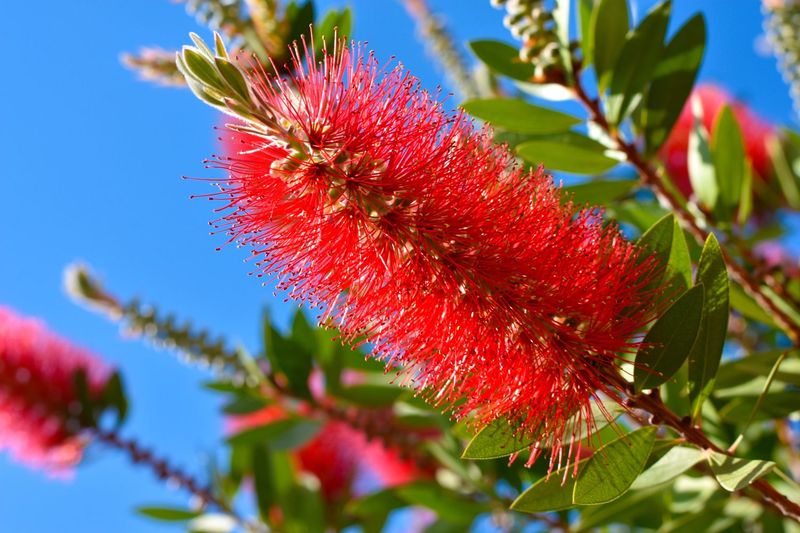
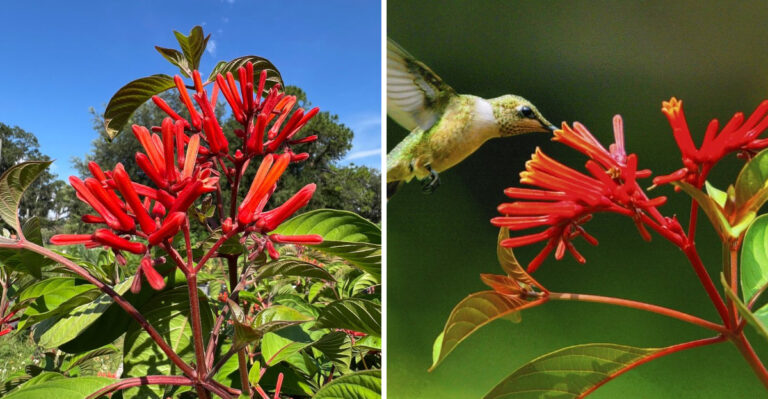
Red bristly flowers that look like something from under the kitchen sink, loaded with bees. Bottlebrush is pure personality.
Blooms appear on new wood, and in mild climate the plant can flower on and off through much of the year. That habit makes timing a little tricky.
September trimming pushes tender shoots at the exact moment nights start cooling, especially in the northern counties. A brief cold snap can scorch that soft growth.
Save real shaping for late winter or early spring, around late March, before the main growth push. Cuts made then produce sturdy stems that carry heavy flowering.
Right now, stick with light touches. Remove a crossing branch, clip suckers at the base, and take off any limb rubbing the roof or fence.
Resist shearing the whole shrub into a ball. Bottlebrush looks best with an open, slightly weeping form, and shearing removes the very stem tips where flowers form.
Trees grown as small specimens benefit from gradual limb removal over a couple of seasons rather than one big session.
Give them full sun and decent drainage and they ask for almost nothing else. Pollinators will thank you loudly, and hummingbirds have been known to stake out a single blooming branch for days.
11. Leave Live Oaks Alone Unless They Actually Need Pruning
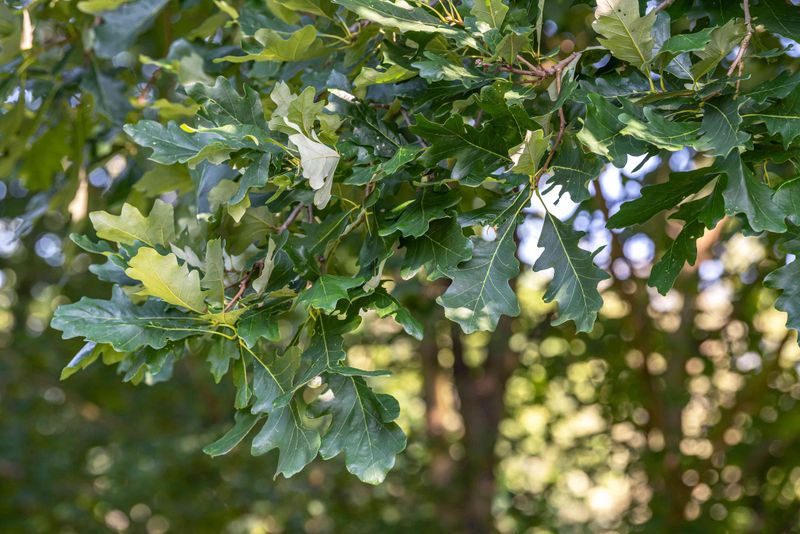
Live oaks are some of Florida’s most valuable landscape trees, and September is usually not the time to give them a major haircut just because the calendar changed.
Unlike shrubs that benefit from shaping, mature oaks are better handled with a purpose in mind. Removing healthy branches can reduce the tree’s natural structure and create unnecessary stress, especially when the goal is simply to make the canopy look tidier.
Instead, walk around the tree and look for problems that truly need attention. Withered limbs, broken branches, rubbing branches, or growth that creates a safety concern are the reasons to prune.
When pruning is necessary, make clean cuts just outside the branch collar rather than cutting flush against the trunk. Proper cuts help the tree respond more naturally and reduce unnecessary damage.
Avoid topping the tree or removing large sections of the canopy at once. Live oaks are built to develop broad, strong crowns, and aggressive trimming can create long-term structural problems.
If a large limb needs removal or the tree’s health is in question, bringing in a certified arborist is the safest choice. A healthy live oak is an investment that can shade a yard for generations.