These Are The Florida Native Milkweed Varieties That Actually Belong Here (And The One That Doesn’t)
Most Florida gardeners planting milkweed think they are helping monarchs. Sometimes they are.
Sometimes they are doing the opposite without realizing it. One variety has been quietly causing problems for the monarch population it was supposed to support.
It is still sitting on nursery shelves across the state with nothing on the tag to warn you.
Meanwhile, Florida has several native milkweed varieties that actually belong here, each one supporting monarchs the way this state’s ecosystem was always meant to.
Options that work with the migration, not against it. Most gardeners have never heard of half of them because the problematic one takes up all the shelf space and all the conversation.
So which milkweed varieties actually belong in a yard and which one needs to come out? That answer is long overdue for a lot of Florida gardens.
1. Choose Butterfly Weed For Sunny Native Milkweed Color
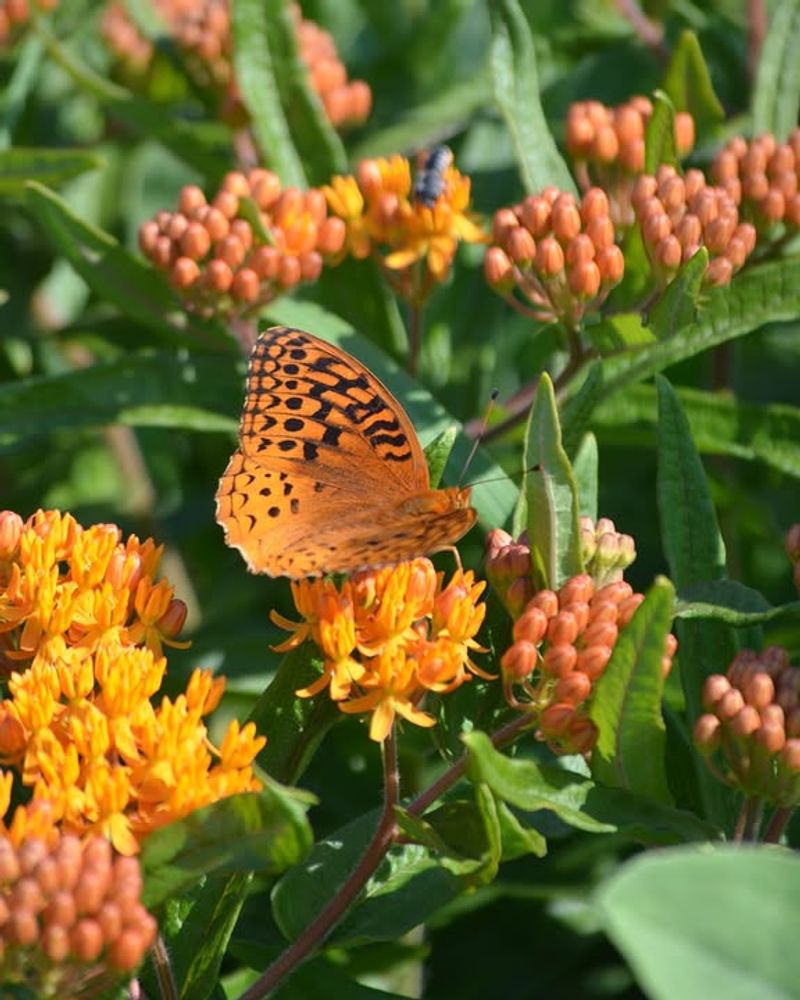
A sunny bed with dry, well-drained soil is exactly where Asclepias tuberosa, commonly called butterfly weed, earns its place.
The flowers are a vivid orange to yellow-orange, and they show up reliably in warm months, drawing monarch and queen butterflies to the garden.
According to UF/IFAS, butterfly weed is a Florida native milkweed and a confirmed host plant for both monarch and queen butterflies.
This plant does not want heavy, soggy soil. Overwatering is one of the fastest ways to stress it, especially in clay-heavy or compacted ground.
It performs best in full sun with sharp drainage, which makes it a strong match for dry, open beds, sandy borders, and sunny pollinator plantings that do not stay wet after rain.
Butterfly weed can be slower to establish than showier nursery plants. It may look modest in its first season, and gardeners sometimes mistake that slow start for failure.
Give it time. Once rooted, it is a tough, long-lived plant that rewards patience with consistent seasonal blooms.
Always check the tag before buying. Common names like “butterfly weed” or “orange milkweed” sometimes get attached to other plants at sales and swaps.
Look for Asclepias tuberosa on the label. Buy from reputable native nurseries or county plant sales, and skip wild collection entirely.
2. Plant Aquatic Milkweed Where Soil Stays Moist
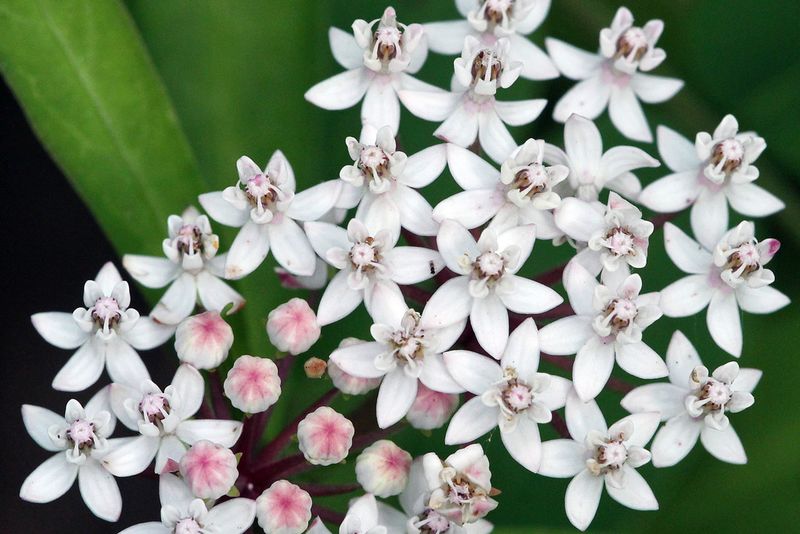
Low spots in a yard can be frustrating. Water pools after summer storms, typical plants struggle, and most nursery options want better drainage than the site will ever offer.
Aquatic milkweed, Asclepias perennis, is built for exactly that kind of place. UF/IFAS recognizes it as a Florida native milkweed suited to moist and wet conditions, making it a practical fit for rain gardens, wet edges, and consistently damp sites.
The flowers are small and white to pale in color, quieter than the bold oranges of some other milkweeds. That understated look suits a naturalistic rain garden or a shaded wet border where a flashier plant might feel out of place.
Moisture and drainage matter far more than region alone when placing this species.
Do not plant aquatic milkweed in dry sandy beds expecting it to adapt. It genuinely needs consistent moisture to perform well.
Your Florida Garden Changes Every Week. Your Plan Should Too.
Gardening in Florida changes quickly throughout the season. Every Friday you’ll receive a simple weekly plan showing exactly what to plant, prune, fertilize, harvest, and protect so you never miss the right timing.
Placing it in the wrong site sets it up to struggle, and no amount of watering schedule adjustments will replicate the natural wet conditions it prefers.
Source this one from native plant nurseries that specialize in wetland or moisture-loving species. It may not appear at every general garden center.
Patience in sourcing pays off here, because putting the right plant in the right wet spot is far more rewarding than forcing a dry-bed substitute into a soggy corner.
3. Use Swamp Milkweed For Damp Pollinator Beds
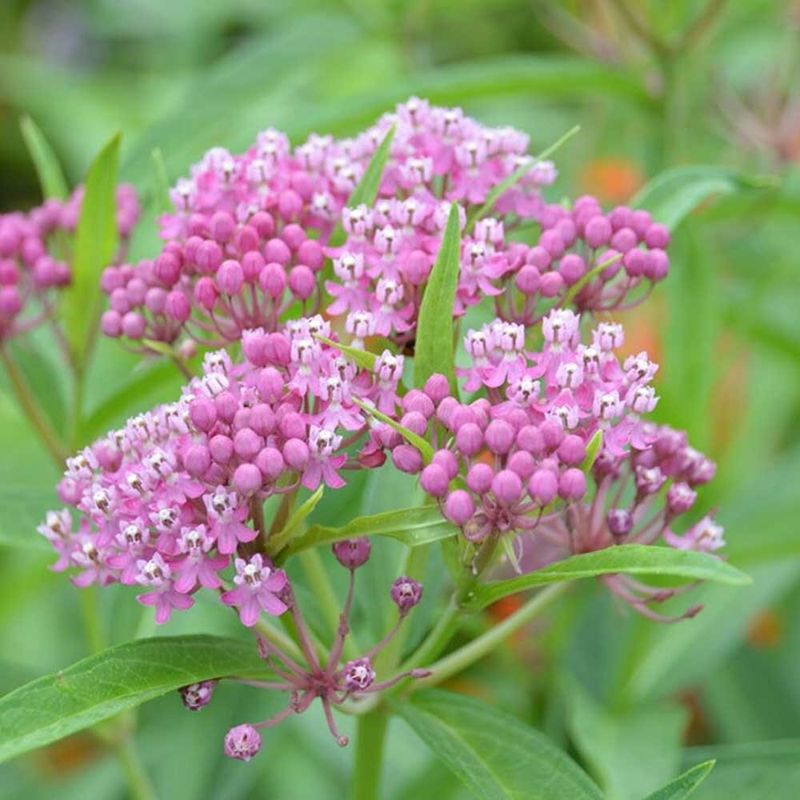
After a heavy summer rain, some pollinator beds stay damp for days. That lingering moisture rules out a lot of plants, but swamp milkweed, Asclepias incarnata, handles it well.
UF/IFAS lists this species as a Florida native milkweed suited to moist soils, making it a reliable choice for rain gardens, wet pollinator plantings, and low spots that drain slowly after storms.
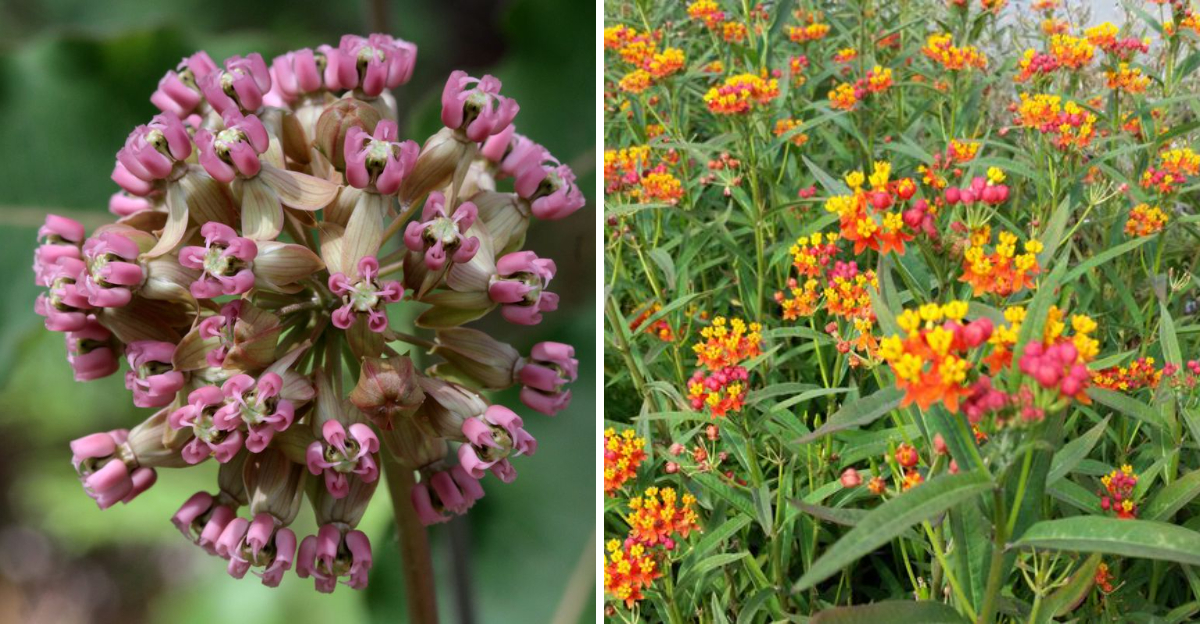
The flowers are pink and clustered, which makes them easy to confuse with tropical milkweed at a crowded nursery bench. Tropical milkweed, Asclepias curassavica, also produces pink and orange blooms and is commonly sold nearby.
Always check the botanical name on the tag. Asclepias incarnata is native here.
Asclepias curassavica is not.
Swamp milkweed still needs a site that matches its preferences. Planting it in dry, unirrigated sand without any moisture support will stress it.
It is not a plant that thrives on neglect in lean, parched ground. Moist to wet conditions are where it performs as intended.
Monarchs use this plant, and the pink blooms attract a range of other pollinators as well. Buy from reputable native plant nurseries and confirm the species name before purchase.
Common names alone are not reliable at plant swaps or general garden centers where labeling can be inconsistent or simply wrong.
4. Grow Pinewoods Milkweed In Dry Sandy Sites
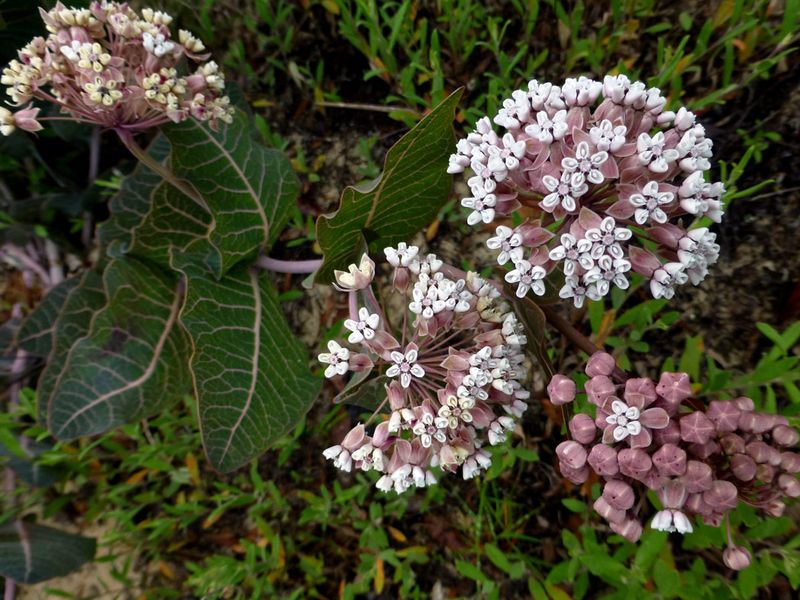
Some garden spots are just brutally dry. Sandy soil, blazing sun, and zero shade from nearby pines create conditions that send most plants into shock.
Pinewoods milkweed, Asclepias humistrata, belongs in exactly that kind of lean, hot, dry habitat. The Florida Native Plant Society and UF/IFAS recognize it as a native species tied to dry sandy soils, pine flatwoods, and scrubby upland areas across this state.
This is not a lush, full-looking nursery plant. Its form is more sprawling and understated, which can surprise gardeners expecting a bold upright milkweed.
That modest appearance is part of its character in the wild, where it grows in open, sun-baked ground with very little competition from other plants. Expecting it to look like a showier species sets up unrealistic standards.
Sourcing pinewoods milkweed takes extra effort. It is not a staple at every native plant nursery, and availability varies by season and region.
Buy from reputable native growers who propagate from ethical sources. Never collect from wild populations.
Habitat loss already puts pressure on plants like this one, and removing plants from natural areas only makes that worse.
If your yard has a hot, sandy patch that refuses to support anything else, this species is worth the search. Match the site carefully, skip the extra fertilizer, and let it settle into the lean ground it genuinely prefers.
5. Choose Fewflower Milkweed For Wetland Edges
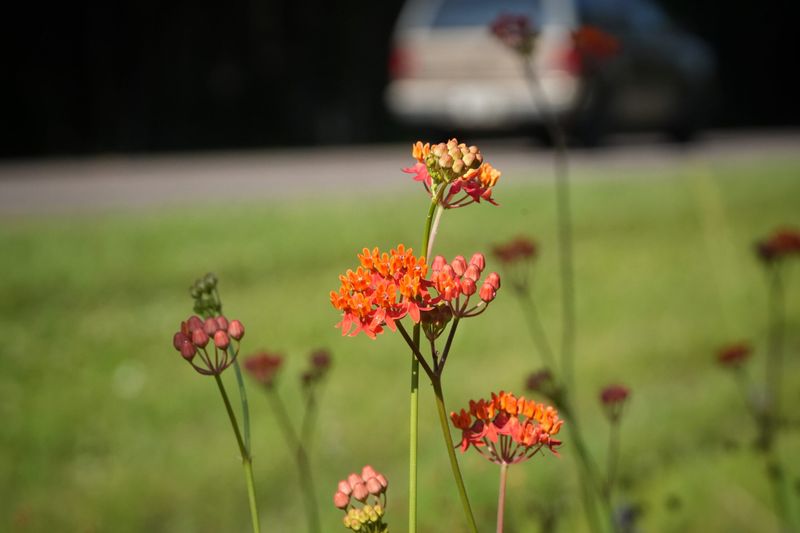
A sunny, wet edge where seasonal water sits for weeks at a time is a tough spot to plant. Most options either drown or look out of place.
Fewflower milkweed, Asclepias lanceolata, is a native milkweed that genuinely fits that kind of site.
According to the Florida Wildflower Foundation and UF/IFAS, this species is associated with wet flatwoods, marsh edges, and moist open habitats across the state.
The flowers are a striking orange to red-orange, which makes them stand out against the greens and browns of a wet natural edge. Despite that visual punch, this is not a plant for dry beds or average garden borders.
It belongs in consistently moist to wet conditions, and placing it anywhere drier will likely disappoint both the gardener and the plant.
Fewflower milkweed can be harder to find than more commonly sold species. Not every native nursery carries it, and stock may be limited or seasonal.
That scarcity is worth noting before you plan a large planting around it. Start with a small number of plants, let them establish in the right wet site, and expand from there if the conditions suit them well.
This is a plant for patient, site-conscious gardeners. If your property has a wet, sunny margin that floods seasonally, fewflower milkweed can be a genuinely rewarding and ecologically appropriate choice worth seeking out.
6. Plant Whorled Milkweed Where Dry Soil Needs A Fine Texture
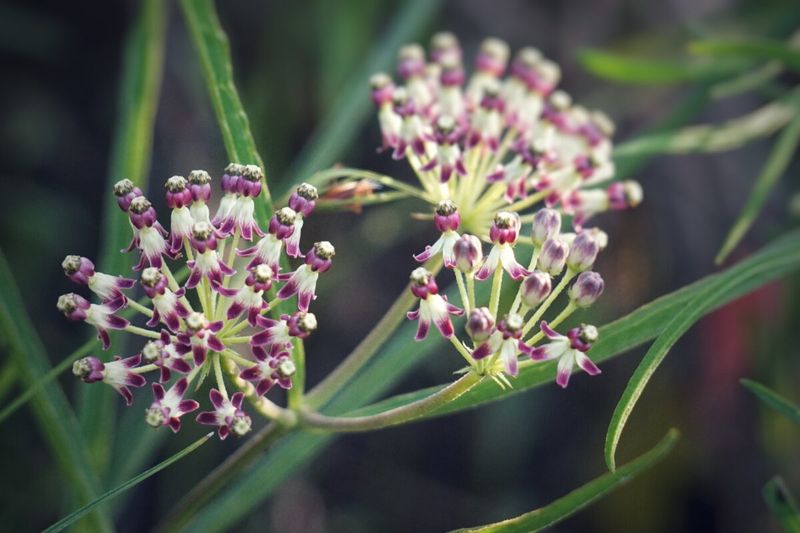
Most milkweeds in a native bed have broad leaves and bold presence. Whorled milkweed, Asclepias verticillata, is different.
Its narrow, needle-like leaves create a fine, airy texture that reads as delicate rather than dominant.
UF/IFAS recognizes it as a native milkweed suited to dry, well-drained conditions, which makes it a useful companion plant in dry native beds where lighter texture provides visual contrast.
The flowers are small and white, not the showiest option in a pollinator garden. Gardeners who expect a bold focal point from this species will likely feel underwhelmed.
Whorled milkweed works best as a supporting player, placed where its slim profile and soft texture complement bolder plants rather than compete with them.
Dry, open conditions are where this species performs naturally. Rich, wet, or heavily amended soil is not its preference.
Planting it in an irrigated, fertilized border may produce a plant that struggles or looks out of character. Match it to the lean, dry sites it prefers for the best results.
Finding whorled milkweed at general nurseries can be hit or miss. Native plant sales hosted by county Extension offices or local native plant societies are often the most reliable places to source it.
Ask specifically for Asclepias verticillata and confirm the botanical name on the tag before buying, since common names vary by seller and region.
7. Use Clasping Milkweed Only In The Dry Sites It Wants
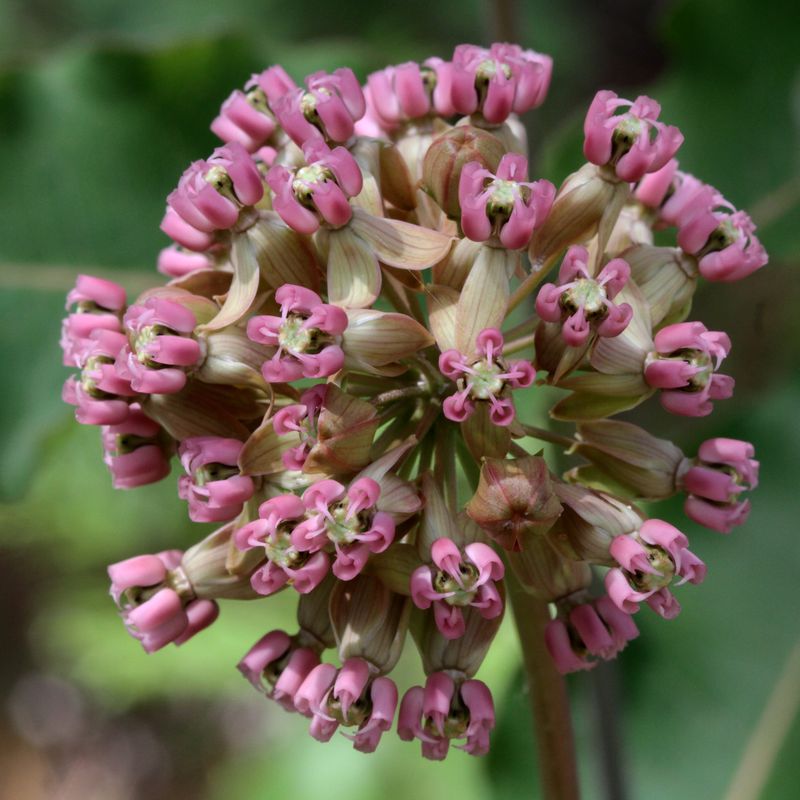
Lean, sunny ground with sandy soil and very little organic matter is not where most gardeners want to plant. For clasping milkweed, Asclepias amplexicaulis, it is exactly the right address.
The Florida Native Plant Society notes this species as native to dry, open, sandy habitats, and its broad, rounded leaves clasp the stem in a way that makes it visually distinct from other milkweeds in this state.
That unusual leaf shape gives it a sculptural quality that stands out in a sparse native planting. The flowers are pale greenish-pink and held in rounded clusters.
The overall form is upright and open, which suits a dry, sunny site better than a dense, lush border where it would look out of place and likely underperform.
Rich soil, heavy mulch, and regular irrigation are not what this plant wants. Placing it in a heavily amended garden bed with frequent watering can stress it more than a dry, neglected sandy patch would.
Lean conditions are not a problem here. They are the point.
Match the site to the plant, not the other way around.
Clasping milkweed is specialized and may require some searching to source ethically. Look for it at native plant nurseries that propagate from cultivated stock.
Never collect from wild populations. This species belongs in the right dry, open site, purchased from the right ethical source, with realistic expectations about its quiet, spare beauty.
8. Skip Tropical Milkweed Even If Nurseries Still Sell It
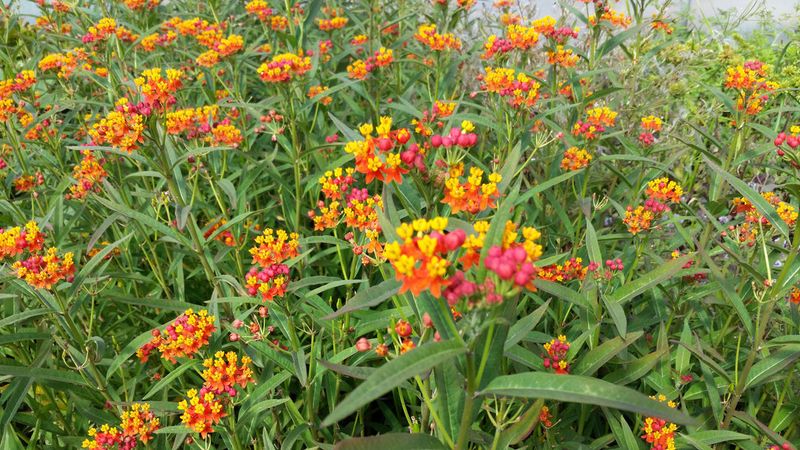
The plant looks great at first glance. Bright red and yellow flowers, tidy upright growth, and a tag that says something like “butterfly plant” or “milkweed for monarchs.” Then you look closer at the botanical name: Asclepias curassavica.
That detail changes everything. Tropical milkweed is not native to this state, and UF/IFAS no longer recommends planting it in local landscapes.
The concern goes beyond origin. Research supported by UF/IFAS and other sources indicates that tropical milkweed can interfere with monarch migration patterns.
It’s because it does not go dormant in warmer southern regions. It may also harbor a protozoan parasite called Ophryocystis elektroscirrha, or OE, which can build up on non-dormant plants and affect monarch health over time.
Availability does not equal suitability. Tropical milkweed is still sold at many garden centers because it is colorful, fast-growing, and easy to produce commercially.
Those traits make it appealing to retailers, not appropriate for pollinator gardens in this state. A plant being easy to find does not mean it belongs in your yard.
The fix is straightforward. Choose a native Asclepias species that matches your actual site conditions, buy from a reputable native plant nursery, and always check the botanical name before purchasing.
Native milkweeds take more patience to find and establish, but they are the right choice for local monarchs, local ecosystems, and long-term garden health.