That Blue-Tailed Lizard In Your Pennsylvania Yard Is Actually Doing You A Favor
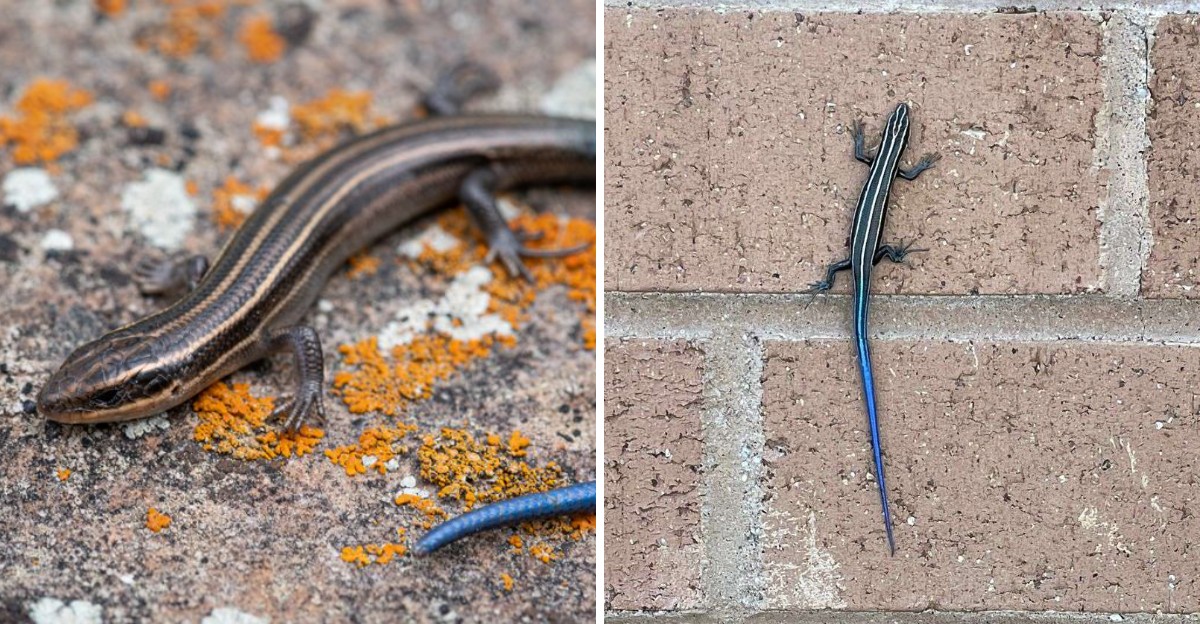
If you’ve spotted a lizard with a bright blue tail darting through your Pennsylvania yard, your first reaction was probably somewhere between surprise and genuine curiosity.
That vivid blue is hard to miss, and the speed at which these lizards move makes the whole encounter feel like something worth remembering. Most people who see one for the first time want to know immediately what it is.
But the more interesting question is what it’s doing. That blue-tailed lizard is not just passing through your yard. It’s working.
Quietly, constantly, and with an efficiency that most people never stop to appreciate because they’ve never thought about what these animals are actually doing while they dash between cover and sunny patches.
The favor they’re doing for your Pennsylvania yard and garden is real and genuinely useful. Understanding it changes how you see every blue-tailed dart across the patio for the rest of the season.
The Blue-Tailed Lizard Helping Your Pennsylvania Garden
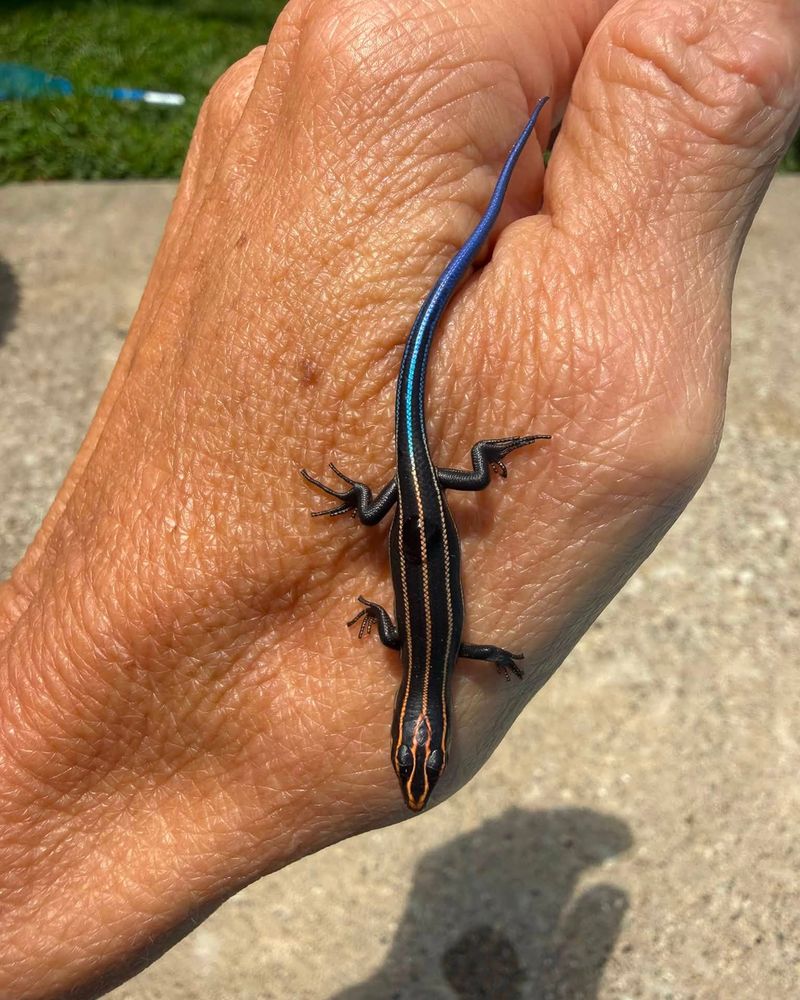
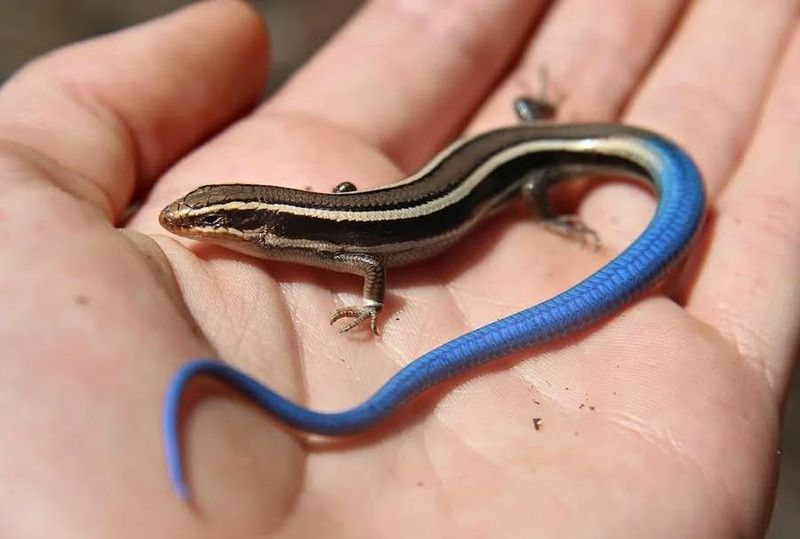
Picture a tiny creature no longer than your finger, sporting a tail so blue it almost looks painted. That eye-catching visitor is very likely a juvenile five-lined skink, one of the few lizards native to Pennsylvania.
Young skinks wear that flashy blue tail for a reason. The bright color helps confuse hungry birds and other hunters.
When a predator grabs the tail, it can break off and wiggle on its own, giving the skink time to escape. The tail slowly grows back later.
As these lizards grow older, the blue fades and they take on a more brownish shade with faint stripes. So the vivid blue you see means you are looking at a youngster exploring its new world.
Homeowners sometimes feel nervous around any reptile, but this one deserves a warm welcome. Five-lined skinks are shy and quick to hide.
They want nothing to do with people and would rather slip under a rock than come near you.
What makes them so valuable is their appetite and their gentle presence in the yard. They cause no harm to your plants, your pets, or your family. Instead, they blend into the natural rhythm of a healthy garden.
Spotting one is actually a good sign. It usually means your yard has clean spaces, natural cover, and plenty of food for small wildlife. In other words, a skink chose your garden because it looks like a nice place to live.
Once you understand what this little reptile really is, that blue tail becomes a delightful surprise rather than a scare.
It’s Eating The Insects You Don’t Want Around
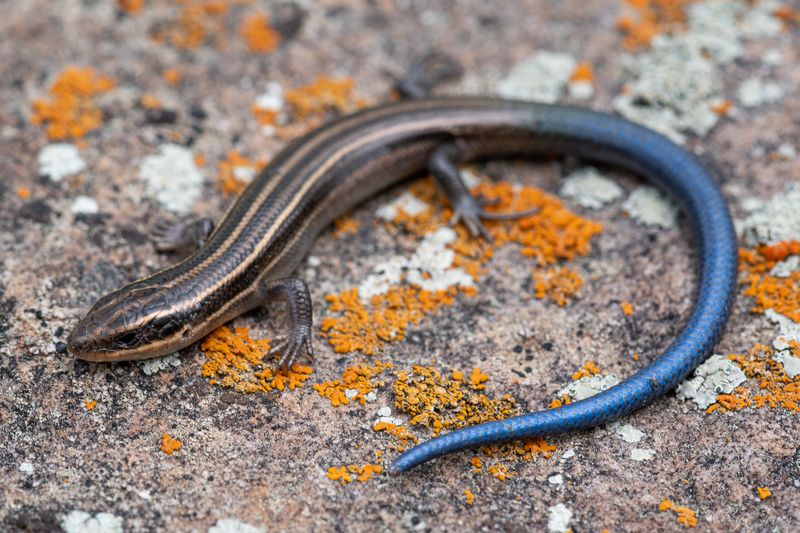
Imagine having a tiny pest-control helper that works for free all summer long. That is exactly what a skink does when it moves into your yard.
These lizards love to snack on the very bugs that bother gardeners the most. Beetles, crickets, spiders, ants, and small caterpillars are all on the menu. A single skink can eat many insects in just one day.
Gardeners often struggle with pests that chew leaves, damage flowers, and ruin vegetables. Skinks help lower those numbers naturally, without any sprays or chemicals.
Your Pennsylvania Garden Changes Every Week. Your Plan Should Too.
Gardening in Pennsylvania changes quickly throughout the season. Every Friday you’ll receive a simple weekly plan showing exactly what to plant, prune, fertilize, harvest, and protect so you never miss the right timing.
They hunt during warm daylight hours, poking around mulch and plant stems in search of a meal.
Because they are quick and sneaky, they reach spots that are hard for people to treat. A skink can slip into narrow cracks, under leaves, and around rocks where bugs like to hide. This makes them wonderful partners for keeping your garden balanced.
Their hunting also helps protect your home. Fewer insects in the yard can mean fewer of them trying to sneak indoors. So a skink patrolling your flower beds is quietly doing you a big favor.
You do not have to feed them or care for them in any special way. They simply do what comes naturally and benefit your plants at the same time.
Think of them as a small but mighty cleanup crew. Every bug a skink eats is one less pest nibbling on your tomatoes or roses.
Next time you see one dash after a beetle, remember it is helping your garden thrive. That is teamwork you did not even have to ask for.
Your Yard Is Providing The Habitat It Needs
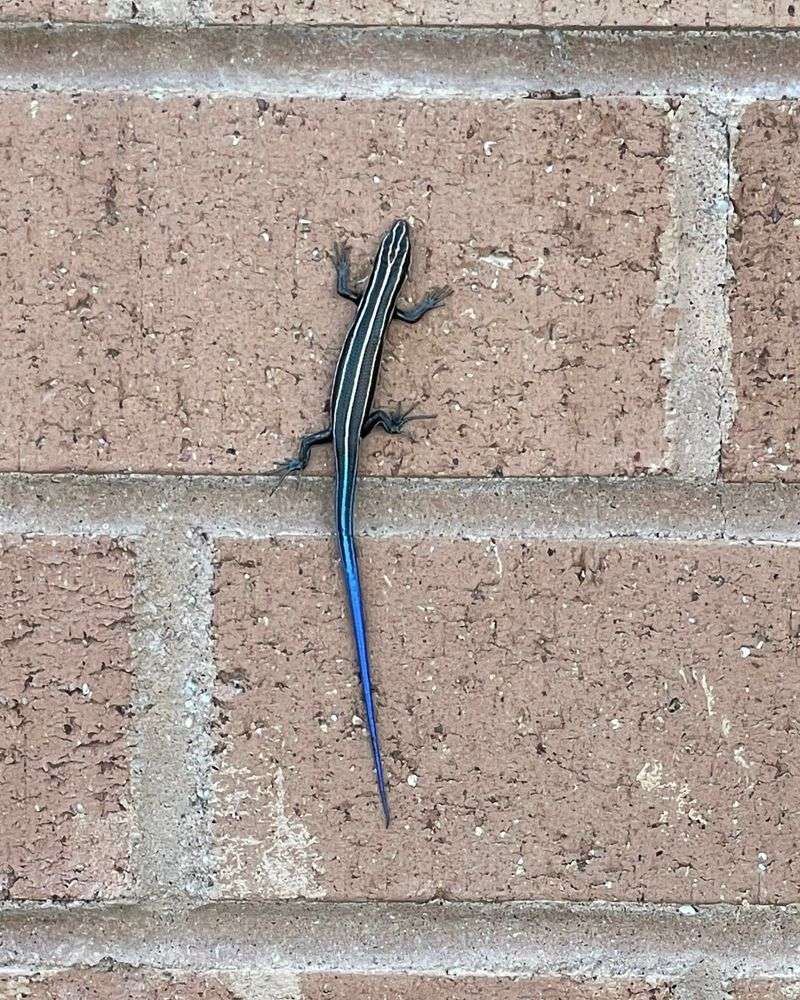
Ever wonder why a skink picked your yard out of all the places nearby? The answer is simple. Your outdoor space offers the shelter and safety these little reptiles crave.
Skinks love spots with plenty of hiding places. Flat rocks, fallen logs, stacked firewood, and thick mulch all give them cool, shady nooks to rest in. When danger appears, they can vanish under cover in a blink.
Leaf litter is another favorite. Those piles of dried leaves hold moisture and attract insects, which means both food and shelter in one handy spot. A skink can hunt and hide without traveling far.
Shady, damp areas matter too. Even though skinks enjoy basking in warm sunlight, they need cool places to escape the midday heat. Gardens with a mix of sun and shade give them the balance they need.
Old stone walls, brick borders, and rock gardens are like lizard hotels. The gaps between stones make perfect hideouts for sleeping and laying eggs. Female skinks often tuck their eggs into moist, sheltered soil beneath logs or rocks.
If skinks keep showing up in your yard, take it as a compliment. Your landscape has the natural features that make reptiles feel at home.
You may not have planned it, but a garden full of mulch, stones, and leafy corners is exactly what a skink dreams of. These features support many kinds of wildlife, not just lizards.
A yard that welcomes skinks tends to be a healthier, more lively place overall. That variety of hiding spots creates a small world where nature can quietly do its work.
Why Native Lizards Matter In Pennsylvania Ecosystems
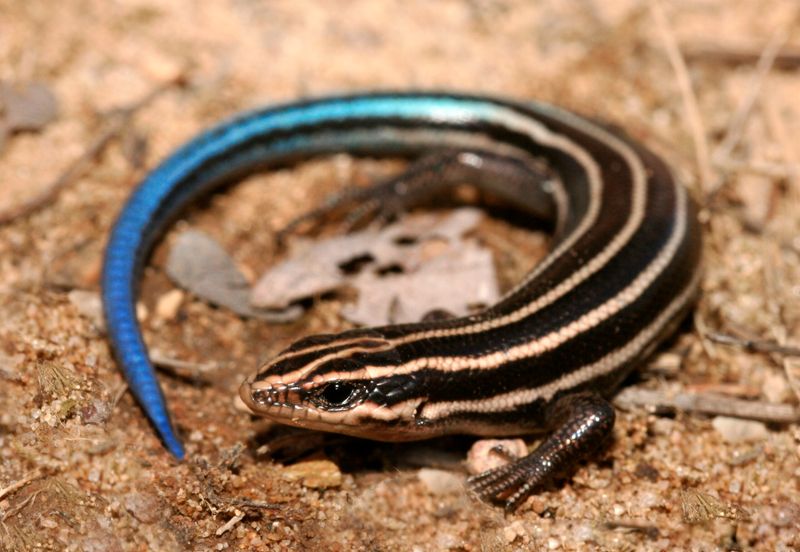
Nature works best when every creature plays its part, and skinks hold an important role in Pennsylvania. As native lizards, they belong here and have lived in these lands for a very long time.
These reptiles sit right in the middle of the food chain. They eat insects and small invertebrates, which keeps bug populations from growing too large. At the same time, they become food for birds, snakes, and other larger animals.
Because of this balance, skinks help connect different parts of the outdoor world. Remove them, and both the bugs they eat and the animals that rely on them would feel the change.
Native species like the five-lined skink are also well suited to the local climate and plants. They fit perfectly into Pennsylvania backyards, forests, and rocky slopes without causing harm to the environment.
Unlike invasive species that can throw nature out of order, skinks support a steady, natural rhythm. Their presence is a sign that the local ecosystem is working the way it should.
Healthy lizard populations often mean healthy surroundings overall. Scientists sometimes look at reptiles and amphibians to judge how clean and stable an area really is.
When you protect a skink, you are helping the whole web of life in your neighborhood. Every native creature adds to the strength and variety of the natural world.
Think of your yard as a small piece of a much bigger puzzle. Skinks help hold that puzzle together in quiet, meaningful ways.
Appreciating these lizards means appreciating the balance of nature itself. They remind us that even the smallest animals carry big responsibilities in their tiny homes.
How To Make Your Yard More Skink-Friendly
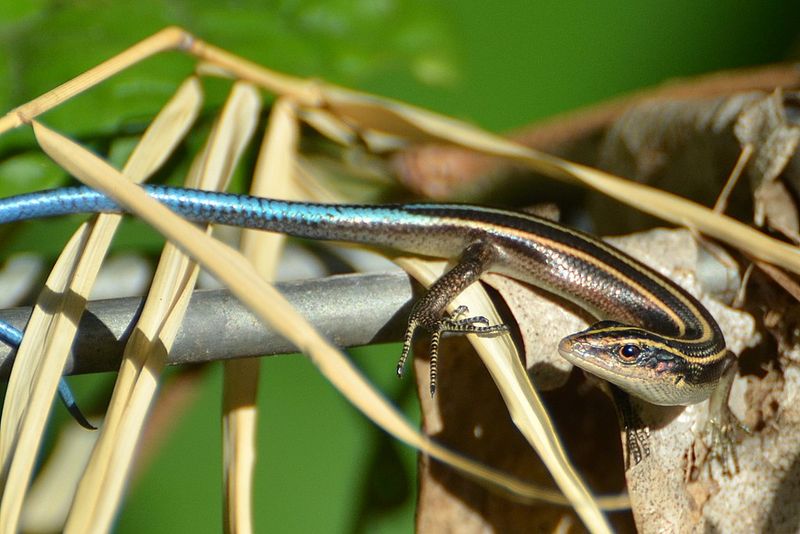
Turning your yard into a skink paradise is easier than you might think. A few small choices can make a big difference for these helpful reptiles.
Start by cutting back on pesticides and bug sprays. Those chemicals wipe out the insects skinks depend on for food, and they can harm the lizards too. Letting nature handle pests keeps everyone healthier.
Next, leave a few wild corners in your landscape. A small pile of logs, a stack of flat stones, or a patch of leaf litter gives skinks safe places to hide and hunt. You do not need to tidy up every inch of your yard.
Adding native plants also helps. Local flowers and shrubs attract insects, which in turn feed hungry skinks. A garden buzzing with natural life is a garden lizards love.
Try creating a sunny basking spot with a flat rock in an open area. Skinks warm their bodies in the sun, so a good basking stone can become a favorite hangout.
Keep a shallow water source nearby if you can. A small dish tucked among plants gives skinks and other wildlife a drink during hot, dry spells.
Avoid using sticky traps or heavy landscaping that removes all cover. These reptiles need shelter to feel secure and to stay safe from predators.
Little by little, these steps build a welcoming space for skinks and many other beneficial creatures. Your reward is a livelier, more balanced garden.
Best of all, a skink-friendly yard often needs less work from you. When nature keeps pests in check, you can simply sit back and enjoy the view.
Why You Should Leave Blue-Tailed Lizards Alone
Here is the most important thing to remember about these little lizards. They are not pests, and they pose no threat to you, your kids, or your pets.
Five-lined skinks are shy and gentle. They would much rather run and hide than come anywhere near a person. If you leave them be, they will simply go about their busy lives.
There is no need to chase them, trap them, or move them out of your yard. Doing so only causes stress for the animal and removes a helpful friend from your garden.
Some folks worry that lizards might be dangerous, but that is just a myth. These skinks carry no venom and rarely bite. Even if handled, they might give a tiny nip and quickly let go.
Instead of viewing them as unwelcome guests, think of them as free helpers. Every skink in your yard is quietly eating pests and adding to a healthy environment.
Teaching children to respect these creatures is a wonderful bonus. Watching a skink can spark curiosity about nature and wildlife right in your own backyard.
If you ever find one indoors, gently guide it back outside using a container and a piece of paper. There is no need for panic or harsh methods.
Give them space, and they will reward you by keeping bugs in check season after season. Protecting these reptiles is an easy way to support local wildlife.
So the next time a blue-tailed lizard flashes across your path, take a moment to appreciate it. That small visitor is truly doing your Pennsylvania yard a favor.