What To Water First In Your Georgia Garden When Rain Won’t Come
When the sky stops delivering and the hose becomes your only ally, choices start to matter.
Every plant in a Georgia yard reacts differently to a dry spell, and most gardeners find that out the hard way.
Some plants sound the alarm within hours. Others stay calm for weeks, quietly running on reserves you cannot see.
Guess wrong, and you end up soaking a plant that barely needed a drink while another one, just a few feet away, starts losing its grip on the season.
There is an order to this. A real one, based on how deep roots reach and how fast leaves give up their moisture.
Some plants keep their roots hovering near the surface, so they run dry before their neighbors even notice a problem.
Others tap into deeper ground and can wait out a dry stretch without much drama at all.
Eight plants sit at the front of that line, and knowing their order could save your garden, your water bill, and maybe your Saturday morning.
1. Hydrangeas Wilt First And Need Priority
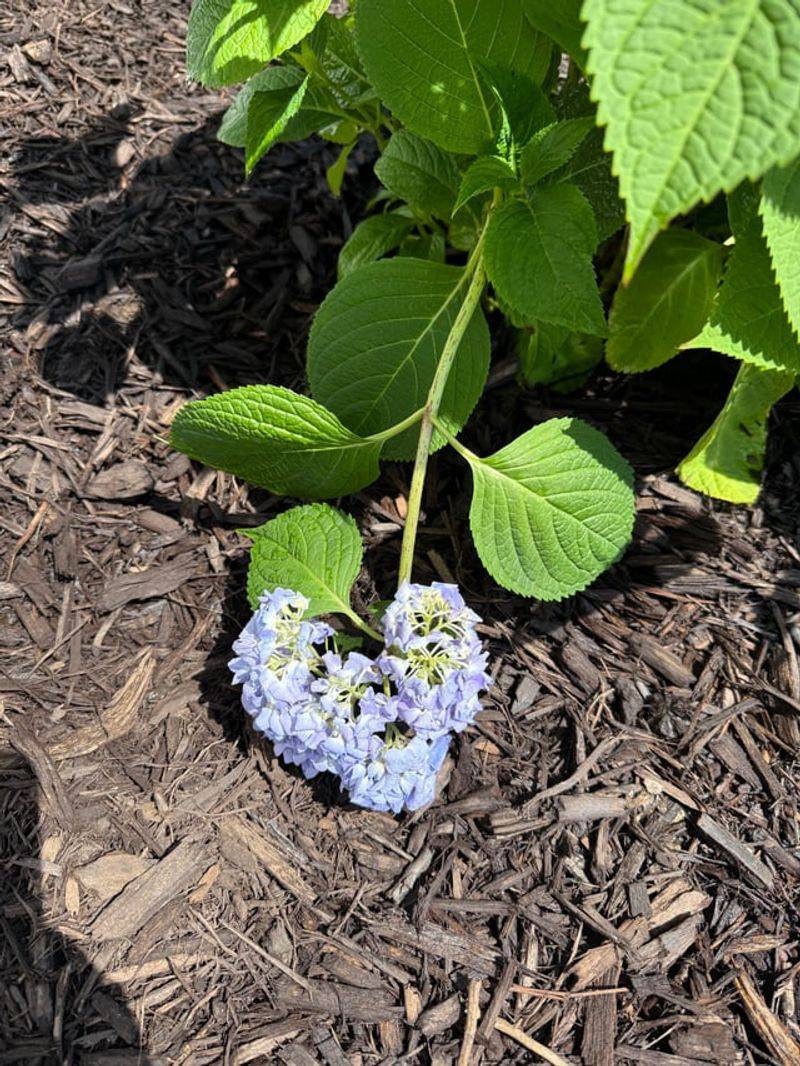
Few plants complain as loudly as a hydrangea having a bad day. By mid-afternoon on a hot, dry stretch, those wide leaves flop over like wet paper, and the whole shrub looks personally defeated.
The real story sits just under the mulch. Hydrangea roots spread out in a shallow, fibrous mat instead of digging deep, so they only sip from the top few inches of soil. Once that layer bakes dry, there is nowhere else for the plant to reach.
Big leaves make things worse, since they release moisture fast on a hot day. UGA Extension points to hydrangeas as classic shallow rooted, moisture sensitive shrubs, which puts them right at the front of the watering line.
Water slowly at the base, aiming for about an inch a week, more once temperatures climb past ninety. A soaker hose or a bucket with small holes beats a quick spray, since the goal is soaking six to eight inches down.
Mulch two to three inches deep to slow evaporation, keeping it off the stems. Here is a fun catch though. A hydrangea wilting at four in the afternoon and perking back up by morning might not actually be thirsty.
Check the soil with your finger before grabbing the hose. Morning watering gives leaves a head start before the real heat rolls in.
2. Azaleas Have Shallow Thirsty Roots
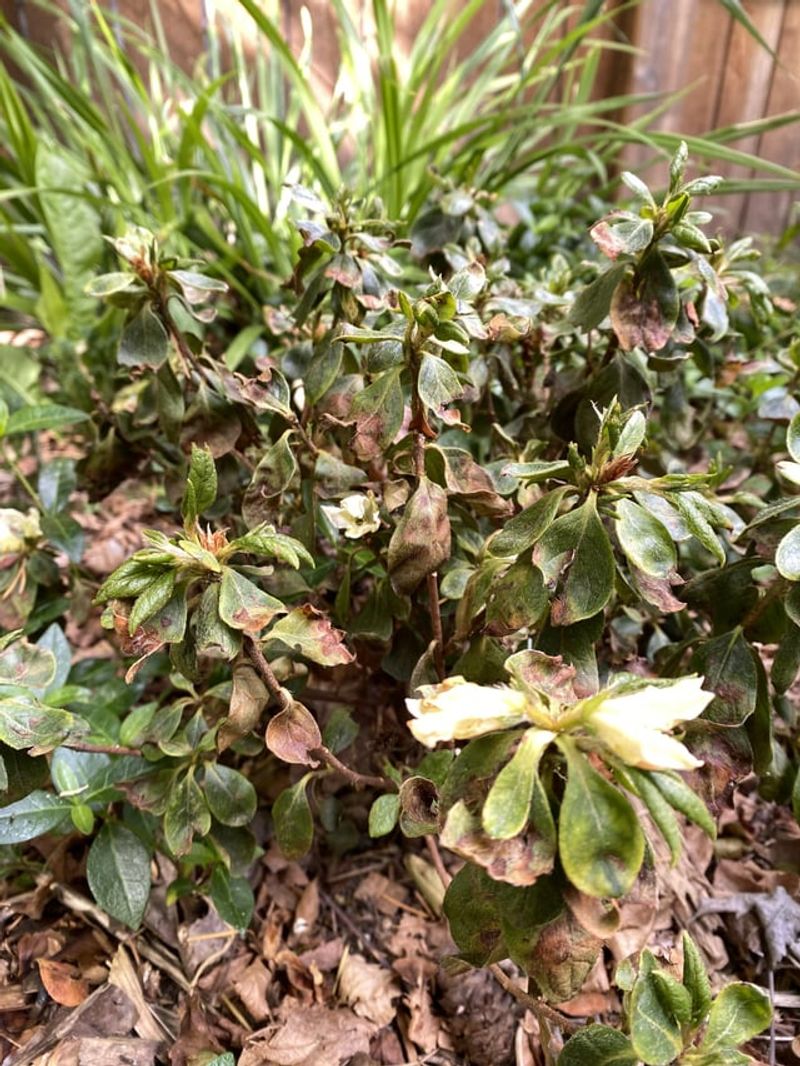
Georgia would barely be Georgia without azaleas lining front walks and church parking lots. They look tough, especially the older ones, but their roots tell a different story entirely.
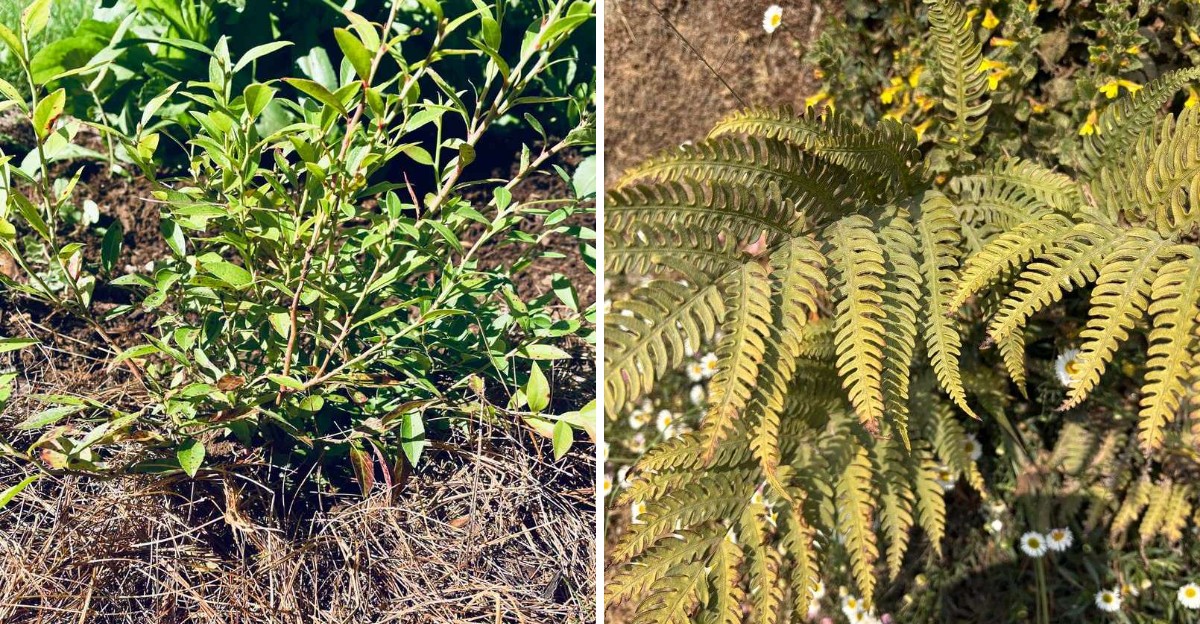
Azalea roots are fine, fibrous, and packed into the top several inches of soil, right where drought hits hardest first. They also like soil that stays evenly moist and a little acidic, so a long dry stretch pushes them into trouble fast.
Watch for leaves curling inward, turning dull, or feeling limp between your fingers. Brown edges and early leaf drop show up next, and by then the plant has already lost ground.
Your Georgia Garden Changes Every Week. Your Plan Should Too.
Gardening in Georgia changes quickly throughout the season. Every Friday you’ll receive a simple weekly plan showing exactly what to plant, prune, fertilize, harvest, and protect so you never miss the right timing.
Summer drought does double damage here, since azaleas set next spring’s flower buds during the warm months. A thirsty azalea in July often means a thin, disappointing show the following April.
Water deeply once or twice a week rather than a light daily sprinkle. Let the hose trickle at the base for fifteen or twenty minutes so moisture reaches the whole root zone, then check that the soil feels damp two inches down.
Pine straw makes a great mulch here, and it happens to suit their acid loving nature nicely. Plants sitting in afternoon sun or near hot pavement will need attention before the ones tucked under pines.
Skip the fertilizer during a dry spell. Feeding a stressed shrub only hands it more work when it already has enough on its plate.
3. Blueberries Depend On Steady Moisture Now
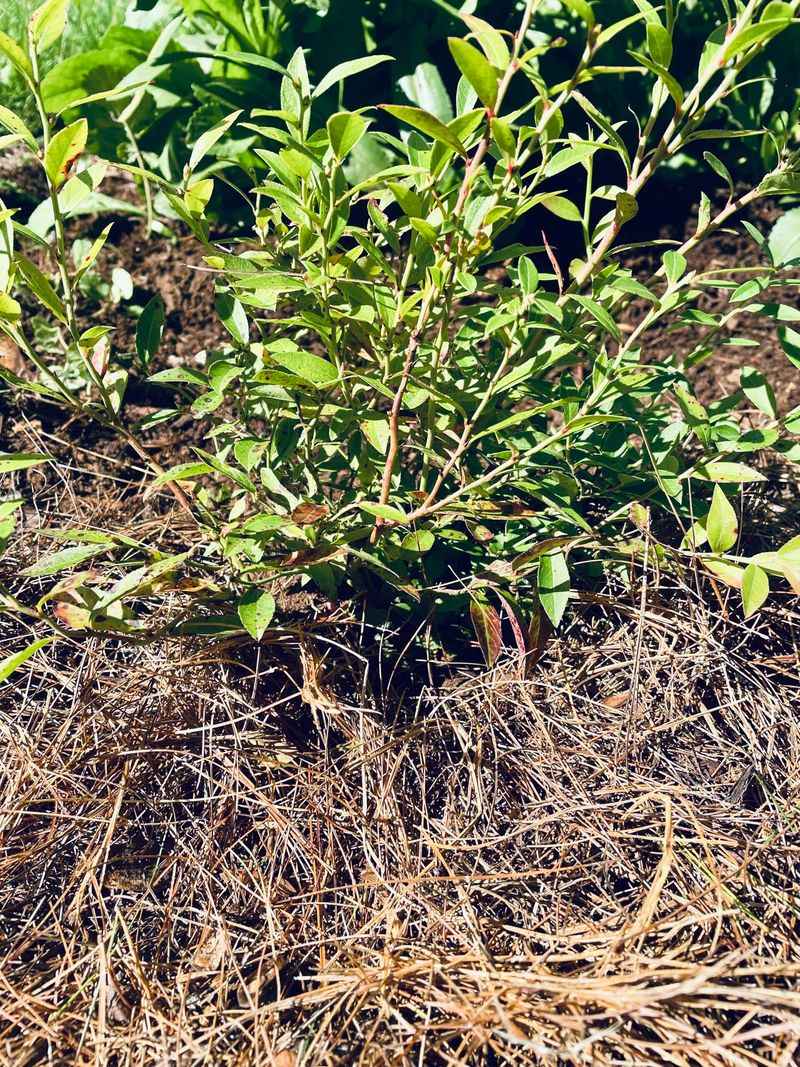
Backyard blueberries reward patience, but they hold a real grudge against dry soil. Ask anyone who skipped watering one August and got a sad, sparse harvest the following June.
Blueberry roots grow shallow and fine with no root hairs, meaning they cannot chase moisture the way deeper rooted fruit can. Most of their working roots sit within the top foot of soil, often in just the top few inches.
UGA Extension recommends steady moisture through the growing season, generally one to two inches of water a week depending on heat and soil.
Sandy south Georgia soils drain fast, so a bush near Tifton may need more than one growing in Athens clay.
Timing matters more than most gardeners realize. Late summer is when blueberries form the flower buds that become next year’s fruit, so drought stress now quietly steals a future crop before it even starts.
Fruit still on the bush suffers too, turning small and less sweet when water runs short.
Run a soaker hose or drip line along the row and let it soak the root zone rather than the leaves. Keep four inches of pine bark or pine straw mulch in place, since it holds moisture and keeps roots cooler underneath.
Young bushes planted within the last two years need checking twice a week, sometimes more. Poke a finger through the mulch, and if it comes out dusty, that bush needs water that same afternoon.
4. Newly Planted Trees Cannot Wait
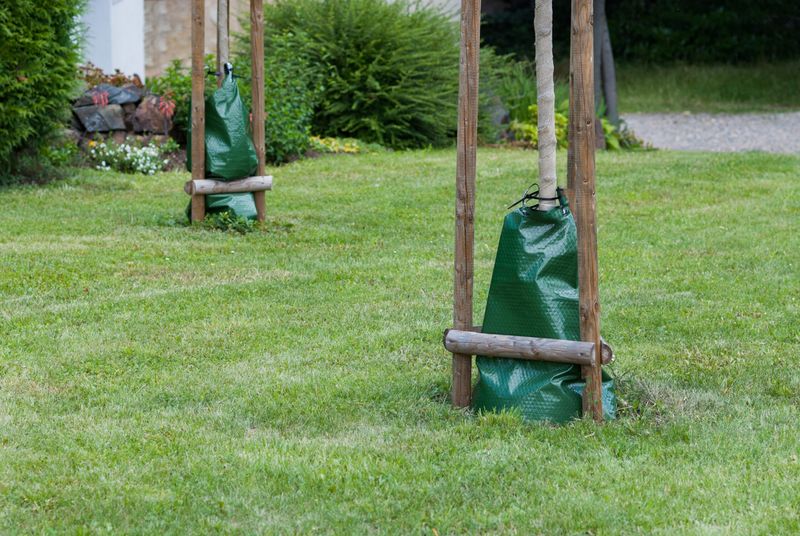
That maple you planted last fall is living on borrowed roots, whether it knows it or not. When a tree leaves a pot or a burlap ball, most of its original root system stays behind at the nursery.
For the first two or three growing seasons, its roots occupy little more than the original planting hole. An established tree can pull moisture from deep, wide reserves, while a new one is stuck working a small, fast drying pocket of soil.
That difference explains why new trees outrank mature ones on the watering list. A twenty-year-old oak might shrug off three dry weeks without blinking, but a two-year-old dogwood can decline in ten days flat.
Aim for slow, deep soaking directly over the root ball and just beyond it. Five to ten gallons per watering for a small tree, applied slowly, beats a fast blast that just runs off across hard clay.
Twice a week during a Georgia drought is a reasonable starting point, adjusted for rainfall and soil type. A slow release watering bag or a five gallon bucket with two nail holes in the bottom does the job well.
Ring the tree with mulch out to the drip line, three inches deep, and never pile it against the trunk. Skip pruning and fertilizer during dry stretches, since a tree already fighting for water cannot afford extra homework.
Watch for scorched leaf edges, early fall color, and leaves dropping in August.
5. Container Plants Dry Out Within Hours
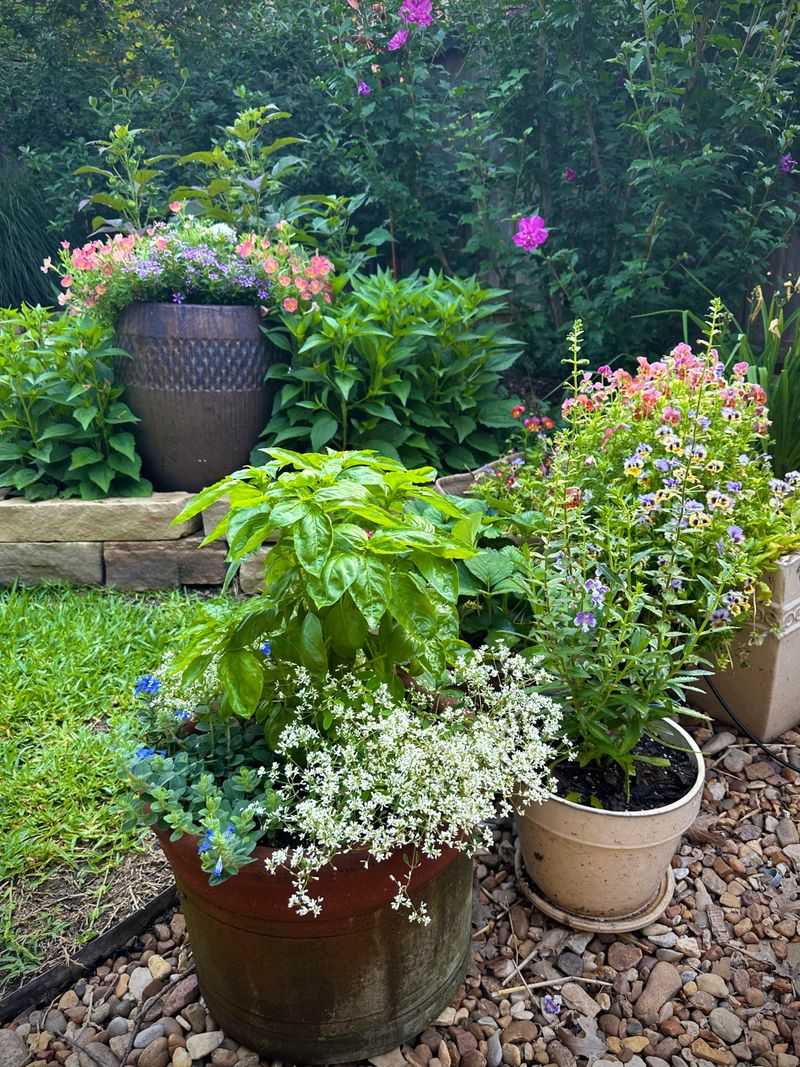
Here is a quick test worth trying. Lift a hanging basket at noon, then lift it again at six. The difference in weight is the water that plant lost in one single afternoon.
Pots hold a tiny amount of soil compared with open ground, and that small volume simply cannot store much moisture. Heat comes at containers from every direction too, warming the sides right along with the surface.
Dark plastic on a south-facing deck can turn into a small oven, and terra cotta wicks moisture straight through its walls. Add a plant whose roots have filled the pot, and one hot Georgia day can empty the reservoir completely.
Because of that, containers usually top the morning rounds, sometimes needing water twice a day in July and August. Water until it runs freely from the drainage holes, then come back a minute later and water again if the soil still felt bone dry.
Dry potting mix can repel water at first, letting it slide down the inside of the pot without ever wetting the middle.
Grouping pots together shades their sides and slows evaporation. Moving the thirstiest ones into afternoon shade during a drought buys real time.
Larger pots and saucers help, and a shallow layer of fine mulch on top cuts surface loss. Set a reminder on your phone, since a wilted tomato in the ground often bounces back while a bone-dry pot may not get a second chance.
6. Tomatoes Need Water To Finish Fruiting
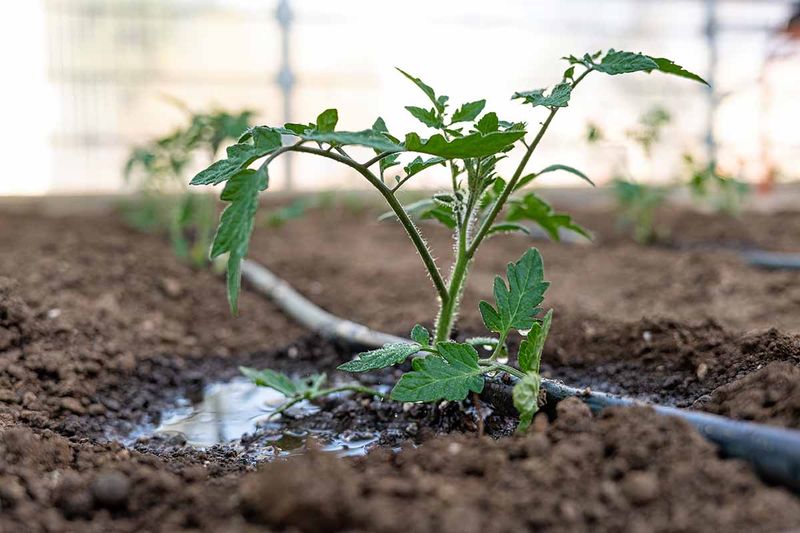
Cracked skins, tough spots, and that dreaded sunken brown patch on the bottom all trace back to the same story, and it is not a fun one. Tomatoes forgive a lot, but not a feast-and-famine watering schedule while fruit is filling out.
A ripening tomato is mostly water, and the plant moves calcium and sugars through that same water. When soil swings from soaked to parched, cells expand unevenly, skins split, and blossom end rot shows up on the fruit below.
Flowers can drop without ever setting during a stressful, hot, dry stretch too.
Steady is the whole goal here. Most garden tomatoes want roughly one to two inches of water a week, delivered in one or two deep sessions rather than daily sips. Deep watering pushes roots downward, where soil stays cooler and holds moisture longer.
Water at the base in the morning and keep the leaves dry, since wet foliage invites early blight and other leaf spots common in humid Georgia summers.
Two to three inches of straw or shredded leaf mulch steadies soil moisture better than almost anything else you can do here. Container tomatoes play by different rules and may need water daily once loaded with fruit.
If plants wilt at midday but stand tall again by evening, they are probably fine. Wilting in the cool morning hours means the root zone is genuinely dry, and that plant needs a slow soak before anything else on your list.
7. Ferns Suffer Fast Without Moisture
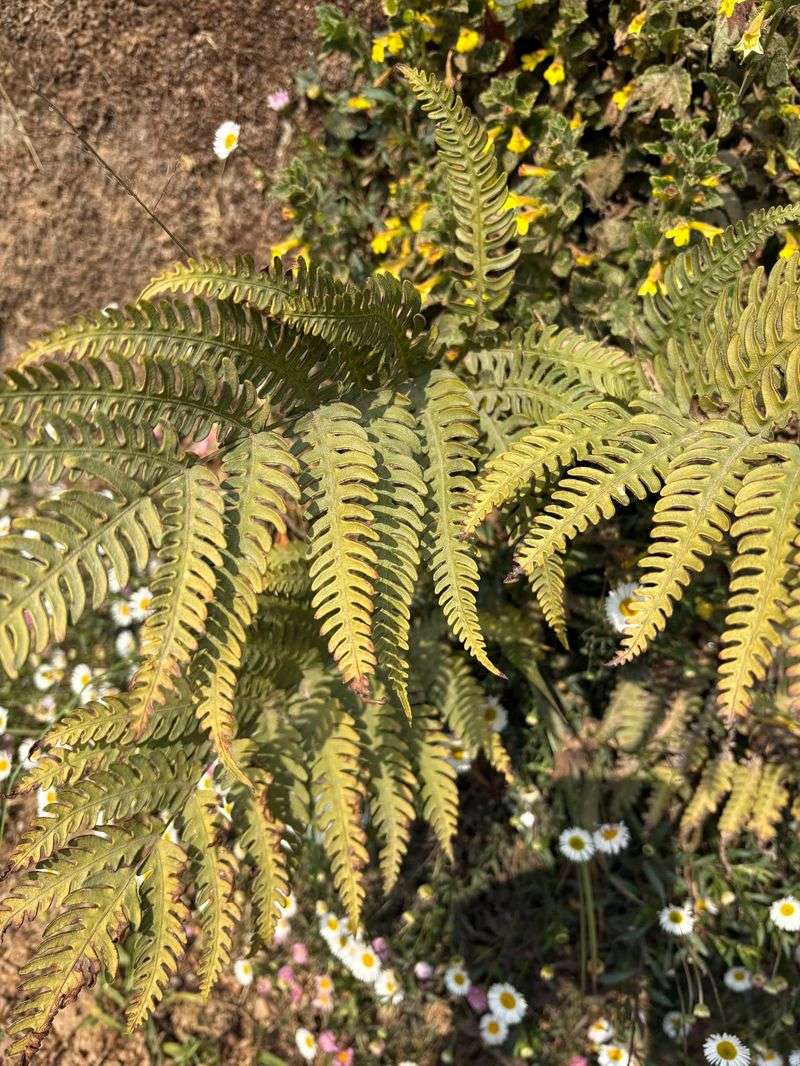
Native ferns along a shady Georgia creek bank grow where the air stays damp and the ground rarely fully dries out. Bring that same plant into a landscape bed, take away the rain, and the mismatch shows up fast.
Fern roots are fine, threadlike, and shallow, usually sitting within the top few inches of leaf litter and soil. Their thin fronds cannot hold much water, so they crisp along the edges within a day or two of drying out.
Once a frond turns brown and papery, it will not green back up again. New growth has to replace it, costing the plant energy it would rather spend elsewhere.
Boston ferns and other hanging varieties are the most demanding of the bunch, combining shallow roots with a small pot.
Daily watering during hot, rainless weather is normal, and a good soak in the shade revives a limp one faster than misting ever will.
In the ground, autumn ferns, Christmas ferns, and holly ferns handle short dry spells better than maidenhair or Japanese painted types tend to.
Water gently at the crown so soil does not wash away from those delicate roots. A thick blanket of shredded leaves mimics the forest floor and keeps moisture right where the roots can reach it.
Watch for fronds that look faded or slightly gray, which usually shows up before real browning starts. Ferns in dappled morning sun dry out sooner than those tucked into deep shade, so check them first on your rounds.
8. Impatiens Wilt Before Anything Else Does
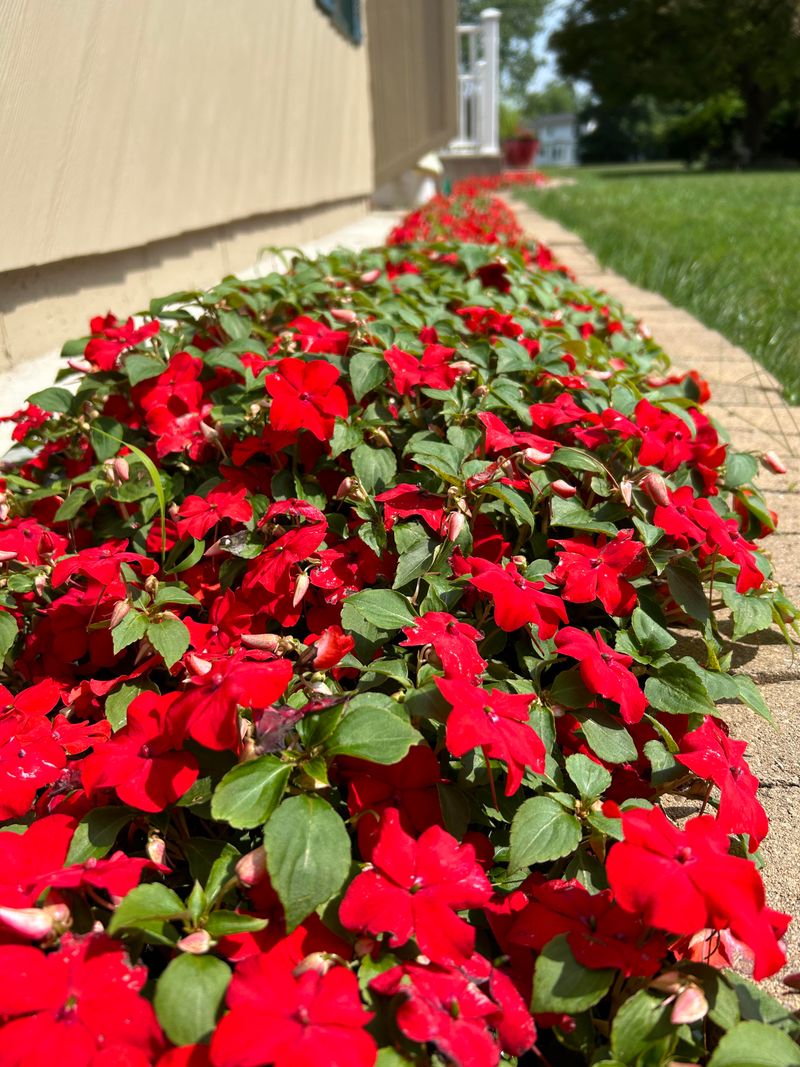
Old-time Georgia gardeners used impatiens as a living rain gauge, long before phone apps existed. Plant a few at the edge of a shade bed and they will announce a dry spell before anything else in the yard says a word.
Their stems hold a lot of water with very little woody support, so they collapse dramatically the moment soil moisture drops. Roots stay shallow and soft, leaving the plant no hidden reserves to lean on.
A bed that looked cheerful at breakfast can lie completely flat by lunchtime. The good news is a thorough soaking usually brings them back within an hour or two, no harm done.
Treat that flop as free information. When the impatiens go down, the hydrangeas, azaleas, ferns, and new shrubs nearby are already under stress too, even if they still look fine on the surface.
Repeated wilting takes a real toll though, causing dropped buds, fewer flowers, and yellowing lower leaves over time. Aim to water before the collapse rather than after, checking the soil every morning during a drought.
Beds sitting under tree roots dry out fastest, since the tree always drinks first. Two inches of pine straw plus a slow soak two or three times a week keeps most plantings steady through the worst of it.
For future seasons, new guinea impatiens and torenia tolerate heat with a little more grace. Keep the order in mind: pots first, then new plantings, then shallow rooted favorites, then everything else in line.