The Native Pennsylvania Perennial That Spreads Aggressively In A Good Way Through Heavy Clay Soil
Heavy clay soil stops most plants in their tracks. The drainage is poor, the compaction is real, and the effort required to establish anything in a clay heavy Pennsylvania bed can feel completely disproportionate to the results.
Most gardeners either spend years amending clay soil or simply accept that certain areas of the yard are going to remain difficult and unproductive.
But there is a native Pennsylvania perennial that reads clay soil very differently. It doesn’t just tolerate heavy clay. It spreads through it.
Aggressively, reliably, and in a way that is genuinely useful rather than problematic. As it moves through clay beds, it loosens the soil structure, outcompetes weeds, and creates dense, living coverage in spots that most other plants would quietly give up on.
Because it’s native to Pennsylvania, it belongs in the landscape and supports local wildlife generously as it spreads.
1. Plant Obedient Plant For Difficult Clay Areas
Picture a spot in your yard where nothing seems happy. The soil stays wet, cracks in dry spells, and turns to sticky mud after rain. That is exactly where obedient plant shines.
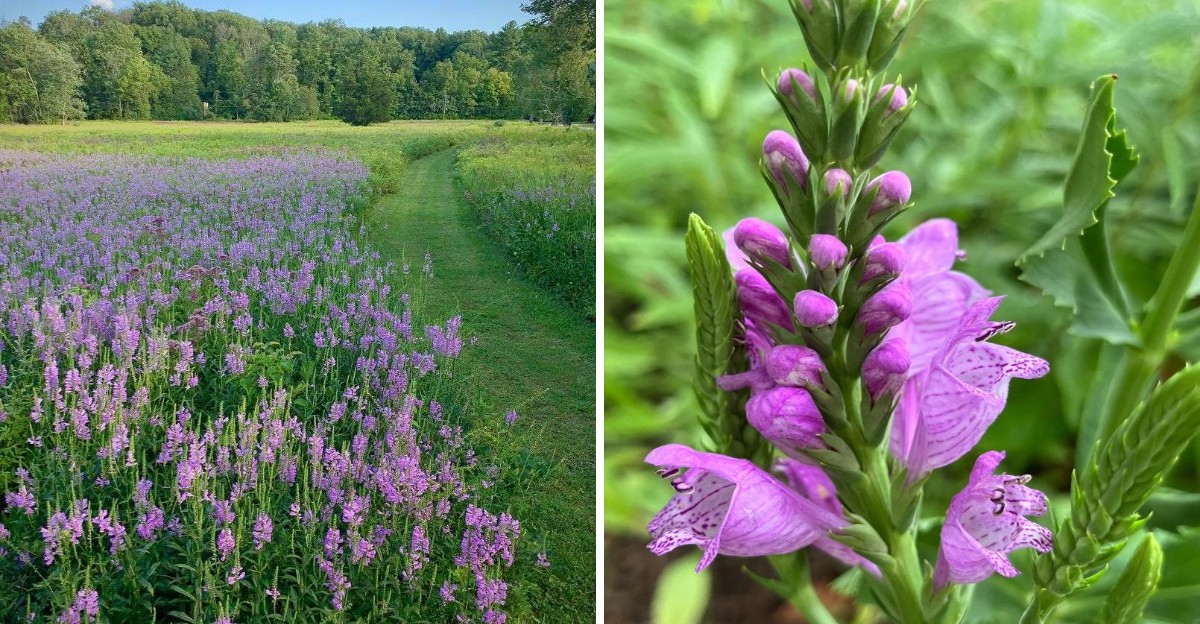
Physostegia virginiana is a true Pennsylvania native. It grows naturally in wet meadows, along stream banks, and in low areas where clay collects.
Because it evolved in these conditions, it does not mind the dense ground that frustrates so many gardeners.
The name obedient plant comes from a fun quirk. When you push one of its flowers to the side, it stays in place for a while, almost like it is listening to you. Kids and adults both enjoy testing this out.
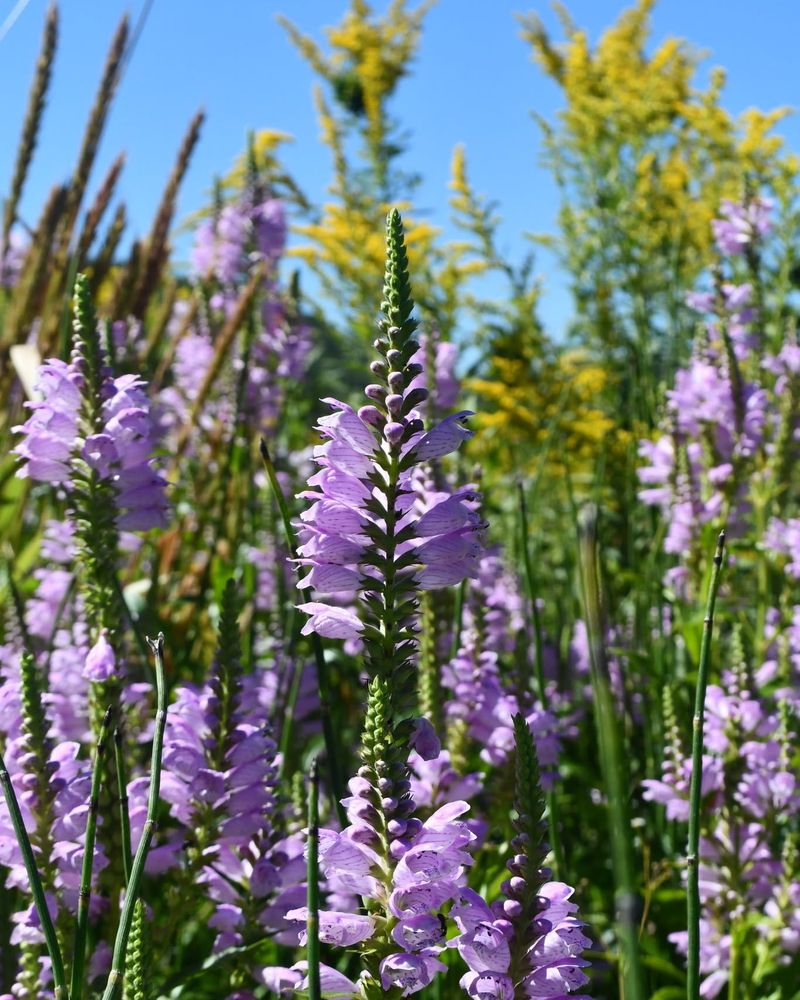
Standing two to four feet tall, this perennial produces slender spikes covered in tubular blooms. Colors range from soft pink to lavender and white. The flowers open in late summer, right when many other garden plants start to fade.
What makes it so valuable is toughness. It handles poor drainage, tolerates heat, and returns faithfully each spring. You do not need special fertilizers or fancy soil mixes to keep it happy.
For gardeners tired of babying delicate flowers, this plant is a refreshing change. Plant it once, give it a season to settle in, and watch it take over the trouble spots on its own.
If your yard has that one stubborn clay patch, obedient plant offers a simple, natural fix. It turns a headache into a bright, blooming feature that supports local wildlife too.
2. Why Obedient Plant Spreads So Well
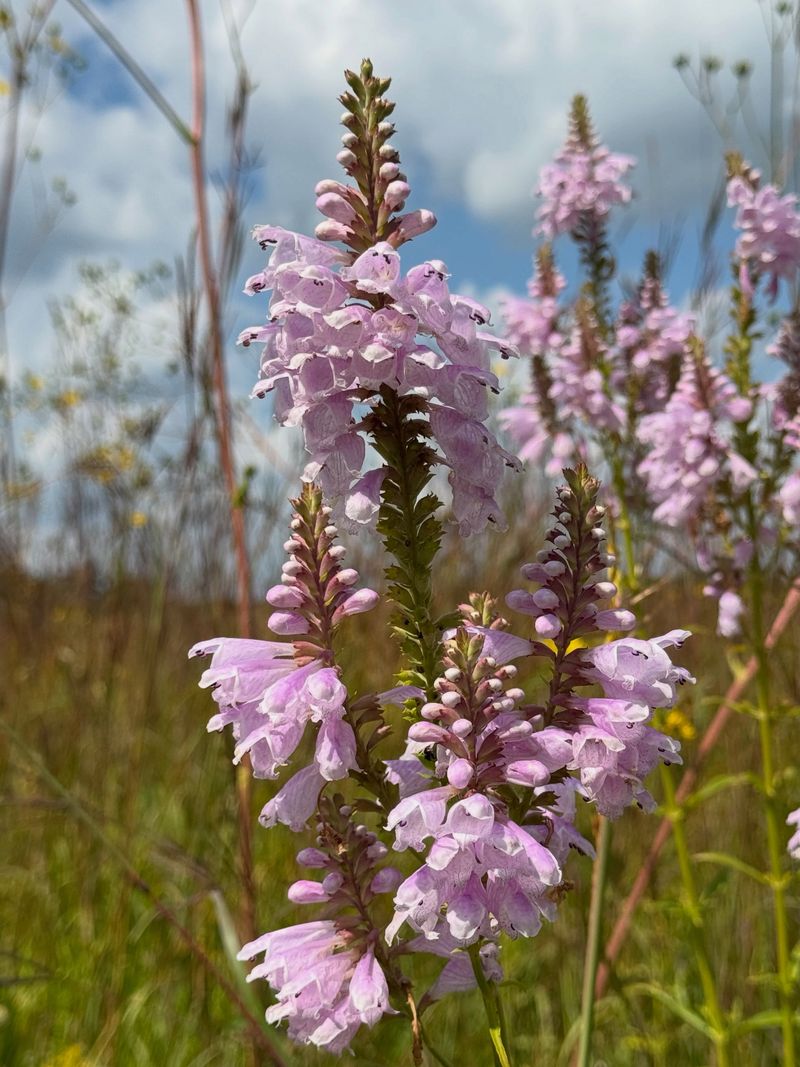
Ever notice how some plants seem to multiply overnight? Obedient plant has a clever trick hiding below the surface. It spreads through underground stems called rhizomes.
These rhizomes creep sideways just under the soil. As they travel, they send up new shoots a short distance from the parent plant. Over time, a single clump becomes a wide, cheerful colony.
This habit is a huge advantage in clay soil. Many plants cannot push their roots through such dense ground, but obedient plant slowly works its way through, loosening the earth as it goes.
Your Pennsylvania Garden Changes Every Week. Your Plan Should Too.
Gardening in Pennsylvania changes quickly throughout the season. Every Friday you’ll receive a simple weekly plan showing exactly what to plant, prune, fertilize, harvest, and protect so you never miss the right timing.
The spreading happens gradually, not instantly. In the first year, you may see just a few stems.
By the second and third years, the patch fills out and covers more space. That steady growth is perfect for filling bare, hard-to-plant areas.
Because it forms a thick stand, obedient plant also crowds out weeds. Fewer weeds mean less work for you during the busy growing season. The dense clump shades the soil and blocks unwanted sprouts.
Some gardeners worry that fast-spreading plants become a problem. The good news is that this native stays manageable with a little attention. You control where it grows simply by pulling extra shoots.
Its ability to expand makes it ideal for large, open spaces that need coverage. Slopes, ditches, and neglected corners all benefit from its determined march.
Understanding how those rhizomes work helps you plan smartly. Give the plant room in the right spot, and it rewards you by filling in naturally, no reseeding or replanting required.
3. Give Obedient Plant The Right Growing Conditions
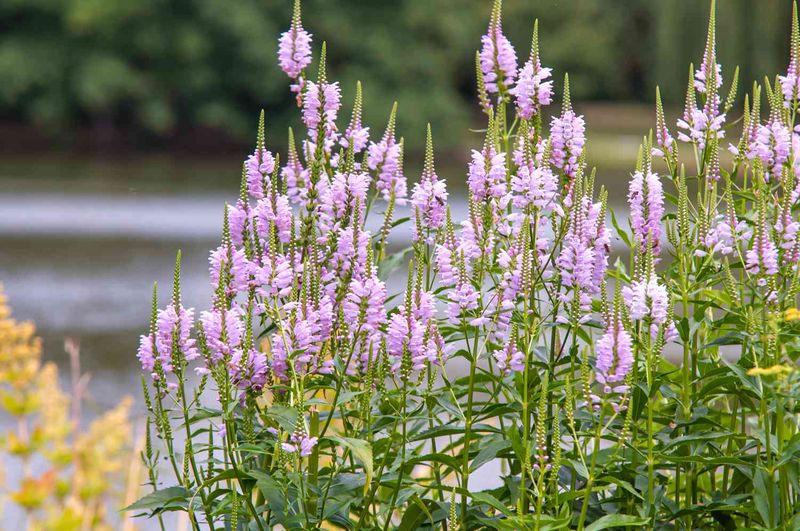
Getting the setup right makes all the difference with this perennial. While it forgives many mistakes, a few simple choices help it truly flourish.
Sunlight comes first. Obedient plant grows best in full sun, meaning at least six hours of direct light each day.
It also handles partial shade, though plants in shadier spots may grow taller and floppier.
Moisture is its favorite feature. This native loves soil that stays damp, which is why clay suits it so well.
Clay holds water longer than sandy ground, keeping roots cool and hydrated through hot summers.
You can plant it in spring or fall. Space clumps about a foot apart, knowing they will fill the gaps soon enough.
Water well after planting to help roots settle into their new home.
Give it room to expand. Since it spreads by rhizomes, crowding it against a fence or wall works fine, but avoid tucking it beside delicate flowers that might get overrun.
Rich soil is nice but not required. This plant grows happily in average ground and does not need heavy feeding. Too much fertilizer can actually make stems weak and leggy.
In very dry areas, plants may struggle a bit. A layer of mulch helps hold moisture and keeps roots comfortable during rain-free stretches.
Once established, obedient plant needs little care. It shrugs off pests, resists disease, and comes back stronger each year.
Meet these basic needs, and you will enjoy a low-maintenance beauty that thrives where fussier flowers cannot.
4. How Obedient Plant Helps Pollinators
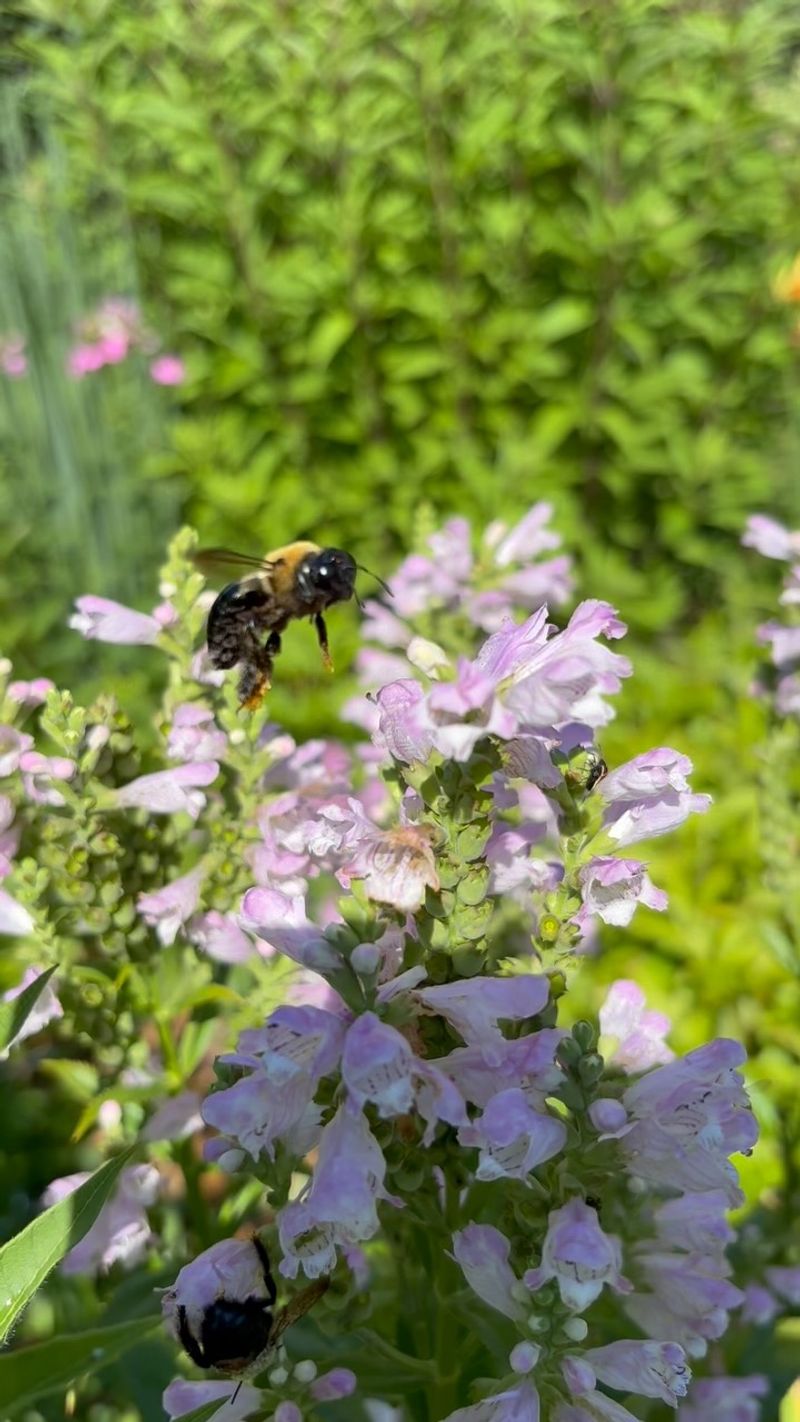
A garden buzzing with life is a healthy garden, and obedient plant helps make that happen. Its tall flower spikes act like a welcome sign for hungry pollinators.
Bees are among the biggest fans. The tubular blooms hold sweet nectar deep inside, giving bees a rich reward for their visits. As they crawl inside, they pick up pollen and carry it to the next flower.
Butterflies love it too. The bright pink and purple spikes catch their attention from across the yard.
Watching swallowtails and monarchs sip from the flowers is a real treat on a summer afternoon.
Timing matters here. Obedient plant blooms in late summer, a period when many earlier flowers have finished.
This late nectar supply is important for pollinators building up energy before the cooler months.
Hummingbirds sometimes stop by as well. They are drawn to tubular flowers and can hover to feed on the nectar with their long beaks.
By supporting these creatures, you help your whole garden thrive. Pollinators move pollen between plants, which means better fruits, vegetables, and seeds throughout your yard.
Choosing native plants like this one gives local insects exactly what they evolved to use. Native pollinators recognize these flowers and depend on them far more than exotic imports.
Planting a large patch creates an even bigger draw. A wide stand of blooms is easier for insects to spot and offers plenty of food in one convenient place.
If you want a lively, wildlife-friendly space, obedient plant delivers. It feeds beneficial insects while brightening your garden with color, making it a true win for nature and gardeners alike.
5. How To Control Its Growth Without Removing It
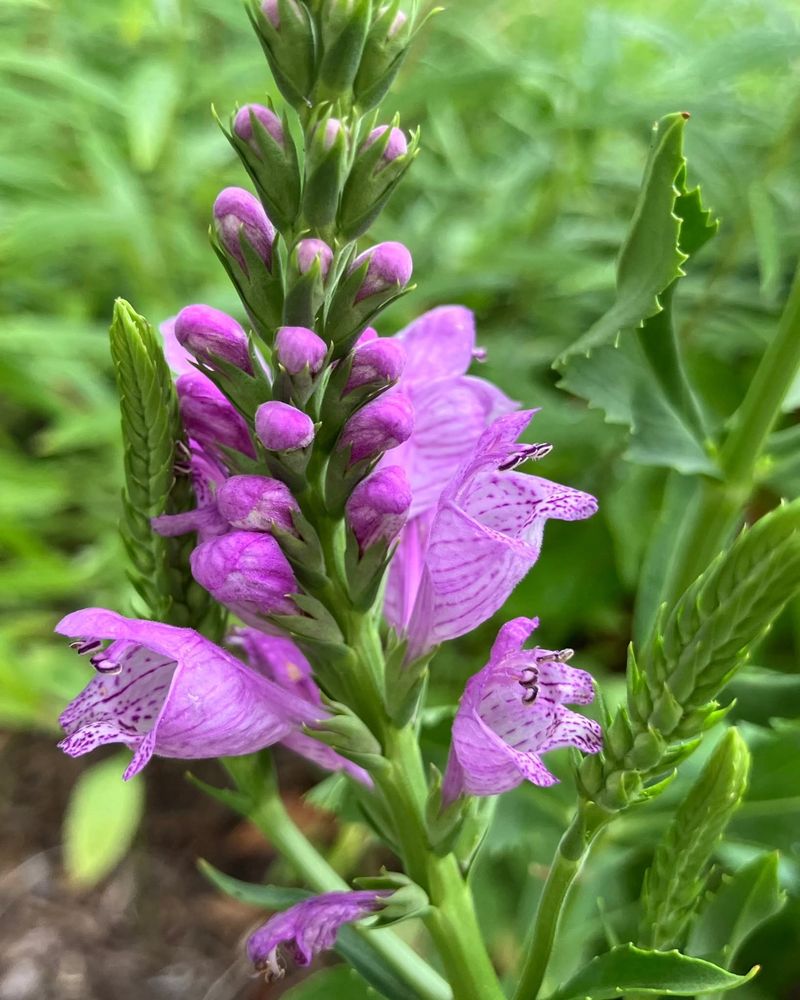
Vigorous spreaders sometimes need a gentle reminder about boundaries. The trick with obedient plant is guiding its growth, not fighting it.
Dividing clumps is the easiest method. Every few years, dig up part of the patch in spring or fall. Use a spade to slice through the roots and lift out a section.
You can replant those divisions elsewhere or share them with friends. Dividing keeps the main clump tidy and gives the plant fresh energy to bloom well.
Pulling stray shoots works great during the season. When rhizomes send up new stems where you do not want them, simply tug them out by hand. The soft clay soil usually makes this easy after rain.
Some gardeners install underground barriers. A plastic edging or buried container ring blocks the rhizomes from creeping too far. This keeps the plant contained to one neat area.
Cutting back after flowering also helps. Trimming the stems prevents seeds from scattering and starting new plants in unexpected spots.
Watering less can slow the spread too. Since the plant loves moisture, drier conditions naturally limit how quickly it expands. In very wet corners, expect faster growth.
Regular attention makes management simple. A few minutes each season keeps the patch looking intentional rather than wild. You stay in charge while the plant does the heavy lifting.
Remember, spreading is the whole point in tough spots. Only step in when it wanders past its welcome.
With these easy tricks, you enjoy full coverage where you want it and clean edges where you do not, all without losing this valuable native.
6. Where Obedient Plant Works Best In Pennsylvania Gardens
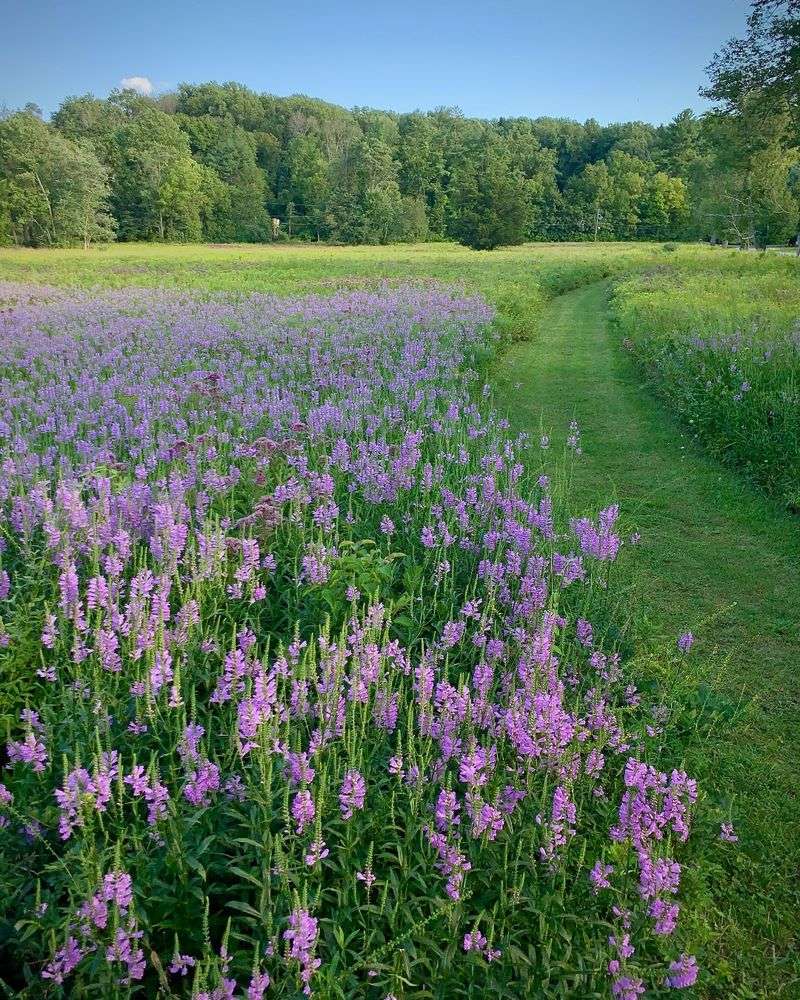
Now for the fun part, deciding where to put this hardworking native. Its toughness and spreading habit open up plenty of creative options across Pennsylvania yards.
Rain gardens are a natural fit. These low areas collect runoff and stay soggy, exactly the conditions obedient plant craves. It soaks up excess water while adding color to a practical feature.
Naturalized areas suit it beautifully. In a meadow-style planting or a wild corner of the yard, it mingles with grasses and other natives to create a relaxed, informal look.
Borders benefit from its height. Place it toward the back of a flower bed where the tall spikes provide a lovely backdrop for shorter plants in front.
Slopes and ditches often puzzle gardeners. The spreading roots hold soil in place, helping reduce erosion while covering ground that is hard to mow or maintain.
Pair it with other clay-loving natives for a low-care combo. Plants like Joe-Pye weed, black-eyed Susan, and switchgrass share its needs and bloom around the same time.
Cut flower fans will enjoy it indoors too. The sturdy spikes last well in a vase and bring a garden-fresh feel to any table.
Around ponds and wet edges, it thrives where lawn refuses to grow. The moisture keeps it lush and full of blooms all season.
Anywhere you have poor drainage or stubborn clay, this plant turns a problem into a highlight. Give it a home in the right spot, and it fills your Pennsylvania garden with color, movement, and buzzing life for years to come.