These Overlooked Pennsylvania Native Plants Attract More Eastern Tiger Swallowtails To Your Yard
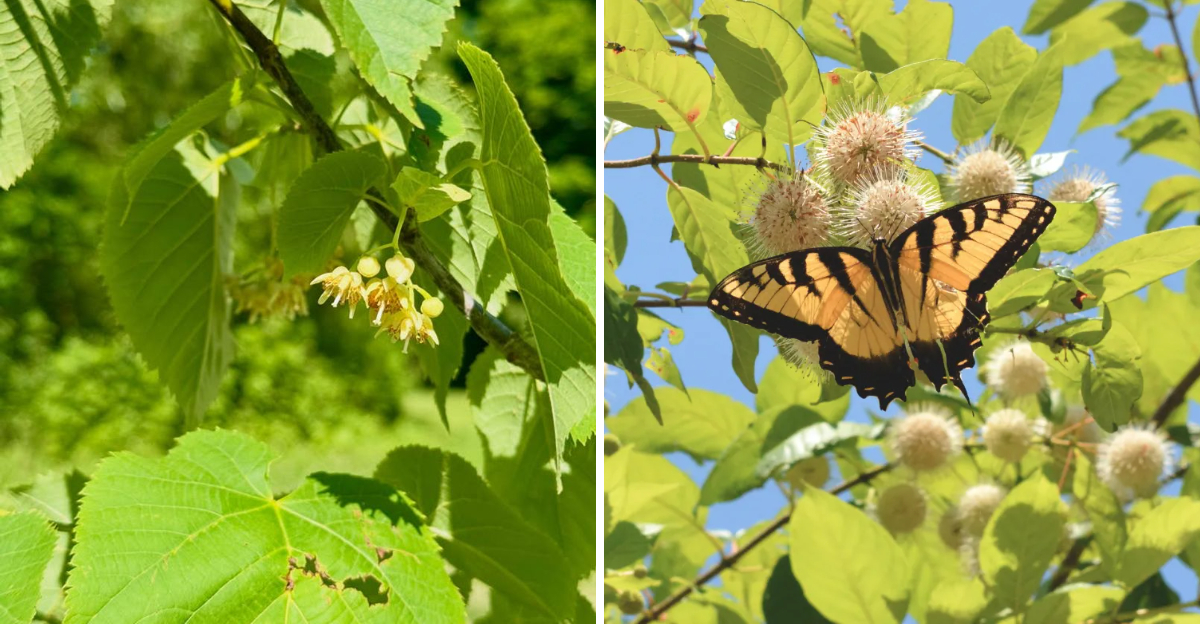
The Eastern tiger swallowtail is one of Pennsylvania’s most beloved butterflies. That bold yellow and black wingspan, the way it floats deliberately from flower to flower, the sheer size of it compared to most other garden butterflies.
When one lands nearby, most people stop whatever they’re doing just to watch. And if you’ve been wanting to see more of them in your yard, the answer is simpler than most people think.
It comes down to what you’re planting. Eastern tiger swallowtails have very specific preferences when it comes to host plants and nectar sources, and most Pennsylvania gardens are simply not offering what these butterflies need most.
They’ll pass through for the flowers that are easiest to find, but the yards that see them regularly, in real numbers, throughout the season, are the yards with the right native plants in the ground.
Several of those plants are genuinely overlooked, even among dedicated native plant gardeners.
Here’s what to grow if you want Eastern tiger swallowtails choosing your Pennsylvania yard all season long.
1. Black Cherry
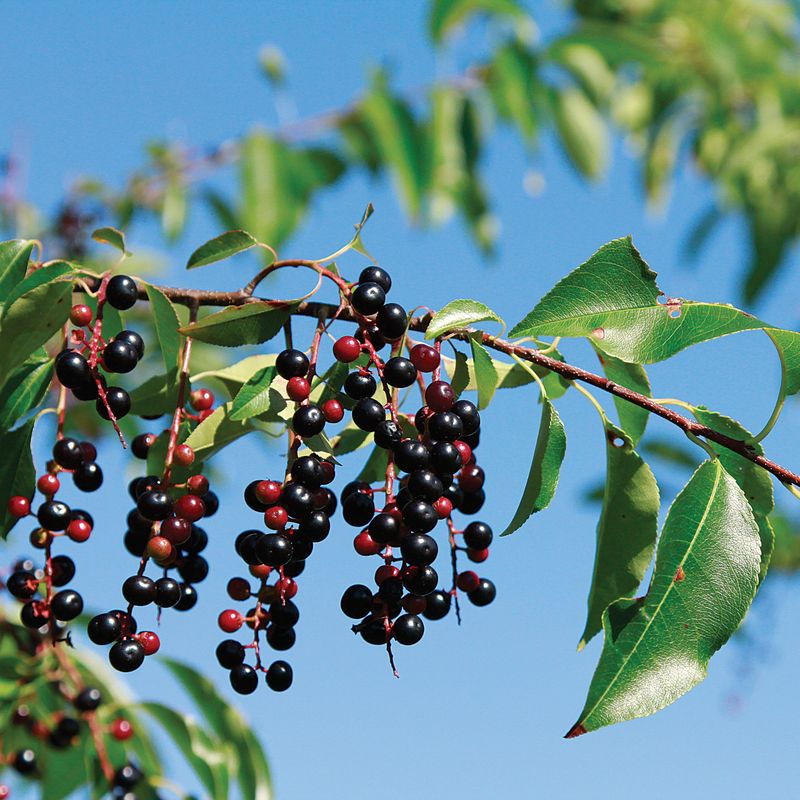
Few trees in Pennsylvania pull double duty quite like Black Cherry. Native to the region and deeply woven into local ecosystems, this tree is one of the top host plants for Eastern tiger swallowtail caterpillars.
That means adult females will actively seek it out to lay their eggs, making your yard part of the butterfly’s full life cycle.
Black Cherry grows well along woodland edges, fence lines, and the back corners of larger yards. It can reach impressive heights, so it is best for properties with some room to grow.
Once established, it needs very little care. It handles Pennsylvania winters without complaint and thrives in average to well-drained soil.
Beyond butterflies, this tree is a magnet for birds. More than 40 species of birds eat the dark, small cherries it produces in late summer.
That means planting one Black Cherry can bring songbirds, butterflies, and other pollinators together in one spot.
The spring bloom is beautiful too. Clusters of small white flowers appear before the leaves fully open, giving the tree a soft, lacy look. Those flowers also attract native bees and other early pollinators.
One thing to keep in mind is that Black Cherry can spread by seed, so check nearby areas for seedlings if you want to manage its spread. Still, for a wildlife-rich yard in Pennsylvania, few native trees offer this much value.
Plant one near a natural edge and watch the Eastern tiger swallowtails arrive season after season.
2. Tulip Poplar
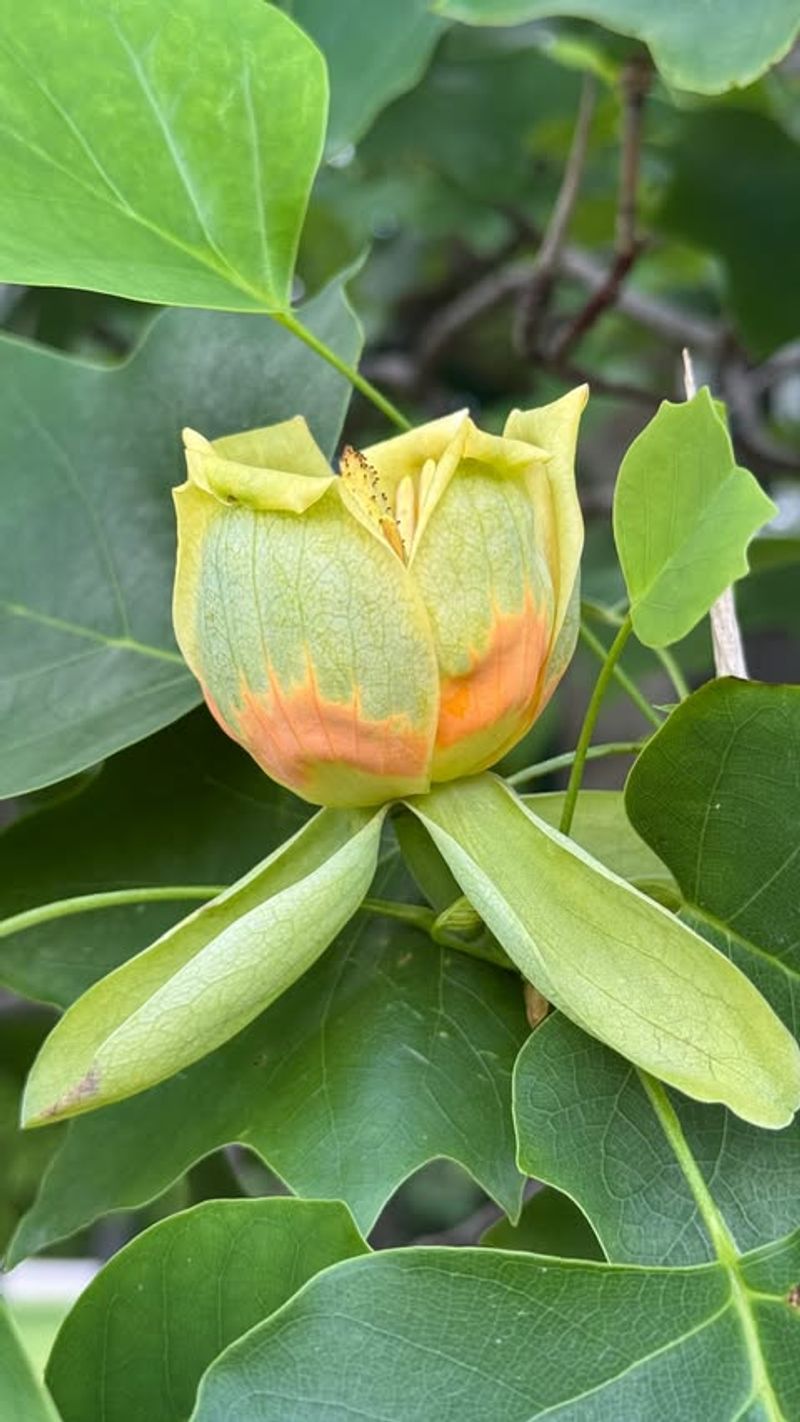
Tulip Poplar has a secret that most gardeners do not know. Behind its gorgeous tulip-shaped flowers and impressive canopy hides one of Pennsylvania’s best native host trees for Eastern tiger swallowtail caterpillars.
This is the tree that swallowtail females look for when they are ready to lay eggs, and having one in your yard is like sending an open invitation.
This tree grows fast compared to many natives, which is great news if you want results sooner. It can reach over 80 feet tall at maturity, so it truly belongs in yards with space for a large canopy tree.
Your Pennsylvania Garden Changes Every Week. Your Plan Should Too.
Gardening in Pennsylvania changes quickly throughout the season. Every Friday you’ll receive a simple weekly plan showing exactly what to plant, prune, fertilize, harvest, and protect so you never miss the right timing.
Woodland edges, open suburban lots, and properties near parks or natural areas are ideal spots.
The flowers bloom in late spring and are striking up close, with orange and yellow markings on each petal. They attract hummingbirds and native bees as well as butterflies.
Even though the blooms sit high in the canopy on mature trees, they still draw plenty of wildlife.
Tulip Poplar grows best in moist, well-drained soil and full sun to partial shade. It is a Pennsylvania native through and through, meaning it is already adapted to local rainfall patterns and temperature swings. You will not need to fuss over it once it gets established.
If you have been thinking about adding a shade tree to your yard, making it a Tulip Poplar is one of the smartest moves you can make for Eastern tiger swallowtails. The combination of shade, beauty, and wildlife support is tough to beat anywhere in the state.
3. American Basswood
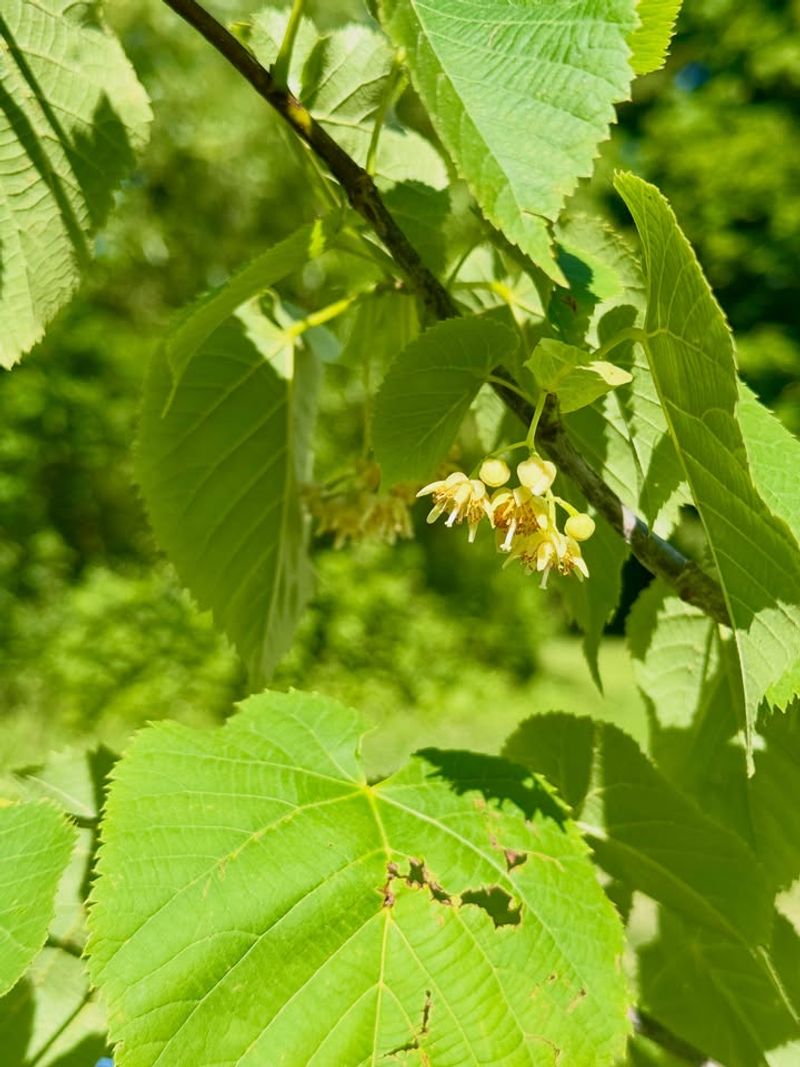
Walk past an American Basswood in bloom and you will understand why pollinators go crazy for it. The fragrance alone is enough to stop you in your tracks.
In midsummer, this native tree produces clusters of small, pale yellow flowers that fill the air with a sweet, honeyed scent. Bees, butterflies, and other pollinators flock to it from a surprising distance.
What makes American Basswood especially valuable for Eastern tiger swallowtail fans is its role as a larval host plant. Swallowtail caterpillars can feed on the leaves, meaning this tree supports the butterfly at multiple stages of its life.
Most people plant it for shade and never realize the bonus wildlife value they are getting. This tree fits well into medium to large yards. It prefers moist, rich soil and does particularly well near stream edges or in low spots that stay a bit damp.
In Pennsylvania, it naturally grows in forest understories and along wooded slopes, so it is right at home in shaded or partially shaded settings.
American Basswood is not as commonly sold as maples or oaks, which is exactly why it feels like a hidden gem. Seek it out at native plant nurseries or native plant sales hosted by local conservation groups. It is worth the extra effort to find.
Once planted and established, it grows into a graceful, rounded tree with large heart-shaped leaves.
Watching a swallowtail drift through its canopy on a warm July afternoon makes every bit of effort feel completely worthwhile. This tree earns its place in any pollinator-friendly Pennsylvania yard.
4. River Birch
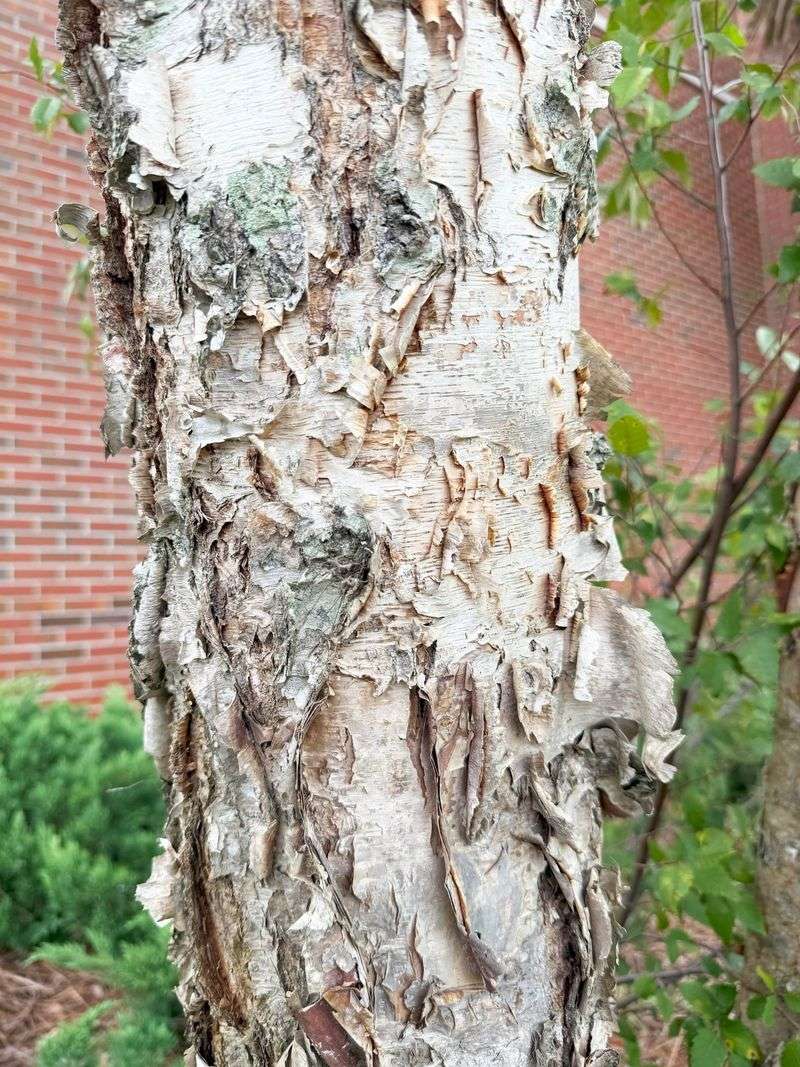
River Birch has a personality all its own. The peeling, cinnamon-colored bark gives it year-round visual interest that few other native trees can match.
Even in the middle of winter, when everything else looks bare and gray, River Birch stands out as something worth noticing. But its beauty is only part of the story.
For Eastern tiger swallowtail enthusiasts, River Birch earns its spot because birch trees can serve as larval host plants for swallowtail caterpillars.
River Birch is often the most practical birch choice for home landscapes because it handles Pennsylvania’s variable conditions better than some of its relatives. It tolerates wet soil, occasional flooding, and even some drought once established.
This makes it a natural fit for rain garden edges, low spots in the yard, and areas near ponds or streams. If you have a damp corner of your property that other plants struggle with, River Birch might be exactly what that spot needs.
It grows at a moderate pace and can reach 40 to 70 feet tall, often forming multiple trunks that give it a graceful, arching shape. Planting it where you can admire the bark from a window or patio pays off all year long.
Native birds also benefit from River Birch. Small songbirds feed on the tiny seeds, and the tree provides nesting spots and insect foraging opportunities throughout the growing season.
Adding River Birch to a Pennsylvania yard means gaining a wildlife-rich, visually striking tree that works hard for your local ecosystem every single year without demanding much in return.
5. Buttonbush
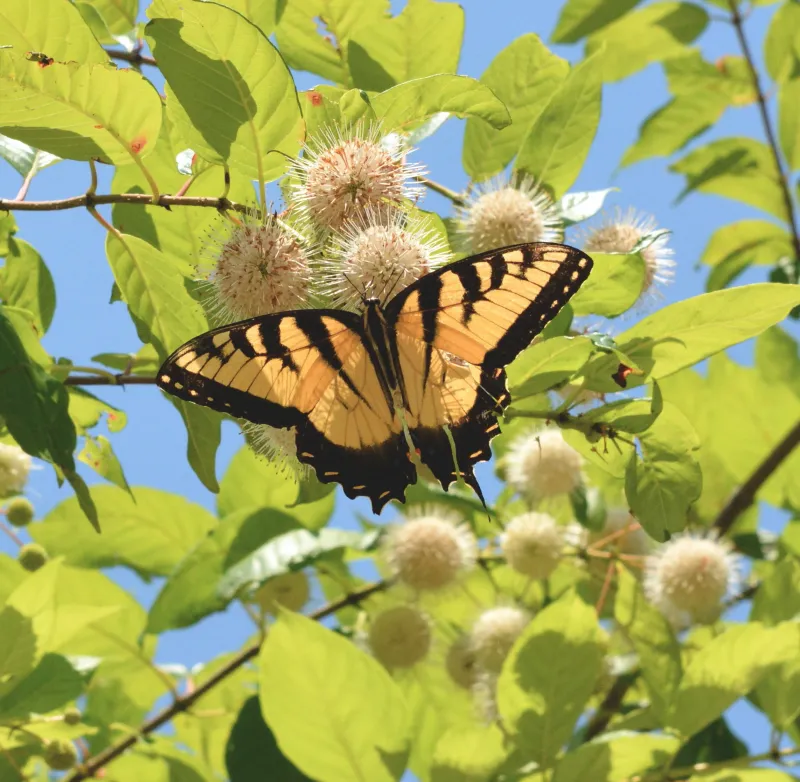
Buttonbush is the kind of native shrub that makes people stop and stare. The flowers look like tiny white pincushions, perfectly round and packed with thin, thread-like petals.
They appear in midsummer when many other shrubs have finished blooming, filling a valuable gap in the pollinator calendar. Eastern tiger swallowtails are among the many butterflies that visit the blooms for nectar.
What sets Buttonbush apart from most shrubs is where it thrives. Wet feet? No problem. This native shrub actually loves damp, soggy conditions that would cause most plants to struggle.
Rain gardens, pond edges, stream banks, and low spots in the yard are exactly where Buttonbush feels at home.
If you have been frustrated trying to find plants for a perpetually wet area of your property, Buttonbush is the answer you have been looking for. It handles standing water and heavy clay soil with ease. Once established, it is remarkably tough and low-maintenance.
The shrub grows four to eight feet tall and wide, forming a rounded, bushy shape. In fall, the round seed heads remain on the plant and add visual interest long after the flowers are gone.
Birds and waterfowl also eat the seeds, making this a productive wildlife plant beyond just butterfly season.
Finding Buttonbush at a native plant nursery is getting easier as more gardeners recognize its value. Plant it in a wet spot, step back, and let it do its thing.
By midsummer, you will likely see swallowtails, bees, and hummingbirds all sharing the same blooms at the same time. That is backyard wildlife gardening at its best.
6. Joe-Pye Weed
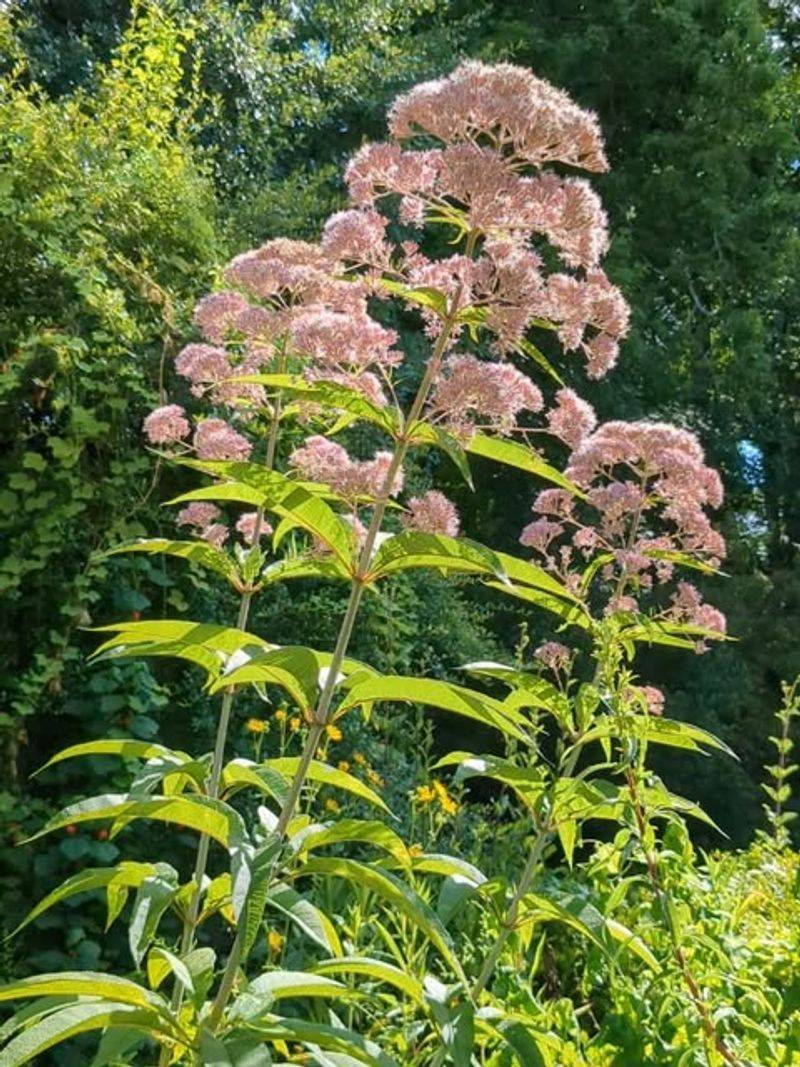
Tall, bold, and absolutely irresistible to Eastern tiger swallowtails, Joe-Pye Weed earns a permanent spot in any serious pollinator garden. Despite the unflattering name, there is nothing weedy about this native perennial.
It grows four to seven feet tall and produces enormous, domed flower clusters in a warm mauve-pink that practically glows in late summer sunshine.
Adult Eastern tiger swallowtails are regular visitors to Joe-Pye Weed blooms. They land, spread their wings, and feed on nectar for long stretches of time, giving you a front-row seat to one of nature’s best shows.
Few plants in the Pennsylvania native plant palette deliver this kind of reliable butterfly action during late summer.
Joe-Pye Weed blooms from July through September, which is exactly when many other perennials are winding down. That late-season nectar is important for butterflies preparing for migration or building up energy reserves.
Planting it extends the value of your pollinator garden well into fall. It grows best in full sun to light shade and prefers moist to average soil. Sunny borders, meadow gardens, and rain garden edges are all excellent placements.
Once established, it comes back reliably each spring and slowly spreads into a fuller clump over time.
Shorter cultivated varieties are available if height is a concern, but the full-sized native species has the most wildlife value.
Pair Joe-Pye Weed with other late-season natives like goldenrod or ironweed for a late-summer pollinator display that stops neighbors in their tracks and keeps swallowtails coming back every single year.
7. Swamp Milkweed
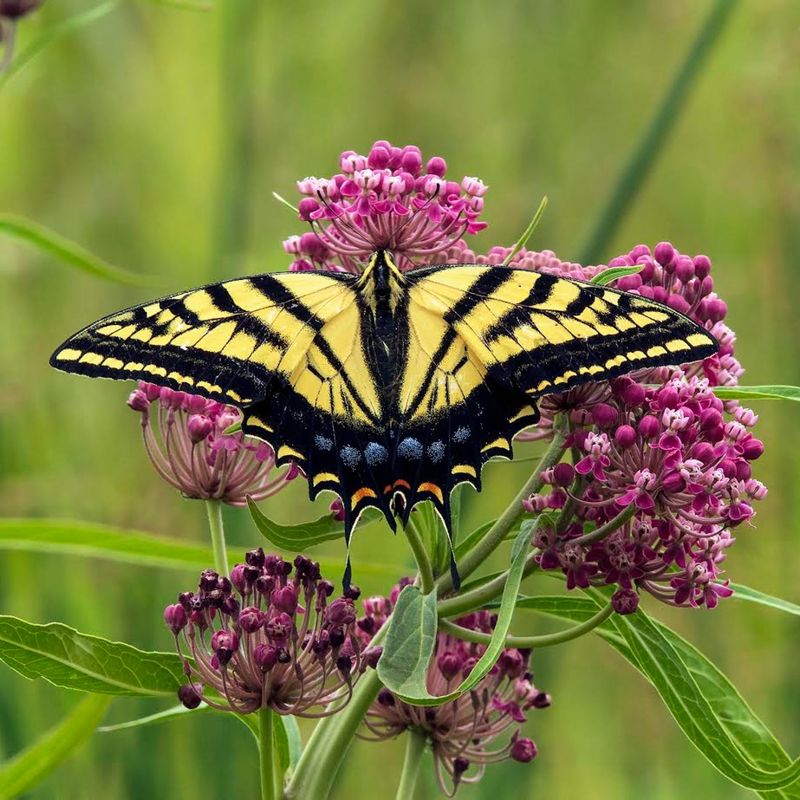
Most people think of milkweed only in connection with monarch butterflies, but Swamp Milkweed has a much wider fan club than that. Eastern tiger swallowtails, fritillaries, skippers, and many other butterflies regularly visit its blooms for nectar.
If your goal is a yard full of butterfly activity, Swamp Milkweed belongs near the top of your planting list.
The flowers are a soft, warm pink and appear in midsummer in rounded clusters at the top of upright stems. Up close, each tiny flower has an intricate, almost jewel-like structure.
The overall effect is delicate and beautiful, even though the plant itself is surprisingly tough once settled into the right spot.
True to its name, Swamp Milkweed loves moisture. It excels in sunny rain gardens, damp borders, stream edges, and low areas that hold water after heavy rain.
In Pennsylvania, these wet, sunny spots are common in many yards, making Swamp Milkweed a practical and rewarding choice for difficult areas.
It grows three to four feet tall and forms upright clumps that fill in nicely over time. The seed pods that follow the flowers are also attractive and split open in fall to release seeds with silky white fluff.
Leaving the pods on the plant through winter adds visual interest and provides natural seeding opportunities.
Swamp Milkweed is widely available at native plant nurseries across Pennsylvania. Planting even a small grouping of three or five plants will produce enough blooms to draw butterflies consistently throughout summer.
Add it beside Buttonbush or Joe-Pye Weed for a wet-garden combination that truly hums with life all season long.