Georgia Warm Season Lawns Need This Mowing Adjustment Before Dormancy
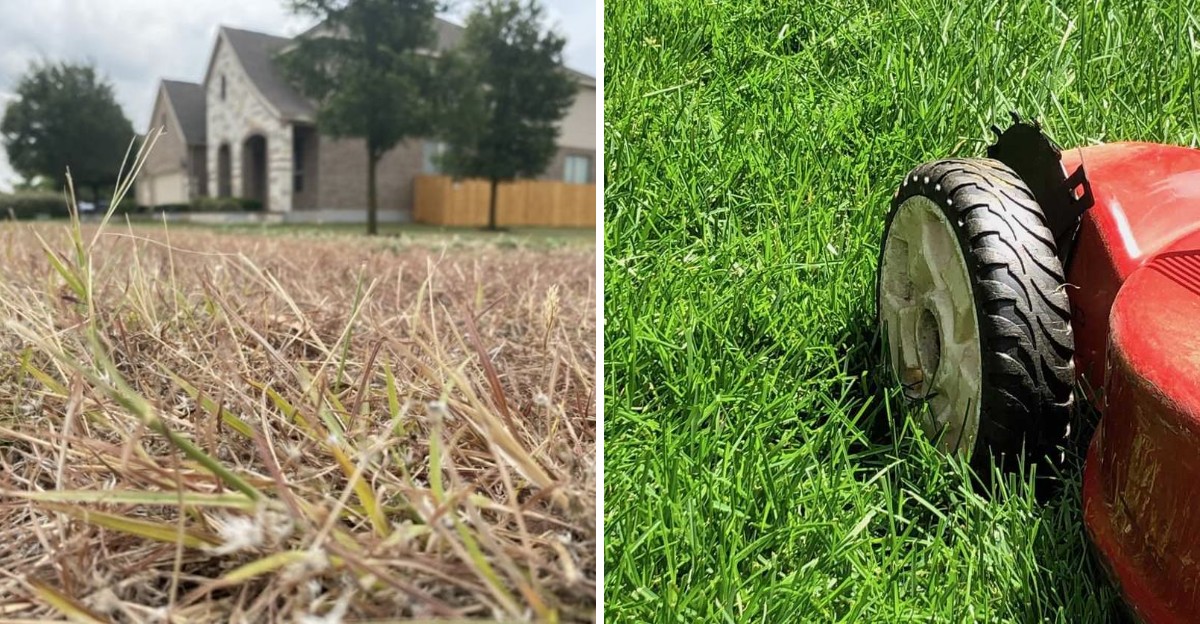
Your mower settings should not stay frozen in place while a warm season lawn prepares for its winter slowdown. Grass needs change as active growth begins to fade.
That seasonal shift makes the final stretch of mowing more important than simply keeping the yard neat.
Cutting the same way you did during peak summer can work against what the turf needs now. In Georgia, different warm season grasses also respond best to slightly different mowing routines.
So let the grass type guide your adjustment instead of copying one rule for every lawn.
Watch how quickly growth slows, then match your mowing habits to that change. Proper height can help the turf enter dormancy in better condition.
Make this adjustment before growth stops, and your lawn will be better prepared for the colder months ahead.
1. Fall Changes How Your Lawn Should Be Mowed
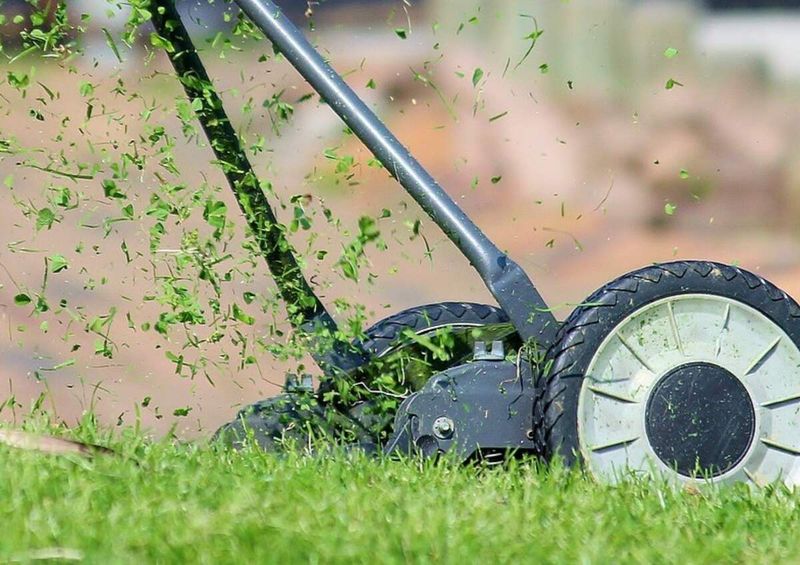
Mowing on summer settings in October is one of the easiest mistakes to make. Grass growth is winding down, and the mower needs to reflect that.
Warm season grasses build energy while soil stays warm. Once nights cool off in Georgia, that process slows and recovery from cutting takes longer.
Cut the same way you did in June and the lawn has less time to bounce back.
What changes is not just height but frequency and expectation. Growth may look uneven, with sunny spots still pushing while shaded areas sit still.
Mow based on what the grass is doing, not what the calendar says.
Leaf drop adds another wrinkle. A thin layer of chopped leaves can be mulched into the lawn, but heavy piles should come off before they mat down.
Soil moisture also shifts in fall, and wet turf tears instead of cutting cleanly. Waiting until midmorning, once dew burns off, usually gives a better result.
Timing matters more than speed here.
Think of fall mowing as maintenance rather than shaping. You are keeping the lawn tidy and even while it prepares to shut down for winter.
Results will vary with your grass type, shade, and rainfall, so treat every yard as its own case.
2. Slightly Taller Grass Can Handle The Transition Better
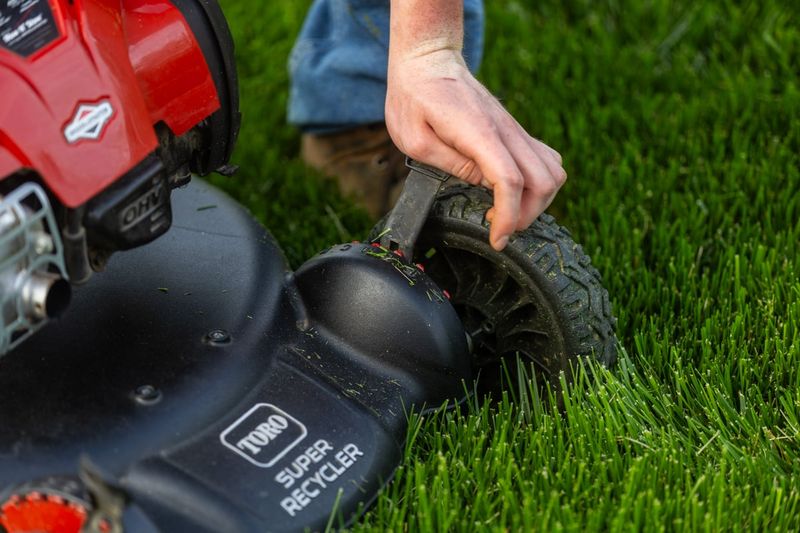
Extra height buys the lawn a small cushion before winter. Nothing dramatic, just a notch or two up from your summer setting.
Longer blades hold more leaf surface, which helps the plant keep making food while temperatures still allow it. That stored energy sits in roots and stems through dormancy.
A taller canopy also shades the soil and slows winter weed seeds from getting started.
There is a limit, though. Pushing bermuda or zoysia too tall creates a floppy, thatchy layer that can hold moisture and invite disease.
Raising the deck by about half an inch is usually plenty for a lawn in Georgia.
Shady areas benefit most from the extra height since those spots already struggle for light. Sunny stretches can stay closer to their normal range.
Watch how the lawn looks after each cut. If it seems stringy or leans over, you have gone up too far.
Your Georgia Garden Changes Every Week. Your Plan Should Too.
Gardening in Georgia changes quickly throughout the season. Every Friday you’ll receive a simple weekly plan showing exactly what to plant, prune, fertilize, harvest, and protect so you never miss the right timing.
Keep in mind that the ideal height depends on your mower, soil, and how thick the turf already is.
Raising height works best when done gradually over two or three mowings rather than all at once. The grass adjusts without a sudden shock.
Small changes tend to hold up better than big ones this time of year.
3. Each Warm Season Grass Has Its Own Best Height
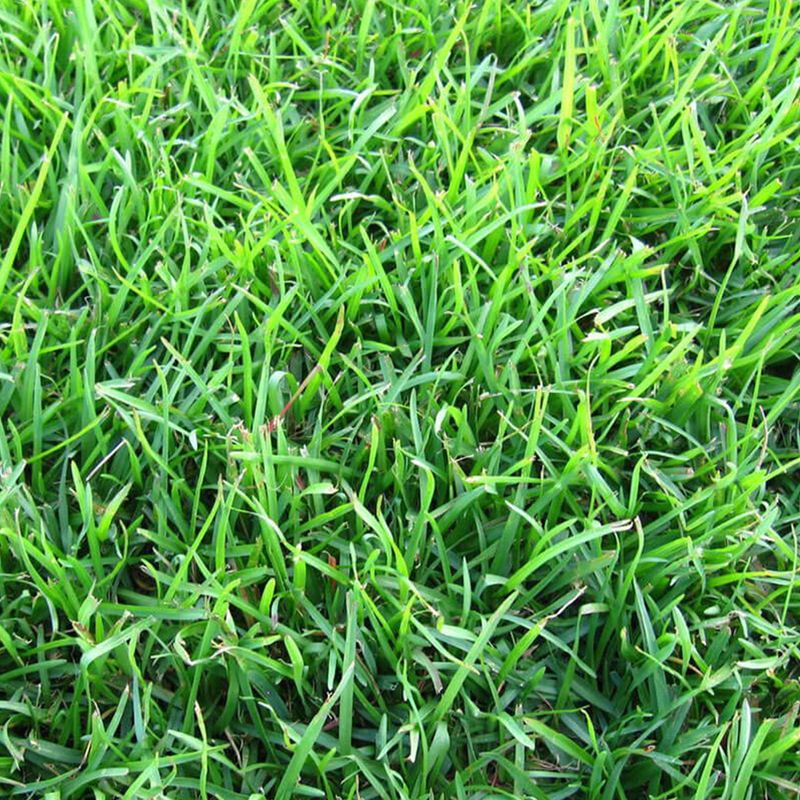
No single mowing height fits every lawn on the block. Bermuda, zoysia, centipede, and St. Augustine each have their own comfort range.
Common bermuda usually does well between one and two inches, while hybrid types prefer the lower end. Zoysia tends to sit around one to two and a half inches depending on the variety.
Centipede handles roughly one and a half to two inches without much fuss.
St. Augustine likes more height than the rest, often two and a half to four inches. Cutting it short thins the runners and opens the door for weeds.
Knowing which grass you have makes every other decision easier.
Not sure? Look at the blade shape and how the grass spreads.
St. Augustine has wide, coarse blades, while bermuda is fine and dense.
Homeowners across Georgia often inherit mixed lawns from previous owners, which complicates things. In that case, set the height for the dominant grass and accept some unevenness.
Soil type and shade can shift these ranges slightly, so treat published numbers as starting points.
Once you settle on a fall height, keep it consistent through the remaining mows. Constant changes stress the turf more than the height itself.
Consistency is what the grass responds to best.
4. Cutting Too Much At Once Can Stress The Lawn
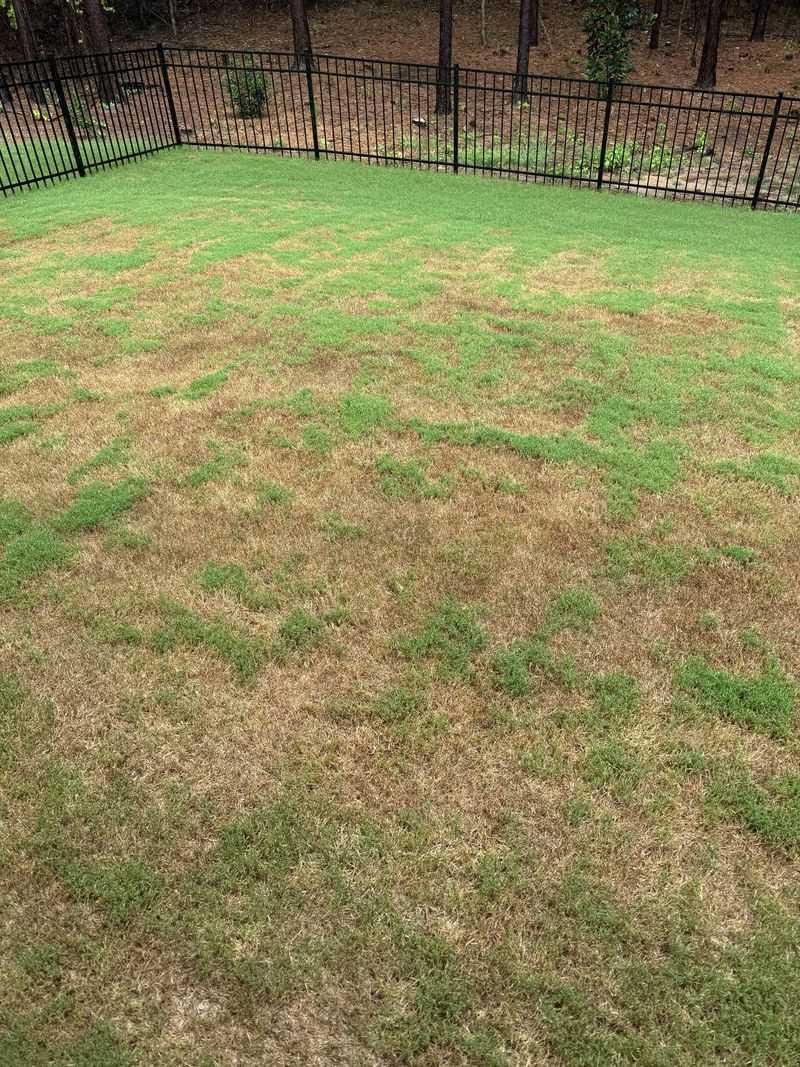
Scalping a lawn in fall leaves marks that linger into spring. Removing too much leaf tissue at once takes away the plant’s ability to feed itself.
The old one third guideline still holds up. Cut no more than a third of the blade height in a single pass.
Skipping two weeks and then mowing low is exactly how brown patches show up.
Recovery slows as temperatures drop, which is the real problem. In summer, grass fills back in within days, but that speed disappears by late October.
Damage done now often stays visible until warm weather returns.
If growth got away from you, mow in stages. Take a little off, wait three or four days, then take a little more.
Bag or mulch the clippings when you remove a heavy amount so they do not smother what is left.
Uneven ground makes scalping more likely, especially on high spots and slopes. Slow down over those areas and consider a slightly higher setting.
Lawns in north Georgia may face earlier cold snaps, which shortens the recovery window even further.
Patience beats a single aggressive cut every time this late in the season. Gradual trimming keeps the turf density you worked for all summer.
5. Slower Growth Means Mowing Will Happen Less Often
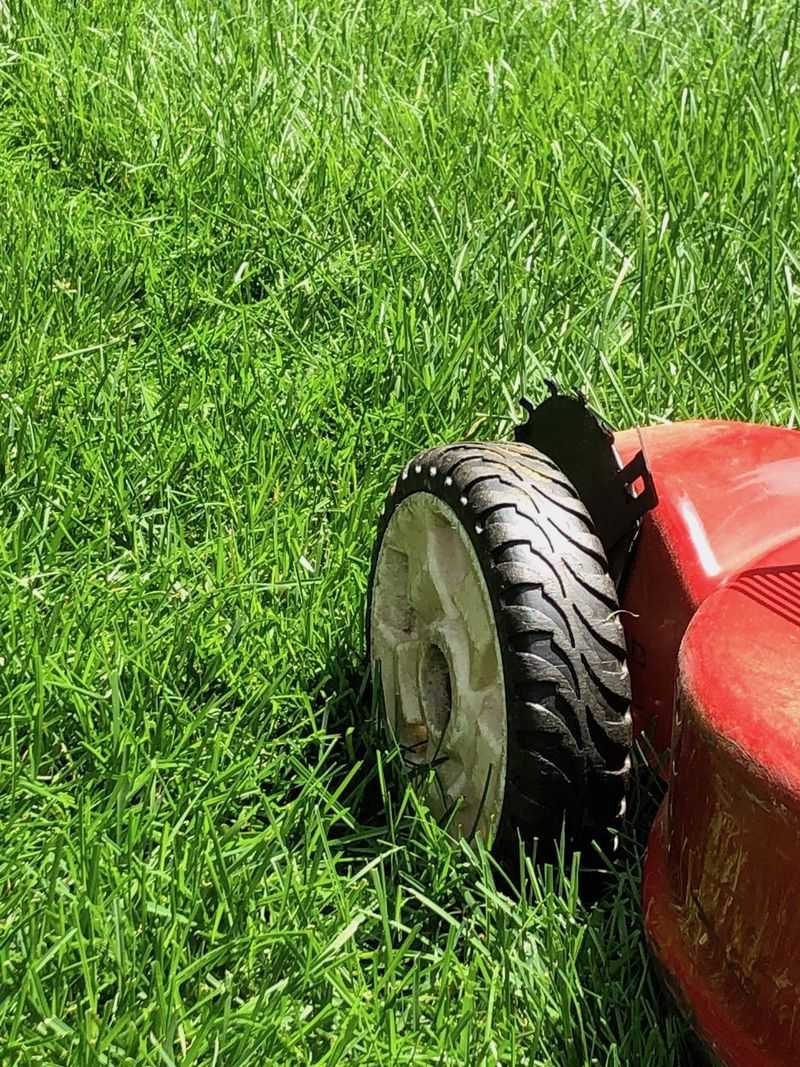
Weekly mowing stops making sense once the grass barely moves. Growth slows as soil temperatures fall, and the mower can sit longer between uses.
Many lawns shift from weekly cuts to every ten days, then every two weeks. Some stretch even further during cool, dry spells.
Let the grass height decide, not your usual Saturday routine.
A simple check works well. If the lawn has grown enough that a normal cut removes about a third of the blade, it is time to mow.
If it has not, wait a few more days and check again.
Rain changes the pace quickly. A warm, wet week in the Georgia Piedmont can wake bermuda back up for another round of growth.
Dry autumns do the opposite and can nearly stop growth for weeks.
Mowing an already slow lawn just to keep a schedule adds stress without any benefit. There is nothing to gain from cutting grass that has not grown.
Use the extra time for leaf cleanup, edging, or servicing equipment before storage.
Growth patterns differ across the state depending on elevation and local weather, so your neighbor’s schedule may not match yours. Watching your own turf is more reliable than following anyone else’s timing.
6. Sharp Blades Leave The Grass In Better Shape
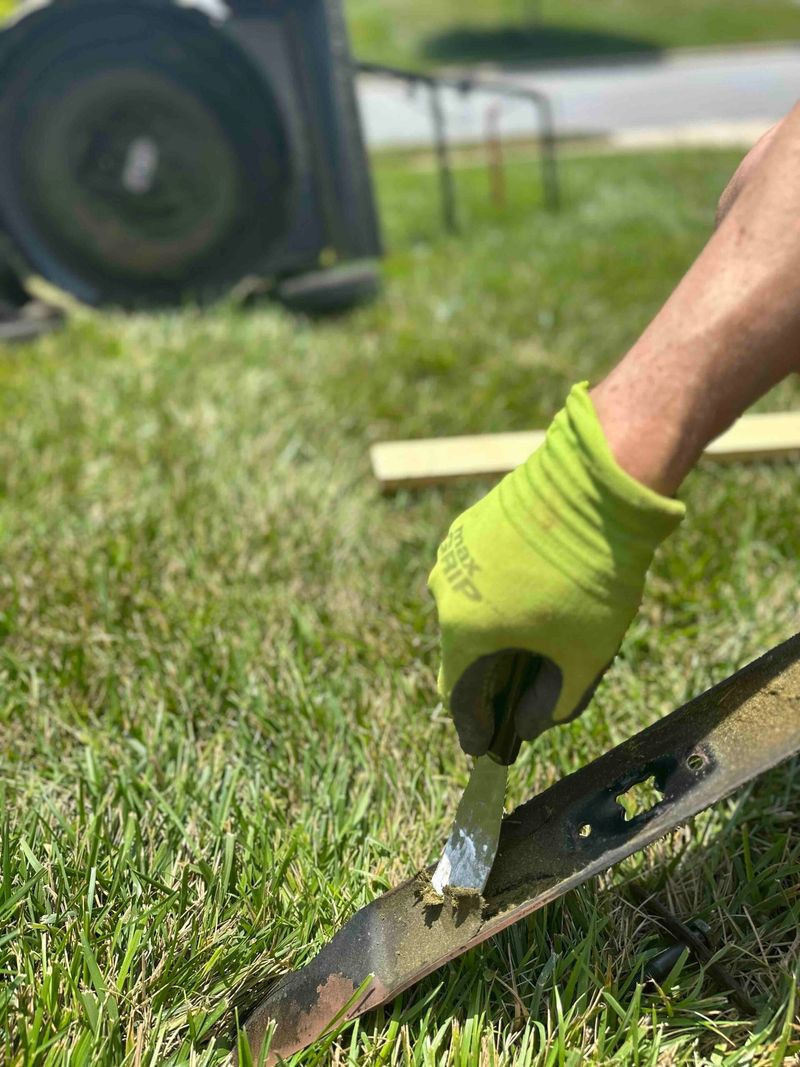
Dull blades tear grass instead of slicing it. Those ragged tips turn tan within a day and give the whole lawn a washed out look.
Frayed edges also lose moisture faster and create more openings for fungal problems. Cool, damp fall weather makes that risk higher.
Clean cuts heal faster, which matters when the grass is already slowing down.
Most homeowners sharpen once a season, which is not quite enough. Twice a year works better, and a quick touch up before the last few fall mows pays off.
Sandy soils in parts of Georgia dull blades more quickly than clay.
Check the blade by looking at the grass tips after a cut. Brown, shredded ends mean it is time for a file or a replacement.
Balance matters too, since an uneven blade causes vibration and a rough finish.
Always disconnect the spark plug wire before working under the deck. Basic safety step, easy to skip, worth doing.
Wet grass compounds the problem because damp blades bend away from a dull edge. Mowing after the dew dries gives the cleanest results.
A sharp blade will not fix a struggling lawn on its own, but it removes one avoidable source of stress before dormancy sets in.
7. Keep The Mower Going Until Growth Finally Stops
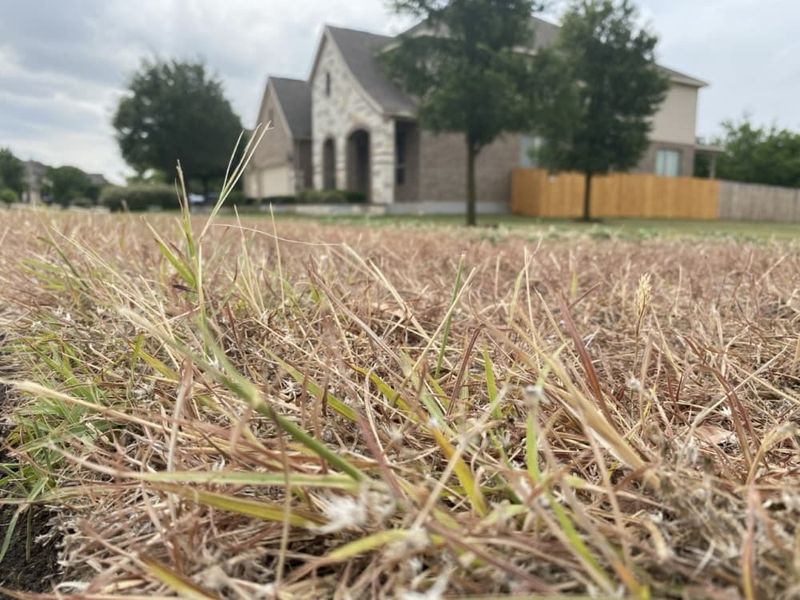
Putting the mower away too early leaves the lawn shaggy all winter. Grass keeps growing until cold weather truly shuts it down.
Warm season turf usually goes fully dormant after several nights near or below freezing. Until then, occasional mowing keeps the surface even.
An uneven canopy going into winter tends to mat down and look rough come March.
Late fall mows should be light. You are trimming the tips, not making a major cut.
Bagging clippings at this point helps, since leftover material breaks down slowly in cool weather.
Warm spells complicate things. A stretch of mild days in south Georgia can restart growth well into November or even December.
Watch the color and height rather than assuming the season is over.
Once the lawn turns tan and stays that way, mowing can stop. Rolling equipment over frozen or frosted turf can bruise the crowns, so hold off on frosty mornings.
Use that final mow as a signal to clean the deck, drain fuel or add stabilizer, and store the mower dry.
Dormancy timing shifts every year with weather, so treat your last mow as a judgment call rather than a fixed date. The lawn will tell you when it is finished.