Desert Lavender For A Water-Wise Arizona Yard: What Actually Keeps Mosquitoes Away
If you’ve heard that planting one native shrub can turn your Arizona patio into a mosquito-free zone, the reality is a bit more complicated. Desert lavender is a genuinely useful, aromatic plant for low-desert yards in Phoenix and Tucson, but no field research shows that growing it sends mosquitoes packing.
The real mosquito strategy comes down to water, not which plant you put in the ground. Getting both pieces right gives you a better-looking yard and a more comfortable patio.
Desert lavender belongs in the yard—but it is not a mosquito barrier
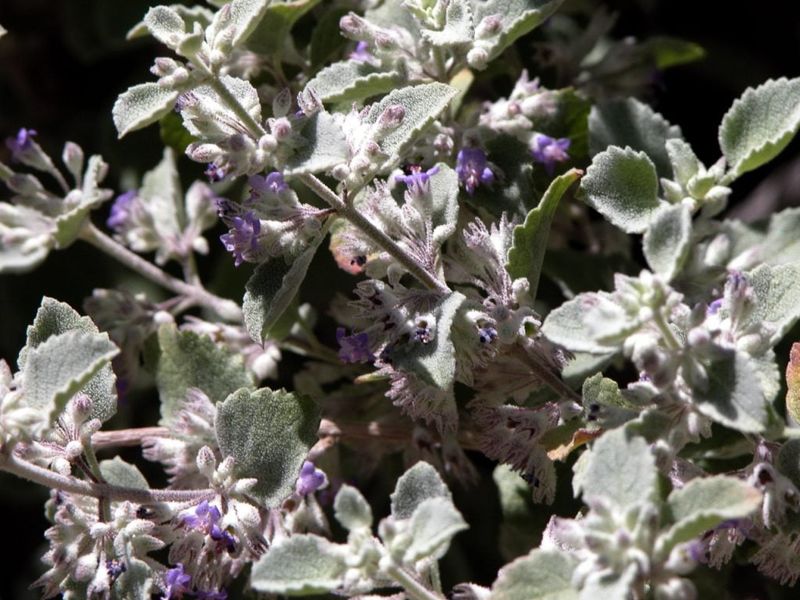
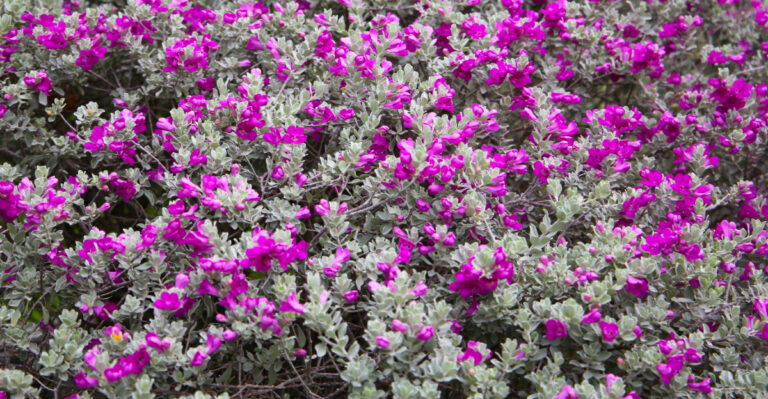
Desert lavender, known botanically as Hyptis emoryi and also treated taxonomically as Condea emoryi, is a genuine Arizona native. The University of Arizona Campus Arboretum describes it as heat- and drought-resistant, low-maintenance, and well-suited to full sun and well-drained soil.
It grows naturally in dry washes and rocky slopes across western Arizona and the broader Southwest, producing aromatic gray-green foliage and small purple flowers that attract native pollinators.
Where the story gets complicated is the mosquito claim. No field trial in the reviewed evidence shows that a living desert lavender plant reduces mosquito landings, bites, or yard-wide mosquito numbers.
The plant’s aromatic oils exist inside the leaf tissue; they do not continuously disperse at concentrations that would push mosquitoes off a patio the way a pesticide treatment might. Planting it near your seating area adds fragrance, texture, and regional character, but those are landscape benefits, not pest-control outcomes.
Desert lavender earns serious consideration for a low-desert patio on its own merits. Mosquito management, though, requires a separate set of actions focused on where mosquitoes actually breed and rest.
Both the plant and the mosquito strategy deserve a fair look, but they need to be evaluated on their own terms rather than bundled into a single promise.
The “Mosquito Plant” name proves less than readers think
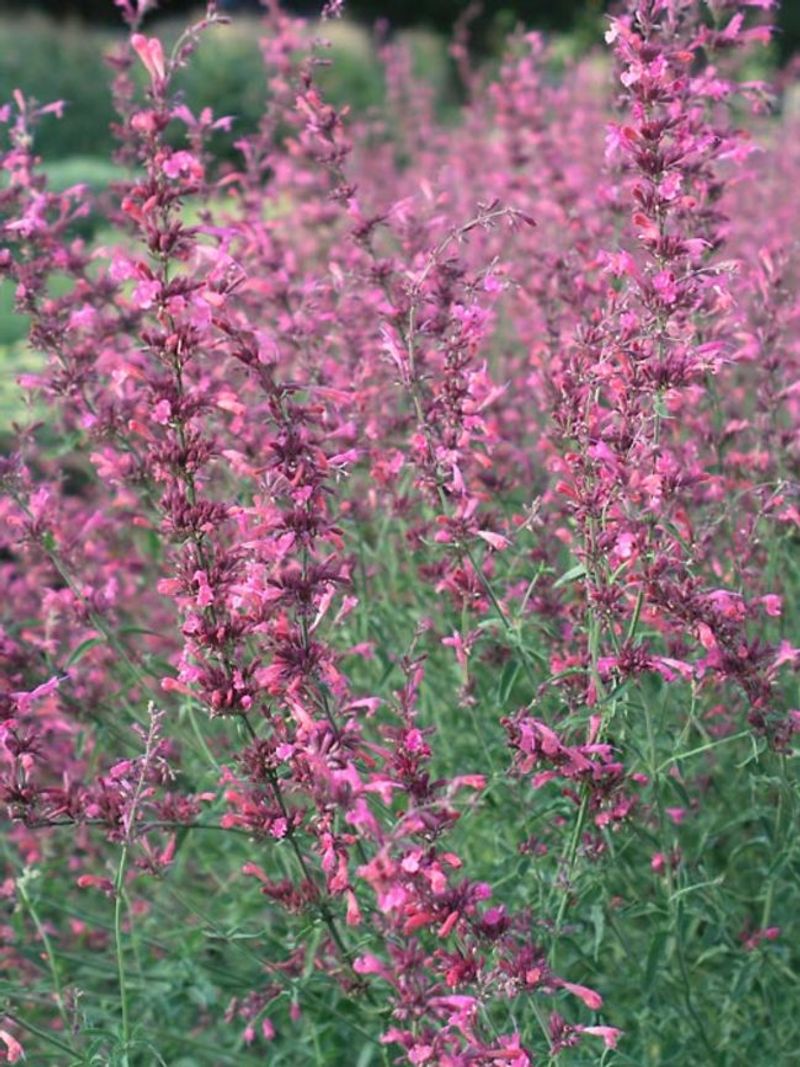
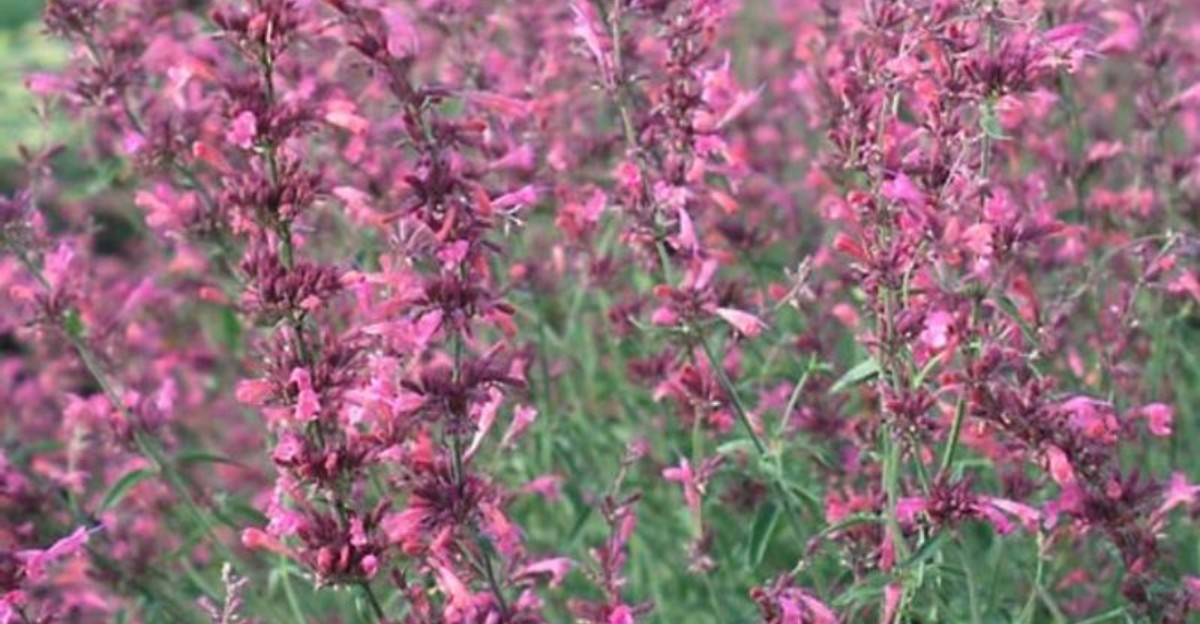
Agastache cana is the plant that University of Arizona horticultural material calls “Mosquito Plant” or “Wild Hyssop.” It is a different species entirely from desert lavender. That document notes an aromatic odor and mentions a traditional practice of crushing the foliage and applying it to skin, but it does not present evidence that simply growing the plant in your yard reduces mosquito numbers or bites outdoors.
A catchy common name does not equal a proven pest-control record.
The gap between a plant’s aromatic chemistry and a real-world repellent barrier is significant. Reviews of plant-based repellents, including peer-reviewed research on botanical repellent compounds, focus mainly on essential oils, concentrated extracts, or tightly controlled laboratory conditions.
Results from those settings do not transfer automatically to an intact shrub growing in an outdoor Arizona patio, where wind, heat, and distance all reduce any chemical effect dramatically.
One practical caution worth stating directly: rubbing crushed plant foliage on your skin is not a substitute for an EPA-registered repellent, regardless of which species is involved. Plant oils and leaf residues can irritate skin or trigger allergic reactions, and their effectiveness against mosquitoes has not been evaluated the way registered repellents have.
Your Arizona Garden Changes Every Week. Your Plan Should Too.
Gardening in Arizona changes quickly throughout the season. Every Friday you’ll receive a simple weekly plan showing exactly what to plant, prune, fertilize, harvest, and protect so you never miss the right timing.
If you see a nursery tag calling any plant a “mosquito repeller,” treat that as a marketing description, not a performance guarantee.
Standing water drives the backyard problem
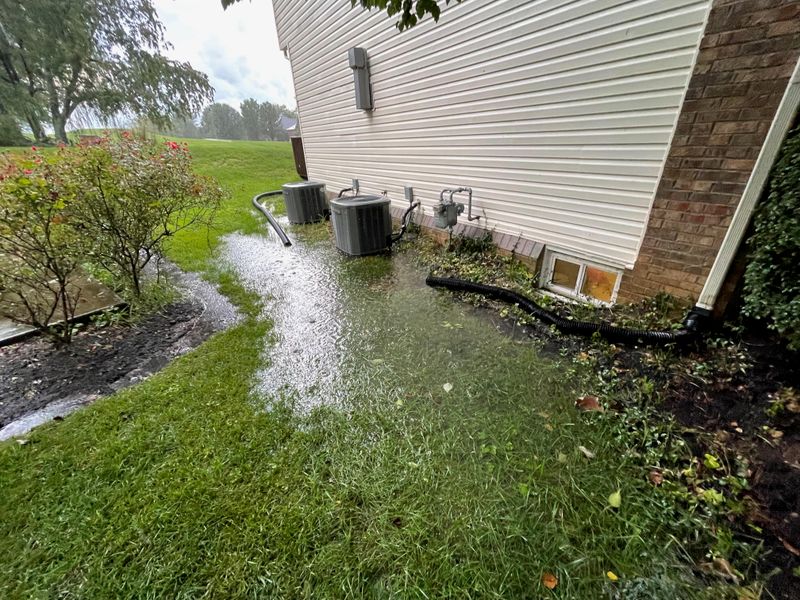
Mosquitoes cannot complete their life cycle without water. In Arizona yards, monsoon rain and routine irrigation create far more breeding opportunity than most homeowners realize.
A bottle cap, a clogged drain, a tipped-over lid, or a low spot in the lawn that holds water for a few days can produce a new generation of mosquitoes before the week is out.
Common patio-area culprits include plant saucers, buckets, children’s toys, tires, folded tarps, tree cavities, neglected pool sections, and any area where irrigation water pools rather than drains. Arizona mosquito activity typically peaks between June and October, which lines up directly with monsoon conditions and the resulting increase in water accumulation around yards and patios.
Eliminating those breeding sites is the first and most consequential step in reducing mosquito pressure. No cited field evidence shows that planting desert lavender provides a comparable reduction in mosquito activity.
The two approaches are not interchangeable: one addresses where mosquitoes actually reproduce, and the other improves the look and ecological value of your landscape. Both can coexist in the same yard, but only one of them is doing the heavy lifting on mosquitoes.
Use a weekly audit to remove mosquito habitat
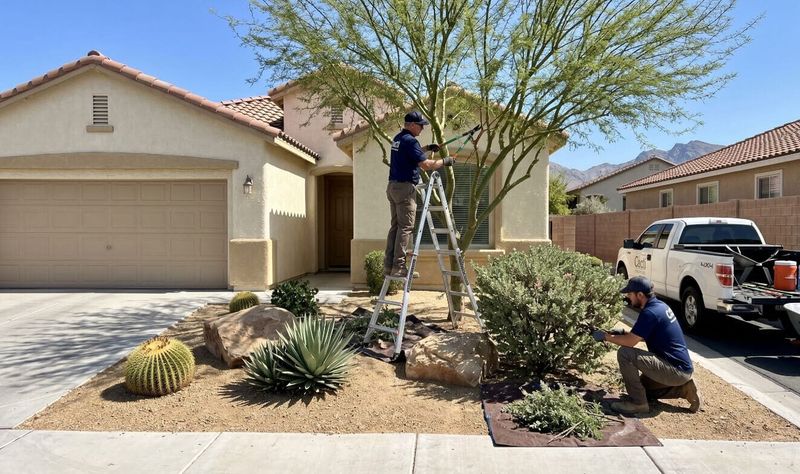
Making source reduction a weekly habit is more effective than any single fix. Maricopa County guidance recommends not allowing outdoor water to stand for more than four days, and CDC guidance advises emptying and scrubbing water-holding items at least once a week.
Both thresholds matter because mosquito eggs can hatch and larvae can develop into adults within about a week under warm Arizona conditions.
Work through the yard item by item. Turn over or discard tires, wheelbarrows, toys, and any container you do not actively use.
Keep appropriate containers covered with tight-fitting lids. Decorative fountains should stay running, since moving water does not support mosquito development; if you need to shut one off, drain it completely rather than leaving it stagnant.
Refresh birdbath water and pet-water dishes at least twice a week, and scrub the basin when you refill it to remove any egg rafts clinging to the sides.
Pool covers deserve specific attention because they collect rainwater on top and can become productive breeding sites even when the pool itself is properly maintained. Check gutters after every monsoon storm, since leaf debris traps water and keeps it standing longer than an open surface would.
Air-conditioner condensate drain hoses, leaky outdoor faucets, and irrigation heads that spray onto pavement or into depressions all warrant a look too. Fixing the underlying leak or drainage problem is a better outcome than repeatedly emptying the puddle it creates.
Plant desert lavender for the site, not for pest control
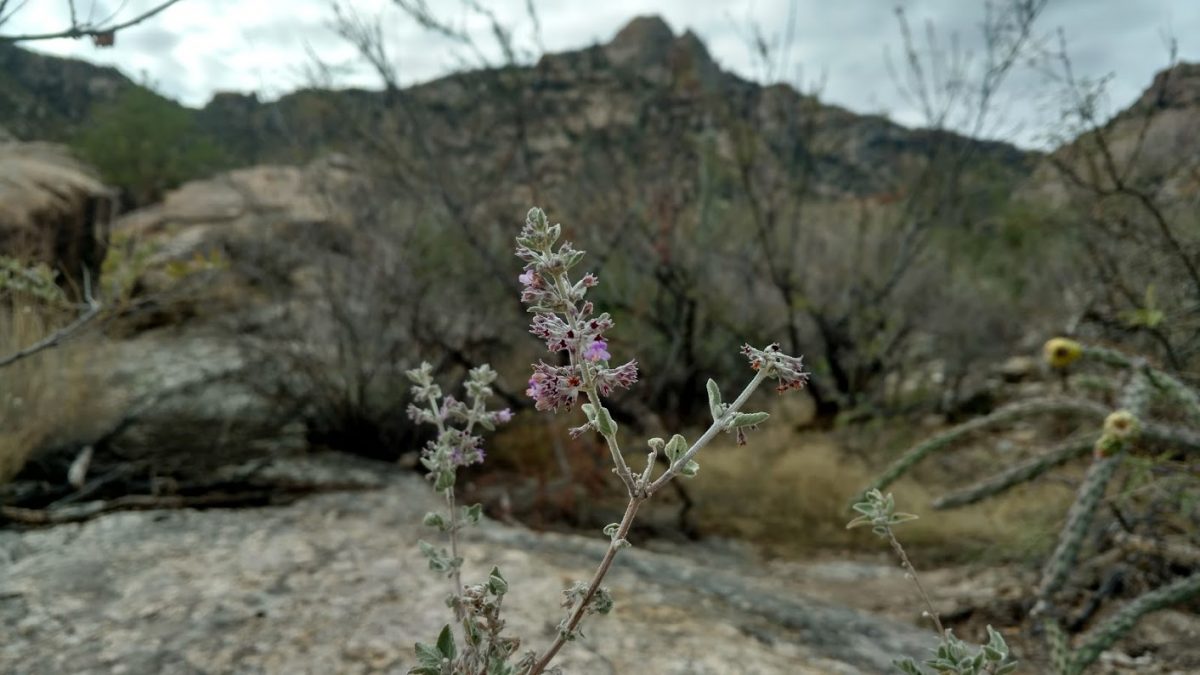
Choosing the right spot matters more than any amendment you might add. Desert lavender performs best in full sun with well-drained, unimproved soil, the kind of rocky or gravelly ground that would frustrate most other shrubs.
The UA Campus Arboretum profile confirms its heat and drought resistance, but those traits develop over time; the plant is not ready to survive on rainfall alone the day it goes in the ground.
Fall planting gives desert lavender the best start in the low desert. University of Arizona Pima County guidance specifically recommends planting trees and shrubs early in October, giving roots several months to establish before the following summer’s heat arrives.
When you dig the hole, make it wide and shallow rather than deep and narrow, and use the native soil as backfill without mixing in organic amendments. A layer of surface mulch over the root zone helps retain moisture and moderate soil temperature during establishment.
Irrigation during the first weeks should be frequent, then gradually stretched out as the plant roots into the surrounding soil. Those are starting points, not fixed rules.
One caution worth keeping in mind: overwatering desert lavender or allowing dense, wet growth to develop right beside seating areas can create the kind of moist, shaded microhabitat that Maricopa County associates with mosquito resting sites.
Define “no spraying” realistically
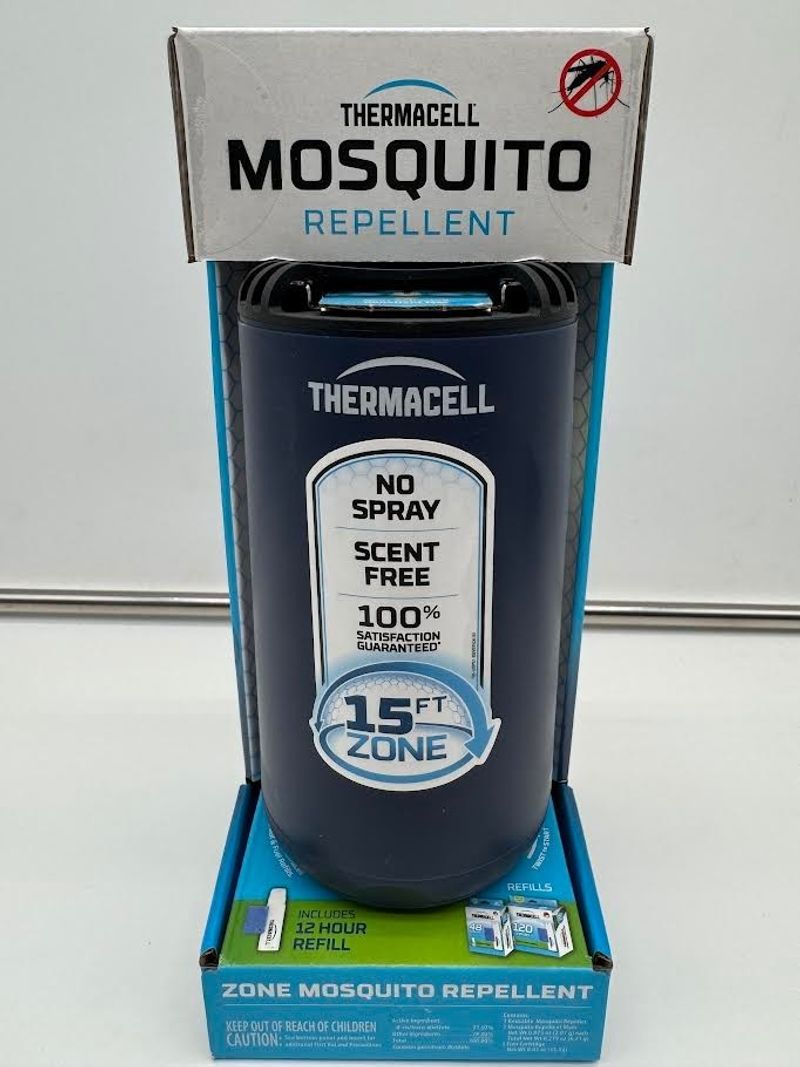
Removing standing water, correcting irrigation problems, and keeping vegetation from becoming a dense, overwatered mass beside your seating area can meaningfully reduce mosquito pressure without routine broad outdoor spraying. That is a realistic goal for most Phoenix and Tucson homeowners who stay on top of their yard.
The qualifier “routine broad outdoor spraying” is important, though, because some situations still call for targeted tools.
Bti larvicides are a good example. Bti (Bacillus thuringiensis israelensis) is a naturally occurring bacterium that targets mosquito larvae in standing water before they become adults.
When standing water cannot be drained or removed, applying a Bti product according to its label directions is a precise, low-impact option. It does not eliminate mosquitoes from the entire yard, and it does not convert desert lavender into a repellent barrier, but it addresses the larval stage where intervention is most effective.
When mosquito numbers are high, disease risk is a local concern, or source reduction has not brought activity to a manageable level, professional mosquito control is a reasonable next step rather than a last resort.
Let the plant improve the landscape while the checklist handles mosquitoes
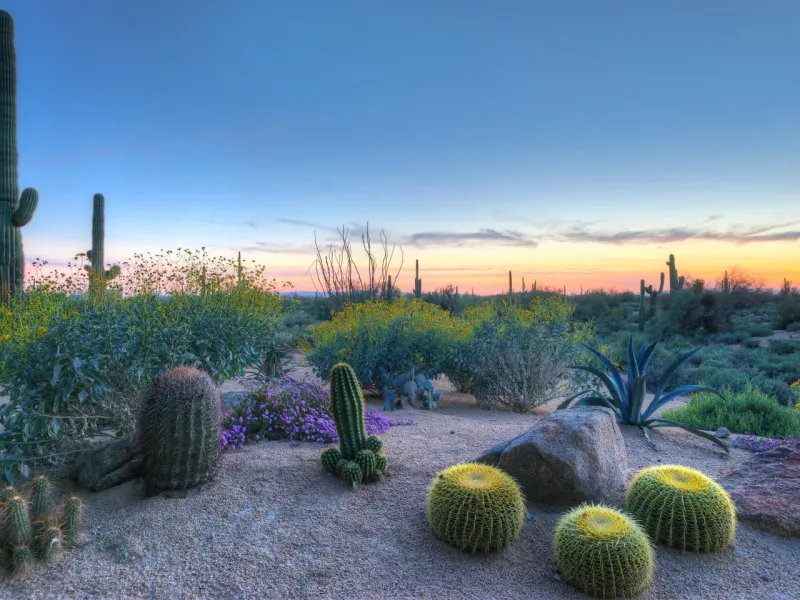
Desert lavender earns a place near a low-desert patio because it is regionally appropriate, aromatic, and genuinely tough in the heat and drought conditions that define Phoenix and Tucson summers. Those are real, practical reasons to grow it.
What research has not shown is that the plant repels mosquitoes when it sits in the ground, so that promise should not be the reason you plant it.
The correct order of operations is straightforward. Choose desert lavender for the site, establish it with proper planting technique and graduated irrigation, and then keep the surrounding yard dry.
Inspect for standing water every week, avoid over-irrigated dense growth next to seating, and reach for an EPA-registered repellent or a Bti product when conditions call for it.
No yard in Arizona is ever fully mosquito-proof. Mosquitoes can arrive from neighboring properties and can breed in tiny water sources you do not control.
A well-chosen native plant and a consistent maintenance checklist together make your outdoor space more comfortable and more water-wise, which is a worthwhile outcome even without any extravagant pest-control promises attached.