The Guava + Banana + Egg Rooting Trick Arizona Gardeners Swear By For A Whole New Fruit Tree
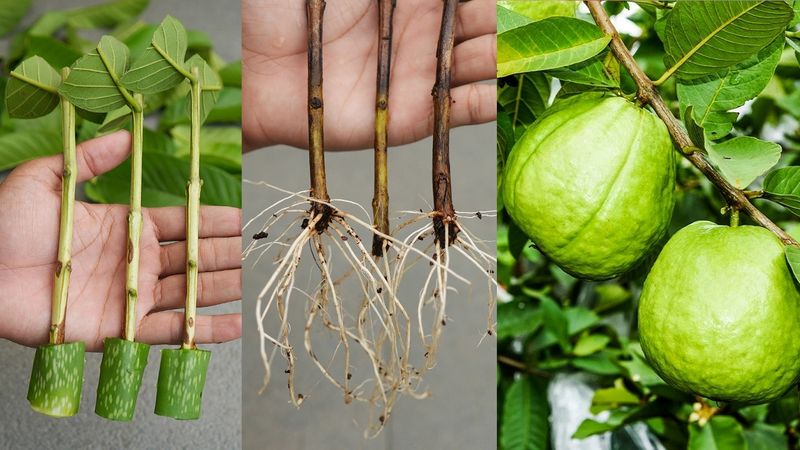
A video showing someone stuffing a guava cutting into a banana peel and egg mixture has been making the rounds online, with claims that it produces a rooted fruit tree in under three weeks. That claim is not backed by reliable horticultural evidence, and Arizona gardeners deserve a clearer picture before they try it.
What actually works for propagating guava in the low desert takes a bit longer and a bit more care, but the results are far more dependable.
The three-week promise confuses first roots with a fruit tree
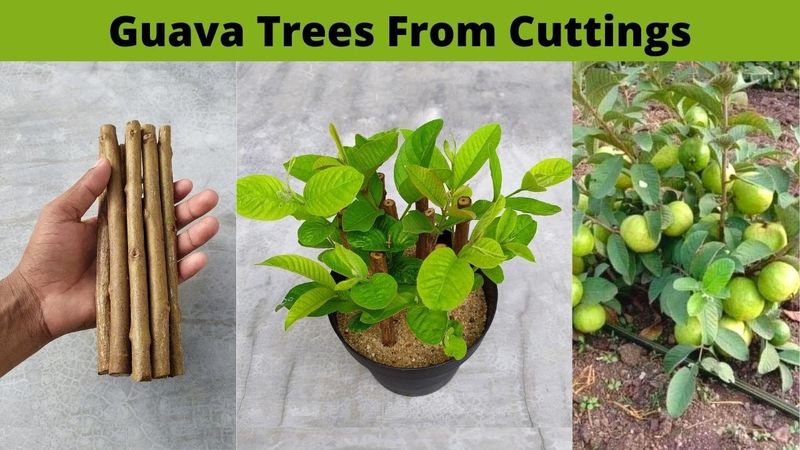
Somewhere between a gardening forum and a social media reel, the idea spread that mixing guava, banana, and egg around a cutting produces a rooted fruit tree in under three weeks. Framing that as something Arizona gardeners broadly swear by overstates the case considerably.
No reliable horticultural source reviewed for this article identifies that kitchen combination as a proven propagation method, and the three-week timeline muddles several very different milestones.
Root initiation, meaning the first cellular signals that roots are forming, is not the same as having a root system capable of keeping a plant alive after transplanting. Some controlled greenhouse and polyhouse experiments do report early root activity in guava cuttings around 17 to 21 days, but those results come from managed environments with mist systems, controlled humidity, and monitored media temperatures.
They do not prove that a cutting stuck in backyard Arizona soil with food scraps will root on the same schedule, or at all.
University extension guidance is more conservative. University of Hawai’i guidance states that guava cuttings generally need about 6 to 8 weeks in a mist chamber before they are adequately rooted for transplanting.
After that comes container growth, hardening, and eventually establishment in the ground. A cutting that has just begun forming roots is nowhere near a fruiting tree, which typically takes about three to four years after planting to produce fruit reliably.
Choose a healthy guava cutting before choosing any additive
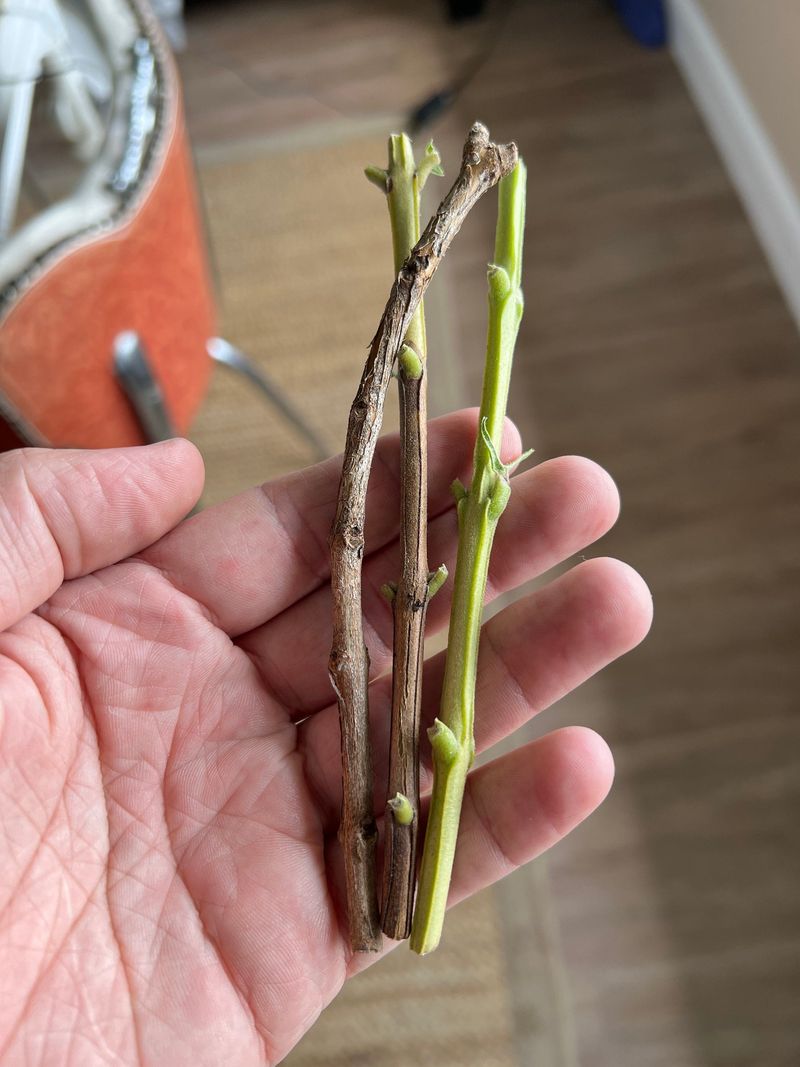
Before any additive enters the picture, the quality of the cutting itself does most of the work. A cutting taken from stressed, diseased, or heavily woody old growth starts at a disadvantage that no rooting recipe can fully overcome.
Start with a parent plant that looks healthy and has been watered adequately in the days before you take the cutting.
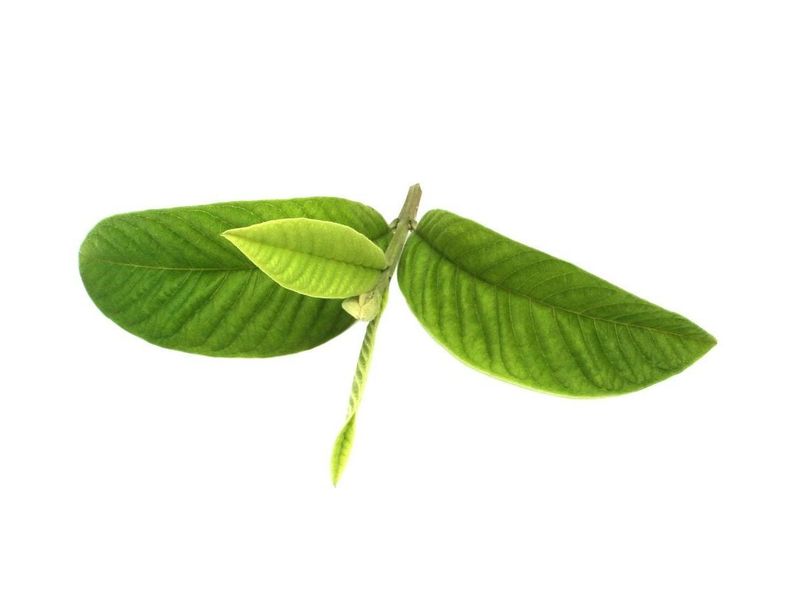
According to University of Florida guidance, guava cuttings should be about 6 to 8 inches long and come from recently matured terminal wood, sometimes called semi-hardwood or greenwood. That means wood that has firmed up from its soft juvenile stage but has not yet become old, thick, and bark-heavy.
Aim for two or three leaves on the cutting and remove all foliage from the portion that will be buried in the medium. Leaving leaves on the buried section invites rot and does not help rooting.
Retain a limited amount of foliage above the medium so the cutting can still photosynthesize at a low level, but avoid material that is actively flowering. Flowering wood directs energy toward reproduction rather than root development, and that competition works against you during propagation.
Your Arizona Garden Changes Every Week. Your Plan Should Too.
Gardening in Arizona changes quickly throughout the season. Every Friday you’ll receive a simple weekly plan showing exactly what to plant, prune, fertilize, harvest, and protect so you never miss the right timing.
Cutting in the morning when the plant is well-hydrated and working quickly to get the cutting into moist medium reduces water stress from the start. These choices manage water loss and give the cutting its best starting position, though they do not guarantee rooting on any particular schedule.
Give the cutting the humidity and medium that guava propagation requires
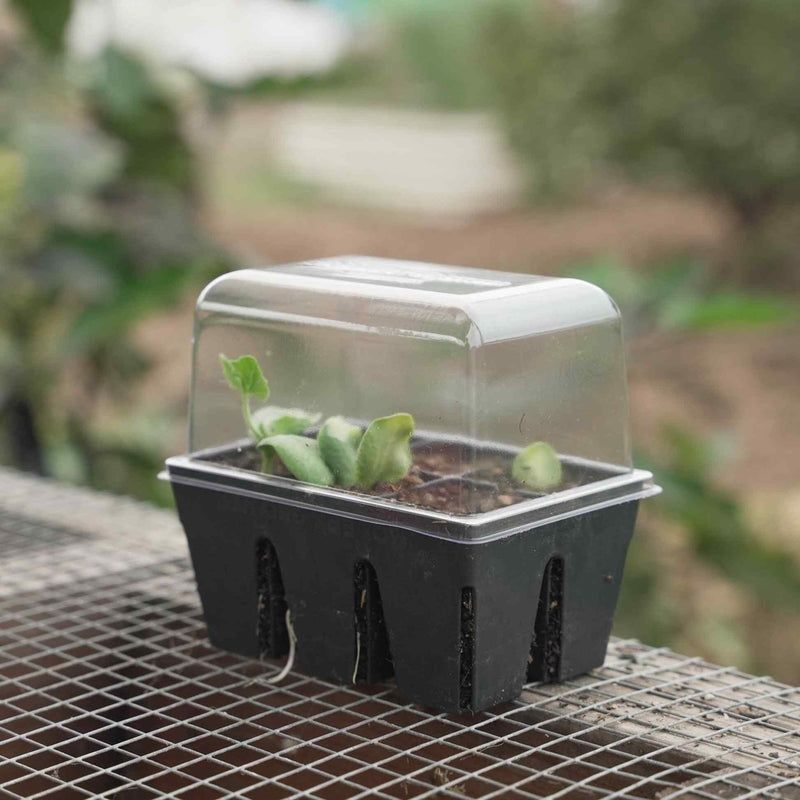
Once you have a good cutting, the rooting environment matters more than any additive. Guava cuttings lose water through their leaves before they have roots to replace it, so the goal of the first several weeks is to keep that water loss low enough that the cutting stays alive while root cells begin to develop.
High humidity or intermittent mist is the standard tool for accomplishing that.
The medium itself needs to be clean and porous. Perlite, vermiculite, coarse sand, cocopeat, or a commercial propagation mix all allow water to drain freely while holding just enough moisture around the base of the cutting.
Garden soil is a poor choice for unrooted cuttings because it can compact, retain too much water, and introduce soil pathogens. Compost has the same problem and adds the risk of fungal disease before any roots have formed to resist it.
University extension sources on plant propagation consistently recommend sterile, well-draining media for exactly this reason.
Keep the medium moist but not saturated. Constantly wet conditions cut off oxygen to the developing root zone and create conditions where rot organisms thrive.
A clear plastic bag or a humidity dome placed loosely over the cutting raises the humidity around the leaves without sealing off all air movement. Bright indirect or filtered light is safer than direct sun during rooting because full sun raises leaf temperature and drives faster water loss than an unrooted cutting can manage.
Bottom heat around 75 to 85 degrees Fahrenheit, from a seedling heat mat placed under the pot, helps encourage root cell development from the base up.
Use labeled IBA instead of a kitchen recipe
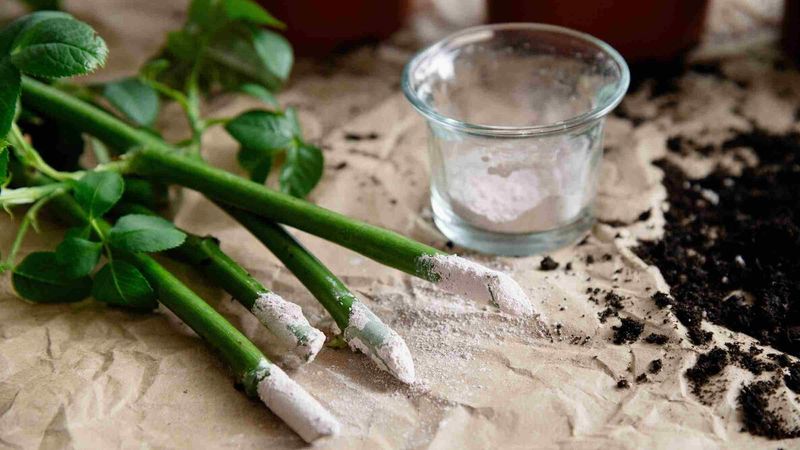
Indole-3-butyric acid, sold under various brand names as a rooting hormone powder, gel, or liquid, is the additive that horticultural research actually links to improved guava rooting. It works by mimicking a natural plant hormone that promotes root cell development at the base of a cutting.
University of Hawai’i and University of Florida guidance both point to IBA or a commercial rooting hormone as a standard part of the guava propagation process, not banana peel or raw egg.
Using more IBA than the label recommends does not speed things up. Excessive concentrations can slow root formation or damage the tissue at the base of the cutting entirely.
Follow the label directions, apply the hormone to the freshly cut base, and tap off any excess powder before inserting the cutting into the medium. That is the full extent of what the additive needs to do.
Banana and raw egg appear in viral propagation videos, but no reliable reviewed source identifies either one as a validated rooting treatment for guava. The appeal is understandable since both are cheap and available, but availability is not the same as effectiveness.
Spending time sourcing a small container of labeled IBA rooting hormone from a garden center is a more defensible investment than experimenting with kitchen scraps on a cutting you have already spent time preparing.
Protect an unrooted cutting from exposed desert conditions
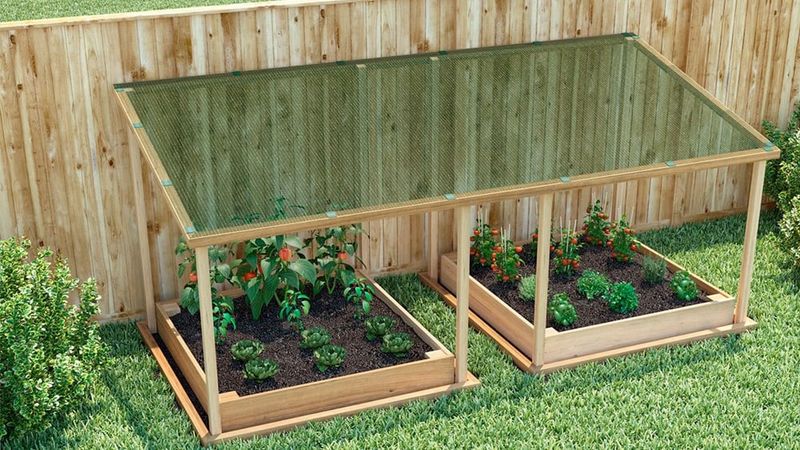
Low-desert Arizona presents a specific set of challenges that make outdoor propagation without protection genuinely risky for an unrooted cutting. Average summer air temperatures in the Phoenix area can reach around 107 degrees Fahrenheit, and dry winds accelerate water loss from leaves far faster than a cutting without roots can compensate.
Extreme heat, direct sun, and single-digit humidity levels can desiccate an unrooted cutting within hours.
A protected container setup addresses those conditions in ways that an open garden bed cannot. Placing the propagation pot in a spot that receives morning light and afternoon shade, or under a shade cloth, keeps leaf temperature lower and slows moisture loss.
A humidity dome or loose plastic tent around the cutting raises the humidity at the leaf surface without requiring a mist system. Arizona Cooperative Extension recommends protecting vulnerable potted plants from excessive heat and managing soil moisture carefully during extreme heat and drought conditions, and an unrooted cutting is as vulnerable as any plant gets.
Planting an unrooted cutting directly into garden soil also runs into a second Arizona problem: caliche. This hardened calcium carbonate layer sits at varying depths in many low-desert yards and restricts root growth, slows drainage, and can cause water to pool above it.
Even a fully rooted guava would struggle in unmodified caliche soil. For an unrooted cutting, the combination of heat exposure and poor drainage makes outdoor planting a poor starting point.
Keep the cutting in a controlled container environment until it has developed a real root system.
Read the rooting clock by plant development, not by a dare
Patience is genuinely difficult when a video has told you to expect results in three weeks, but checking on the cutting too often creates its own problems. Pulling a cutting out of the medium repeatedly to look for roots disturbs whatever root development has begun and exposes the fragile new tissue to air and light.
Resist the urge to check more than once every couple of weeks after the first month.
Callus tissue forming at the cut end, bud swelling, or a new leaf emerging are encouraging signs, but none of them confirm that a root system capable of supporting transplanting has developed. A cutting can show all three of those signs and still fail when moved to a new container because the roots are not yet numerous or long enough to sustain the plant through the disruption of transplanting.
University extension guidance gives approximately 6 to 8 weeks under suitable protected conditions as a more realistic expectation for adequate rooting, not as a guarantee that every cutting succeeds by that date. Judge readiness by gently tugging the cutting after six weeks.
If it resists being pulled from the medium with light pressure, roots have likely anchored it. Confirm by carefully checking the drainage holes or the edge of the root ball for visible white roots before moving the cutting to a larger container.
A three-week dare is not a useful propagation calendar.
Harden the new plant before moving it outdoors
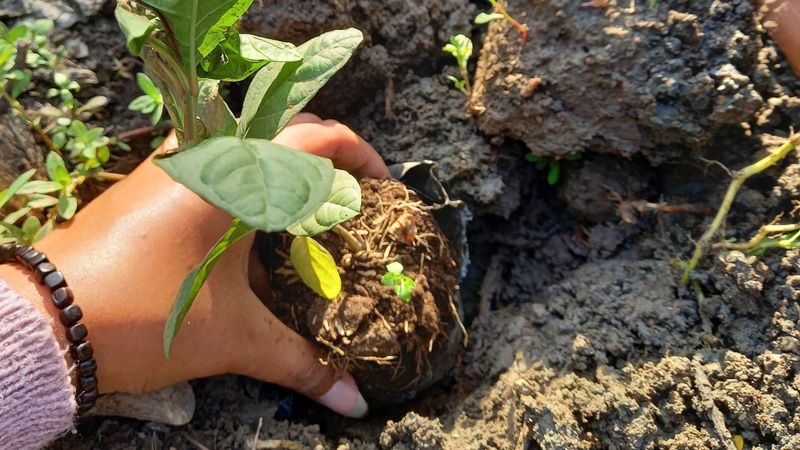
Moving a newly rooted cutting from a humid propagation setup directly into full Arizona sun is a reliable way to lose the plant after weeks of careful work. The transition needs to be gradual.
Start by placing the rooted cutting in a shaded outdoor spot for a few hours each day, then extend that exposure over one to two weeks while watching the leaves for signs of wilting or scorching.
Arizona Cooperative Extension guidance on extreme heat and plant responses emphasizes protecting plants from excessive heat, maintaining careful moisture management, and avoiding abrupt changes in exposure conditions. That applies directly to a newly rooted guava that has spent weeks in a controlled, humid environment.
The plant’s tissues have adjusted to those conditions, and abrupt full-sun exposure can overwhelm its ability to manage water even with a functioning root system.
Keep the plant in a container for several additional weeks after hardening before considering any in-ground planting. When you do evaluate a planting site, check drainage carefully.
Pour water into the proposed hole and time how long it takes to drain. If it sits for hours, suspect caliche below.
The University of Arizona recommends testing drainage and breaking through or removing restrictive caliche layers where practical before planting any tree. Planting timing in Phoenix and Tucson depends on the specific site, current weather, and the plant’s size and condition, so avoid committing to a calendar date before those factors are assessed.
Keep banana peel and raw egg out of the propagation pot
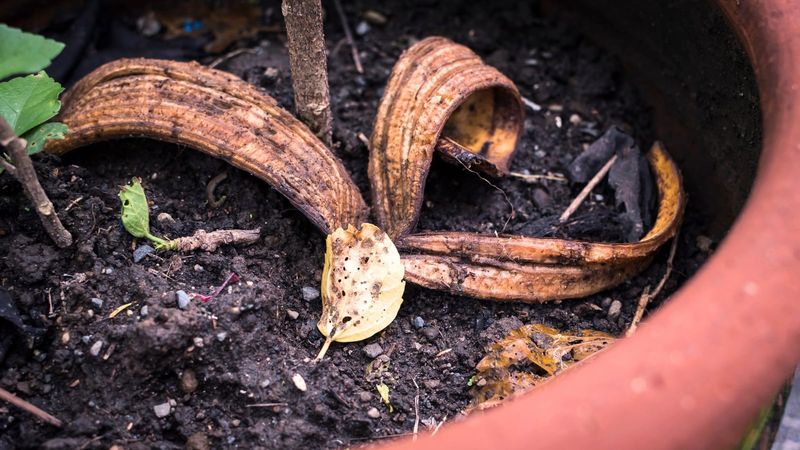
Addressing the kitchen ingredients directly is worth a moment. Banana peel contains potassium and other nutrients, but burying it near a cutting does not deliver those nutrients to the plant in any useful timeframe.
Extension horticulture sources note that buried peels decompose slowly, and during that slow decomposition process they can attract pests and encourage mold growth in a propagation container where you are trying to maintain clean, controlled conditions.
Raw egg presents a different concern. No reliable reviewed source identifies raw egg as a validated rooting treatment for guava or any other common fruit tree.
Beyond its lack of documented effectiveness, raw animal-derived material used around edible crops raises general sanitation considerations. Federal produce-safety guidance warns that untreated animal-origin amendments can carry pathogens.
That guidance does not establish a specific contamination pathway from a raw egg placed near a guava cutting, but the absence of any proven benefit makes the risk, however general, unnecessary to take.
Both ingredients are better used elsewhere. The EPA lists fruit and vegetable scraps as appropriate compost inputs for home composting systems, while recommending against adding meat, dairy, or other animal products to standard backyard compost piles.
A well-managed compost system eventually returns nutrients to the garden in a stable, lower-risk form. For the propagation pot, stick with sterile media, labeled IBA, and a humidity dome.
That combination has documented support; the kitchen recipe does not.
A rooted cutting still needs years before it becomes a fruiting tree
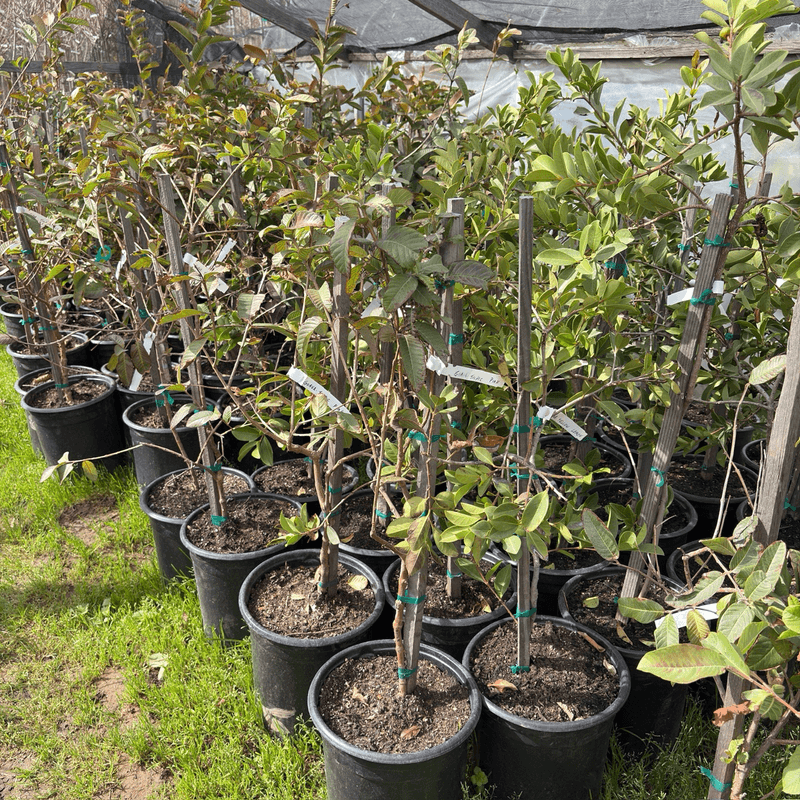
Getting a cutting to root is genuinely satisfying, but it marks the beginning of a long process rather than the end of one. Vegetative propagation does preserve the parent plant’s characteristics more reliably than growing from seed, which is a real advantage when you want to replicate a productive variety.
What it does not guarantee is that the resulting plant will have strong root anchorage, tolerance for alkaline or saline soil, drought resistance, or disease resistance suited to Arizona conditions.
Commercially grafted fruit trees address some of those gaps because the rootstock can be selected for soil tolerance, drought hardiness, disease resistance, and size control. A cutting-grown tree inherits only the top growth characteristics of the parent.
For Arizona growers evaluating long-term performance, sources like the Leaf Network Arizona and University of Arizona extension guidance on deciduous fruit and nuts in the low desert are worth consulting when choosing between a cutting-grown and a grafted tree.
One species distinction matters here: common guava, Psidium guajava, is not the same plant as pineapple guava, Feijoa sellowiana. Arizona extension pruning and landscape guides that mention pineapple guava do not apply to common guava propagation or performance, and the two should not be treated as interchangeable.
Finally, according to University of Florida guidance, guava trees generally begin producing fruit about three to four years after planting, with timing varying by cultivar, care, and climate. The three-week kitchen shortcut does not compress that timeline; sound propagation practice and patient establishment are what actually move it forward.