Some Of The Best Winter Garden Helpers In Arizona Are 8 Birds That Arrive This Month
When the desert finally cools off, a whole new crew of feathered workers shows up in Arizona yards. These birds snack on bugs, grubs, and leftover berries while most of us are just happy to be outside again.
Knowing who they are helps you plan a yard that feeds them and keeps pests in check without extra sprays. Here are eight winter visitors and year-round locals worth welcoming into your garden right now.
1. Western Bluebird
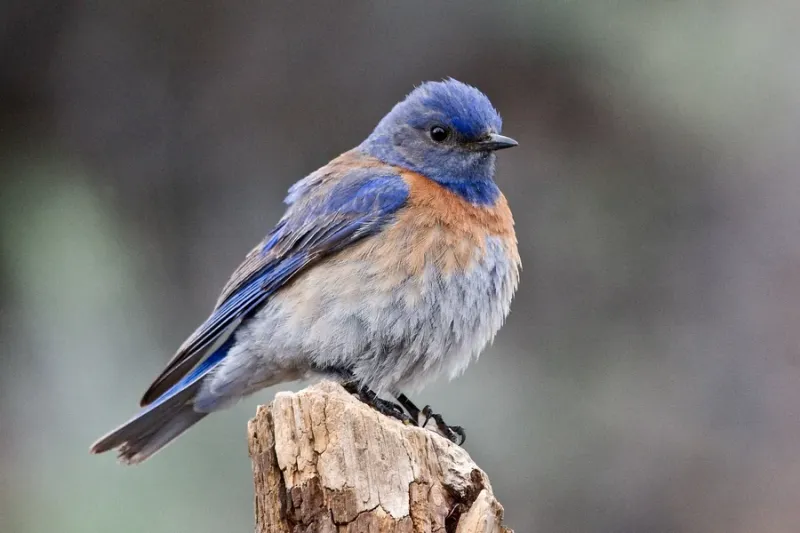
Picture a flash of sky-blue feathers and a rusty orange chest landing on your fence post. Western Bluebirds drift down into low-desert spots like Tucson every winter, and they rarely arrive alone.
Small, chatty groups tend to move through neighborhoods looking for food and open perches.
Their menu is part bug, part berry. On warm winter afternoons, they drop from low branches to snatch beetles, caterpillars, and other crawlers from the ground.
When insects get scarce on chilly days, they switch to fruit, which keeps them hanging around your yard instead of moving on.
Want to give them a reason to stay? Native junipers are a top pick, since the dusty blue berries ripen right when bluebirds need them most.
Desert hackberry also offers small fruits and handles heat, alkaline soil, and limited water with ease.
Leave a patch of open ground near those shrubs. Bluebirds like to watch from a perch and then swoop down, so a bare or lightly mulched area makes hunting easier.
A low fence, a short post, or a sturdy dead-looking branch left in place gives them a lookout spot. Skip pesticides, too, because the bugs you might spray are exactly what these birds came for.
2. Cedar Waxwing
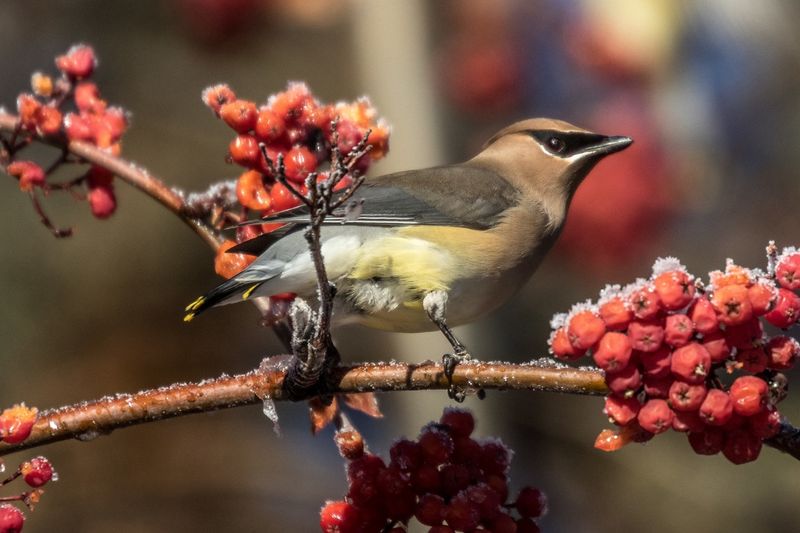
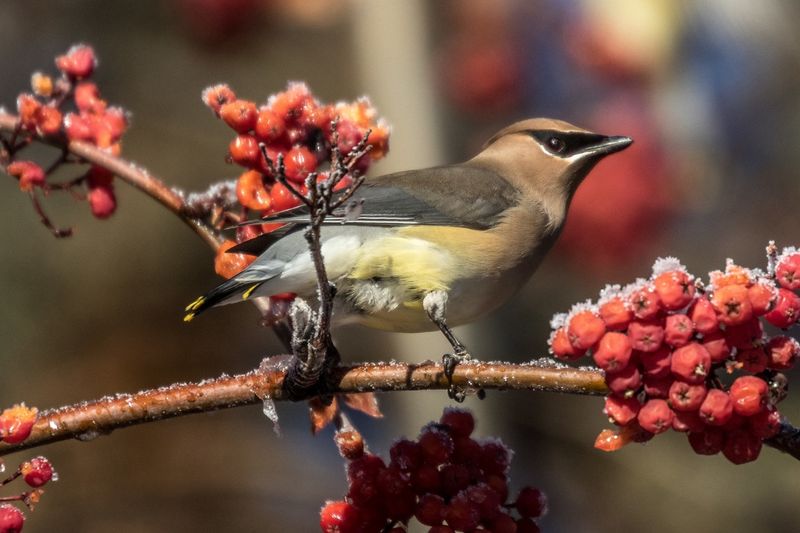
Few birds look as polished as a Cedar Waxwing. With a silky tan body, a black mask, and tail tips that seem dipped in yellow paint, they could pass for a little bandit in a fancy suit.
They also travel in flocks, sometimes dozens at once, sweeping into Tucson and Phoenix yards each winter.
Berries are their main fuel all year long. A flock can strip a shrub of overripe fruit in an afternoon, which actually helps you out.
Fallen, rotting fruit can draw fruit flies and other unwanted guests, so a tidy waxwing visit means less cleanup under your plants.
They also nibble insects when they find them, especially as the weather warms toward spring. Their wandering habits make them a bit unpredictable, so one week you may see a crowd and the next week none at all.
To boost your odds, plant native junipers and other berry-producing desert shrubs that hold fruit into winter. Waxwings also love a drink, so a shallow birdbath with fresh water can pull a passing flock right down.
Keep it rinsed every few days, and you may get front-row seats to their famous habit of passing berries beak to beak.
3. Yellow-rumped Warbler
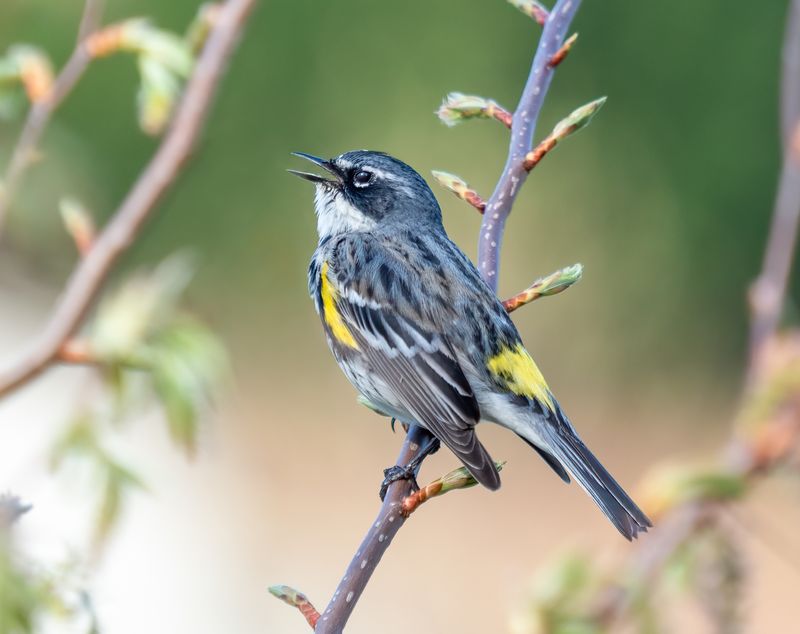
Birders have a nickname for this tiny dynamo: the butter butt. One glance at the bright yellow patch above its tail, and you will understand why.
Your Arizona Garden Changes Every Week. Your Plan Should Too.
Gardening in Arizona changes quickly throughout the season. Every Friday you’ll receive a simple weekly plan showing exactly what to plant, prune, fertilize, harvest, and protect so you never miss the right timing.
Yellow-rumped Warblers are among the most common winter visitors across Arizona, flitting through trees from Phoenix to Tucson.
Their constant motion is the secret to their value. They hop along branches, hover near leaves, and even catch insects midair, picking off aphids, gnats, and tiny caterpillars.
Palo verde, mesquite, and citrus trees all get regular inspections when these warblers are around.
Here is a fun fact. Unlike most warblers, this species can digest waxy berries, including juniper fruit.
That special talent lets them stay farther north and survive cool snaps when bugs disappear for a few days.
Making your yard warbler-friendly is simple. Plant a mix of native trees and berry shrubs so they have both bug-hunting spots and backup snacks.
Layered plantings, with tall trees, medium shrubs, and low groundcovers, give them plenty of places to search.
Hold off on heavy winter pruning, too. Those twiggy branches hide insect eggs and larvae that warblers happily clean up, giving your trees a quiet checkup before spring growth begins.
4. Hermit Thrush
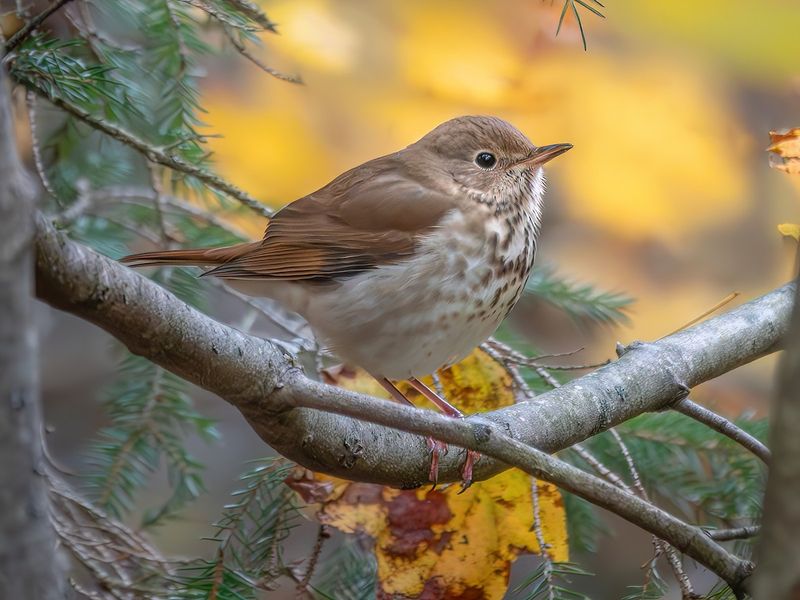
You might hear it before you spot it, a soft chuck sound coming from under a shrub. The Hermit Thrush lives up to its name, preferring quiet corners and solo meals.
Brown on top with a spotted chest and a reddish tail, it blends right into fallen leaves.
Shy as it is, this bird works hard all winter in Arizona. It forages on the ground, flipping leaves and scratching mulch to find beetles, larvae, spiders, and other crawlers hiding in the litter.
That makes it a natural cleanup crew for the spots most other birds ignore.
Watch closely and you may catch its signature move. A Hermit Thrush often flicks its wings and slowly raises its tail, then lowers it again, almost like a nervous habit.
Helping this loner feel at home means being a little less tidy. Let leaves pile up under shrubs instead of blowing them away.
That layer holds moisture in dry desert soil and feeds the insects thrushes hunt.
Dense native shrubs offer cover from hawks and cats. Desert hackberry and other berry plants add a winter snack, since thrushes happily mix fruit into their diet when bugs run low.
5. Northern Flicker
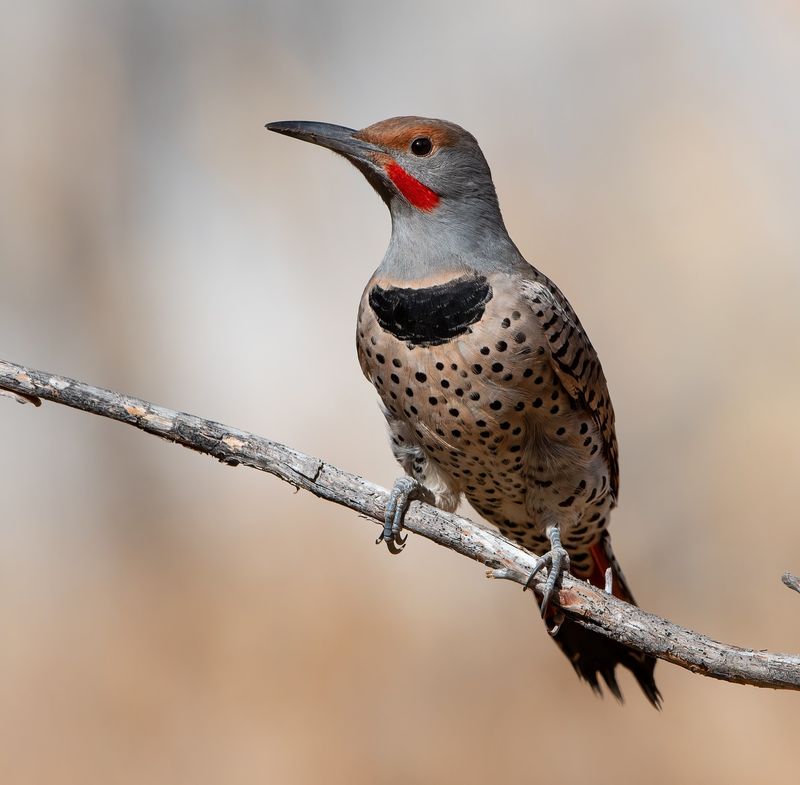
Most woodpeckers hammer on trees, but the Northern Flicker would rather eat off the ground. In winter, the red-shafted form moves into Arizona lowlands, and you may spot one hopping across gravel or turf with its long bill pointed down.
What is it looking for? Ants, mostly.
Flickers are true ant specialists, using a long, sticky tongue to slurp them out of nests in the soil, on tree bark, and even along cactus stems. They also grab beetle larvae and other insects, plus a few seeds and fruits.
For desert homeowners dealing with ant trails near patios, that habit is a welcome bonus. A flicker will not wipe out every colony, but steady visits can help reduce ant activity in the areas it patrols.
When it flies, look for the flash of salmon-red under its wings and a bright white rump. It is one of the prettiest surprises in a winter yard.
Mature native trees like mesquite and palo verde give flickers perches and bark to search. Leave some open, unsprayed ground where they can dig, and avoid ant baits in those zones so the birds have a reason to return.
6. American Robin
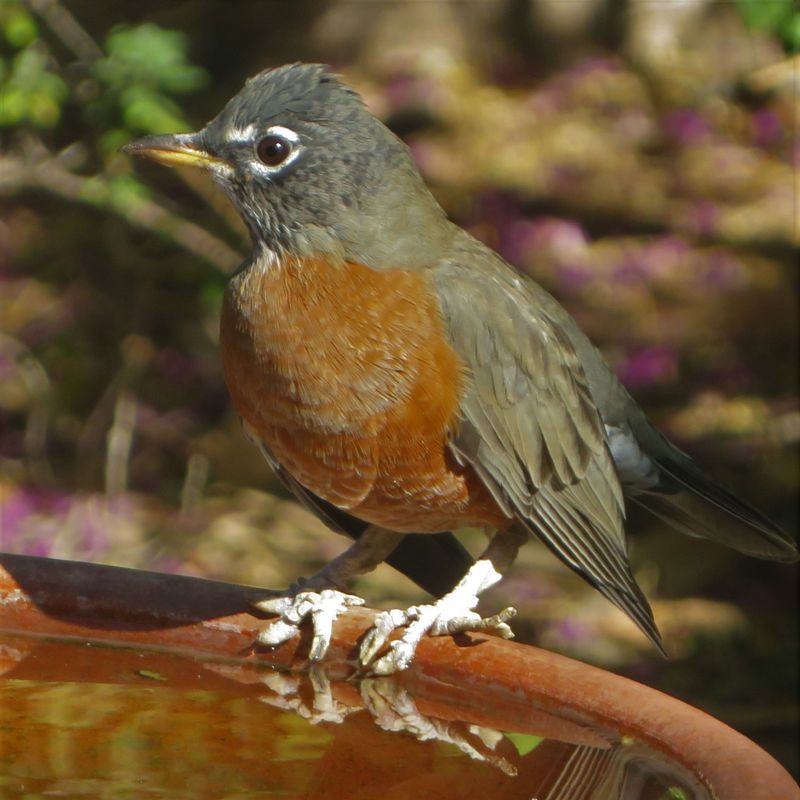
Many people think of robins as spring birds, but in Arizona they are winter regulars. Flocks show up in parks, golf courses, and backyards across the low desert once the heat breaks, often in bigger numbers than you might expect.
Robins are flexible eaters, and that is what makes them such solid yard partners. On irrigated patches and moist soil, they run, stop, and tilt their heads to find grubs, worms, and insects below the surface.
They also catch flying bugs and gnats, including mosquitoes, when the chance appears.
When the ground stays dry or cold, they turn to fruit. Desert hackberry and native junipers keep them fed through the leaner weeks, and the birds spread seeds as they move around.
Here is the easiest trick for attracting them. Robins love water, both for drinking and splashing, so a shallow birdbath can be a magnet.
Keep it about two inches deep and set it near shrubs for quick cover.
Refresh the water every couple of days. That simple chore keeps the bath clean and makes sure mosquitoes never get the chance to breed in it, which keeps your helpers helpful.
7. House Wren
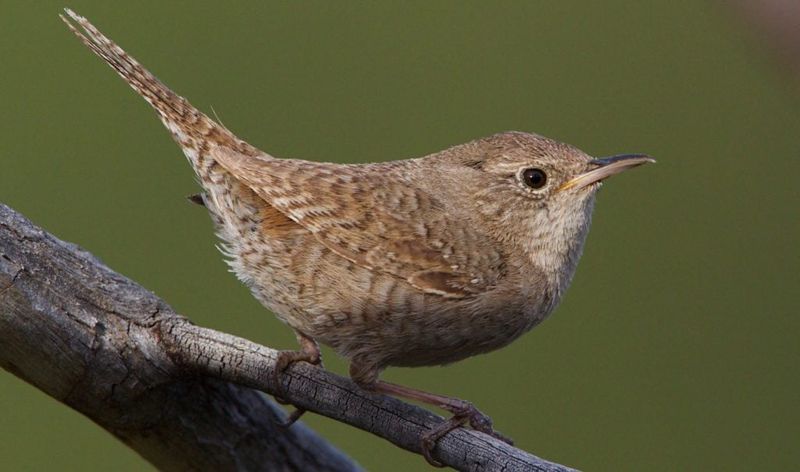
Small, brown, and bursting with attitude, the House Wren acts like it owns every bush it visits. It cocks its short tail upward, scolds anything that comes too close, and then disappears back into the branches to keep hunting.
That hunting is exactly why you want one around. Wrens are almost entirely insect eaters, poking through twigs, bark cracks, and leaf clusters for spiders, beetles, caterpillars, and mosquitoes.
Their slim bills reach into tight spaces bigger birds simply cannot.
In Arizona, House Wrens are mostly winter visitors to the low desert, slipping quietly into yards with thick cover. You may notice their busy chatter more than the birds themselves.
The best way to invite them is with dense, layered shrubs. Native options like brittlebush, creosote, and desert hackberry give wrens tangled branches to search and safe spots to hide from predators.
Brush piles tucked into a back corner work well too.
Since they live on bugs, wrens are a strong reason to go easy on insect sprays. Every caterpillar left on a shrub becomes a meal, and a well-fed wren may stick around for the whole cool season, patrolling your plants daily.
8. Gambel’s Quail
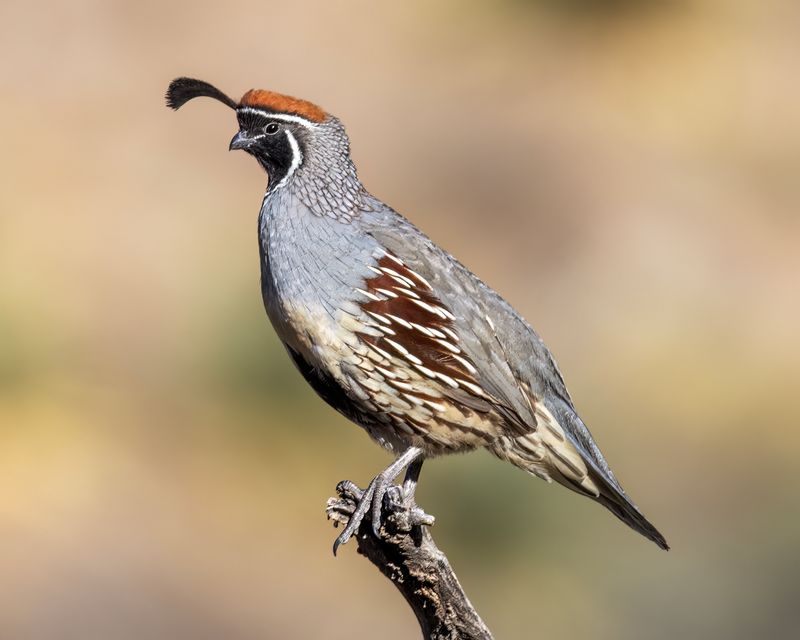
Okay, these charmers technically never leave. Gambel’s Quail live in the low desert all year, but winter is when you see them most, with coveys of a dozen or more bobbing across yards, their head plumes bouncing like tiny feathered question marks.
They spend most of the day scratching through low plants, gravel, and mulch. Seeds make up much of their diet, yet they also gobble insects and ticks they stumble across along the way.
Regular foraging may help reduce tick numbers near the ground, a nice perk for pet owners.
Quail are also fun to watch. A lookout male often perches on a wall or shrub and calls a loud chi-CAH-go-go while the rest of the group eats.
To keep a covey close, plant dense, low native shrubs for shelter. Desert hackberry is a favorite, offering cover from hawks and fruit in season.
Fairy duster adds seeds and pretty pink puffs that hummingbirds enjoy too.
A ground-level water dish helps in dry spells. Place it near cover so the quail can dash to safety, and you may soon see the babies parading through your yard come spring.