Simple Habits That Keep Hummingbirds Stopping In Your Arizona Yard Through Fall Migration
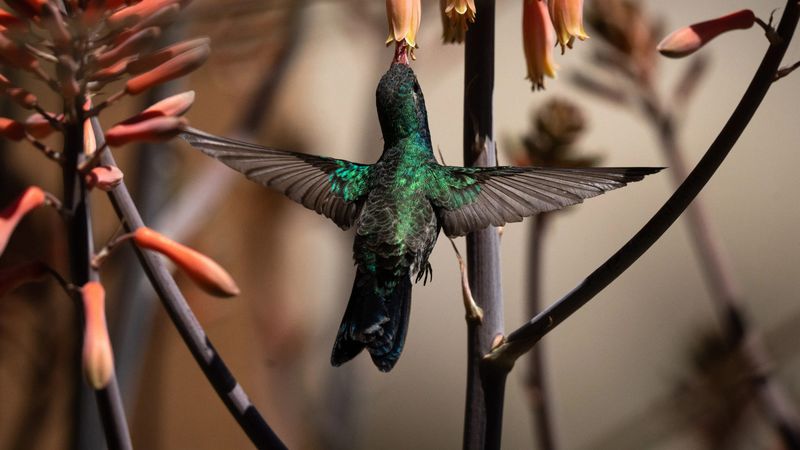
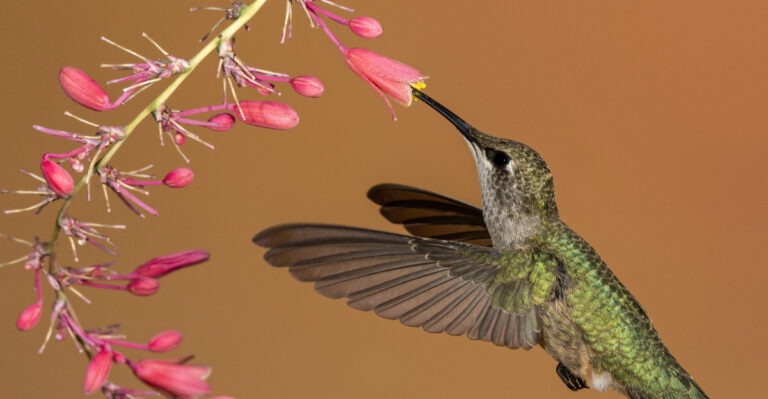
Every summer and fall, hummingbirds pass through Arizona on their way south, and a few simple yard habits can make your outdoor space one they actually stop at. For low-desert homeowners in Phoenix and Tucson, that window matters more than most people realize.
The good news is that you do not need a perfectly landscaped garden to be useful to a migrating bird. Fresh nectar, a reliable water source, the right plants, and a pesticide-free space are the building blocks that can increase the chances a hummingbird pauses in your yard.
Use the local migration window as a guide, not a deadline
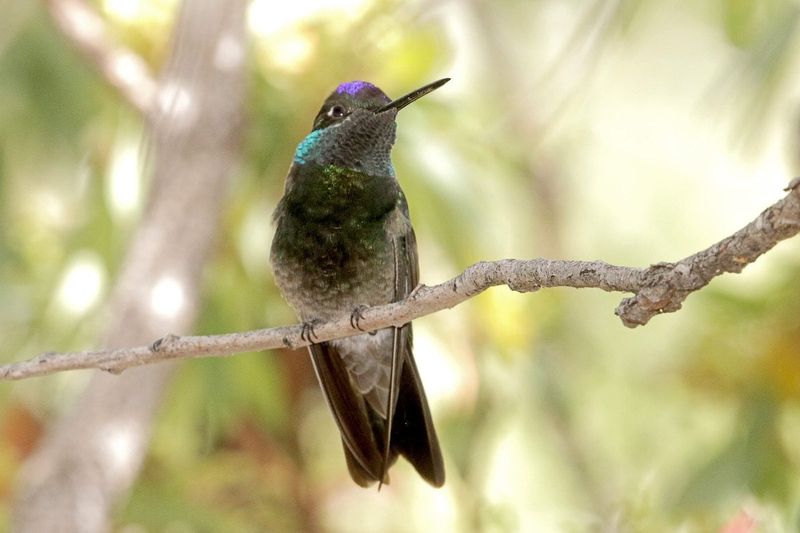
Arizona hummingbird movement does not follow a single statewide schedule. According to Southeastern Arizona Bird Observatory banding data, fall movement in southeastern Arizona can begin as early as late June, often peaks from late August through mid-September, and commonly declines by early October.
That window is specific to areas like the San Pedro River corridor, the Sky Islands, and higher elevations, where species diversity during late summer is unusually high.
Low-desert yards in the Phoenix and Tucson metro areas see a different picture. Resident Anna’s and Costa’s hummingbirds may be present year-round, while migrating Rufous, Black-chinned, and other species pass through on a looser schedule shaped by weather, elevation changes, and local food availability.
Expecting the same peak timing as southeastern Arizona can lead to frustration when activity in your Scottsdale or Marana yard does not match what birders report from the Huachucas.
The practical takeaway is to treat the migration window as a guide rather than a countdown clock. Your goal is to offer dependable resources during the local fall period, not to keep any individual bird from following its natural instincts.
Migration responds to day length, weather, food conditions, and species-specific behavior, so no yard routine controls when birds arrive or depart. Judge your setup by whether it provides consistent, clean habitat and occasional visits, not by a fixed departure date.
Make fresh, plain nectar the dependable feeder routine
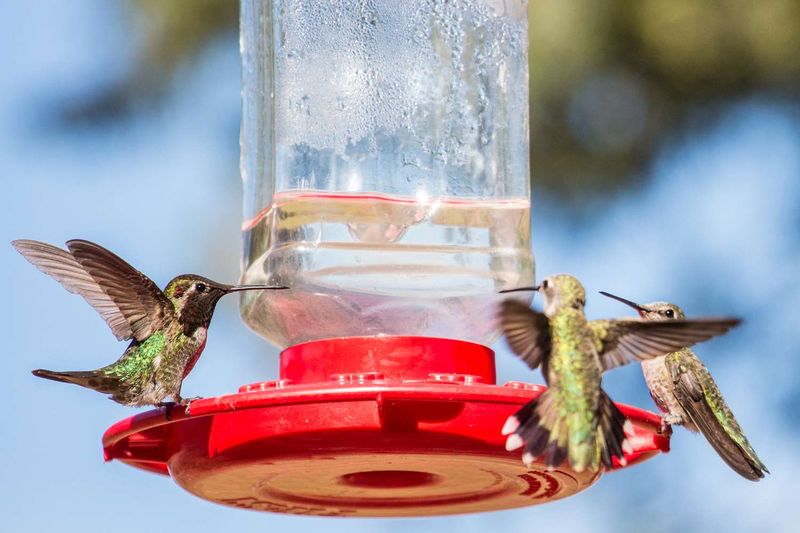
The nectar recipe is straightforward: one part refined white sugar dissolved in four parts water. Boil the water to help the sugar dissolve fully and to slow the growth of mold, then let the mixture cool completely before filling the feeder.
Skip red food coloring entirely. As Audubon’s hummingbird feeding guidance makes clear, red dye adds no nutritional benefit and is unnecessary since feeder ports and red feeder parts already attract birds.
Honey, brown sugar, molasses, and artificial sweeteners are also off the list because they can promote harmful bacterial and fungal growth or offer the wrong nutrient profile.
Arizona heat is the detail that changes everything about feeder maintenance. Nectar that looks perfectly clear can begin fermenting or growing bacteria within a day when outdoor temperatures climb past 100 degrees Fahrenheit.
Replace nectar at least every day or every other day during hot weather, and discard it immediately if it turns cloudy, smells sour, or shows any sign of mold. Before refilling, clean the feeder thoroughly with hot water and a bottle brush, reaching every port and reservoir.
Your Arizona Garden Changes Every Week. Your Plan Should Too.
Gardening in Arizona changes quickly throughout the season. Every Friday you’ll receive a simple weekly plan showing exactly what to plant, prune, fertilize, harvest, and protect so you never miss the right timing.
A diluted white vinegar rinse can help remove residue, though the feeder must be rinsed completely before new nectar goes in.
Hanging the feeder in shade whenever possible slows spoilage and makes the habit more manageable. A feeder in direct afternoon sun in July or August may need checking twice a day.
Freshness and cleanliness matter far more than any color or brand choice, and a consistently clean feeder is more likely to attract passing birds than an elaborate setup that is only serviced occasionally.
Use overlapping Arizona-adapted blooms
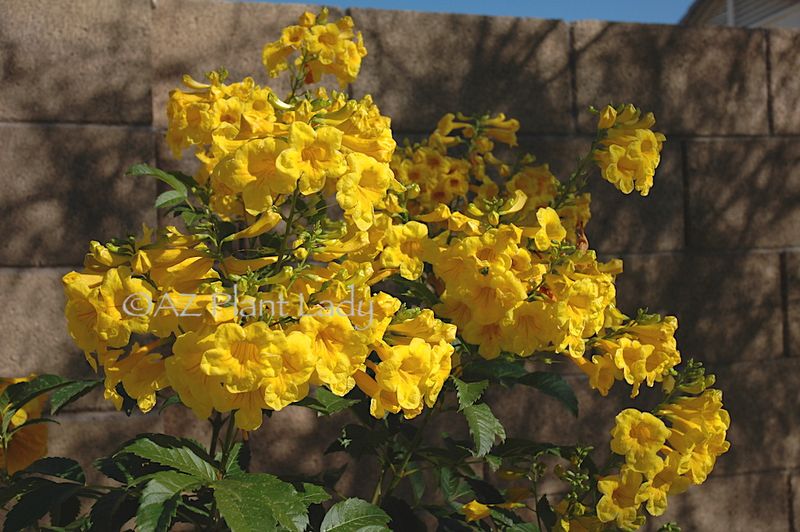
A single flowering plant in full bloom is a nice bonus for a hummingbird; a yard planned for overlapping bloom periods across several species is a genuinely useful food source. The goal is to avoid the gap where one plant finishes and the next has not yet opened.
University of Arizona Cooperative Extension guidance on plants for pollinators in the low desert identifies several Arizona-adapted species with bloom periods that can extend into September or October, which aligns with the local migration window.
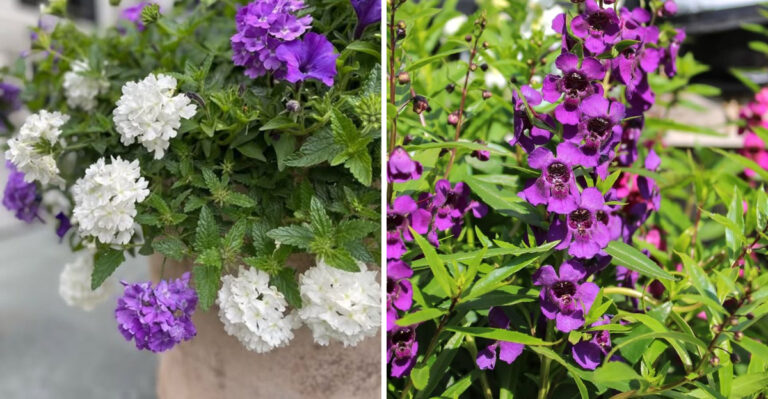
Baja ruellia is a heat-tolerant perennial that can bloom through summer and into fall with adequate water. Globemallow handles dry, alkaline soils and offers orange blooms that attract hummingbirds and other pollinators across a long season.
Arizona yellow bells, also called Tecoma stans, can produce bright yellow tubular flowers well into fall and tolerates the intense sun of a south-facing Phoenix wall. Desert willow is another option that thrives in low-water landscapes and produces pink to lavender blooms through the warm months.
These are starting points, not a complete list, and exact bloom timing shifts with exposure, elevation, irrigation schedule, and the specific variety you plant.
Low-desert conditions mean alkaline or caliche soils, limited water, and summer temperatures that stress or kill plants adapted to cooler climates. A generic hummingbird plant list pulled from a national gardening site may include species that will not survive a Tucson August.
Stick to plants vetted for your specific heat zone, and treat flowers as likely food resources that can improve your yard’s value to visiting birds, not as guaranteed attractants.
Build cover and lookout perches into the yard
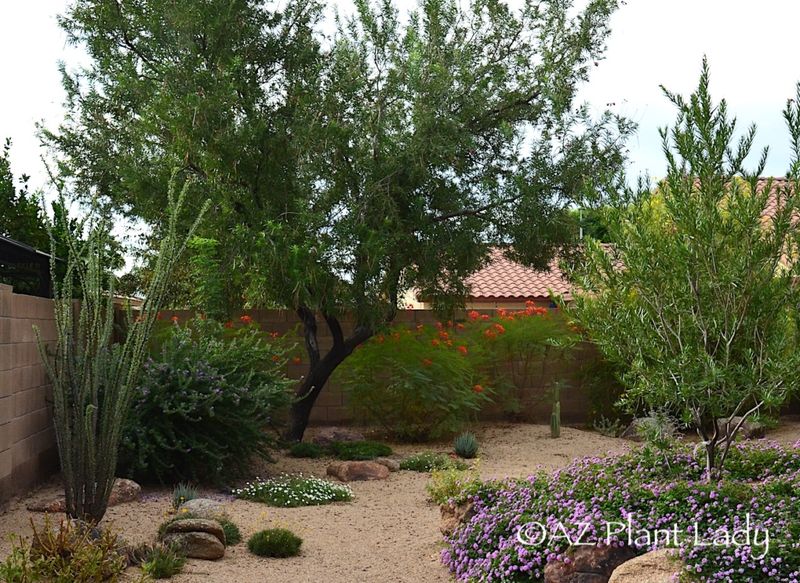
Feeders and flowers draw hummingbirds in, but the birds also need places to rest, watch for competitors, and take cover from heat and predators. A yard that offers only a feeder hanging over bare gravel gives a migrating bird a quick energy stop and nothing more.
Adding structural variety, even modestly, can make the space feel safer and more worth returning to during the local migration period.
Desert-adapted shrubs and small trees do this work well in Phoenix and Tucson conditions. Desert willow provides open branching structure that hummingbirds use as a lookout perch while also offering tubular blooms.
Palo verde and mesquite create canopy shade and interior cover without demanding heavy irrigation once established. Larger shrubs like desert hackberry or wolfberry can provide dense shelter near ground level.
The University of Arizona Extension’s hummingbird habitat guidance emphasizes that layered plantings, combining ground-level cover, mid-level shrubs, and taller trees or branches, give birds more options for resting and shelter than a single-species planting.
Open, bare branches positioned near feeders or flowers serve as territorial perches where a hummingbird can watch the surrounding area between feeding visits. You do not need a mature tree to provide this.
A simple metal or wooden stake with a horizontal branch attached can function as a perch in a newly planted yard. The U.S.
Forest Service guidance on hummingbird habitat in Arizona and New Mexico also notes that retaining natural structure, rather than clearing every dead branch, supports the kind of layered habitat these birds use. Layered cover can increase a yard’s usefulness to visiting birds, though it cannot guarantee repeat visits or turn the space into a controlled stopover.
Protect water and the insects hummingbirds need
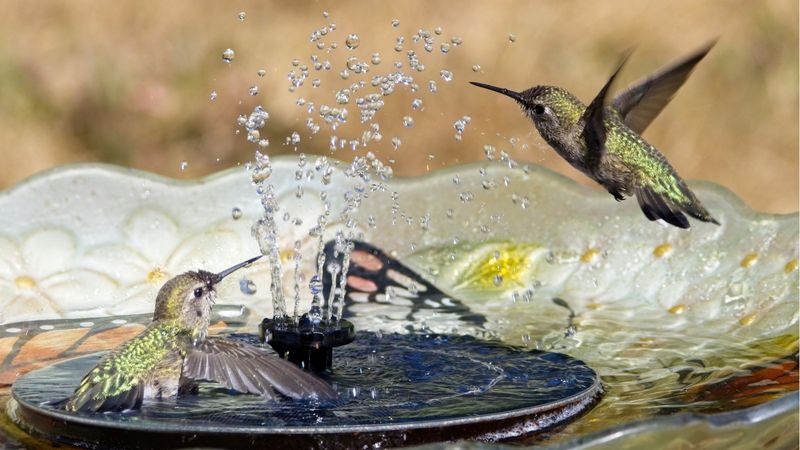
Water is one resource a feeder cannot replace. Hummingbirds drink, but they also bathe, and a fine mist or shallow water source gives them a way to clean their feathers and cool down during Arizona’s brutal late-summer heat.
Cornell Lab of Ornithology guidance on birdbaths recommends a shallow basin with a gently sloped bottom so birds can wade in gradually rather than plunge into deep water. A depth of one to two inches at the deepest point works well.
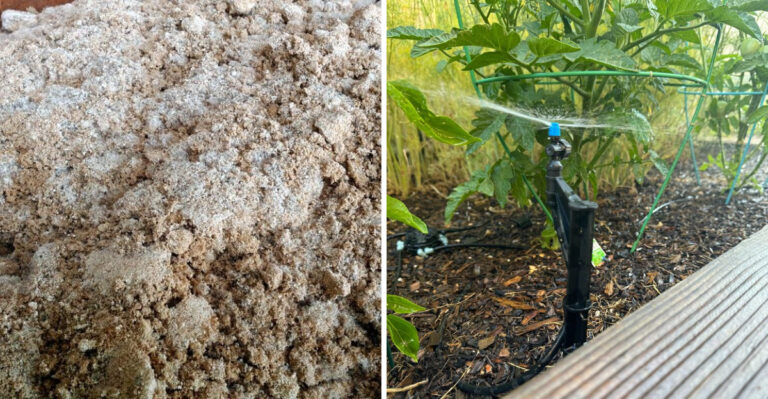
Fine misters attached to drip lines are another option because hummingbirds will fly through the spray or hover near wet foliage and bathe in the droplets.
Neither a birdbath nor a mister is a set-and-forget feature. Standing water in Arizona heat becomes a breeding ground for bacteria and mosquito larvae within a day or two.
Change the water every one to two days, scrub the basin to remove algae and residue, and rinse before refilling. A shaded location slows algae growth and keeps the water cooler for birds.
Insects and spiders round out the picture. Hummingbirds eat arthropods as well as nectar, and young birds depend heavily on this protein source while developing.
Routine pesticide use in the yard can strip that food supply or expose birds directly through contaminated insects and flowers. Reducing or eliminating broad pesticide applications protects the insect community hummingbirds rely on.
This is habitat protection, not a promise that your yard will control mosquitoes, scorpions, or other household pests. The benefit to hummingbirds is real, but pest elimination is not a reliable outcome.
Keep access open as sightings change
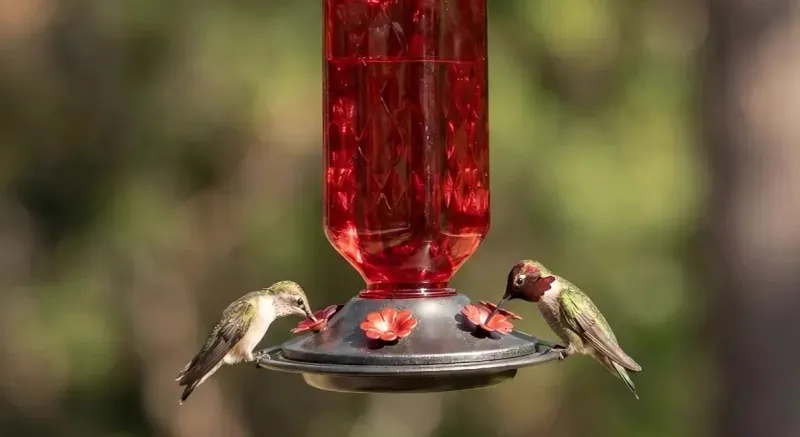
When hummingbird visits slow down in September or October, the instinct is often to wonder what went wrong or to take the feeder down. Neither response is necessary.
Fewer sightings during this period may simply reflect local timing, a shift in species moving through, or a stretch of weather that temporarily altered bird movement. The yard has not failed; the migration window is shifting.
Feeder placement becomes more practical during this period. Hanging feeders in shade slows nectar spoilage and keeps the resource useful even if visits are infrequent.
If you have multiple feeders, space them far enough apart that a dominant bird perched at one cannot see and guard the others. Hummingbirds are territorial, and a single aggressive bird can block access to a feeder for every other bird in the area.
Spreading feeders around corners of the house or across different sections of the yard gives less dominant birds a chance to feed without a confrontation.
Leaving at least one feeder available for several weeks after your last sighting is a low-effort way to support a late migrant or straggler passing through. As Cornell Lab research notes, feeders do not appear to delay migration.
Birds follow environmental and biological cues, not the presence of a food source, so keeping a clean feeder out does not prevent them from moving on. The maintenance commitment during this quieter period is lighter because nectar may last slightly longer in cooler fall temperatures, but the feeder still needs to be checked, cleaned, and refilled on a regular schedule.
Consistency can make the yard a more useful migration resource
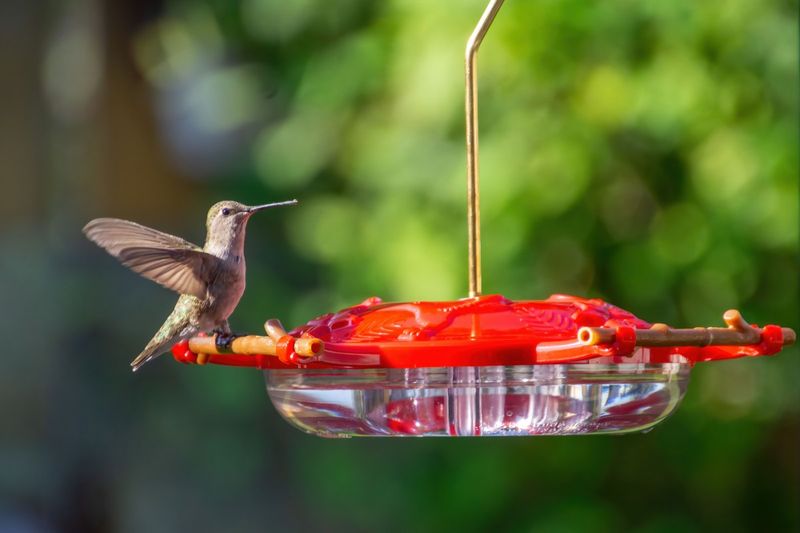
Pulling these habits together into one repeatable routine is simpler than it sounds. Clean the feeder and replace nectar on a heat-appropriate schedule, keep a rotation of Arizona-adapted blooms that extends into fall, maintain cover and open perches with desert-suited plants, refresh water every day or two, and avoid broad pesticide applications that remove the insects hummingbirds need.
As Audubon’s guidance on attracting hummingbirds emphasizes, combined habitat is more valuable to visiting birds than any single feeder or plant.
Success in this context means offering dependable resources during the local fall migration window and increasing the likelihood of visits, not controlling migration or ensuring that specific birds return on a predictable schedule. A yard that delivers clean nectar, safe water, insect habitat, shelter, and perches consistently gives migrating hummingbirds a reason to stop and a reason to stay briefly.
That is a realistic and worthwhile goal for any low-desert Arizona homeowner.
Location, species composition, weather, and the habitat surrounding your yard still determine which hummingbirds appear and how long they linger. The most honest measure of a well-prepared yard is not a bird count but a habit count, because the resources you maintain reliably are the ones that matter when a hummingbird finally passes through.