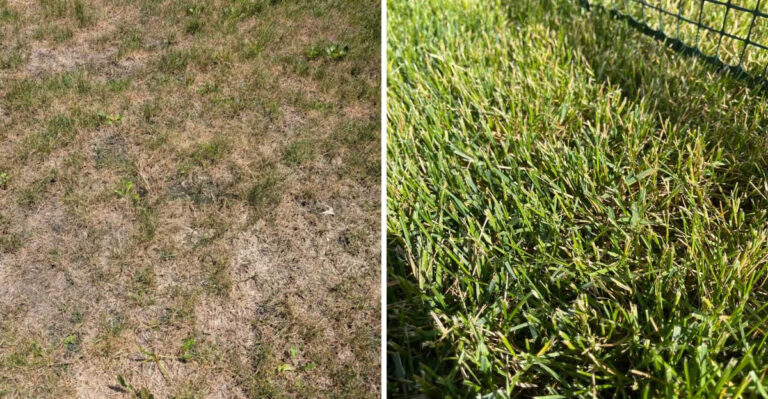
What It Means When Fireflies Disappear From Your Ohio Yard
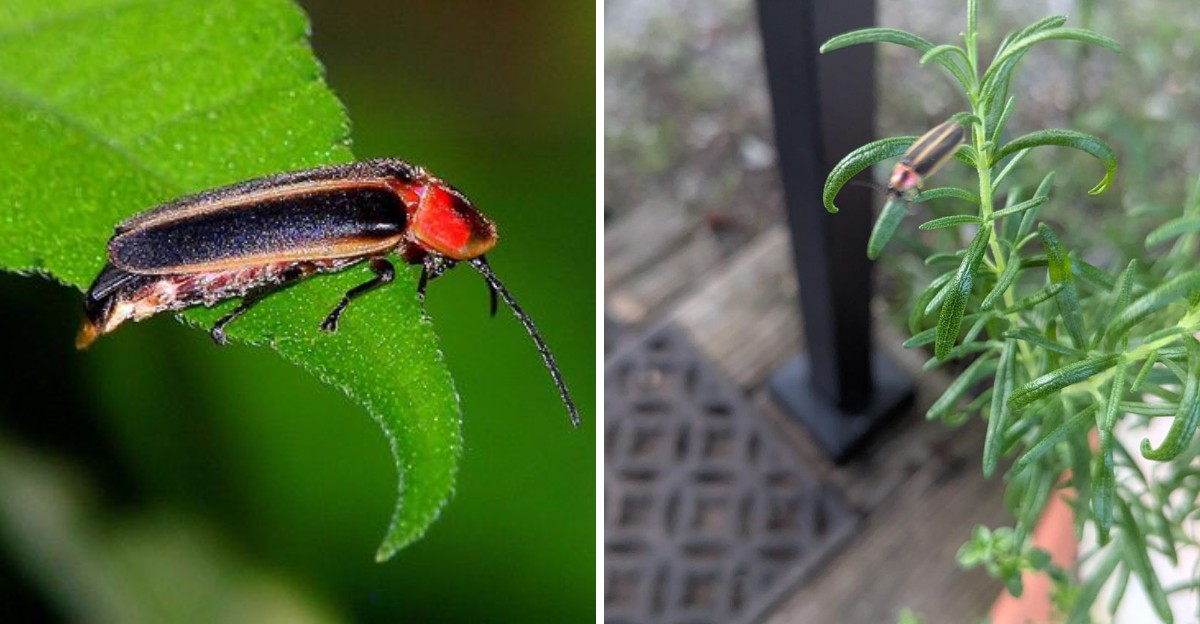
Ten years ago, that back corner near the maple tree flickered with dozens of tiny green lights every June. Walk out there tonight and the only glow left comes from a neighbor’s security fixture.
Something changed. Quietly. Over years, not overnight.
Many Ohio homeowners assume one big culprit is behind it, a bad storm, a dry summer, maybe just bad luck. The real answer is stranger and far more personal than that.
It turns out your own yard has been sending signals this whole time, and not the flashing kind.
A handful of everyday habits, the ones that feel completely harmless, add up into a yard that never lights up again. Some involve a rake. Some involve a porch light left on a little too long.
None of it demands a dramatic fix. All of it demands a second look.
Here are a few things worth checking before you write off those lights for good.
1. Habitat Loss Removes Their Daytime Shelter
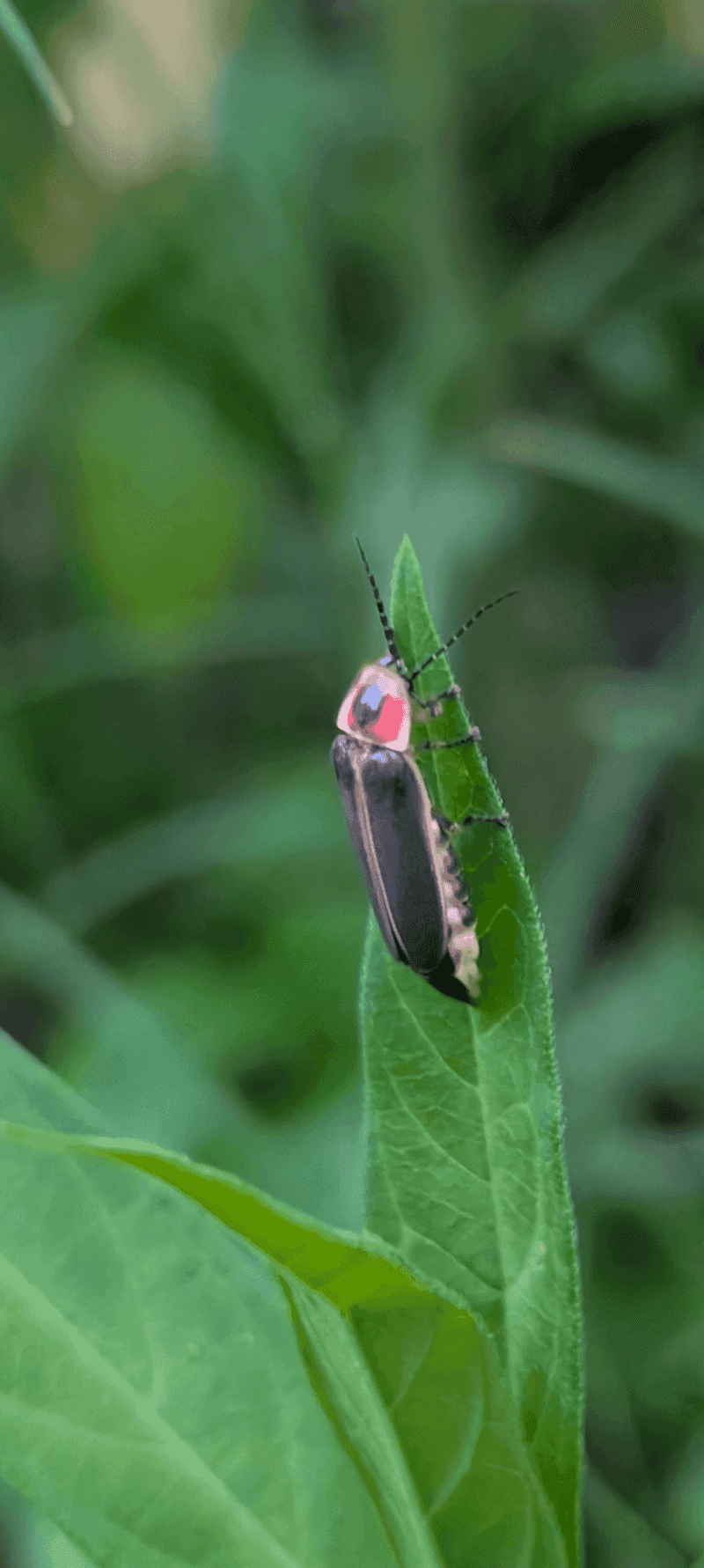
Ohio summers used to end with a slow walk through damp grass, every step stirring up a few sleepy sparks underfoot.
Fireflies spend most of their lives completely out of sight, tucked into leaf litter, tall grass, and soft soil near the edges of a yard.
The Xerces Society points to habitat loss as one of the biggest pressures on firefly populations across North America.
Adult fireflies need cool, shaded places to rest during daylight hours. Larvae, which look a bit like tiny armored worms, live in the top layer of soil and decaying leaves for a year or two before they ever glow above the grass.
Strip that layer away, and the whole life cycle loses its foundation before it even gets started.
Tidy landscaping is usually the quiet culprit here. Raking away every leaf, clearing brush piles, trimming shrub borders down to bare mulch, and filling in low damp spots all remove the humid pockets fireflies depend on.
OSU Extension notes that yards with varied plantings and undisturbed ground support far more insect life than uniform turf ever does.
A simple fix costs nothing, which might be the best part. Pick one shady corner, let the leaves stay where they fall, and skip the rake there next autumn.
Add a few native shrubs or a small log pile if space allows, and keep that spot slightly moist rather than bone dry.
Fireflies rarely travel far from where they hatched. Shelter you protect this year is shelter their offspring will actually use.
2. Pesticide Use Harms Larvae In The Soil
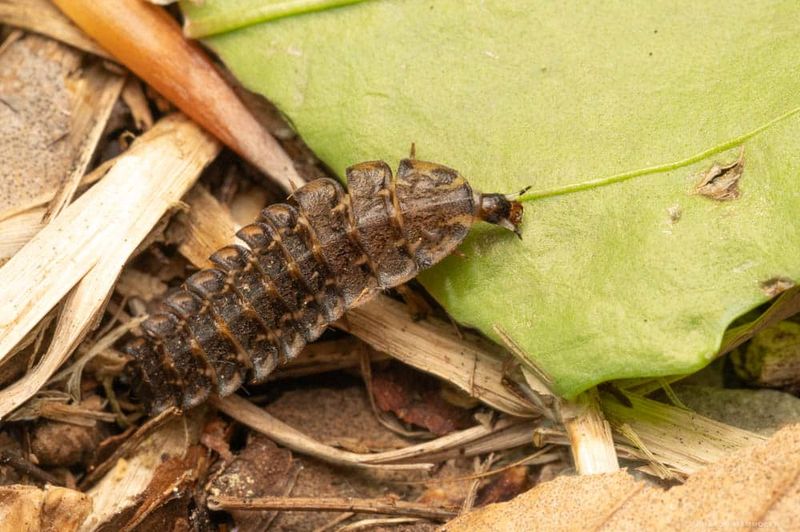
Spray drift settles long after the mist disappears from the air. Most people picture pesticides hitting the fireflies blinking over the lawn, but the real damage happens underground where nobody is watching.
Firefly larvae live in soil and leaf litter, hunting slugs, snails, and earthworms with a paralyzing bite of their own.
Broad-spectrum insecticides, including many lawn grub treatments and mosquito fogging services, do not sort friend from pest.
The Xerces Society warns that soil-applied and broadcast products can get rid of non-target insects, and larvae sitting in treated ground have nowhere to escape. Lose a season of larvae, and you lose the adults that were due to emerge from them.
Your Ohio Garden Changes Every Week. Your Plan Should Too.
Gardening in Ohio changes quickly throughout the season. Every Friday you’ll receive a simple weekly plan showing exactly what to plant, prune, fertilize, harvest, and protect so you never miss the right timing.
There is a second problem worth flagging. Slug baits and snail pellets remove the exact prey firefly larvae need to survive, so even a treatment that never touches the insect directly can starve it out slowly.
OSU Extension recommends identifying a problem before treating anything, then reaching for the narrowest option available.
Spot-treat instead of blanketing the yard, skip preventive grub applications unless damage is confirmed, and avoid recurring mosquito sprays along shrub and tree lines where adults rest during the day.
Dumping standing water once a week does more for mosquito control than fogging ever will, and it leaves your glowing neighbors completely alone.
Give treated soil time to bounce back. Once spraying stops, larvae from nearby untreated ground slowly move in, though that spread can take several seasons rather than one single summer.
3. Outdoor Lighting Disrupts Their Signals
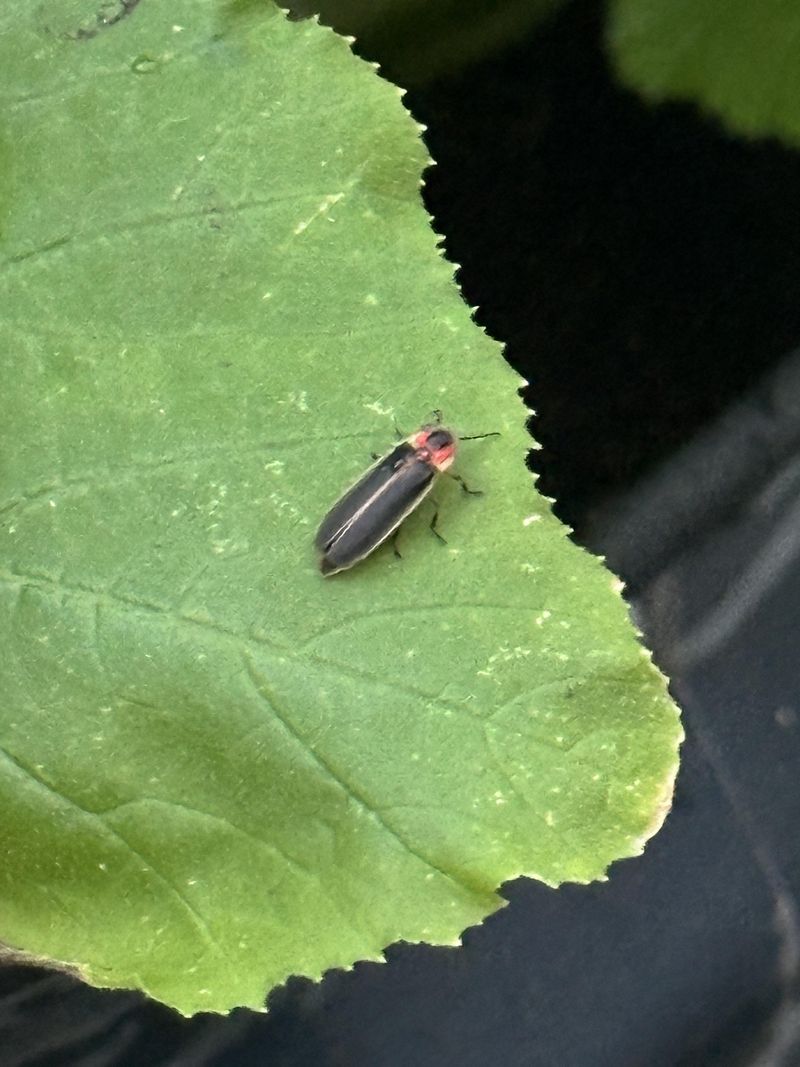
Every flash is basically a sentence. Male fireflies fly low and blink a species-specific pattern, and females answer from the grass with a timed response, which is how the two find each other in the dark.
Porch lights, floodlights, string lights, and streetlights wash out those signals the same way a bright room hides a candle.
Research summarized by the Xerces Society links light pollution to reduced mating success in several firefly species.
When a female cannot see a male’s flash, or a male cannot pick out her reply, courtship simply stalls out. Fewer matches mean fewer eggs, and the effect compounds season after season, quietly and completely offstage.
Color and timing matter as much as brightness.
Cool white and blue-toned LEDs scatter more and interfere more than warm amber bulbs, and lights burning from dusk until dawn cover the exact window when most Ohio species are active, roughly the first two hours after sunset.
Try an experiment in June. Shut off decorative and landscape lighting for a couple of weeks, put security fixtures on motion sensors, and swap remaining bulbs for warm amber ones rated under 2700K.
Shielded fixtures aiming light down onto walkways instead of out across the lawn help too, and closing curtains keeps indoor glow from spilling into the yard uninvited.
Darkness is the one habitat feature you can restore instantly, and fireflies tend to respond to it faster than almost anything else you change.
4. Mowing Too Often Destroys Larval Habitat
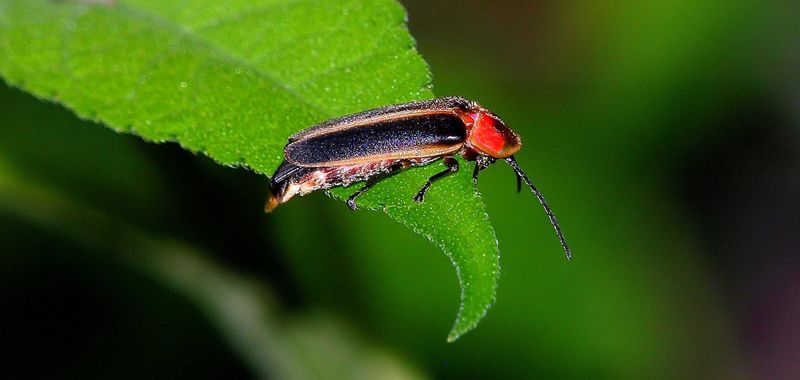
A weekly buzz across the lawn feels harmless enough, yet it lands right on top of a nursery every single time.
Firefly larvae spend one to two years in the top inch or so of soil and leaf litter before they pupate, meaning the same patch of ground gets disturbed dozens of times during a single generation.
Close mowing compacts soil, dries out the surface, and strips away the thatch layer that holds moisture in place. Mower wheels crush larvae outright in damp spots, and short turf leaves adults nowhere to perch while they signal at dusk.
Females in many species stay near the ground and climb grass stems to flash, so a scalped lawn leaves them exposed and genuinely hard to spot.
OSU Extension suggests raising the mower height to three inches or more, which shades the soil, holds moisture, and keeps roots healthier through Ohio’s dry July stretches.
Stretching the schedule to every ten to fourteen days during slow-growth periods also cuts down on traffic over the ground.
Better still, retire a strip along a fence, tree line, or back border from mowing entirely. Even a four-foot band left to grow tall gives larvae undisturbed ground and gives adults a launch pad once night falls.
Mow that reserve strip once in late fall or early spring instead of during the glowing season, then watch for a real difference by the second summer.
5. Paved Surfaces Leave Nowhere To Breed
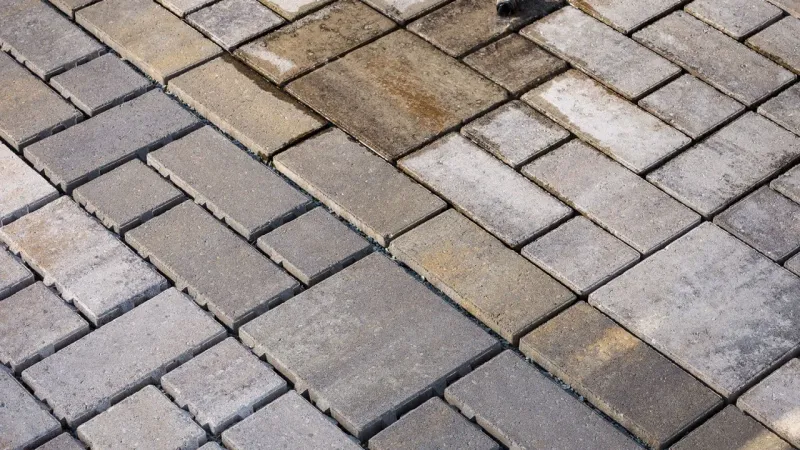
Concrete does not hold larvae, no matter how nicely it is poured. As driveways widen, patios expand, and gravel replaces garden beds, the moist, undisturbed earth fireflies breed in shrinks a little more every year.
Development across Ohio suburbs has traded wet meadows, ditch edges, and woodland borders for hard surfaces and uniform turf.
Fireflies favor damp ground near water, tree lines, and marshy low spots. Hardscaping speeds up runoff, so rain rushes toward storm drains instead of soaking in, and whatever soil remains dries faster and heats up more than it used to.
The Xerces Society lists habitat conversion among the leading threats to firefly species worldwide, and that loss is hard to reverse once ground has been sealed over for good.
Homeowners still have room to work with, even in a tight suburban lot.
Replacing a section of lawn with a native planting bed, adding a rain garden at the low end of the yard, or choosing permeable pavers for a walkway all put moisture back into the ground.
Small water features help as well, though standing water needs a plan for mosquitoes built in from the start. A shallow depression that stays damp after rain and dries out between storms works better than a permanent puddle ever could.
Keep some ground rough and unedged on purpose. Fireflies are not looking for a manicured landscape, they need soft soil, decaying plant material, and shade down at ground level.
Even one unpaved, shaded corner can act as a breeding pocket that slowly reseeds the rest of the block over time.
6. Small Changes Can Bring Them Back
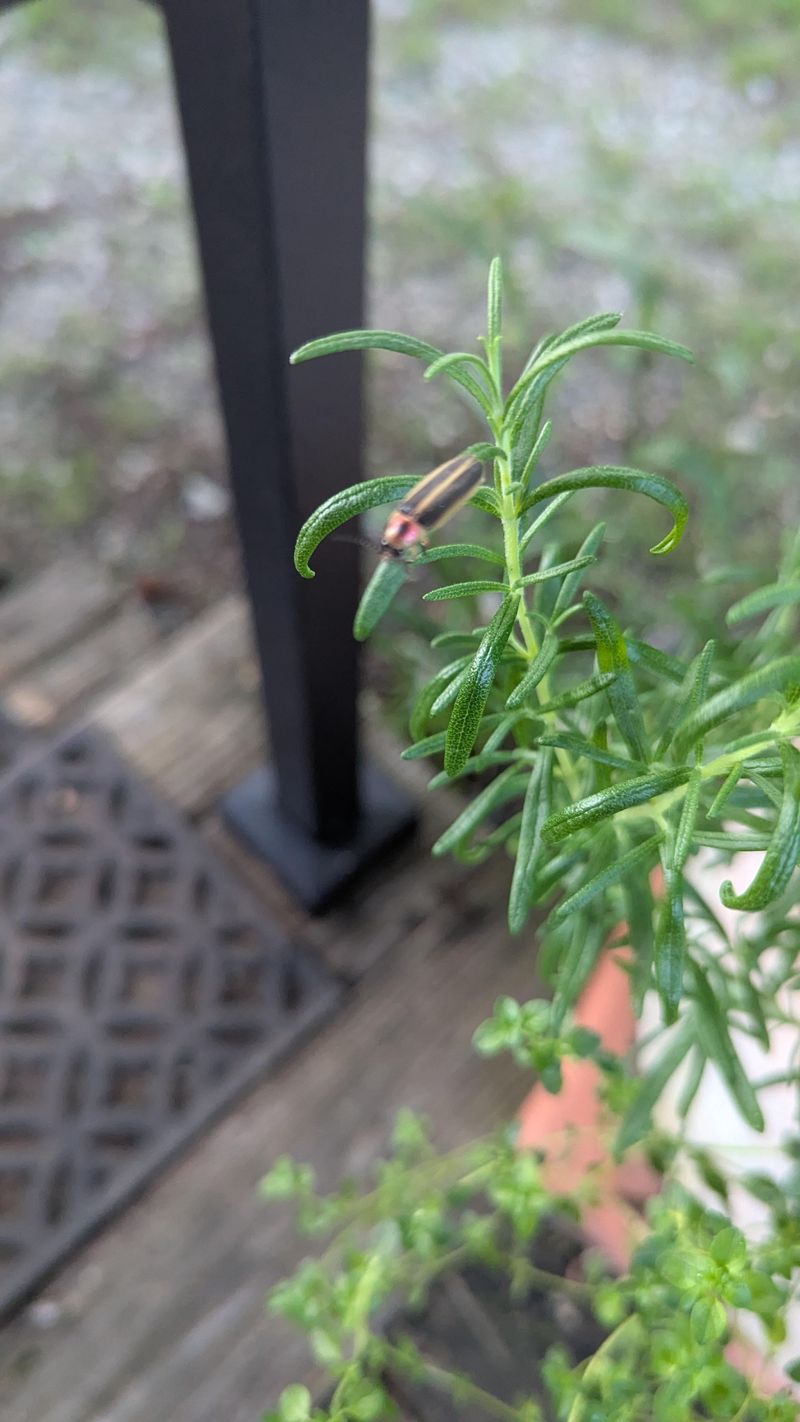
Recovery starts with subtraction rather than shopping, which is good news for anyone’s wallet.
Skip the grub treatment, turn off the floodlight, raise the mower deck, and leave one corner of leaves alone, because each of those choices costs nothing and removes a pressure at the same time.
Stack them together and the results improve, since no single factor explains a dark yard on its own. Habitat loss, pesticides, artificial light, and constant mowing pile up on each other, so undoing them one at a time gives only partial results at best.
Now for the honest part about timing. Firefly larvae need one to two years underground before they emerge as flashing adults, meaning a yard fixed this June may not look any different until the summer after next.
Adults from surrounding properties may drift in sooner, especially if a woodlot, creek, or unmowed field sits nearby, but a true resident population builds slowly and does not rush for anyone.
Consistency matters more than intensity here, so hold the changes in place across several seasons instead of trying one dramatic summer overhaul.
Track what you see along the way. Note the date of the first flash each June, count blinks during a two-minute window from the same spot, and compare year to year like a very low-tech science project.
Talk with neighbors too, since light and spray drift ignore property lines entirely, and a block that dims together tends to recover faster than one dark yard ringed by glare from every direction.
Nothing here comes with a guarantee. Drought, weather swings, and wider regional trends all still play their part in the final show.
7. Native Plantings Rebuild The Food Web They Depend On
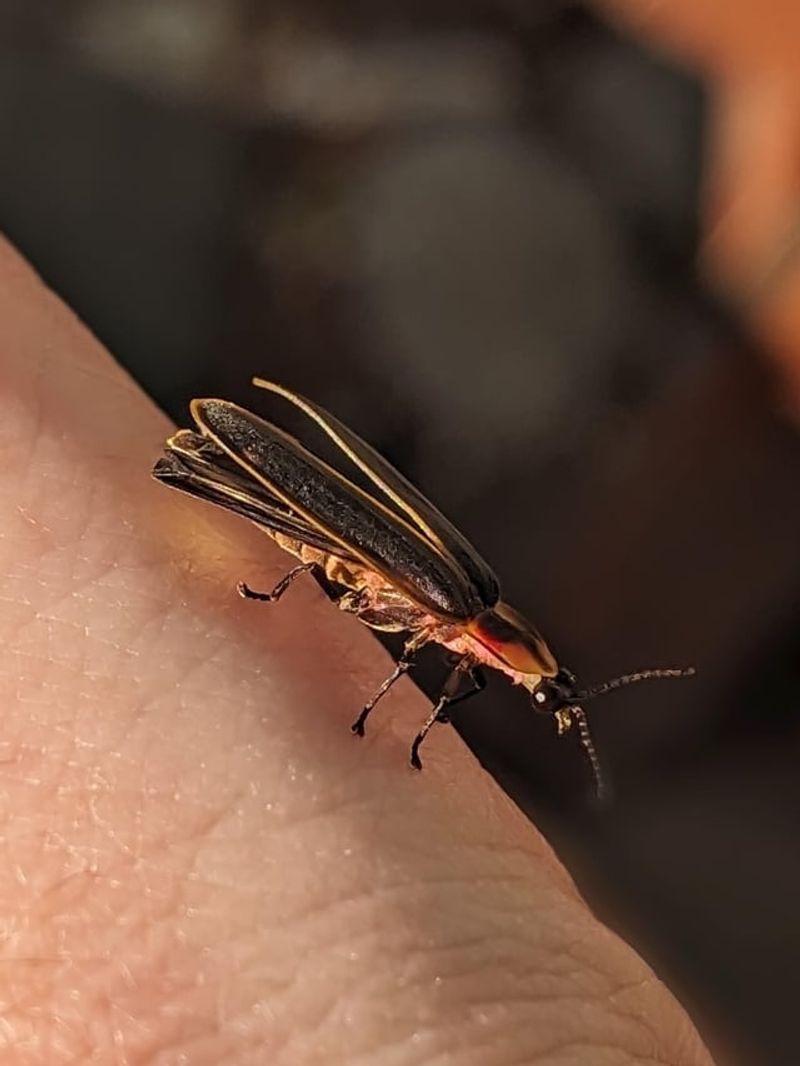
Turf grass feeds almost nothing, and a firefly larva cannot eat a lawn no matter how green it looks from the street.
Slugs, snails, and earthworms make up the bulk of a larva’s diet, and those prey species need decaying leaves, native groundcover, and varied plant life to survive in any real numbers.
A yard dominated by mowed turf and a few ornamental shrubs offers very little for that underground food chain to run on.
OSU Extension points to plant diversity as a key driver of insect abundance, and fewer insects overall means fewer meals for a growing firefly larva working its way toward summer.
Native perennials, ferns, and groundcovers hold moisture at the soil surface far better than turf grass does, creating the humid microclimate both larvae and their prey require to stick around.
Building this out does not demand a full yard overhaul. Swap one sunny turf strip for native groundcover, add a shaded fern bed near a fence line, or let a section of lawn transition into taller native grasses.
Skip synthetic fertilizers in that new planting too, since they push fast, shallow growth rather than the layered, leafy structure snails and slugs actually shelter in.
Give the new bed a full growing season before judging results. A food web takes longer to rebuild than a flower bed takes to bloom, but once it settles in, the payoff shows up as more than just extra color.