Here’s What It Means When A Cardinal Keeps Visiting Your Michigan Yard In Fall
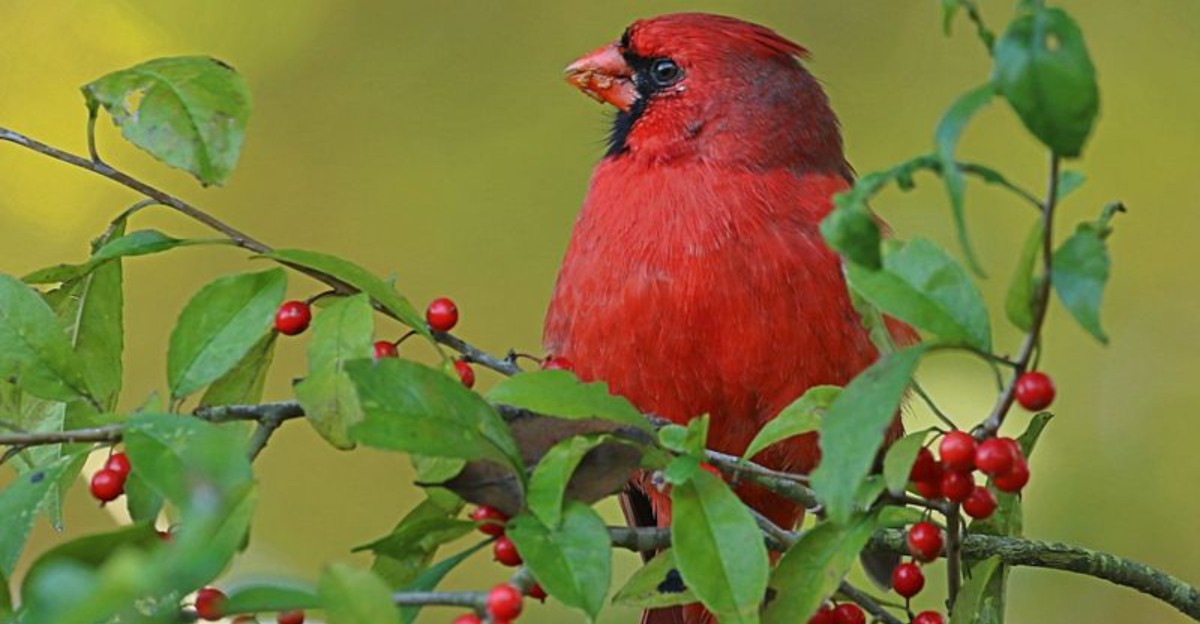
A cardinal showing up again and again in the same Michigan yard each fall usually isn’t random. These birds tend to stick close to reliable food and shelter, and once they find both in one spot, they often return to that exact location on a near-daily basis.
Fall also brings cardinals together in small flocks more than other seasons, since breeding territories loosen up once nesting season ends.
A steady visitor might simply be responding to a well-stocked feeder or dense shrubs nearby that offer good cover from predators and weather.
Understanding this pattern helps explain why the same bright red bird seems to keep coming back, rather than it being one random sighting after another throughout the season.
1. Your Yard Has Reliable Food Sources
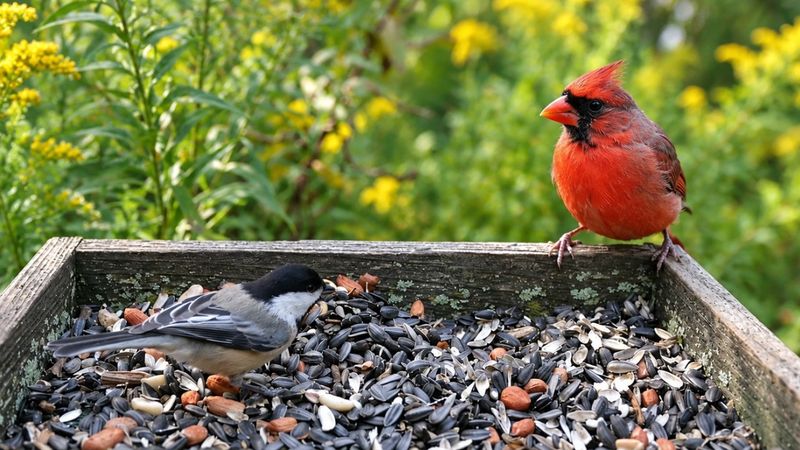
Cardinals have amazing memories when it comes to finding a good meal. If your yard offers seeds, berries, or a well-stocked feeder, you have basically handed them a reason to keep coming back.
Fall is a busy time for birds because the wild food they counted on all summer starts to shrink. Insects become harder to find, and many plants finish their growing season. That is exactly when your yard becomes a valuable stop on their daily route.
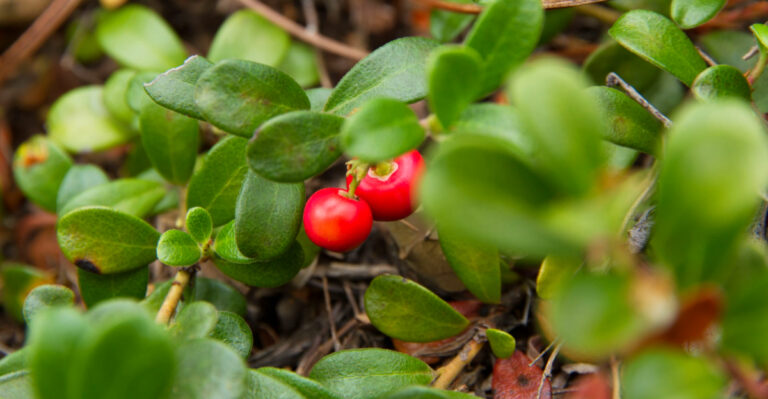
Northern Cardinals love sunflower seeds, safflower seeds, and cracked corn. They also enjoy berries from native shrubs and seeds from flowers you may have let go to seed. When a cardinal discovers all this in one place, it treats your yard like a favorite restaurant.
These birds also feel safest when food sits near cover, so a feeder placed close to bushes or trees works even better. They can grab a bite and quickly duck back into safety if something startles them.
Once a cardinal learns your yard is dependable, it will often visit at the same times each day, usually early morning and late afternoon. This routine explains why you keep seeing that same flash of red.
Keeping feeders clean and filled makes your space even more welcoming. A steady supply of fresh food tells cardinals they can trust your yard through the changing season, and that trust turns a one-time visitor into a regular guest you can look forward to seeing.
2. It May Be Defending A Feeding Area
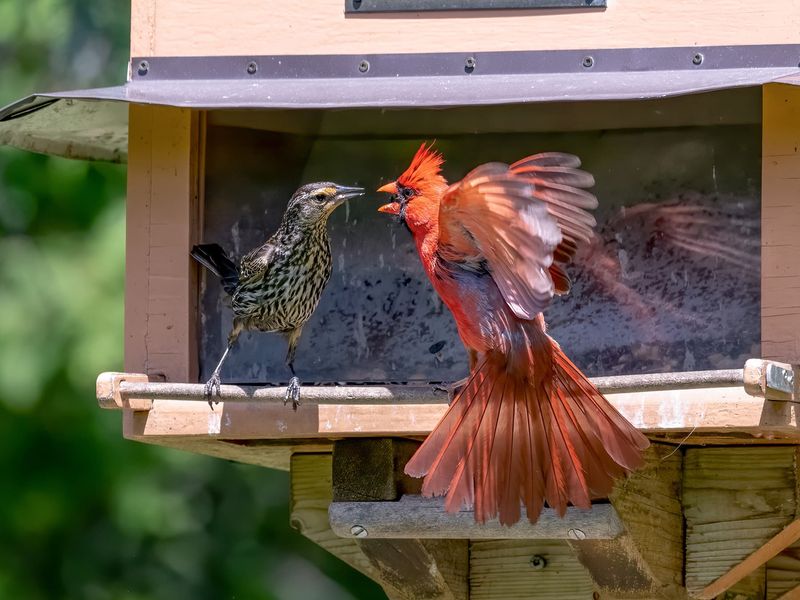
That confident red bird patrolling your yard might be acting like a tiny bodyguard. Male cardinals can be very territorial, especially when they find a food source worth protecting.
When a cardinal claims a feeding area, it often returns again and again to keep an eye on things. It wants to make sure other birds are not taking more than their share of the seeds it has come to depend on.
You might notice this bird chasing away other cardinals or smaller birds that come too close. Some males even puff up their feathers or sing from a high perch to warn others that this spot belongs to them.
Sometimes a cardinal will spot its own reflection in a window or car mirror and think it sees a rival. It may fly at the glass over and over, trying to scare off the imaginary competitor. This behavior is more common in spring but can happen in fall too.
Your Michigan Garden Changes Every Week. Your Plan Should Too.
Gardening in Michigan changes quickly throughout the season. Every Friday you’ll receive a simple weekly plan showing exactly what to plant, prune, fertilize, harvest, and protect so you never miss the right timing.
If a cardinal keeps guarding your feeder, take it as a compliment. It means your yard offers something worth defending, and the bird has decided your space is prime real estate.
You can ease the tension by adding a second feeder in another part of the yard. Spreading food out gives more birds a chance to eat without crowding, which lowers the need for constant guarding.
That simple change lets you enjoy several visitors while keeping your protective cardinal happy and less stressed.
3. Fall Brings More Visible Bird Activity
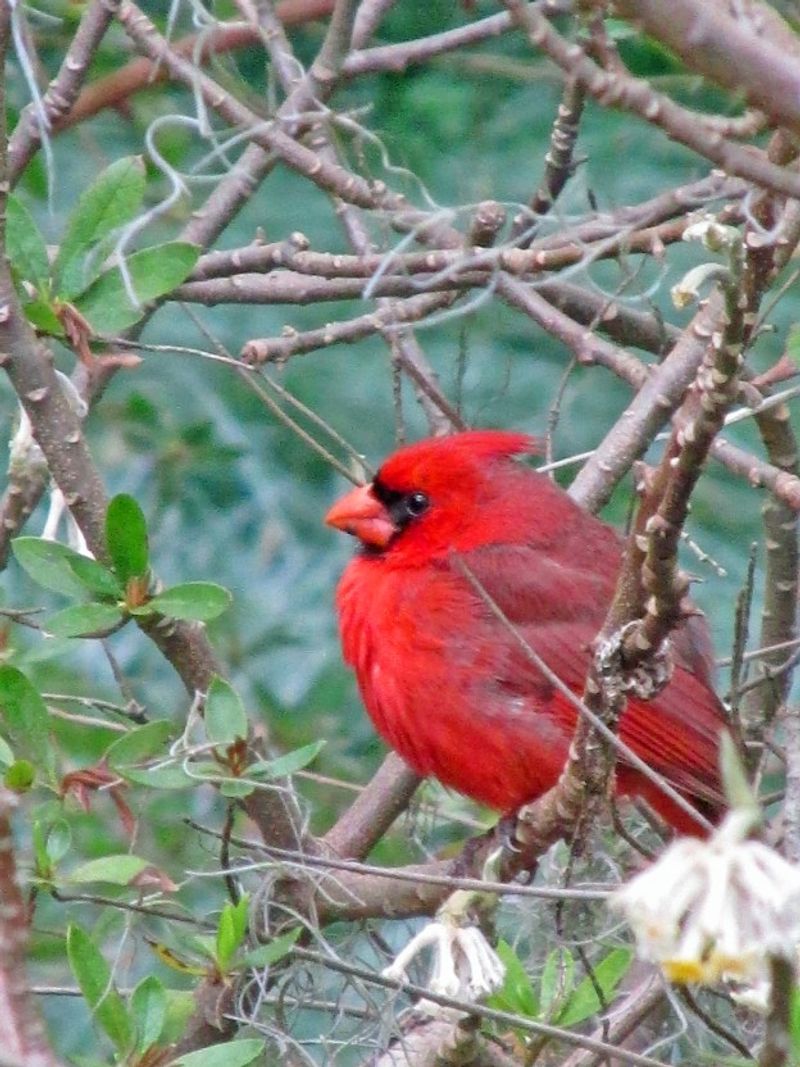
Ever notice how cardinals seem to pop up everywhere once fall arrives? A big reason is simple: the leaves are gone, and there is nowhere for that bright red coat to hide.
During summer, thick green leaves give birds plenty of cover. A cardinal could sit just feet away and you might never spot it.
Once autumn strips the trees bare, those same birds stand out like ornaments against the branches.
Fall also changes how birds spend their days. With colder weather on the way, cardinals search harder and longer for food to build up their energy. This means more trips through your yard and more chances for you to see them.
Their movement patterns shift too. Instead of staying tucked in dense summer growth, they hop across open lawns and perch on exposed limbs while hunting for seeds and berries.
All this extra activity makes them feel more present than usual. The bright red of a male cardinal really shines against a gray Michigan sky or a backdrop of fallen leaves.
Even people who never paid attention to birds start noticing them this time of year. So if it feels like cardinals suddenly moved into your neighborhood, they were probably there all along. Fall simply pulls back the curtain and puts them on full display.
Grab a warm drink, settle by a window, and enjoy the show, because this seasonal spotlight makes cardinal watching easier and more rewarding than at any other time.
4. Your Plants May Be Providing Winter Resources
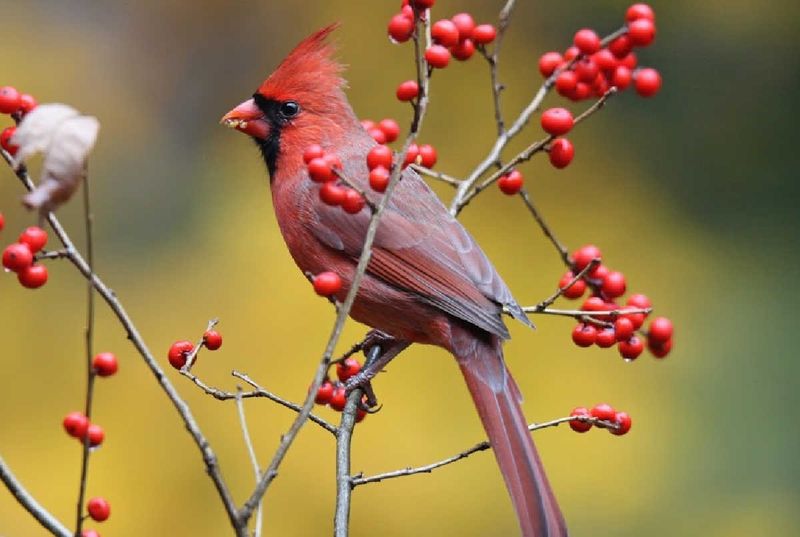
Your garden might be feeding cardinals without you even trying. Shrubs and trees that hold onto berries and seeds turn into natural snack bars as the weather cools.
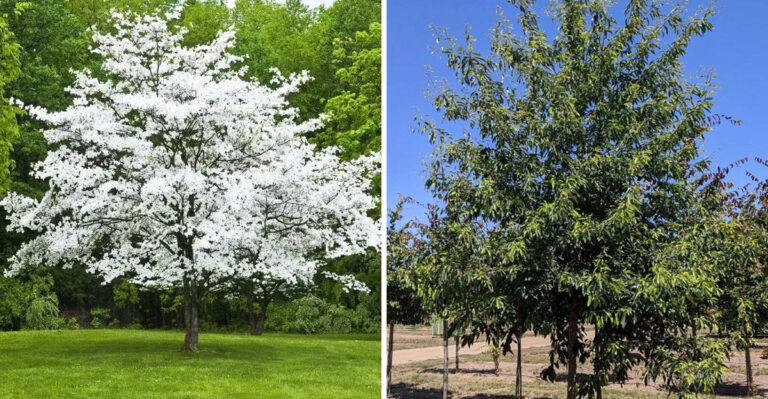
Plants like dogwood, sumac, viburnum, and serviceberry produce fruit that lingers well into fall and winter. Cardinals flock to these because the food stays available long after other sources fade away.
Seed heads from flowers such as coneflowers and sunflowers also draw them in. If you left some of your garden standing instead of trimming everything down, you gave cardinals a gift they will happily accept.
These natural food sources matter even more as temperatures drop. Wild berries and seeds give birds the energy they need to stay warm through chilly Michigan nights.
A yard full of fruiting plants becomes a reliable lifeline. What makes this so nice is that it works on its own. You do not have to refill anything, and the food looks pretty while feeding your visitors.
Native plants especially tend to offer the best mix of nutrition and color. If you want to invite even more cardinals, think about adding a few berry-producing shrubs next planting season. They provide beauty in your yard and steady meals for wildlife at the same time.
The next time you see a cardinal picking at a bush, look closer. Your landscaping choices may be the very thing keeping that cheerful red bird returning day after day throughout the colder months.
5. It Found A Safe Shelter Location
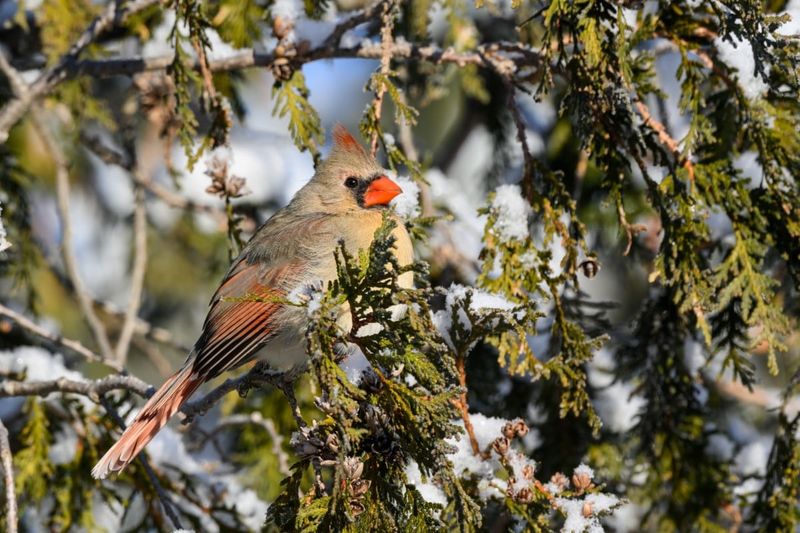
Food is not the only thing cardinals look for. Safety ranks just as high, and your yard might offer the perfect hideaway.
Dense shrubs, thick evergreens, and tangled brush piles give cardinals a place to rest, hide, and stay protected from hawks, cats, and other predators. If your yard has these features, birds naturally feel drawn to it.
Cardinals especially love spots where they can slip in quickly and stay out of sight. Evergreen trees like pines and spruces work great because they hold their needles all winter and block cold wind.
A brush pile in a quiet corner can become a favorite retreat. Birds duck into the tangle of branches to escape bad weather or catch their breath between feeding trips. It may look messy to you, but to a cardinal it feels like a cozy fort.
Good shelter also helps birds through rough Michigan winters. When snow and wind pick up, having a sheltered spot nearby can make all the difference for staying warm and safe.
If you want cardinals to stick around, resist the urge to clear every bush and prune every branch. Leaving some dense growth gives them the cover they crave.
Planting a mix of evergreens and thick shrubs creates layers of protection they will use year after year. When a cardinal keeps returning to your yard, a snug and secure hiding place may be exactly what keeps pulling it back home to you.
6. It May Be Using Your Yard As Part Of Its Territory
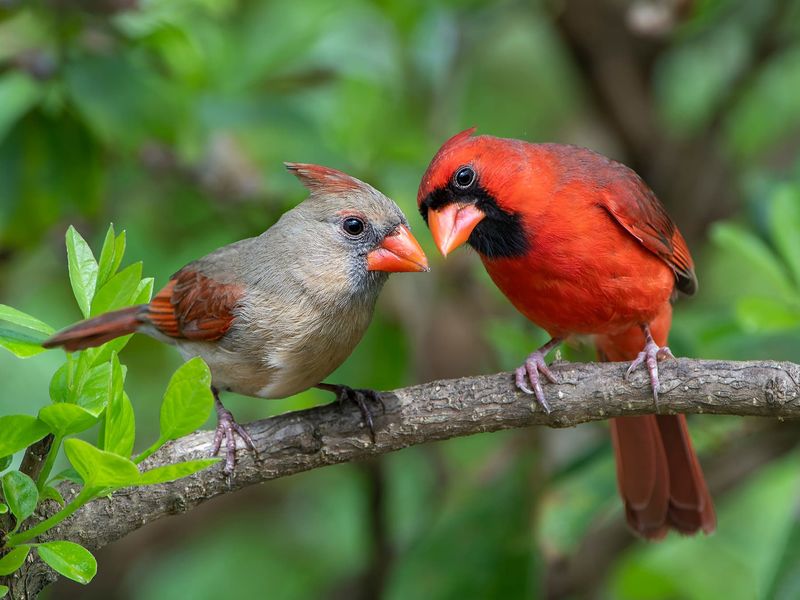
Unlike many birds that fly south, cardinals often stay put all year long. That habit means the same bird can claim your yard as part of its home turf.
Cardinals defend territories during the breeding season, but outside that period they may share feeding areas and gather more socially.
This explains why you might recognize the same cardinal returning day after day. It is not passing through by accident.
It considers your yard part of its regular neighborhood, complete with favorite perches and feeding spots.
Michigan cardinals do not migrate the way robins or warblers do. They tough out the cold and rely on the same familiar areas month after month. Your yard could sit right in the heart of one bird’s chosen zone.
Over time, these birds learn every corner of their territory. They know where the safest branches are, which feeder fills up first, and where to find water. That deep familiarity keeps them loyal to the space.
You may even start noticing small differences that help you tell one cardinal from another, like a slightly brighter beak or a unique song. Getting to know your resident birds adds a fun layer to backyard watching.
When a cardinal treats your yard like its own, take it as a sign you have created a welcoming spot. That bond can last for years, giving you a friendly red neighbor who sticks around through every season.
7. It Is Not A Sign Of An Upcoming Harsh Winter
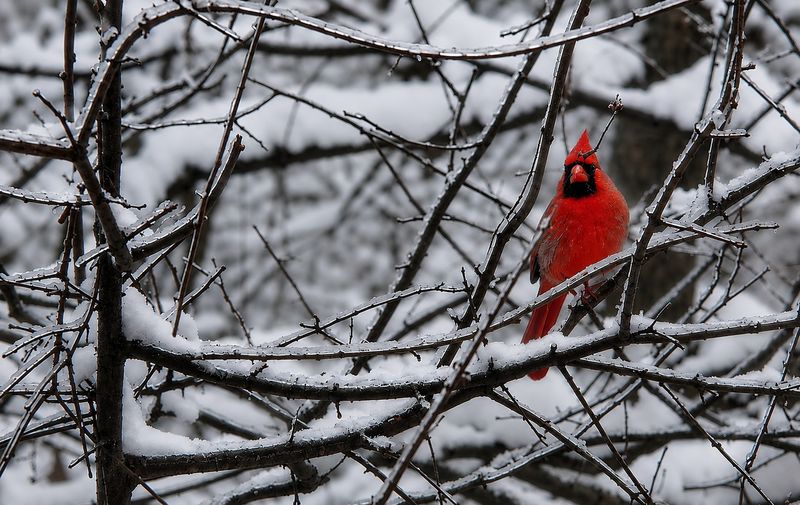
Old folk tales love to connect birds with weather predictions, but a busy cardinal is not a crystal ball. Seeing more of them in fall does not mean a brutal winter is on the way.
Many people believe that lots of cardinal activity signals a rough season ahead. In truth, these birds are just doing what comes naturally as the days grow shorter and cooler.
Cardinals ramp up their feeding in fall to store energy for winter. This happens every single year, no matter what the weather turns out to be. Their behavior follows the calendar, not a forecast.
Increased sightings also tie back to those bare branches and heavier feeding trips we talked about earlier. More visible birds simply mean easier viewing, not a warning about snow.
Scientists have never found proof that bird behavior can reliably predict weather weeks in advance. Cardinals respond to what is happening right now, like food levels and daylight, rather than events still to come.
So you can relax if you have heard the old sayings. A yard full of cardinals is a sign of a healthy, welcoming space, not a hint that you should stock up on extra firewood.
Enjoy these bright visitors for what they truly are: cheerful, hardy birds getting ready for the season. Their presence brings color and life to gray fall days, and that alone makes them worth celebrating without reading too much into it.
8. You Can Make Your Yard More Cardinal-Friendly
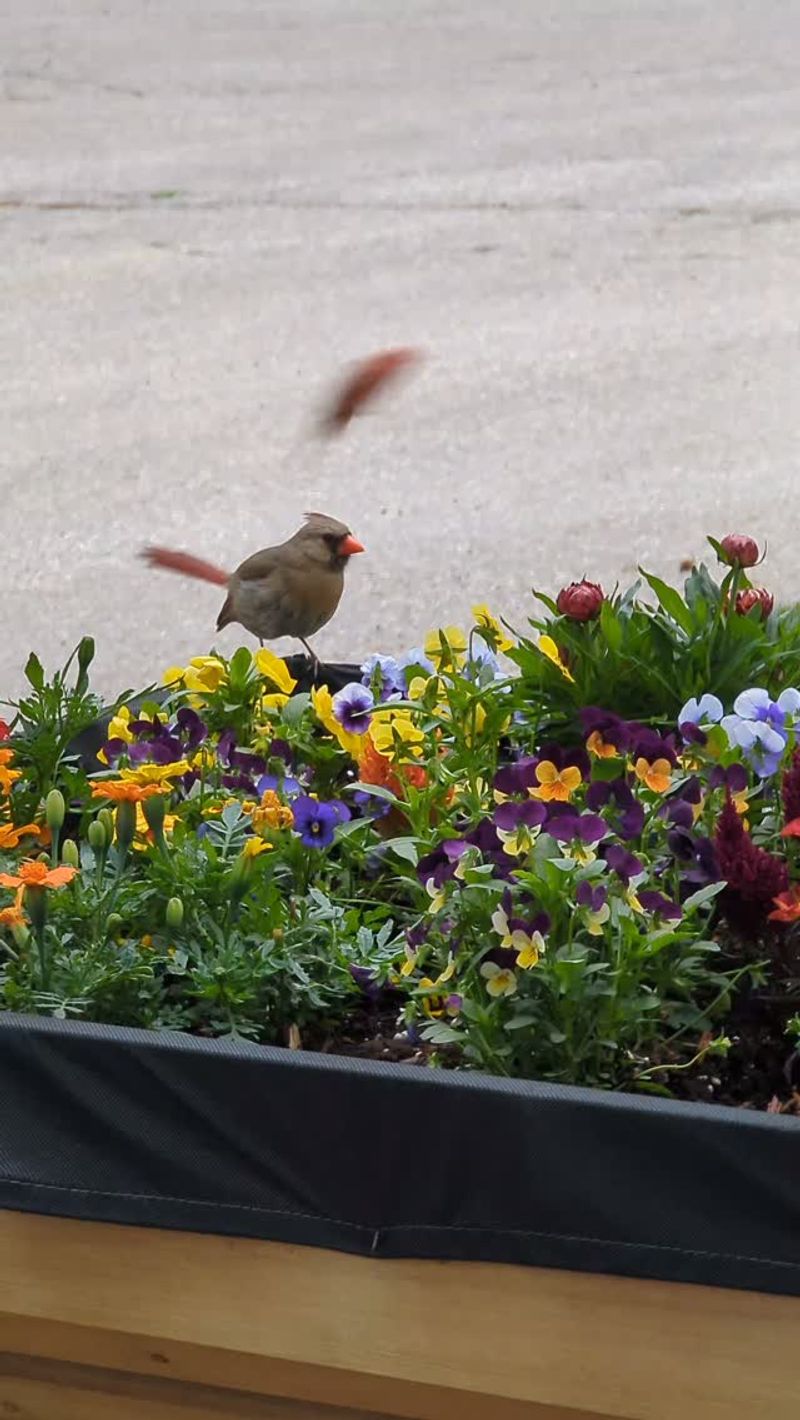
Want to keep those red visitors coming back? A few simple changes can turn any yard into a cardinal paradise.
Start with native berry-producing shrubs like dogwood, elderberry, and viburnum. These plants offer natural food and cover, giving cardinals plenty of reasons to settle in and stay.
Fresh water matters more than many people think. A clean birdbath gives cardinals a place to drink and bathe, even when temperatures drop. A small heater can keep water from freezing on the coldest days.
Cover is key, so leave some dense shrubs and evergreens in place. These spots give birds shelter from wind and predators, making your yard feel safe and inviting all season long.
When it comes to feeders, cardinals love sunflower and safflower seeds. A sturdy platform or hopper feeder suits their size better than tiny perches, letting them eat comfortably.
Try not to rely on feeders alone, though. Mixing natural food from plants with a feeder creates a balanced setup that keeps birds healthy and less dependent on you. Variety is the secret to a thriving yard.
Keep feeders and baths clean to prevent illness from spreading among your visitors. A quick rinse every week or two goes a long way toward protecting the flock.
With a little effort, your yard can become a favorite stop for cardinals year after year. The reward is a lively, colorful space filled with cheerful songs and flashes of red that brighten every single day.