What Your Florida Gardenias Need After A Long, Brutal Summer
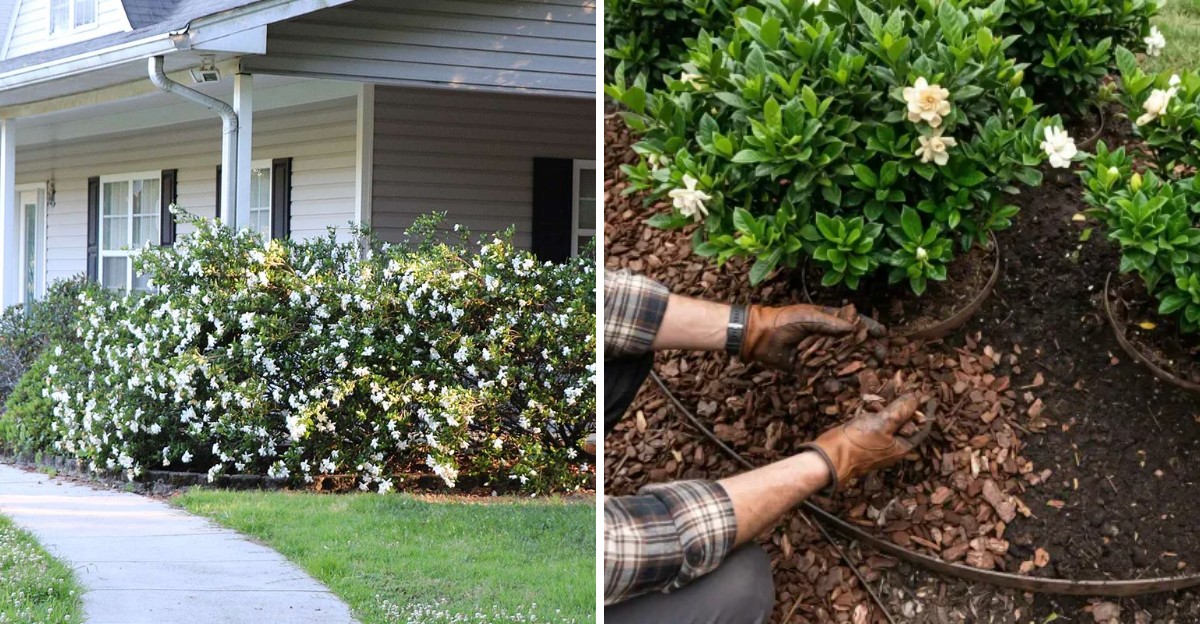
Your Florida gardenias made it through months of relentless heat, but “made it through” and “thriving” are two very different things right now. Those leaves might look a little duller than they did in June.
The blooms have mostly stopped. And that soil underneath has been baked and drenched on repeat for weeks on end.
Summer takes more out of these plants than most people realize. Heat stress builds up slowly, sapping energy the plant needs for next year’s buds, while heavy summer rain strips nutrients out of the soil faster than they can be replaced.
By September, a gardenia isn’t just tired. It’s running on reserves that need to be rebuilt before cooler weather sets in.
Skip this recovery window and next year’s blooms take the hit, not this year’s. The plant won’t show obvious damage right away, which is exactly why so many people miss it.
Here’s what it actually needs right now to bounce back.
1. A Well-Timed Fall Feeding
Think of fall fertilizer as a recovery meal after a marathon. Your shrub burned through nutrients while fighting heat, rain, and hungry insects all summer long.
Feed during active growth when the plant can use the nutrients, adjusting timing based on your region and current weather conditions.
Reach for a granular product made for landscape shrubs or one labeled acid-forming. Choose an acid-forming fertilizer labeled for gardenias or other acid-loving plants, and follow the product directions carefully.
Slow-release matters because Florida’s sandy soil lets nutrients wash away fast during heavy rain. A steady trickle of food beats one big dump that disappears by Halloween.
Application is easy. Start about six inches out from the trunk and scatter the granules evenly to the edge of the outermost branches, then scratch them lightly into the top inch of soil and water it in.
Avoid heavy late-season fertilizing that pushes tender growth when temperatures may turn cooler. Fertilizer applied when nights turn chilly pushes soft new shoots that cold snaps can damage, and nobody wants blackened tips in January.
One quirky note: gardenias are relatives of the coffee plant. Both appreciate acidic ground, which explains why acid-forming fertilizers make such a difference in a Florida yard.
2. Steady, Deep Watering Instead Of Guesswork
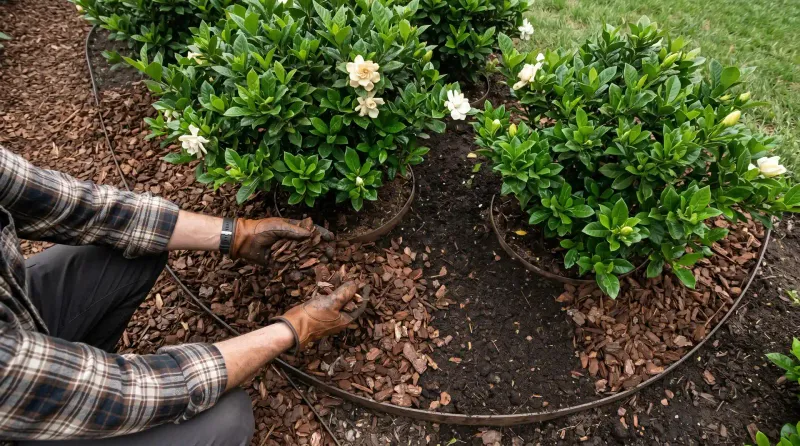
Summer rains in Florida are wildly unfair. One week your yard is a swamp, the next week the clouds vanish and the soil turns to powder.
Gardenias hate both extremes, which is why fall is the moment to get watering back on a rhythm. Aim for consistent moisture, adjusting watering based on rainfall, soil type, and how quickly the planting area dries.
Water at the base of the plant rather than overhead. Wet foliage invites leaf spots, and soggy petals brown out quickly in humid air.
Go deep rather than often. A long, slow soak encourages roots to reach downward, while quick daily sprinkles keep roots lazy and shallow near the surface.
Between waterings, let the top inch or two of soil dry slightly. Roots need air pockets just as much as moisture, and constant sogginess opens the door to rot.
Your Florida Garden Changes Every Week. Your Plan Should Too.
Gardening in Florida changes quickly throughout the season. Every Friday you’ll receive a simple weekly plan showing exactly what to plant, prune, fertilize, harvest, and protect so you never miss the right timing.
Container-grown gardenias play by different rules. Pots dry out fast in warmth, so check them daily during hot stretches and taper off as temperatures drop.
Watch for bud drop as your early warning system. Bud drop can signal stress from inconsistent moisture, temperature swings, pests, or other growing conditions.
A cheap moisture meter or your own finger works fine. Poke, feel, decide, and you will outperform any timer on the wall.
3. Soil That Leans Acidic
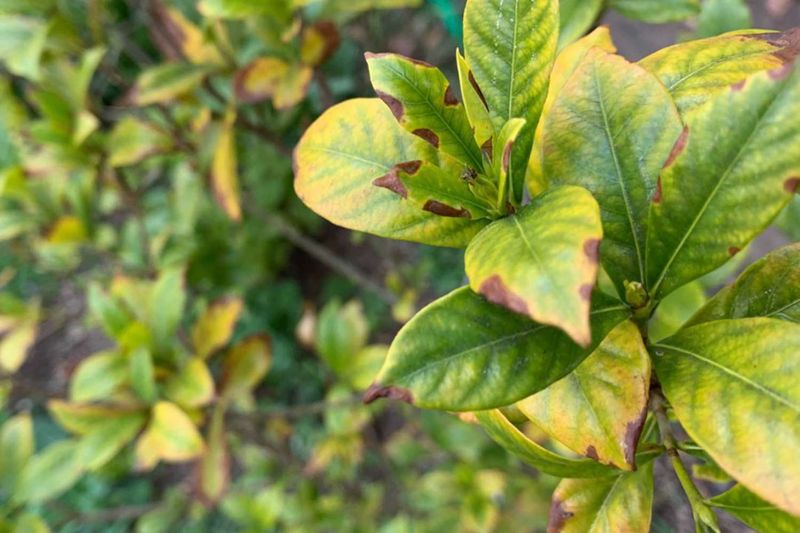
Yellow leaves with bright green veins are the classic Florida complaint. That pattern usually means the soil pH has drifted too high for roots to grab iron and other micronutrients.
Gardenias want ground in the 5.0 to 6.5 range. Anything higher and the plant simply cannot access what it needs, even if fertilizer is sitting right there.
Trouble spots are predictable. Beds hugging concrete foundations, driveways, or old shell fill tend to run alkaline because lime leaches out over time.
Adding organic matter such as composted pine bark can improve soil structure, while soil amendments like elemental sulfur may be needed when pH is too high. Sandy areas benefit too, since organic matter holds moisture between rains.
Guessing is a waste of effort. Your local UF/IFAS Extension office runs affordable soil tests, and the results take the mystery out of stubborn yellowing.
For a quick assist while you work on long-term soil health, a chelated iron or micronutrient spray can green up foliage within a couple of weeks. Treat it as a bandage, not a cure.
Fun bit of history: gardenias were named for Alexander Garden, a Scottish physician and naturalist who lived in Charleston. He would have recognized the same sandy, coastal soil challenges Florida gardeners wrestle with today.
4. Morning Sun With Afternoon Relief
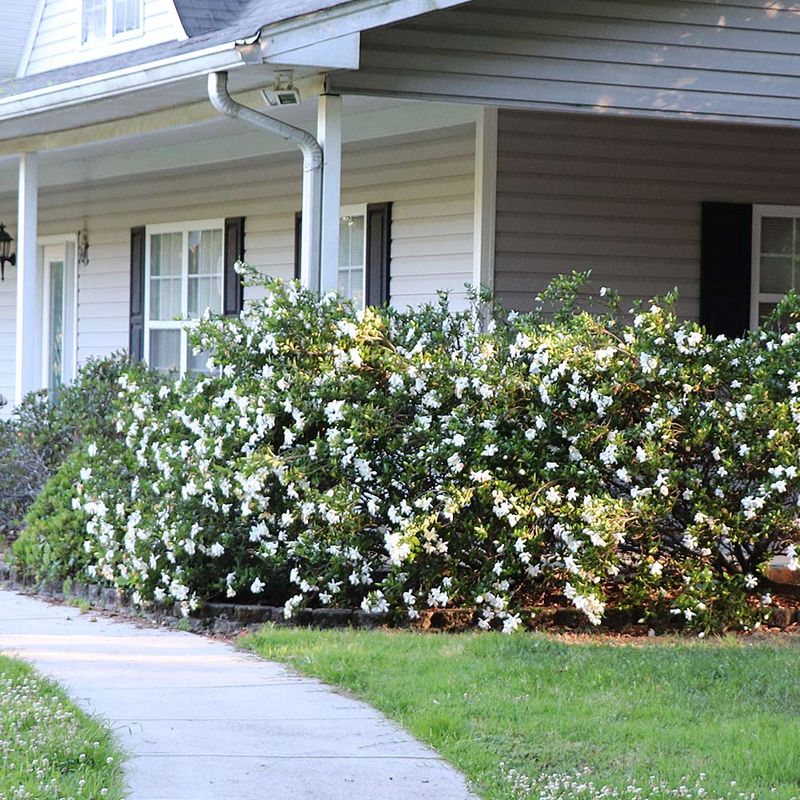
Ever notice how the same shrub looks fantastic on the east side of a house and scorched on the west? Sun angle is doing all the talking.
Gardenias often perform best with morning sun and some protection from intense afternoon heat. Morning sun paired with afternoon shade is the arrangement they reward most.
Dappled light under a high-canopy tree such as a live oak also works beautifully. Shifting patterns of sun and shadow mimic the plant’s natural woodland edge habitat.
Leaves that look bleached, crispy at the tips, or oddly pale often signal too much midday glare. Buds that shrivel before opening can tell the same story.
Deep shade is not the answer either. Plants tucked into dark corners grow leggy, bloom sparsely, and stay damp long enough to invite fungal problems.
Air movement matters alongside light. A shrub crowded against a wall or wedged between other plants holds humidity, so give it breathing room on all sides.
Fall is a fine season to relocate a poorly placed gardenia. Cooler temperatures reduce transplant stress, and roots have months to settle before next summer’s heat returns.
If moving is not practical, consider a shade sail or a strategically planted companion shrub to soften those brutal late-day rays.
5. Pruning Shears Put Away Before October
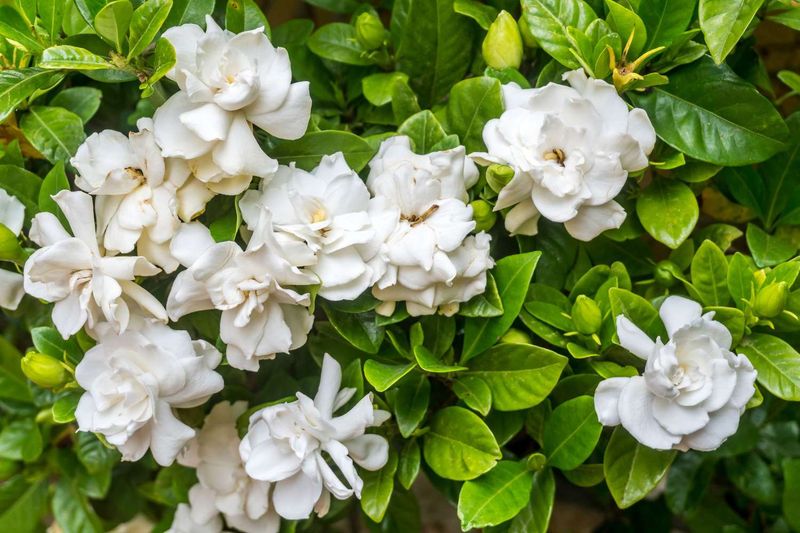
Here is the mistake that quietly steals next year’s flowers: pruning too late. Gardenias set their buds for the following season in late summer and fall, so autumn haircuts remove the very thing you are waiting for.
The right window opens as soon as the main bloom cycle wraps up, usually mid-summer. Aim to finish all shaping before October arrives.
If you missed that window, restraint is your friend. Limit yourself to snipping off spent blooms, broken twigs, and any branch rubbing against another.
When you do prune in season, keep it light. Removing more than about a third of the plant at once shocks it and slows recovery.
Clean tools make a real difference. Wipe blades with rubbing alcohol between plants so you are not carrying fungal spores from one shrub to the next.
Cut just above a leaf node or an outward-facing bud. That small detail encourages growth to spread outward, opening up the center for better airflow.
If the shrub becomes crowded inside, selective thinning can improve airflow. Snipping a few crowded inner branches lets breezes pass through, which helps discourage mildew during Florida’s soupy months.
Mark your calendar now for next July. Your future self will appreciate the reminder.
6. An Honest Bug Inspection
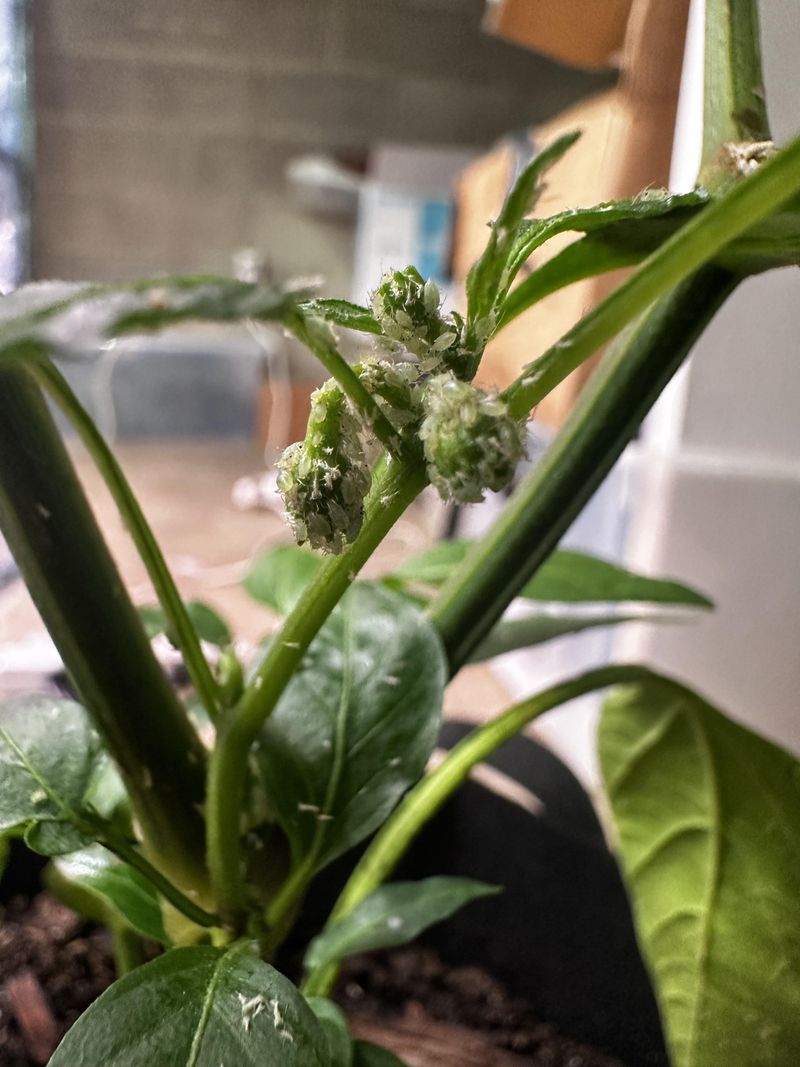
Flip a leaf over. That single move reveals more about your gardenia’s health than staring at it from the patio ever will.
Summer heat is a party invitation for aphids, soft scale, mealybugs, whiteflies, and spider mites. All of them feed on sap and leave the plant looking tired and off-color.
Sticky residue on leaves or the sidewalk below is honeydew, insect waste that later grows a black coating called sooty mold. The mold itself is mostly cosmetic, but it signals a feeding problem above.
Distorted new growth, stippled leaves, and fine webbing point toward mites, which love dry, dusty conditions. A firm spray of water on leaf undersides knocks down populations surprisingly well.
Insecticidal soap or horticultural oils can help when labeled for the pest and plant, but apply carefully during Florida heat and always follow label directions. Avoid spraying oils in blazing midday heat.
Underground troublemakers deserve a mention too. In areas with serious nematode problems, resistant rootstocks or alternative plant choices may be worth considering.
Check weekly rather than monthly. Catching a small colony of scale early beats battling an established infestation across an entire shrub in December.
Ladybugs and lacewings help for free, so spray selectively and let the good bugs work.
7. Defense Against Fungal Troublemakers
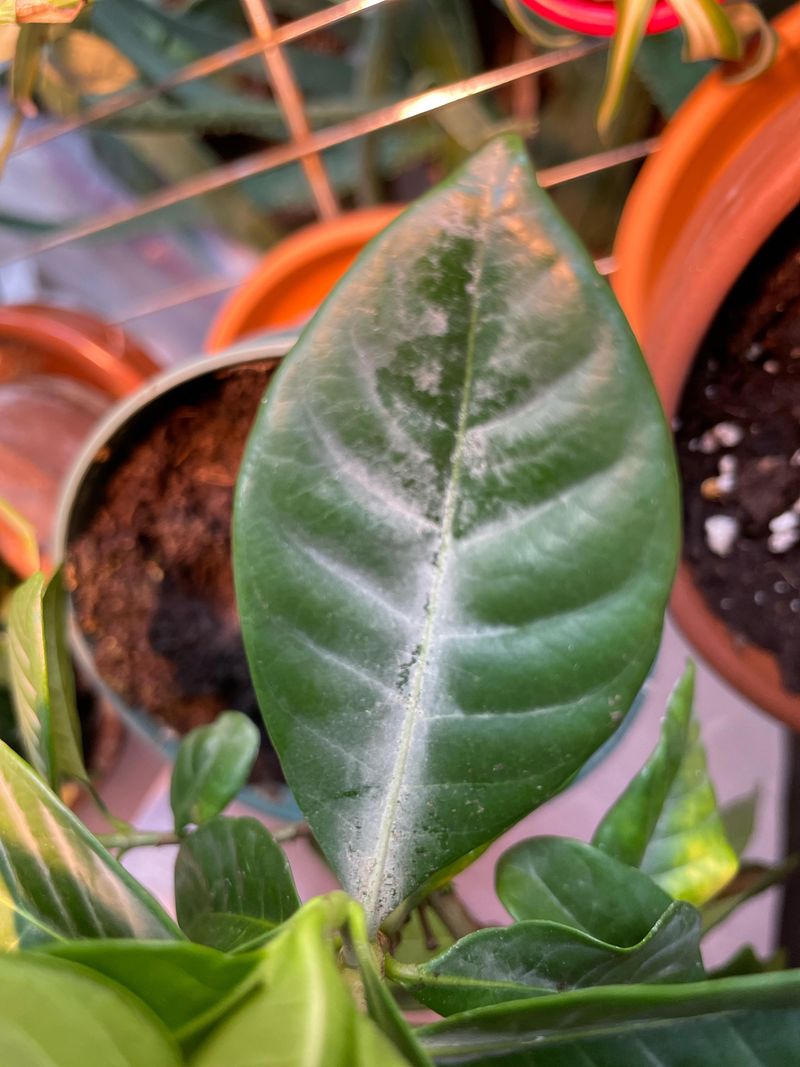
Humidity is the price of Florida living, and fungi love it as much as we complain about it. Most gardenia illnesses trace back to moisture that lingers too long.
Root rot tops the list. Overwatering or beds that hold water after storms suffocate roots, and the aboveground clues are yellowing leaves and wilting despite damp soil.
Improving drainage fixes more than any spray bottle can. Raising the bed a few inches or working coarse organic matter into heavy ground makes a lasting difference.
Leaf spots, sooty mold linked to insect pests, and root problems are among the more common issues gardeners encounter. Crowded plantings and stagnant air set the stage.
Space, airflow, and base watering knock out most of the risk. Trimming a few interior branches lets breezes reach the center of the shrub.
Housekeeping counts as treatment. Rake up fallen leaves and clip out affected shoots, then bag the debris instead of tossing it on the compost pile.
Leaf spots often appear after a summer of overhead irrigation. Switching to a soaker hose or drip line usually clears the issue by the next flush of growth.
If problems persist, a labeled fungicide can help, but correcting conditions first gives far better long-term results.
8. A Fresh Blanket Of Pine Bark Mulch
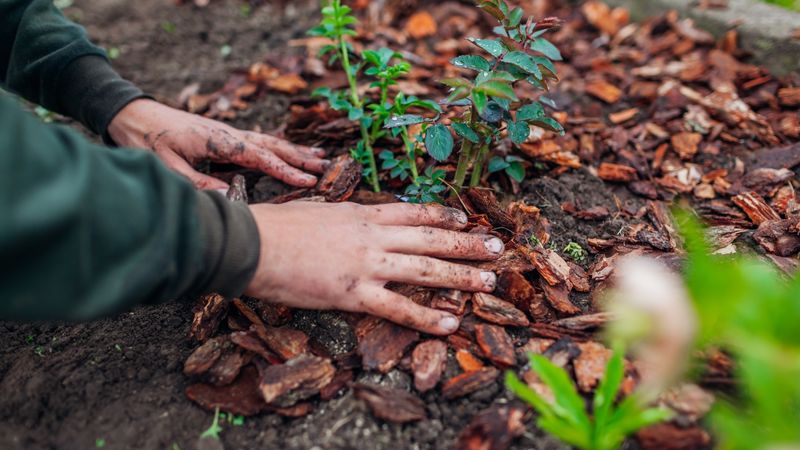
Mulch is the least glamorous item on this list and possibly the most valuable. By September, last year’s layer has usually broken down into a thin, sad crust.
Refresh it to a depth of two or three inches using pine bark, pine straw, or shredded leaves. All three break down slowly and lean acidic, which suits gardenias perfectly.
Cool roots are happy roots. A proper layer buffers soil temperature swings and holds moisture through those weeks when rain forgets to show up.
Weeds also lose interest. Fewer weeds means less competition for water and nutrients right where the feeder roots live.
One rule keeps mulch from backfiring: leave a few inches of bare soil around the stem. Piling material against the trunk traps moisture and invites rot at the base.
Spread the ring out to the drip line, or a bit beyond if you have space. Roots reach farther than most people assume, often well past the outer branches.
Pine straw deserves a special nod in Florida. It is abundant, inexpensive, stays put during downpours, and lets rainwater pass through easily.
Top it off each fall and spring. Small, regular additions beat one massive load every few years.
9. Humidity Levels That Stay Comfortable
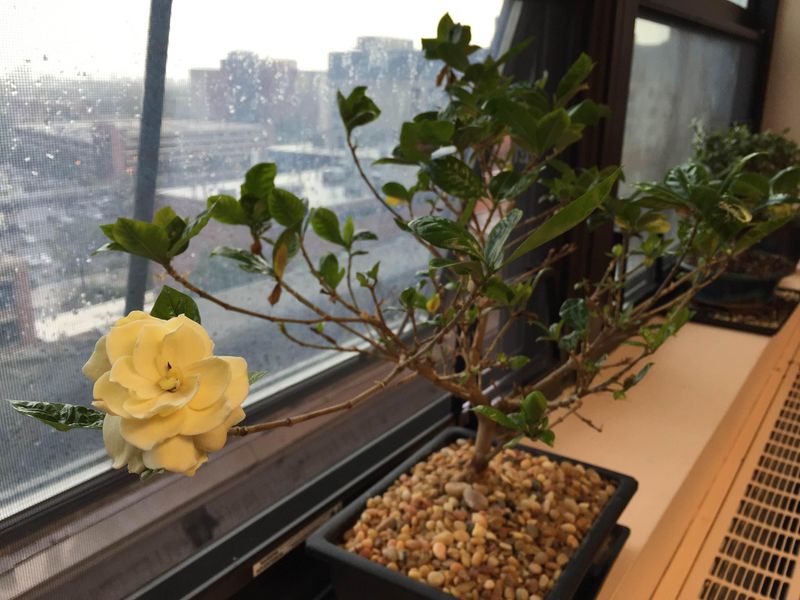
Gardenias grew up in warm, muggy places, which is why Florida suits them so well most of the year. Outdoor plants rarely struggle on this front.
Dry spells change the math. Dry air and stressful conditions can make container gardenias more vulnerable to spider mites and flower bud problems.
Container plants feel it first. Pots on a covered porch or moved indoors sit in air that is far drier than the garden outside.
For container plants, grouping plants together or using a humidifier indoors is usually more effective than a pebble tray alone. Fill a shallow saucer with stones and water, set the container on top, and let evaporation do the work.
Grouping plants together also raises local humidity. Each one releases moisture, and clustered pots create their own small pocket of comfortable air.
Avoid parking gardenias directly under air conditioning vents or beside heaters. Blasts of dry air are a fast track to shriveled buds.
A gentle rinse can remove dust and some pests, but allow foliage to dry and avoid creating consistently wet conditions. Do it early so leaves dry before evening.
Outdoors, a light spray during long dry stretches refreshes the plant without soaking the root zone. Just keep flowers out of the direct stream, since wet petals brown quickly.
10. A Watchful Eye On Bud Drop And Stress Signals
Not every yellow leaf is bad news. Older, interior leaves naturally turn butter-yellow and drop in fall as the shrub sheds what it no longer needs.
Buds hitting the ground unopened deserve more attention. Bud drop is the plant’s way of saying something in its routine went sideways.
Common culprits include soil that dried out too far, an unexpected heat spike, a sudden cold snap, or too much fertilizer applied at once. Poor drainage lands on the list as well.
Keep a simple log on your phone. Noting watering days, feeding dates, and weather swings makes patterns obvious after a few weeks.
Walk the garden weekly with no tools in hand. Just look at leaf color, new growth, and bud count, and problems reveal themselves early.
Consistency beats intervention almost every time. Steady moisture, correct pH, filtered light, and fresh mulch prevent most of the drama before it starts.
Recovery takes patience. A shrub battered by a rough summer may spend all of autumn rebuilding roots before it shows any visible improvement up top.
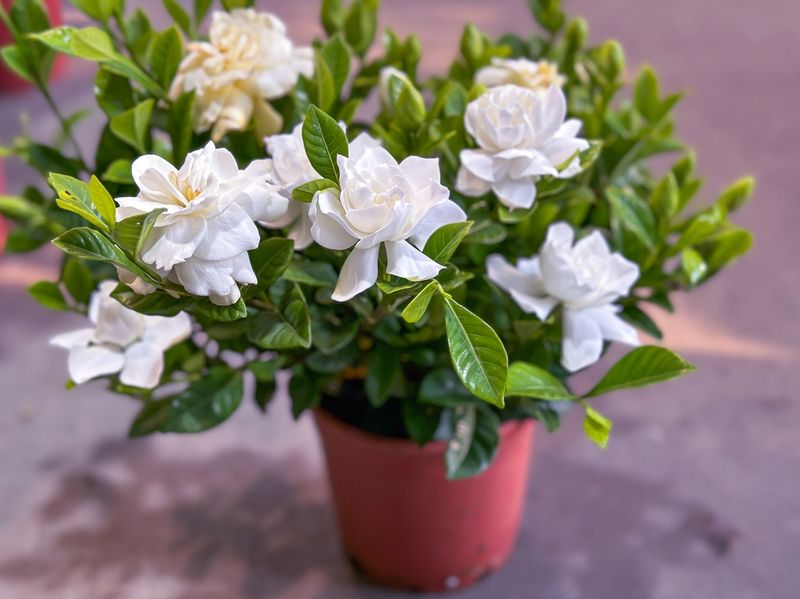
Come spring, that patience pays off in creamy white blooms and a fragrance that drifts across the whole yard. Few plants say Florida quite like it.