Why Michigan Ticks Get More Dangerous In Fall And How Gardeners Can Fight Back
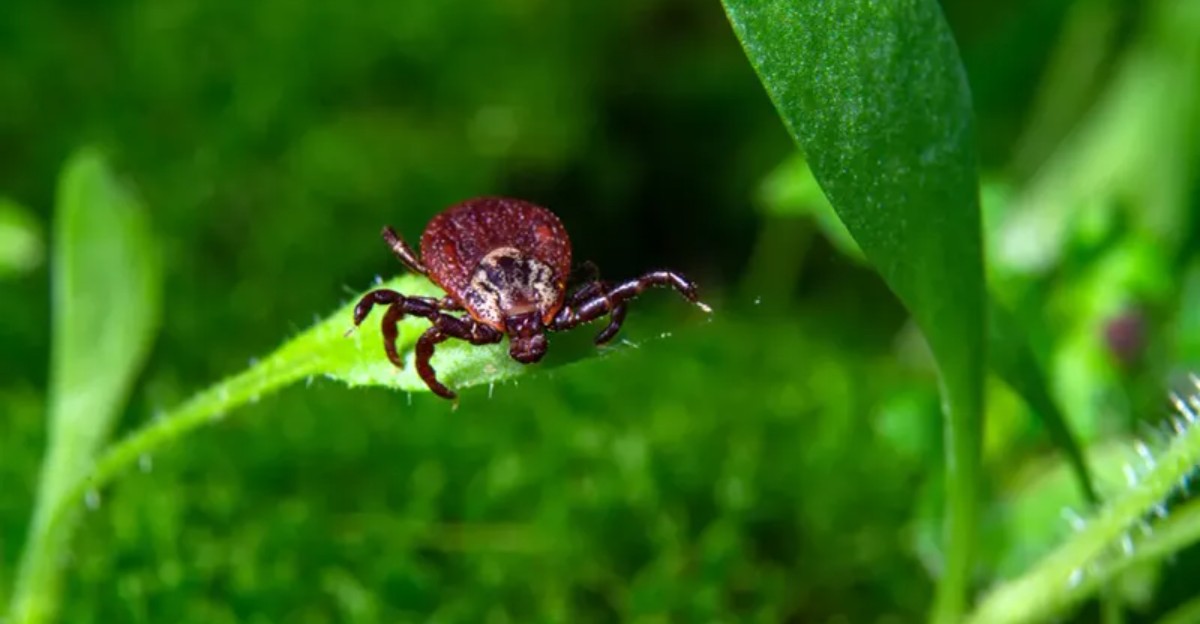
Tick activity doesn’t stop once summer ends in Michigan, and in some ways fall brings its own risks. Adult blacklegged ticks become more active in fall, while the smaller nymph stage is most active earlier in the year.
These ticks can transmit Lyme disease along with several other illnesses, and cooler fall weather doesn’t slow them down the way many people assume.
Gardeners spending time clearing leaves, cutting back plants, or working near wooded edges are especially exposed during this stretch.
A few simple precautions, like tucking pants into socks and checking thoroughly after yard work, go a long way toward staying protected this time of year.
1. Adult Deer Ticks Become Active In Fall
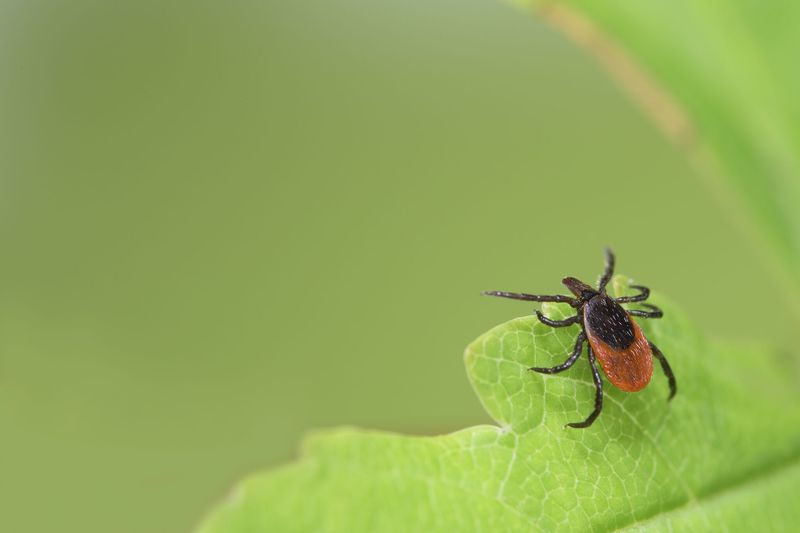
Many folks think ticks vanish once summer fades, but adult blacklegged ticks, also called deer ticks, are just getting started in fall. Cool weather does not slow them down the way it does other bugs.
These ticks actually thrive when temperatures dip into the 40s and 50s. As long as the ground stays above freezing and the air holds some moisture, adult deer ticks climb onto grass and shrubs to wait for a passing host.
That means your favorite autumn afternoon in the yard lines up perfectly with their most active weeks.
Michigan has plenty of woods and green spaces, which gives these ticks lots of room to spread. In fall, adult females are searching hard for one last blood meal before winter.
They stretch out their front legs and grab onto anything that brushes past, including your pants or gloves.
Because these adult ticks are bigger than the young ones, you actually have a better chance of spotting them. That small advantage matters.
A quick glance at your clothing can help you catch one before it reaches your skin. Staying alert during warm spells is smart, since a sunny fall day can wake ticks right up. Wear light colored clothing so dark ticks stand out.
Tuck your pants into your socks when you head into leafy or grassy zones. Knowing that fall is peak season for adult deer ticks puts you ahead. With a little caution, you can garden freely and keep these hitchhikers off your body.
2. Fallen Leaves Create Tick Habitat
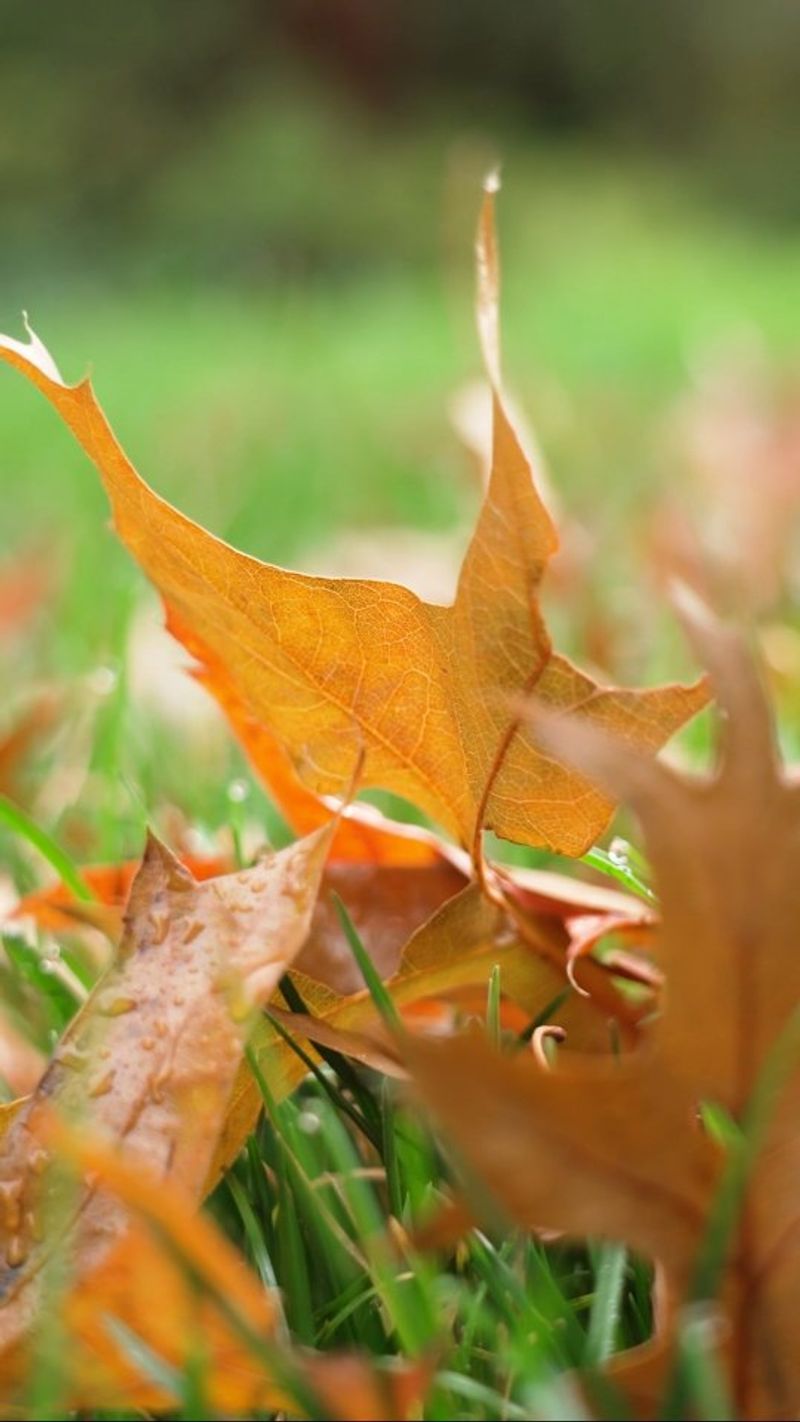
That cozy blanket of fallen leaves looks lovely spread across the lawn, but it doubles as a five star hotel for ticks. Underneath the crunchy top layer sits a damp, shaded world that ticks find irresistible.
Ticks need moisture to survive, and they dry out quickly in open sunlight. Leaf litter traps humidity and blocks the wind, giving them a safe place to rest between meals. A thick pile near your porch or garden bed can hold far more ticks than bare ground.
Raking regularly makes a real difference. When you clear leaves away from walkways, patios, and play areas, you remove the moist shelter ticks depend on. Fewer hiding spots means fewer chances for one to grab onto you.
Pay special attention to the edges of your yard where the lawn meets trees or brush. Ticks gather along these borders because leaves collect there and wildlife passes through. Keeping those edges tidy shrinks their favorite territory.
Your Michigan Garden Changes Every Week. Your Plan Should Too.
Gardening in Michigan changes quickly throughout the season. Every Friday you’ll receive a simple weekly plan showing exactly what to plant, prune, fertilize, harvest, and protect so you never miss the right timing.
Composting leaves is fine, but place the pile away from spots where you spend the most time. A bin tucked in a far corner keeps the material useful without inviting ticks near your back door.
Bagging or mulching leaves quickly, rather than letting them sit for weeks, also helps break the humid cycle ticks rely on. A leaf blower can speed the job along.
Simple, steady cleanup turns your yard into a less friendly place for ticks. Every bag you fill lowers the odds of an unwanted bite while you garden.
3. Gardeners Spend More Time In Tick Zones

Fall is one of the busiest times for anyone who loves working the soil. Planting tulip bulbs, trimming perennials, and hauling leaves all pull you straight into the places ticks call home.
Think about where these chores happen. You kneel beside shrubs, reach into flower beds, and dig near the shady base of trees.
Those spots hold moisture and shade, which is exactly the environment ticks prefer during autumn.
Moving leaf piles is especially risky. Every time you scoop up damp leaves, you disturb the very shelter ticks were using. They can crawl onto your gloves or sleeves before you even notice.
Cutting back tall plants brings your hands close to the stems and low branches where ticks wait. As you brush past, they simply reach out and hitch a ride.
The more you work near dense growth, the more chances they get. You do not have to give up your favorite fall projects. A few habits make a big difference.
Wear gloves and long sleeves, and keep a roll of tape nearby to lift off any tick you spot on your clothes.
Try tackling the leafiest, brushiest chores on drier days when ticks are less active. Break big cleanup jobs into smaller sessions so you spend less continuous time in risky zones.
When you finish, change clothes and toss them in the dryer on high heat for a few minutes. That quick step handles any ticks still clinging to fabric, so your hard work does not follow you indoors.
4. Deer And Wildlife Move Through Yards
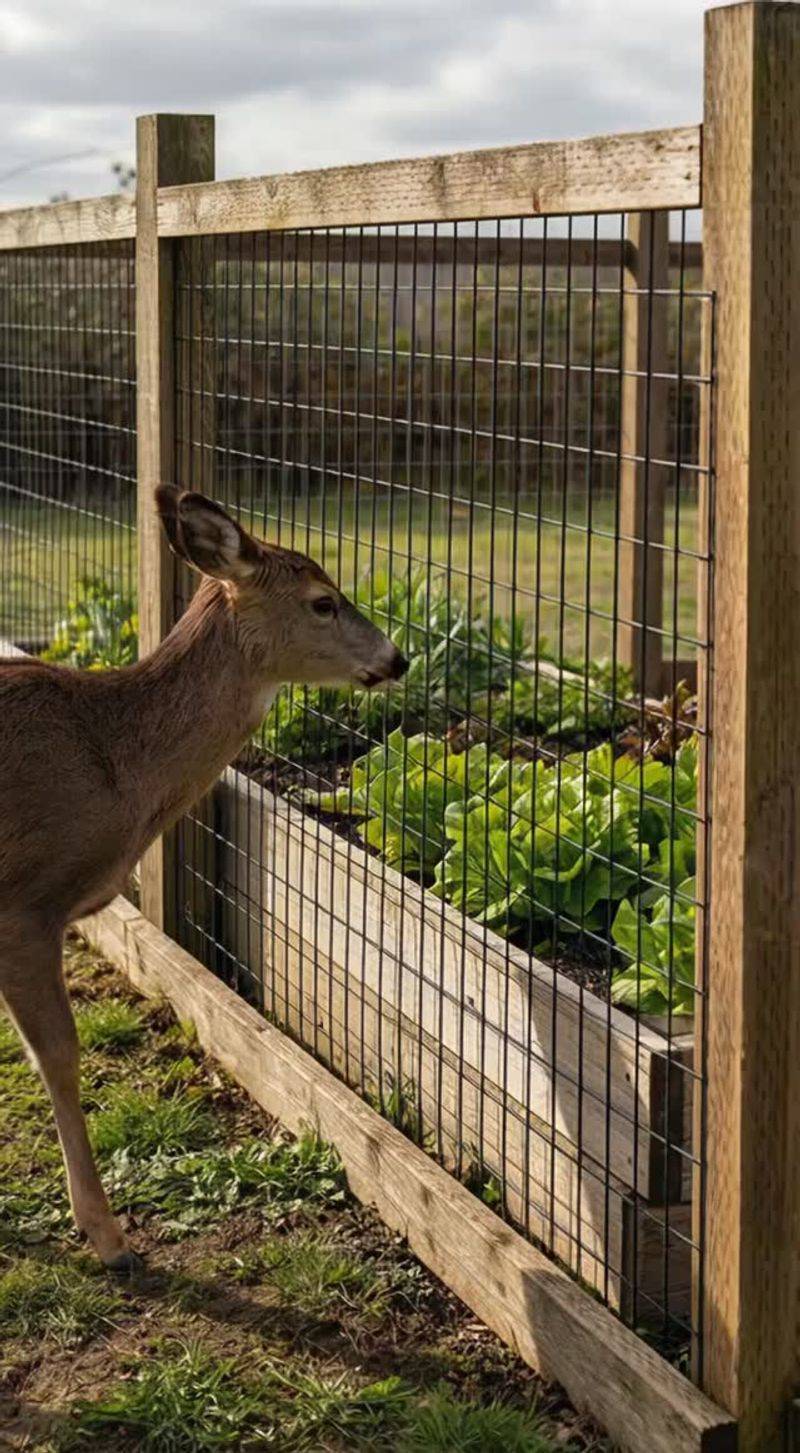
Ticks cannot fly or jump, so they rely on animals to travel around. In Michigan, deer, mice, birds, and squirrels act like a taxi service, carrying ticks right into your yard.
Deer are the biggest movers. As they wander from the woods to nibble on garden plants, they drop female ticks that then lay eggs in your soil.
One visiting deer can leave behind the start of a whole new tick population. Mice play a sneaky role too. They carry young ticks and often spread the germs that cause illness.
When mice tunnel through leaf piles and stone walls near your beds, they bring ticks along for the ride.
Yards close to woods or open fields tend to see the most activity. Natural corridors, like a line of shrubs connecting to a forest, give wildlife an easy path straight to your garden. More animal traffic usually means more ticks.
You can make your yard less inviting to these carriers. Fencing certain areas, choosing plants deer dislike, and sealing gaps where mice enter all help lower the visits.
Fewer animal guests mean fewer ticks left behind. Keep bird feeders away from spots where you garden, since spilled seed draws mice and other critters. Store firewood neatly and off the ground so rodents find fewer hiding places.
Understanding how wildlife spreads ticks helps you plan smarter. Small changes to your landscape can quietly break the chain and keep more ticks out of the places you love to work.
5. Tall Grass And Brush Provide Hiding Places

Overgrown corners might seem harmless, but to a tick they look like a perfect launching pad. Tall grass, thick groundcover, and messy brush piles all create shady, humid pockets where ticks wait for a host.
Ticks use a trick called questing. They climb to the tip of a grass blade or leaf, stretch out their legs, and hold on until something warm brushes by. Taller plants give them higher perches and more chances to catch you or a passing animal.
Brush piles are especially cozy. The tangled branches trap moisture and offer shelter to mice and other small animals, which bring ticks in with them. A forgotten pile in the corner can turn into a tick nursery over time.
Dense groundcover along paths creates the same problem. As you walk by, your legs sweep right across the spots where ticks are perched and ready. The narrower your clear space, the closer you get to them.
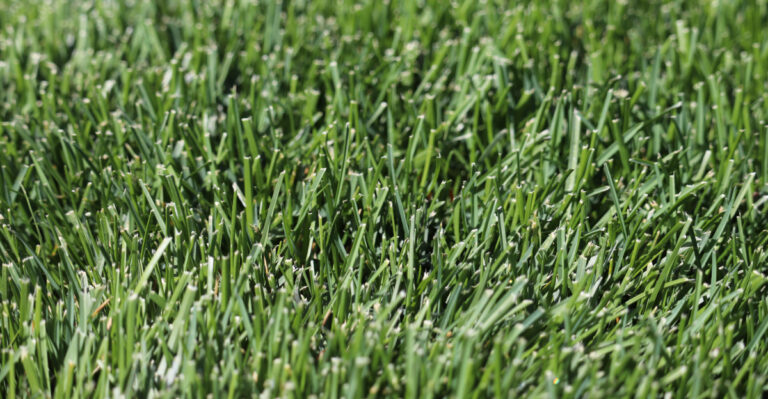
Trimming these areas back changes the whole picture. Shorter grass dries out faster in the sun, and ticks struggle in dry, open conditions. Mowing regularly keeps their favorite launch points from forming.
Break down brush piles or move them far from where you garden and relax. Clearing old wood and dense weeds removes both the shelter and the moisture ticks depend on.
A tidy, open yard is not just nicer to look at. It actively pushes ticks toward the edges and away from you, giving you room to enjoy your garden with far less worry.
6. Create A Tick-Reduced Garden Zone
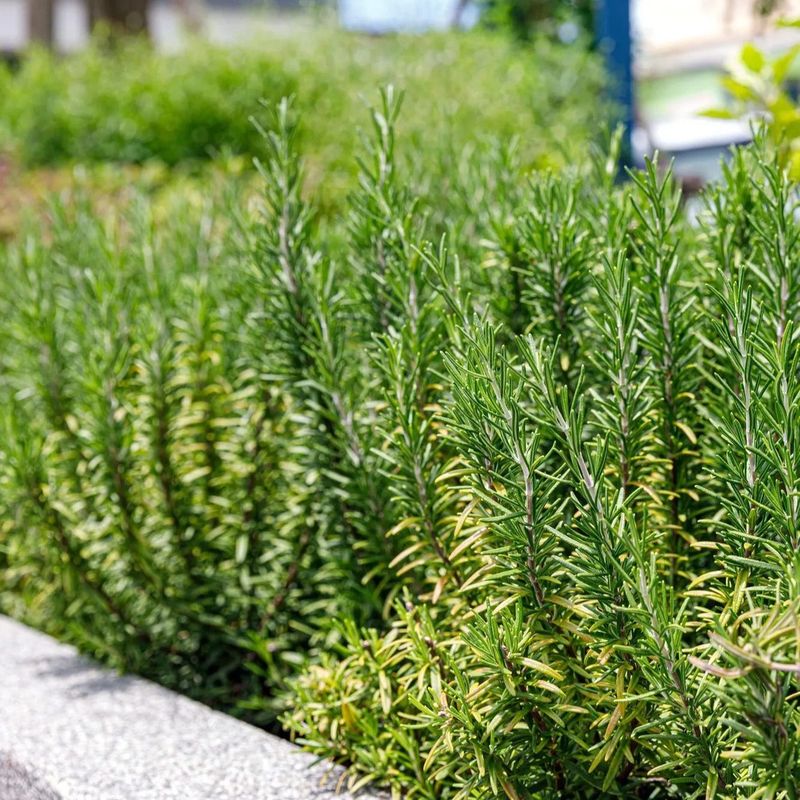
Building a tick smart garden is a bit like drawing a map of safe zones. With a few clever choices, you can steer ticks away from the spots where you spend the most time.
Start by keeping your grass short. A well mowed lawn dries quickly and gives ticks few places to perch. Trimming often is one of the easiest ways to shrink their territory.
Barriers work wonders too. A three foot strip of wood chips or gravel between your lawn and any woods creates a dry line ticks hate to cross. This simple border acts like a moat around your favorite areas.
Move leaf piles, wood stacks, and compost bins away from patios, play spaces, and garden beds. Keeping these damp materials at the far edge of your property lowers tick numbers near your busy zones.
Clear, wide pathways make a big difference. When you can walk without brushing against tall plants, ticks have fewer chances to grab on. Keep paths mowed and free of overhanging branches.
Sunlight is your friend here. Trimming trees to let more light reach the ground helps dry out shady patches where ticks thrive. Brighter, drier spaces are far less welcoming to them.
Group your seating and play areas in the sunniest, most open part of the yard. Place these spots away from stone walls and thick shrubs where ticks and mice gather.
With smart layout and steady upkeep, your garden becomes a place where ticks struggle to settle and you can relax with confidence.
7. Protect Yourself While Gardening
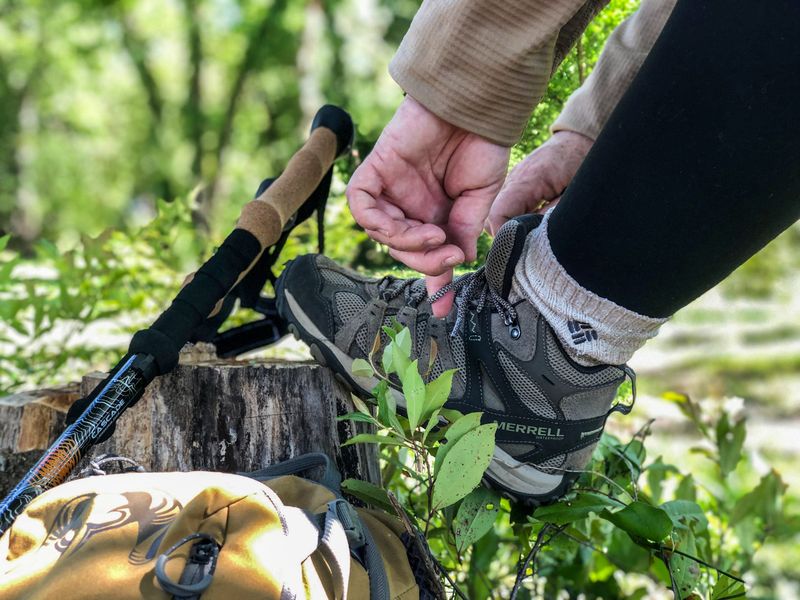
Your clothing can be one of your best tools against ticks. A few simple choices before you step outside give you a strong layer of protection during fall garden work.
Long sleeves and long pants cover the skin ticks want to reach. Tucking your pant legs into your socks might look silly, but it blocks the easy path ticks use to climb toward your body.
Light colored clothes make dark ticks easier to spot. Repellents add another shield. Products with EPA approved ingredients, used exactly as the label says, help keep ticks from settling on you.
Some gardeners treat clothing and shoes with permethrin, which stays effective through several washes.
Staying on cleared paths matters more than people think. When you walk through mowed, open areas instead of tall grass, you give ticks far fewer chances to hitch a ride. Save the brushy shortcuts for another day.
After you finish working, do a careful tick check. Look behind your knees, around your waist, under your arms, and along your hairline, since ticks love warm, hidden spots. A mirror helps you see the tricky places.
Do not forget your gear. Ticks can hide on gloves, hats, and tools, so give everything a quick look before heading inside. Tossing clothes in a hot dryer for ten minutes handles any hidden hitchhikers.
Showering soon after gardening washes off ticks that have not attached yet. These easy habits add up, letting you dig, plant, and prune while keeping ticks at a safe distance.
8. Remove Ticks Quickly And Safely
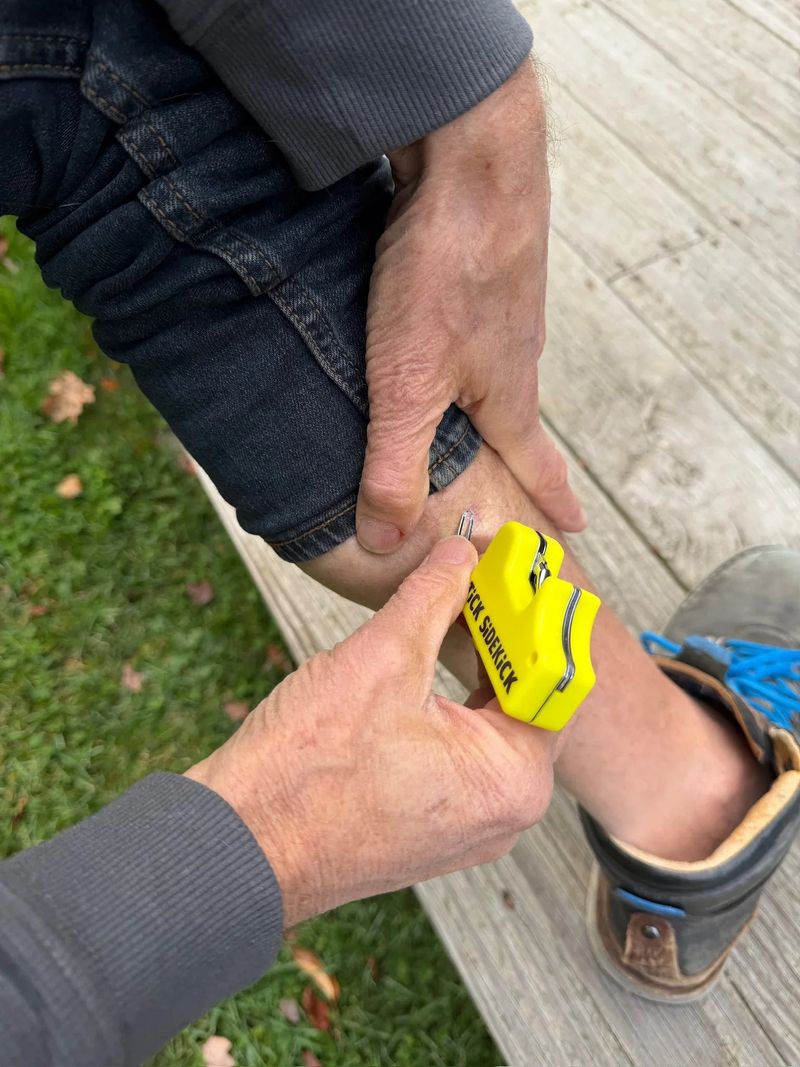
Finding a tick on your skin is startling, but staying calm and acting fast makes all the difference. The sooner you remove one, the lower the chance it can pass along any germs.
Removing an attached tick as soon as possible can also reduce the risk of infection, although transmission time varies depending on the disease. That window gives you a real advantage.
A quick check and quick removal after gardening can stop a problem before it starts. Reach for fine tipped tweezers, not your fingers. Grab the tick as close to your skin as you can, right at the mouthparts.
This grip helps you pull the whole thing out at once. Pull straight up with slow, steady pressure. Do not twist or jerk, since that can leave parts behind.
If a piece stays in, gently try to remove it, or let your skin heal on its own if it will not budge. Skip the old tricks like burning the tick or covering it with nail polish. Those methods do not work well and can make the tick release more germs.
Steady tweezers remain the safest choice. Once the tick is out, clean the bite area and your hands with soap and water or rubbing alcohol. Place the tick in a sealed bag or container in case you want to show a doctor later.
Keep an eye on the spot for the next few weeks. If you notice a rash, fever, aches, or tiredness, reach out to your doctor. Fast action keeps a small bite from turning into a bigger worry.