8 Reasons Ticks Keep Showing Up In Your Garden (And How To Stop It)
There is a moment every gardener knows well. You step inside after a long afternoon among the tomatoes, and something feels slightly off.
Maybe it is an itch behind your knee. Maybe it is the way your dog suddenly wants a very thorough scratch by the back door.
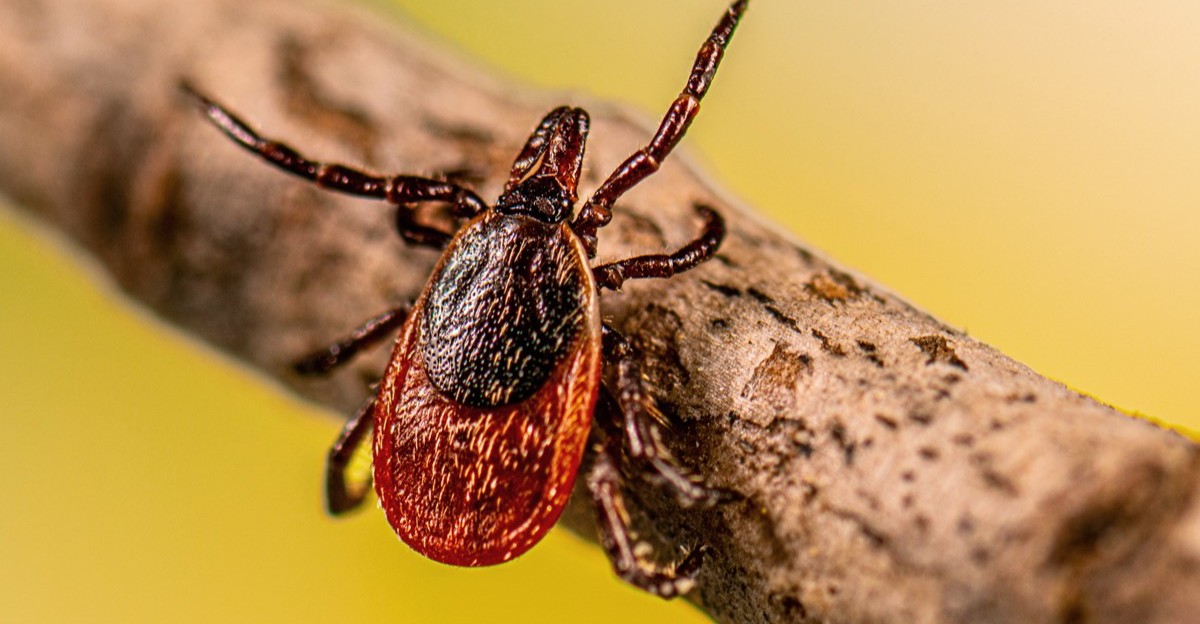
Your yard looks innocent enough, all green and sunlit and buzzing. But some tiny freeloaders have been waiting in the tall grass, patient as pickpockets at a train station.
They do not fly, jump, or make a sound, which is exactly what makes them so annoyingly good at their job. And yes, they think your garden is a five-star resort with free room service attached.
1. Tall Grass And Overgrown Lawn Edges
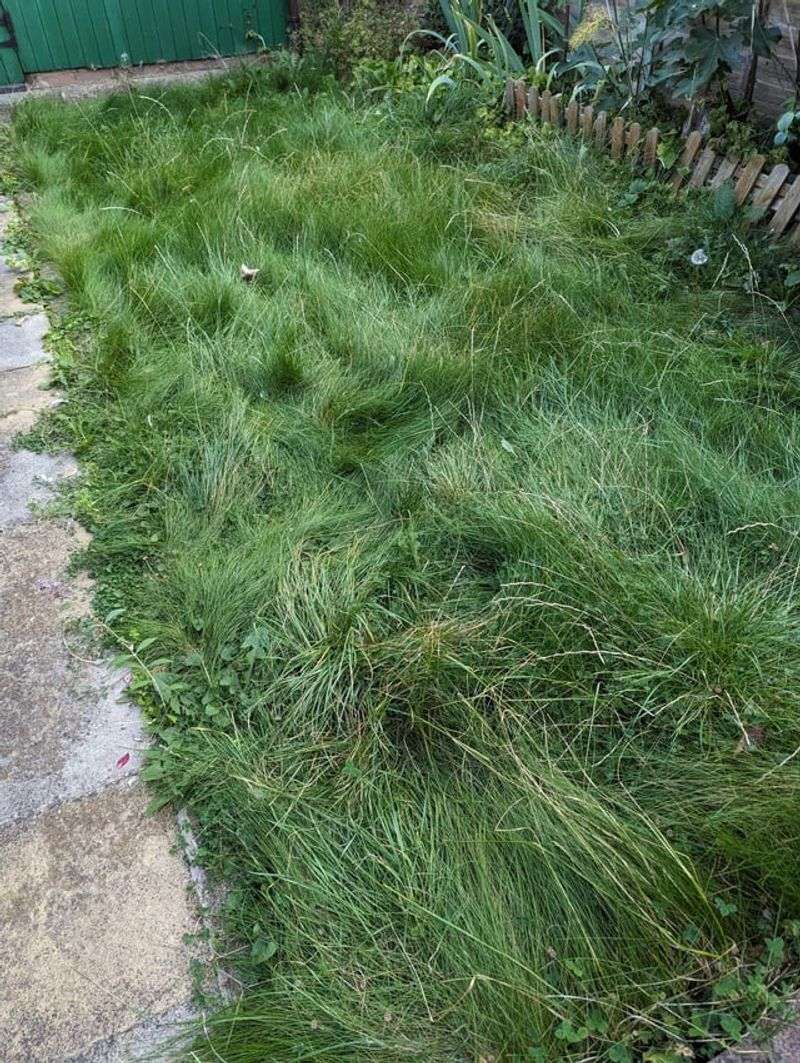
Long grass is the tick equivalent of a comfortable waiting room. The blades hold moisture near the soil and give these tiny hitchhikers a shady place to rest between meals.
Ticks use a behavior called questing. They climb a grass blade, stretch out their front legs, and wait for a leg, paw, or pant cuff to brush past. They cannot leap or drop from trees, so height matters to them a great deal.
Short grass changes the math. When you mow to around three inches and keep a regular schedule, sunlight reaches the soil and dries out the humid layer ticks rely on to stay hydrated.
Pay special attention to the edges. Fence lines, mailbox posts, shed corners, and the strip along your driveway often get skipped by the mower, and those neglected patches become tick hotels.
A string trimmer handles those spots in about ten minutes. Bag the clippings rather than leaving thick damp piles that recreate the same problem you just solved.
Here is a small detail worth knowing. Studies on suburban yards have found that most tick encounters happen within a few feet of the lawn border, not in the middle of the open grass.
So the wide sunny center of your yard is usually the safest place to sit. The trouble starts where the neat lawn fades into the shaggy, forgotten fringe, which is exactly where kids chase balls and dogs sniff around.
2. Leaf Litter And Damp Mulch Piles
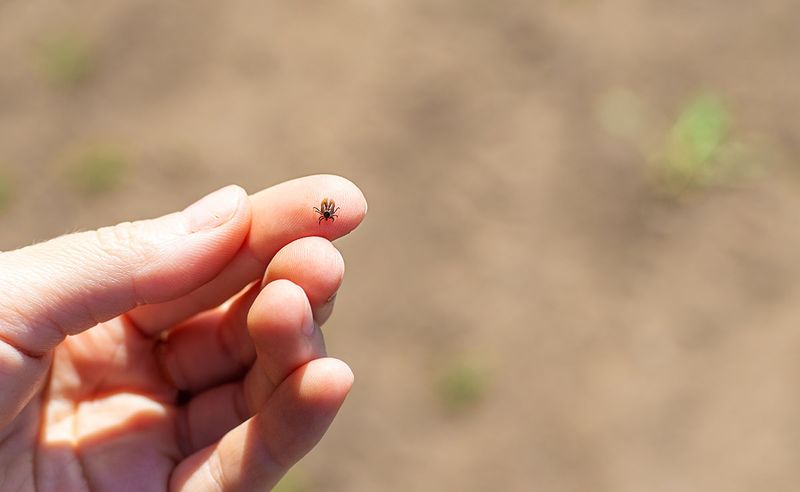
Rake back a pile of last autumn’s leaves and you will find a whole hidden world underneath. Cool, damp, and dim, that layer is where ticks ride out hot afternoons and cold nights.
Moisture is the whole story here. Ticks lose water through their bodies quickly, and they need humidity above roughly eighty percent to stay comfortable, which soggy leaf litter provides for months.
Clearing leaves in late autumn and again in early spring removes that shelter. Focus on the corners where wind pushes leaves into deep drifts, usually along fences and beside the house foundation.
Mulch deserves a second look too. Thick, wet wood mulch packed against shrubs holds the same damp conditions, especially in shaded beds that rarely get direct sun.
Keep mulch to about two or three inches deep and fluff it occasionally so air can move through. Pulling it back a few inches from stems also helps your plants avoid rot, so you get two wins.
Compost heaps are another quiet culprit. An open pile of soggy garden waste attracts mice and chipmunks, and those small visitors carry young ticks straight into your beds.
Use an enclosed bin instead, and site it away from patios and play areas. Turn the contents regularly so it heats up rather than sitting cool and clammy.
Once those damp hideouts shrink, the tick population has fewer safe places to rest during daylight hours.
3. Deer Wandering Through At Night
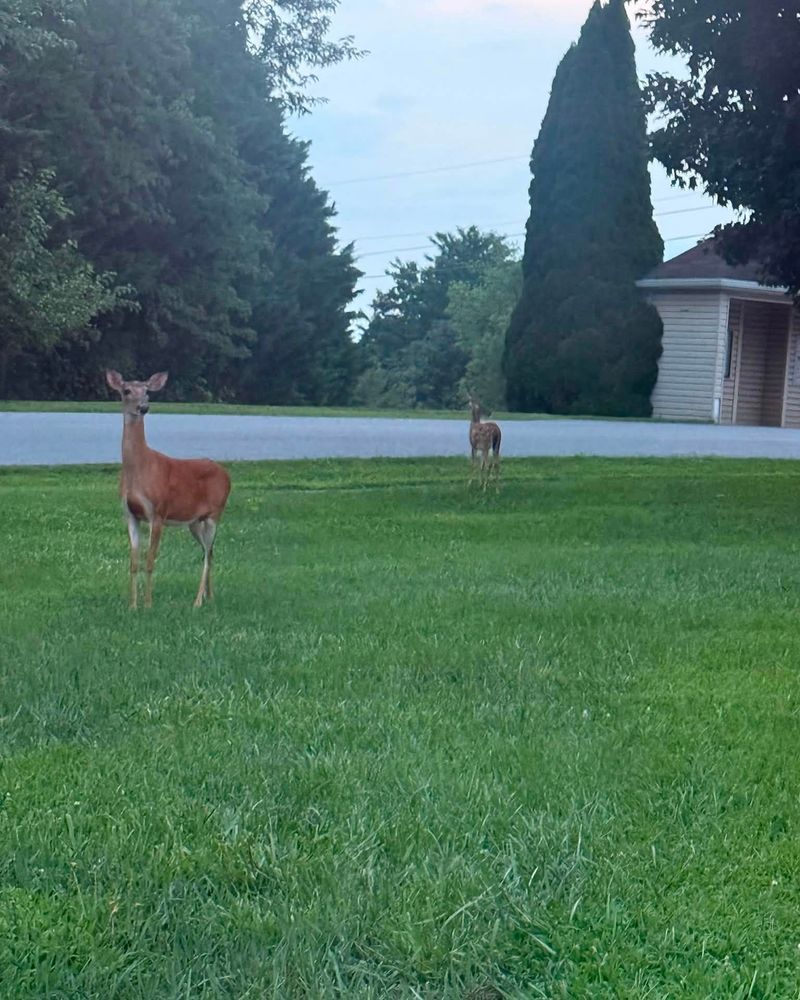
You may see hoofprints in the soft soil and a few nibbled hosta leaves. What you do not see is the cargo those visitors dropped off overnight.
A single adult deer can carry hundreds of ticks at once. Female ticks feed, then fall off to lay eggs in the grass, and a single one may produce a couple thousand eggs.
Fencing is the most reliable answer. Deer clear low barriers easily, so a fence around seven to eight feet tall works best, though a double row of shorter fencing confuses their depth perception.
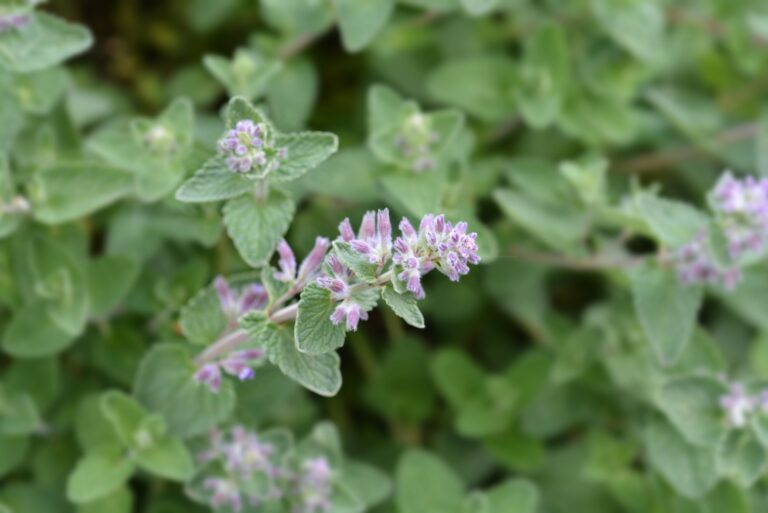
Plant choices help too. Deer tend to avoid strongly scented and fuzzy-leaved plants such as lavender, catmint, yarrow, sage, and ornamental grasses with rough texture.
Meanwhile, the buffet you did not mean to set out matters. Fallen fruit under apple trees, unfenced vegetable rows, and birdseed scattered on the ground all invite repeat visits.
Clean up windfall fruit weekly during harvest season. Move bird feeders away from seating areas or take them down during peak tick months if deer keep raiding the spillage.
Motion-activated sprinklers add a surprisingly effective layer. The sudden burst startles deer without harming them, and most learn to route around your yard after a few encounters.
Fewer deer crossings mean fewer eggs dropped in your beds, and the effect compounds season after season.
4. Mice And Chipmunks Nesting Nearby
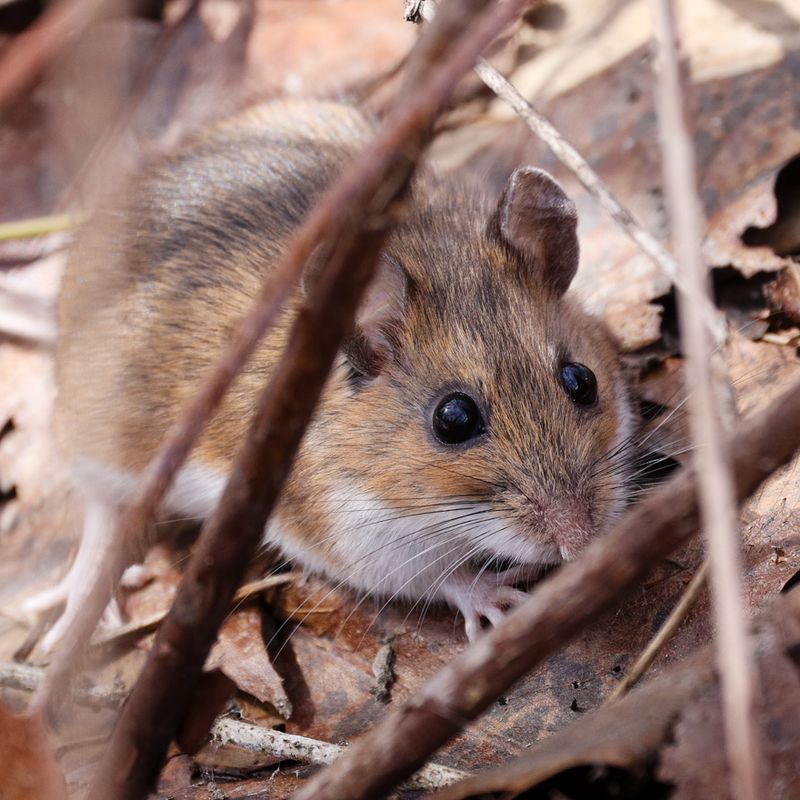
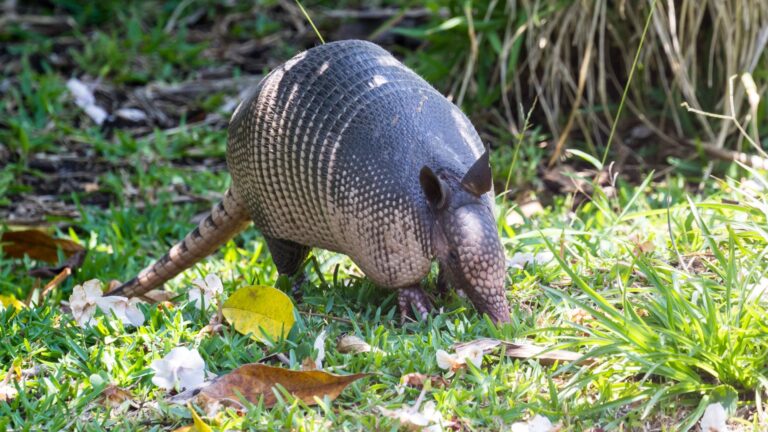
Deer get most of the blame, but the real workhorses of the tick world are much smaller. White-footed mice are the main source of infection for young ticks in many regions.
Larval ticks hatch clean. They pick up bacteria during their first blood meal, and mice are the host they feed on most often, which makes rodent control surprisingly powerful.
Start with the places rodents love. Woodpiles stacked directly on soil, stone walls, cluttered sheds, and old plant pots stacked in corners all make excellent nesting spots.
Raise firewood onto a rack at least a foot off the ground and keep it in a sunny, open spot. Sunlight and airflow make the stack far less appealing to both mice and ticks.
Food sources matter just as much as shelter. Spilled birdseed, pet food left on the porch, and open trash bins keep the rodent population well fed and growing.
Switch to no-mess birdseed or sweep beneath feeders every few days. Store pet food and seed in sealed metal containers rather than paper bags.
Some gardeners use tick tubes, which are cardboard tubes filled with treated cotton. Mice carry the cotton back to their nests, and the treatment handles ticks on the rodents without harming the animals.
Placed along stone walls and shrub lines in spring and again in late summer, they can noticeably reduce the number of infected ticks the following year.
5. Shady Garden Beds With Poor Airflow

Picture the coolest corner of your yard, the one where moss grows and the soil stays dark all day. That is prime real estate if you happen to be a tick.
Sunlight is a natural limiter. Research on tick survival shows they fare poorly in dry, sunny conditions, and populations concentrate heavily in shaded, humid microclimates.
Overplanting makes shade worse. When hostas, ferns, and ground covers grow into one another, air stops moving and the soil beneath rarely dries out between waterings.
Thinning helps more than you might expect. Divide crowded perennials every few years and leave visible gaps so light and breeze can reach the ground.
Pruning lower tree limbs is another quick fix. Removing branches up to about six feet lets morning sun sweep across beds that used to stay damp until noon.
Watering habits play a role too. Deep, less frequent watering in the early morning gives foliage time to dry, while daily evening sprinkling keeps everything clammy overnight.
If a spot stays wet no matter what you do, consider redesigning it. Gravel paths, dry-loving plants, or a simple stone seating area turn a tick-friendly pocket into something useful.
Ground covers like pachysandra and English ivy deserve particular scrutiny. They form thick mats that trap humidity right at ankle height, which is exactly where questing ticks wait.
Swapping a few of those patches for looser plantings makes a real difference by midsummer.
6. No Barrier Between Lawn And Woods
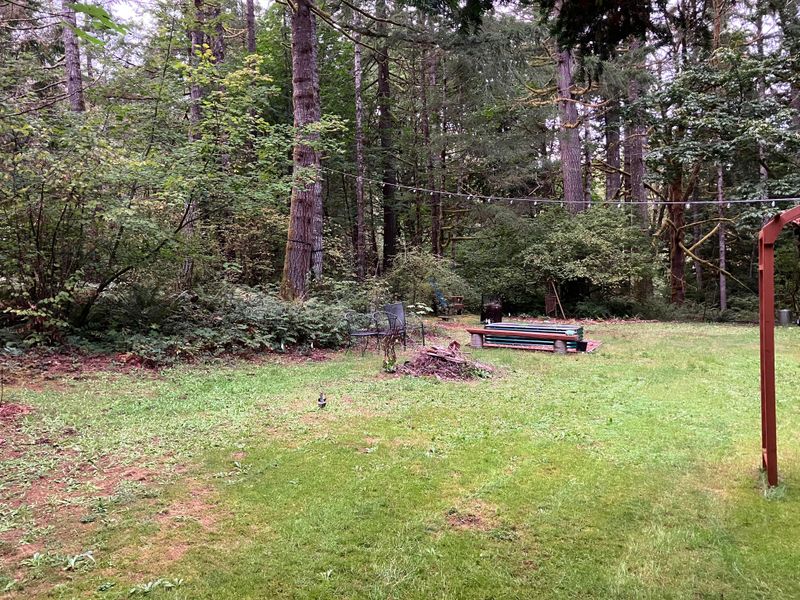
Where your tidy lawn meets the wild edge of the property, there is usually an invisible line. Ticks cross it constantly, and most gardeners give them a wide open door.
A simple barrier changes that. Lay a three-foot-wide strip of wood chips, gravel, or crushed stone along the boundary between grass and trees or brush.
The strip works because it is dry and hot. Ticks trying to cross that band lose moisture fast, and many turn back or fail to make the trip.
Keep the strip clear of leaves and weeds. A barrier buried under autumn debris stops being a barrier and becomes just another damp hiding place.
Play equipment and patios belong well inside that line. Move swing sets, sandboxes, and picnic tables to sunny open lawn at least nine feet from the woodland edge.
The same logic applies to seating. A hammock strung between two trees at the property line is charming, but it puts you right in the busiest tick corridor on the whole lot.
Stone walls make a natural boundary too, though they need attention. Clear vegetation from the base and top so the sun can reach the stones and dry them out.
Once the barrier is in place, walking the border once a month to pull encroaching weeds keeps it working. Ten minutes of maintenance protects the entire boundary through the busiest months.
7. Pets Carrying Hitchhikers Back Inside
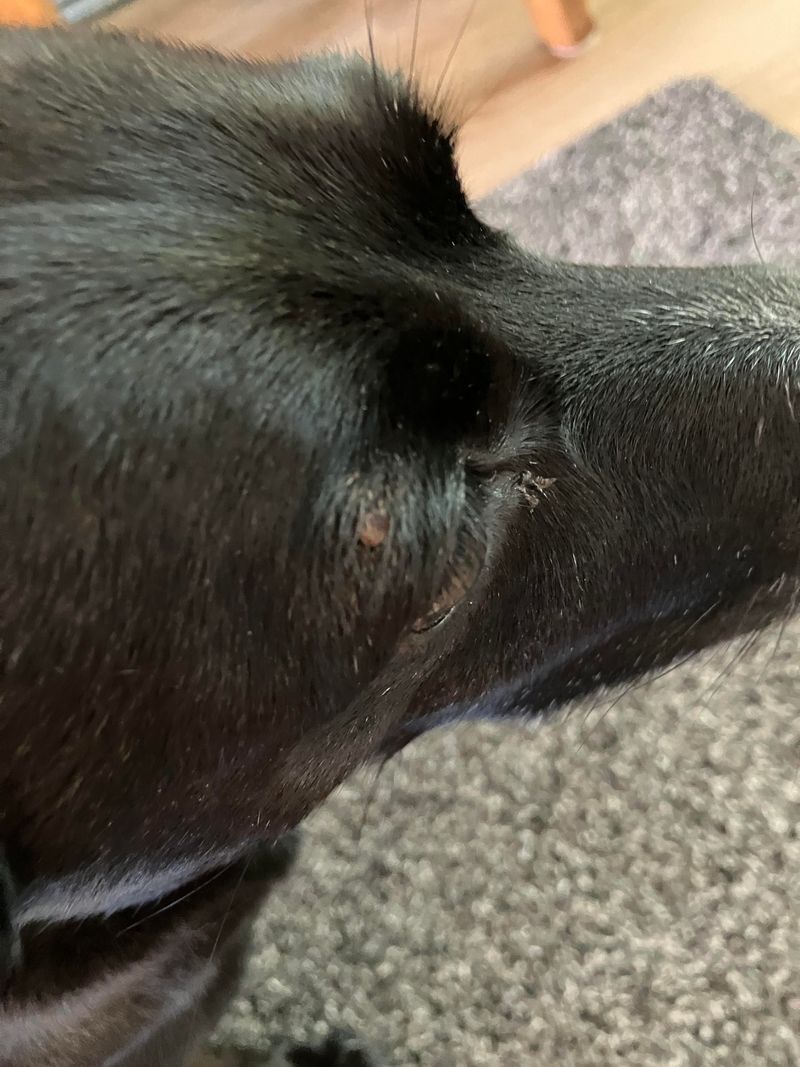
Your dog has one job outside, and it usually involves shoving his whole face into the shrubbery. He comes back grinning, tail going, and occasionally carrying passengers.
Pets act as a shuttle service. A dog that roams the yard edge can pick up several ticks in a single afternoon and drop them on the rug an hour later.
Vet-approved prevention is the foundation. Monthly topical treatments, oral chews, or treated collars all work, though your vet can advise which suits your pet and your region.
Manual checks matter just as much. Run your fingers around the ears, under the collar, between the toes, and in the armpits, since those warm folds are favorite attachment spots.
Cats need attention too, especially the ones who patrol the flower beds at dusk. Avoid using dog products on cats, since some ingredients are dangerous for them.
Grooming after outdoor time helps enormously. A fine-toothed comb catches unattached ticks before they settle, and a quick brush on the patio keeps them outside where they belong.
Consider creating a designated pet zone. Fencing off a sunny patch of short grass gives your dog somewhere to romp that is far from the shady borders.
Wash pet bedding weekly in hot water. Ticks that fall off indoors seek out soft, dark spots, and a warm dog bed fits that description perfectly.
A little routine goes a long way here.
8. Skipping Seasonal Yard Treatments
Timing beats effort when it comes to tick management. One well-timed application in spring often outperforms three random sprays in August.
Nymphs are the reason. These poppy-seed-sized youngsters are most active from late spring through midsummer, and they cause the majority of bites because they are so easy to miss.
Targeted treatment in May or early June hits that peak. Focus on the yard perimeter, shrub lines, and shaded beds rather than blanketing the entire lawn.
Plenty of gardeners prefer gentler options. Cedar oil sprays, diatomaceous earth along borders, and nematodes applied to soil all offer lower-impact approaches worth testing.
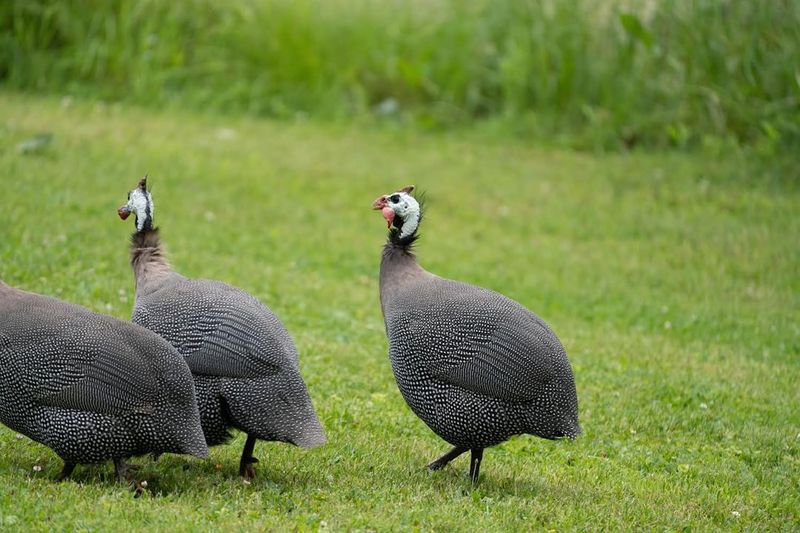
Guinea fowl and chickens deserve a mention as well. They forage enthusiastically through grass and leaf litter, and a small flock can put a real dent in local tick numbers.
Whatever method you choose, protect pollinators. Spray in the early morning or evening when bees are inactive, and skip flowering plants entirely.
Autumn deserves a second round. Adult ticks stay active whenever temperatures climb above roughly forty degrees, which means mild winter days still carry some risk.
Mark your calendar rather than trusting memory. Two reminders, one in late spring and one in early autumn, keep the routine from slipping.
Fun bit of trivia: guinea fowl have been used for pest patrol on farms for generations, long before anyone understood what ticks actually spread.