What Michigan Gardeners Should Do To Russian Sage Right After It Finishes Blooming
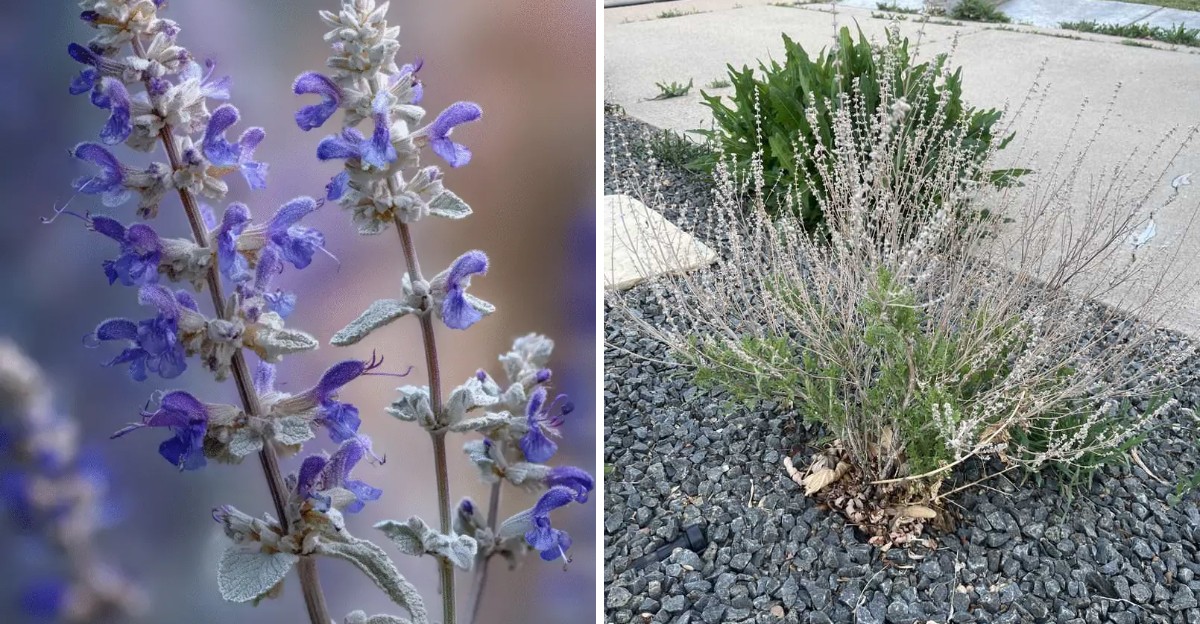
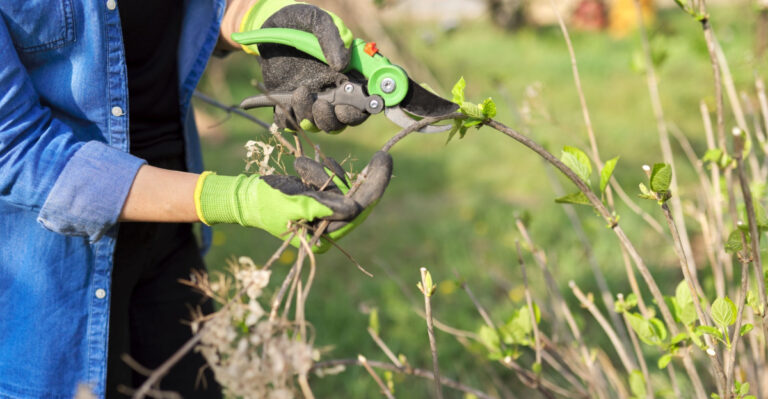
A cool October afternoon settles over a Michigan garden, and the last purple haze finally fades from the Russian sage nearby. Pruners in hand, ready to chop it down along with everything else in the bed.
Hold that thought for a second.
Russian sage is not built like a daylily or a hosta, and treating it the same way can leave a gardener staring at a suspicious pile of gray sticks come April, wondering what went wrong.
Something about this plant runs on a completely different clock than the rest of the border.
Michigan State University Extension points gardeners toward a specific plan for this shrubby, semi-woody plant, one that runs almost opposite to the usual fall cleanup instinct.
Eight things explain what actually happens underneath that gray framework, why patience beats action here, and how to tell the difference between dormant and spent when spring finally rolls around.
Put the pruners down for now. This one saves a trip to the nursery next May.
1. Leave The Woody Stems Standing
Here is the plain version of the advice: put the pruners down and walk away entirely.
Russian sage keeps a framework of semi-woody stems at its base, closer to a small shrub than a soft, floppy perennial.
Chopping that framework to the ground in October removes the very structure the plant relies on to get through a Michigan winter.
Most herbaceous perennials wither naturally to the soil line, so cutting them in fall costs them nothing at all. Russian sage plays by different rules entirely.
Its lower stems stay alive and woody, and the buds that will push out next year’s growth often sit several inches above the ground on that wood.
Michigan State University Extension guidance on woody-based perennials like Perovskia points gardeners toward leaving the standing growth alone through the cold months and saving real pruning for spring instead.
That single change in habit protects the crown and keeps you from guessing where the living wood actually ends.
There is a bonus too. Those pale, silvery stems catch snow and morning frost beautifully, giving a January garden something to look at when everything else has gone flat and brown.
Fingers itching for a project can mulch the tulip bed or clean tools instead. Russian sage is one of the few plants in the yard that genuinely does better when left messy until the weather warms again.
2. Skip Cutting Back Until Spring
Timing does more work than technique with this particular plant.
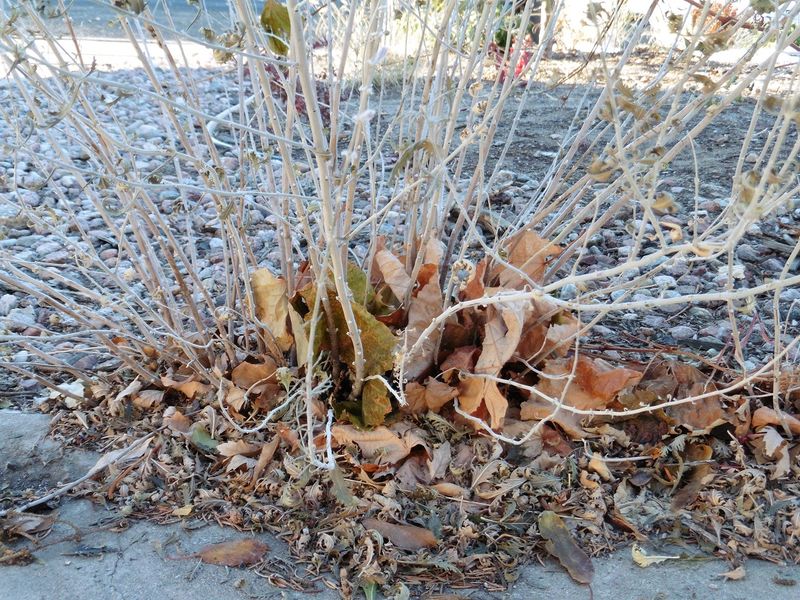
Extension horticulturists in Michigan generally recommend holding the major cutback until spring, once the weather settles and fresh growth starts pushing from the base of the woody stems.
Why wait so long? Because in fall and winter, nobody can actually tell by looking which stems are still alive.
Russian sage can die back unevenly depending on how brutal the winter turned out to be, and Michigan winters vary wildly from Monroe County all the way up to the Keweenaw.
Cut in October and pruning happens completely blind. Cut in April or early May, after tiny gray-green leaves appear along the lower wood, and the plant shows exactly where the living tissue stops.
Your Michigan Garden Changes Every Week. Your Plan Should Too.
Gardening in Michigan changes quickly throughout the season. Every Friday you’ll receive a simple weekly plan showing exactly what to plant, prune, fertilize, harvest, and protect so you never miss the right timing.
Trimming above those new buds and removing everything gone above them becomes almost automatic at that point.
In most of Michigan, that spring window lands somewhere between mid-April and mid-May, depending on your zone and the year. Watch the plant, not the calendar, since the two rarely agree exactly.
Gardeners who make the switch usually notice sturdier, better-branched plants that flop less by July. Late pruning also delays growth slightly, which helps the new shoots dodge a surprise cold snap that early bloomers cannot avoid.
Mentally file Russian sage under spring chores once the blooms fade this season. Write it on a garden calendar if the reminder helps, because come March, an untouched clump of gray sticks looks suspiciously like a spent plant even though it is anything but.
3. Trim Lightly If Needed Only
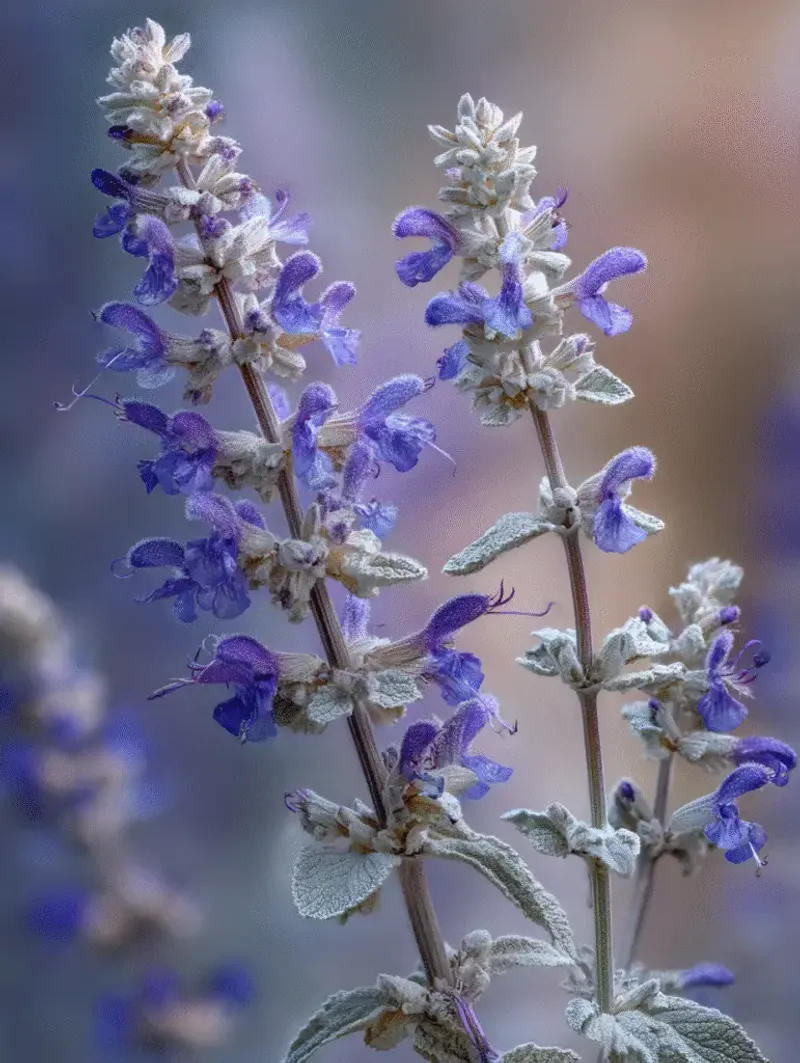
Not every snip is off-limits here, thankfully. Trimming spent flower spikes is a completely different job from hacking the plant down, and a light touch causes no harm at all.
Think of trimming as tidying just the very tips. Taking off the thin, faded flower stalks at the top, maybe a few inches of soft growth, and leaving every bit of the gray woody framework below completely untouched.
Some Michigan gardeners like the look of the dried flower plumes and skip trimming altogether, which works out just fine too.
What matters most is resisting the slide from a quick trim into a full structural chop, something that happens easily once the shears get going and momentum takes over.
A practical tip worth remembering. Use small bypass snips rather than hedge shears for this job. Little tools naturally limit how much gets removed, while big tools tempt a gardener into shaping the whole plant without meaning to.
Late-season trimming rarely produces another flush of bloom in Michigan anyway, since the season is winding down and the plant is already shifting energy toward its roots and stems instead. Do it purely for looks here, not for more flowers.
One more thing worth knowing. Those dried seed heads and stems catch drifting snow, which acts as free insulation around the base of the plant all winter long.
Neatness matters in a front-yard bed calls for snipping the shabbiest spikes and calling it done. Everything else stays put until spring arrives.
4. Winter Structure Protects The Crown
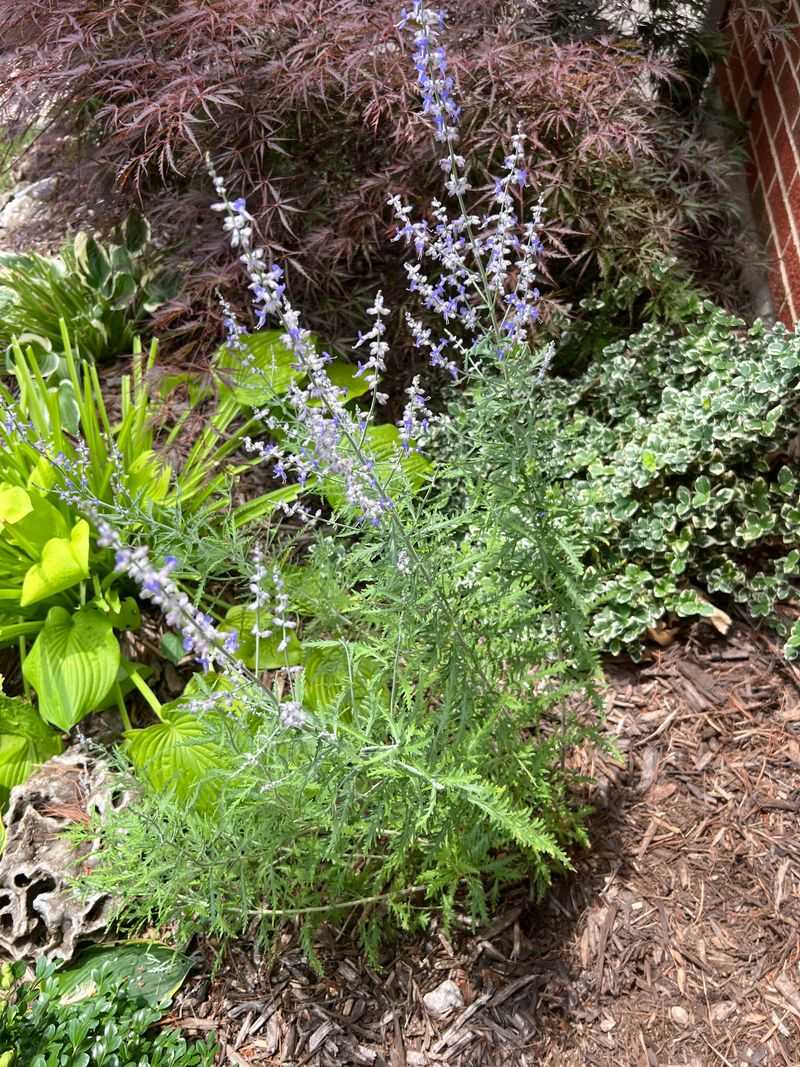
Picture the base of a Russian sage plant as its engine room.
That crown, where roots meet woody stems, holds the buds and stored energy that restart everything come spring. Protecting it is the whole point behind the leave-it-standing rule.
Standing stems do the protecting in a few quiet ways nobody really notices.
They trap blowing leaves and snow around the plant’s base, and snow ranks among the best insulators a Michigan garden ever gets, holding soil temperatures steadier than bare, exposed ground ever could.
Steady temperature matters more than raw cold here. The real threat in Michigan is the freeze-thaw cycle, those February thaws followed by a hard refreeze that heaves soil and rips at shallow roots below.
A blanket of trapped snow smooths out those dangerous swings.
Stems also break the wind effectively. Michigan’s winter winds strip moisture from exposed plant tissue, and a thicket of woody stems slows that drying effect right where the plant is most vulnerable to damage.
Wildlife gets something out of the deal too, as a nice side benefit. Beneficial insects overwinter in hollow stems and leaf litter, and songbirds pick through the seed heads on gray January days looking for a meal.
Adding a few inches of loose mulch nearby works fine, but avoid piling heavy, wet material directly against the crown. Russian sage hates soggy feet, especially in cold clay soil common across southern Michigan.
Let the plant’s own architecture do the work it evolved to handle on its own.
5. Cutting Now Risks Cold Damage
Every year, somebody in a Michigan gardening group posts the same sad photo in May. A Russian sage that was cut to the ground in October and never came back at all. The pattern is common enough to take seriously.
Hard fall pruning creates two problems at once, unfortunately. First, it strips away the stems that would have caught insulating snow, leaving the crown bare to wind, ice, and sudden temperature drops.
Second, fresh cuts on woody tissue open wounds right as the plant is losing its ability to heal them properly.
Late-season pruning can also nudge a plant into pushing tender new shoots during a warm autumn stretch that feels deceptively mild.
Those shoots have no chance of hardening off before the first hard freeze hits, and they die, wasting energy the plant genuinely needed for winter survival.
Russian sage is generally hardy through much of Michigan, but hardiness ratings assume a plant stays intact and reasonably protected.
A stressed, freshly cut plant in heavy clay soil with poor drainage has far less margin for error than that assumption allows.
Northern Michigan gardeners face the steepest odds here, since colder zones and unpredictable snow cover raise the risk of crown injury considerably higher.
The fix costs absolutely nothing. Skip the fall cut, keep the woody frame intact, and the single biggest avoidable threat to this plant’s survival over a Michigan winter disappears entirely.
6. Watering Needs Drop This Time Of Year
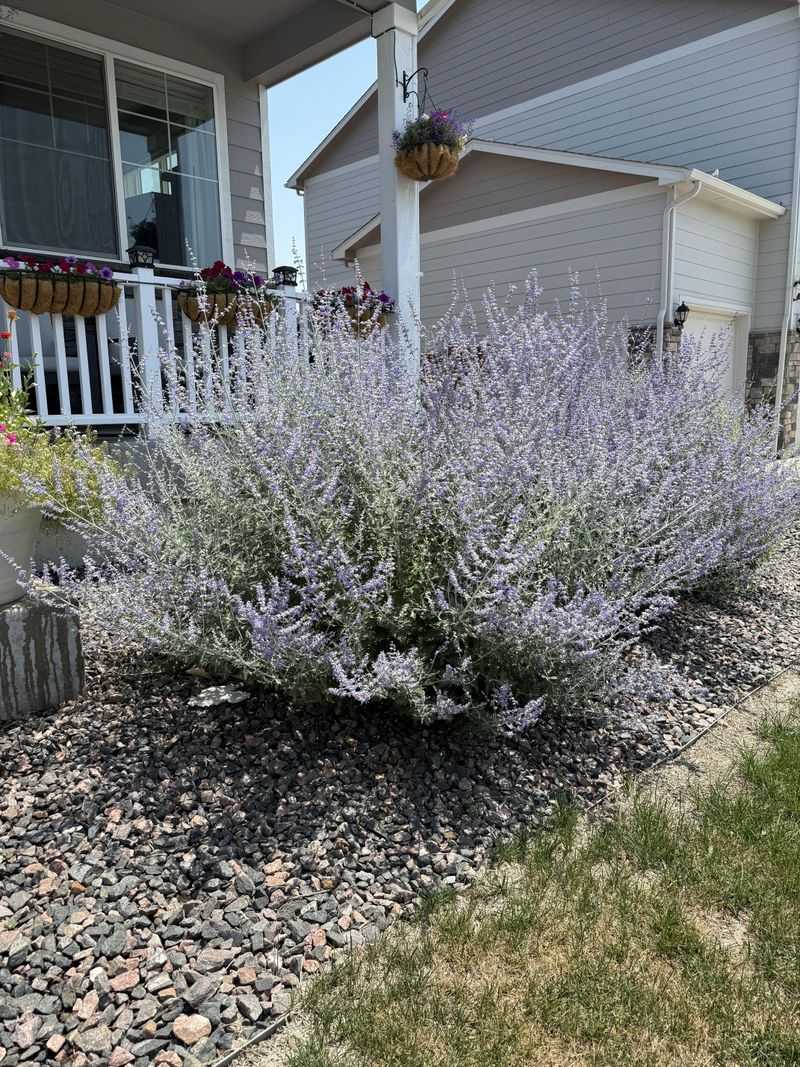
Russian sage traces its roots to dry, rocky landscapes across central Asia, which explains a lot about its attitude toward water in general.
It wants far less than most gardeners assume year round, and by autumn it wants even less than usual.
Once flowering wraps up, the plant slows down and begins shifting into dormancy on its own schedule. Growth stops, water use drops, and the soil stays wetter longer as Michigan’s fall rains arrive alongside falling temperatures.
Keeping watering on a summer schedule risks root rot, which is honestly a bigger threat to Russian sage in Michigan than cold ever manages to be.
Heavy clay soils around Detroit, Lansing, and Grand Rapids hold moisture stubbornly, and soggy roots heading into a freeze spell trouble almost every time.
A simple check works well here. Push a finger a few inches into the soil, and only water if it feels bone dry several inches down with no meaningful rain for a couple of weeks running.
Established plants often need nothing at all after Labor Day passes. First-year plantings may want an occasional deep drink before the ground freezes solid, since their roots have not spread far yet.
Skip fall fertilizer too, while at it. Feeding now pushes soft growth at exactly the wrong moment in the calendar.
Turn off the drip line running through that bed, and let this tough, sun-loving plant coast into winter on the dry side, right where it feels happiest.
7. Save Hard Pruning For New Growth
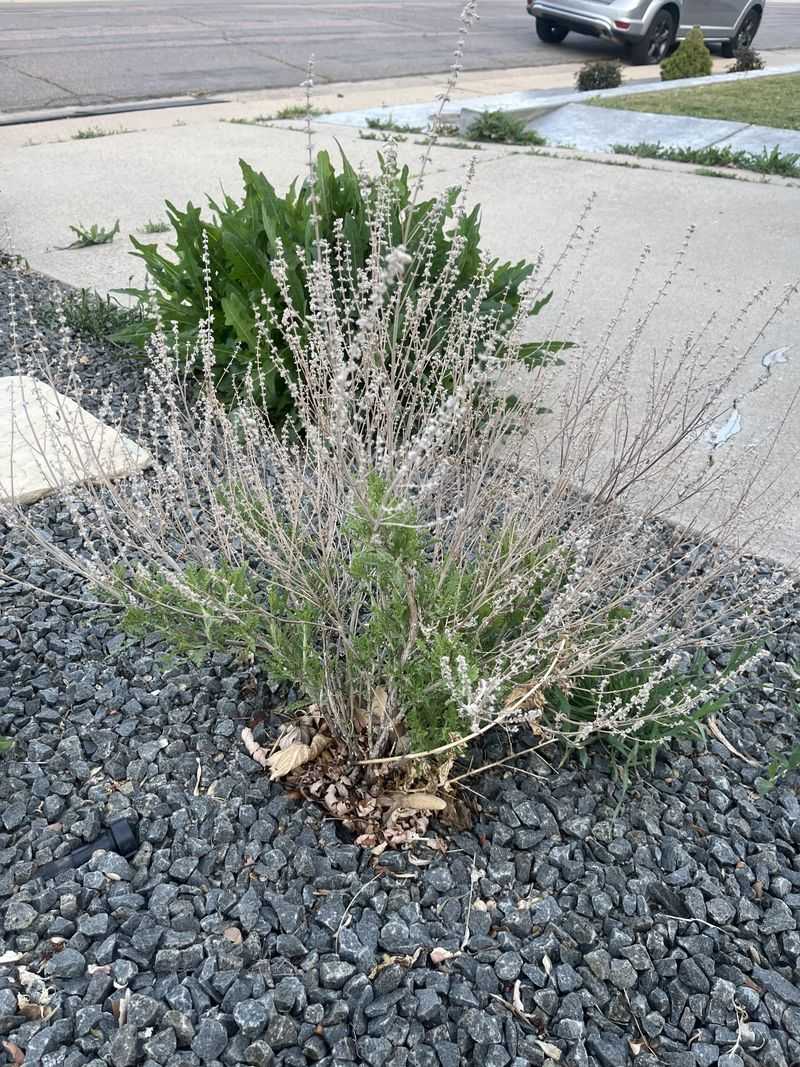
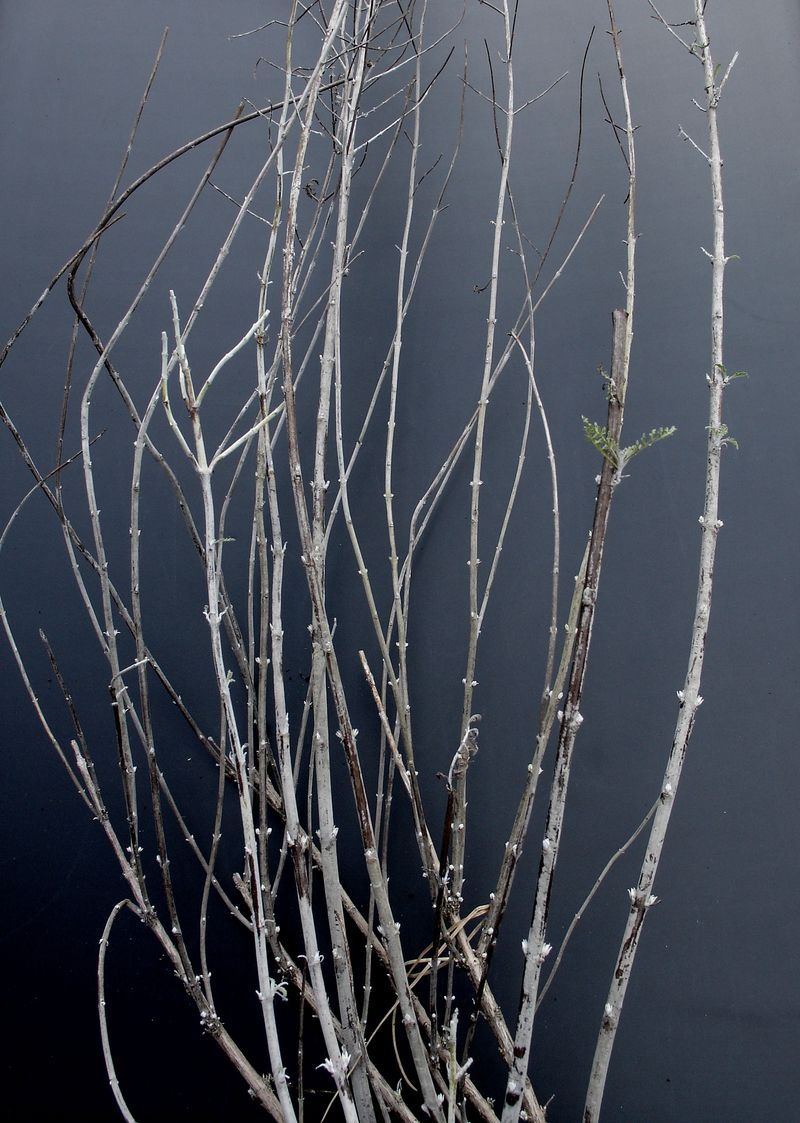
Spring is when the pruners finally earn their keep after months of sitting idle. The signal to look for is small, silvery-green leaves or fuzzy buds appearing along the lower six to twelve inches of the woody stems.
Once those show up, the job becomes almost foolproof.
Cut each stem back to a point just above the highest set of visible new buds, usually leaving somewhere between four and twelve inches of woody framework standing behind.
Some gardeners prefer a harder renewal cut, taking stems down to roughly six inches to encourage dense, upright growth that flops less by midsummer. Either approach works fine as long as the cut lands above living buds rather than a guess made in the dark.
In Michigan, that moment typically arrives sometime in April or early May, later up in the northern counties. A stubborn plant may hold off until things really warm up, so patience beats declaring it gone too early.
Use clean, sharp bypass pruners for this job. Old wood can be tough and stringy, and dull blades crush stems instead of slicing them cleanly through.
Toss the removed material in the compost pile, then stand back and wait. Fresh growth fills in quickly once the soil warms, and by late June the plant looks full again, like nothing ever happened.
Gardeners who prune this way consistently report stronger stems and better flower displays than those who chop everything down in fall and hope for the best outcome anyway.
8. Resist The Urge To Tidy Now
There is real satisfaction in a garden bed shaved clean before the first snow falls. Everything lines up, the mulch looks fresh, and the yard feels finished for the season. Russian sage asks for a little of that satisfaction to be set aside.
Leaving one shrubby clump standing among neatly cut perennials can feel like an unfinished job staring back at you. Reframe it instead.
What looks untidy is actually functioning insulation, wind protection, and a snow-catching structure that keeps the crown alive through the worst months.
Michigan gardeners deal with hard freezes, ice storms, and thaw cycles that plants in gentler climates never have to face at all. Working with a plant’s natural defenses beats fighting them for the sake of appearances every single time.
A bare bed that bothers you visually can lean into the look instead. Pair Russian sage with ornamental grasses, coneflower seed heads, and sedum so the standing stems read as an intentional winter design rather than plain neglect.
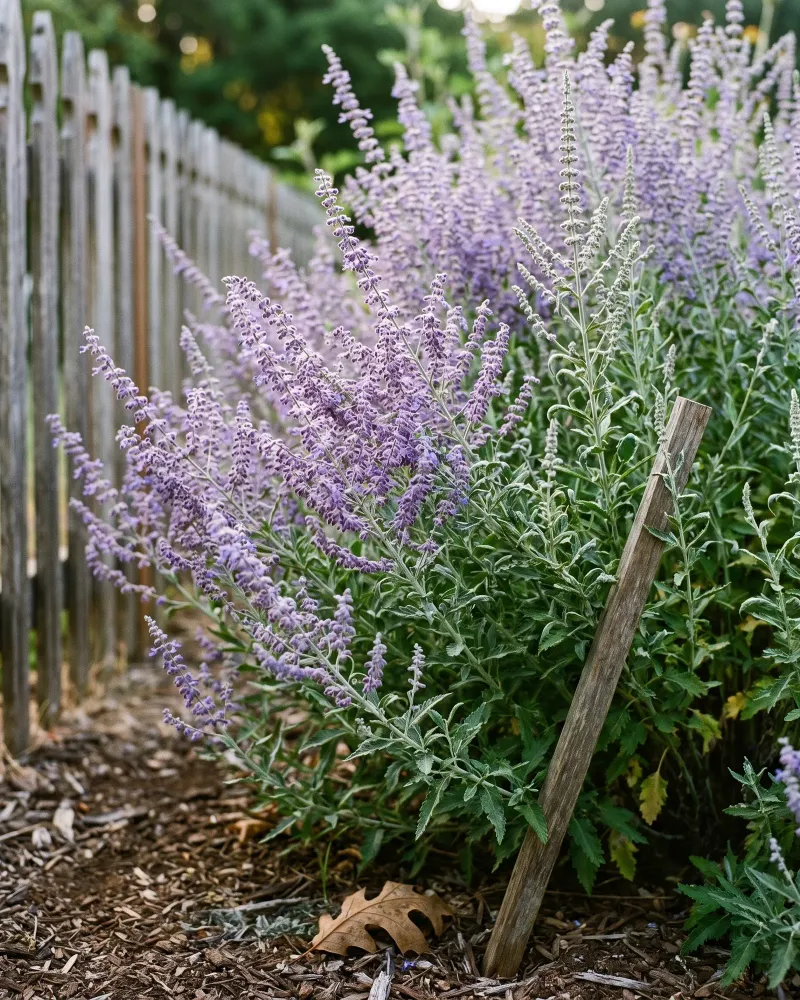
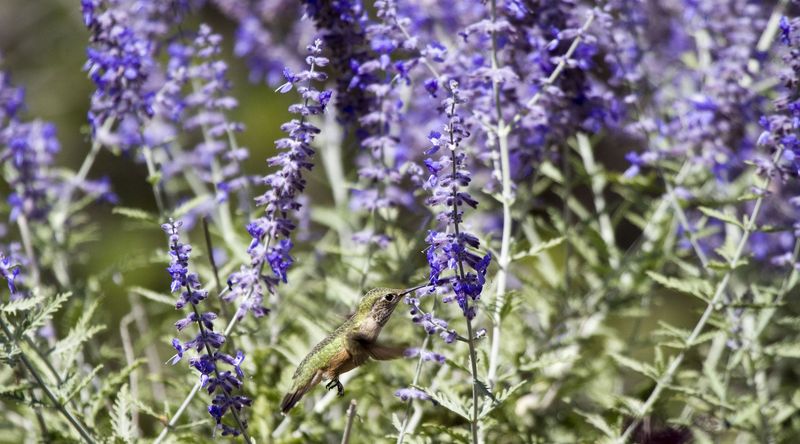
Neighbors might raise an eyebrow in November over the gray sticks left standing. They usually stop asking by July, once the plant is covered in lavender-blue spikes and humming steadily with bees.
Mark the spot with a small stake or label so nobody, including the gardener who planted it, mistakes the gray sticks for something spent during spring cleanup season.