What It Means When White Cocoons Show Up On New Jersey Tomatoes
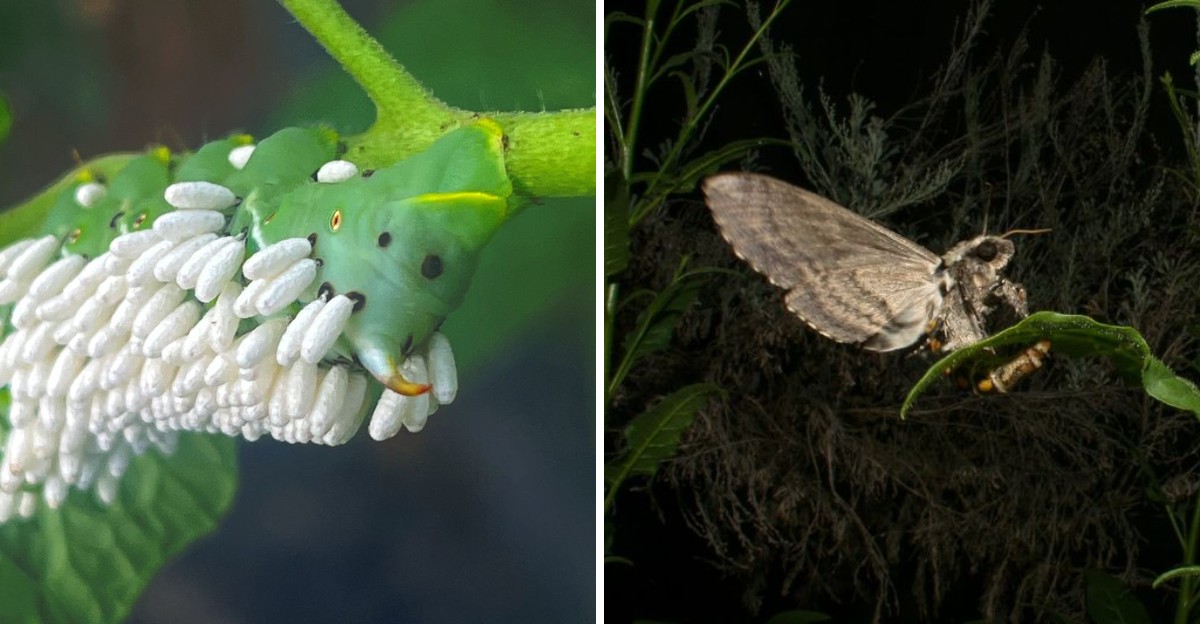
You spot tiny white bumps clinging to a fat green caterpillar. Surprise hits fast, and your hand reaches for the gloves. Stop right there, because you are about to make a mistake.
Gardeners across New Jersey see this exact scene each September. Those rice-like specks are not eggs or disease. They mark something else happening inside that caterpillar’s body.
A parasitic wasp already used this insect as a nursery. Wasp larvae fed inside, then spun cocoons on the surface. What you see is a wasp nursery, not an infection. New Jersey farmers pay for exactly this kind of pest control.
Your garden just received free labor, and it works fast. Removing that caterpillar now would erase weeks of hidden work. Understanding what you see changes how you treat your garden.
Curiosity now pays off more than quick action ever could. Knowing this truth means you cannot ignore what comes next.
What You Are Actually Seeing
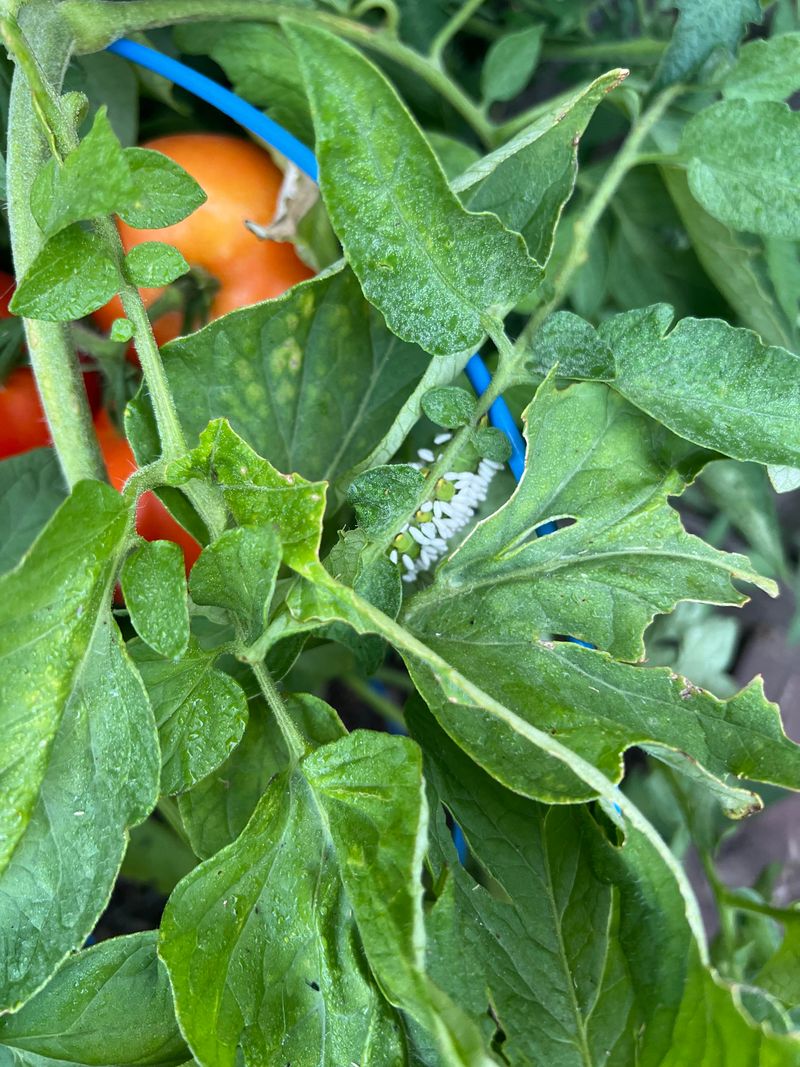
Those white specks are not eggs, and they are not a fungus. They are silk cocoons spun by braconid wasp larvae, each one about the size of a grain of white rice.
The caterpillar underneath is typically a tobacco hornworm, though the closely related tomato hornworm can also be a host. Both show up in New Jersey gardens from July through early fall, and both can cause significant leaf loss under heavy feeding.
Here is the twist. A tiny wasp, no bigger than a gnat, found that hornworm days ago and laid eggs just under its skin.
The larvae fed inside, then chewed their way out and spun those pale cocoons on the caterpillar’s back.
Seen up close, the cocoons stand upright like a miniature village of white barrels. Some gardeners think they look like a caterpillar wearing a fuzzy backpack.
The hornworm carrying them is finished eating. It may still twitch or wobble a bit, but its appetite is gone and it will not damage your fruit anymore.
What you are witnessing is a natural pest control system that has been running in Jersey gardens long before anyone bottled a spray. Recognizing it takes about three seconds once you know the pattern: green caterpillar, white grains, upright and clustered.
Learning that difference saves you money, protects your harvest, and gives you a genuinely cool story to tell over the fence.
The Wasp Behind The Cocoons Has A Name
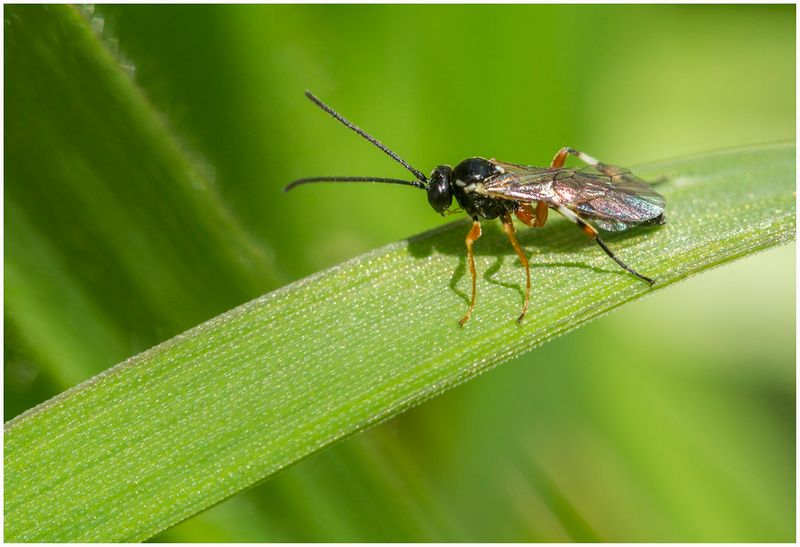
Say hello to Cotesia congregata, a wasp so small you could fit several on a dime. She has no interest in your picnic, your soda can, or your ankles.
Female braconid wasps hunt by scent. When a hornworm chews a tomato leaf, the wounded plant releases chemical signals into the air, and the wasp follows that scent trail like a dinner bell.
Once she locates her target, she uses a needle-thin egg-laying tube to place dozens of eggs inside the caterpillar. The whole process takes seconds, and the hornworm barely reacts.
For context: the virus this wasp injects, which stops the caterpillar from molting, has been documented in more recent entomological research.
Your New Jersey Garden Changes Every Week. Your Plan Should Too.
Gardening in New Jersey changes quickly throughout the season. Every Friday you’ll receive a simple weekly plan showing exactly what to plant, prune, fertilize, harvest, and protect so you never miss the right timing.
Roughly one to two weeks later, the larvae emerge and spin their cocoons. Within another four to eight days, adult wasps chew open the lids and fly off looking for the next hornworm.
One caterpillar can produce anywhere from twenty to over a hundred new wasps. That is an entire patrol unit generated from a single pest.
These wasps cannot sting people. They have no interest in defending a nest, because they do not build one.
For New Jersey growers dealing with humid summers and steady hornworm pressure, having a resident population of these wasps is like hiring a security team that works for free and clocks in before you notice the problem.
What Happens If You Remove That Caterpillar
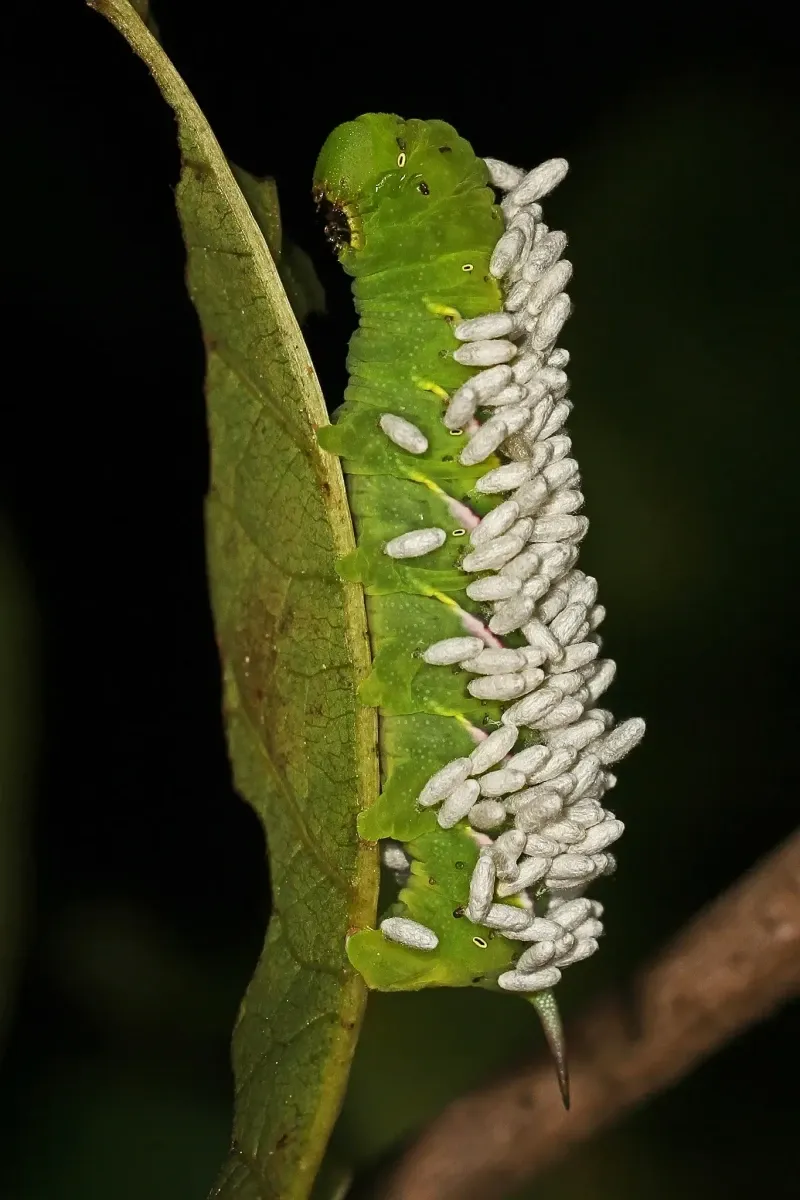
Reflexes are strong. Most folks see a hornworm and want it gone within half a second, which is understandable after losing a plant to one.
But stomping a cocoon-covered hornworm wipes out the entire wasp brood along with it. You trade one already-harmless caterpillar for dozens of future hornworm hunters. The trade-off rarely benefits the garden.
A parasitized hornworm poses almost no threat at that stage. Its feeding drops off sharply once the larvae mature inside, and any nibbling it manages is minor compared to a healthy one.
Leave it on the plant. If the sight bothers you, gently clip the stem it is sitting on and move it to a nearby weedy spot, a sunflower, or a bucket with leaf litter where the wasps can still emerge.
Do not seal it in a bag or drop it in soapy water. Both options end the cycle before those wasps ever get out.
Broad-spectrum insecticides cause the same problem on a bigger scale. Products that knock out caterpillars often take the beneficial insects down too, which is why gardens sprayed heavily one summer tend to see worse pest pressure the next.
New Jersey gardeners who hold back gain something valuable: a self-renewing defense system that gets stronger each season. Patience during early September pays dividends the following July.
Telling Wasp Cocoons Apart From Real Trouble
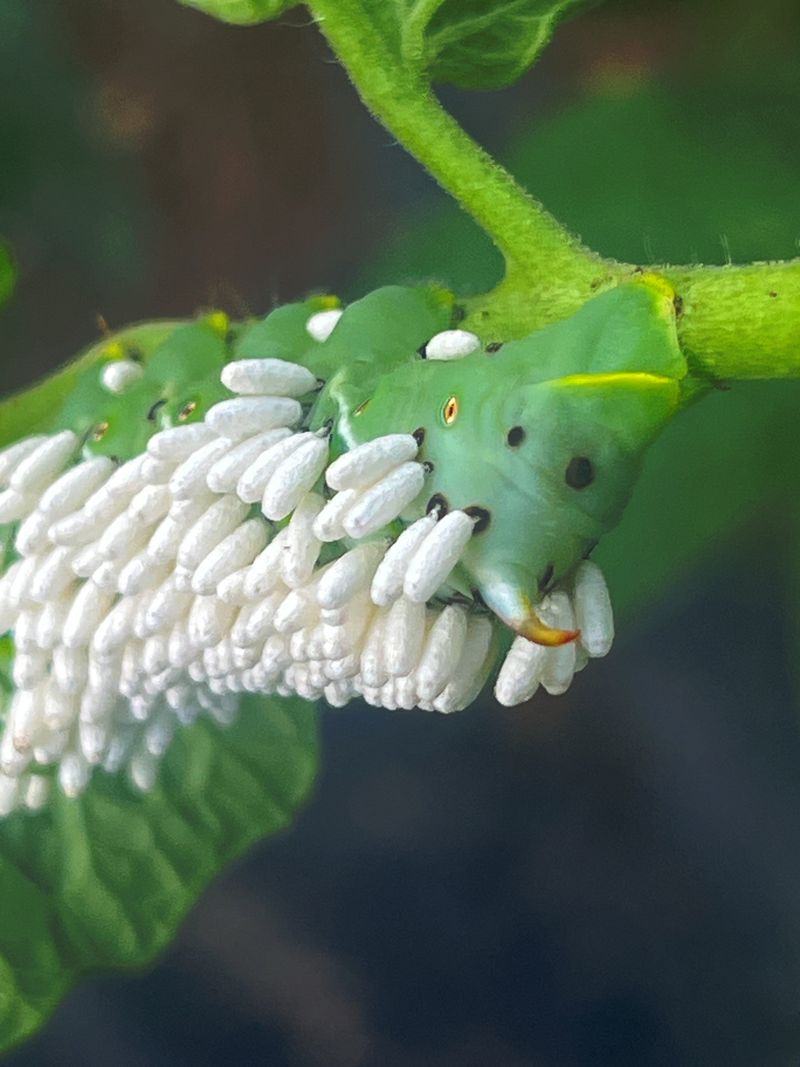
Not every white thing on a tomato plant is good news, and mixing them up leads to the wrong response. A quick visual check clears things up fast.
Braconid cocoons appear only on a caterpillar’s body, never on leaves, stems, or fruit. They are firm, oval, and stand out from the surface like tiny pegs.
Powdery mildew, common in humid New Jersey Septembers, looks like flour dusted across leaf surfaces. It spreads flat and wide rather than forming raised bumps.
Mealybugs and woolly aphids produce a soft, cottony fluff that smears when touched. Wasp cocoons hold their shape and feel slightly papery.
Whitefly nymphs cluster on leaf undersides as flat, scale-like ovals. Shake the plant and a cloud of adults lifts off, which never happens with cocoons.
Slug or snail eggs sometimes turn up in soil near the base, but those are clear and jelly-like, not opaque and dry.
Another lookalike worth knowing: some gardeners mistake the cocoons for hornworm eggs. Hornworm eggs are single, round, pale green, and sit alone on leaf undersides.
Grab your phone and take a close photo if you are unsure. Rutgers Cooperative Extension offices across New Jersey can help confirm an ID if you’re unsure.
Getting the identification right matters because the responses are opposite. Powdery mildew calls for airflow and treatment, while cocoons call for you to step back and let the process finish on its own.
Building A Garden That Invites These Helpers Back
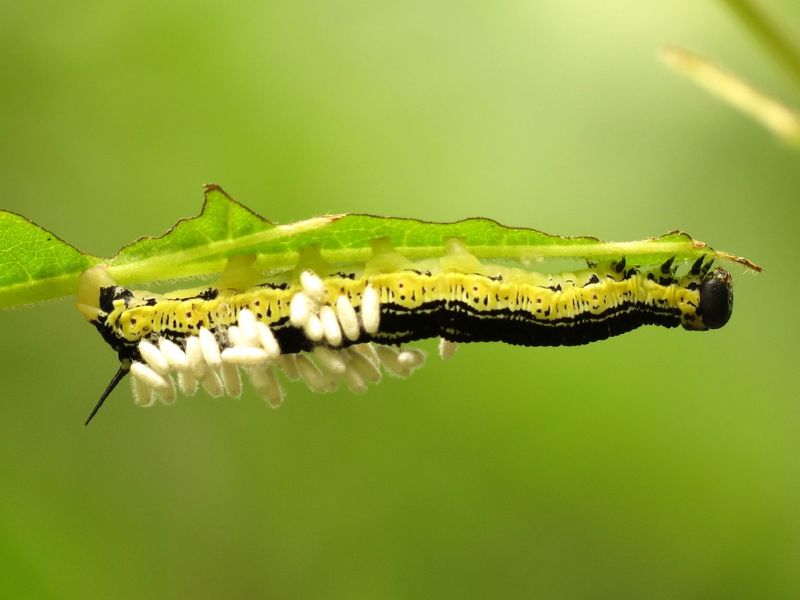
Adult braconid wasps need more than caterpillars to stick around. They sip nectar, and their mouthparts are short, so they need small, shallow flowers they can actually reach.
Plant dill, fennel, cilantro, parsley, and carrots, then let a few of them bolt and flower. Those flat umbrella-shaped flower heads are basically wasp cafeterias.
Sweet alyssum works beautifully as a low border around tomato beds. It blooms for months and stays productive well into a mild Jersey autumn.
Yarrow, buckwheat, and calendula also pull their weight. Scatter them near the vegetable rows rather than in a distant corner, since these wasps do not travel far in a single trip.
Timing matters too. Aim for something in bloom from May through October so there is a steady food supply across the whole growing season.
Skip the broad-spectrum sprays whenever possible. If you must treat a serious outbreak, choose targeted options like Bt applied only to affected plants and only in the evening.
Leave a patch of the garden a little wild. Unmowed edges, leaf litter, and standing stems give overwintering insects somewhere to shelter through cold Jersey winters.
Water helps as well. A shallow dish with pebbles gives small insects a safe landing spot to drink without drowning.
Some gardeners notice a gradual decline in hornworm pressure over a few seasons, though results vary by garden and location.
What Happens Next In Your Garden Beds
Early September in New Jersey sits right at a turning point. Hornworm populations peak in late summer, which is exactly why cocoon sightings spike now.
The wasps emerging this month will look for remaining caterpillars before cool weather sets in. Some will overwinter as pupae tucked into garden debris and soil.
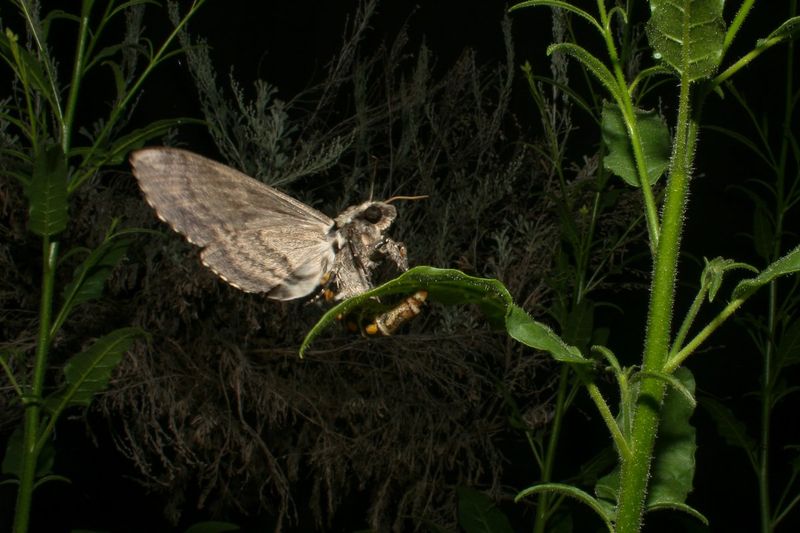
Hornworms that escape parasitism drop to the ground and pupate a few inches down. They emerge next spring as large hawk moths, sometimes mistaken for hummingbirds at dusk.
Light fall tilling of tomato beds after harvest disturbs those buried pupae and reduces next year’s pressure. Do it gently, and skip areas where you want beneficials to overwinter.
Keep scouting through the month. Check stems in the early morning, look for dark pellet-shaped droppings on leaves below, and follow the trail upward.
Chewed leaf edges high on the plant usually mean a caterpillar is close by, hiding along a stem where its green stripes blend in.
Remove unparasitized hornworms by hand and relocate them far from the beds. Save your intervention for those, and leave the cocoon carriers alone.
Fruit ripening slows as nights cool, so protecting remaining leaves matters for flavor and color. Healthy foliage feeds those last tomatoes.
By October, the show winds down. What you allow to happen this month shapes how much hornworm trouble greets you when you set out transplants next Memorial Day weekend.